The Cost of This Job
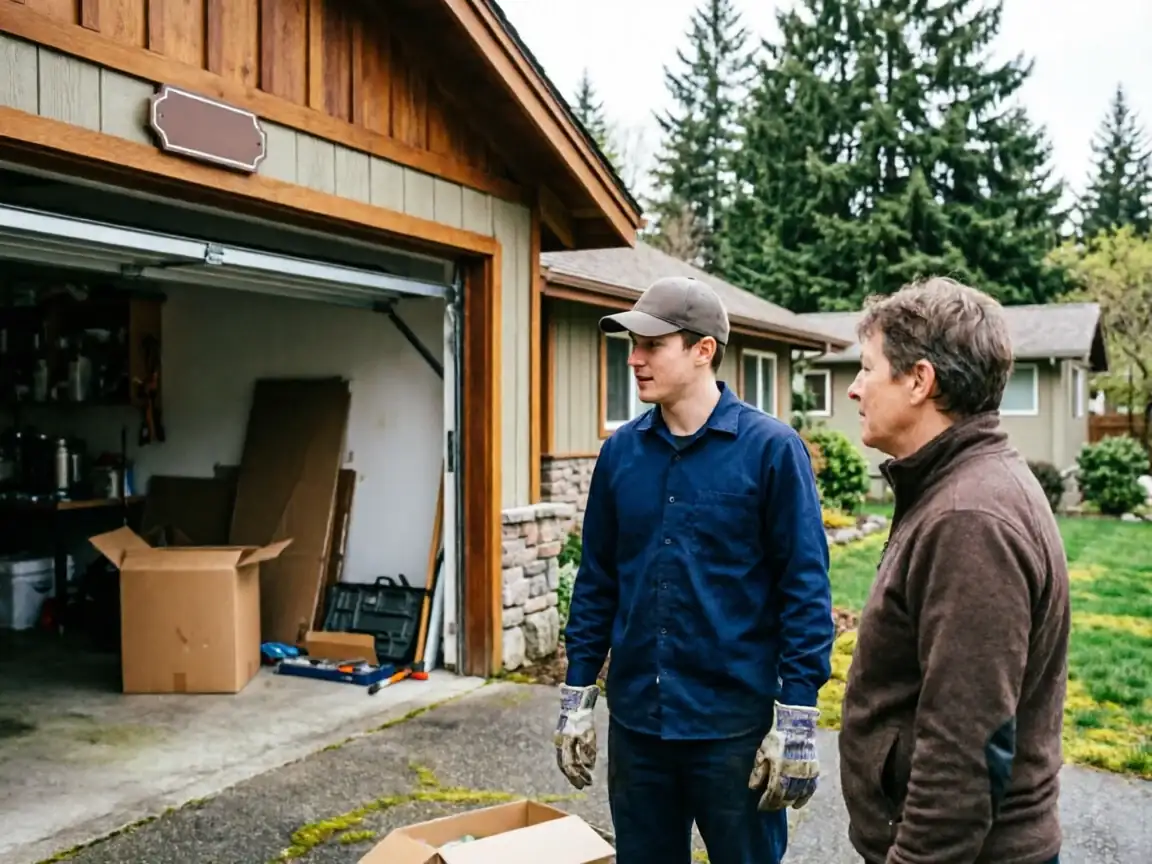
We can't quote a number here without knowing your door, but we can tell you what drives the cost on a typical Eugene job. Housing in this service area went up mostly between 1950 and 1997, with the median build year landing around 1980, and nine named areas carry that same 1980s-90s stock. That matters because a door from that era usually means original torsion hardware, galvanized (not powder-coated) track, and springs rated for the lighter steel panels builders used then. Replacing one piece often means replacing the whole assembly, since matching parts to a 40-year-old track rarely works. If your opener is original too, expect the job to run longer than a simple spring swap. We won't pad a quote with work your door doesn't need - if the track is still true and the hinges aren't stretched, we tell you that instead of selling you a full replacement.
What to Check
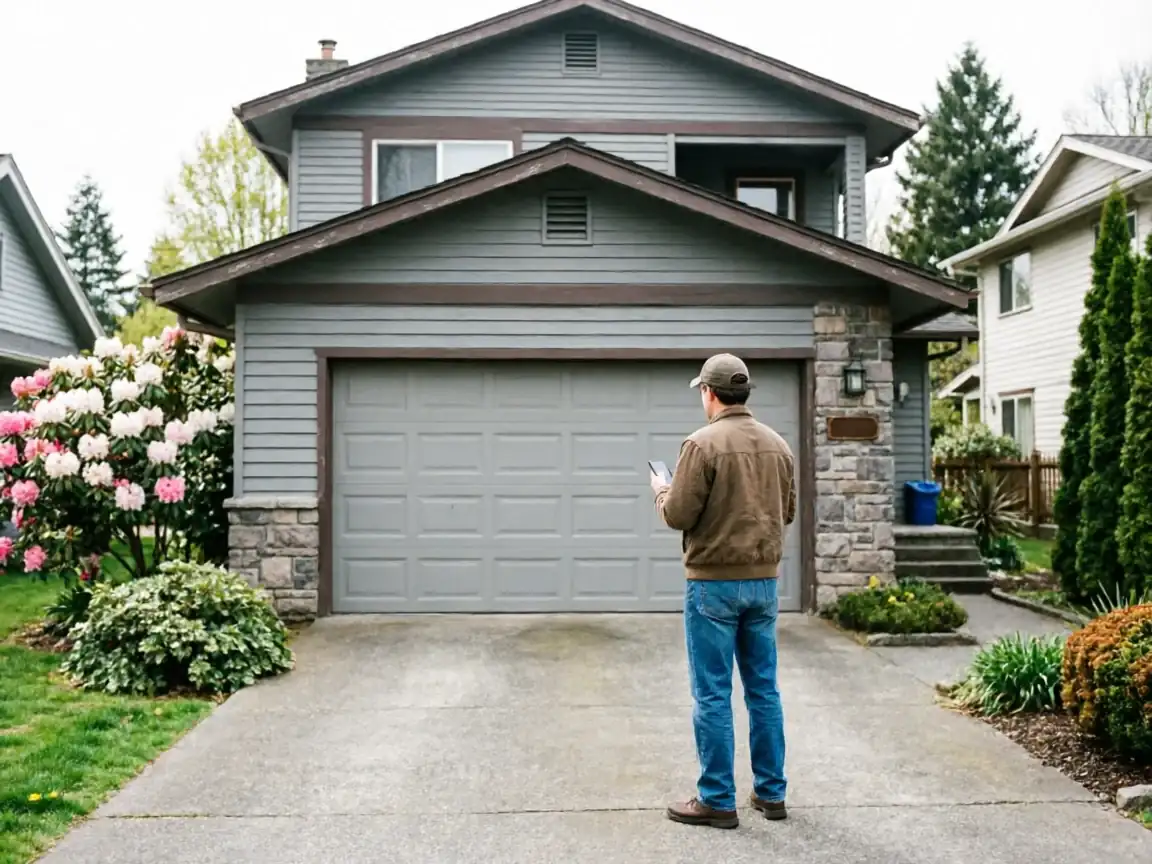
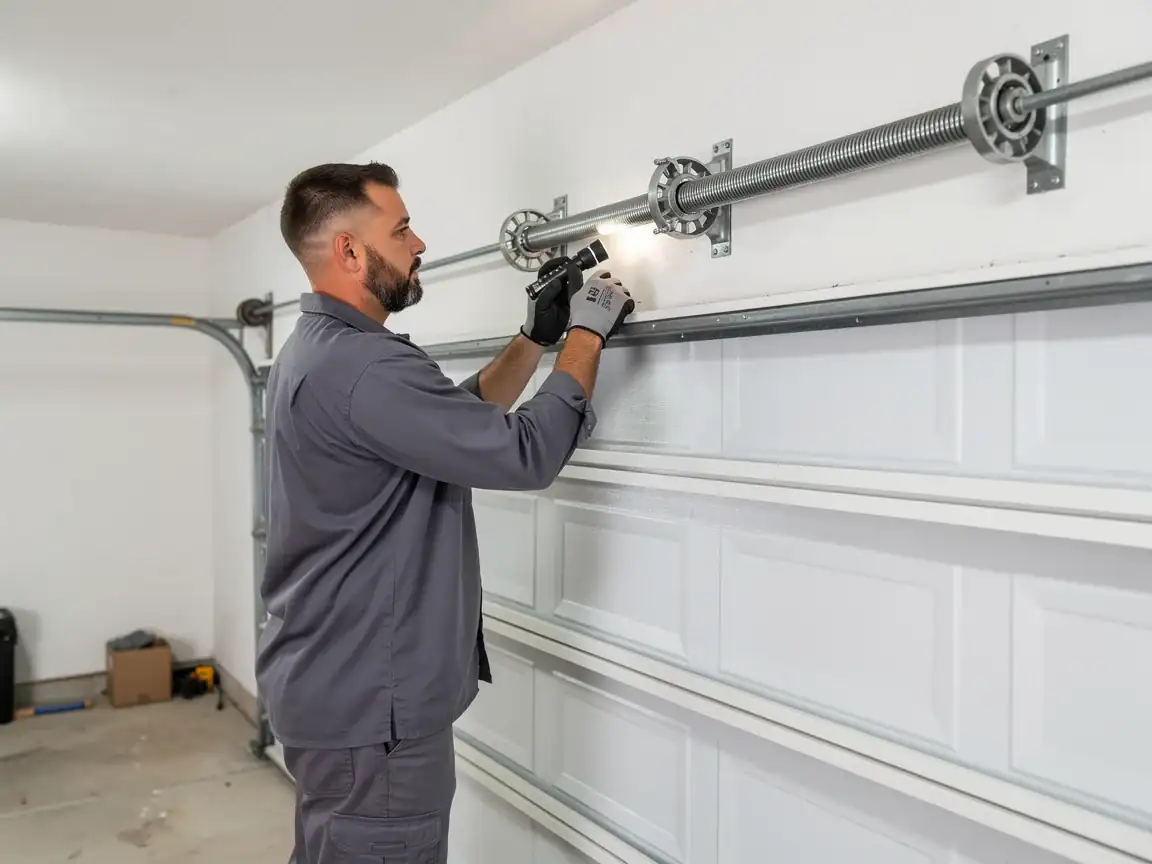
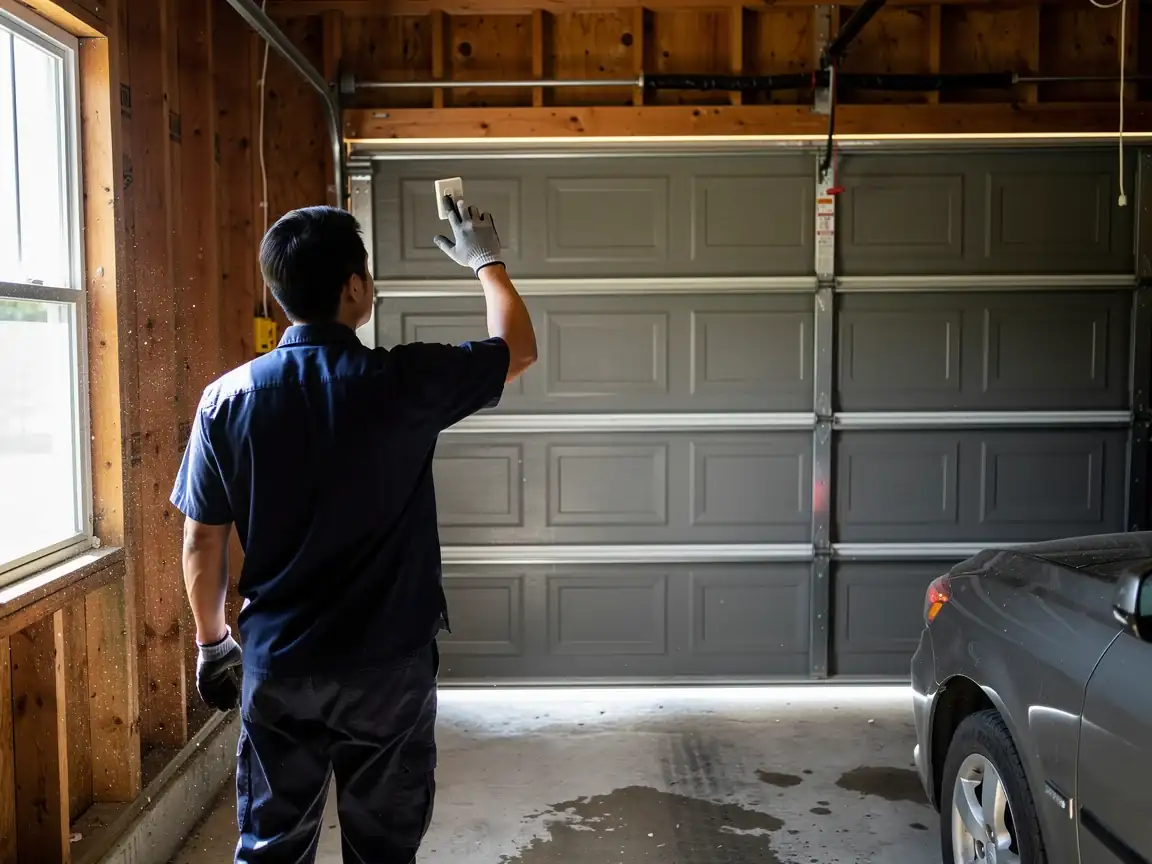
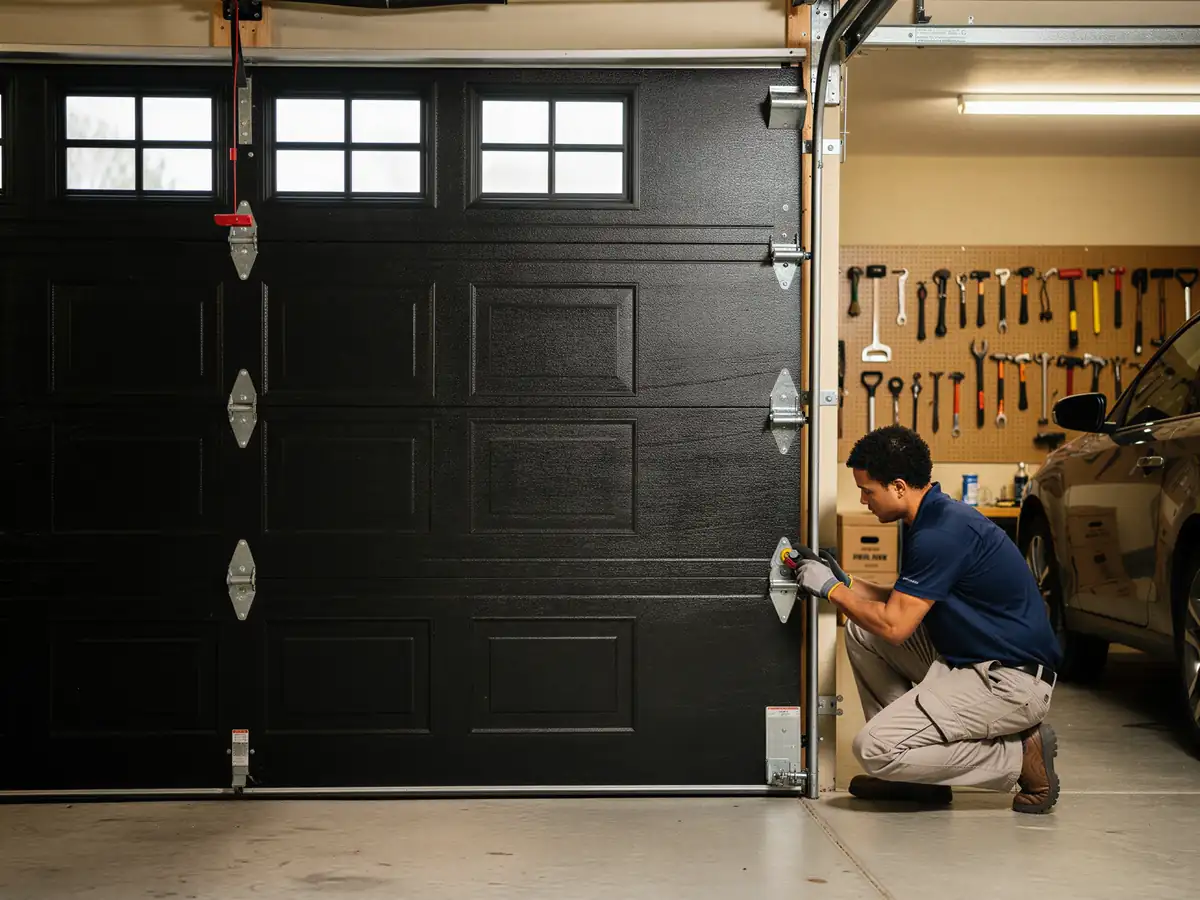
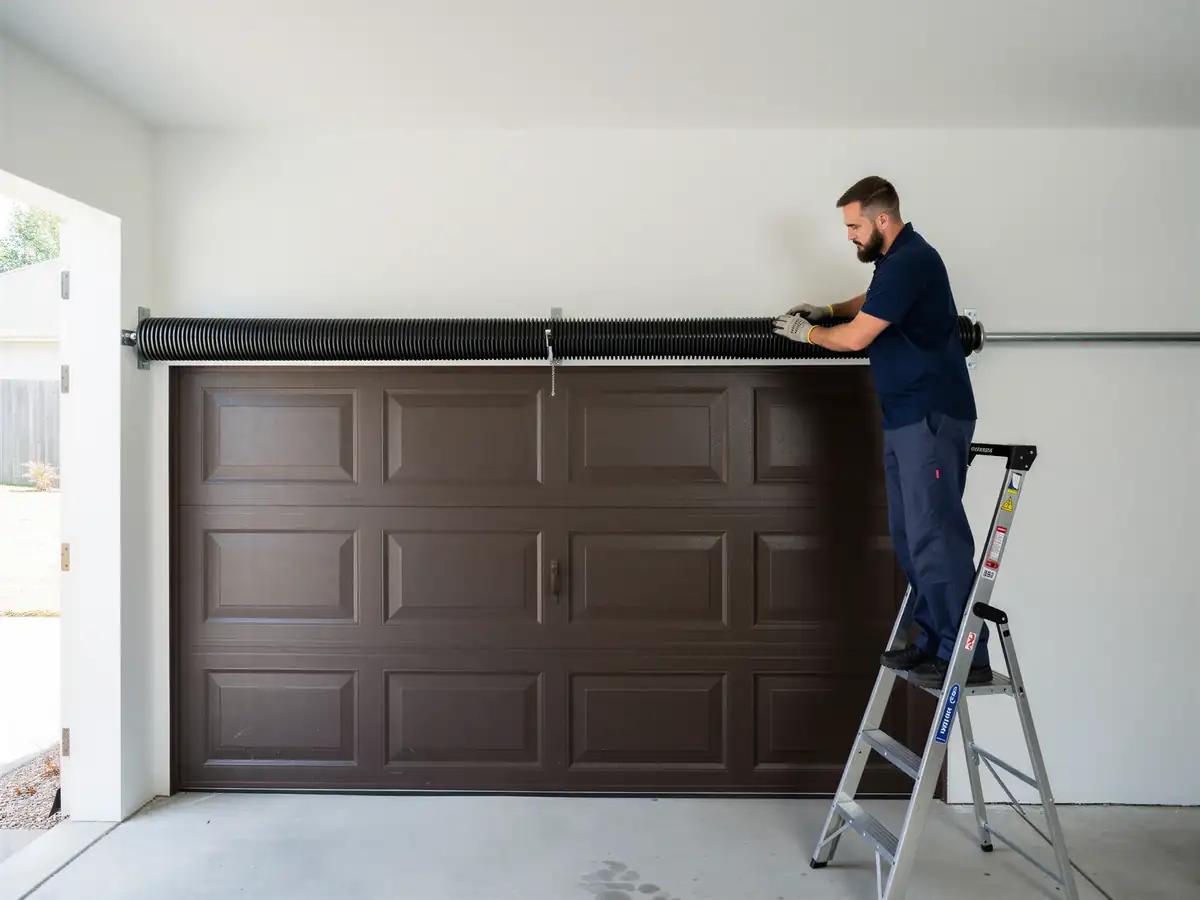
Start with the year your house was built. If it falls in that 1950-1997 range common across this area, assume original or near-original hardware until you've confirmed otherwise. Look at the springs above the door - surface rust or a visible gap in the coils when the door is down means it's near the end. Check the bottom seal for cracking; on houses from the 1980s stock, the original rubber has usually hardened past the point of sealing out wind-driven rain. Push the door up by hand with the opener disconnected: if it doesn't stay roughly where you leave it, the spring tension is off and that's not a DIY adjustment. Last, check the track bolts at the top bracket - decades of thermal cycling loosen lag screws into old framing, and that's a five-minute fix if you catch it before the track pulls away.
What Local Conditions Do
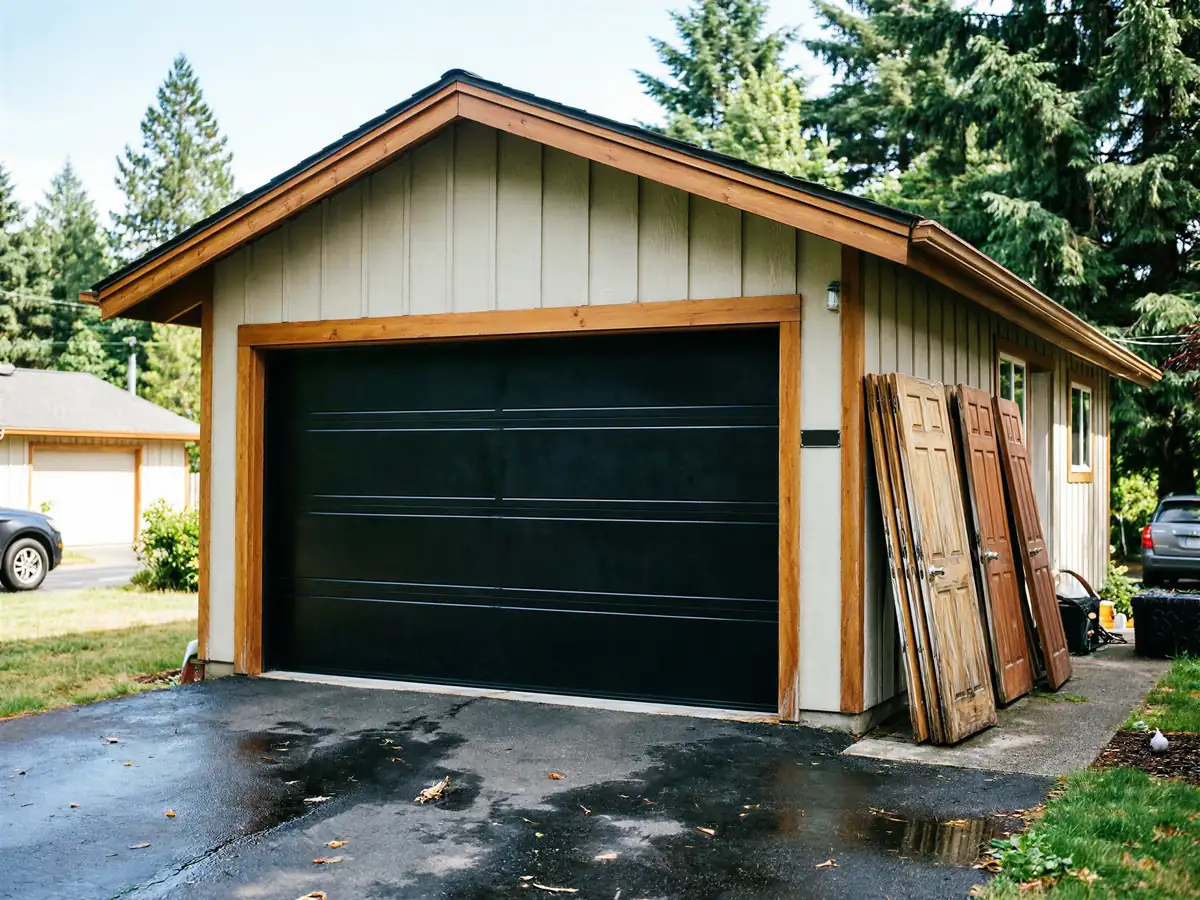
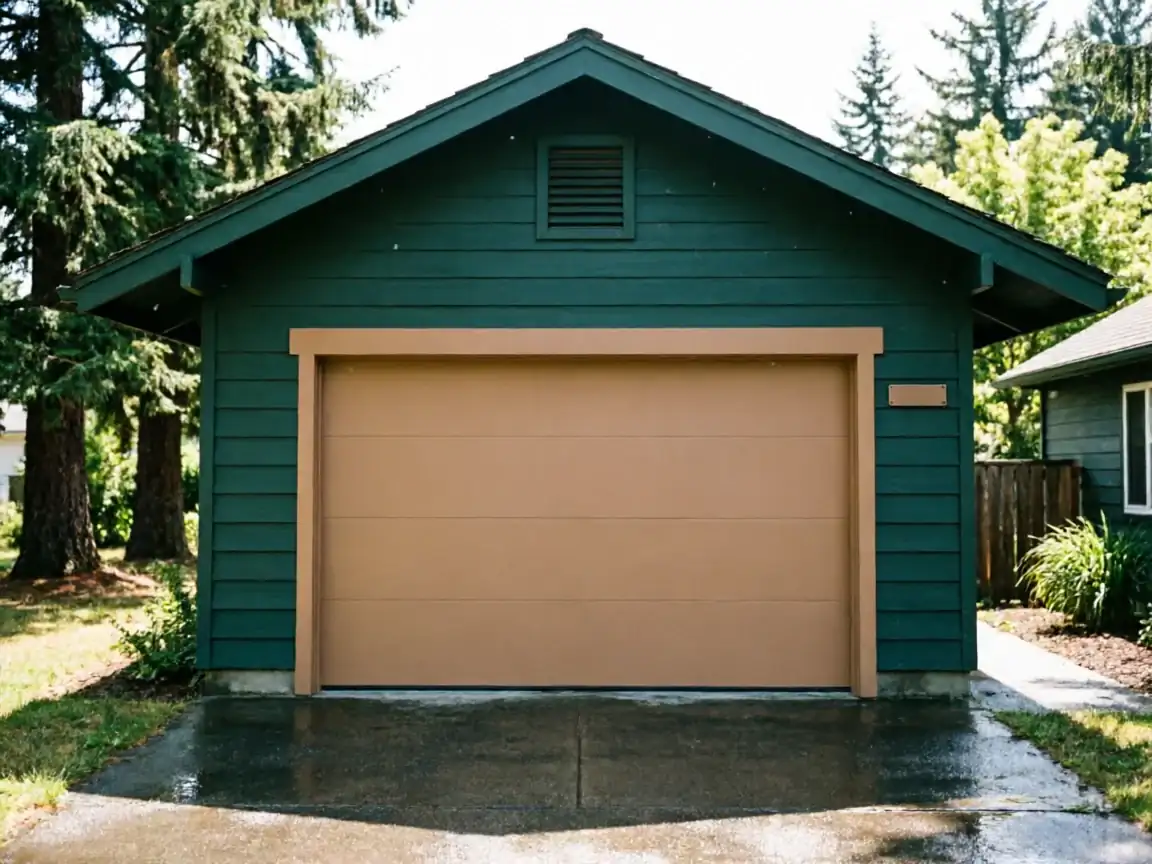
Eugene's cold-moderate climate doesn't hit a garage door with extreme heat or hard freezes the way some regions do, but it does deliver steady damp cold for months at a stretch, and that's its own kind of wear. Moisture works into seams around the bottom seal and the jamb, steel hardware rusts slower than it fails from fatigue, and wood door frames on the older end of the 1950-1997 housing stock swell enough each winter to bind a door that ran fine in August. None of that is dramatic, which is exactly why it gets ignored until a cable snaps or a spring lets go under tension. Across the areas we serve - the pattern repeats: steady, unglamorous wear from year-round damp rather than one bad storm.