How That Shows Up in the Door
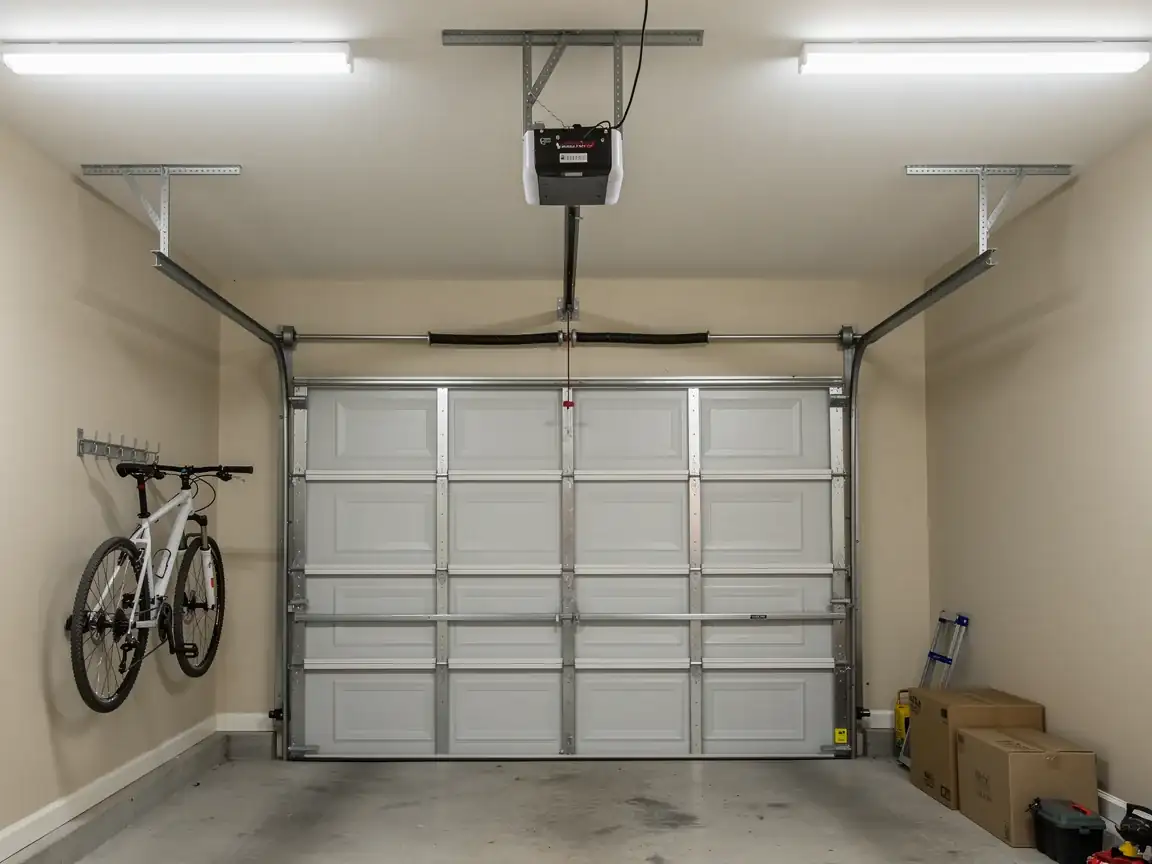
Springfield's housing stock centers around 1976, a good deal newer than the 1950-1997 range (median 1980) that covers the wider Eugene service area under F1. That gap matters more than it sounds. A house built in the mid-1970s almost always has an extension-spring setup or an early torsion system, not the side-mounted torsion hardware you'd find in a 1950s build. The tracks are usually galvanized steel rather than the older painted stock, and the openers - if original - are chain-drive units that have likely been swapped at least once by now.
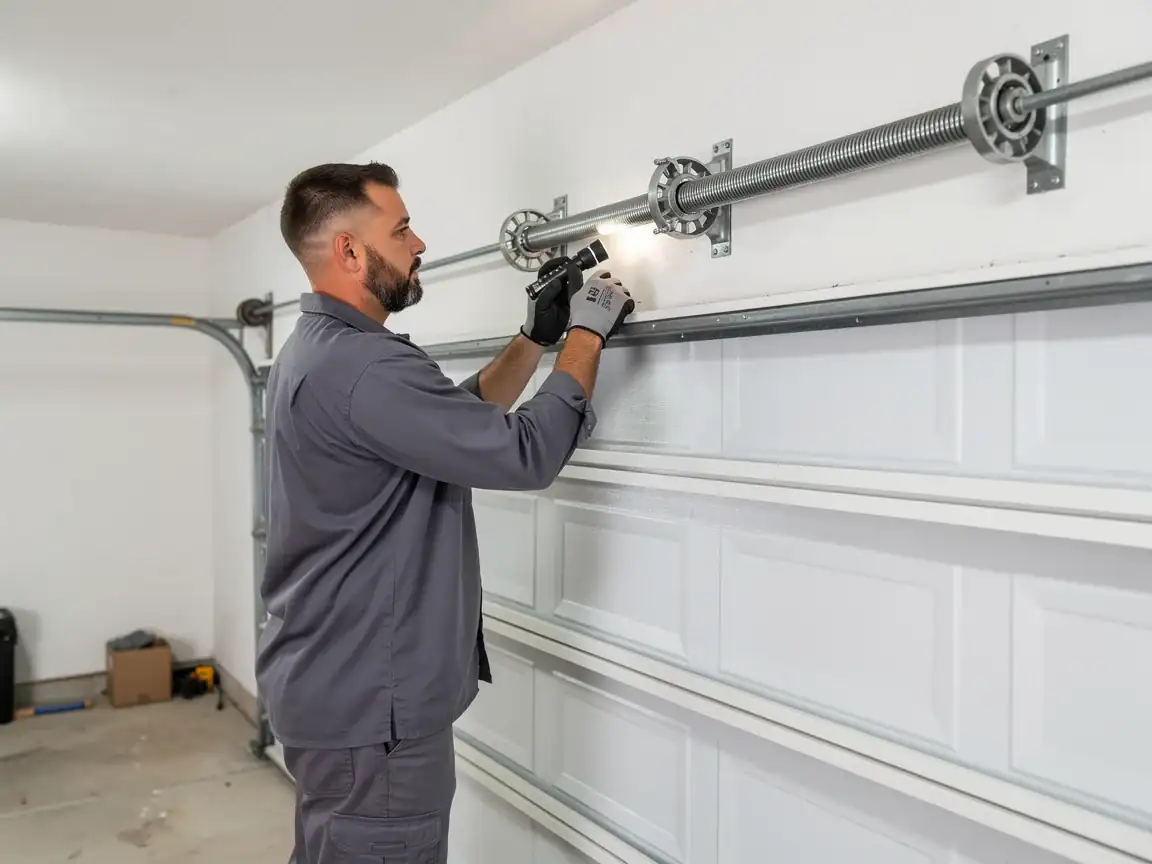
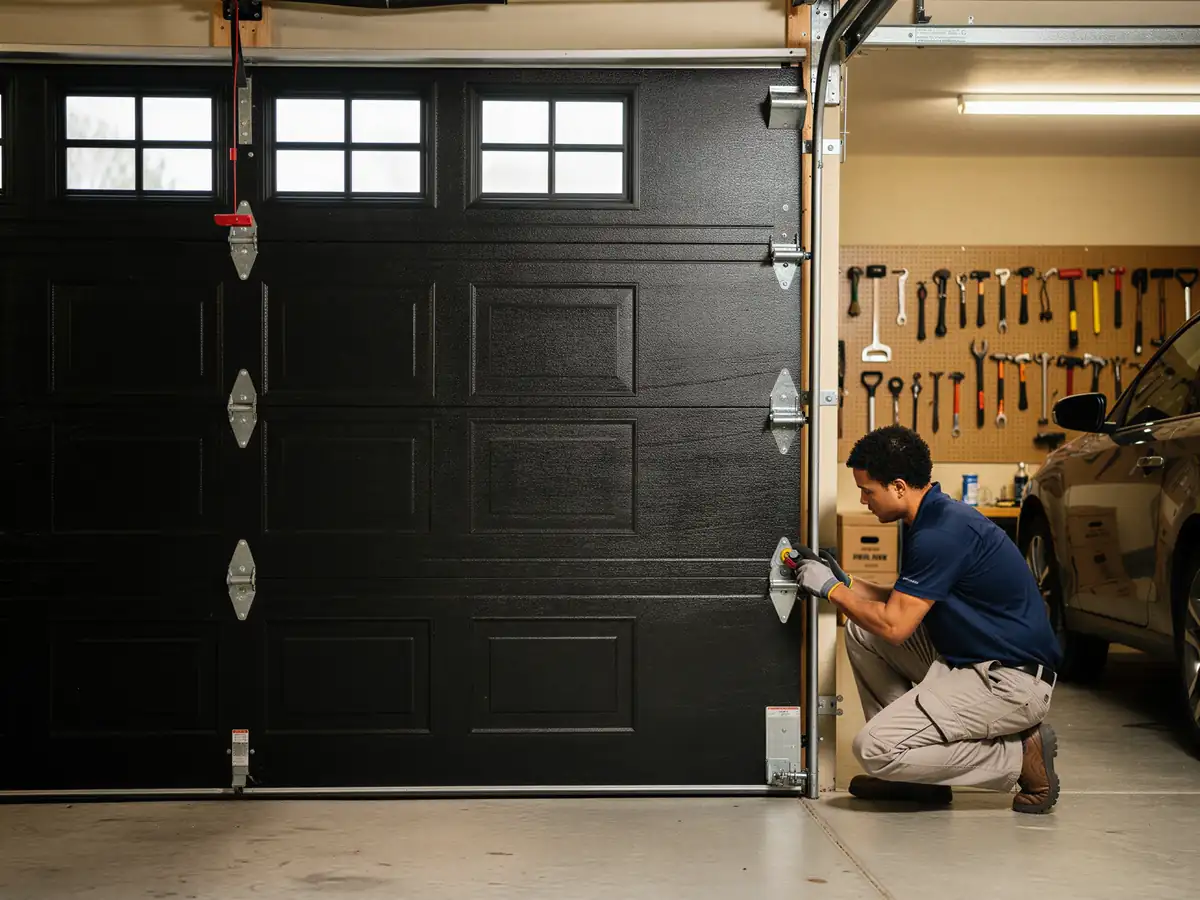
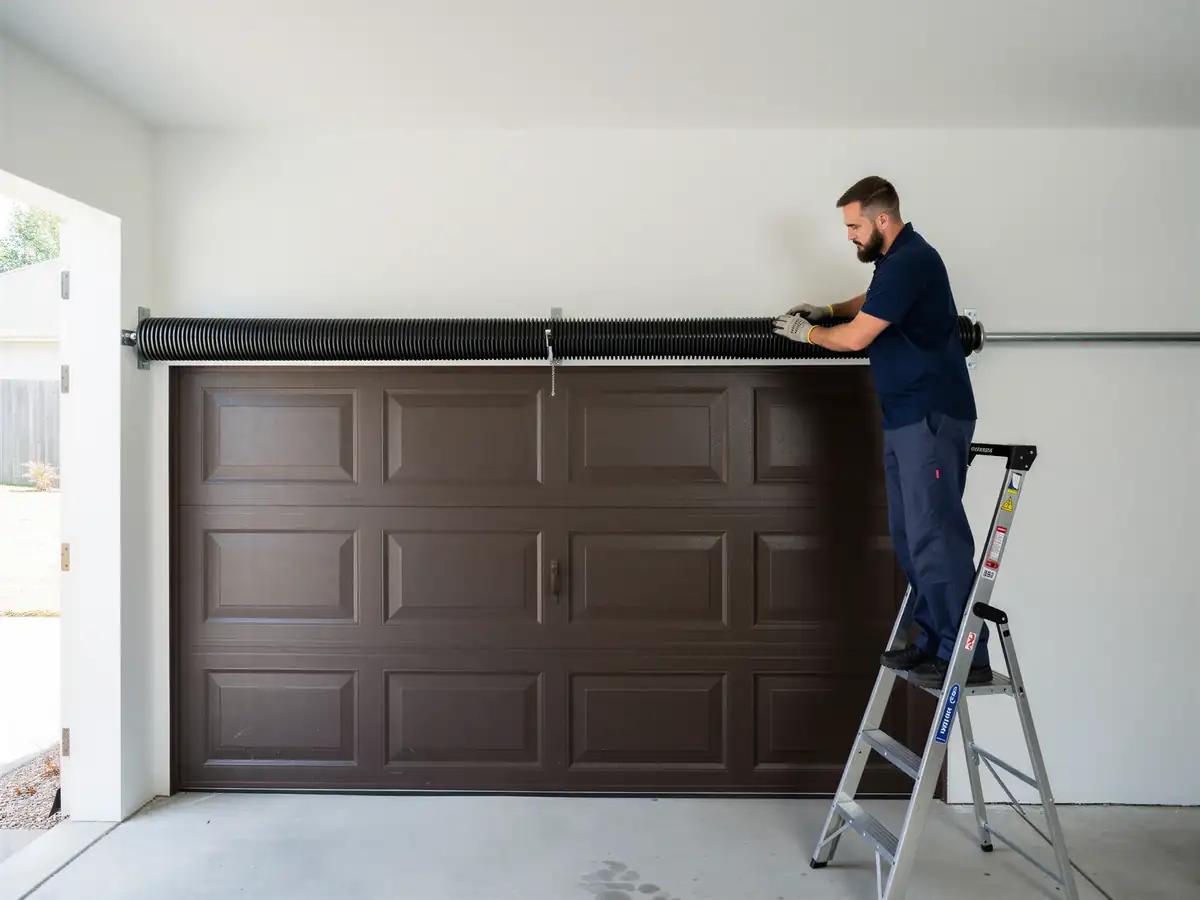
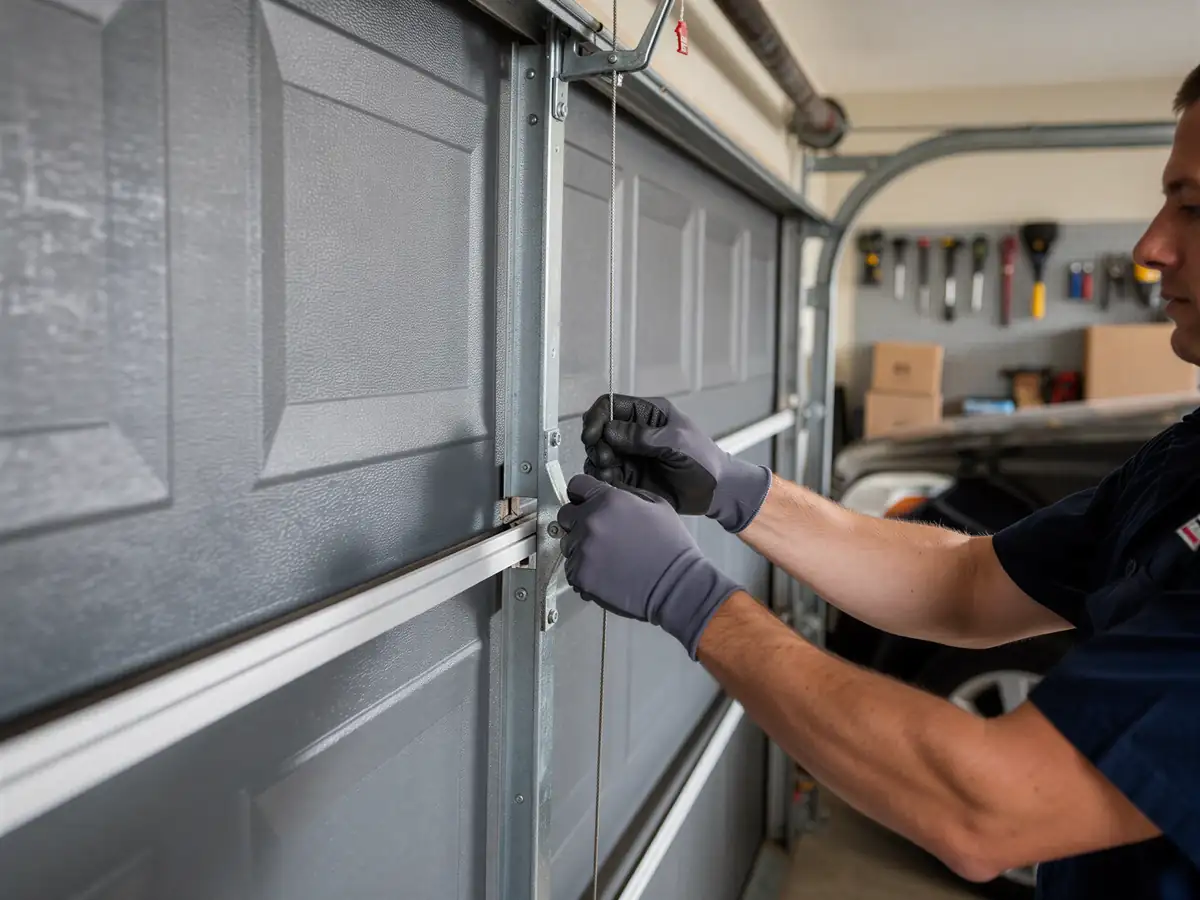
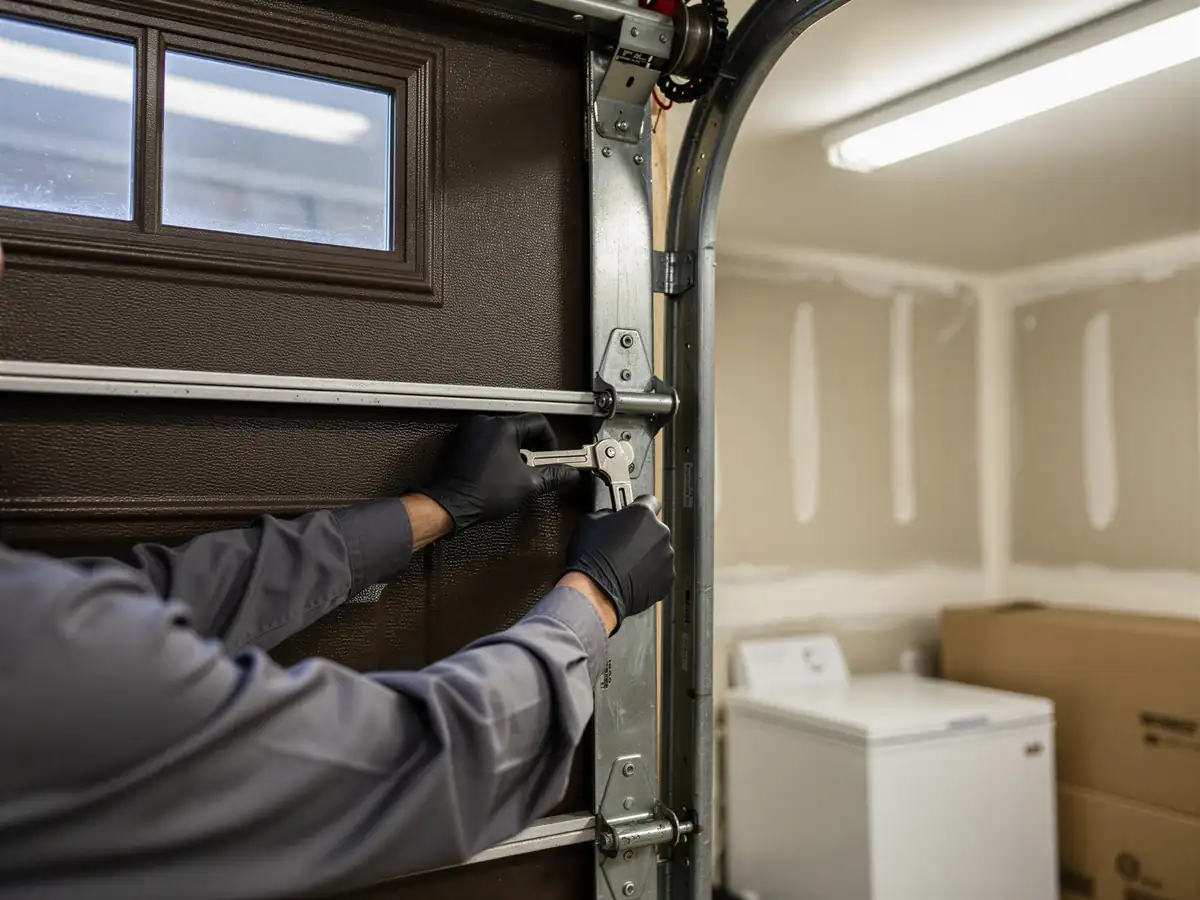
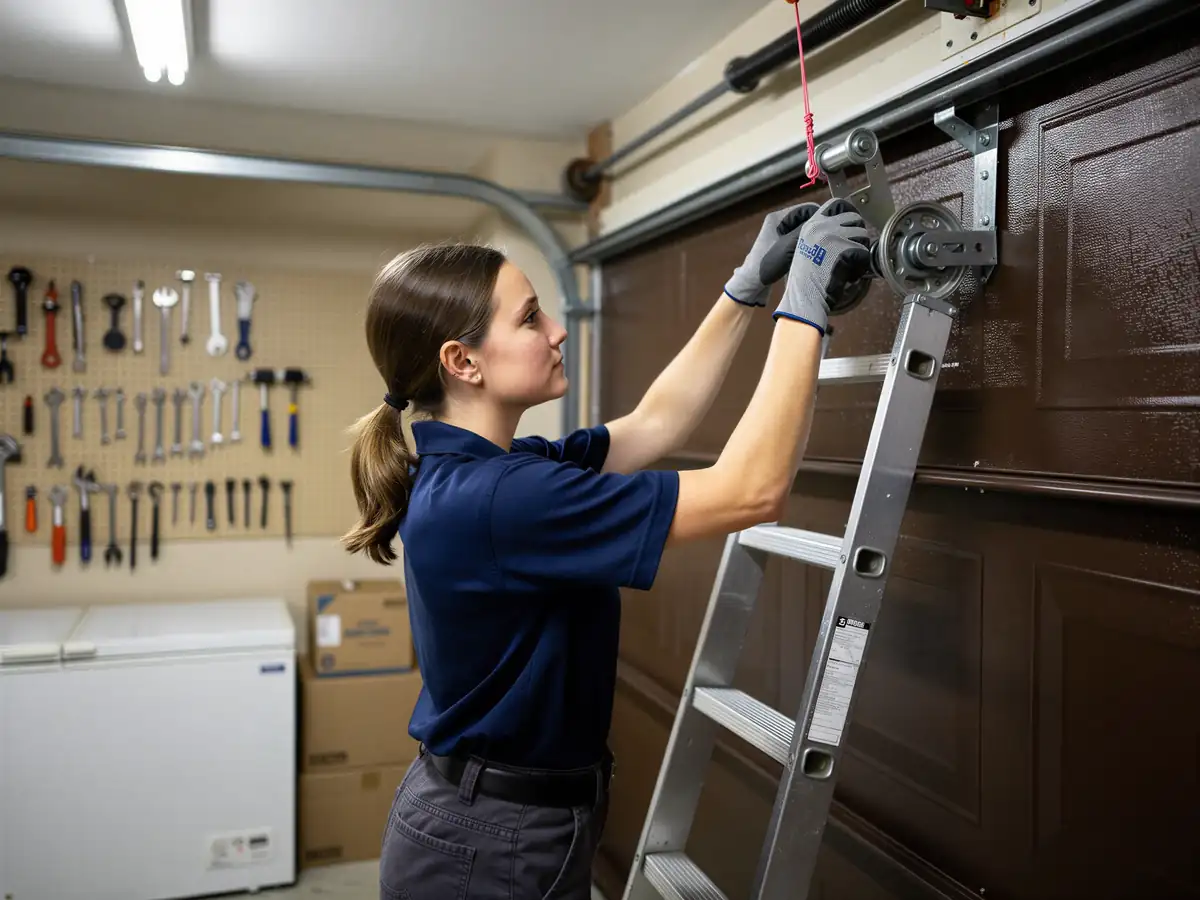
What we see on these jobs is wear in predictable spots: rollers that have gone brittle, cable ends frayed where they loop the drum, and extension springs stretched past safe tension because nobody replaced the safety cables when the spring was swapped. None of this is dramatic. It's just what forty-plus years of daily use does to hardware that was decent but not built for a fifty-year run. If your door is still on its original spring setup from a 1970s build, that's past the point where we'd recommend patching it - full spring replacement is the honest call there, not another adjustment.
How Soon We Can Come Out
We run out of Eugene
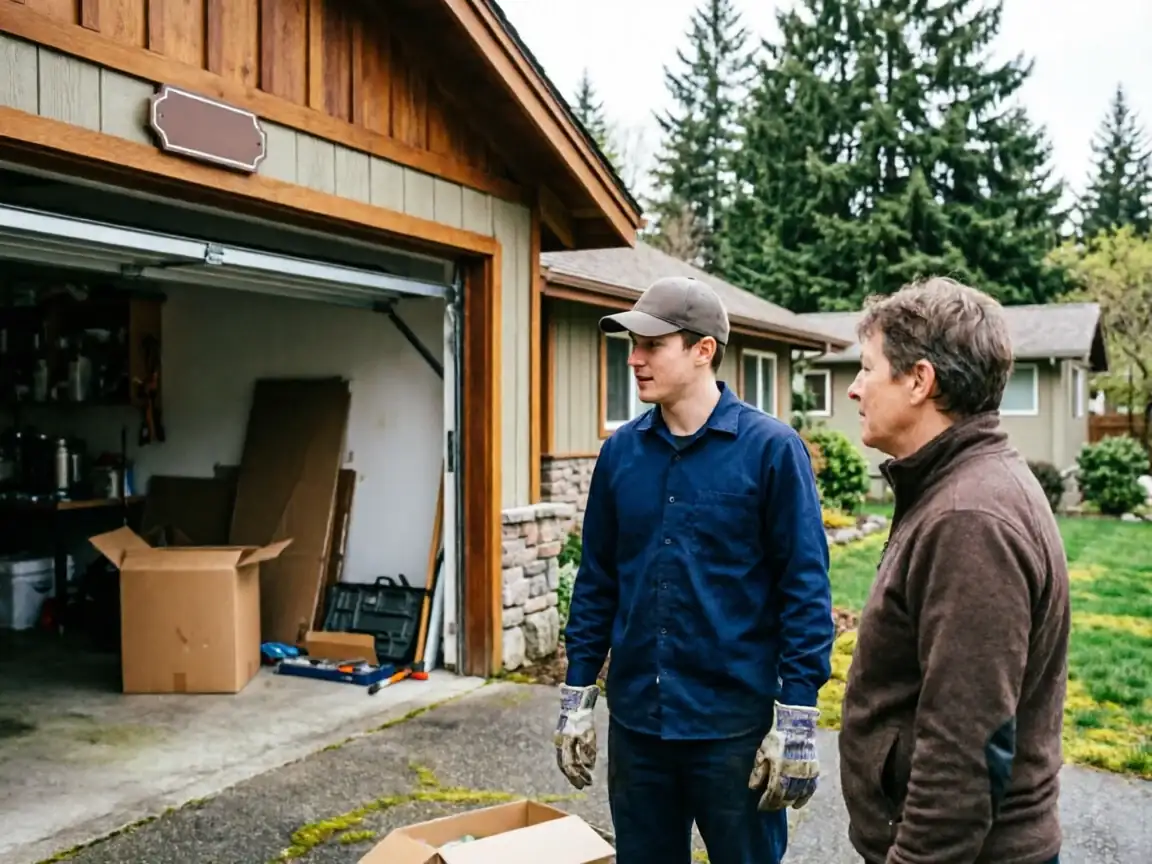
And Springfield sits about 7 miles from the shop - close enough that it's a routine stop on the schedule, not a special trip. We don't keep a depot in Springfield and we're not going to pretend we do; every job here starts with a drive, same as it would to any town in the service area. What that means practically is we can usually fit Springfield calls in alongside other work on the same day without the kind of scheduling gymnastics a farther-out town like Cottage Grove or Lowell would need.
- 7 miles
We won't quote you a guaranteed window here
Because we don't have a standing crew parked in town waiting for the phone to ring. What we can tell you is the distance isn't the obstacle - 7 miles is short enough that it rarely changes how fast we can get a tech to your driveway once we know what's broken.
- 7 miles
What Neighbours Usually Call About
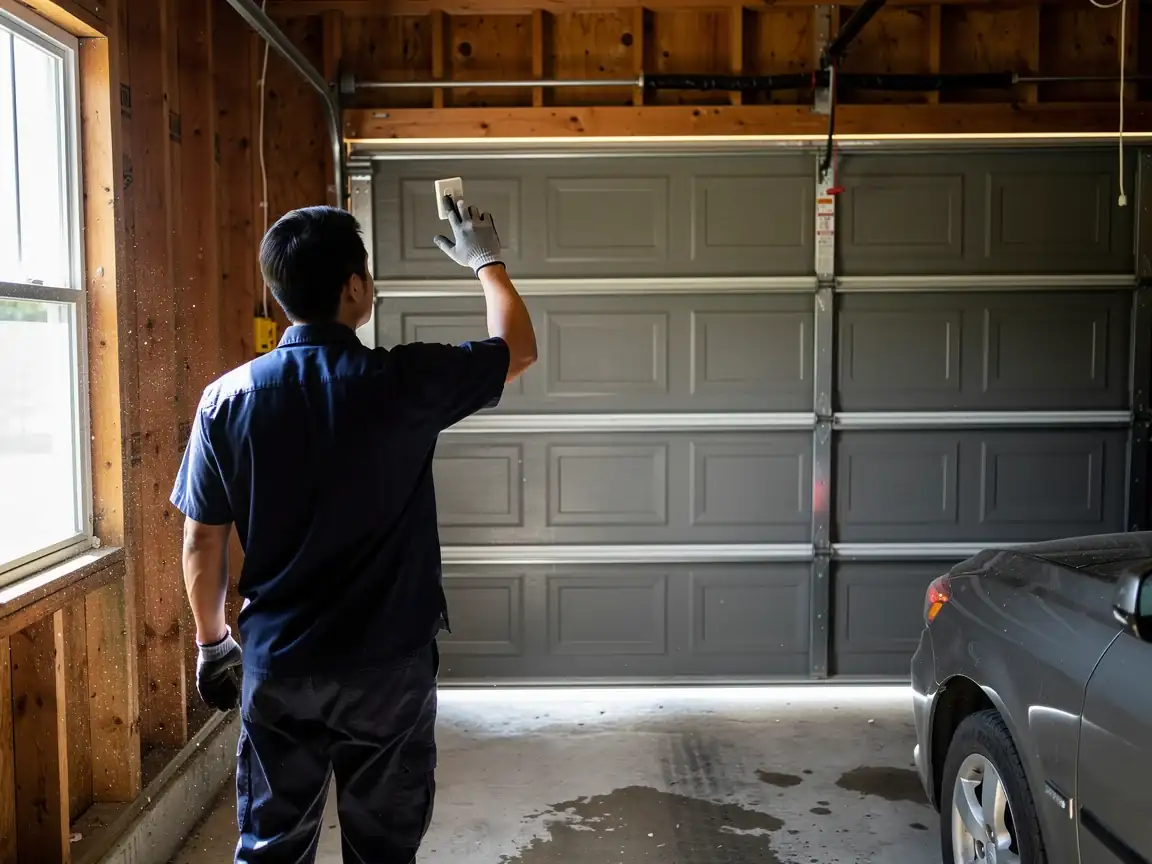
With a median build year around 1976, most of the calls we get out of Springfield aren't about ancient one-piece doors - they're about mid-life hardware fatigue. Extension springs that have lost tension and let the door slam the last foot of travel. Rollers that have gone from nylon-smooth to grinding because they were never lubricated. Openers from the 80s and 90s that still run but don't have modern safety reversal, which matters if there are kids or pets in the house.
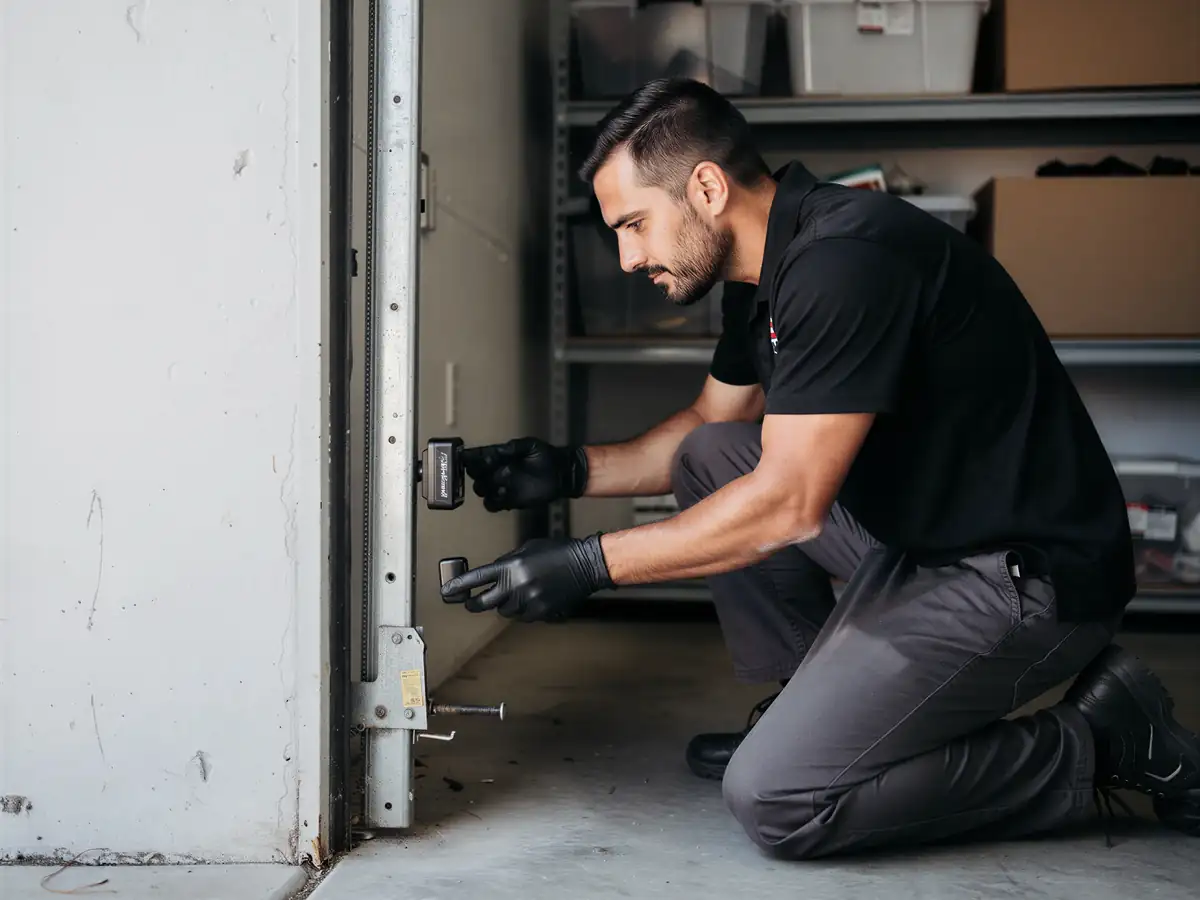
The COLD moderate climate band this area sits in adds its own wear pattern on top of the age factor - temperature swings through the winter make steel springs and cables contract and expand, which accelerates fatigue on hardware that's already decades old. We also see a fair number of calls about bent track from cars clipping it backing out on icy mornings, which is more a function of the climate than the age of the house.
What Was Built Here
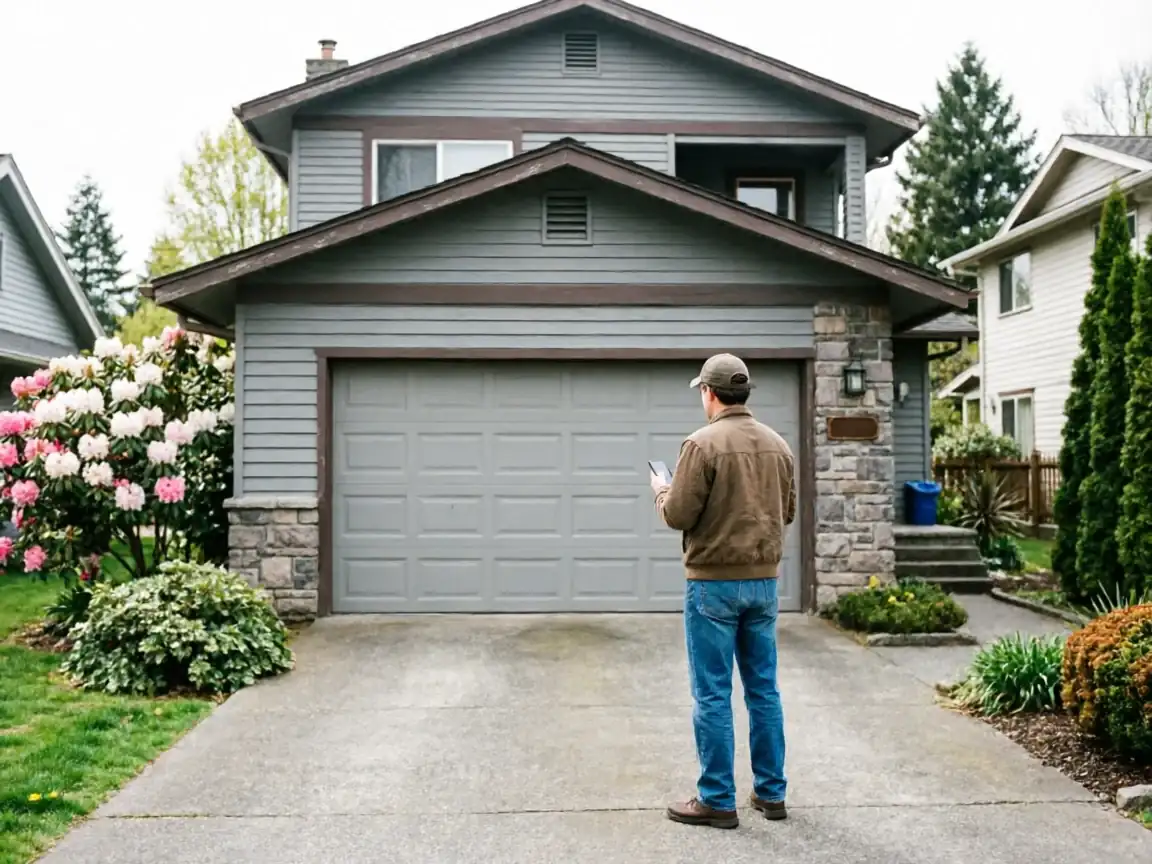
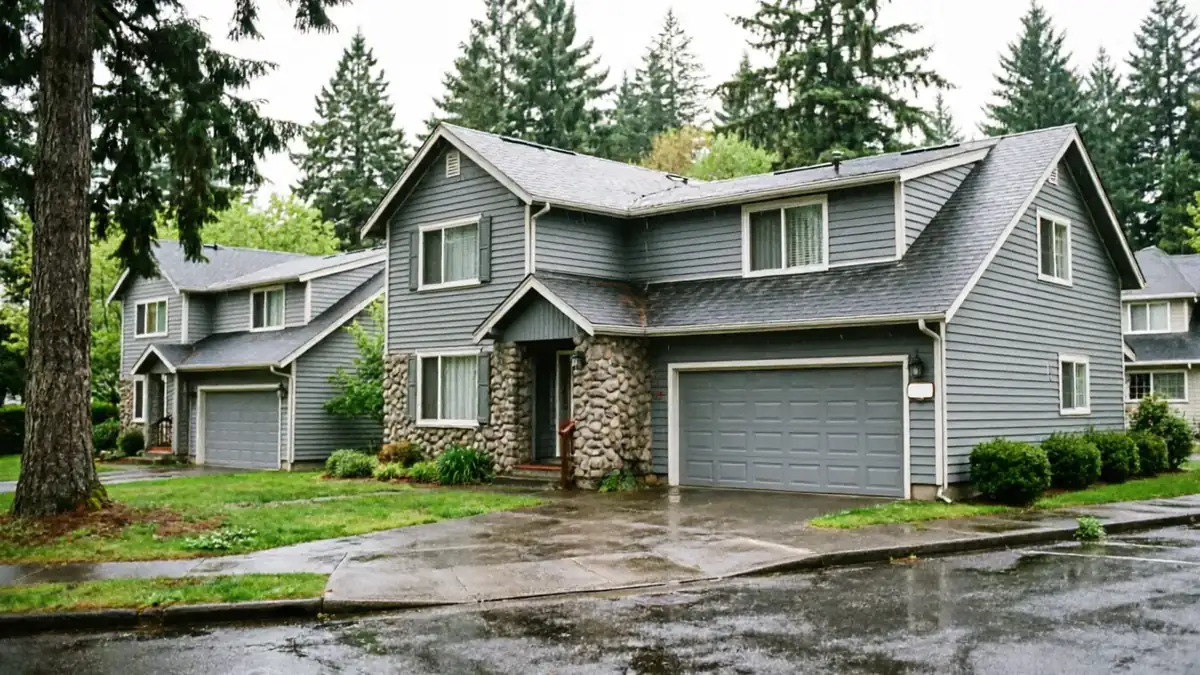
Springfield's housing centers on 1976 as a median build year, younger than the broader Eugene-area range of 1950 to 1997 that F1 covers, and younger than that range's own 1980 median. That shift of a few years sounds small, but it's the difference between a house wired for an early automatic opener from the factory and one that had an opener bolted on as an afterthought years later. Households here run around 24,750, with median income near $67,211 - both numbers that run a bit under the wider service area's figures, which is worth knowing because it tends to track with how many homes are still running original hardware versus upgraded systems.
We don't have census data broken out by individual neighborhood inside Springfield, so we're not going to invent a street-level pattern we can't back up. What we can say is the town-wide build era points toward mid-1970s torsion or extension spring setups as the baseline, not the older one-piece doors you'd find in Eugene's oldest core blocks.