How That Shows Up in the Door
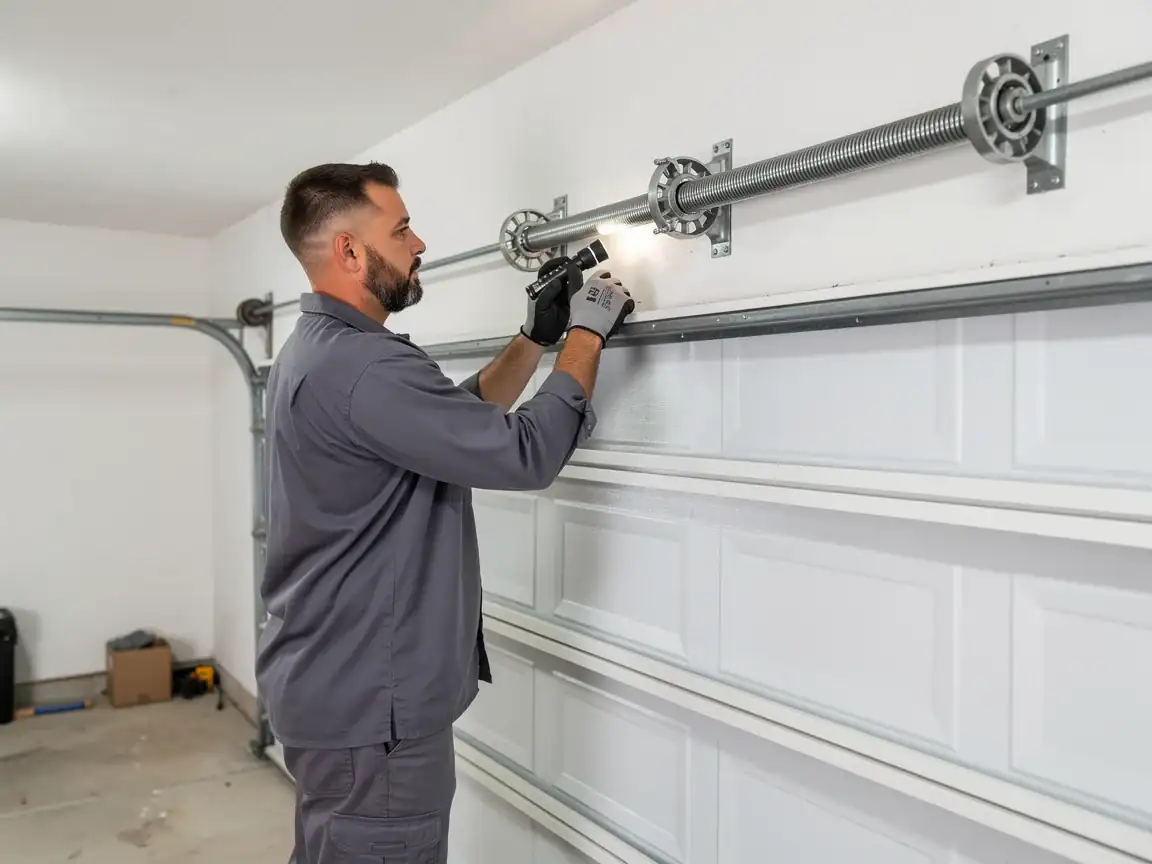
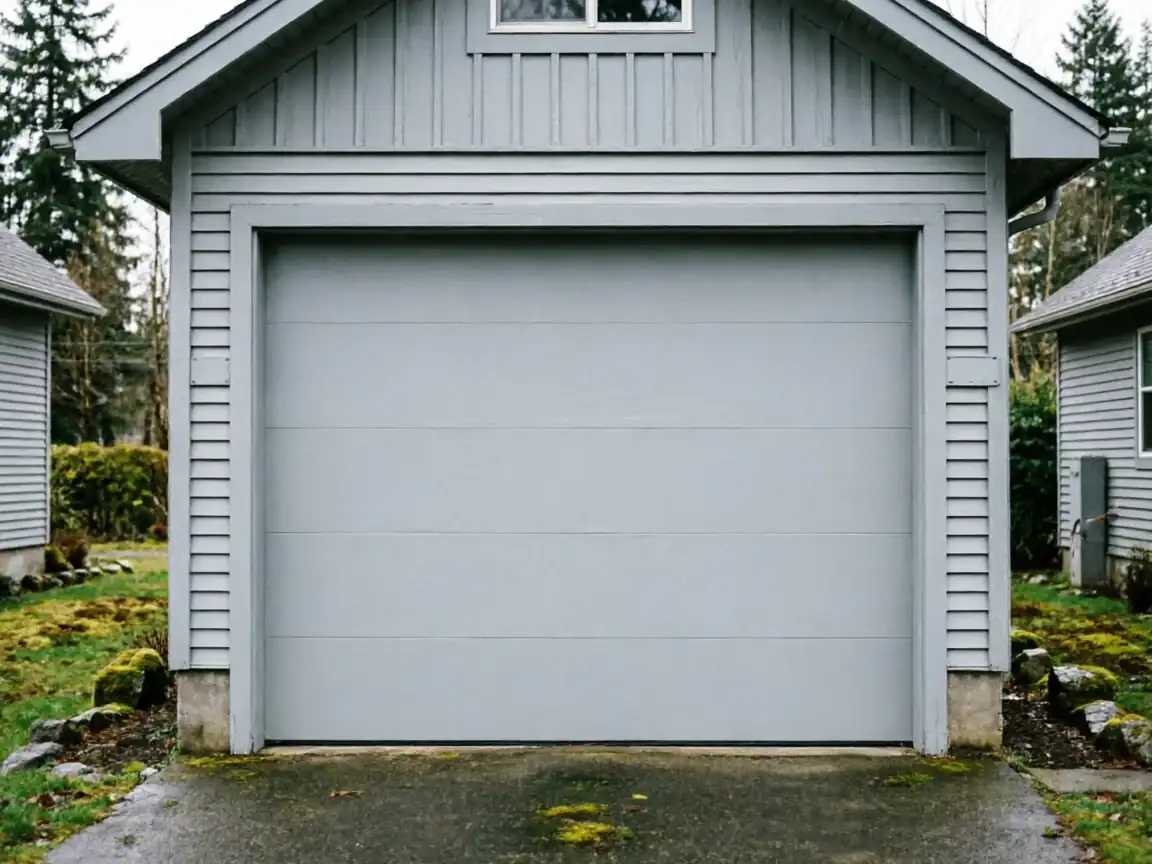
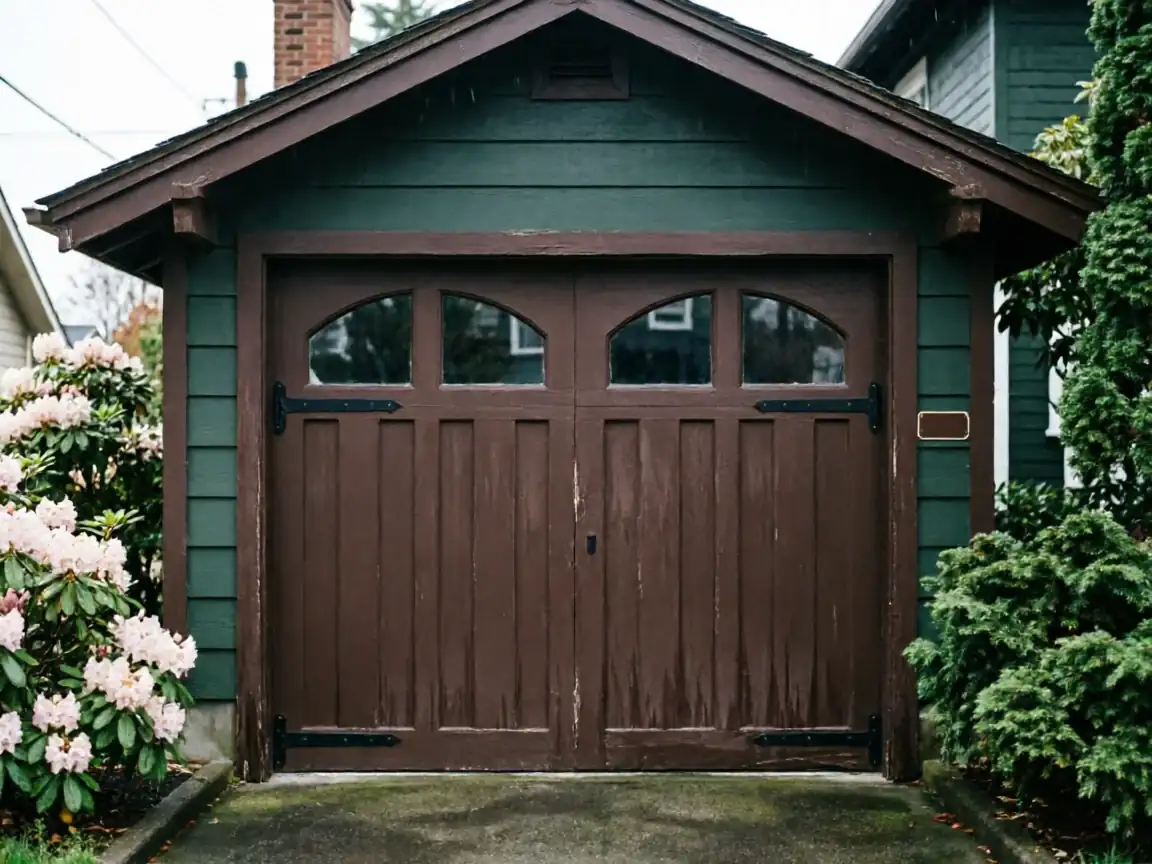
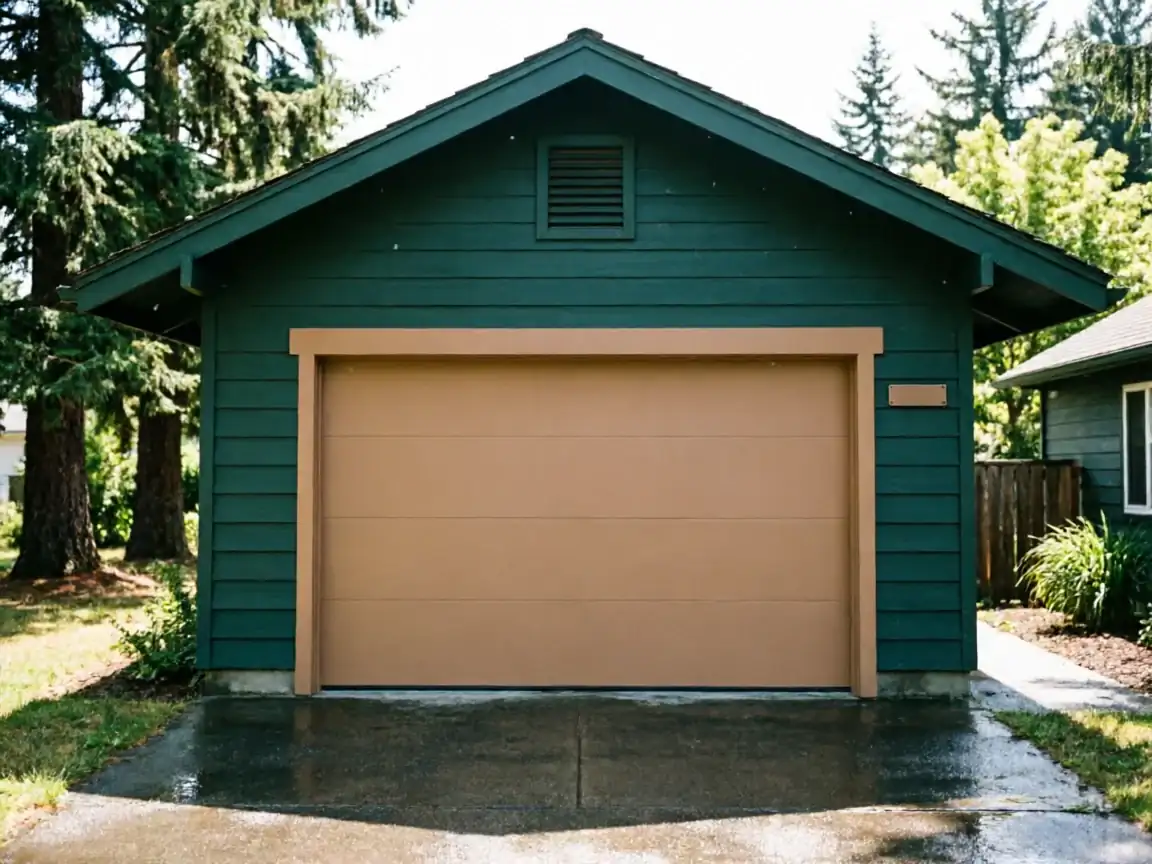
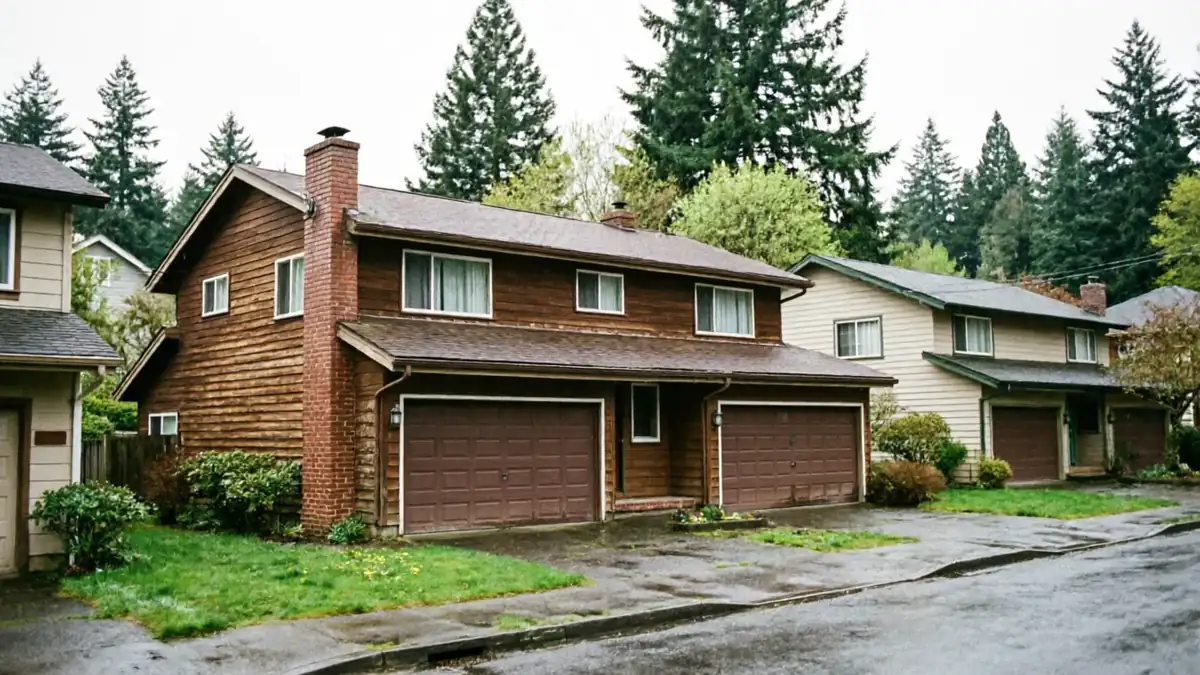
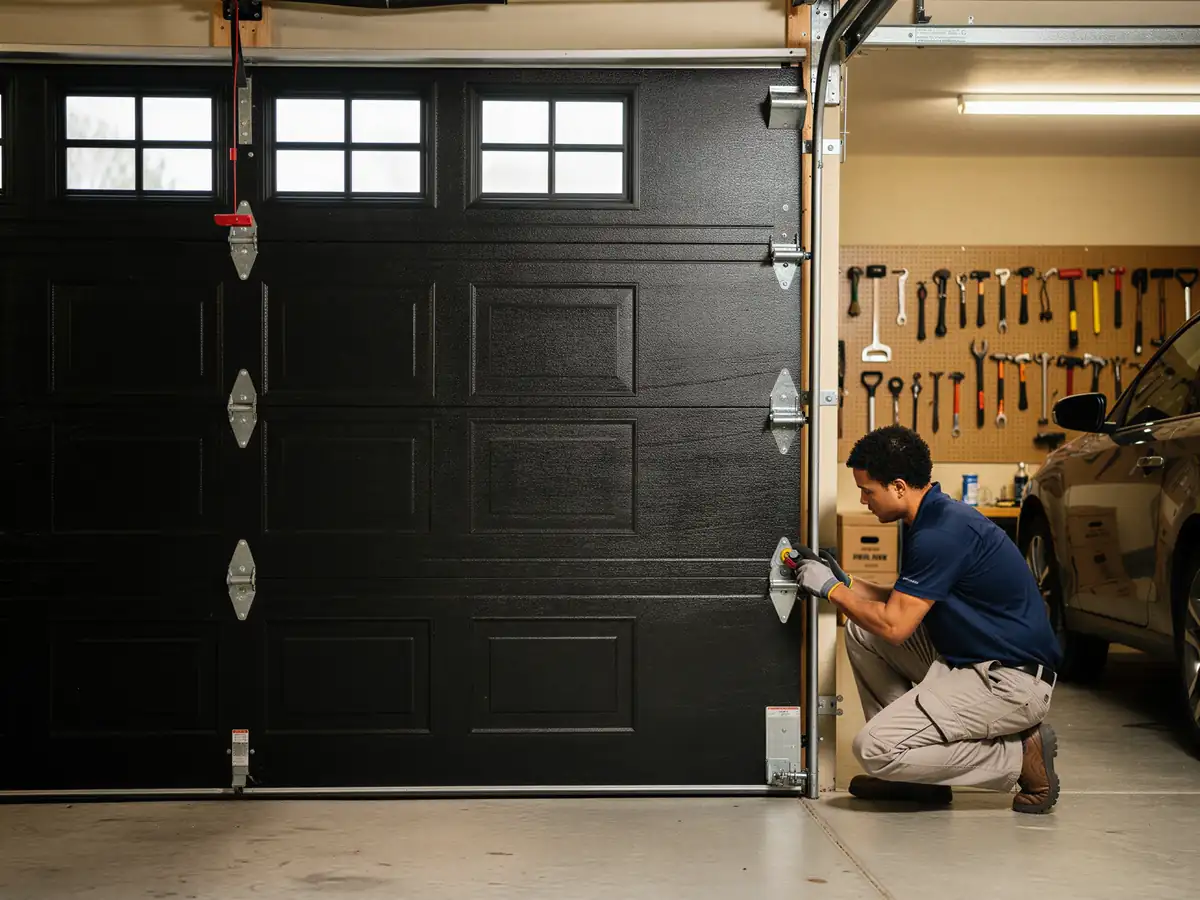
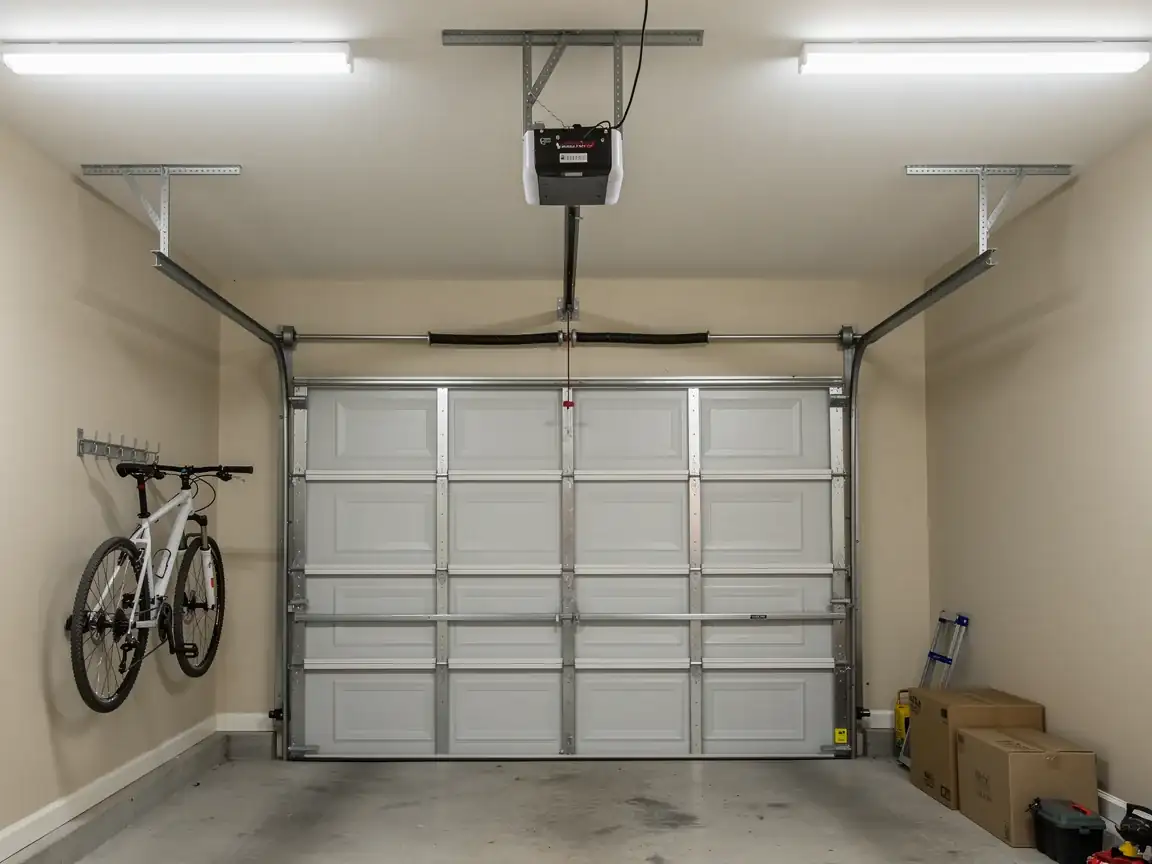
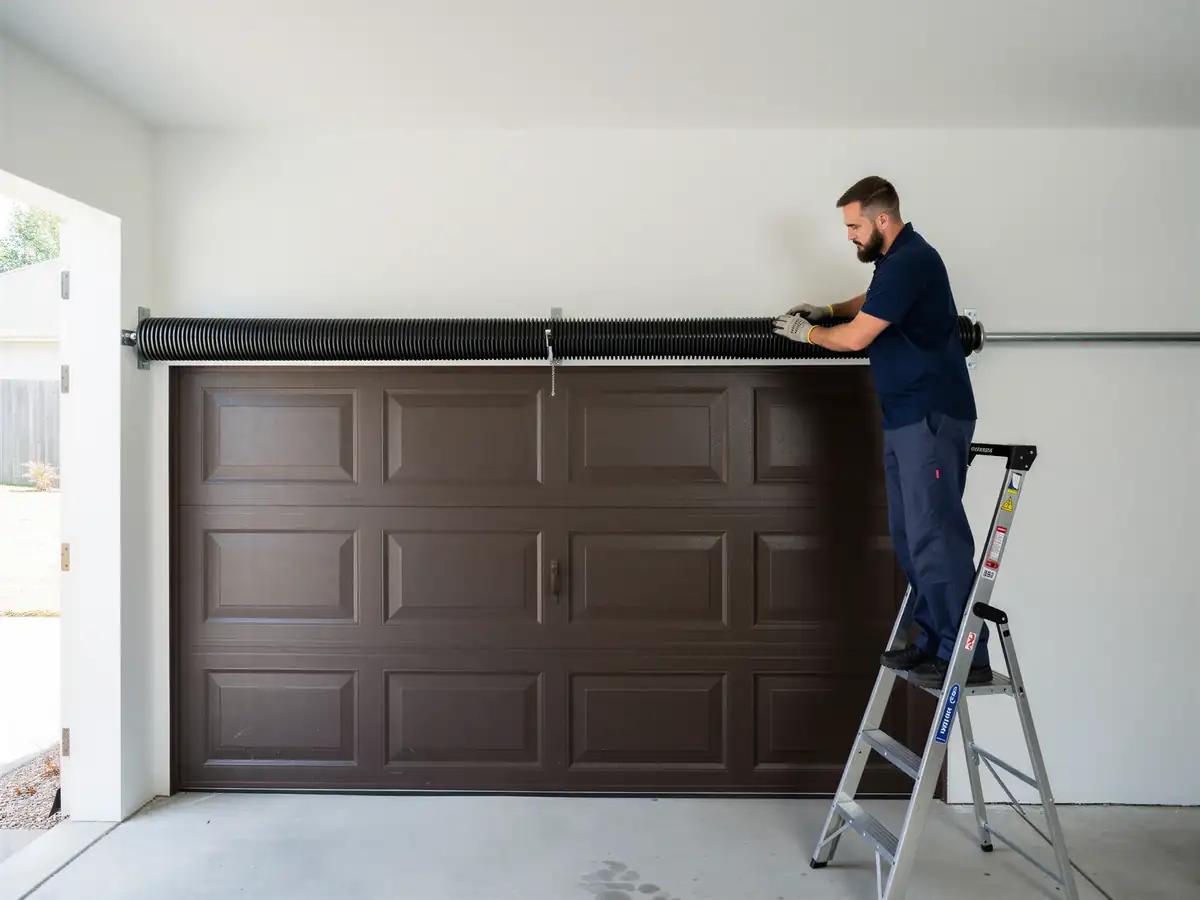
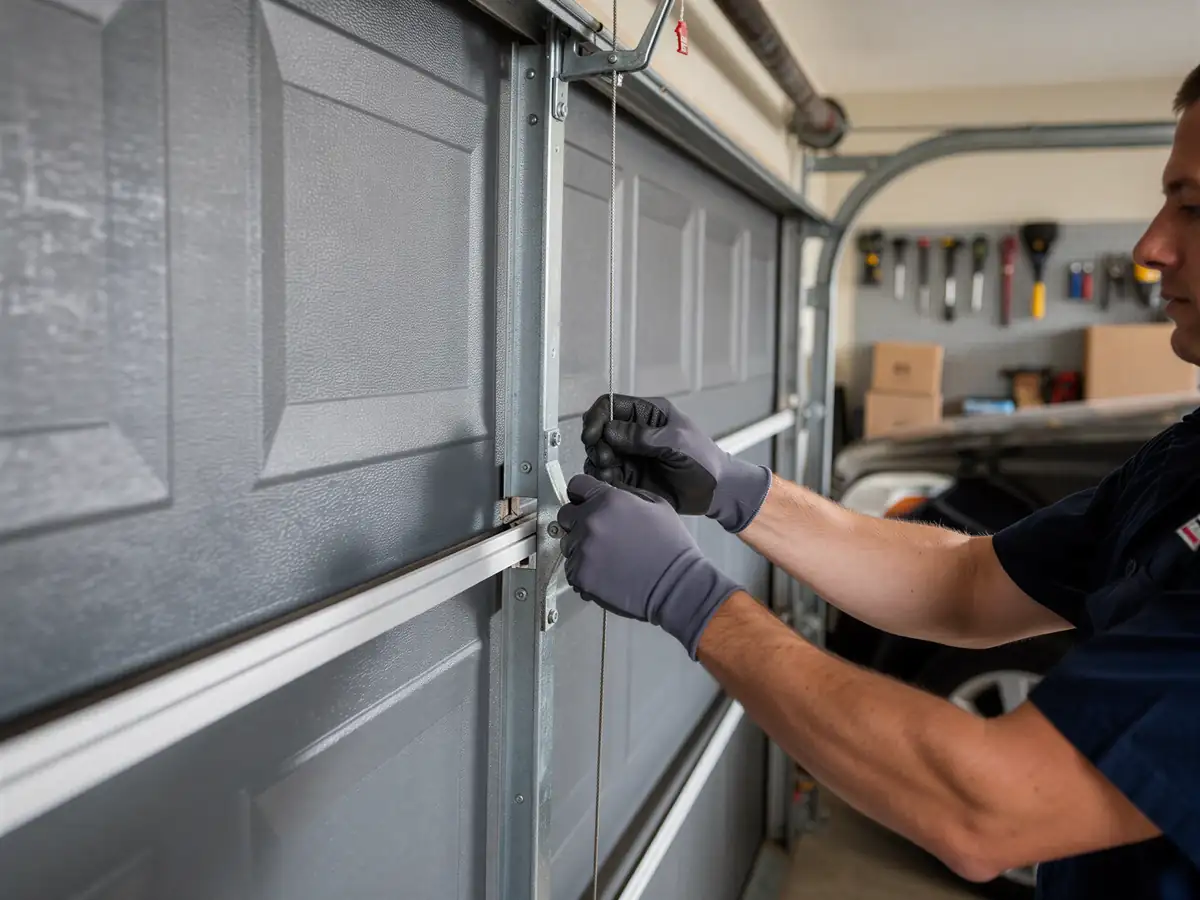
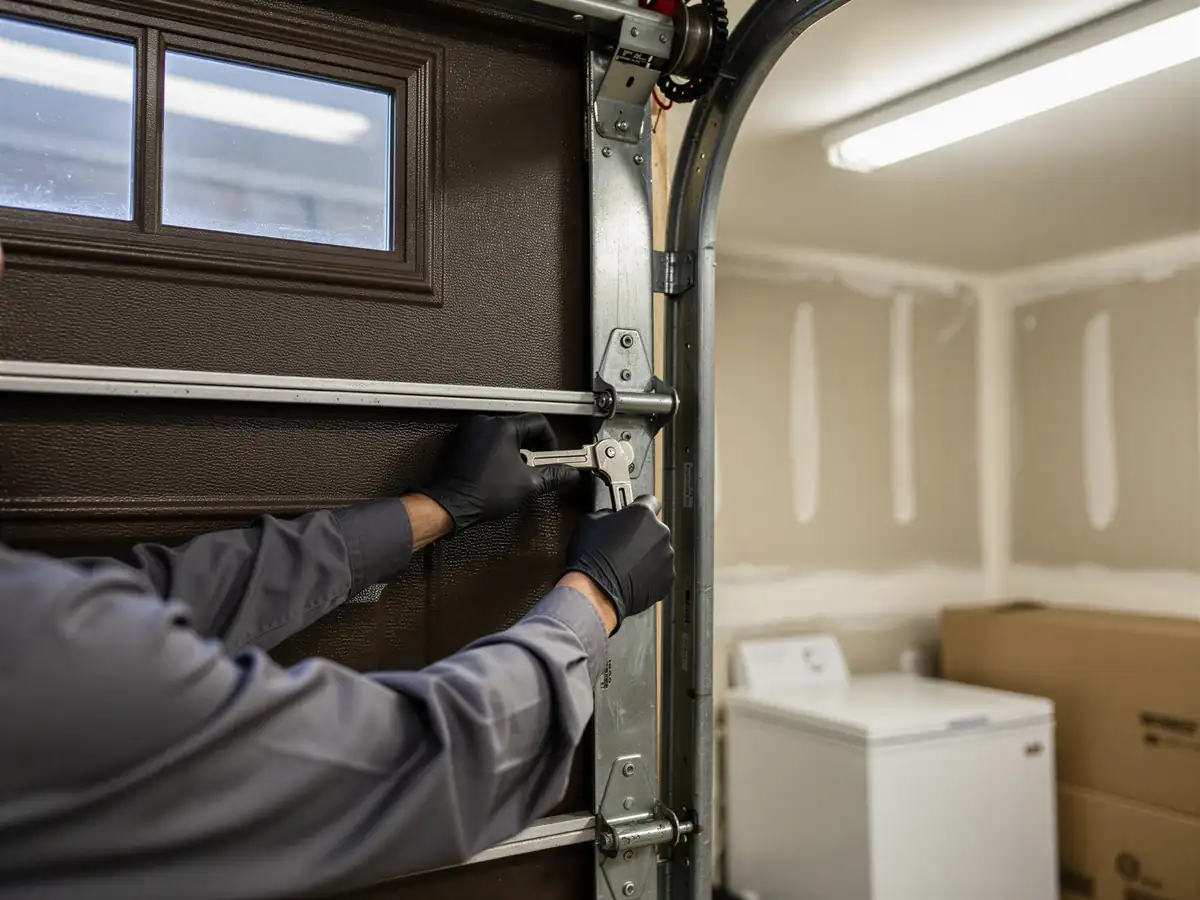
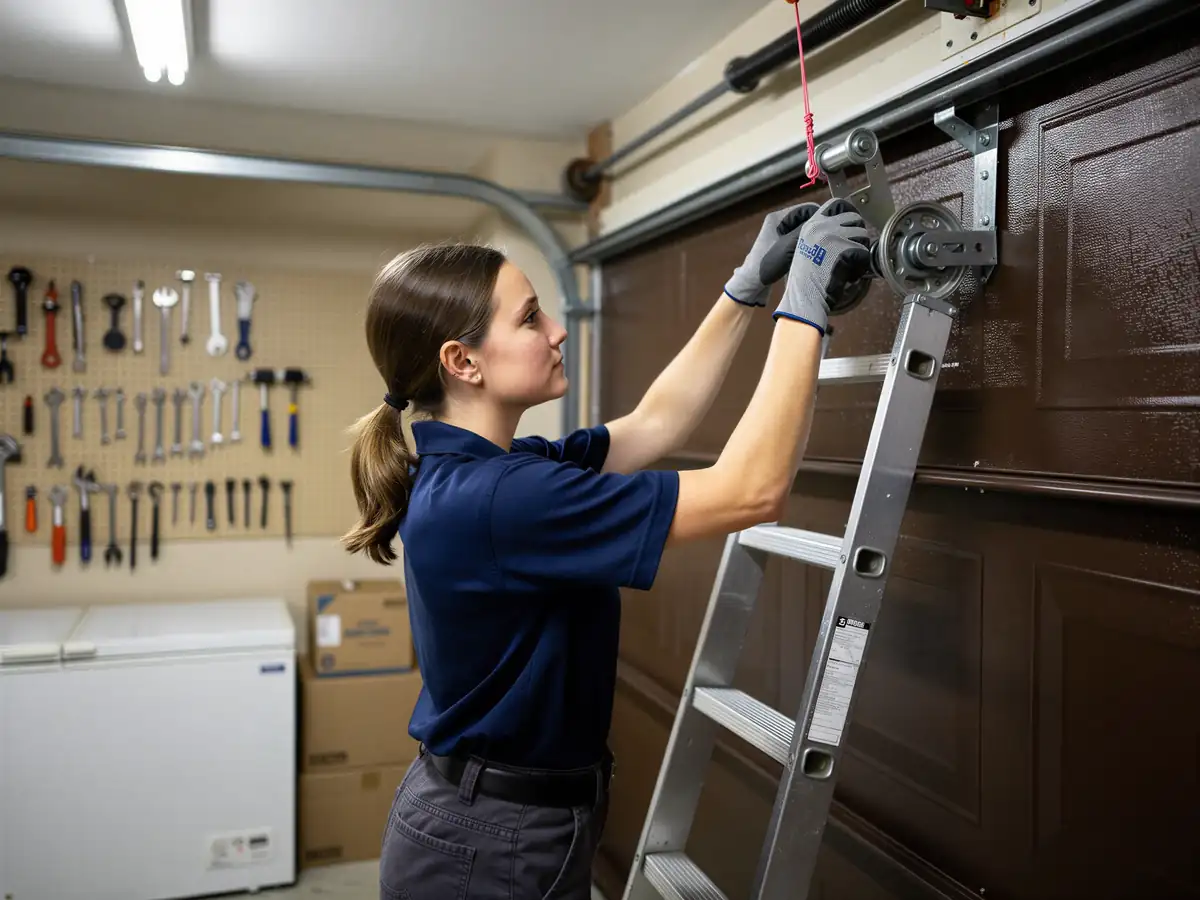
The median home in Cottage Grove went up around 1977, which puts it a few years ahead of the broader service area's 1980 median. That gap matters more than it sounds. Doors from the mid-to-late 1970s were still commonly hung on extension springs rather than torsion bars, especially on single-car openings, and a lot of those original setups are still in service because nobody's replaced the door itself. You'll also find steel sectional doors from this era with narrower track gauges than what gets sold today, which means a modern roller or hinge kit sometimes doesn't bolt straight on - we end up adapting hardware rather than swapping it like-for-like. If your door has never been touched since the house was built, assume the spring and cable setup is original and sized for a lighter, older-style door skin, not a heavier insulated replacement panel.
What Neighbours Usually Call About
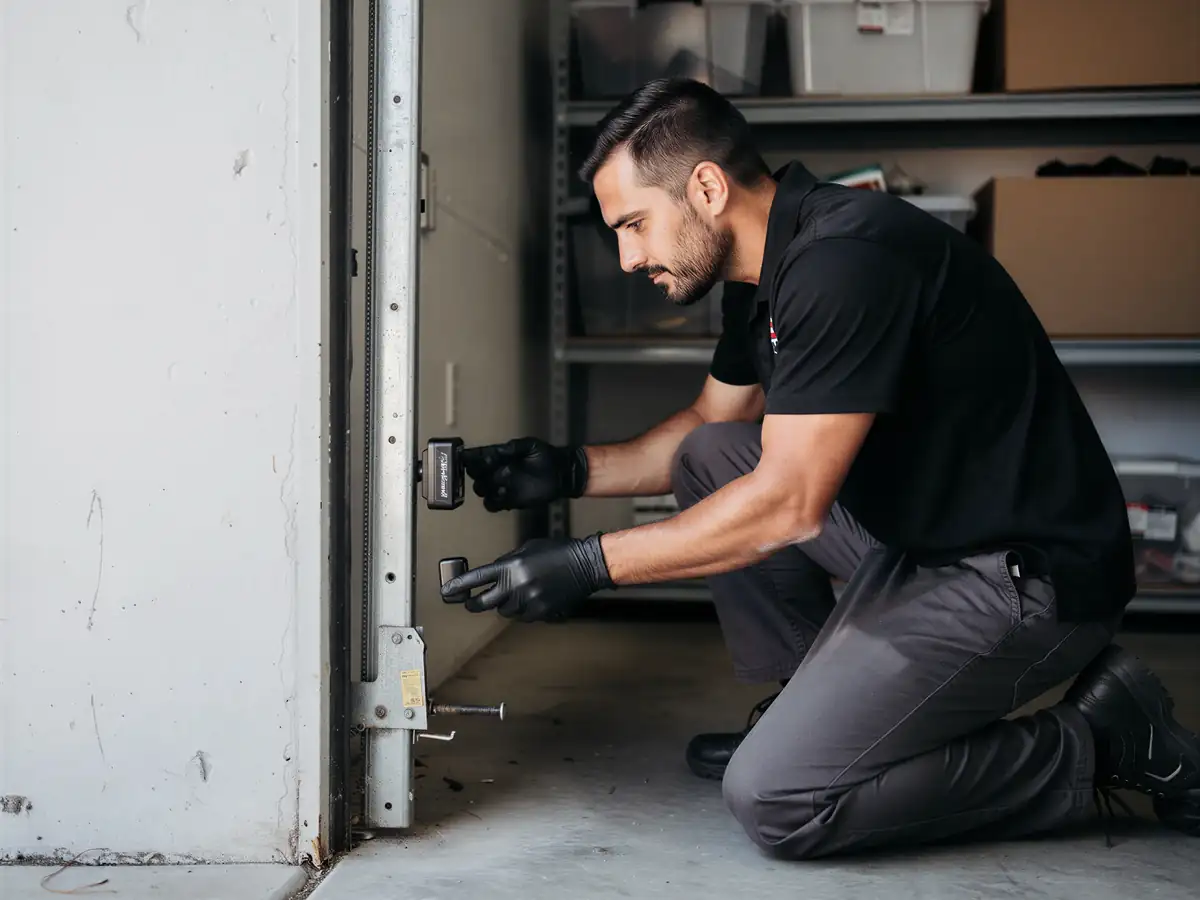
With roughly 4,258 households in this area, most of the calls we get track pretty closely to the age of the housing. Extension spring failures top the list, especially on doors that have never been upgraded to torsion hardware - that conversion is one of the more common jobs we quote out here. We also see a fair number of opener replacements where the original chain-drive unit has simply worn past the point of a cheap fix, which tracks with a median household income of $64,133 in the area - most owners want the repair that makes sense for the house, not the most expensive option on the sheet. Rollers and hinges on original steel doors are the other steady category, since a lot of that hardware has never been swapped since installation.
What Was Built Here
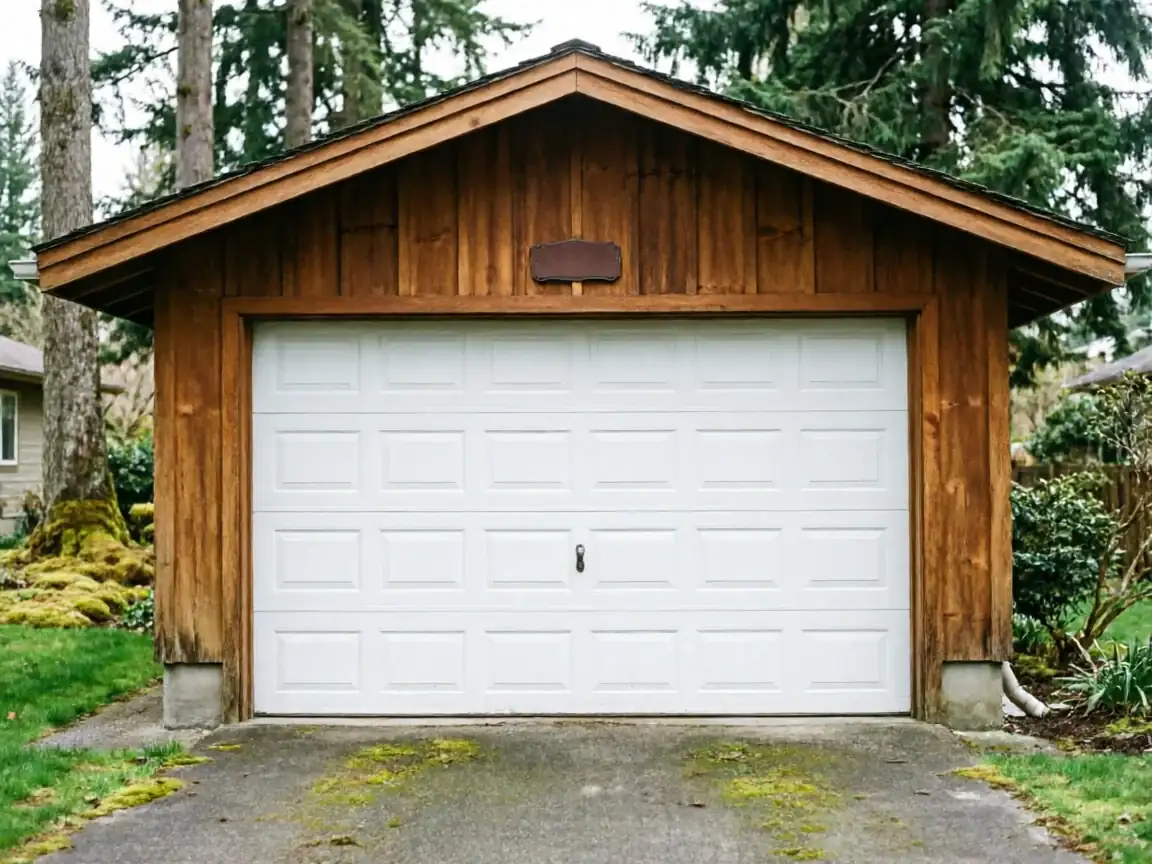
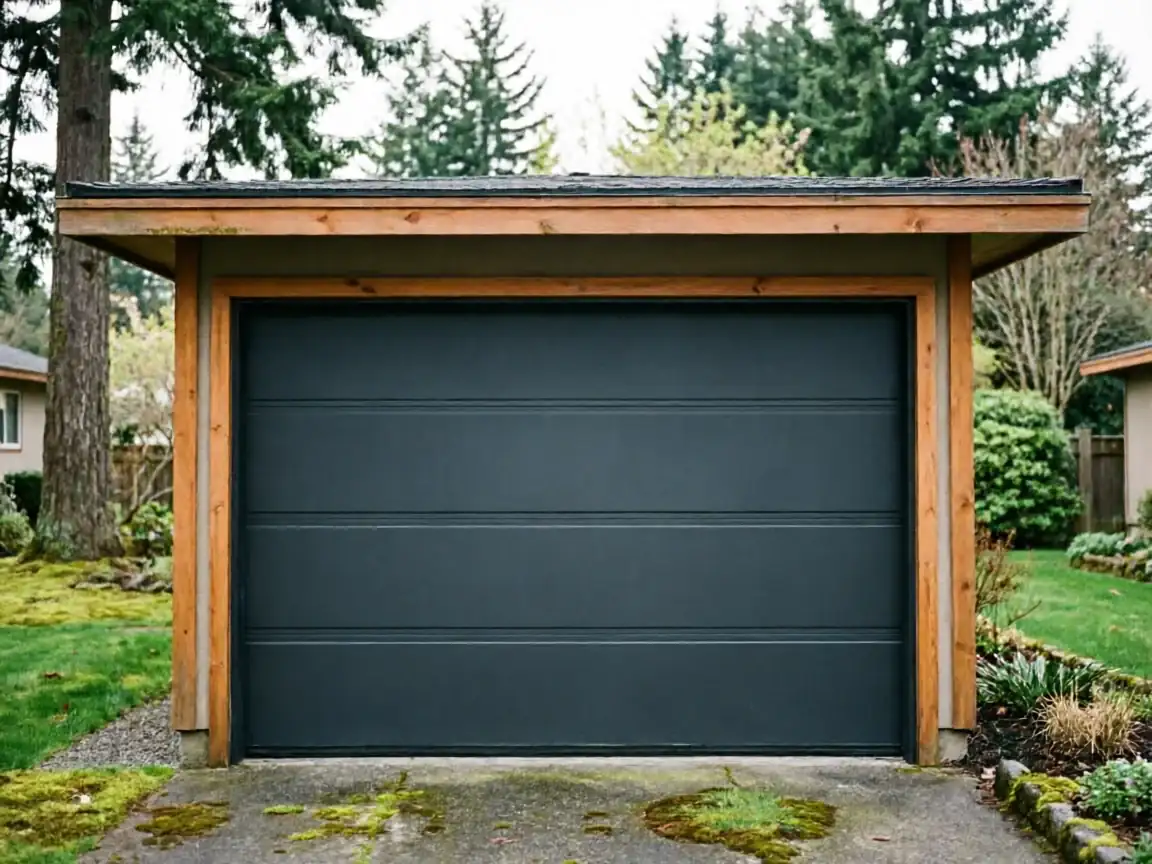
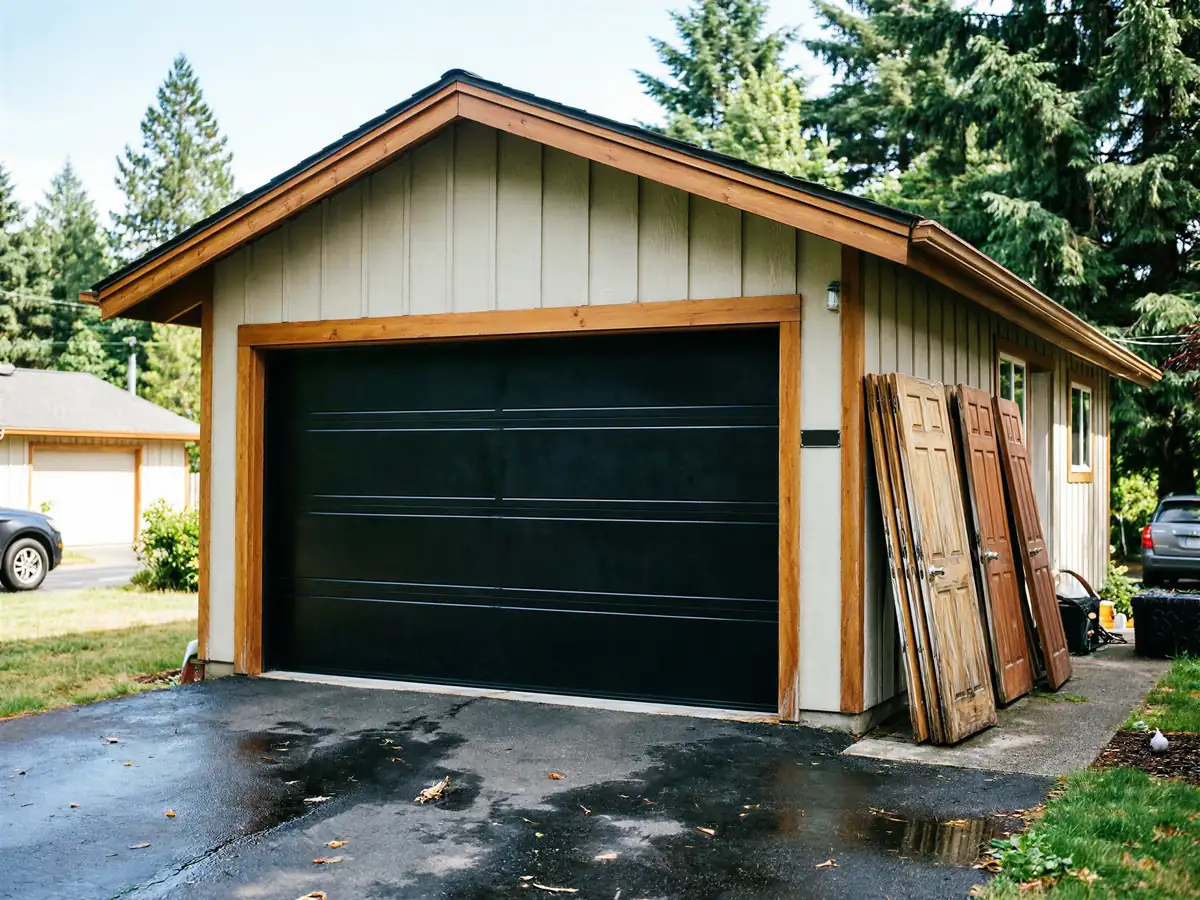
A median build year of 1977 puts a good chunk of Cottage Grove's housing stock a few years older than the 1980 median across the wider area we cover, and that difference shows up in the doors we're called out to work on. Expect heavier use of extension springs instead of torsion, narrower door tracks, and steel panel doors without the foam-core insulation that became standard later. The region sits in a moderate cold climate band, so winter cold and damp are a factor for wood rot on older jambs and tracks, though we don't have specific storm or snow-load data for this area to speak to beyond that. One honest limit: on some of the oldest original doors, the frame and opening itself are undersized for current standard door widths, and a straight hardware swap isn't always possible - sometimes a full door replacement is the only option that holds up.