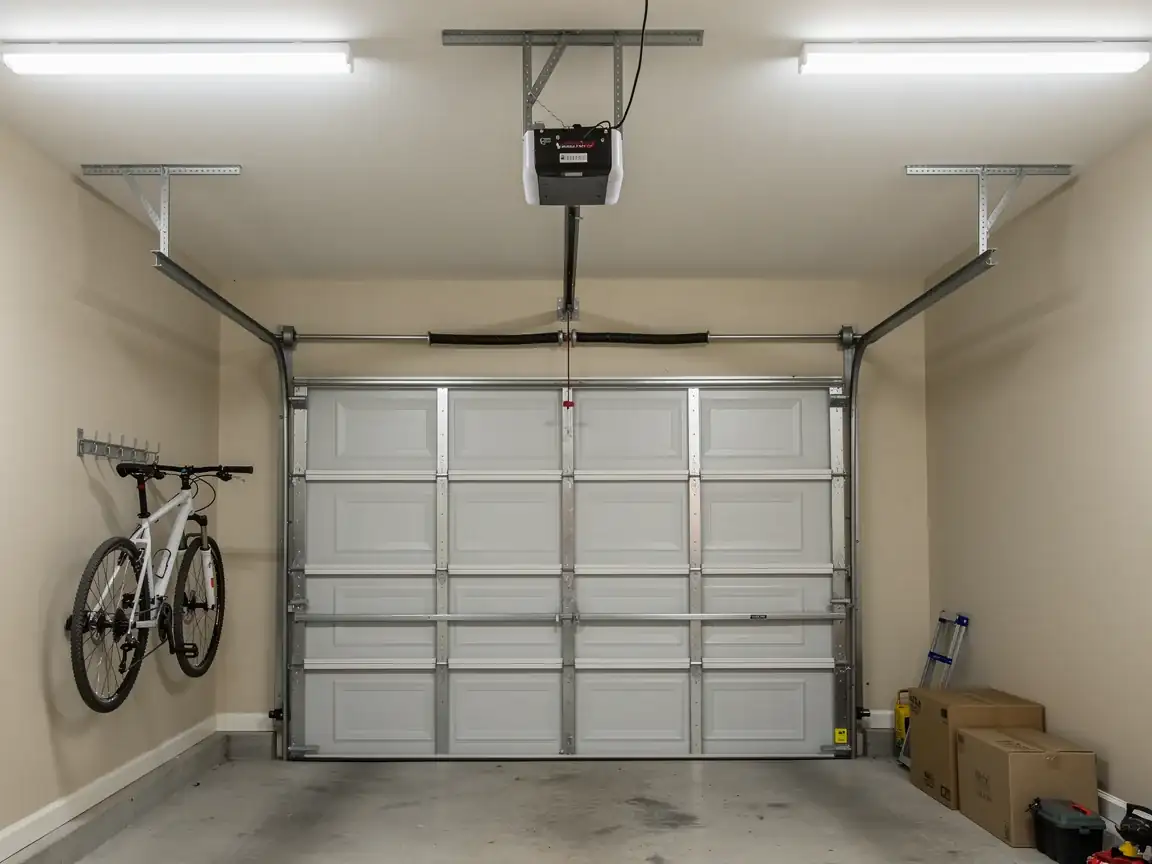
Why It Happens Here
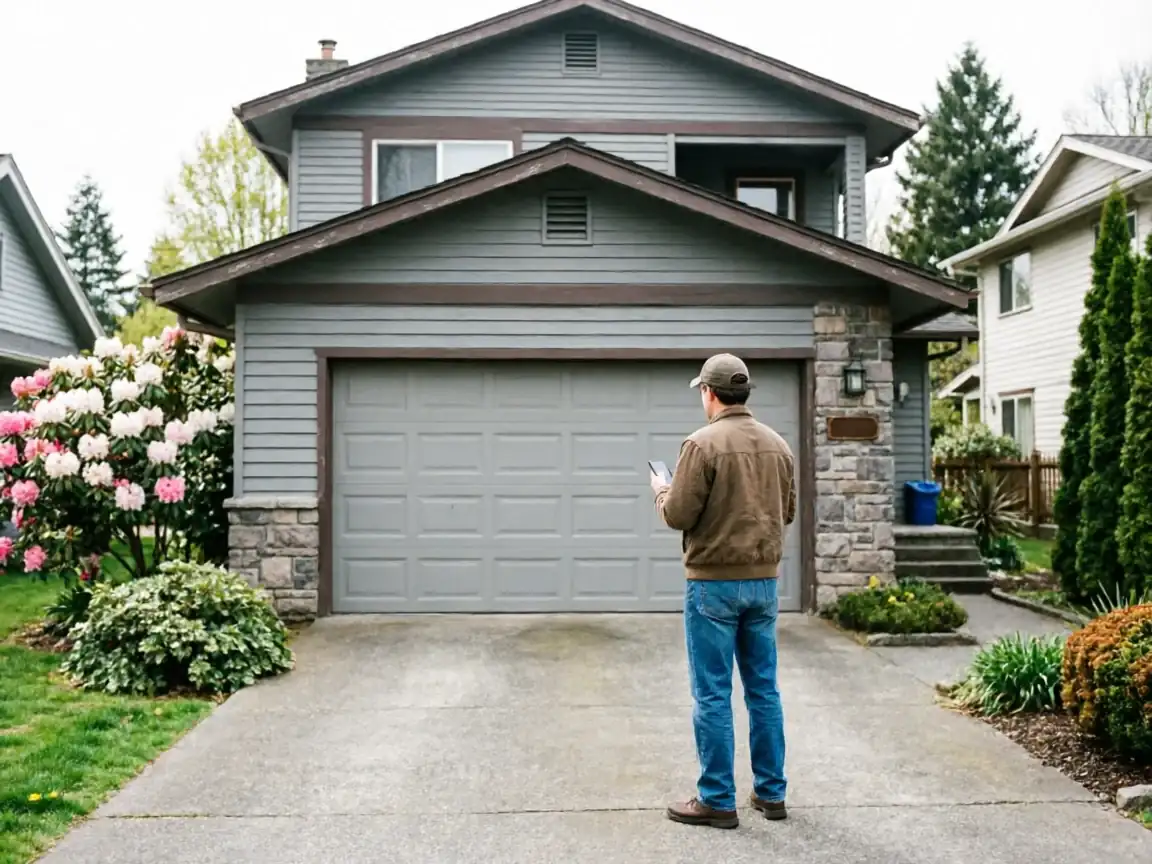
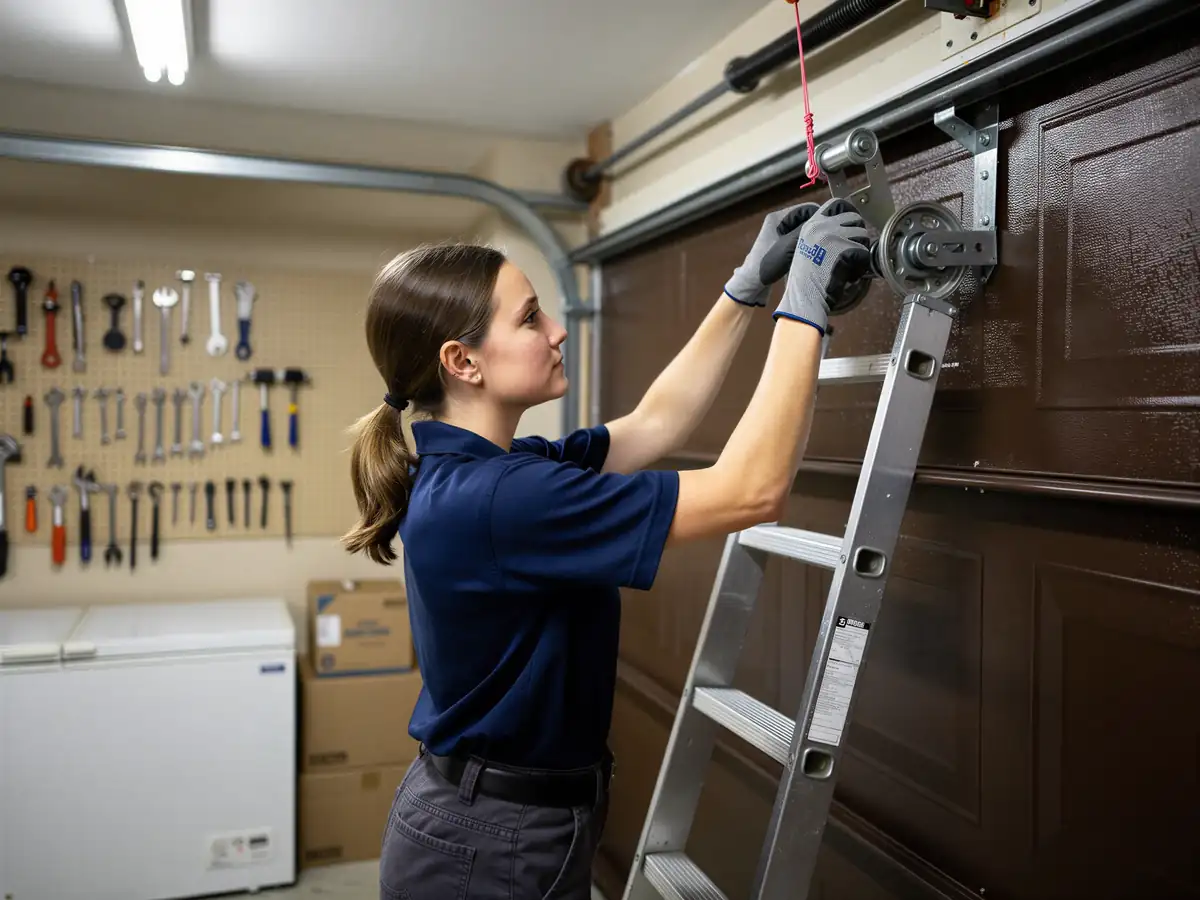
Most of the housing around Eugene went up between 1950 and 1997, with the median build landing around 1980, and a lot of that stock - across the neighborhoods and nearby areas we cover - dates to the 1980s and 90s building boom specifically. That matters for cables because extension-spring doors with lift cables running over pulleys were standard hardware through that whole stretch. Those cables are galvanized steel, and galvanizing wears thin with age, especially where the cable rubs the pulley or drum on every open-close cycle.
Eugene sits in a cold-moderate climate band, which means the cables go through repeated cold snaps every winter. Cold stiffens the lubricant on the cable strands and the drum, so the cable drags instead of feeding smoothly. That drag is what turns ordinary wear into fraying, and fraying is what turns into a snapped cable on a morning you didn't plan for. We see this pattern on original hardware more than on anything replaced in the last decade - older cable, same cold, more friction.
With 14,398 owner-occupied houses across the service area, a meaningful share are still running the cable setup the builder put in. That's not a flaw in the house. It's just a part with a service life, and the life is shorter here than it would be in a dry, mild climate.
How Long It Takes
A single cable replacement on one side of a double door is usually the simplest job we run
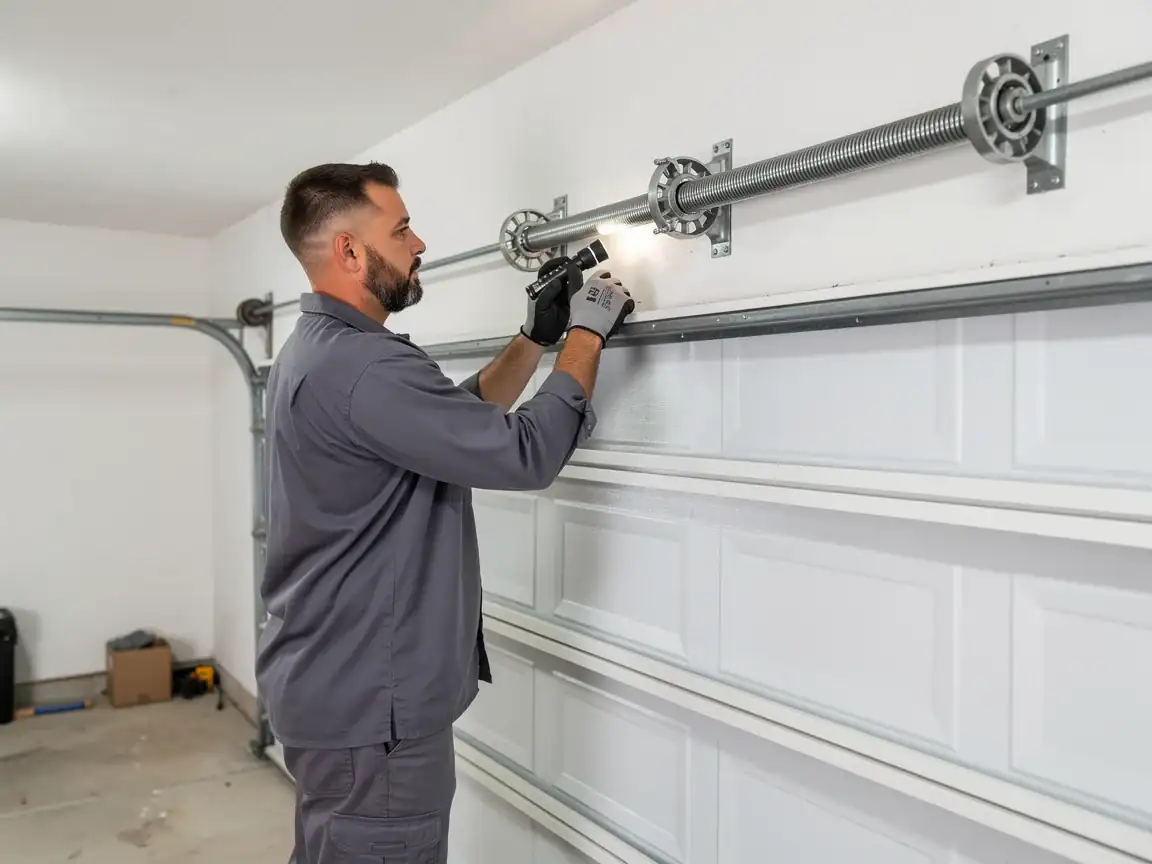
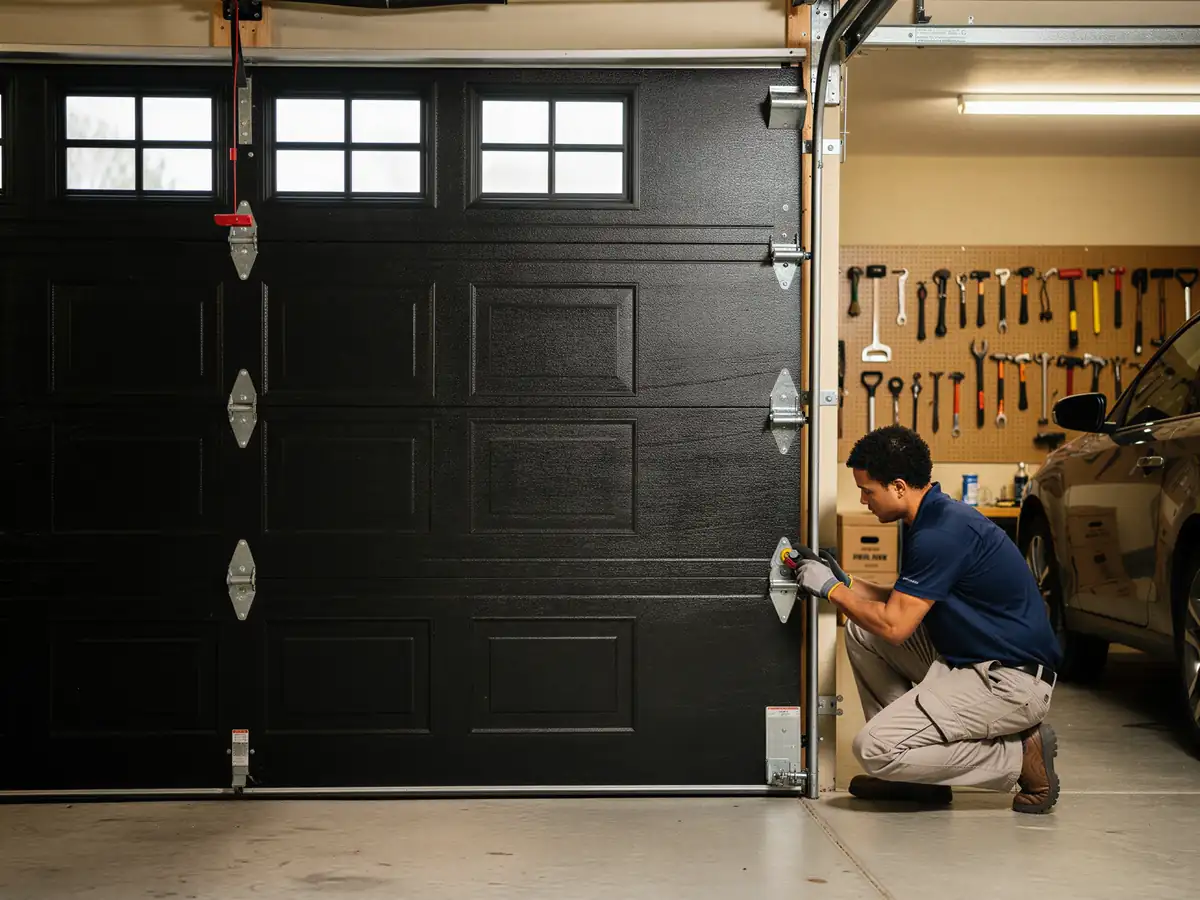
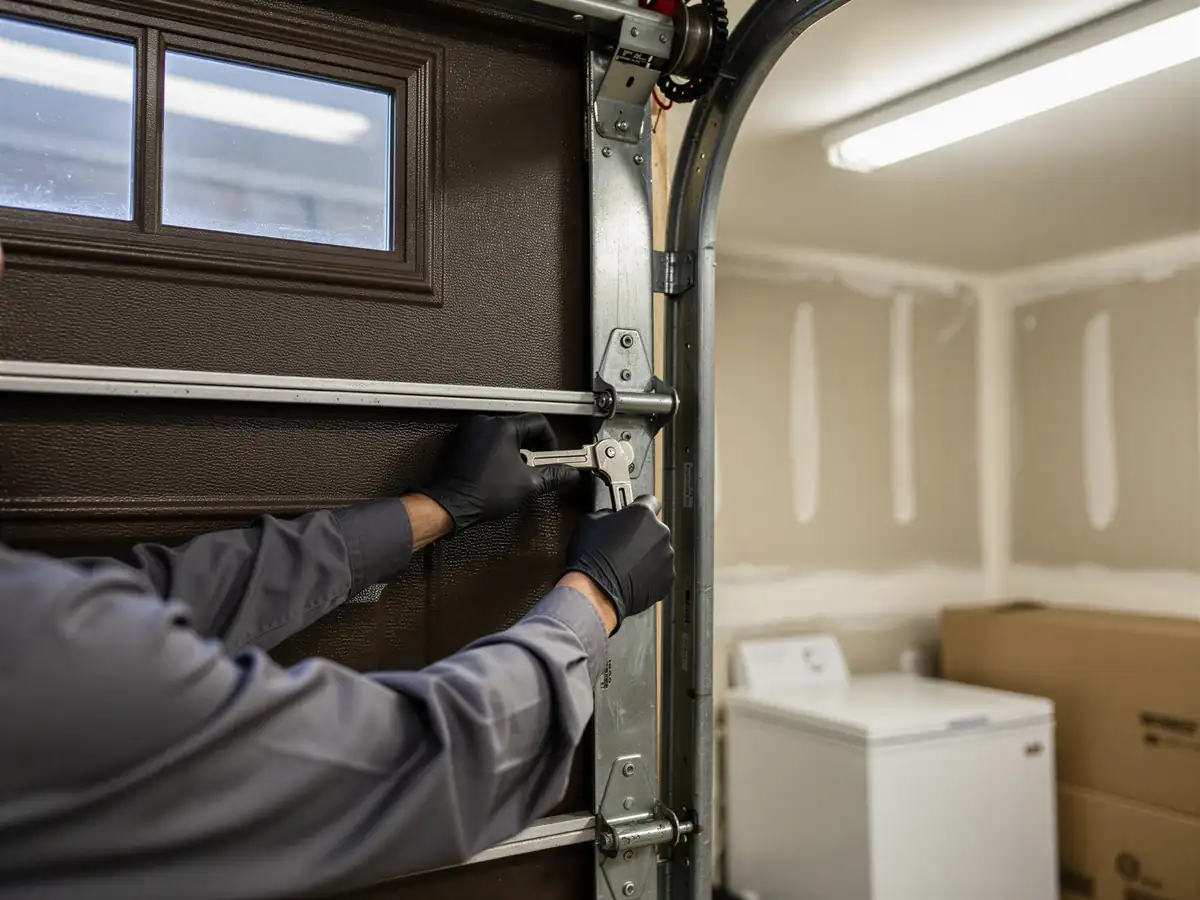
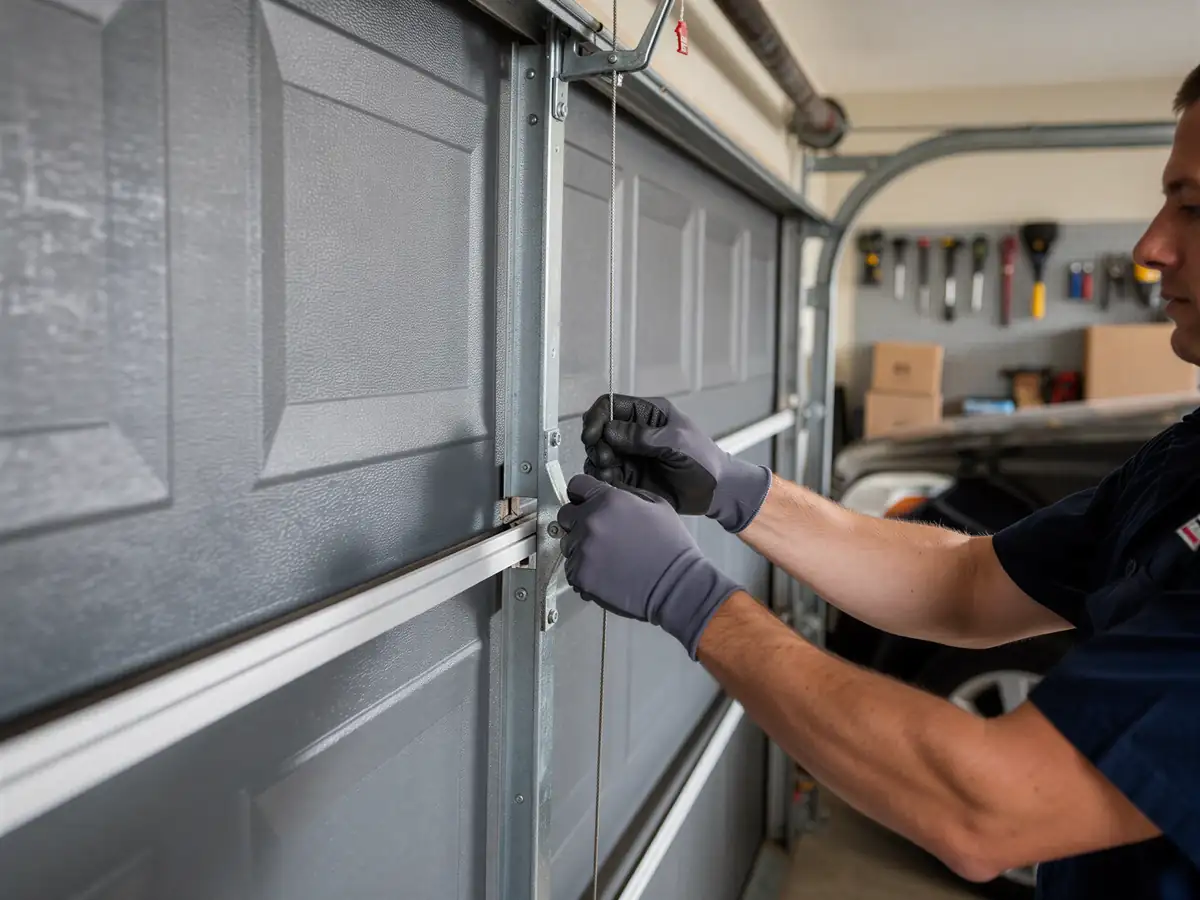
The door comes down, the old cable comes off the drum, the new one goes on, and we balance the door against the spring tension before we leave. If both cables are original and one has already gone, we'll generally recommend doing the second at the same time, since it's at the same wear point and saves you a second visit down the road.
What stretches the job out is what we find once the door is off
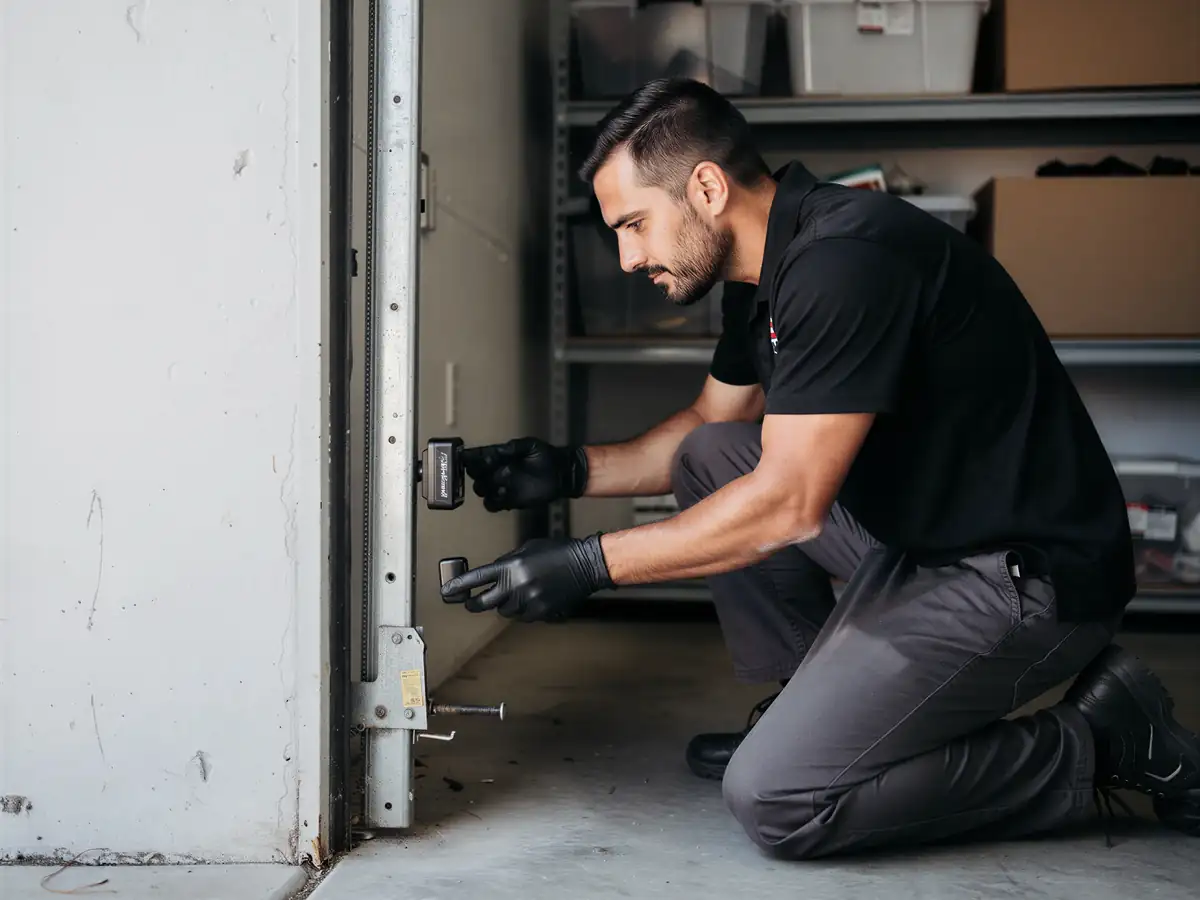
A bent track, a dented panel from a door that came down unevenly, or a torsion spring that's also near the end of its life. None of that is unusual on houses built in the 1980s, but it does mean we can't give you a single number over the phone before we've looked at the hardware.
We carry common cable sizes on the truck
But if your door uses an odd length or a style that isn't common anymore, we may need to order it. That's the honest limit here - we won't quote a same-day fix on a part we don't have in stock, and we'd rather tell you that up front than have you wait around for a truck that isn't coming.
The DIY Question
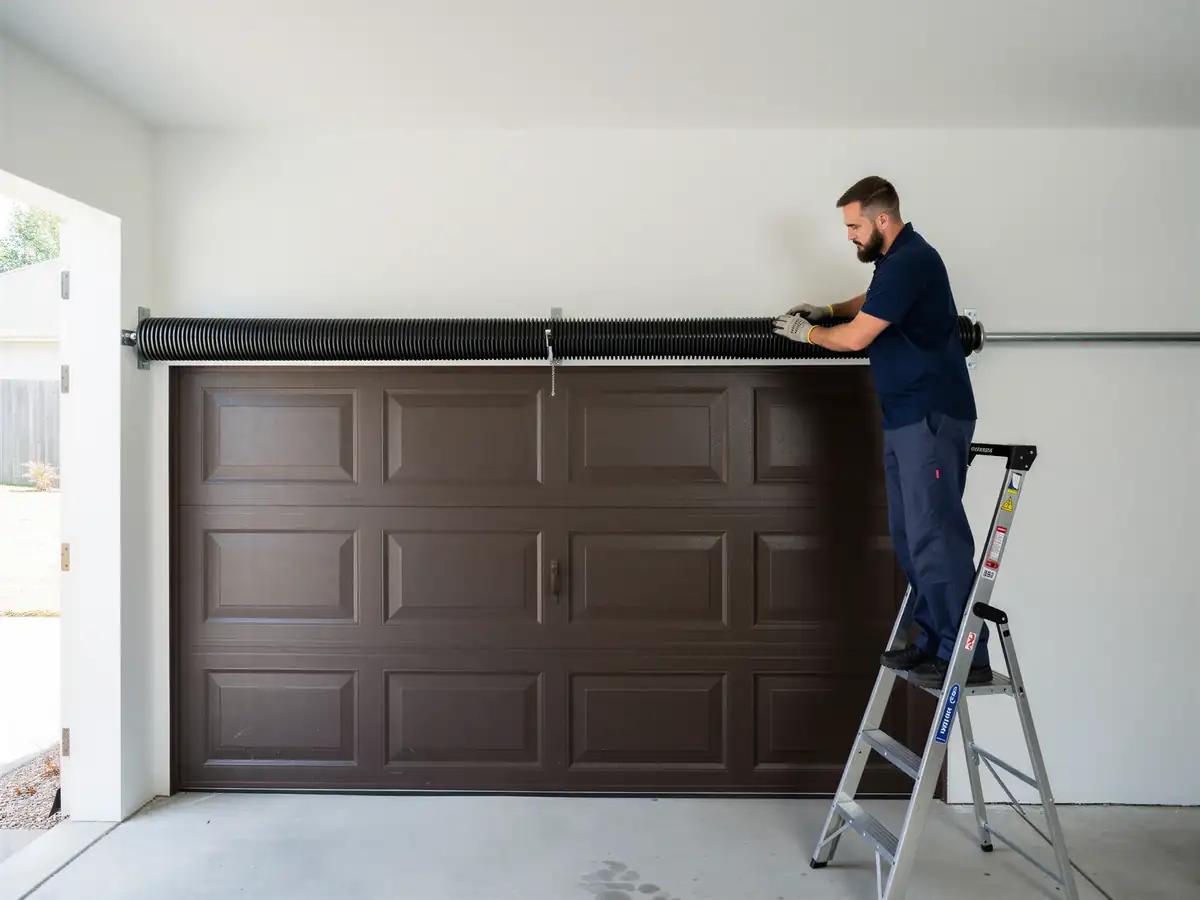
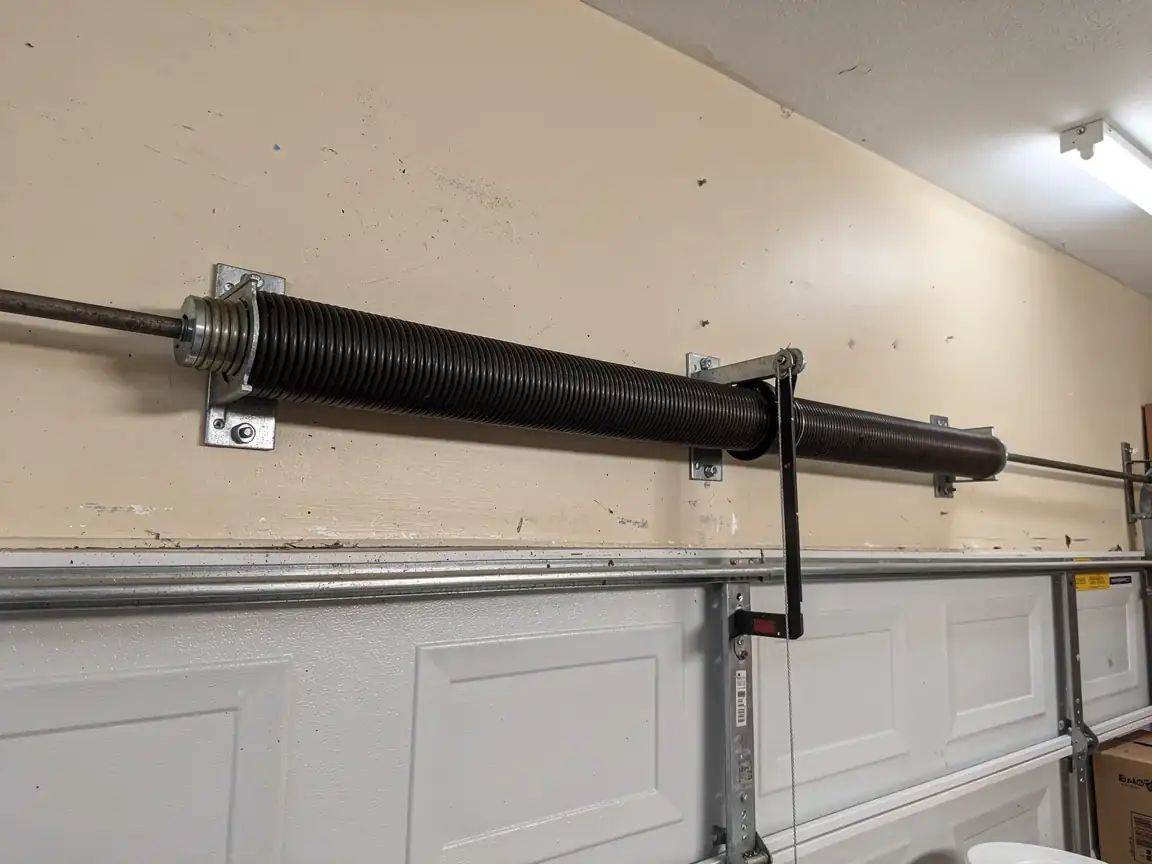
Don't do this one yourself, and that's not a sales line - it's about the spring. A lift cable on a residential door is under real tension from the torsion or extension spring the whole time the door is closed. Cut or loosen the wrong thing while that spring is still wound, and the door, the cable, or the spring itself can move fast enough to break a hand or worse.
If you're comfortable with basic mechanical work, there's a limit to what's reasonable here anyway: winding bars, vise grips to lock the torsion shaft, and a clear idea of how much turn is in that spring before you touch it. Most homeowners don't have that gear sitting in the garage, and buying it for a one-time repair costs more than just having it done.
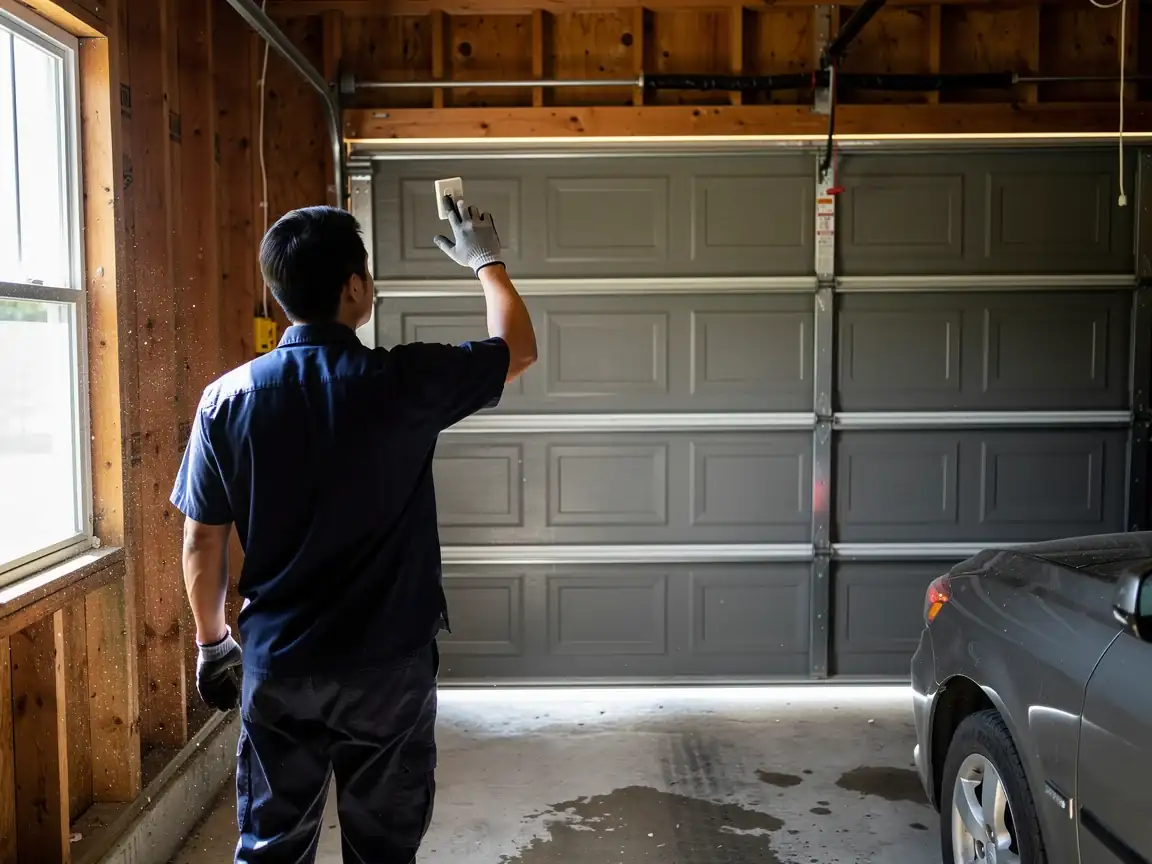
What you can safely check yourself: whether the cable is visibly frayed or has popped off the drum, whether the door is hanging unevenly on one side, and whether the opener is straining against resistance instead of moving the door smoothly. Seeing any of that is a good reason to stop using the door and call, rather than keep opening it and risk the cable finishing its fray at the worst moment.
What You Are Seeing
A door that drops suddenly on one corner, or hangs noticeably lower on one side than the other, usually means a cable has come off the drum or snapped outright. If you can see the cable itself - frayed strands sticking out, a kink, or rust along the length - that's the cable telling you it's close to done, even if it hasn't failed yet.
Sometimes the symptom is sound rather than sight: a grinding or popping noise right as the door starts to move, which often means the cable is catching on a pulley that's worn or misaligned. Other times the opener runs but the door barely moves, because the cable is no longer doing its share of the lifting and the opener motor is fighting the spring alone.
Any of these is a reason to stop using the garage door and use the house entry instead until it's looked at. A door running on one working cable can jump its track or come down unevenly, and that's how a cable problem turns into a bent track or a cracked panel - a bigger repair than the cable itself would have been.