Why It Happens Here
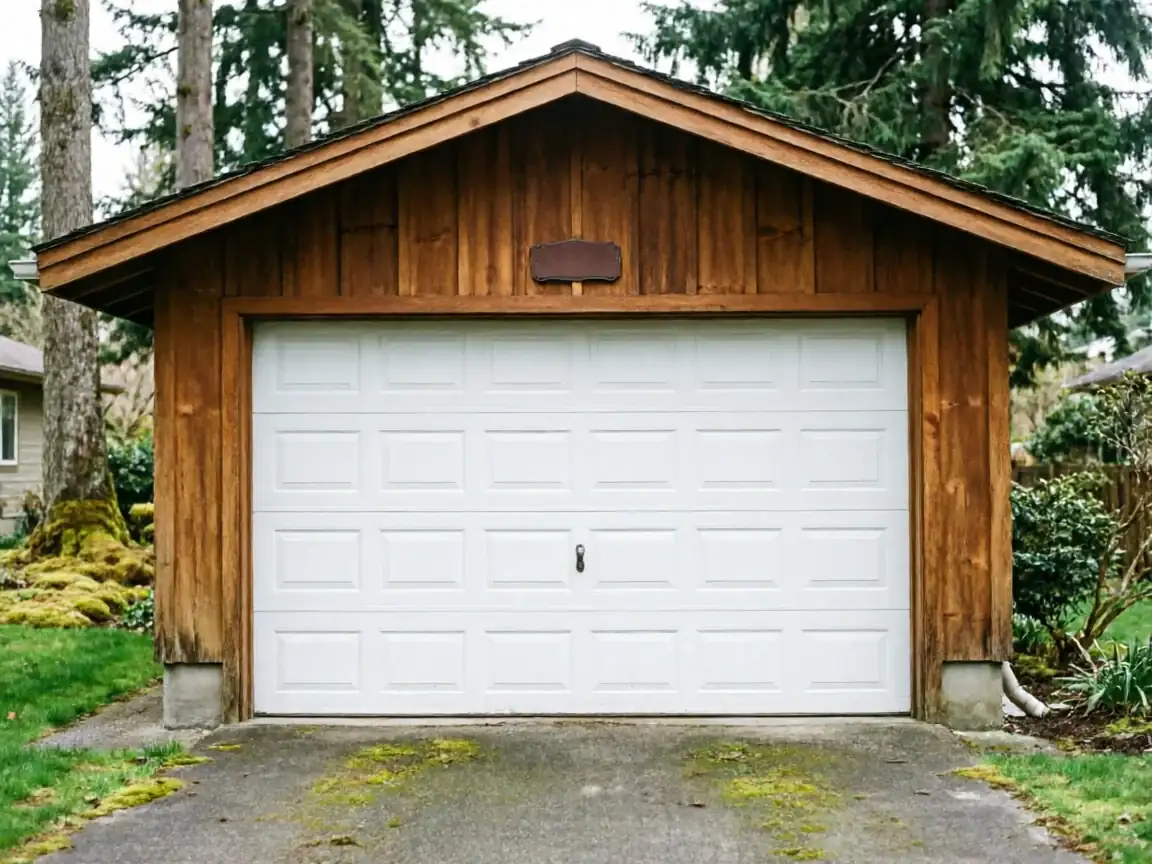
Most of the housing in the Eugene service area went up between 1950 and 1997, with the bulk of it dating to the 1980s and 90s across areas. That generation of garage doors shipped with steel rollers on steel tracks, and steel doesn't age well in a cold, moderate, damp climate. Moisture gets into the roller stem, the bearing dries out or rusts, and the roller starts binding in the track instead of rolling through it. You hear it before you see it: a grinding or popping sound every time the door cycles.\n\nHouses built in that same window often still have their original hardware, since rollers aren't something most owners think about until they fail. A roller that's been running rough for a year or two doesn't just wear itself out - it wears a groove into the track, which means a roller swap on an older track sometimes turns into a track adjustment too. That's the trade-off of 1980s-era doors: the roller is a cheap part, but the track it rides in has had four decades to collect rust and dents in our weather.
The DIY Question
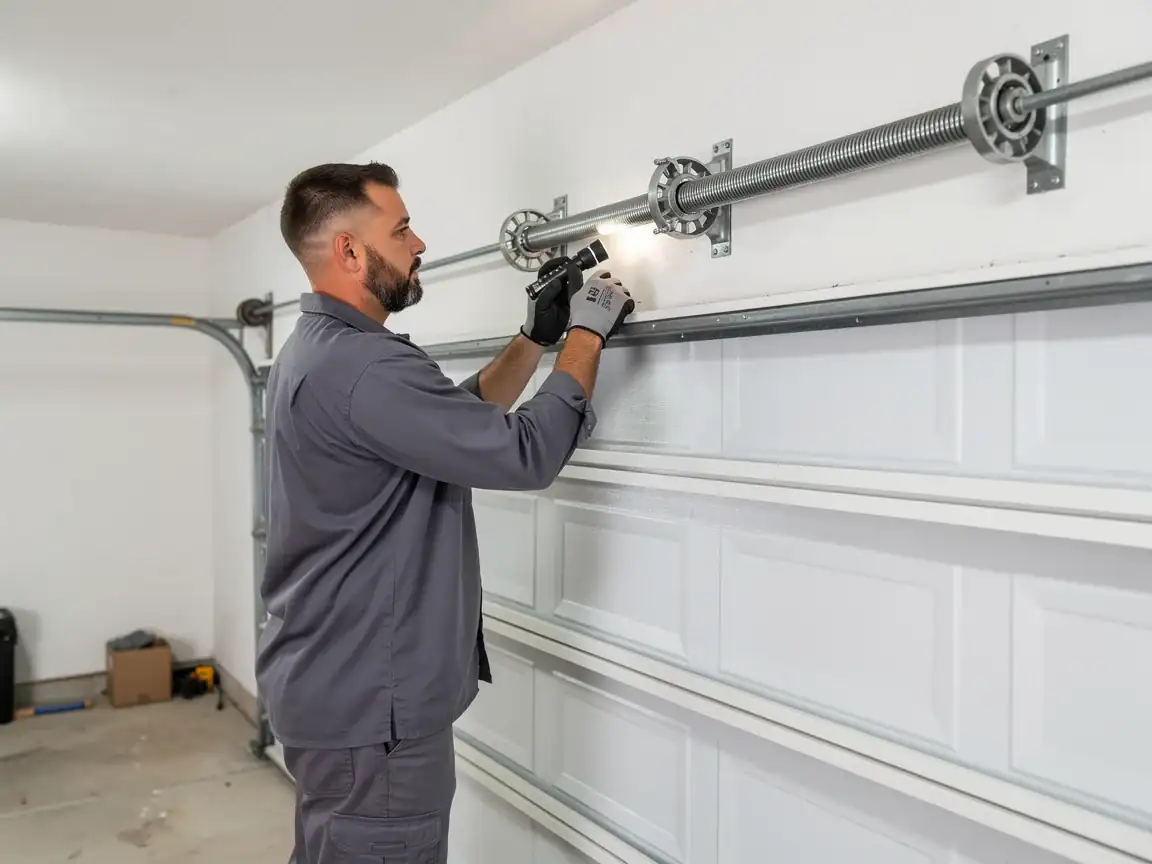
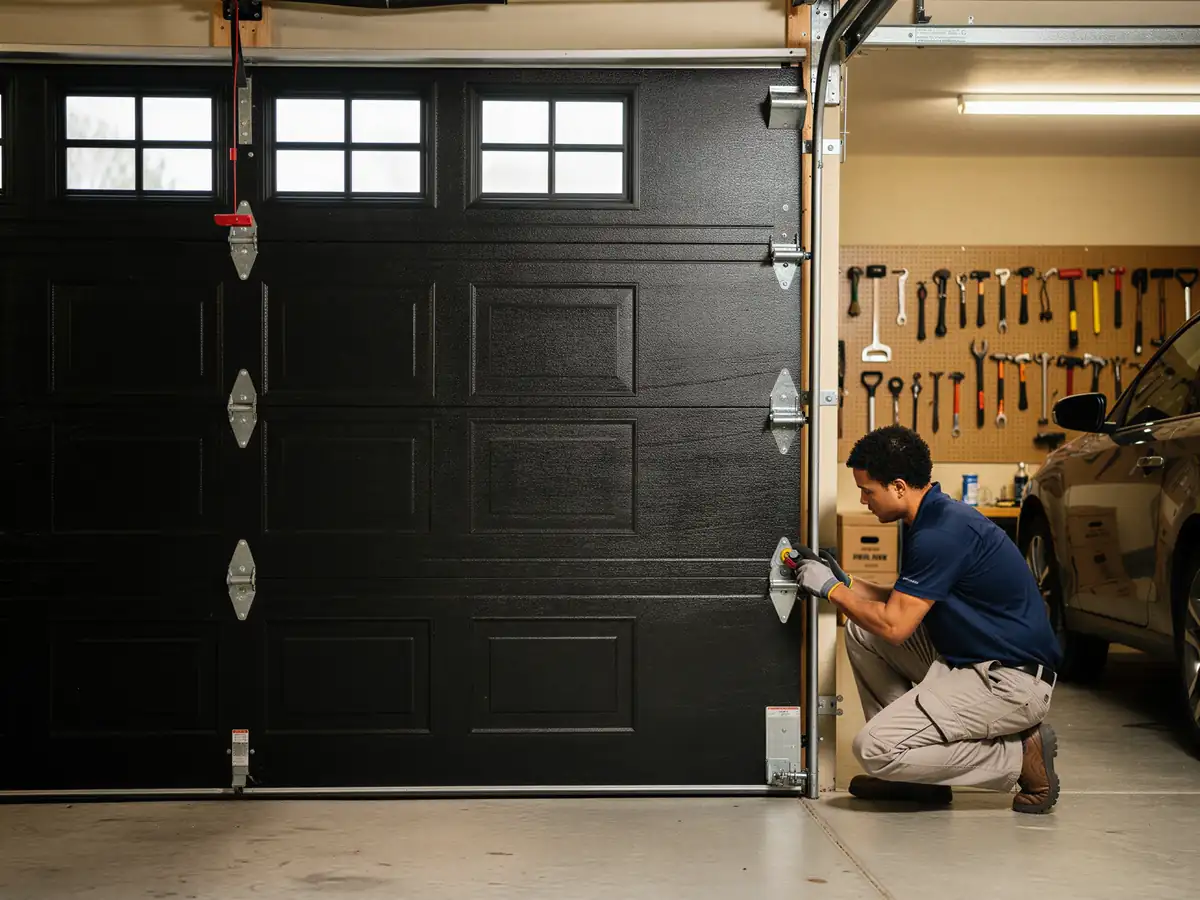
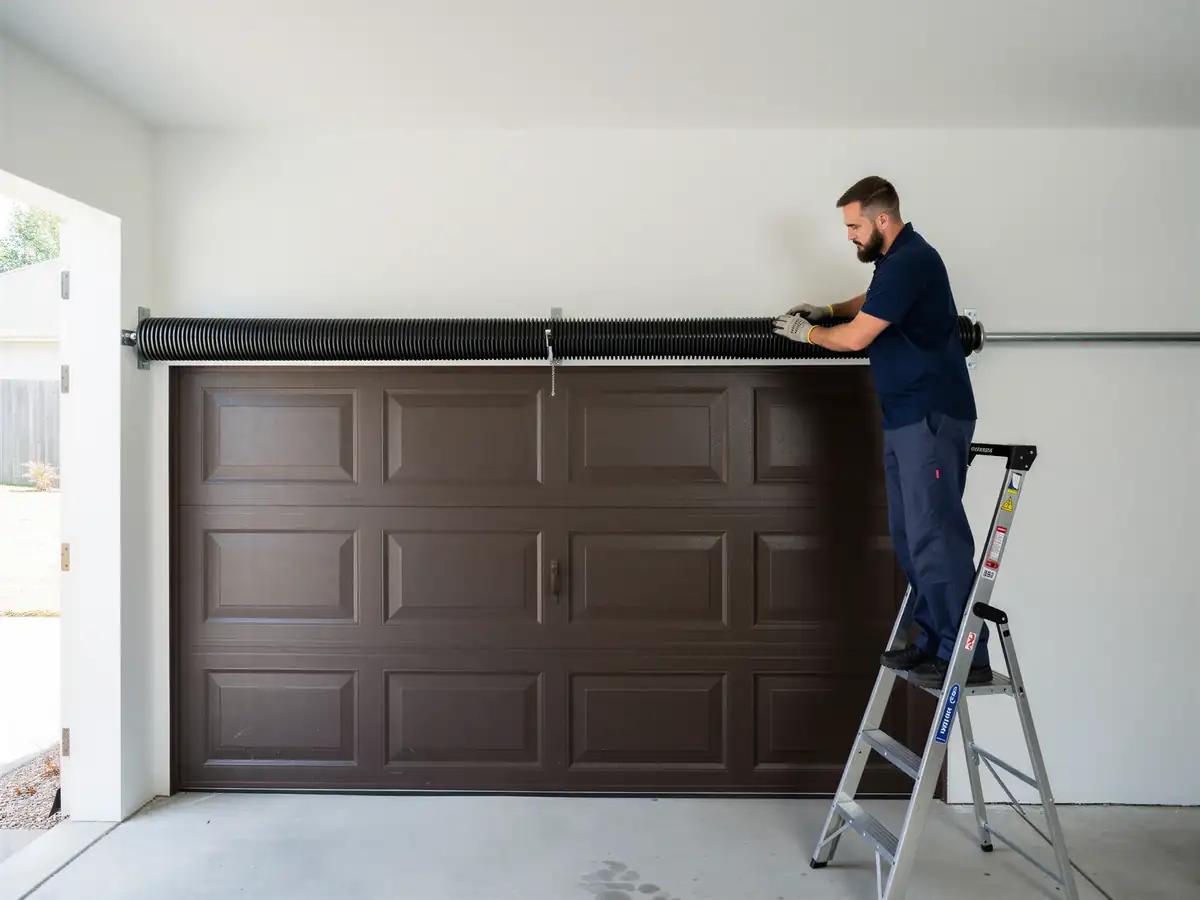
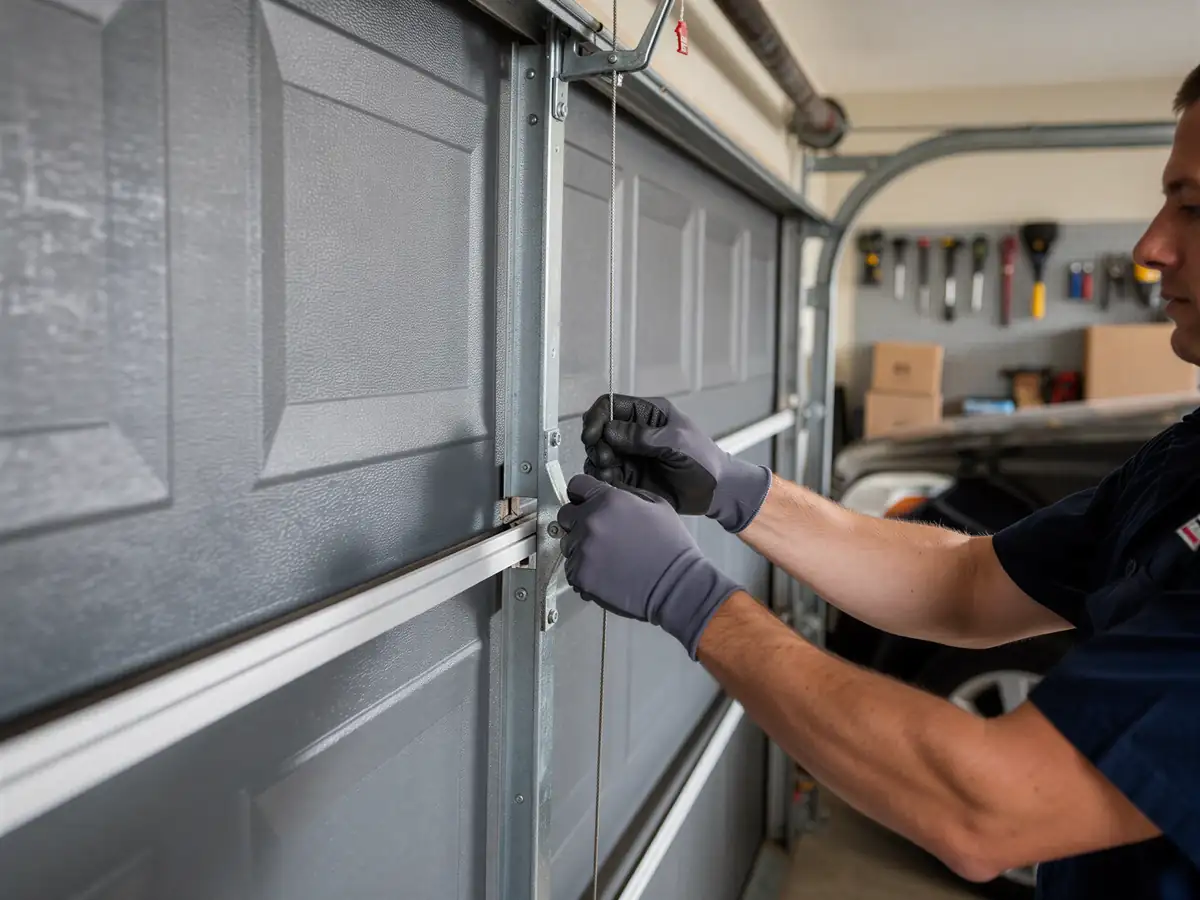
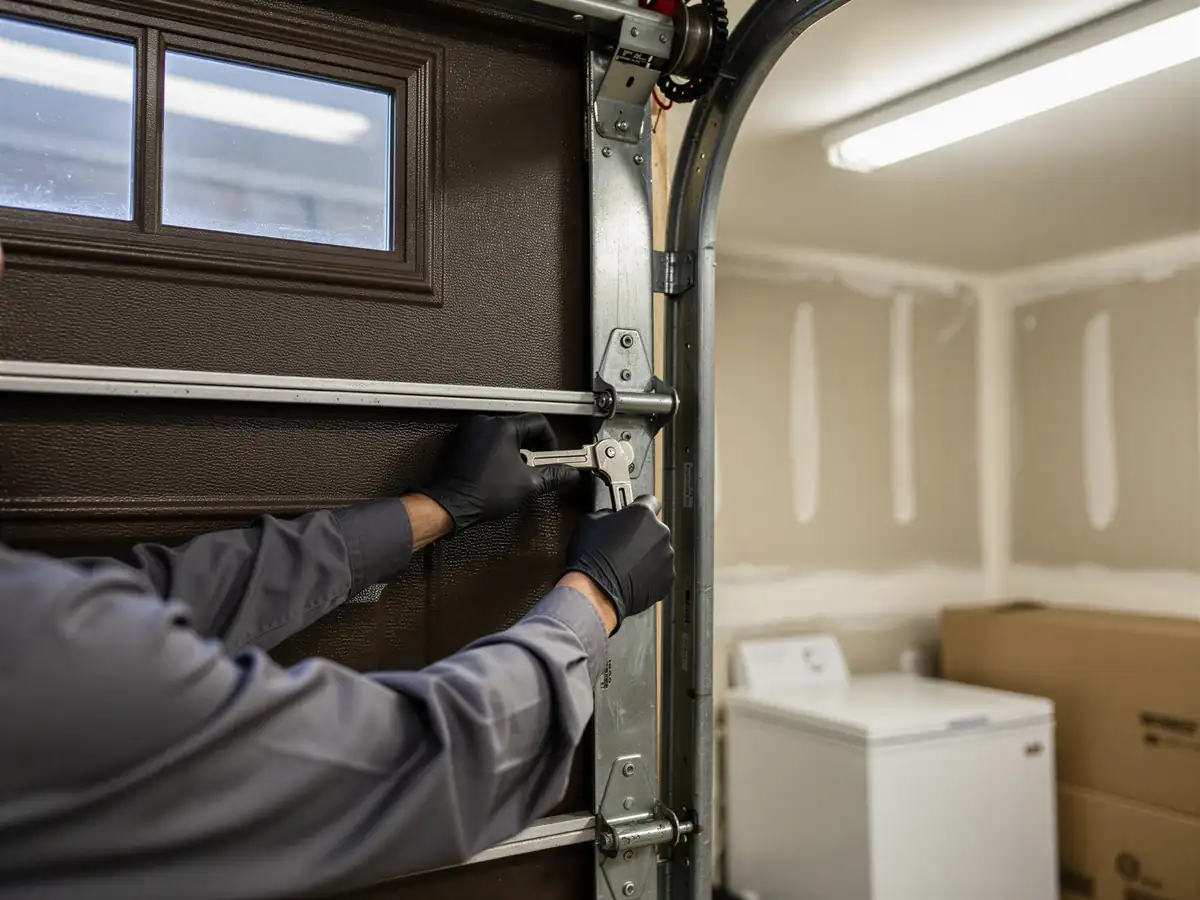
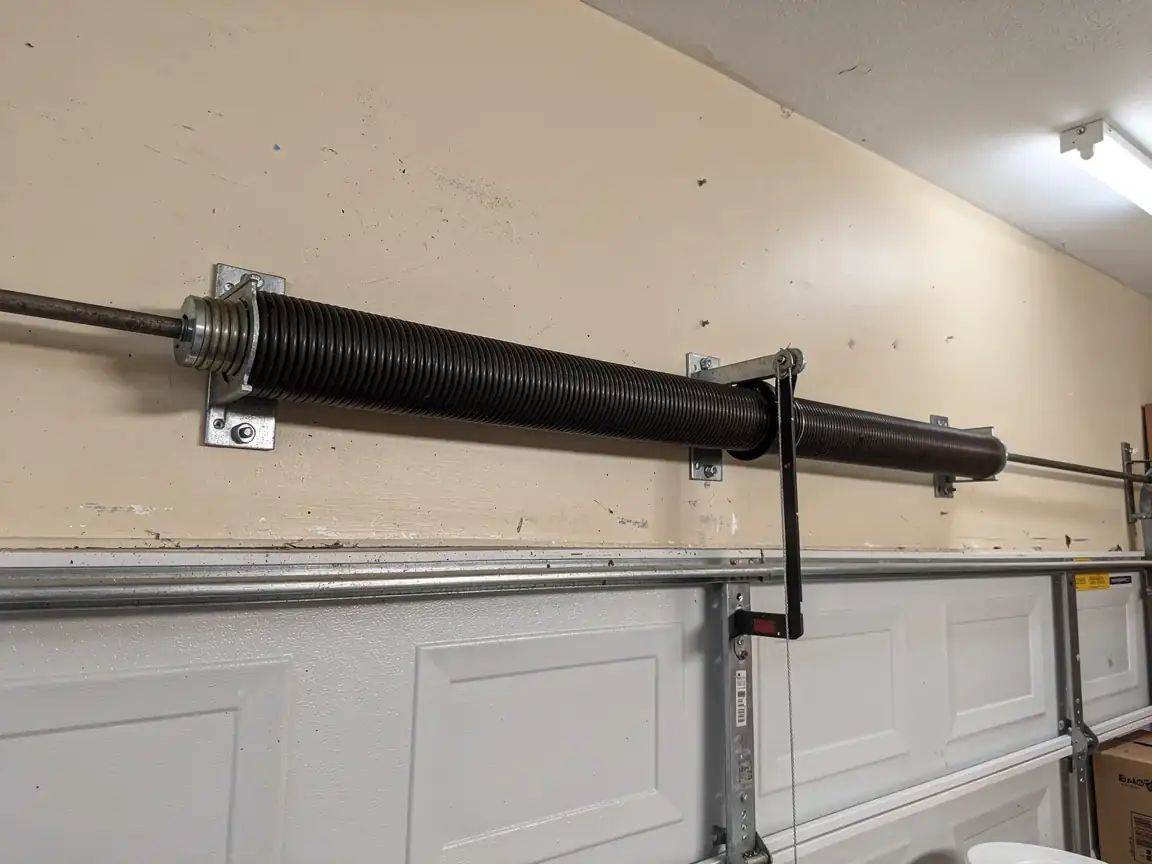
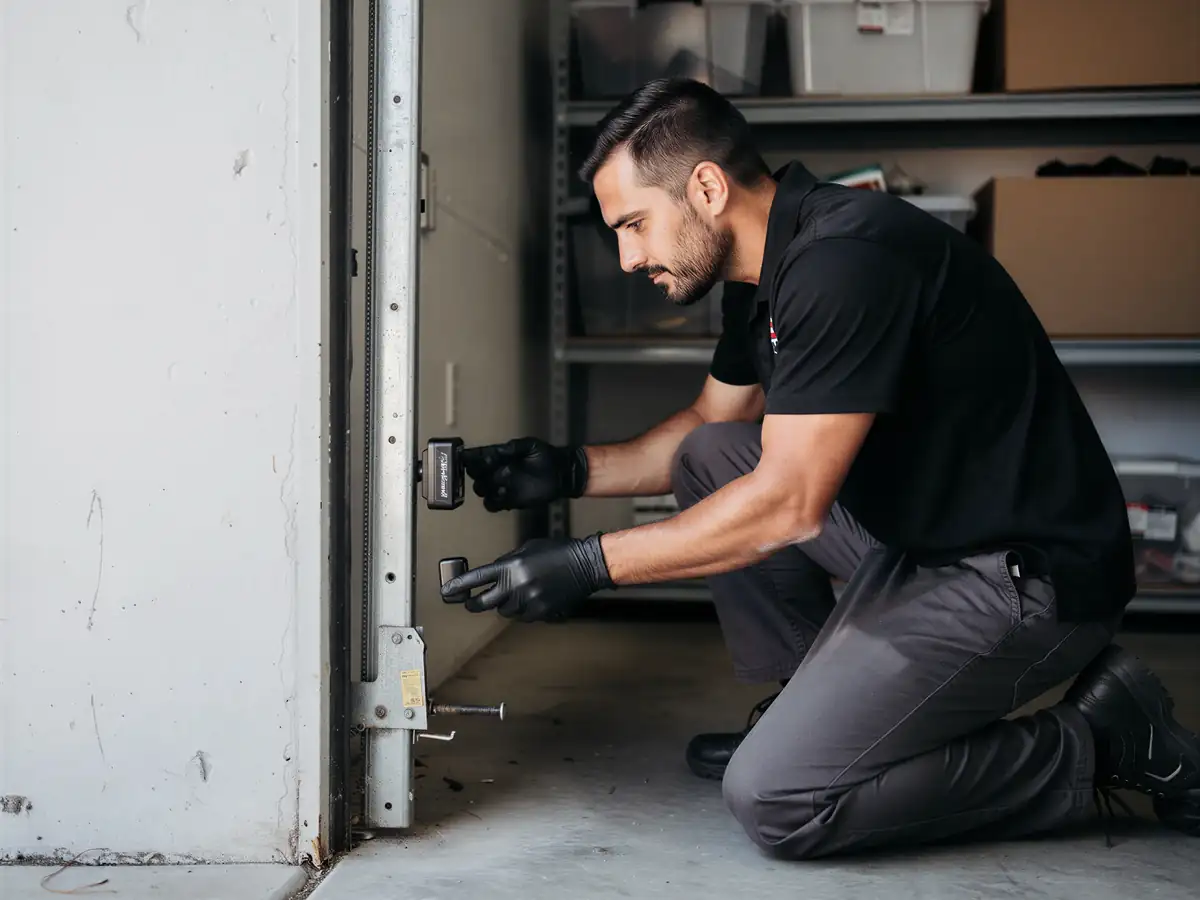
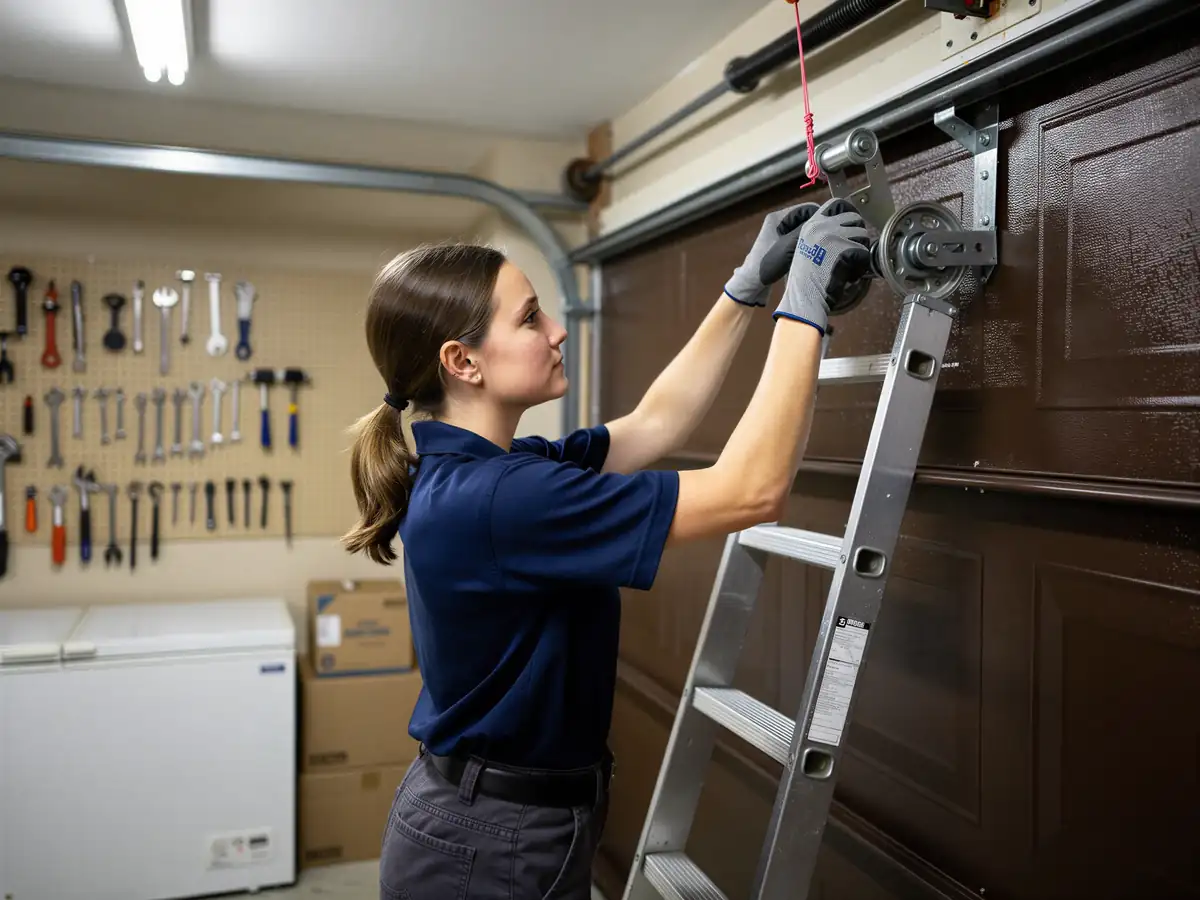
Rollers are one of the more approachable garage door repairs, and a lot of homeowners can swap out a bottom roller or two on their own, provided the door is disconnected from the opener and the springs are left alone. Where it gets risky is the top rollers near the spring system - on a torsion-spring door, working that close to a loaded spring without the right bars is how people get hurt, and that's true whether the door is new or forty years old.\n\nThe other complication is specific to older stock. On houses from the 1950-1997 build window, the track itself has often shifted or rusted enough that a simple roller-for-roller swap doesn't fix the noise - the track needs attention too, and bending it back into alignment without the right clamps usually makes it worse, not better. If your door is sticking, binding, or coming off the track partway through a cycle, that's past the point where a roller kit from the hardware store solves it. We'll tell you straight if your door needs rollers only, or rollers and a track reset.
What You Are Seeing
The classic sign is noise - a grinding, squealing, or rhythmic thumping that gets louder as the door moves, especially on the last few feet of travel. Look at the rollers themselves: steel ones from older stock often show flat spots, rust streaks, or a wobble where the bearing has worn loose. Nylon rollers crack or chip at the edges instead of rusting, so the failure looks different but causes the same binding.\n\nYou might also notice the door hesitating or jerking at one spot in the track every time, which usually means a roller has seized and is dragging rather than rolling. On double doors especially, uneven rollers on one side versus the other can make the door look like it's racking - tilting slightly as it moves - even though the real problem is just a handful of worn rollers, not a structural issue with the door itself.