How That Shows Up in the Door
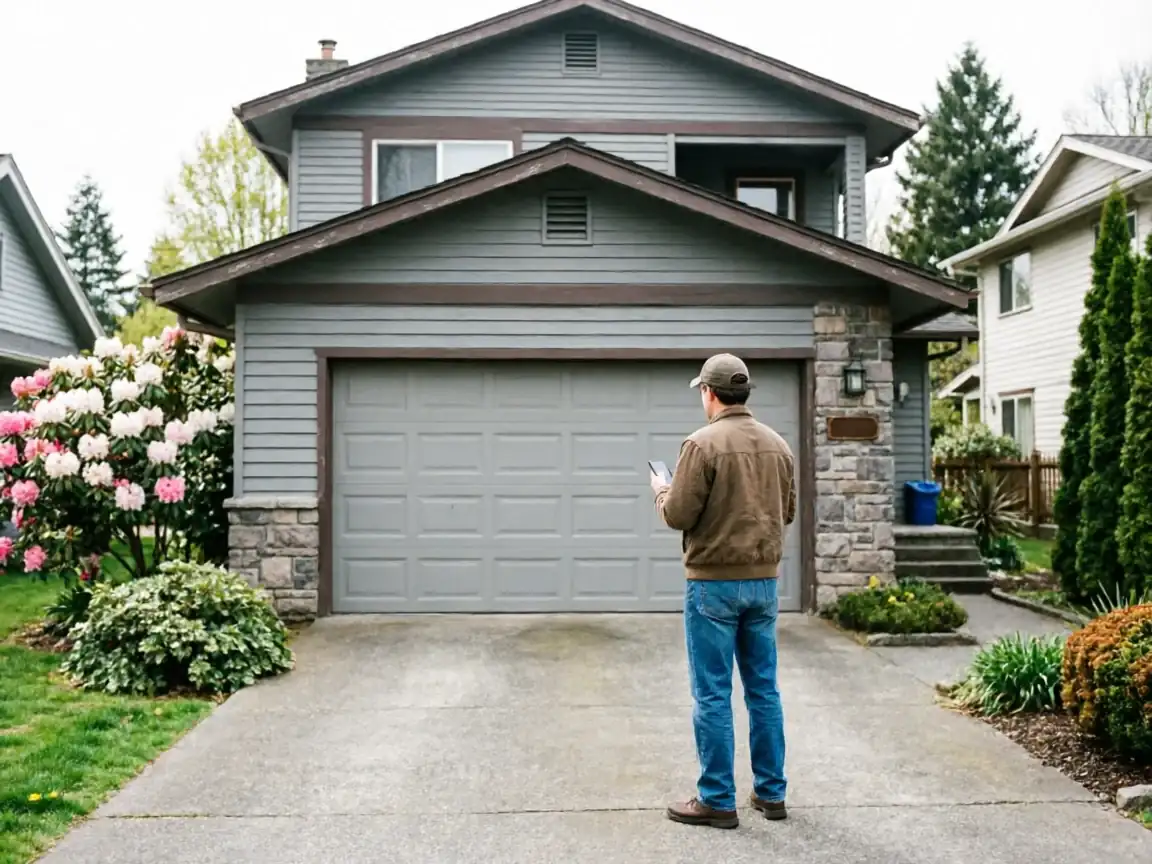
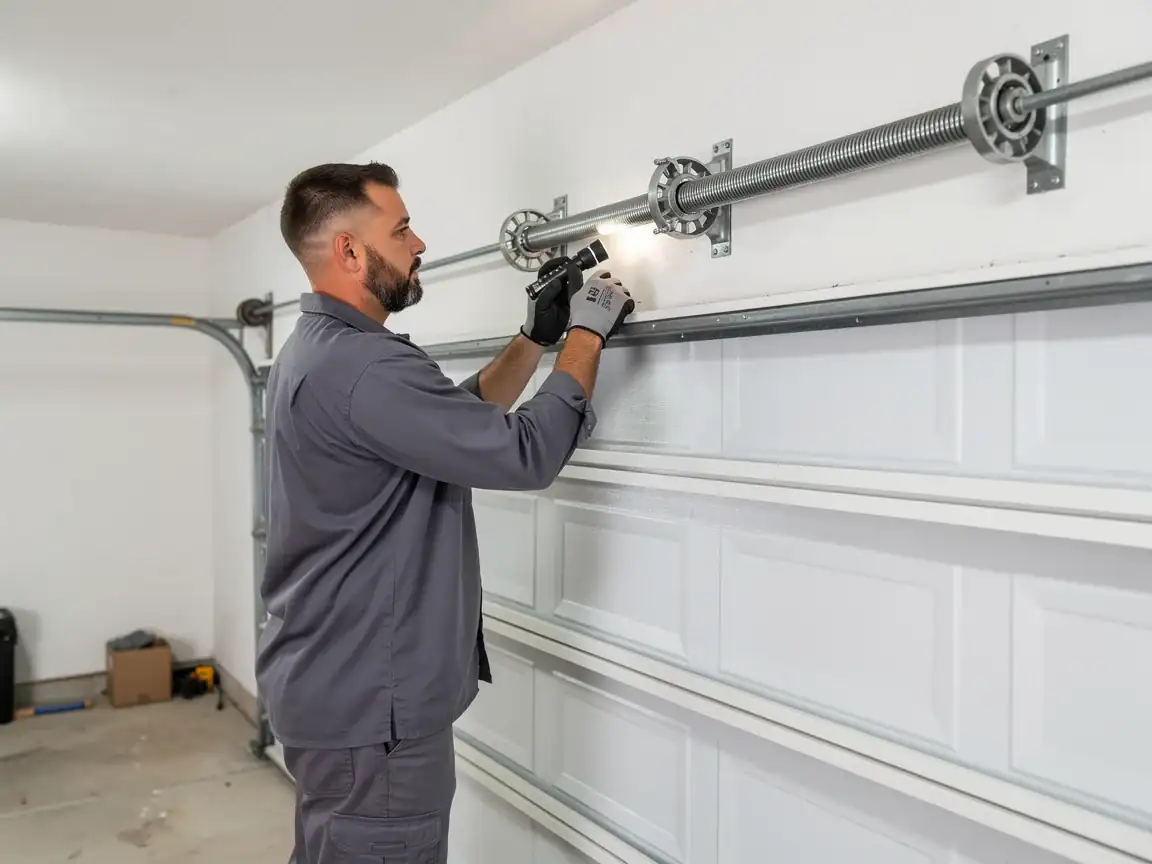
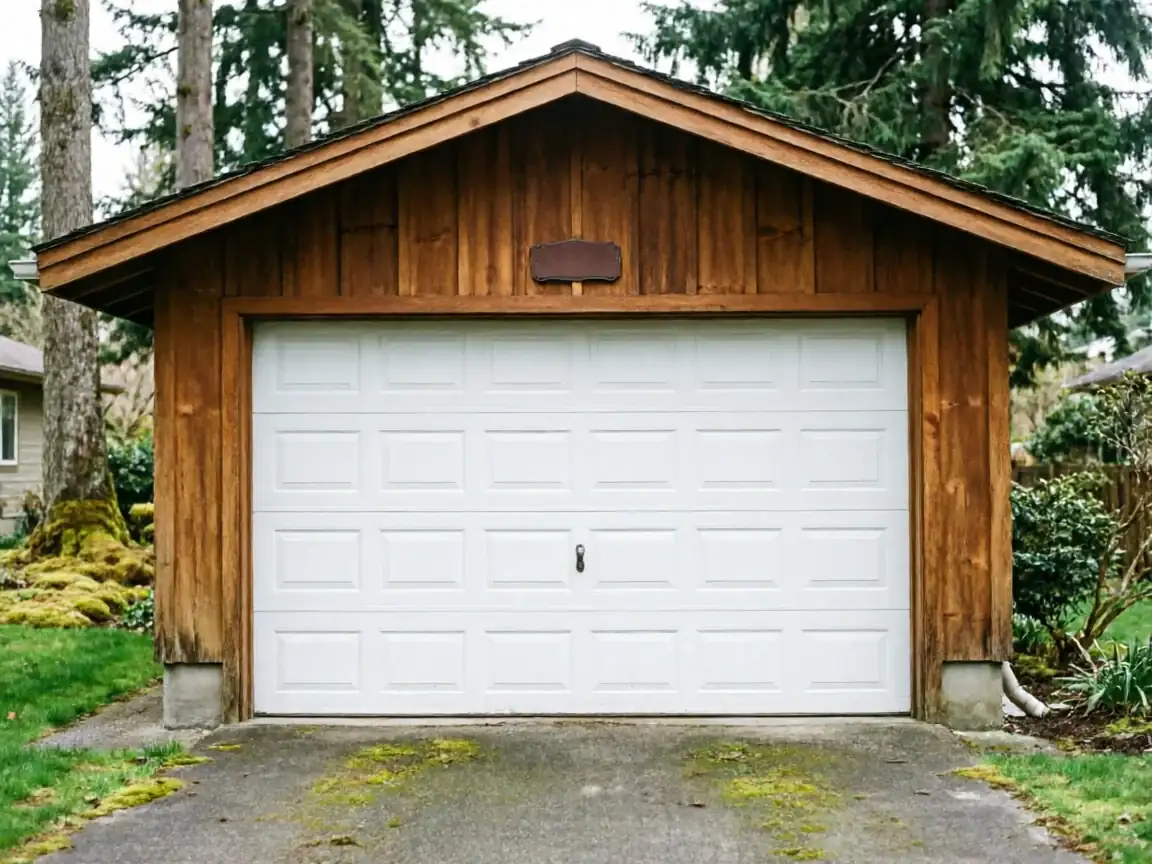
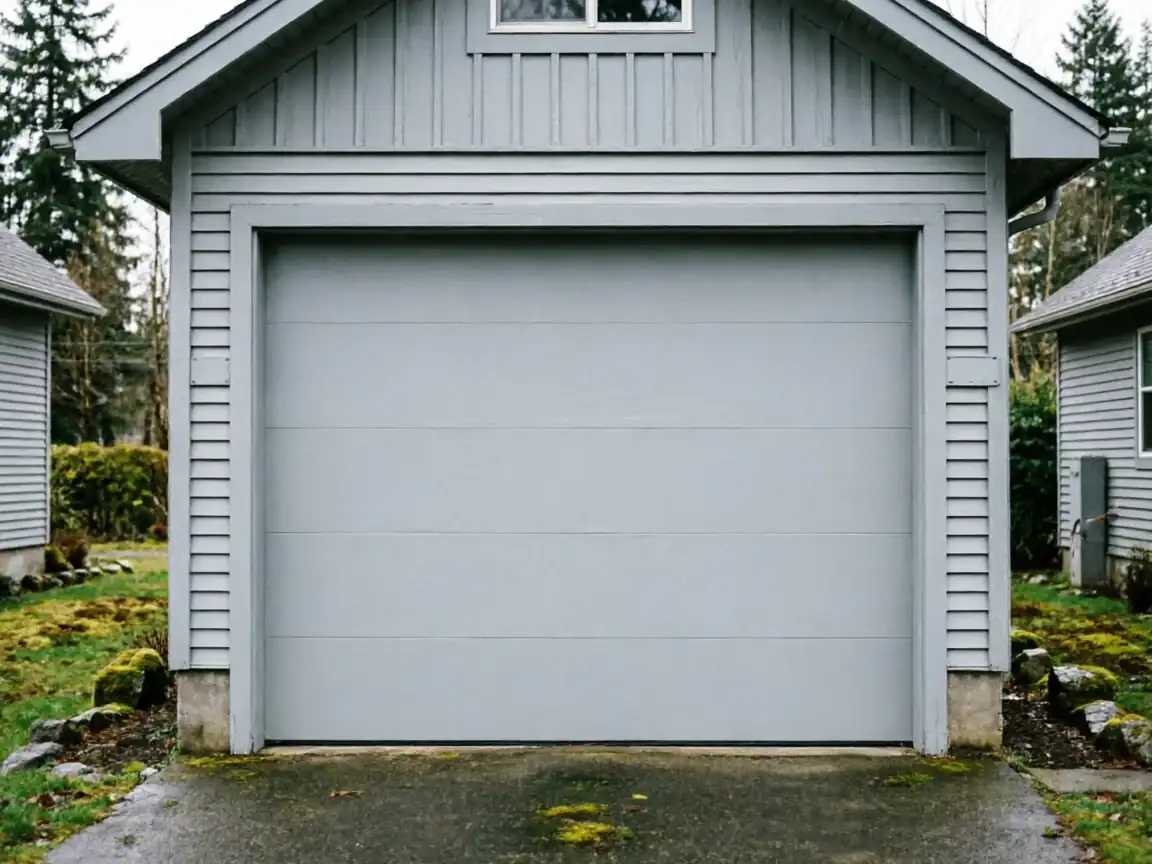
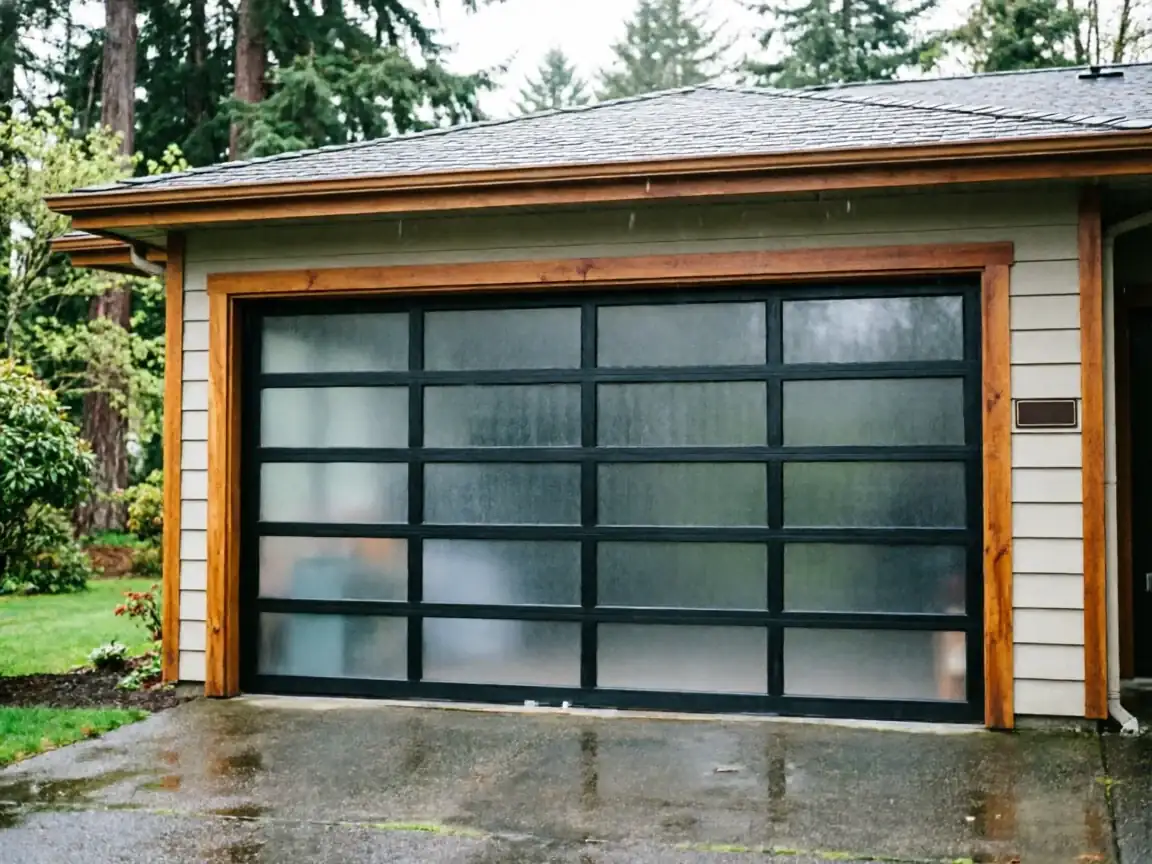
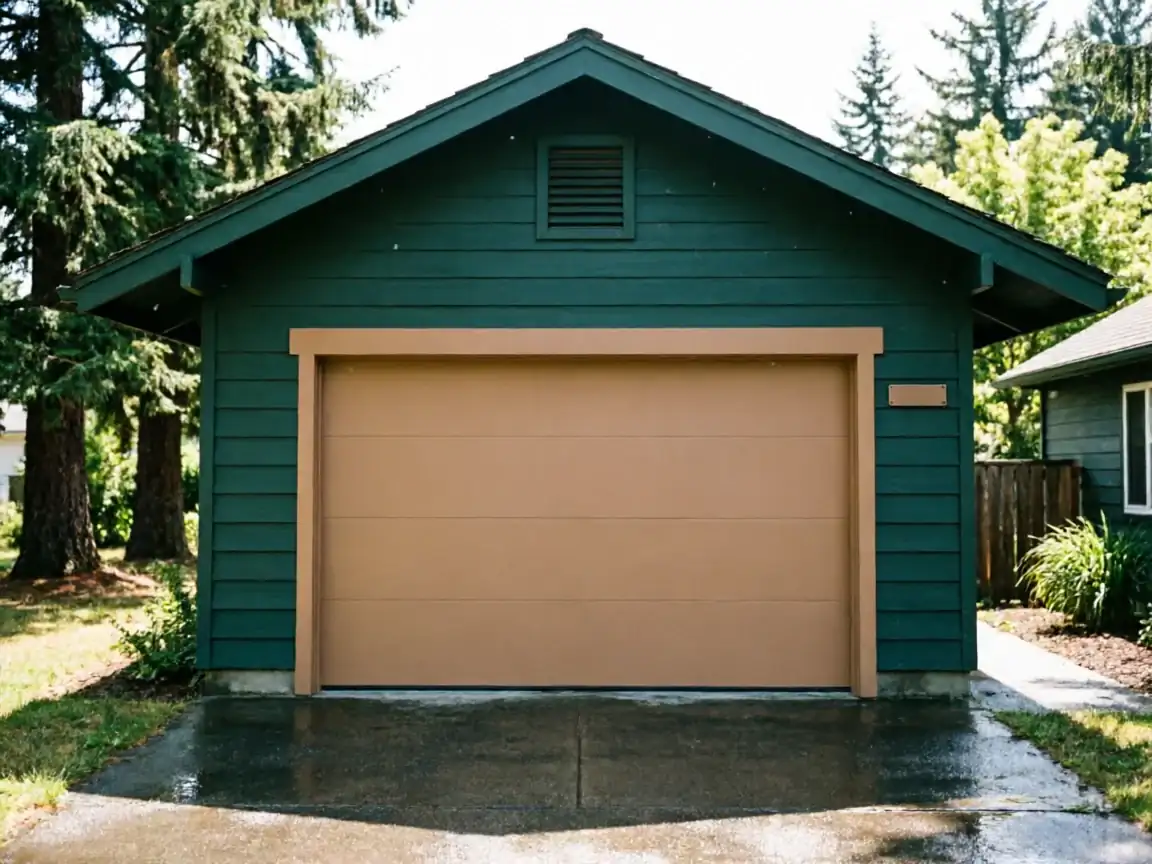
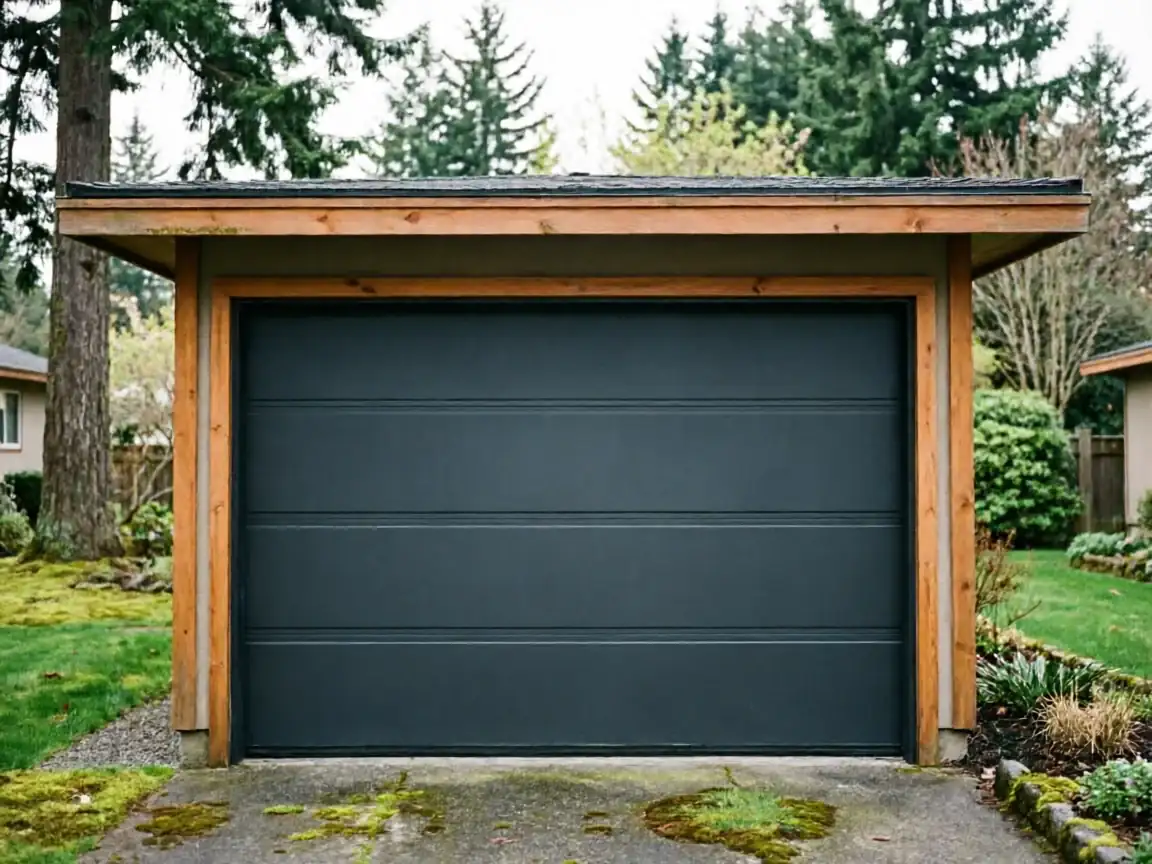
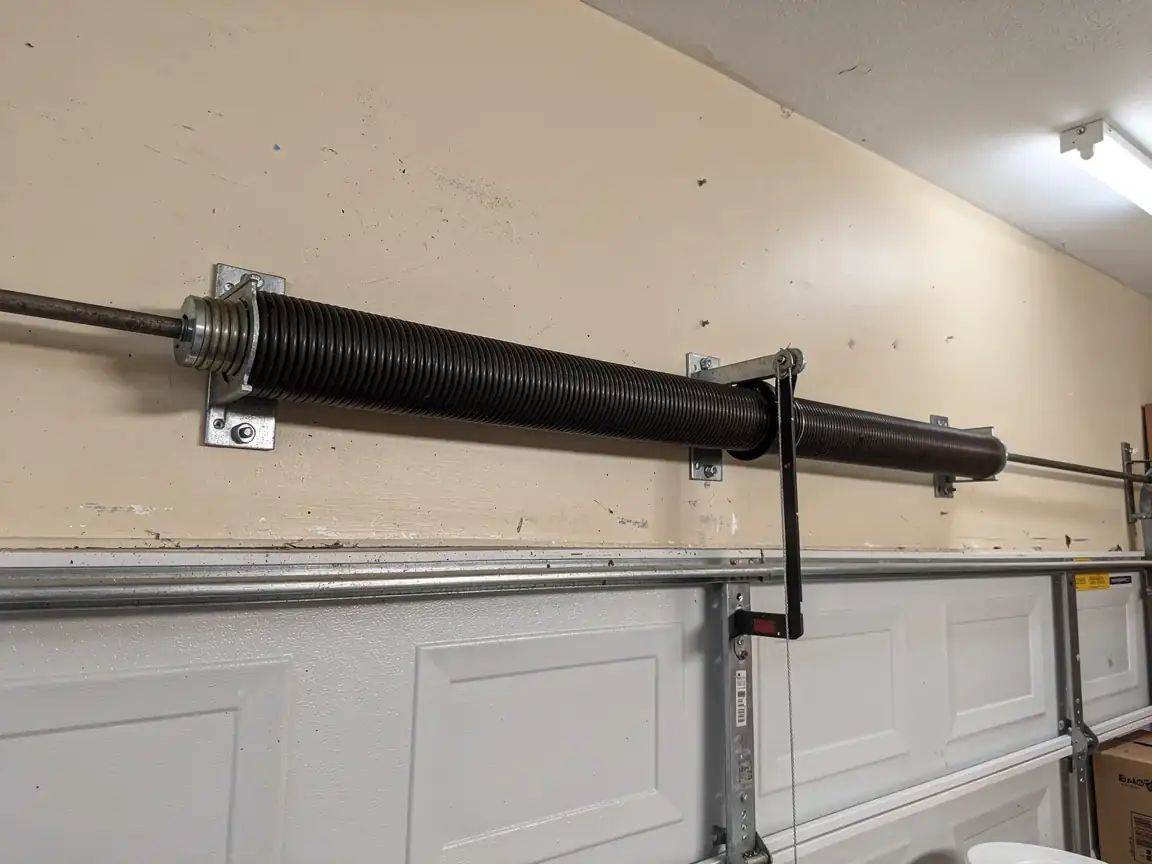
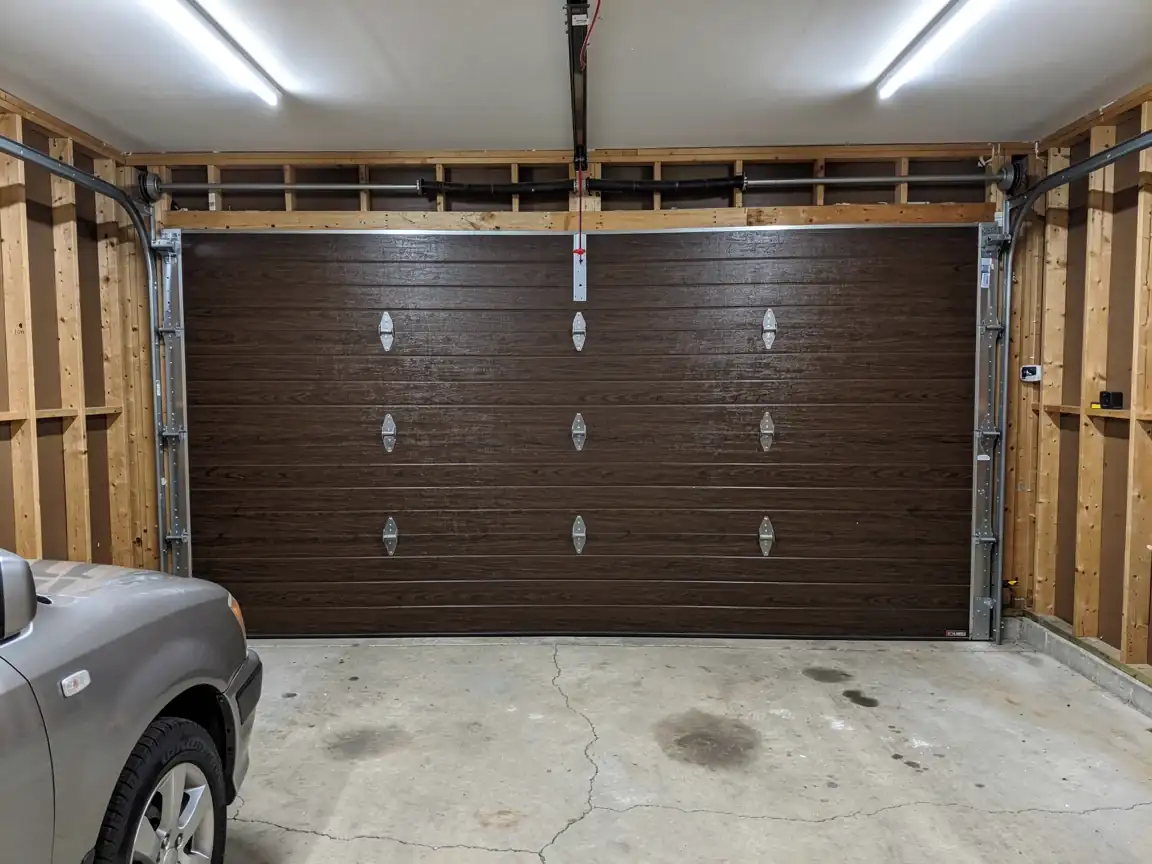
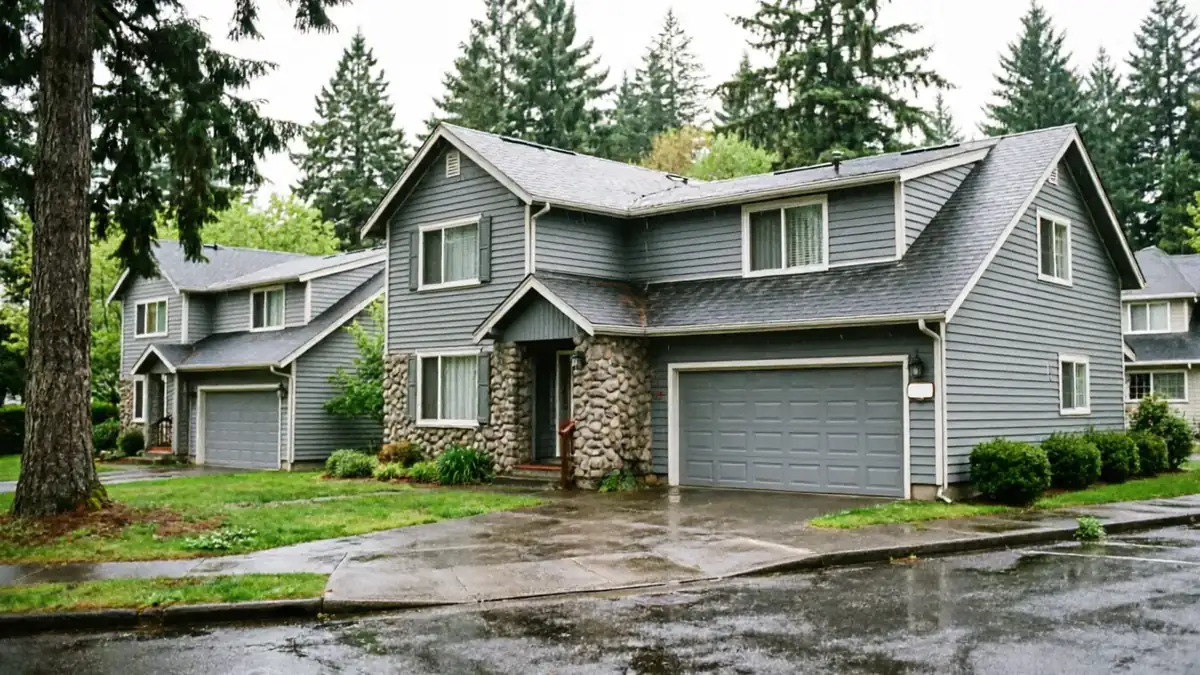
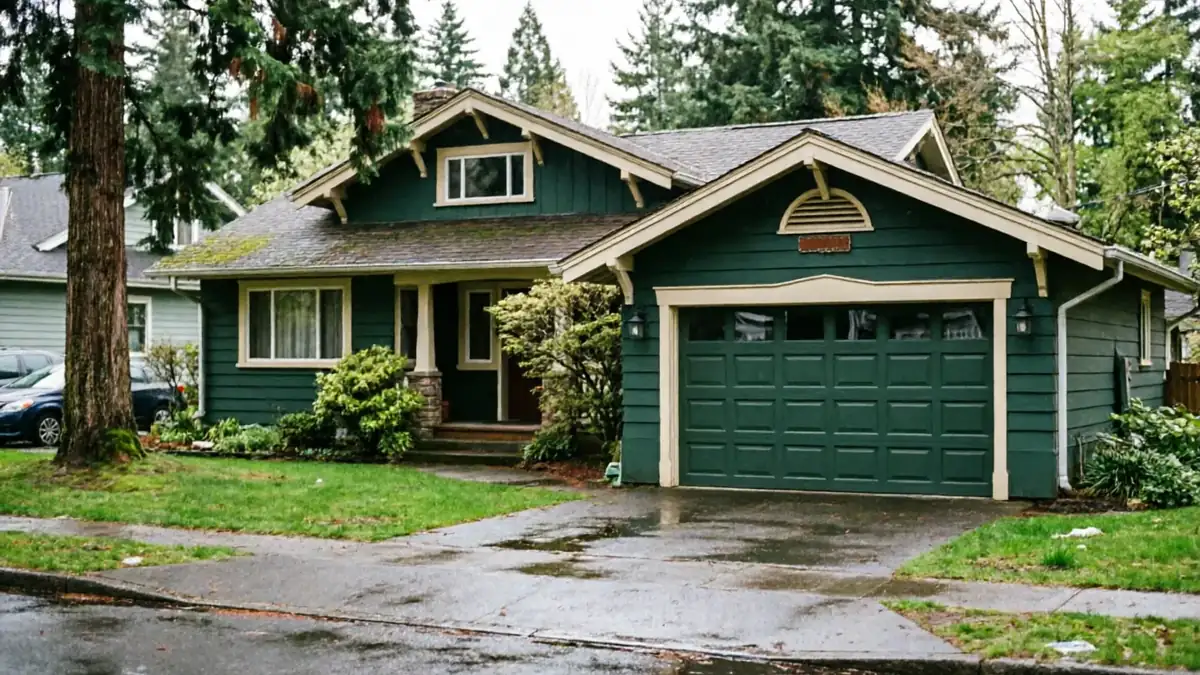
Junction City's housing stock centers on 1980, which puts most garage doors here squarely in the first wave of steel sectional doors with torsion springs mounted on a center bracket over the header. That's different from the pre-1950 stock you'll find in parts of the wider Eugene area, where older side-mounted extension springs and lighter wood doors are still common. Around here, the parts guy pulls a standard torsion spring, a standard 1/3-hp chain or belt opener bracket, and a steel panel door off the shelf, because that's what went into most of these garages in the first place. The upside is availability. The downside is that 40-plus years in, a lot of that original hardware is at or past the end of its duty cycle - springs rated for a certain number of cycles, rollers that were steel instead of nylon, openers that predate modern safety reversal standards. If your door is making noise or the opener struggles, it's often original equipment doing its last few months of work, not a fluke.
What Neighbours Usually Call About
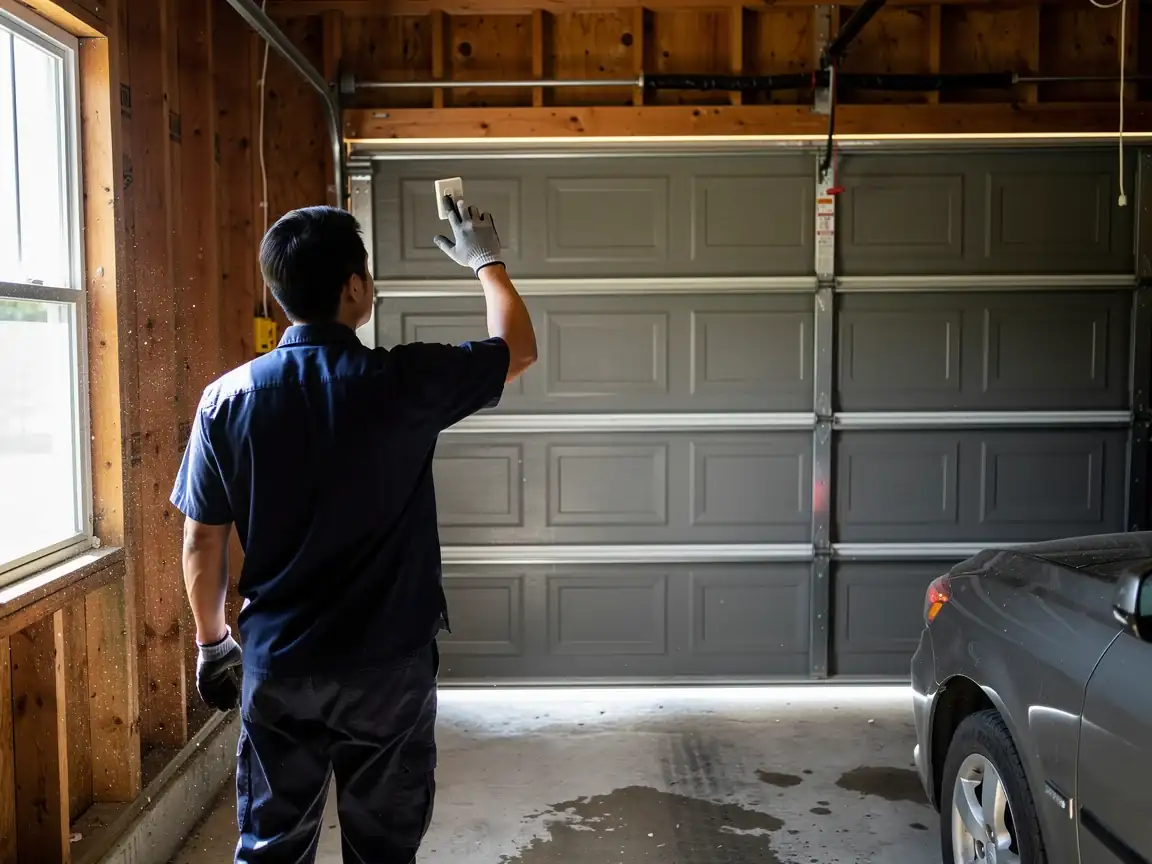
With roughly 2,885 households in this area and most of the houses dating to around 1980, the service calls cluster predictably. Torsion springs reaching the end of their cycle life are the most common - you'll hear a loud bang in the garage and the door won't budge afterward. Second most common: openers from the 80s and 90s opener boom giving out, usually the drive gear stripping or the logic board failing after a couple decades of Oregon humidity getting into the housing. Third, worn rollers on steel tracks - the original steel rollers were never as quiet or as long-lived as the nylon ones used today, and by year 40 they're grinding. The area sits in a cold-moderate climate band, which isn't brutal but is enough that winter cold makes old torsion springs more brittle and more likely to let go on a frosty morning rather than a mild one.
What Was Built Here
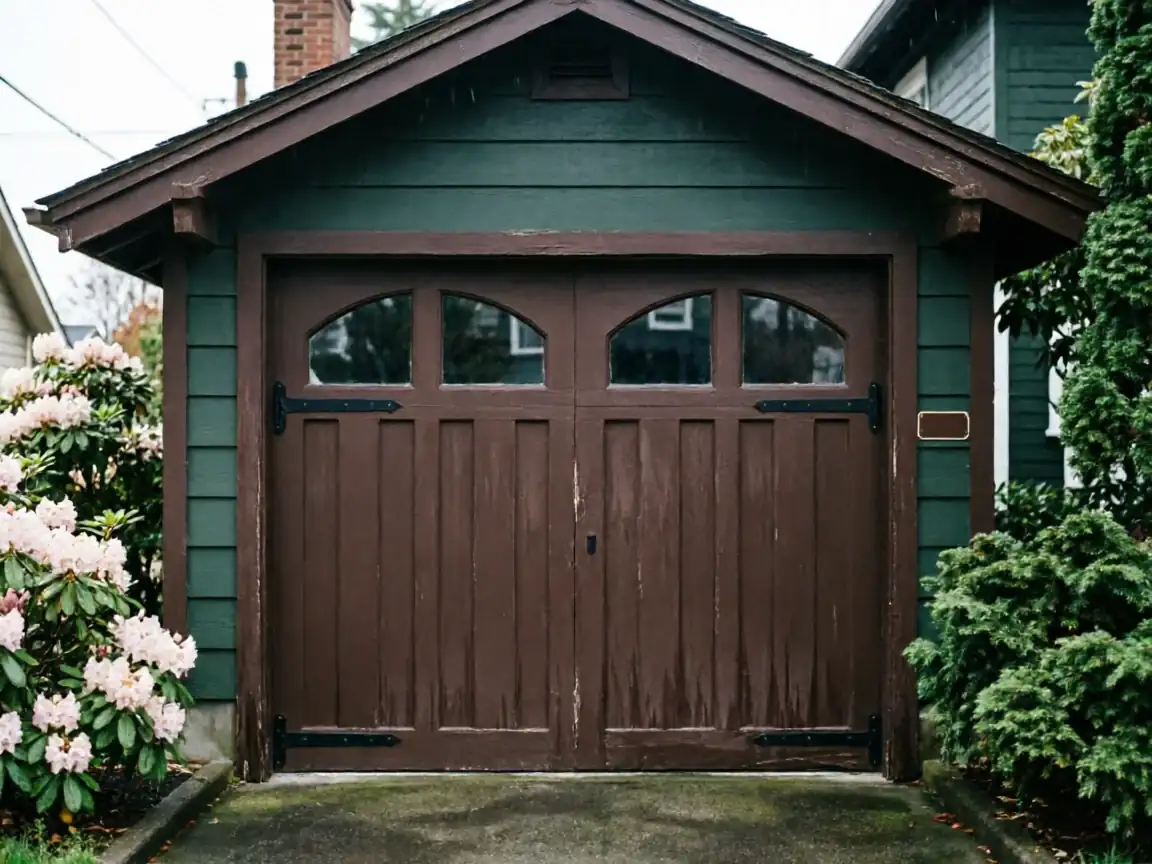
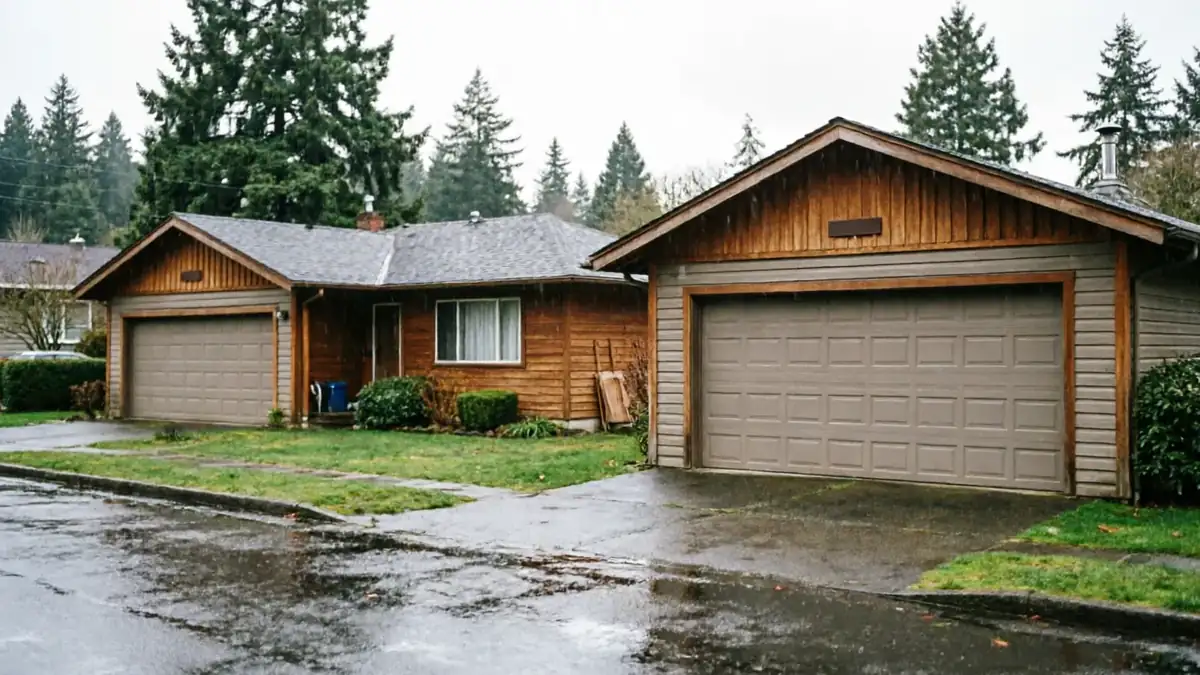
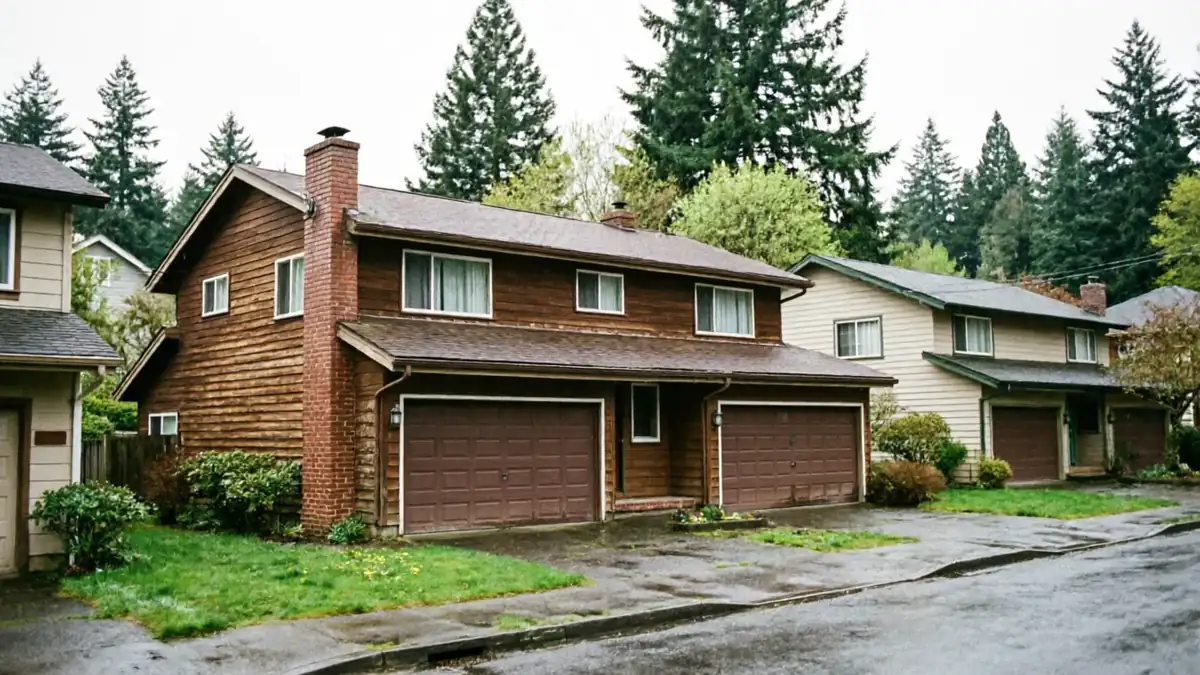
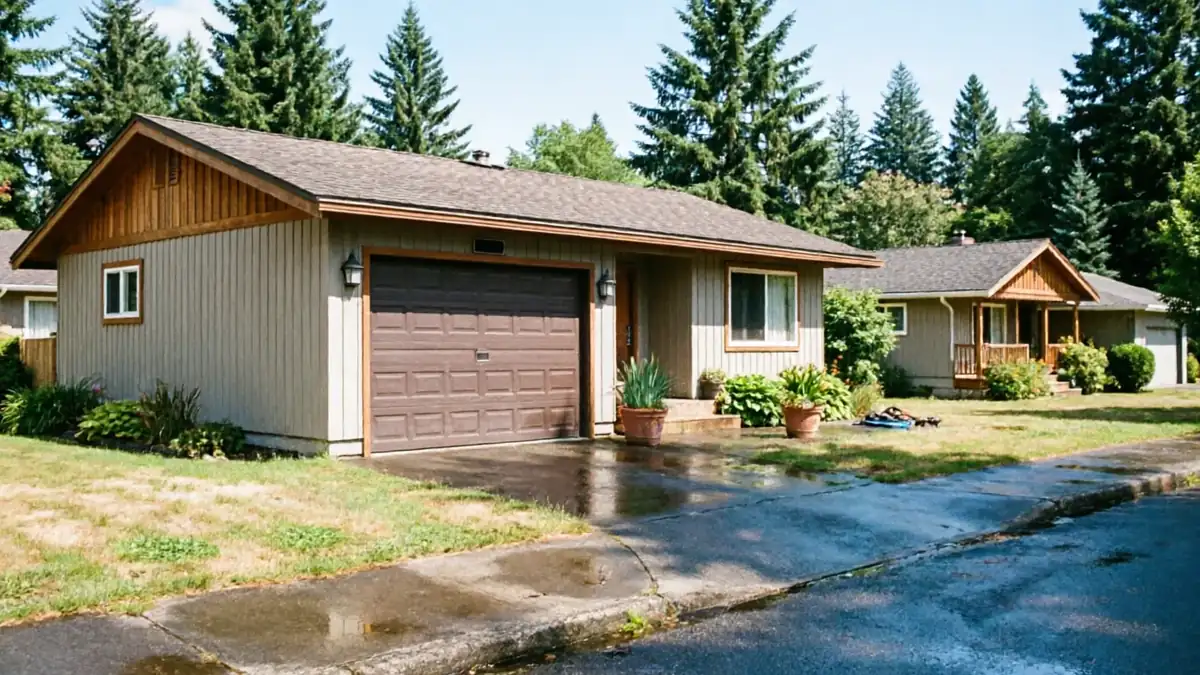
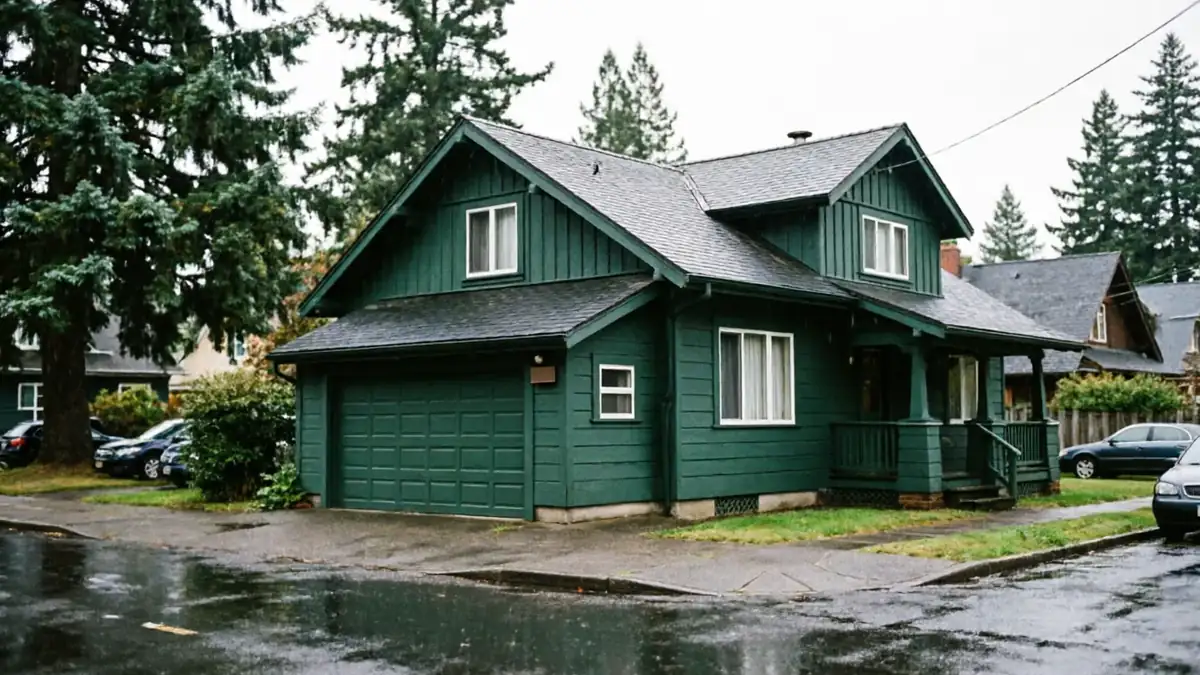
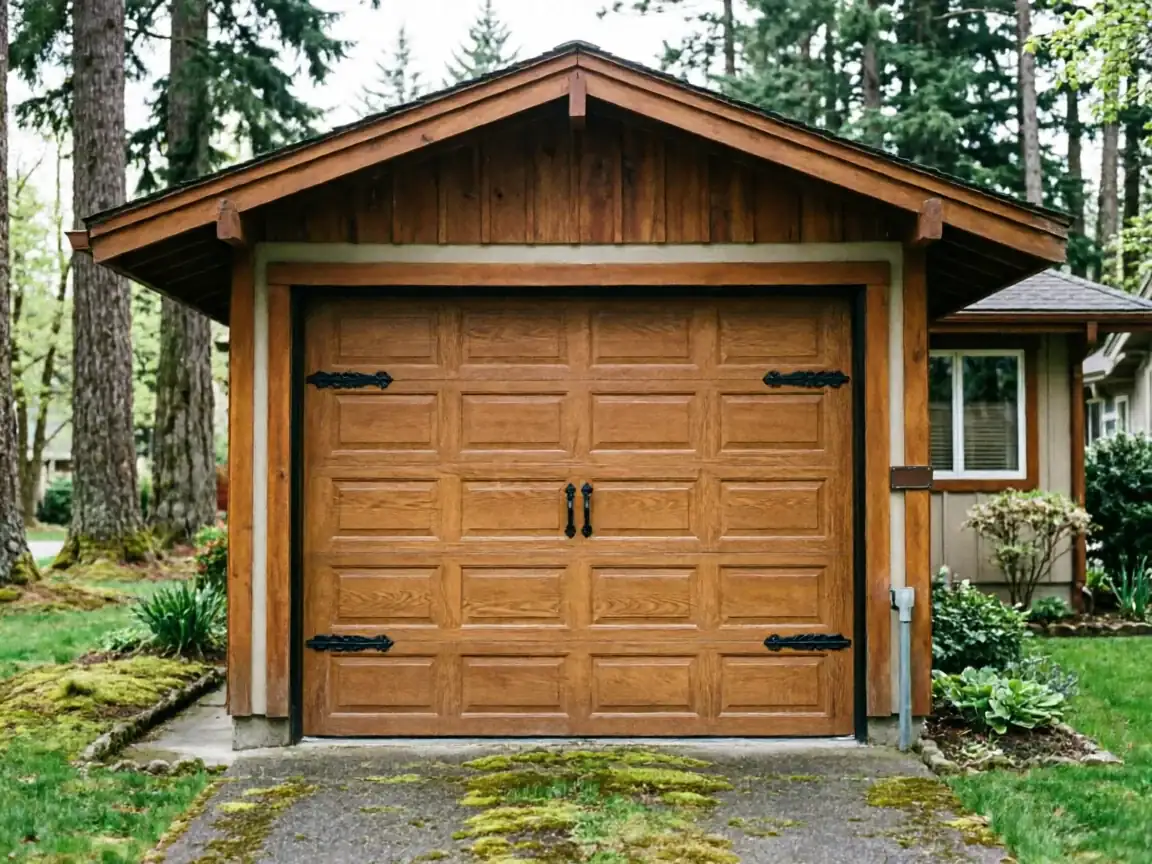
The area's median year built is 1980, which tracks closely with the broader Eugene service region's 1950-1997 housing range but sits later than the city average - this is infill and subdivision growth from the late 70s and early 80s, not the postwar wave. Median household income here runs about $76,969, a bit above the wider area's $74,006, which tends to show up in slightly higher-end original door specs: insulated steel panels instead of bare single-layer steel, for instance. One honest limit: if your door is one of the handful of pre-1970 holdouts with wood panels and odd-size tracks, we may need to special-order hardware rather than pull it off the truck, and that adds lead time we can't shorten.