Why It Happens Here
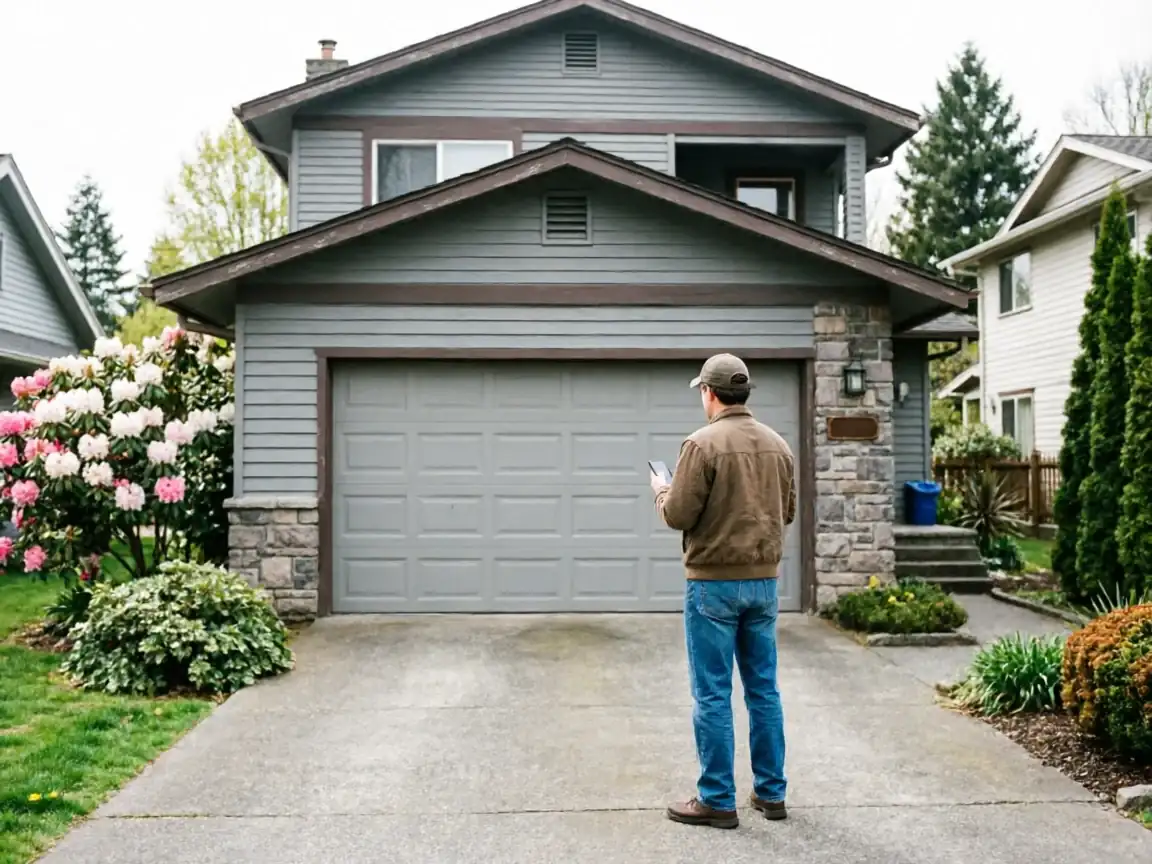
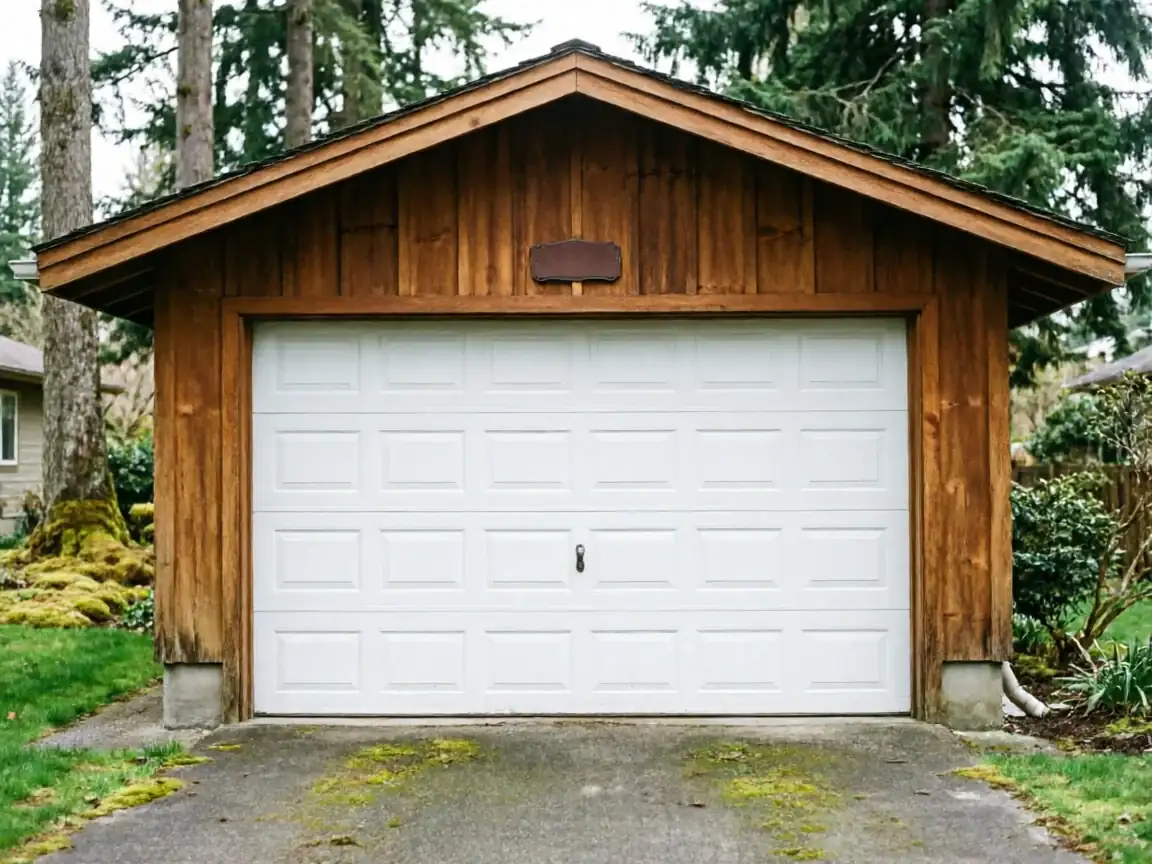
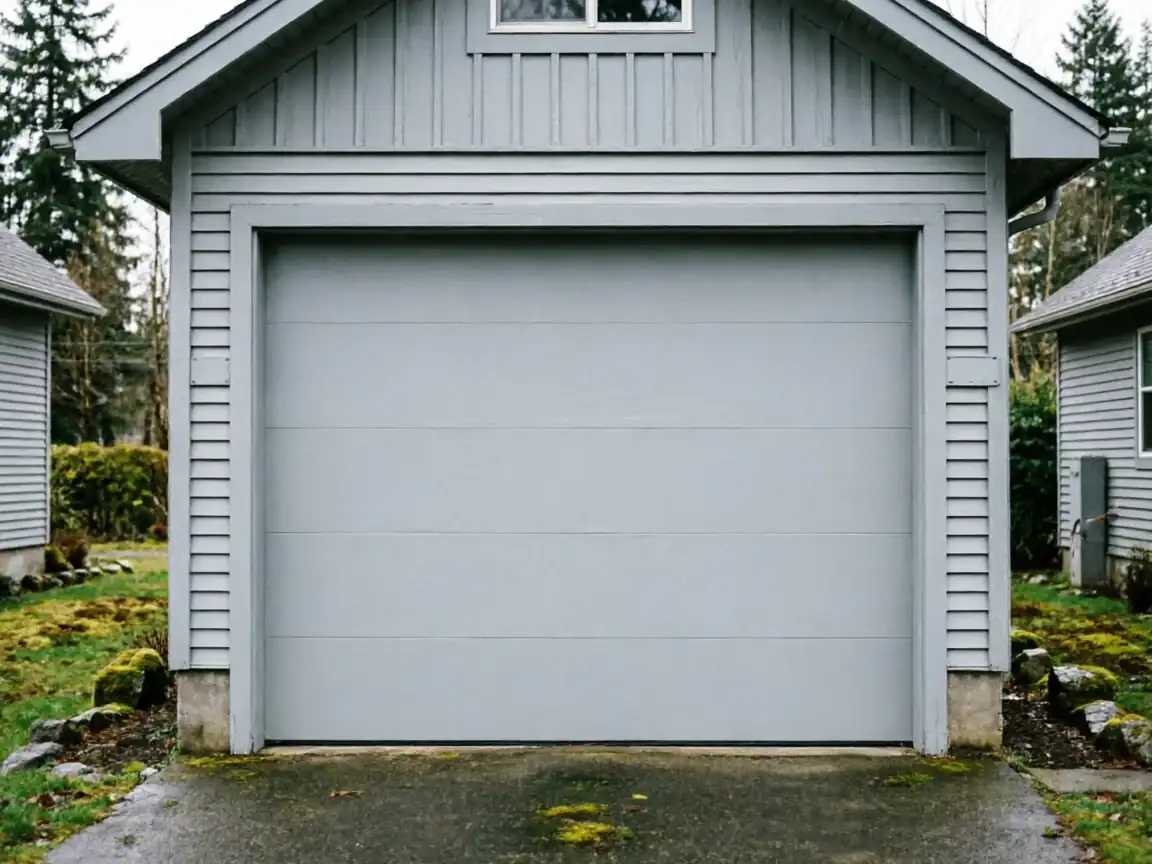
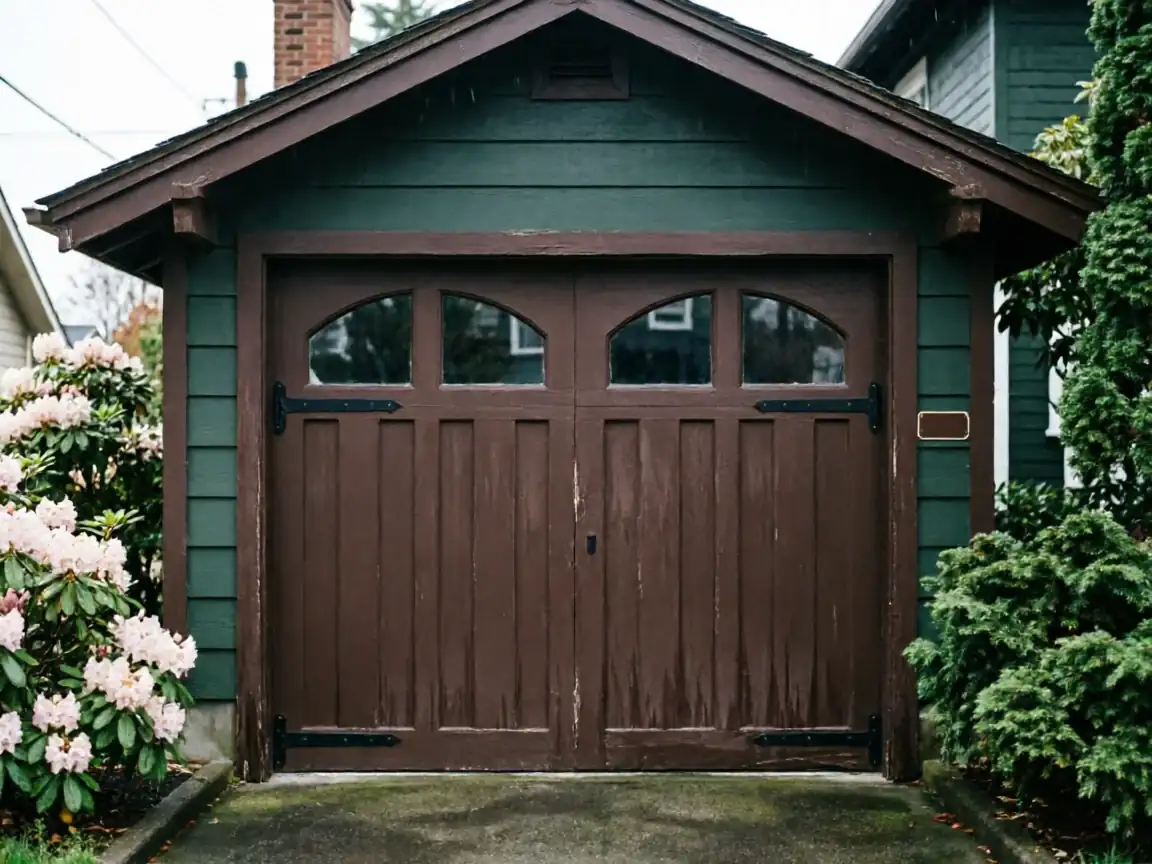
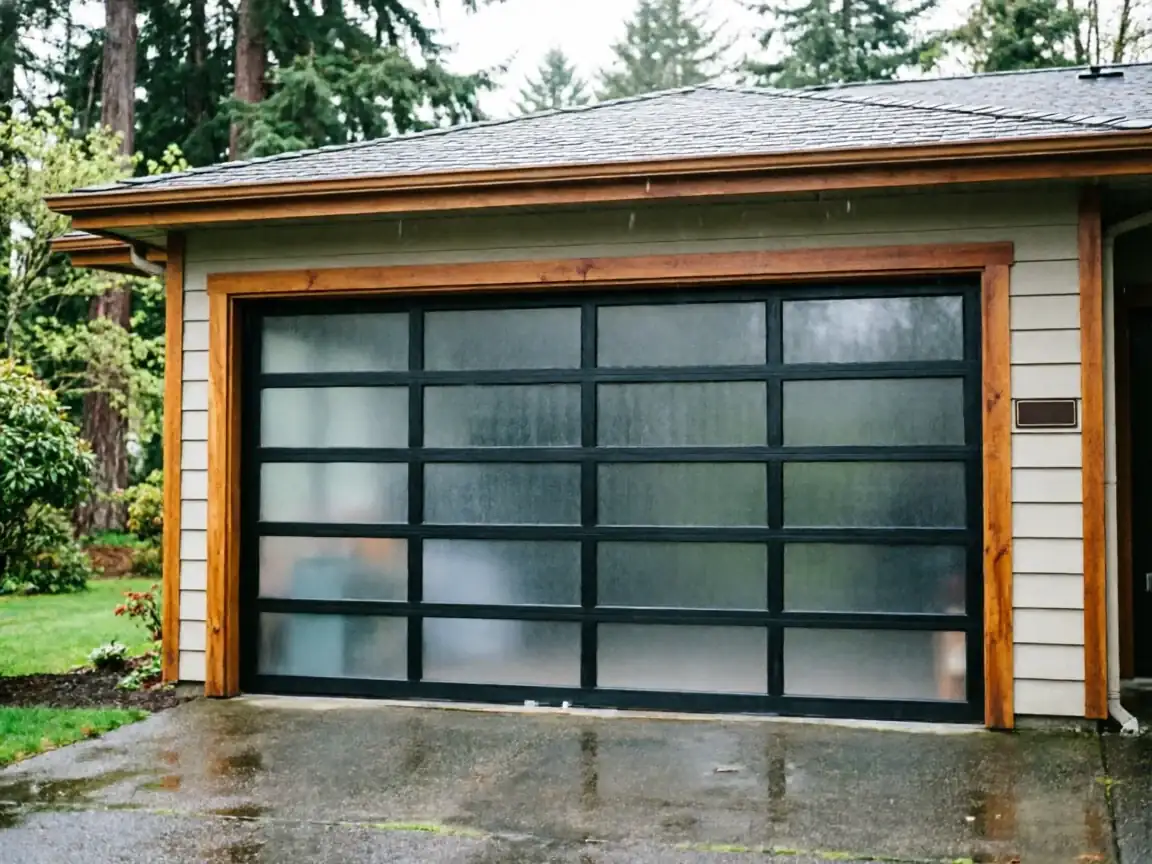
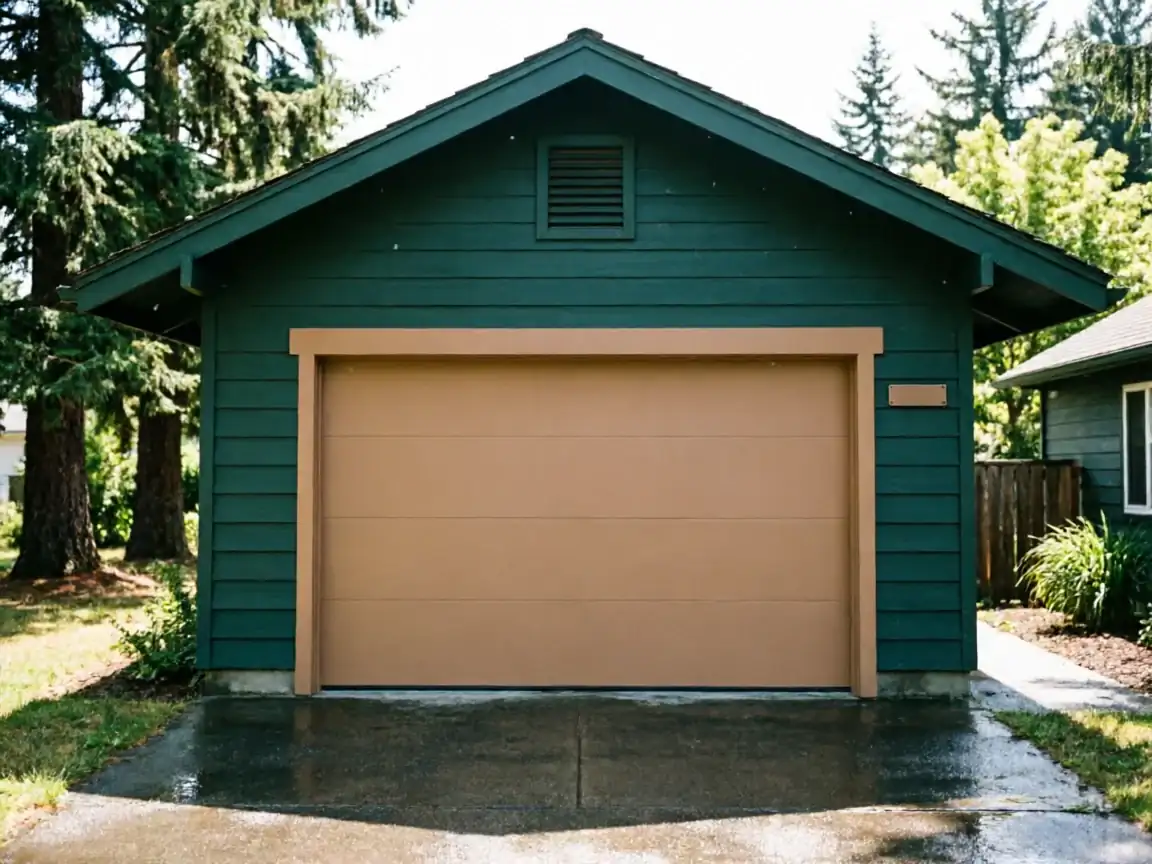
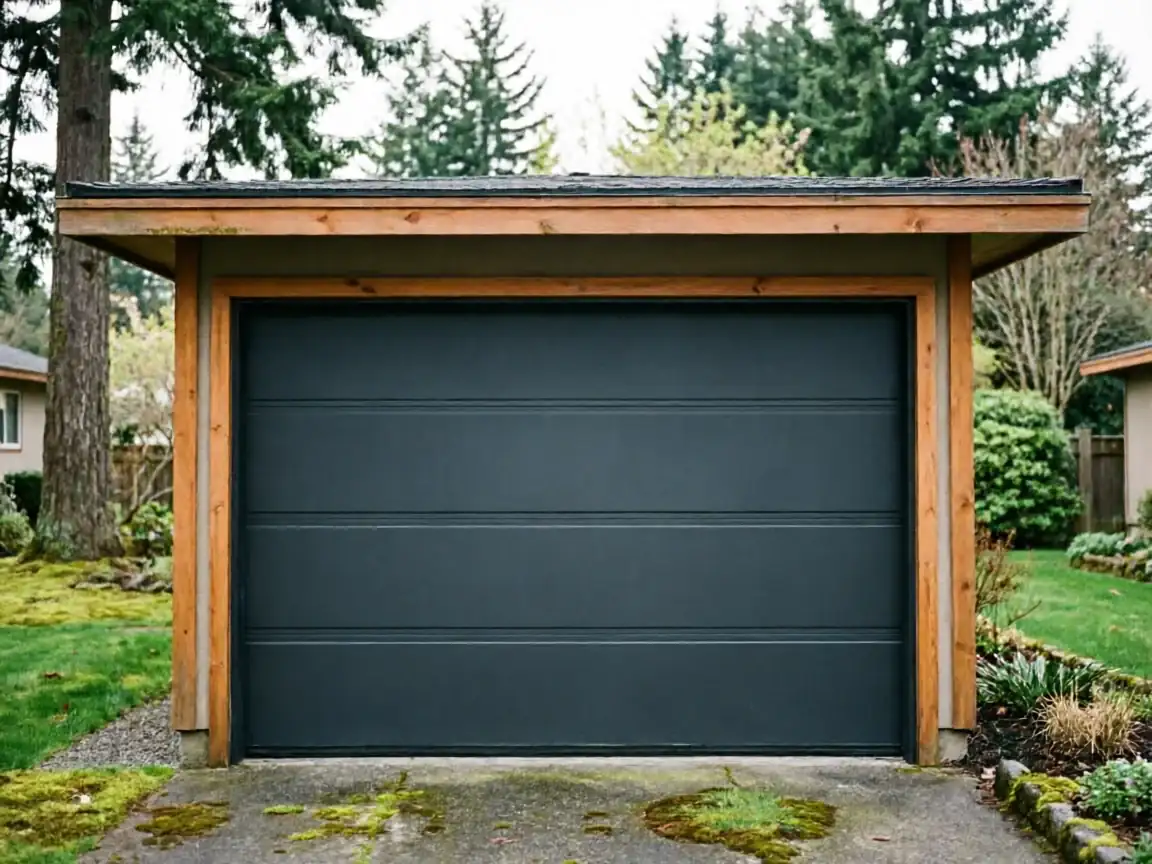
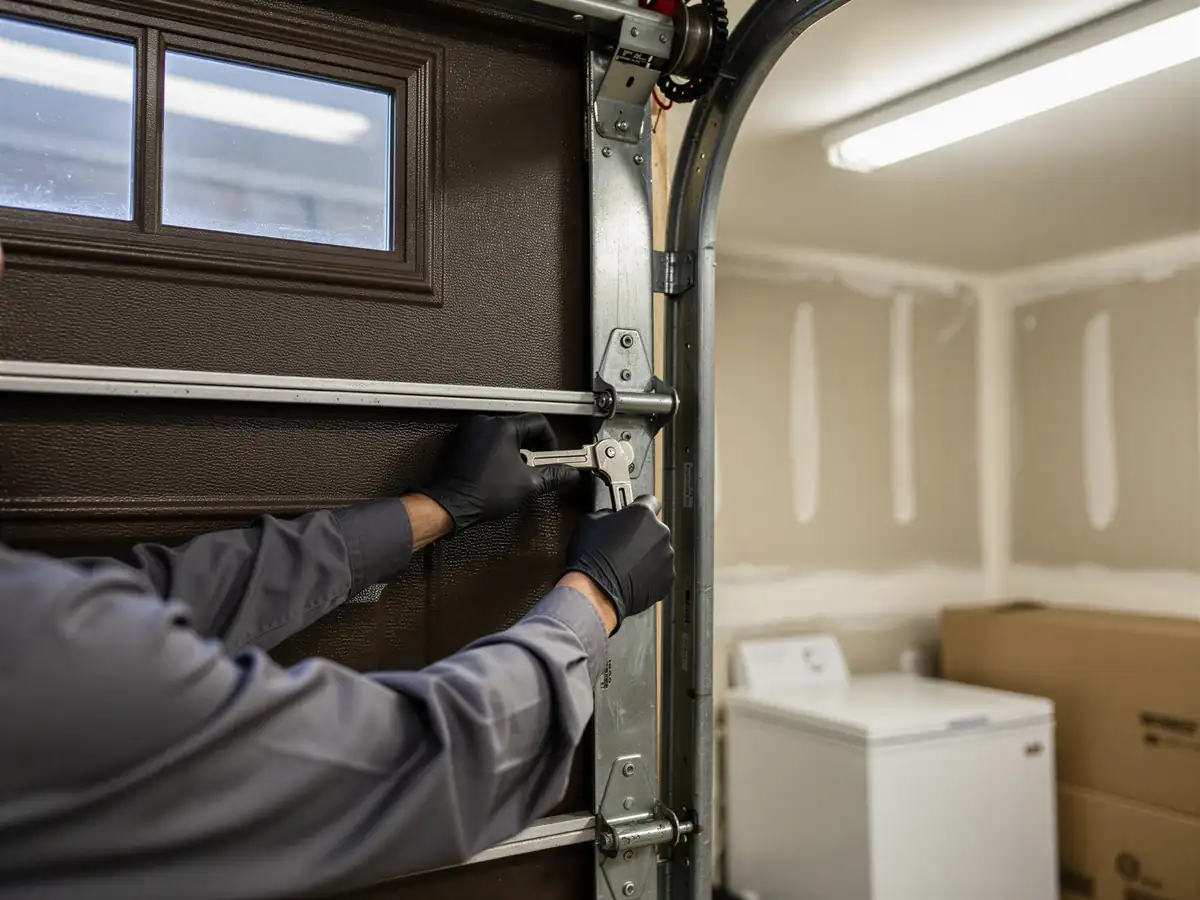
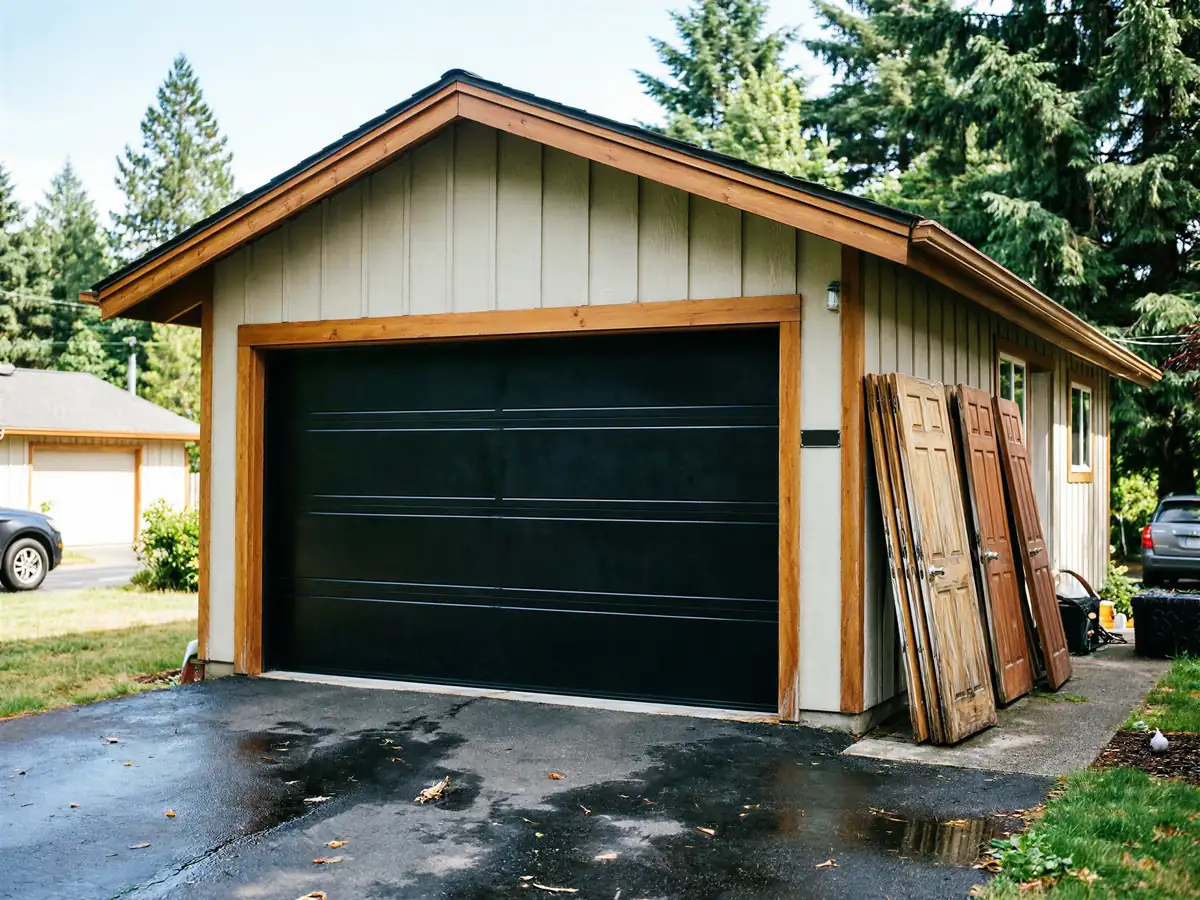
Most of the housing stock in and around Eugene went up between 1950 and 1997, with the median build year landing around 1980. The service area counts roughly 38,353 households, with about 14,398 of those being owner-occupied houses - most built in that same wave, spread across nine named areas. That matters for your garage door because the steel sections and tracks installed in that era were not built for a fifty-year service life. Eugene sits in a cold, moderate climate band, which means the door takes repeated cycles of damp and chill through the winter months. Uninsulated steel panels from that period absorb moisture at the seams, and the paint finishes common then don't hold up the way modern coatings do. Add decades of expansion and contraction in an unheated garage, and the panels start to bow, the bottom seal flattens, and the track brackets work loose from the framing. None of this is a defect in any one door - it's what happens to a thirty-to-seventy-year-old door in this climate. When we get called to Eugene homes for installation rather than repair, it's almost always a door from that original housing wave that's finally past the point where patches make sense.
The DIY Question
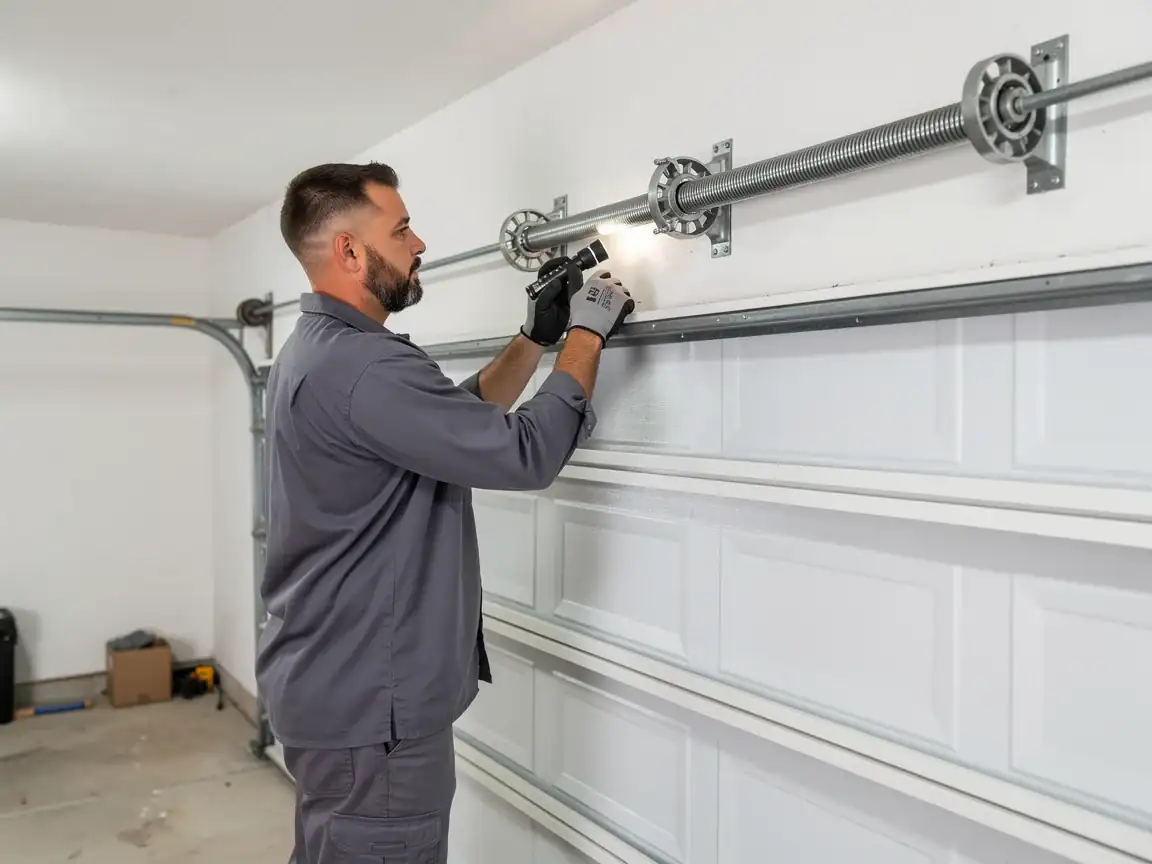
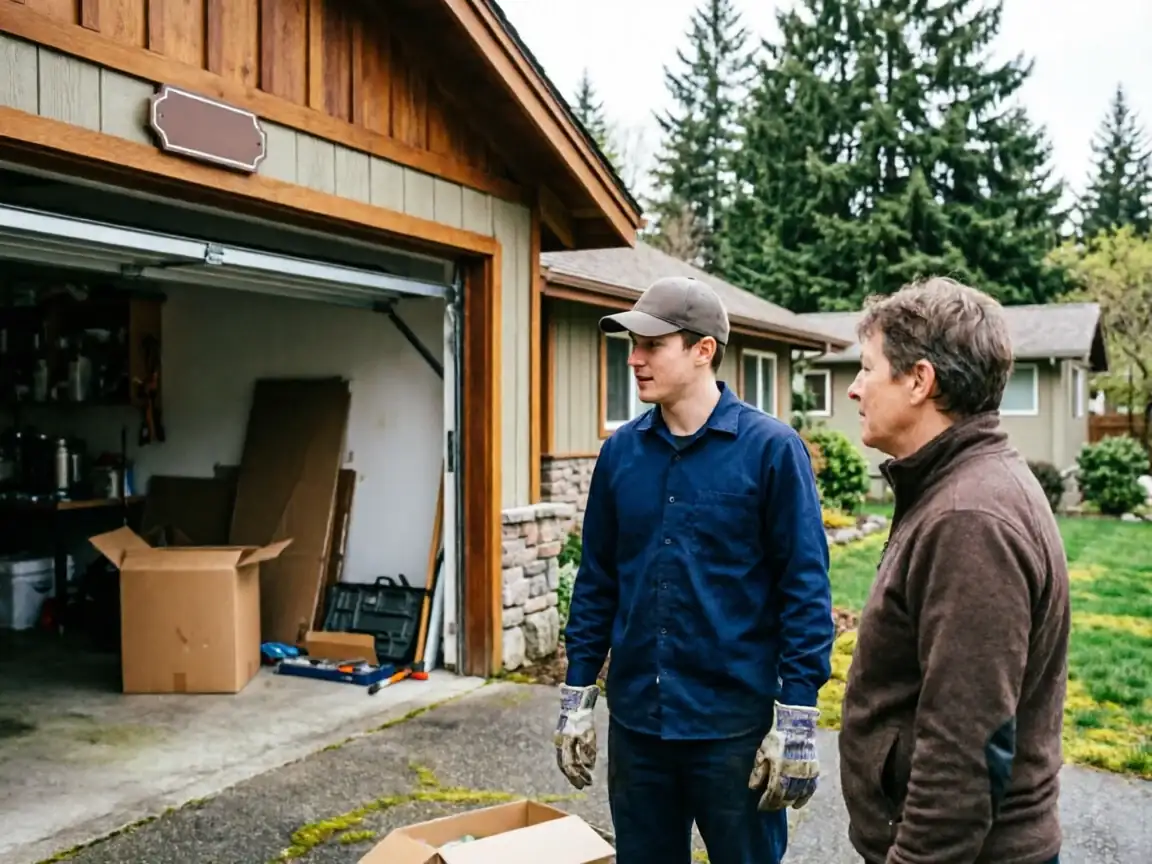
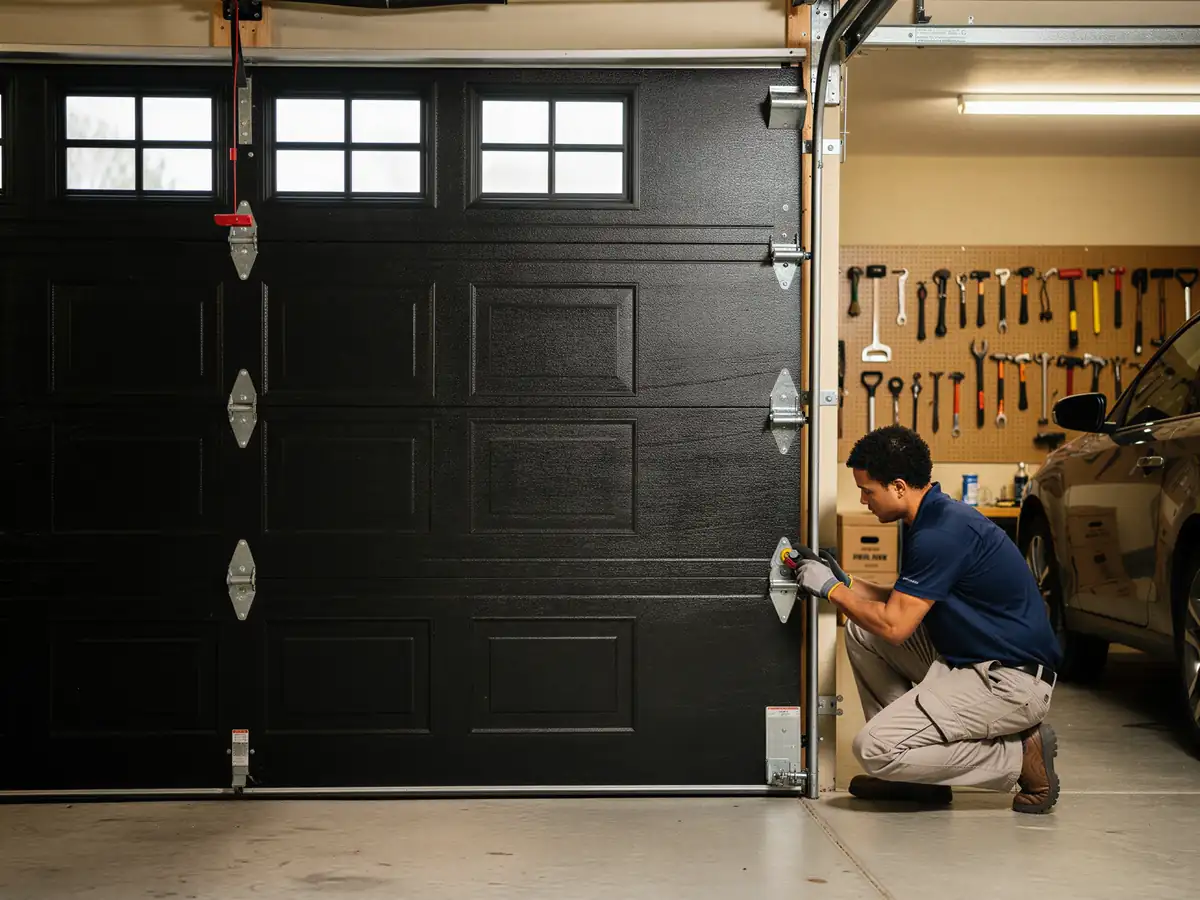
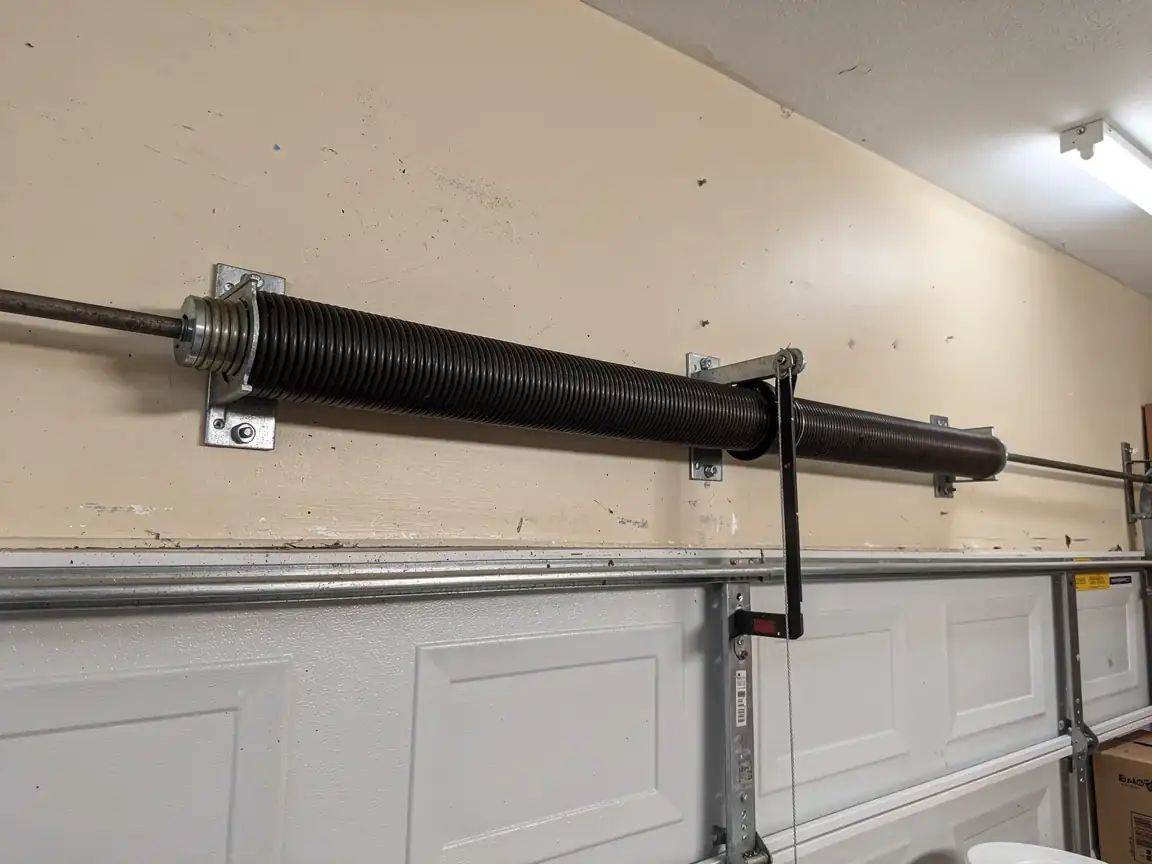
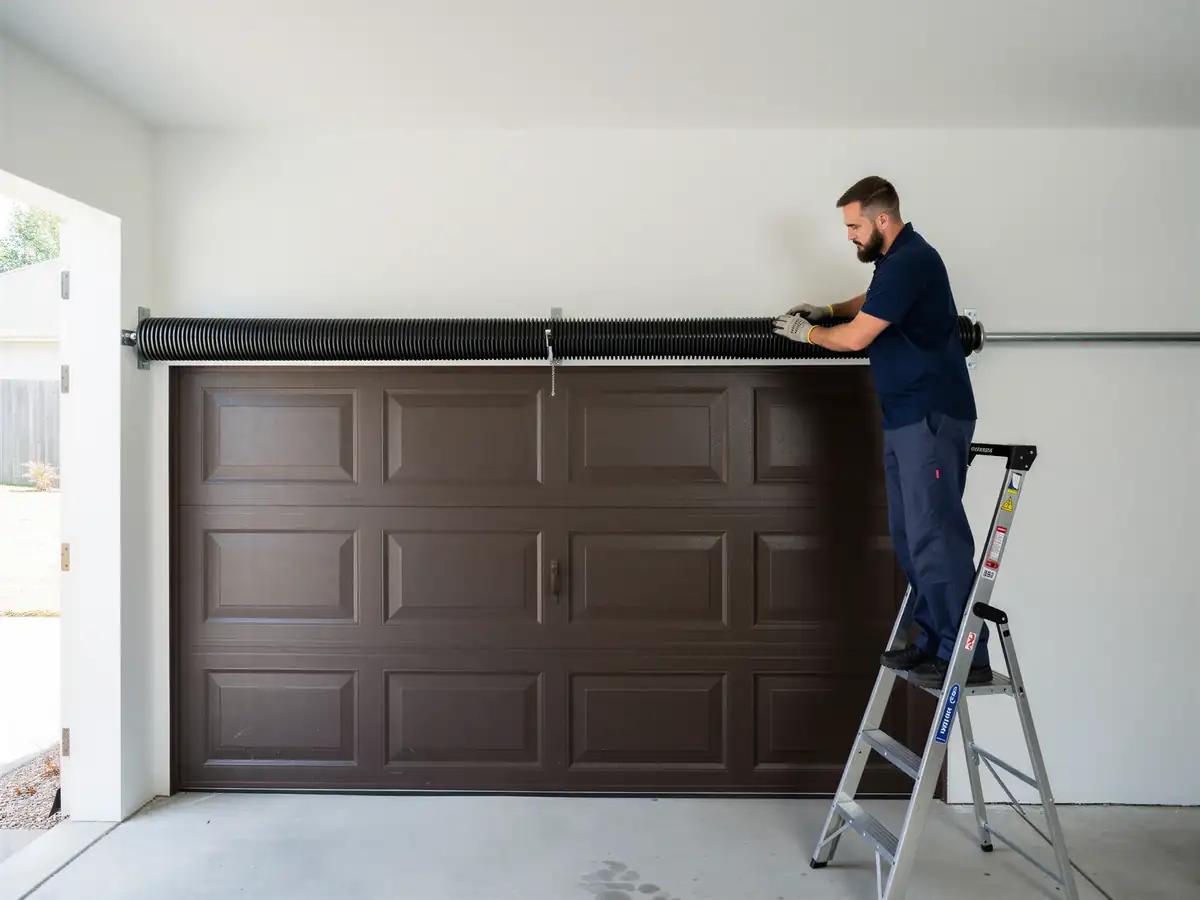
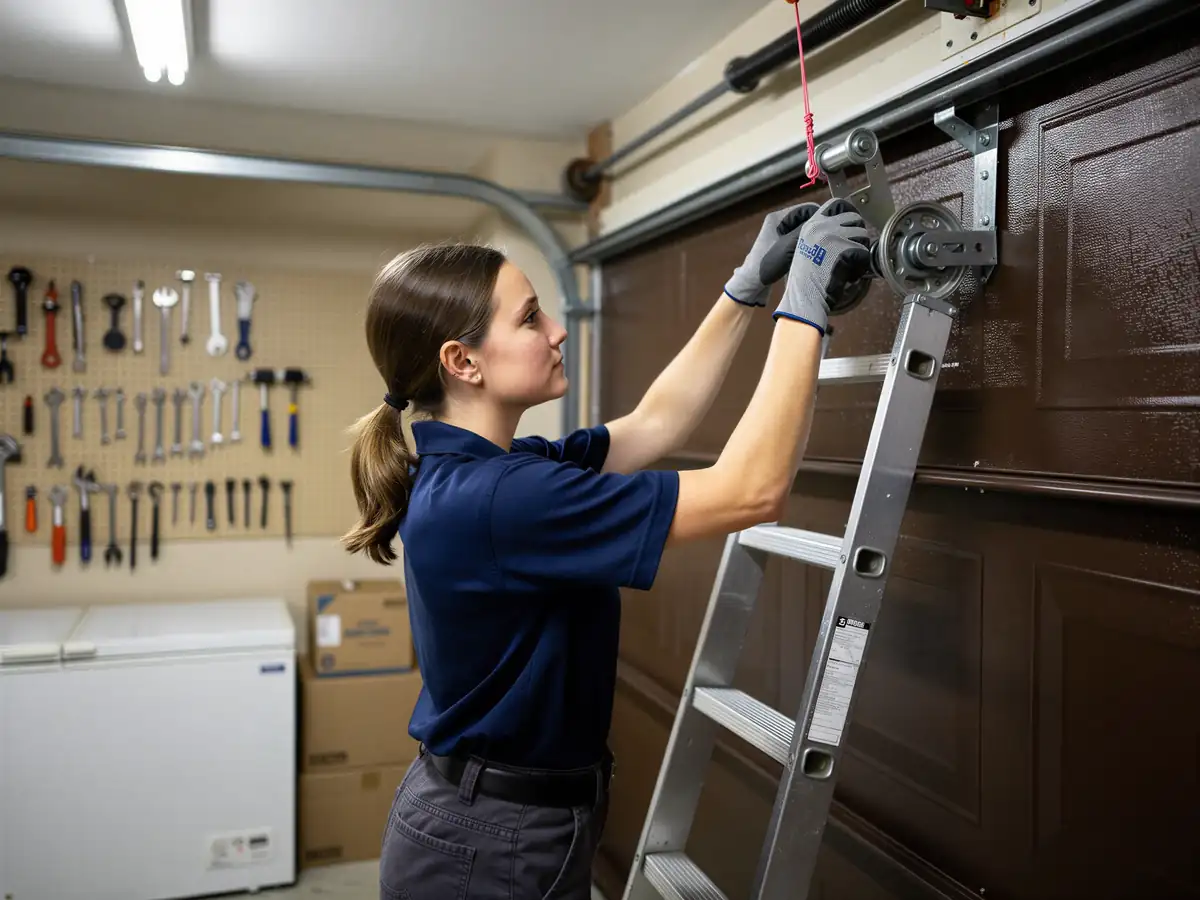
A single garage door weighs more than most homeowners expect, and the spring system that lifts it stores enough force to cause real injury if it lets go mid-job. That's true everywhere, so we won't pretend it's special to Eugene. What is specific here: with median household income in the service area at $74,006, a lot of homeowners are weighing a full install against patching an old door, and that's a fair question to bring to us before you buy anything. Where DIY genuinely does not make sense is the spring and cable work - winding a new torsion spring without the right bars, or setting cable drums unevenly, are the two mistakes that send people to the ER or warp a brand-new door on day one. If you're adding weatherstripping or swapping one panel on a door that's otherwise sound, that's a smaller job you can reasonably tackle. A full door and track replacement on an opening that's been in the ground since the original build is not a spare-Saturday project.
What You Are Seeing
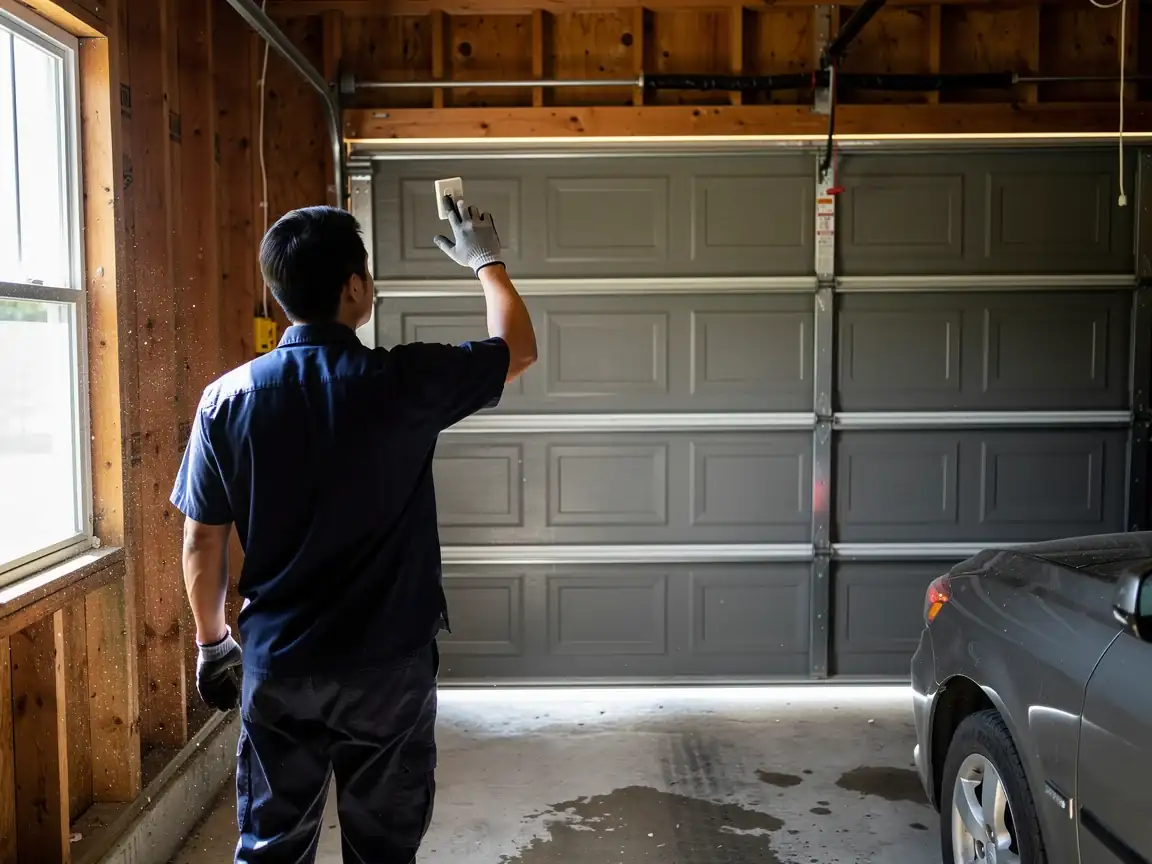
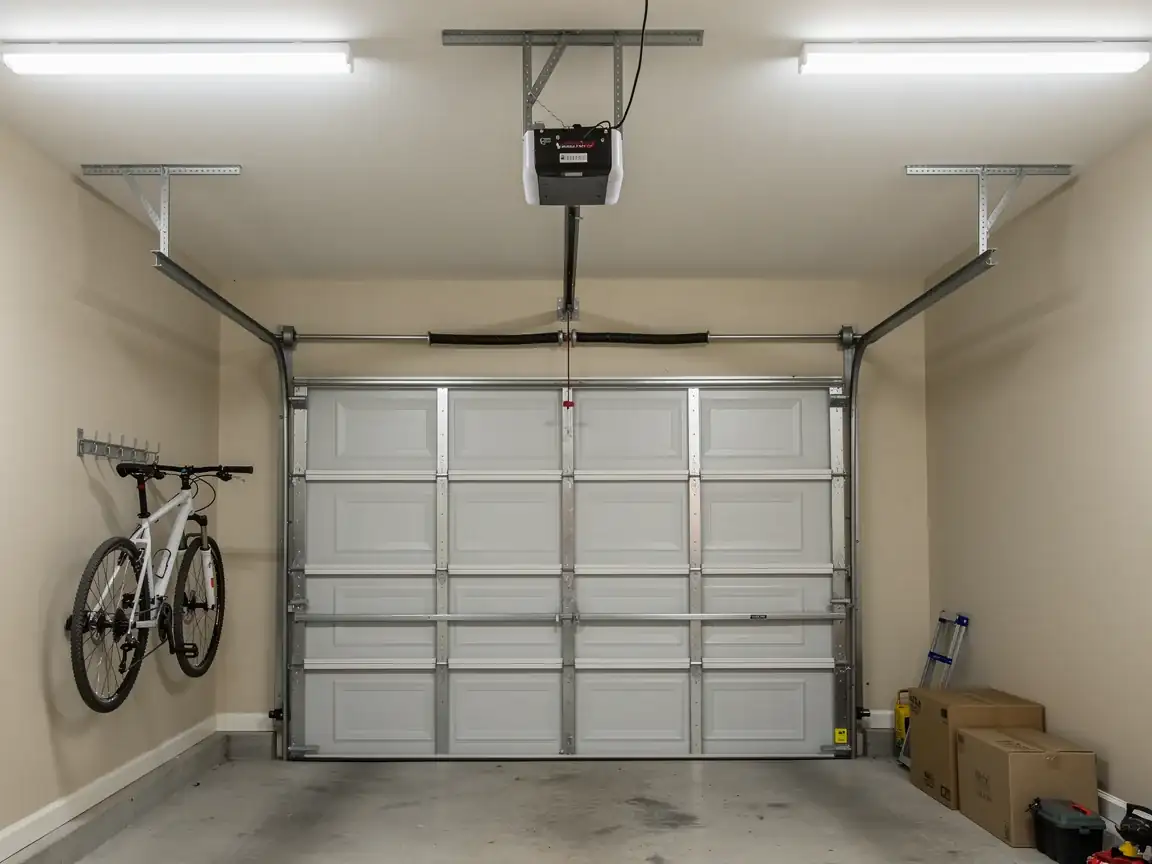
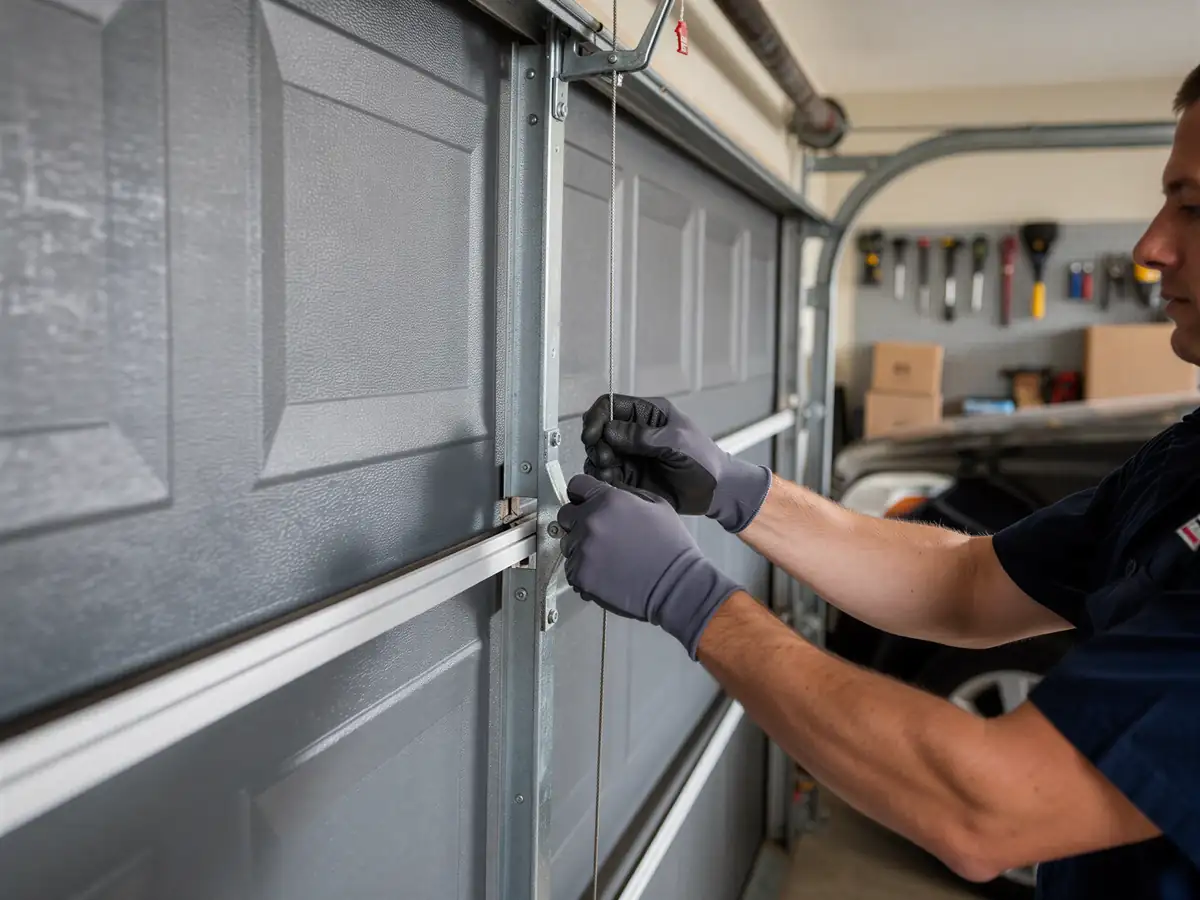
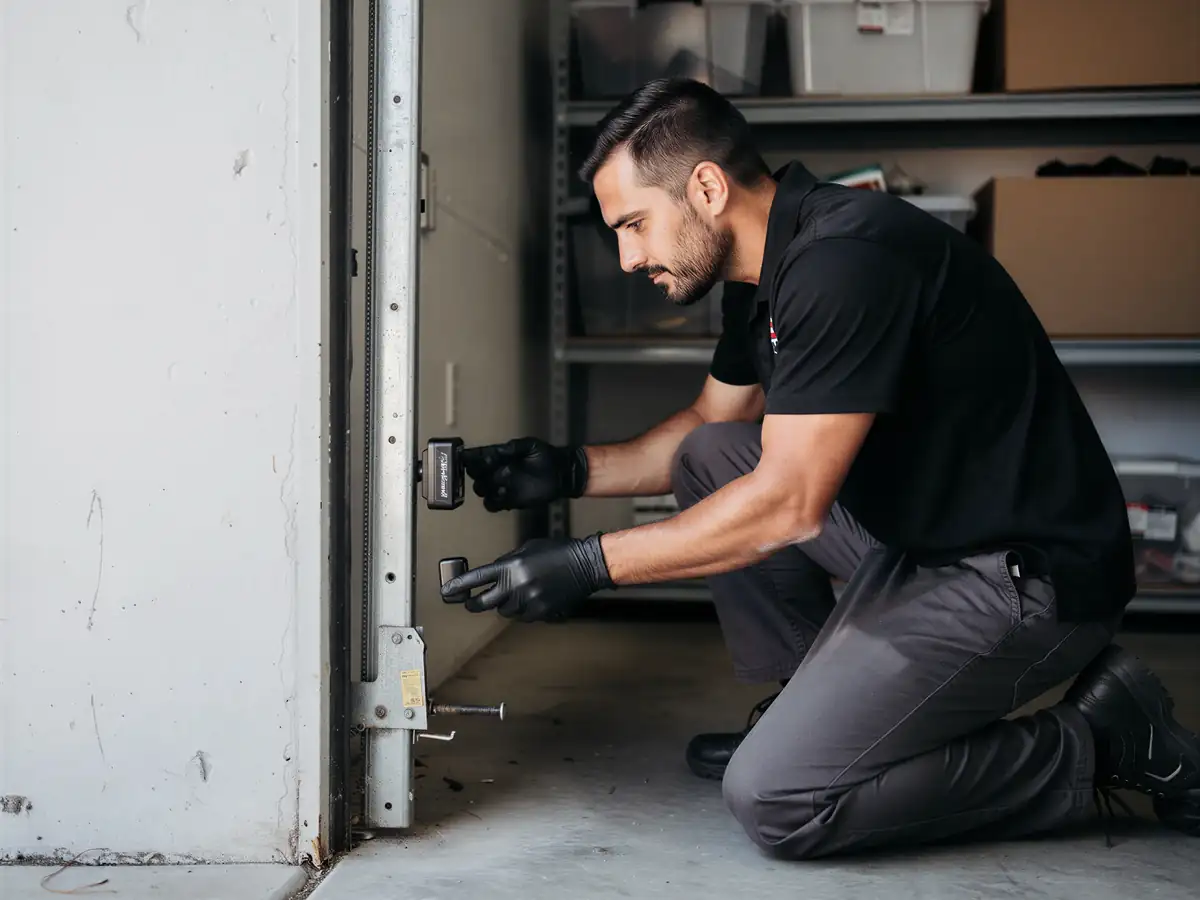
If your door is original to a 1980s build, here's what tends to show up first: daylight at the bottom corners where the seal has flattened and pulled away from the slab, horizontal panel seams rusting from the inside out, and a door that sags visibly when it's two-thirds up because the end stiles have lost their stiffness. On steel doors from that era without foam backing, the door is also loud - it drums in wind and amplifies rain noise, which is common on houses across the Eugene area given the cold, moderate climate this region sits in. Track misalignment shows up as a door that walks to one side as it opens, often because original wood jambs have moved slightly over forty-plus years of seasonal damp and dry. None of these signs mean the opener is bad - the opener is usually the newest part on the whole setup, since owners replace those more often than the door itself. When the door, not the opener, is the actual problem, installation is the conversation worth having.