Why It Happens Here
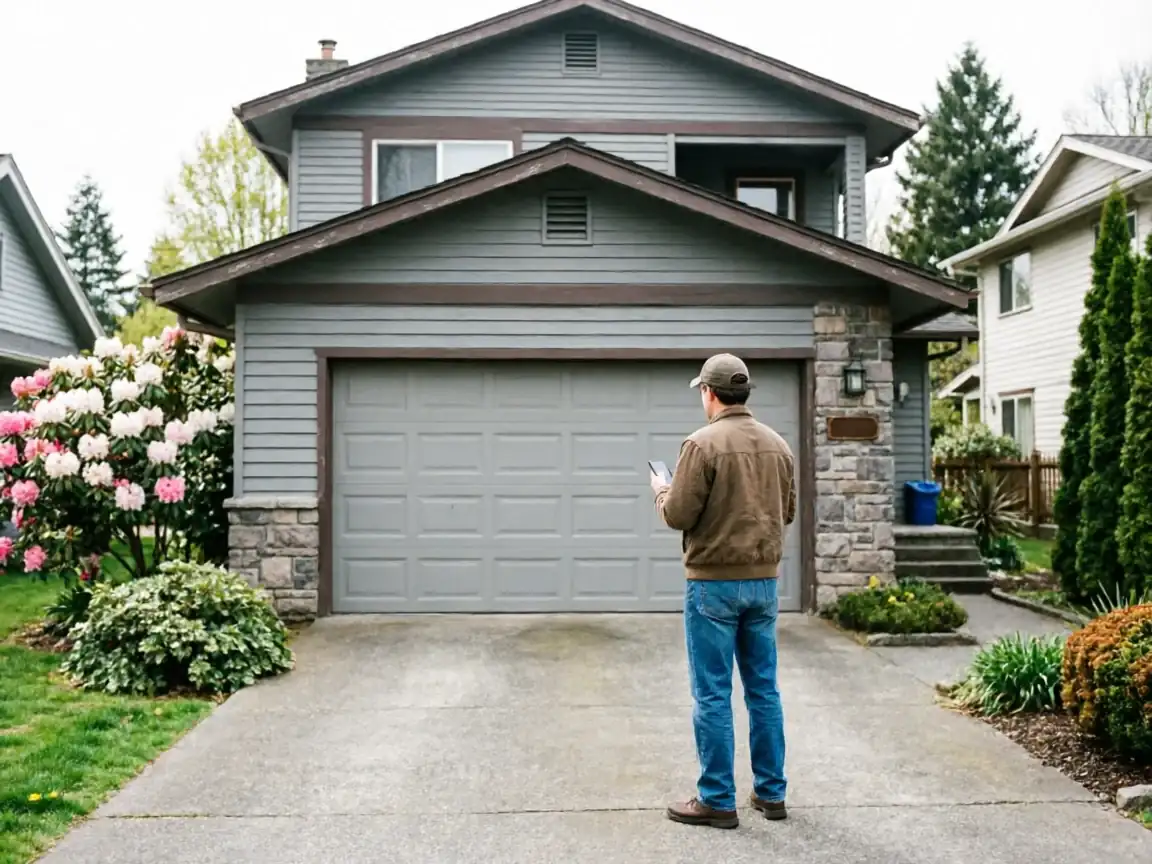
Most of the houses we get called to sit on lots built between 1950 and 1997, with the bulk of that stock going up in the 1980s and 90s across Eugene's nine main neighborhoods. That matters because a door installed during that stretch is now thirty to seventy years old, and the hardware ages at a different rate than the house around it.
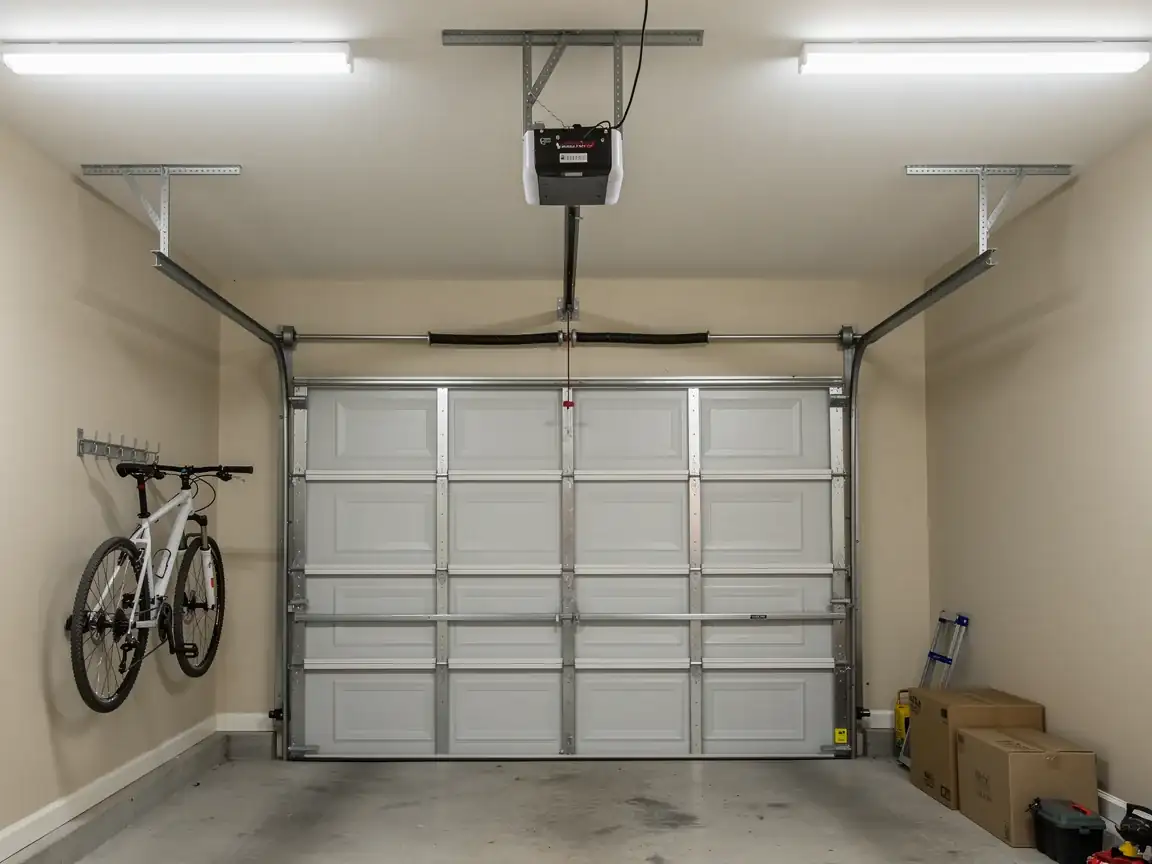
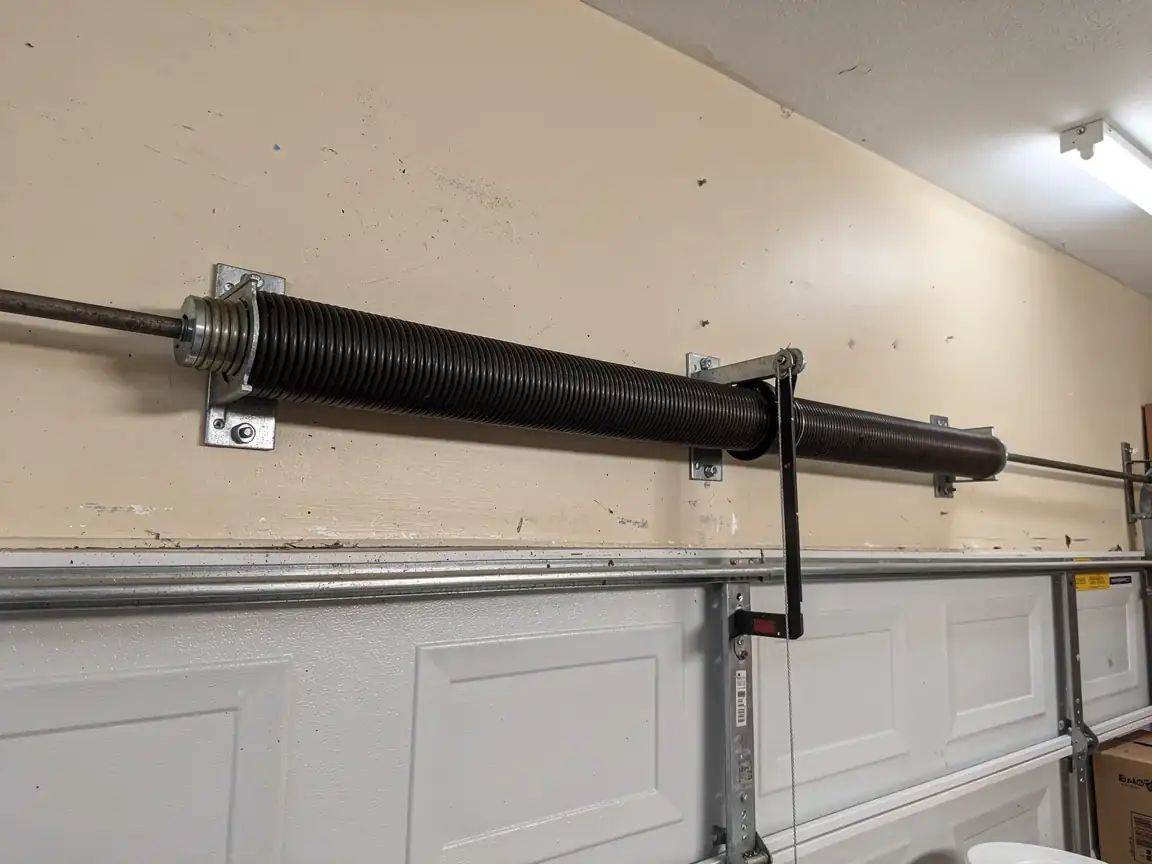
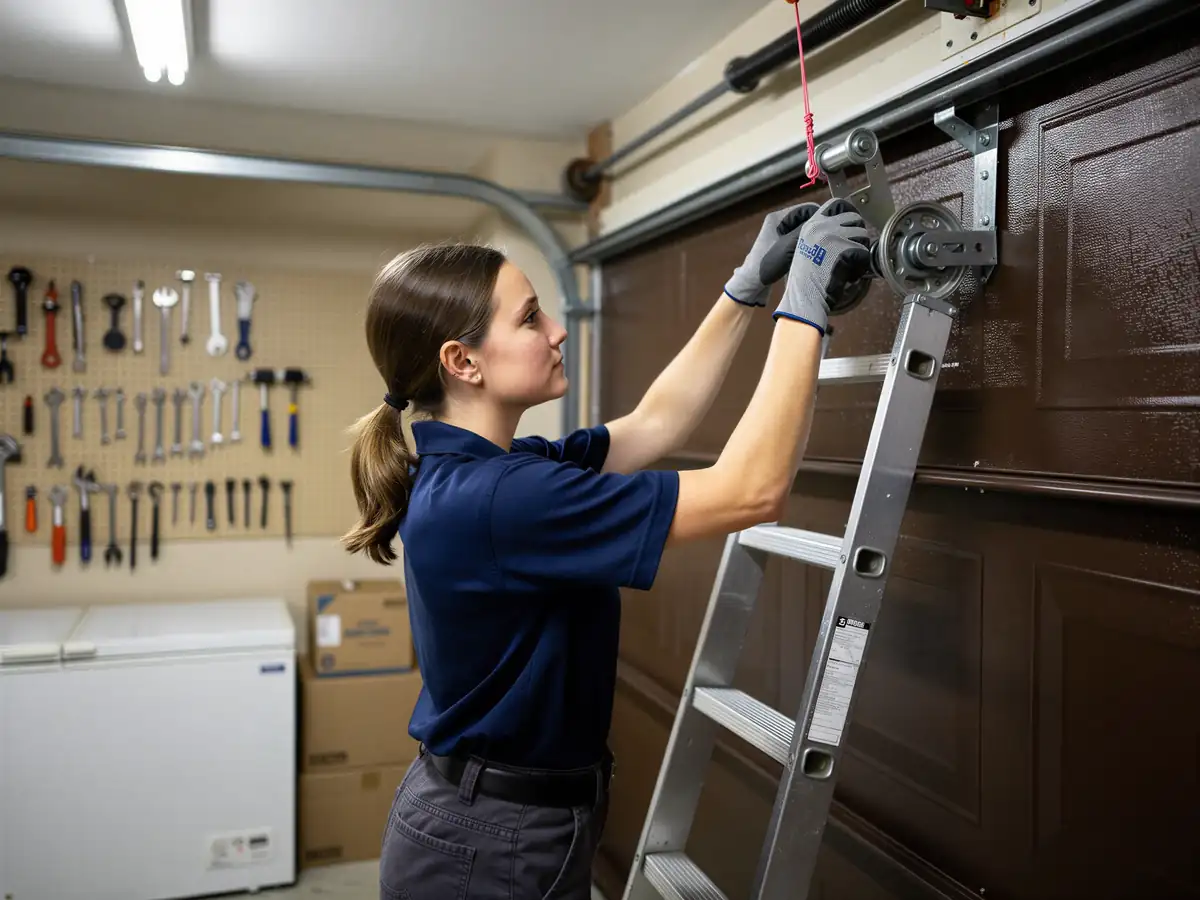
Eugene sits in a cold, moderate climate band, which means winters with sustained damp cold rather than hard freezes. That combination is rough on torsion springs and galvanized rollers in a specific way: the metal doesn't crack from extreme cold the way it might somewhere drier and colder, but the constant moisture cycling in and out of the garage - condensation on a cold slab, damp air off the coast moving through - speeds up corrosion on spring coils and track bolts that would otherwise last another decade.
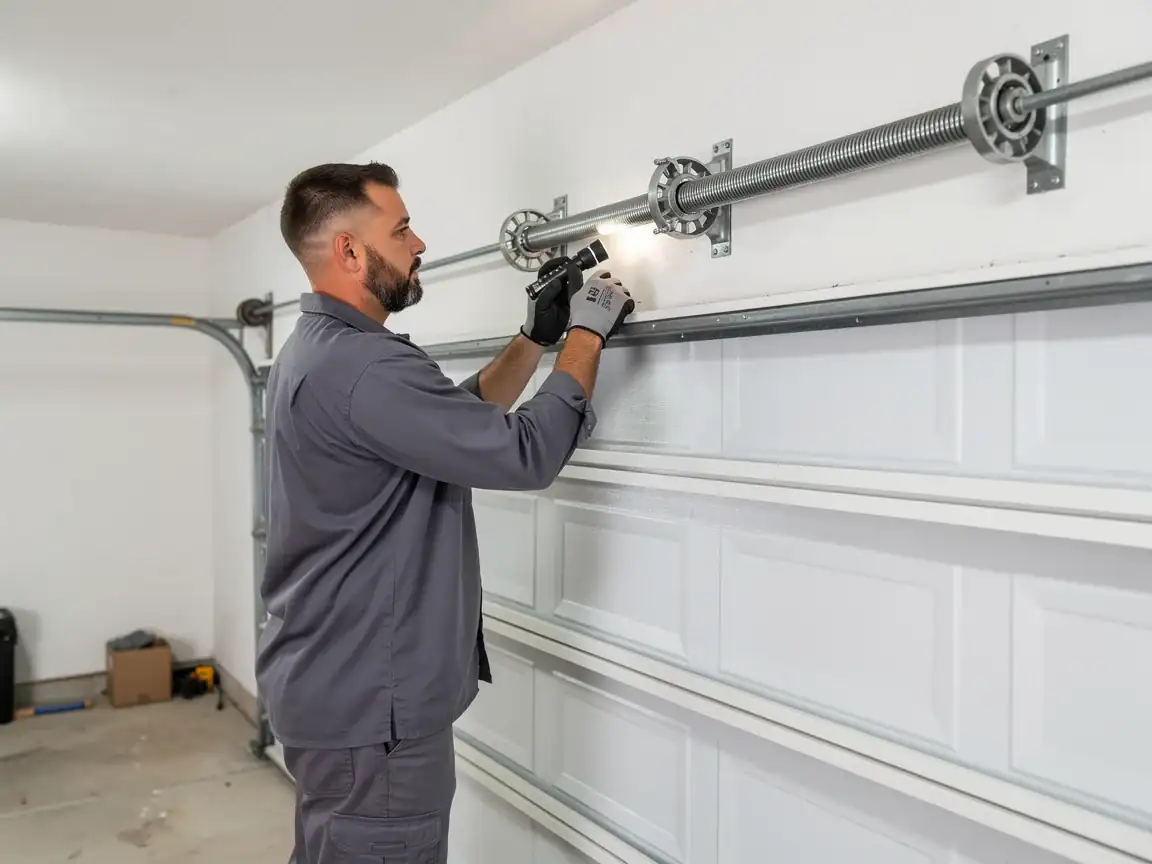
We see this most often on original equipment from the 1980s builds: springs that have taken tens of thousands of cycles and corroded unevenly, so one side of a double door sags before the other. It's not a defect in the door. It's thirty-plus years of a wet climate doing slow work on steel.
How Long It Takes
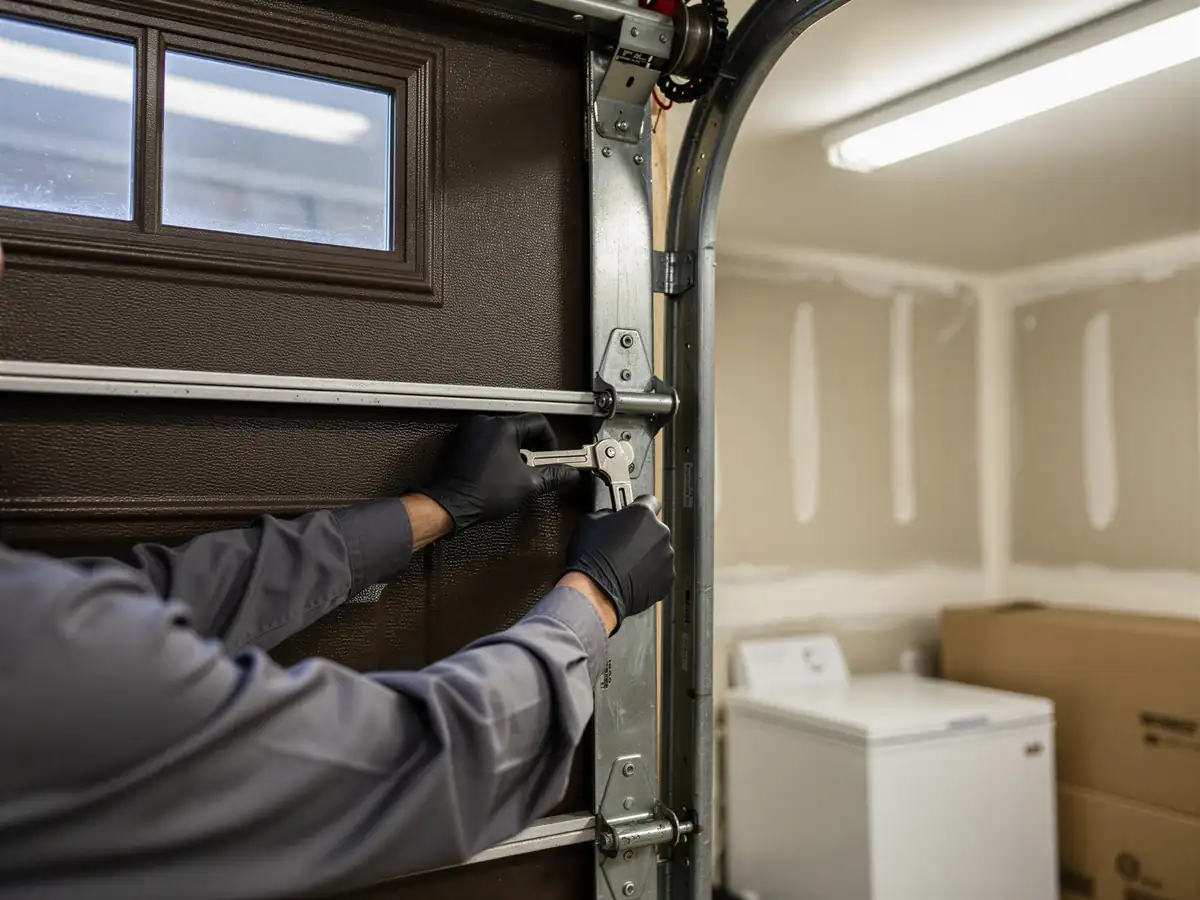
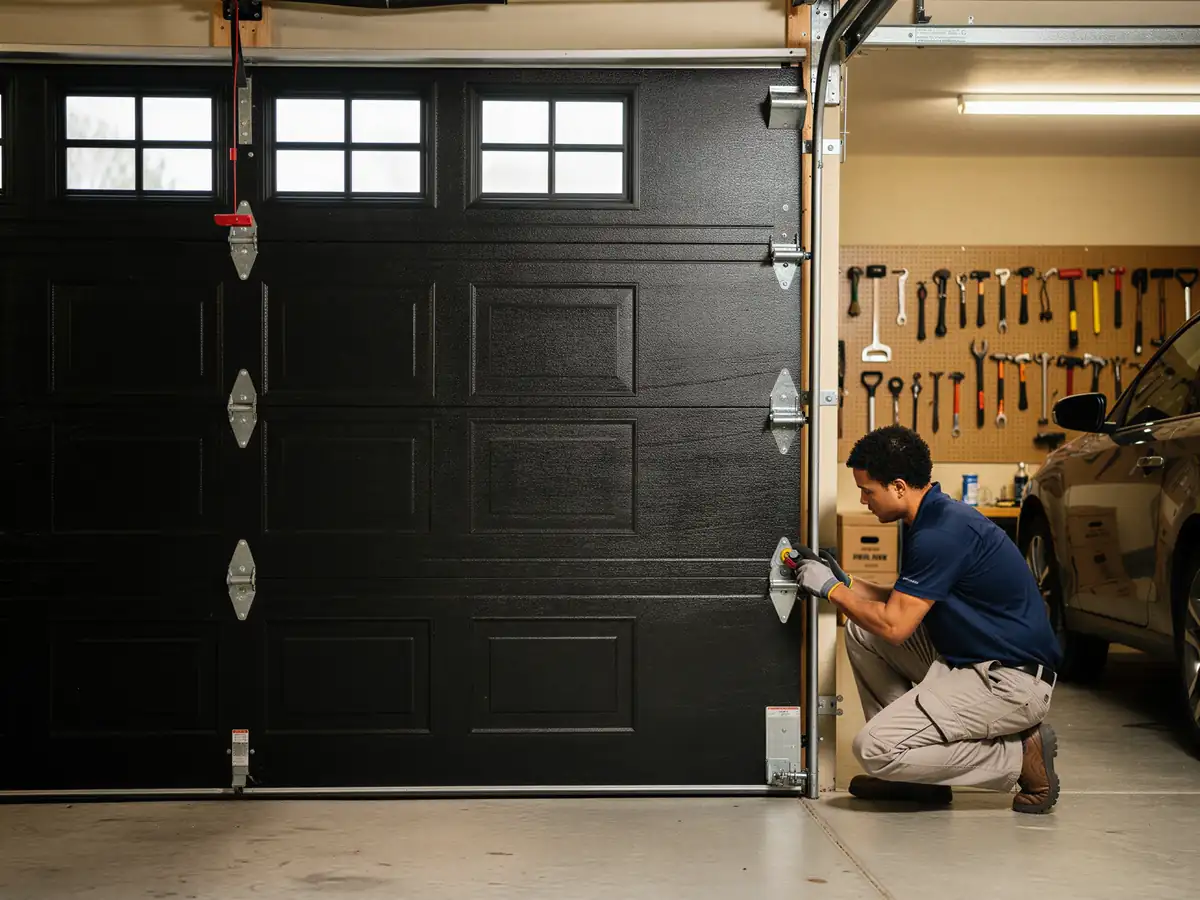
A straightforward spring replacement or roller swap on a door from that 1980s-90s stock is usually a same-visit job once we're on site
The hardware is common enough that we're not waiting on a special-order part. Where it slows down is opener boards and some of the less common track hardware from the earlier end of that 1950-1997 window, which can mean a short parts wait if the model's been out of production a while.
We don't give a universal number because the actual time depends on what's failed and whether the rest of the system
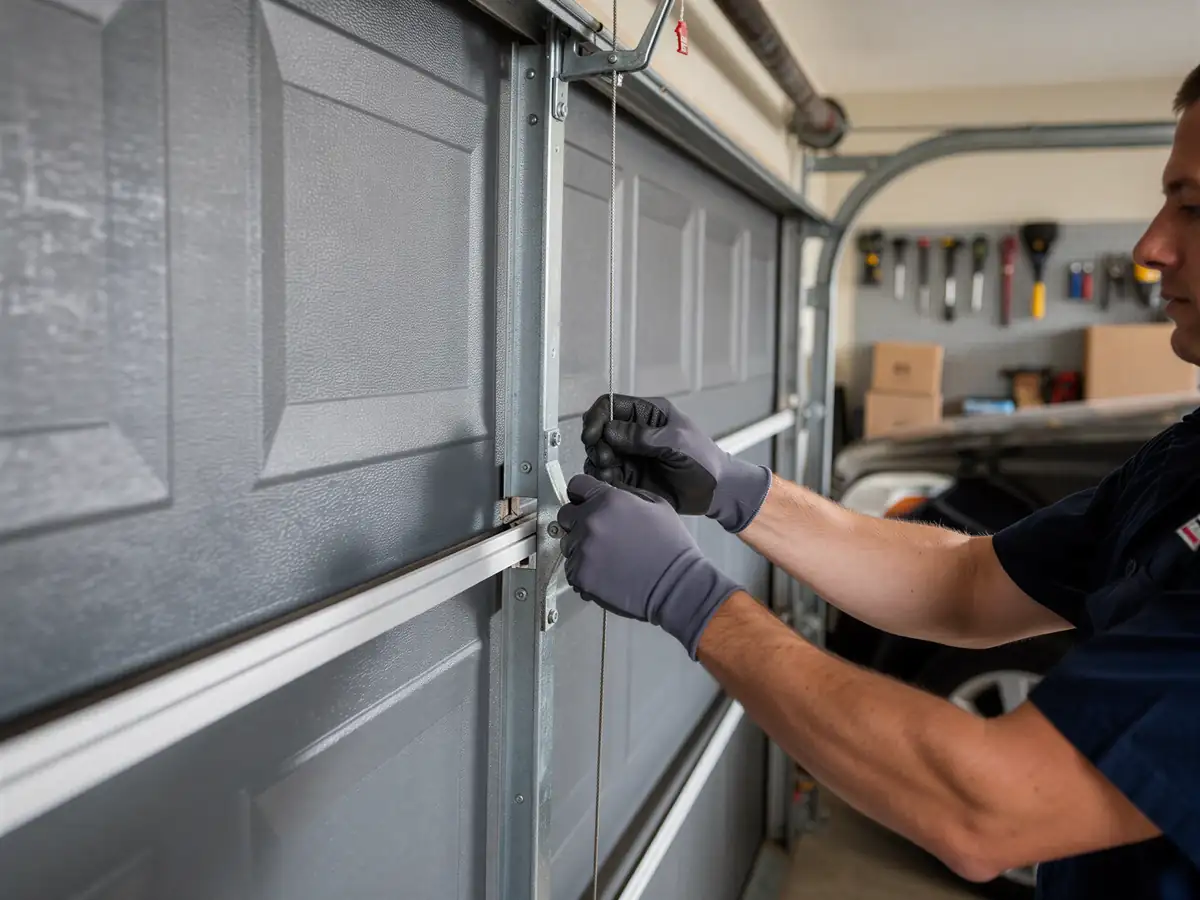
Cables, drums, the opposite spring on a double door - is still sound or needs attention while we're already in there. A call that sounds like 'the door won't open' can turn out to be a five-minute cable reseat or a full spring-and-cable job, and we won't know which until we look at it.
The DIY Question
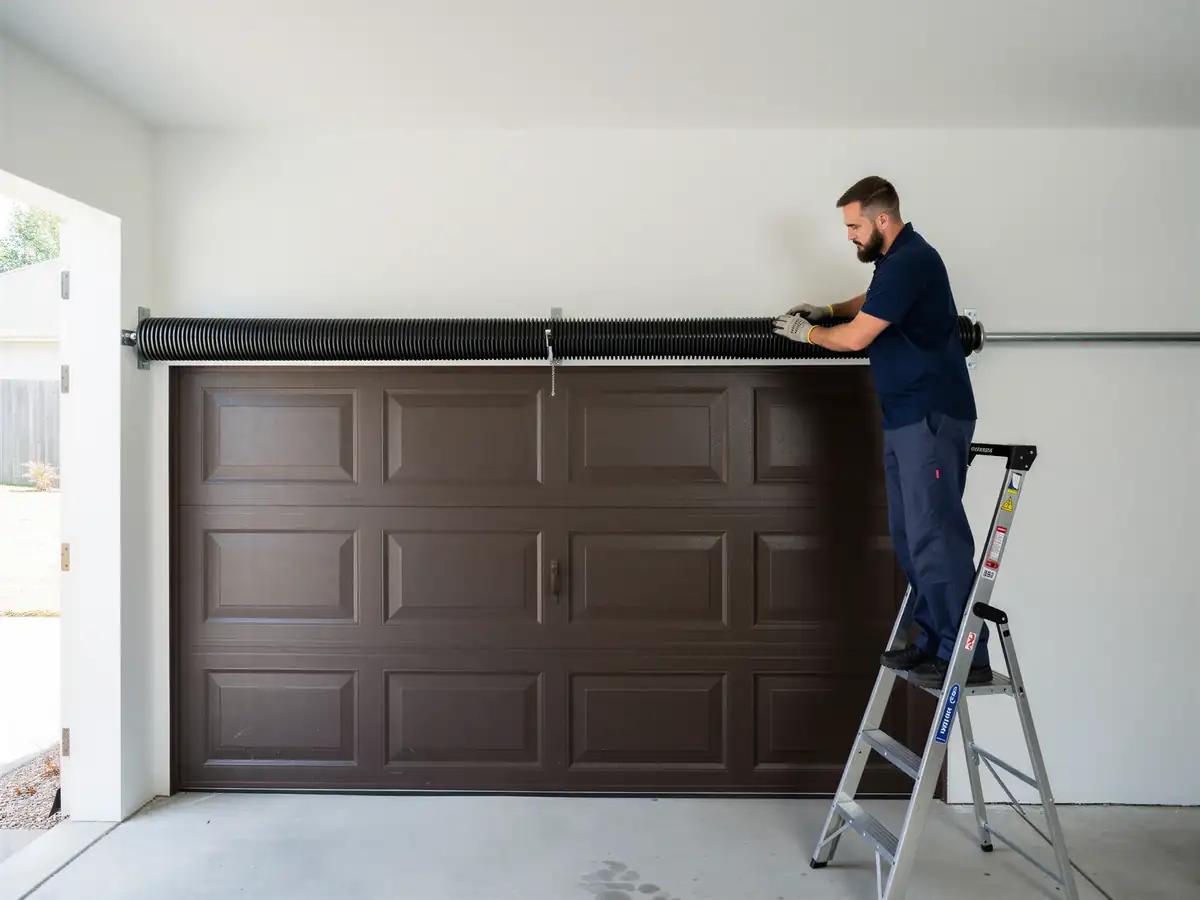
Torsion springs are under enough tension to cause serious injury, and that doesn't change because a door looks old or the house is modest. If what you're seeing is a snapped spring or a door that's come off track, that's not a weekend project - call it in.
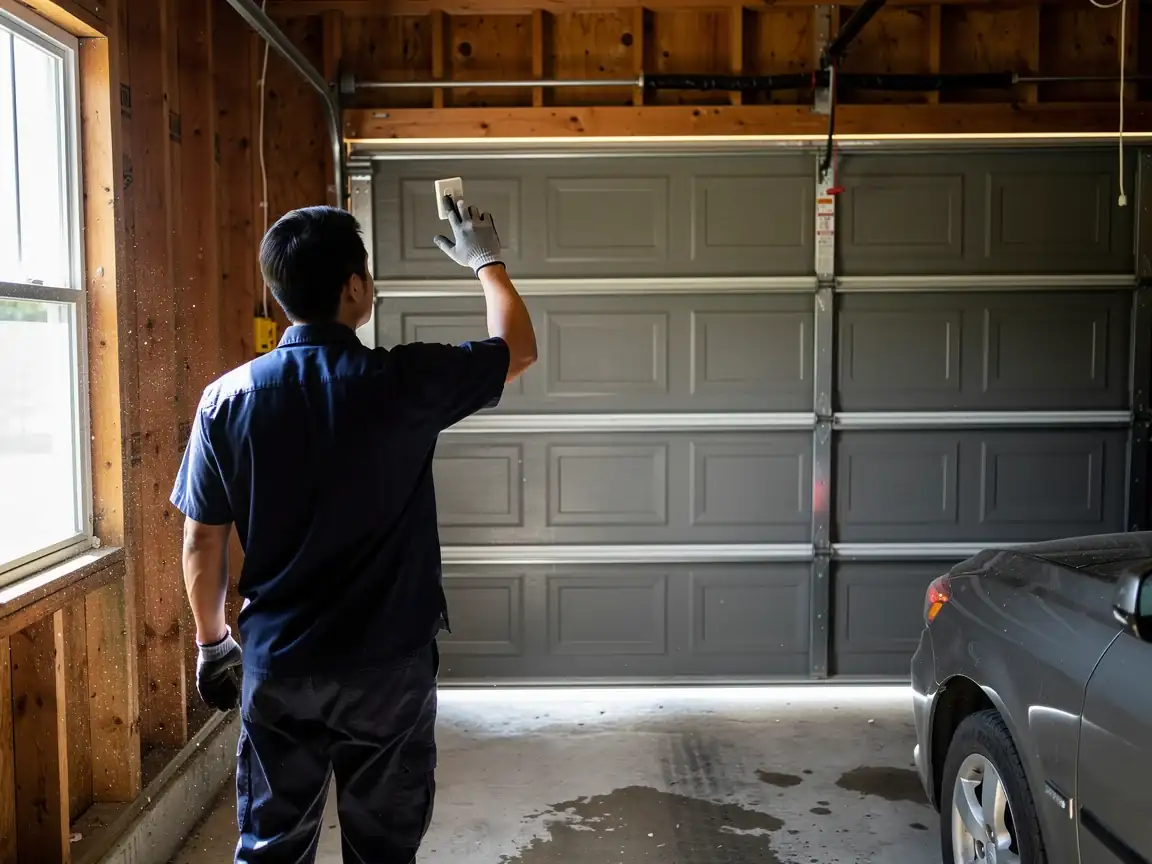
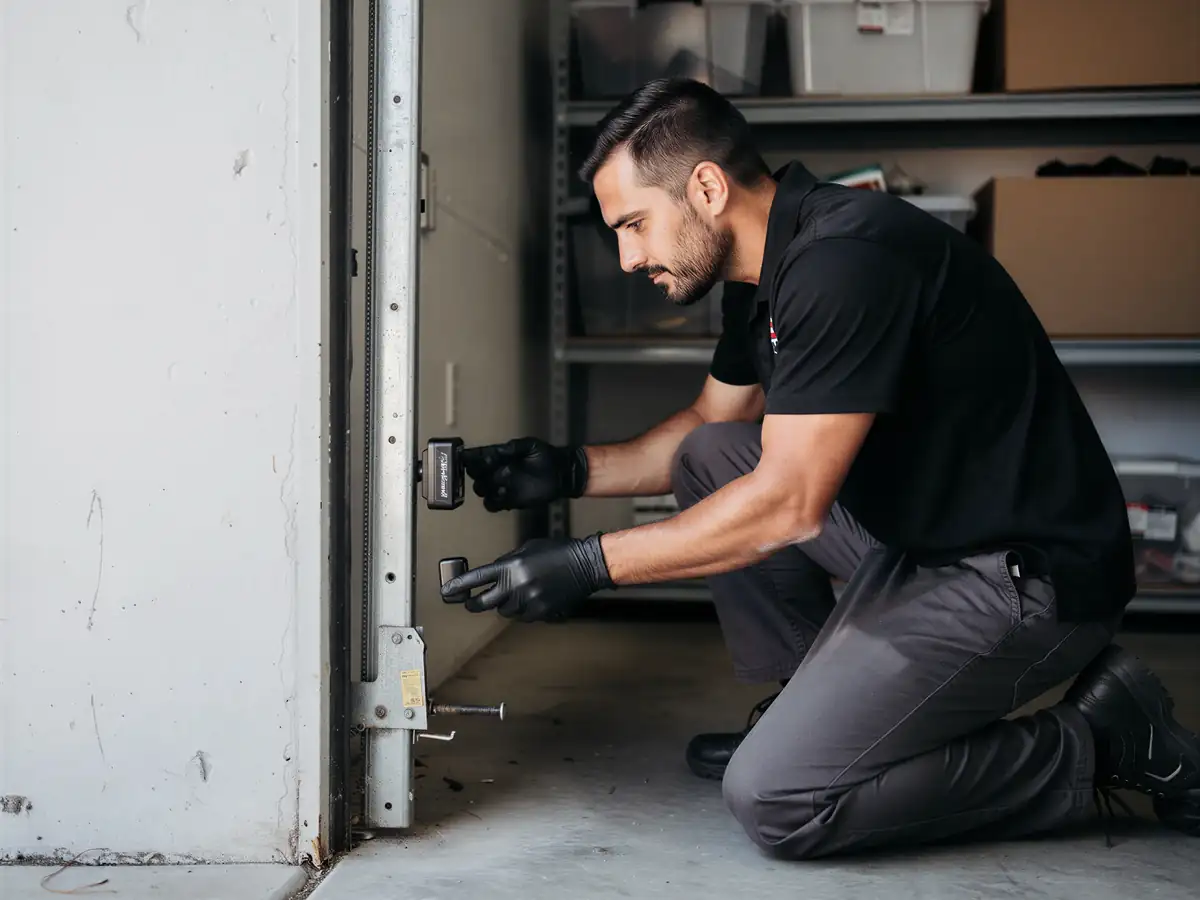
What you can reasonably check yourself: the photo-eye sensors near the floor on each track (a lot of 'the door won't close' calls turn out to be a sensor knocked out of alignment, nothing more), and whether the tracks have visible rust or bent sections after a wet winter. If the door is noisy but moving, lubricating the rollers and hinges is low-risk and worth doing.
One honest limit: if your door and opener both date to the earlier end of that 1950-1997 range and the opener board has failed, we may recommend replacing the opener rather than hunting for a part for a thirty-plus-year-old unit. Repairing it isn't always the cheaper path once you count the wait and the odds of another failure next season.
What You Are Seeing
A door that's heavy to lift by hand and won't stay up on its own usually means a weakened or broken torsion spring - common on original hardware from the 1980s building boom in this area. A door that jerks, shudders, or comes off track partway up is often a roller or cable issue, sped along by corrosion from the damp winters that are normal here. A door that reverses right after it touches the floor, or won't close at all, points to the photo-eye sensors or the travel limits on the opener, not the springs.
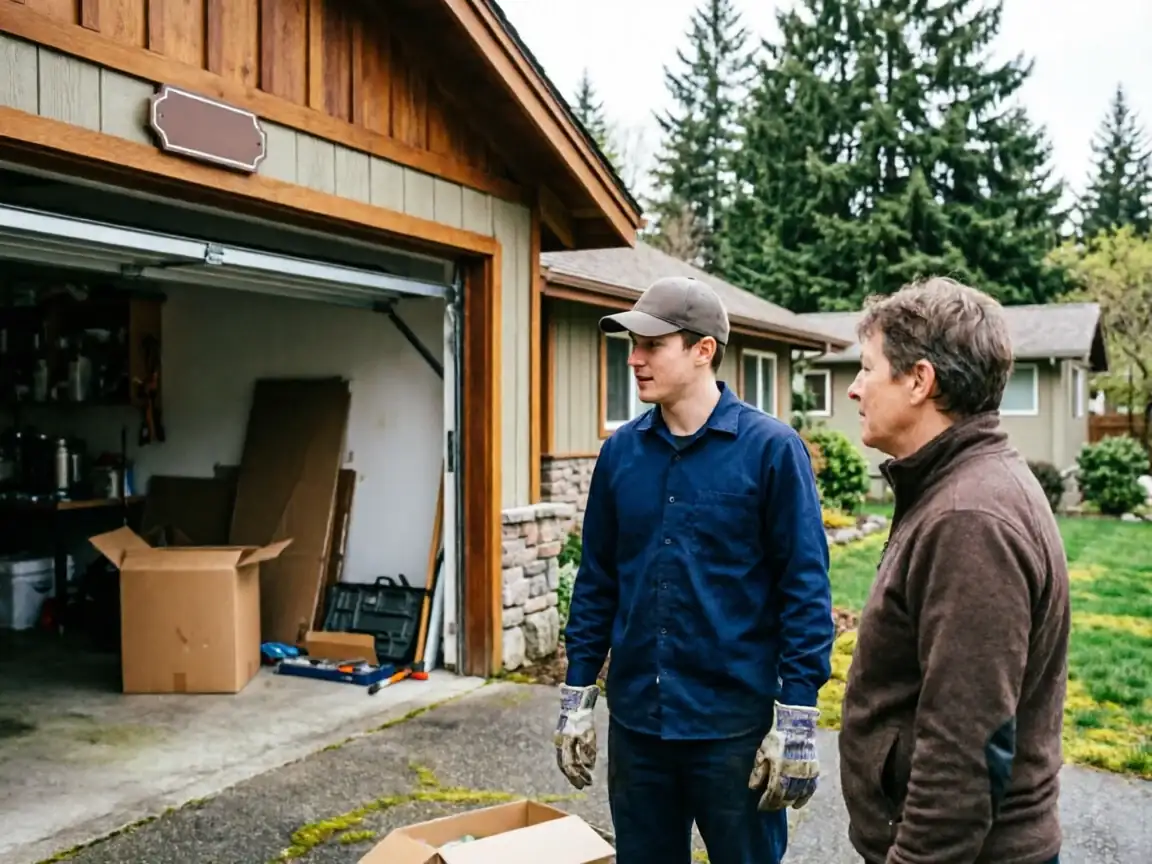
If you're hearing a grinding or popping noise specifically in cold, wet weather and not in summer, that's consistent with moisture working into bearing points that have gone a few years without lubrication - very common in a climate that cycles between damp and dry rather than staying dry year-round. None of these are guesses you need to make alone; describe what you're seeing and hearing and we can usually tell you over the phone whether it's a same-visit fix or something that needs a part ordered first.