The Cost of This Job
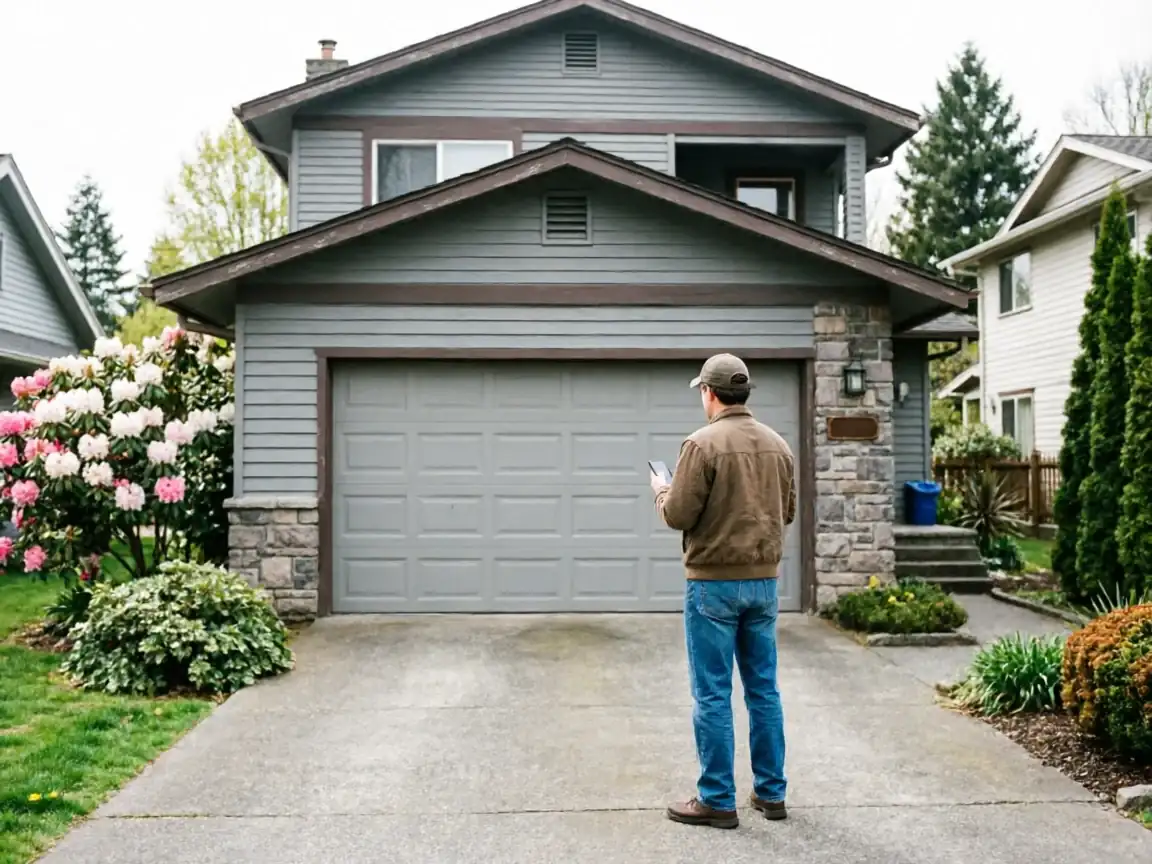
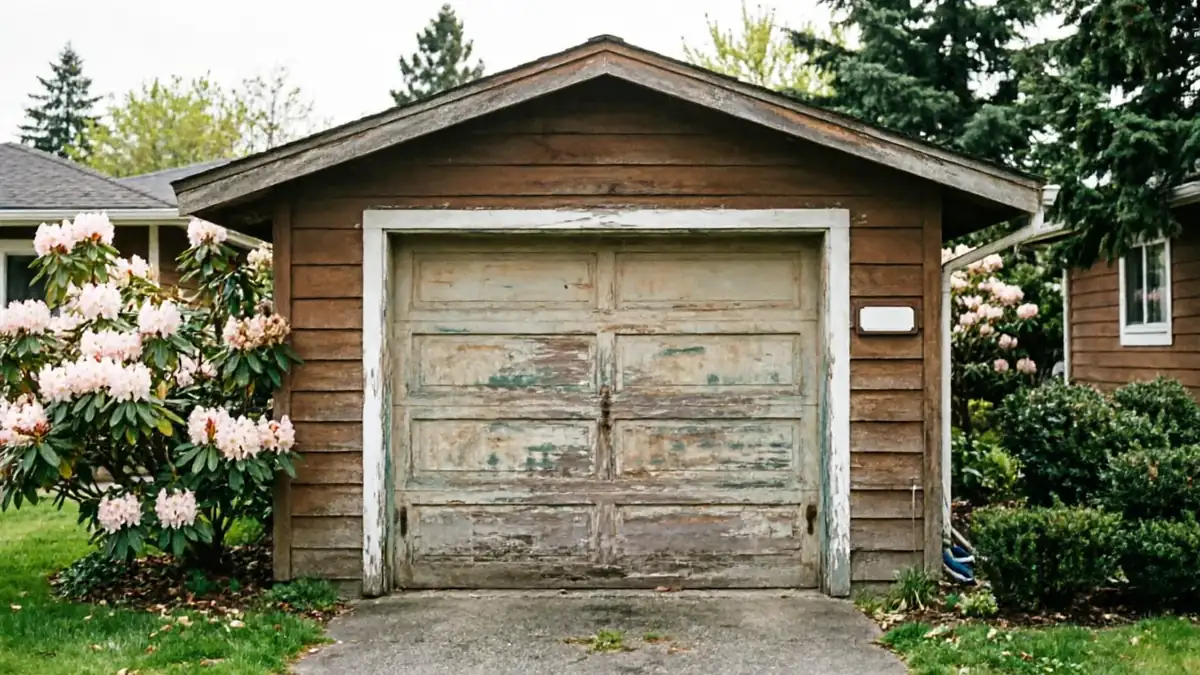
The honest answer on cost depends on what's actually wrong, and I'm not going to put a number here that doesn't hold up house to house. What I can tell you is what drives the decision in this town. Most of the housing stock around Eugene went up between 1950 and 1997, with the bulk of it landing in the 1980s and 90s across neighborhoods. A door and opener installed when a house in one of those areas was built is now pushing 30 to 45 years old. At that age, a spring or cable failure is a repair. A rotted bottom panel, a warped track from decades of settling, or an opener that's seized up is usually the point where fixing costs more over two years than replacing does once. I won't tell a homeowner to sink money into a door that's circling the drain just to avoid a bigger job now.
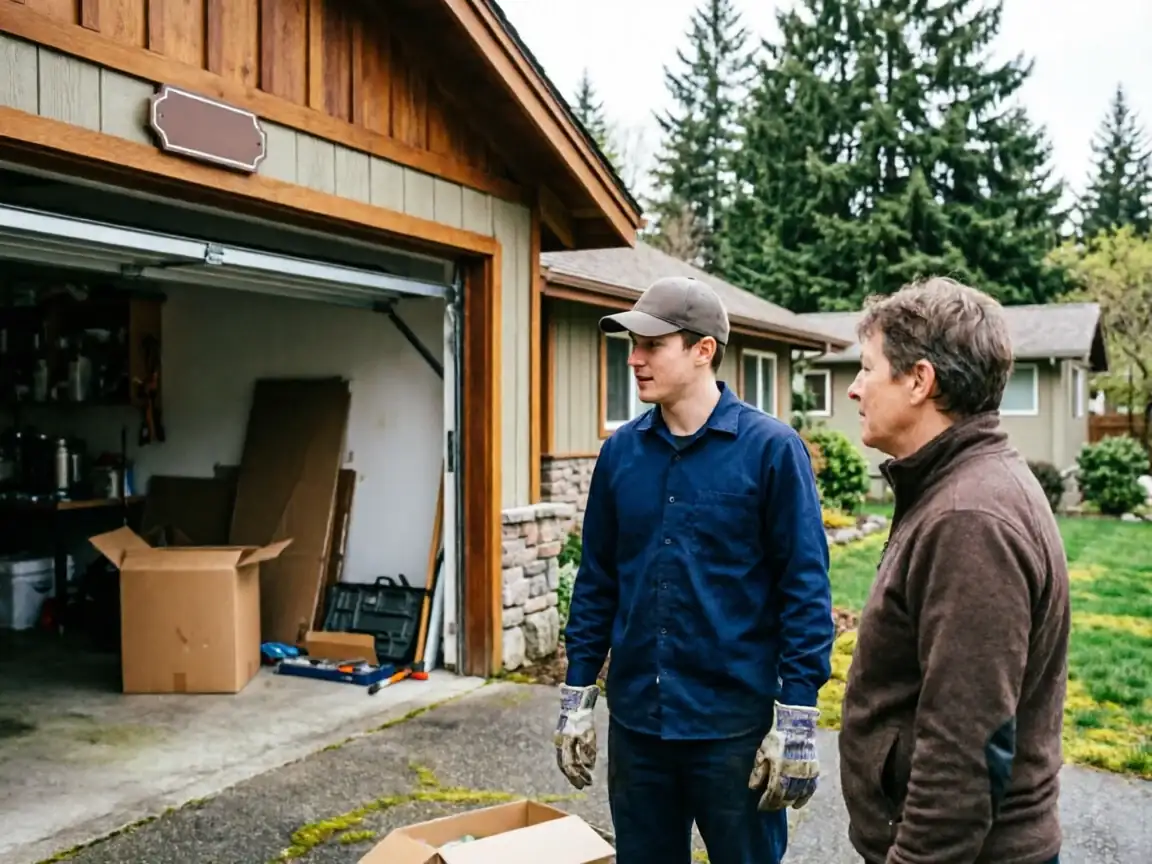
The other cost factor is the household side. Median income across the service area sits around $74,000, and with roughly 14,400 owner-occupied houses out of 38,000-plus households, a lot of people here are weighing a repair bill against a mortgage or a kid's tuition. That's real. It's why I'd rather tell you what to check before you call anyone, including us.
What Is Going On
Here's the pattern I see most in Eugene
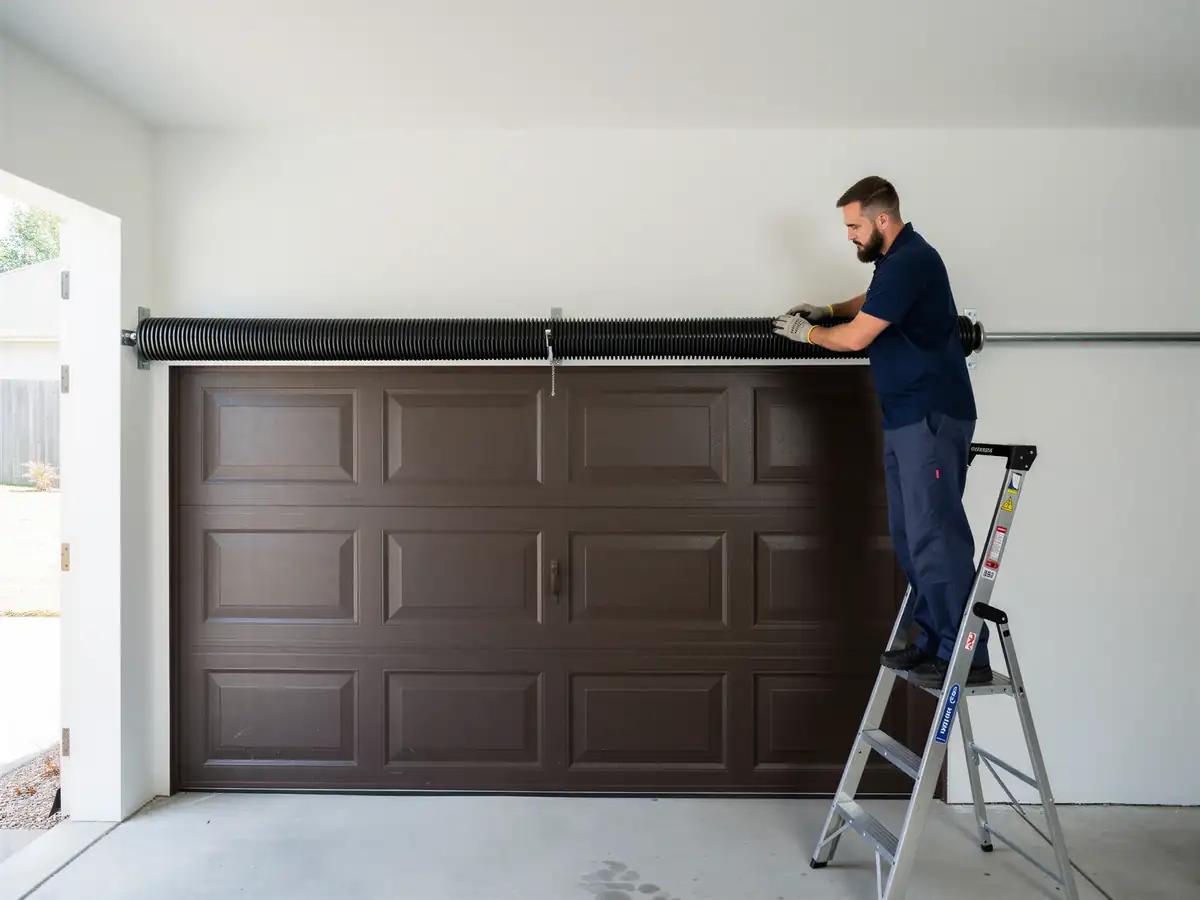
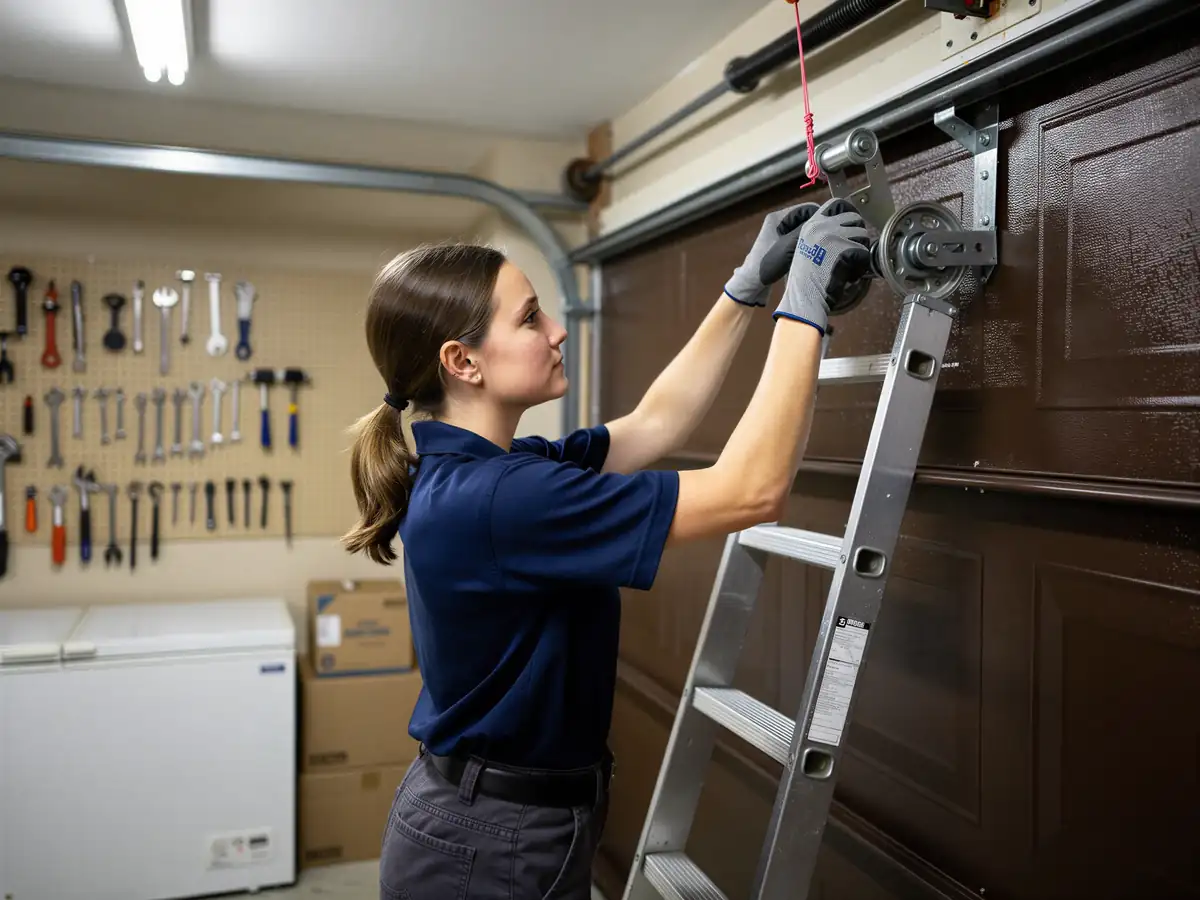
A door that was fine for 25 years starts acting up all at once. That's not bad luck, it's the housing age catching up. A door installed when a 1980s-built house in went up is now old enough that the torsion spring has done its last cycle, the nylon rollers have worn oval, or the galvanized cable has started to fray where it wraps the drum. None of that happens suddenly. It happens over the exact span of years this town's housing stock has been standing.
- 25 years
Cold-moderate winters add a second layer
Steel doors and tracks here go through repeated damp-cold-dry cycles rather than deep freeze, which is gentler than some climates but still corrodes hardware over 30-plus years, especially on doors facing north or shaded by trees, common on older lots. The opener is usually the first thing to show its age - chain drives from the 80s and 90s weren't built for the duty cycles of households running two cars in and out daily.
What to Check
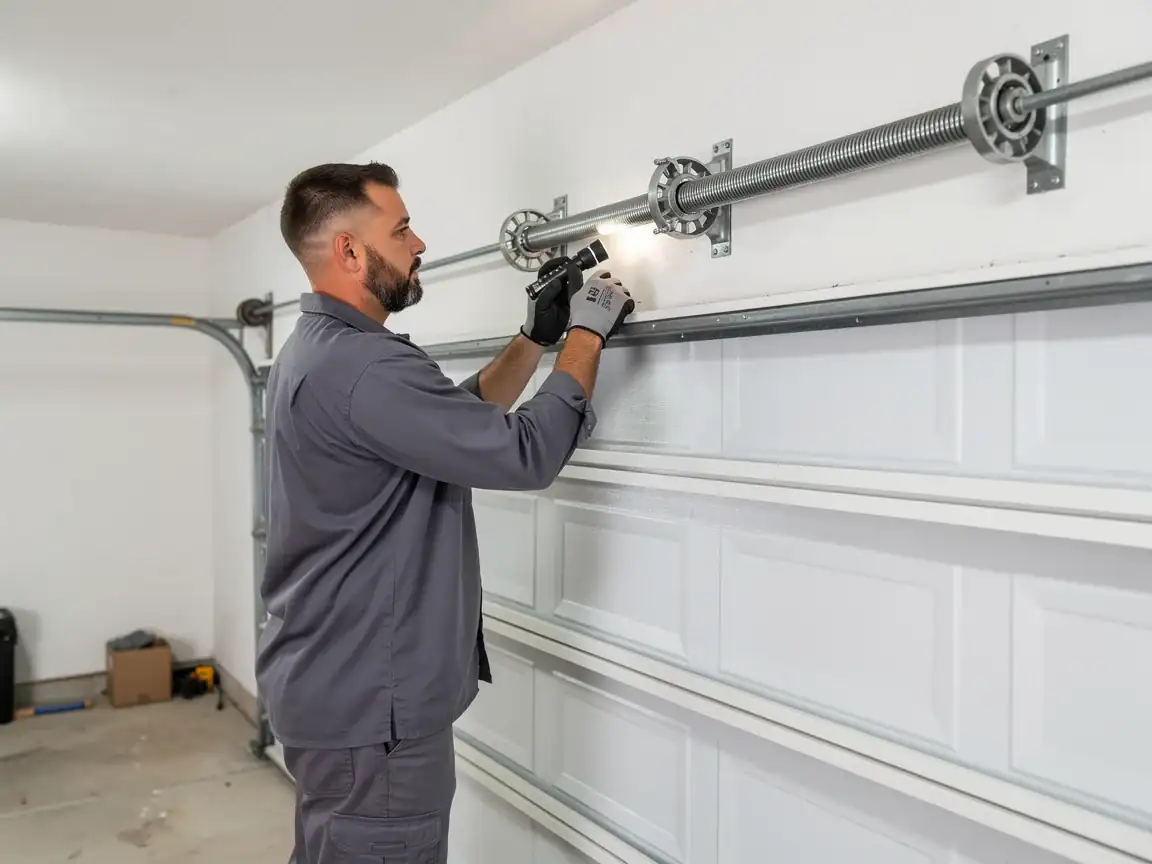
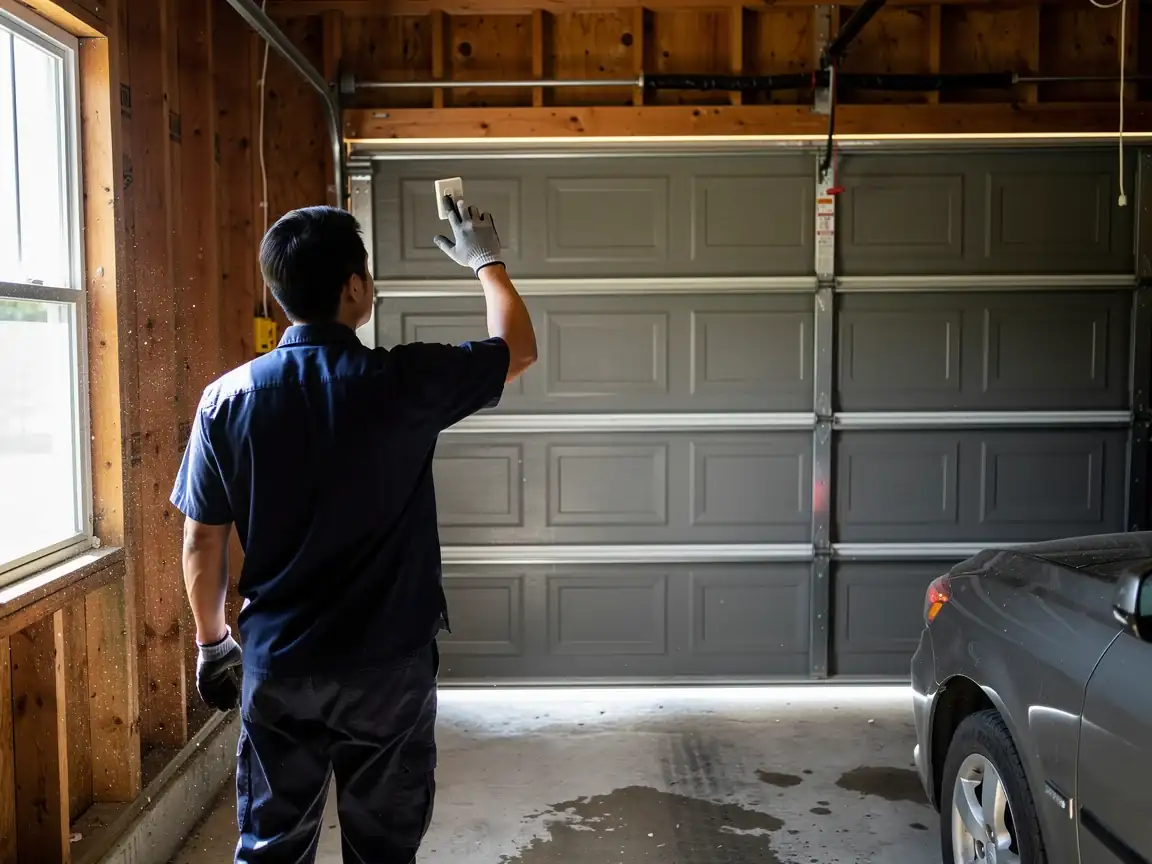
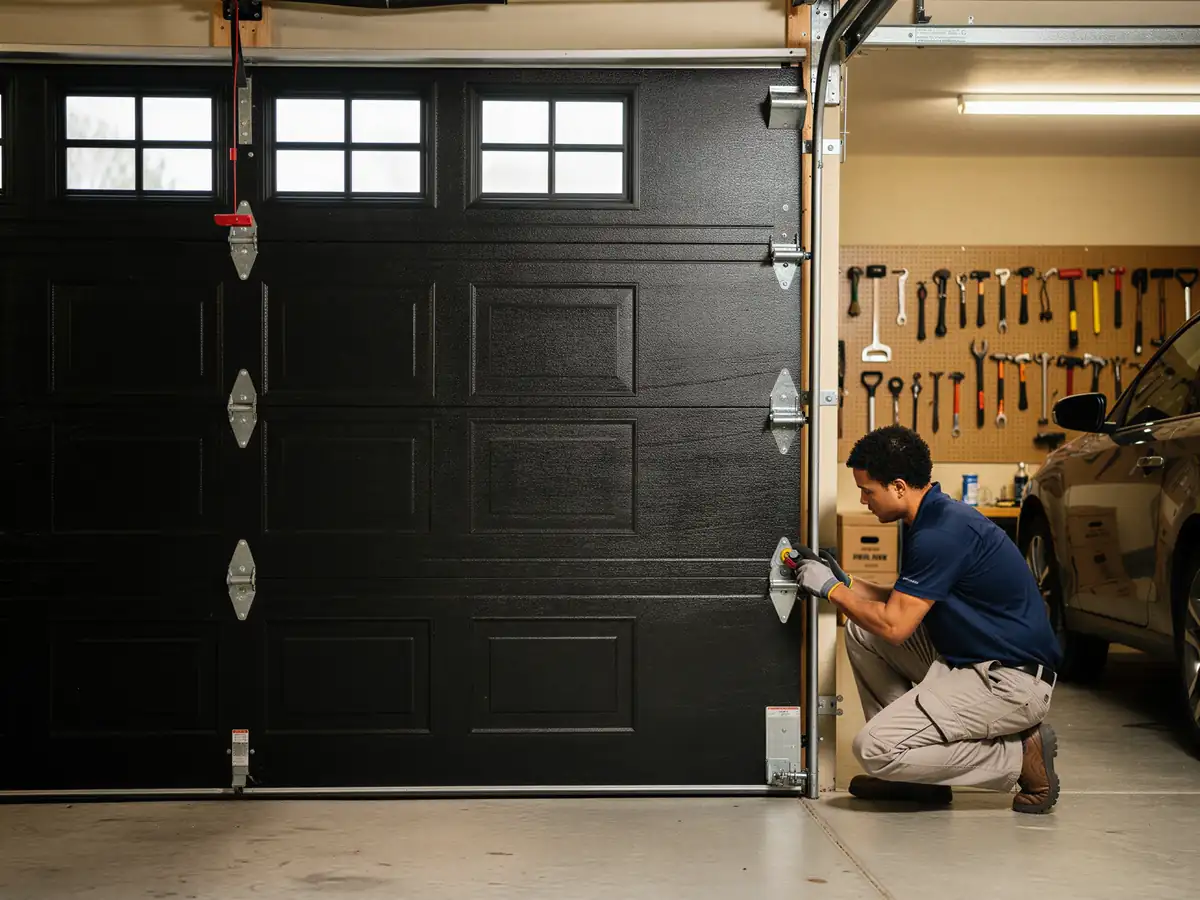
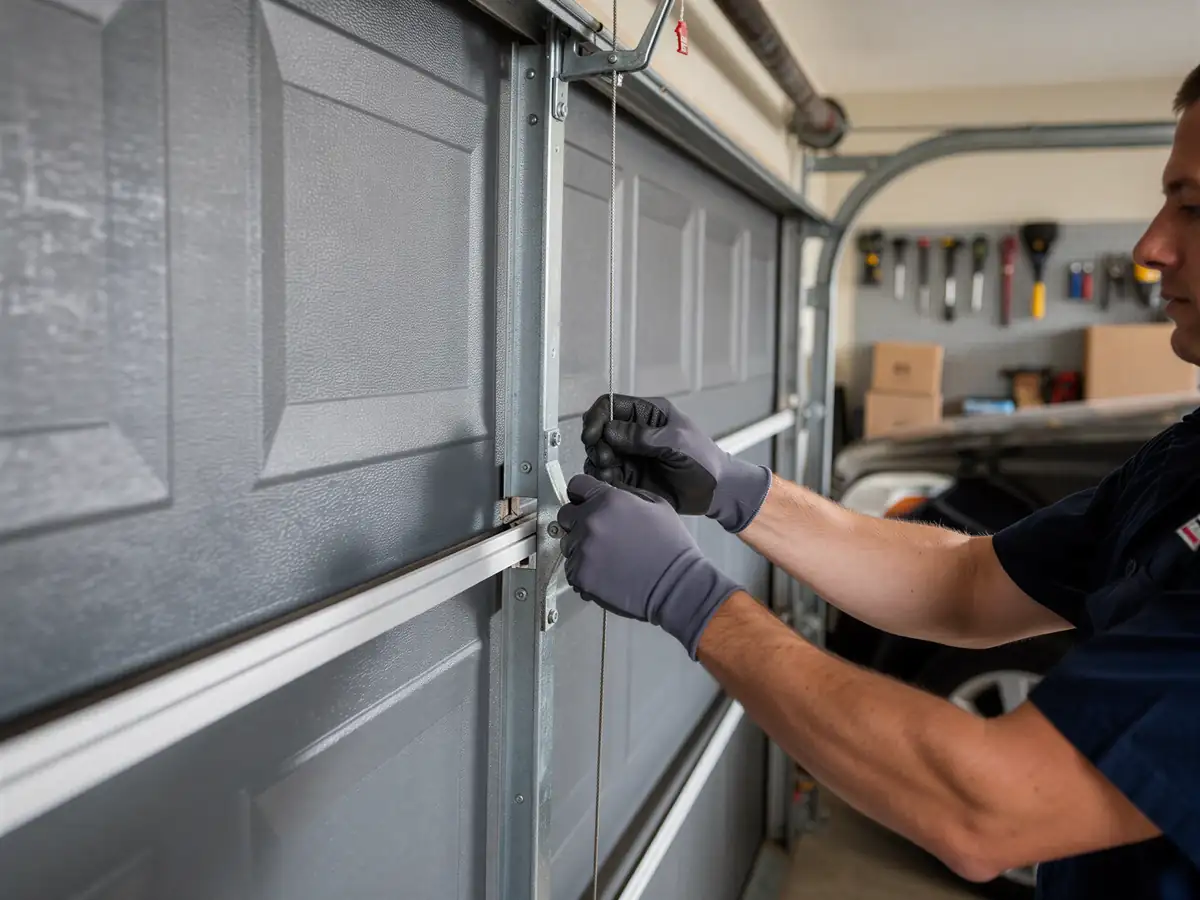
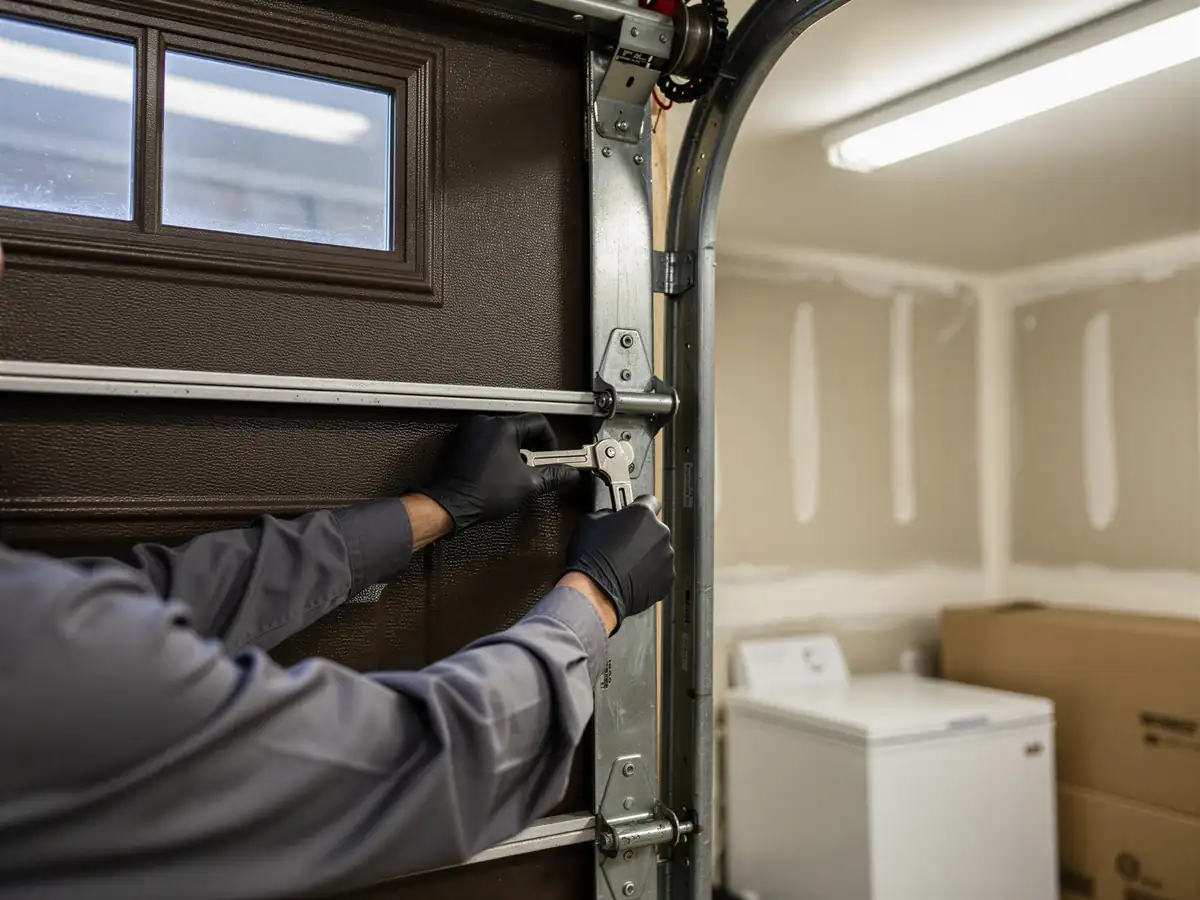
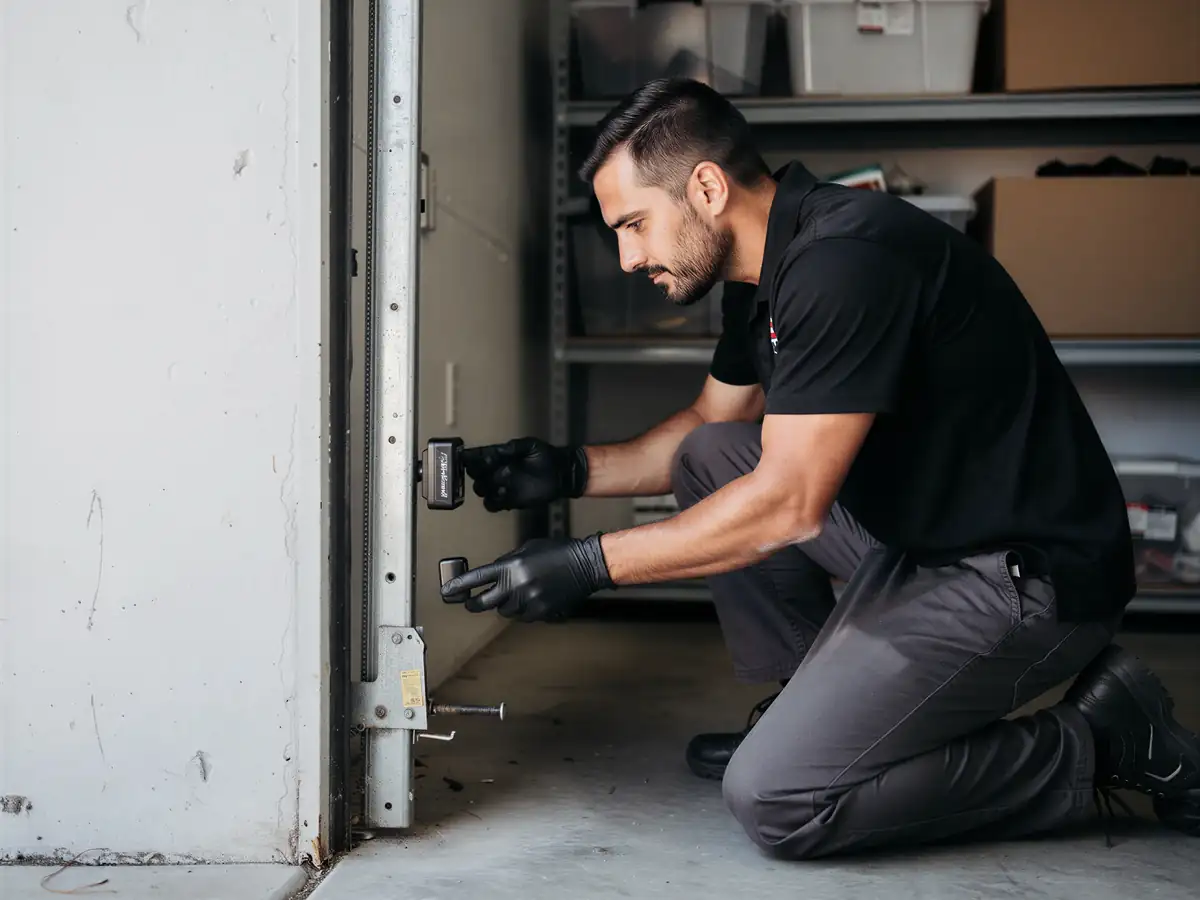
Before you decide repair or replace, look at four things. First, the springs: if you can see daylight through a gap when the door's down, or the door won't stay open halfway, the spring is going. Second, the track - on a house from the 1980s or earlier, check if it's bent or pulled away from the wall where decades of settling have shifted the frame. Third, the bottom panel, especially if the garage sits low or faces a shaded side; rot and rust show up there first on older stock. Fourth, the opener's age - if it predates the mid-90s, parts are getting hard to source and a failure often isn't a one-part fix.
If two or more of these are failing at once, that's a replacement conversation, not a repair one. If it's just the spring and everything else is sound, that's a straightforward job and not worth replacing a door over.
What Local Conditions Do
Eugene's cold-moderate climate band doesn't punish a door the way a hard freeze-thaw region does, but it's steady wear over a long time, and a lot of this area's doors have had that long time - the median build year here is 1980. Moisture cycling without deep freeze means less cracked concrete and slab heave, but more slow corrosion on springs, hinges, and track bolts that never fully dry out, especially on homes near where tree cover and lower afternoon sun keep garage faces damp longer.
Across the nine areas that make up most of this stock, the doors going bad right now are almost all from the same build window. That's not a coincidence, it's a maintenance wave that was always going to hit on this schedule.