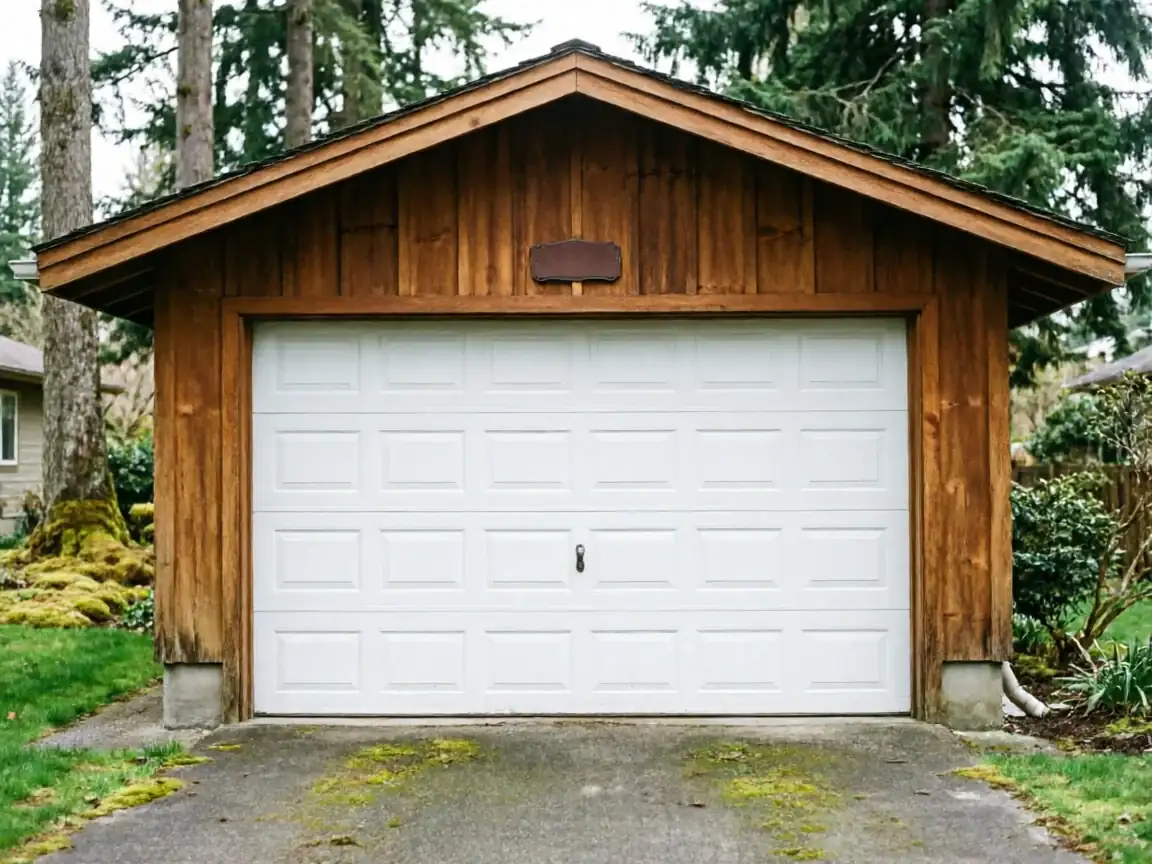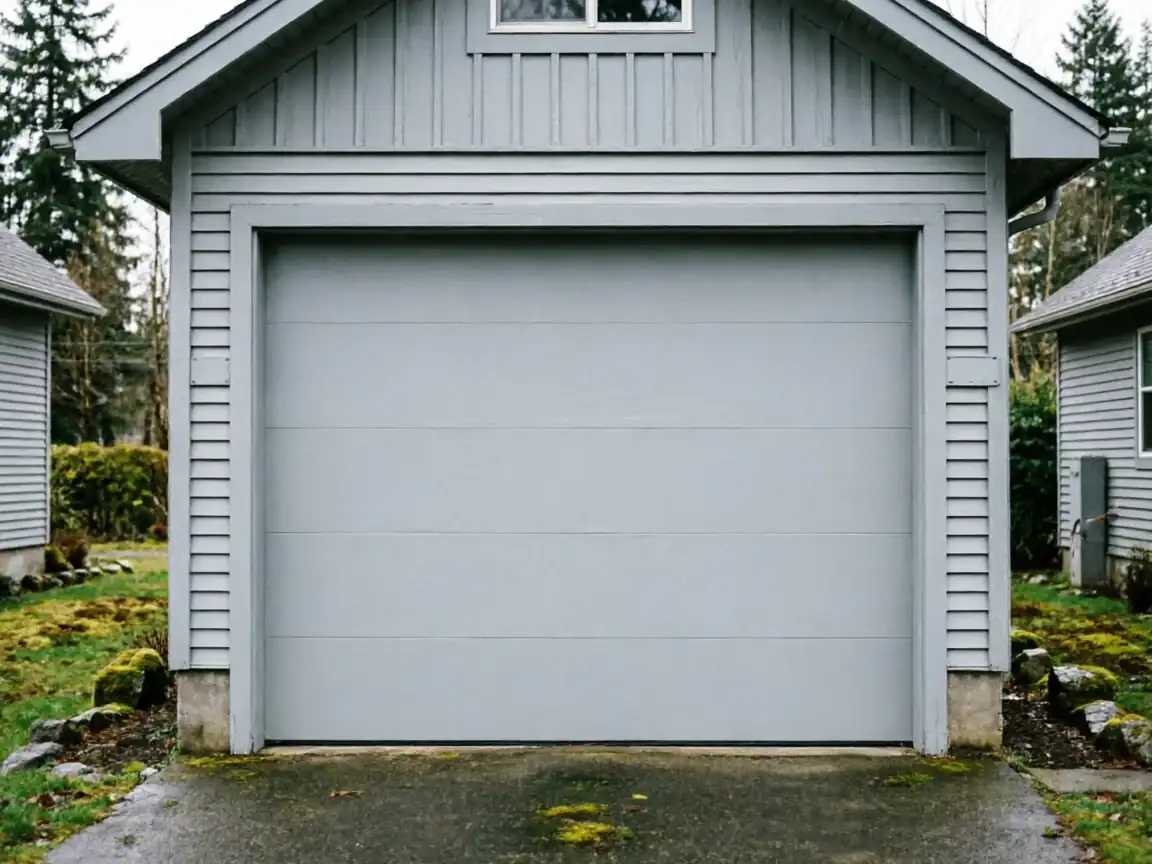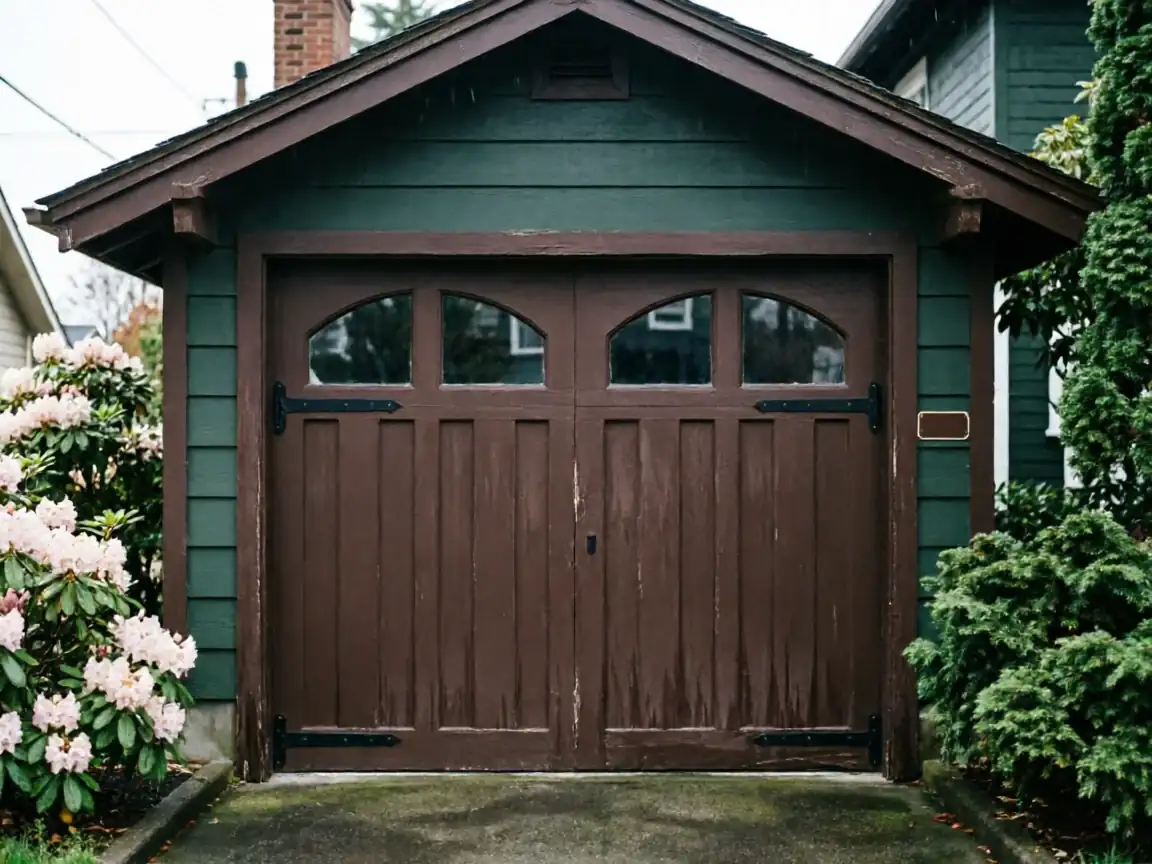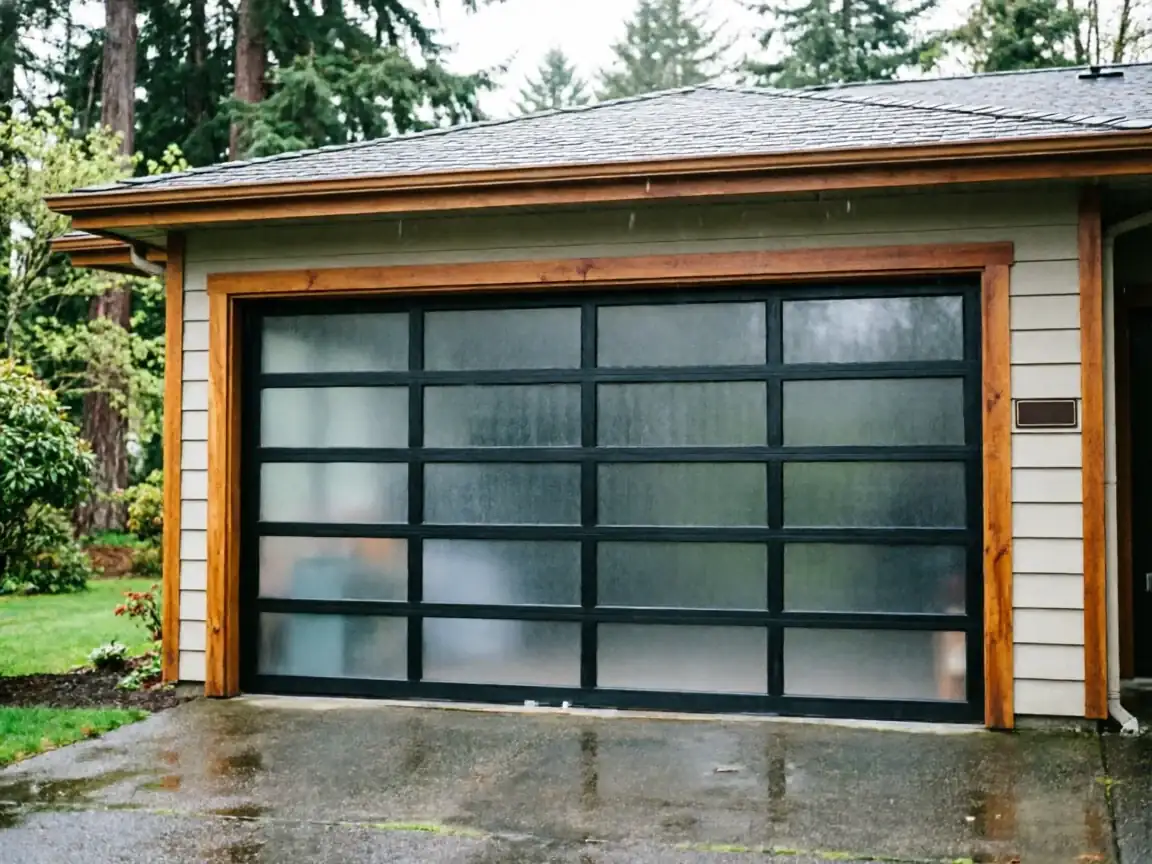
Why It Happens Here
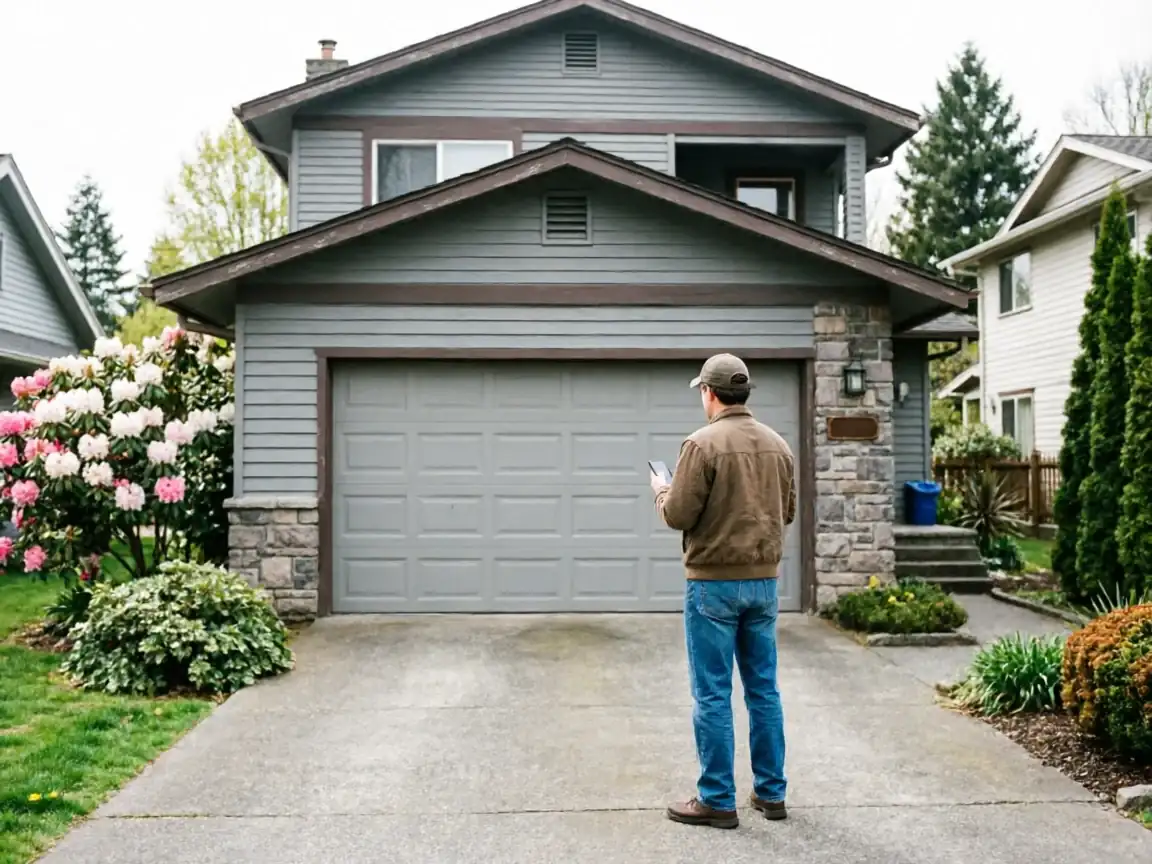
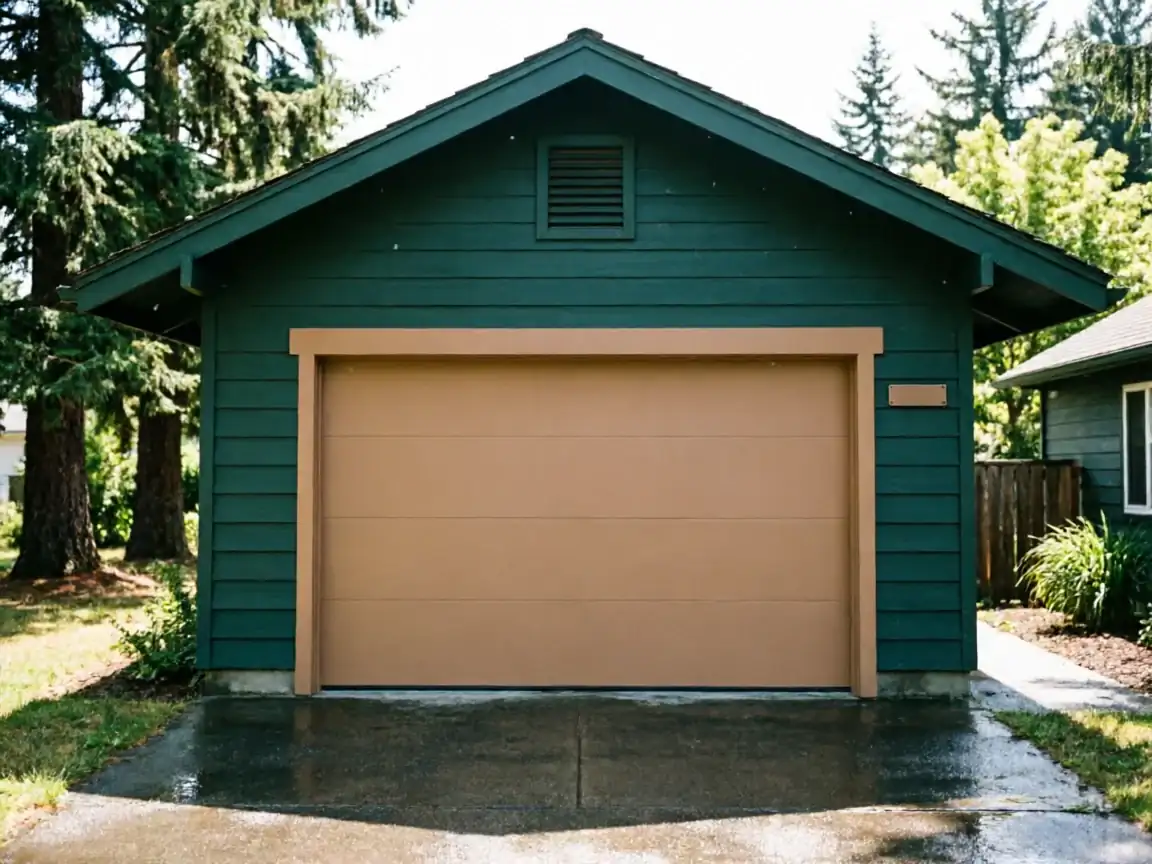
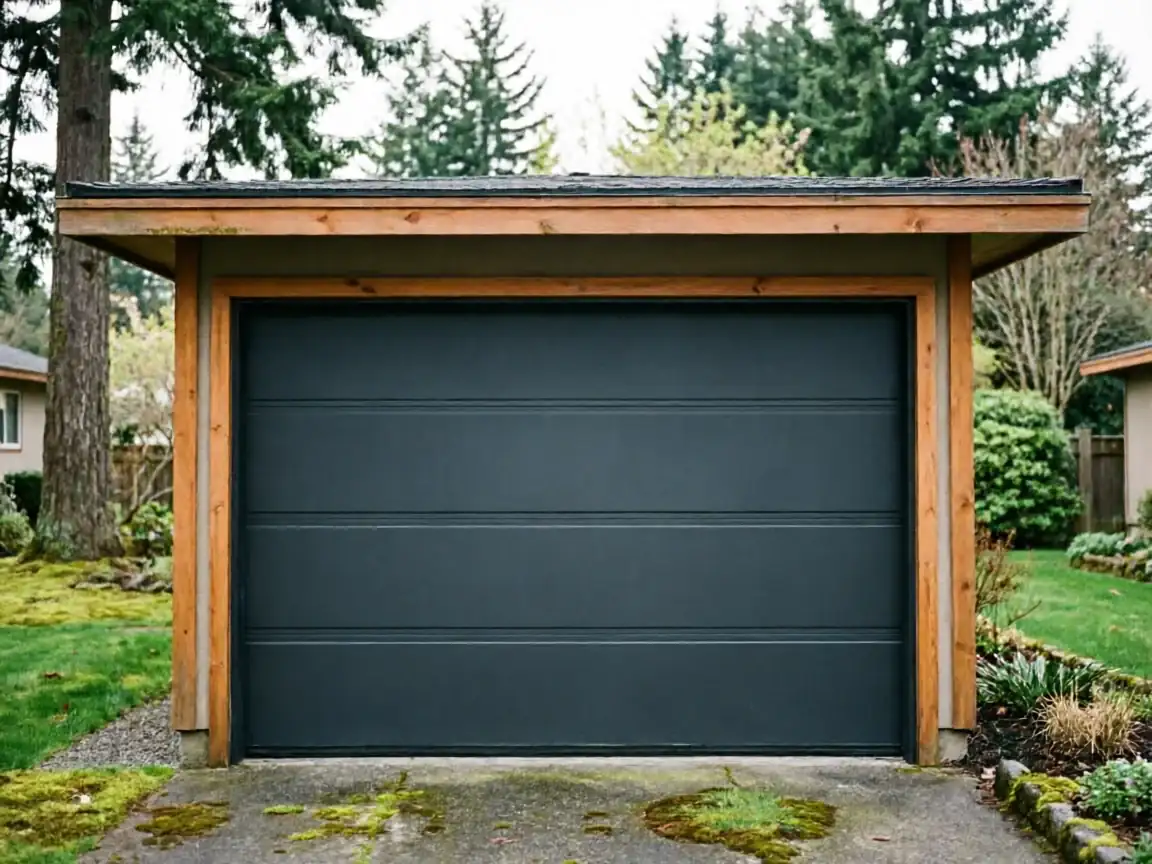
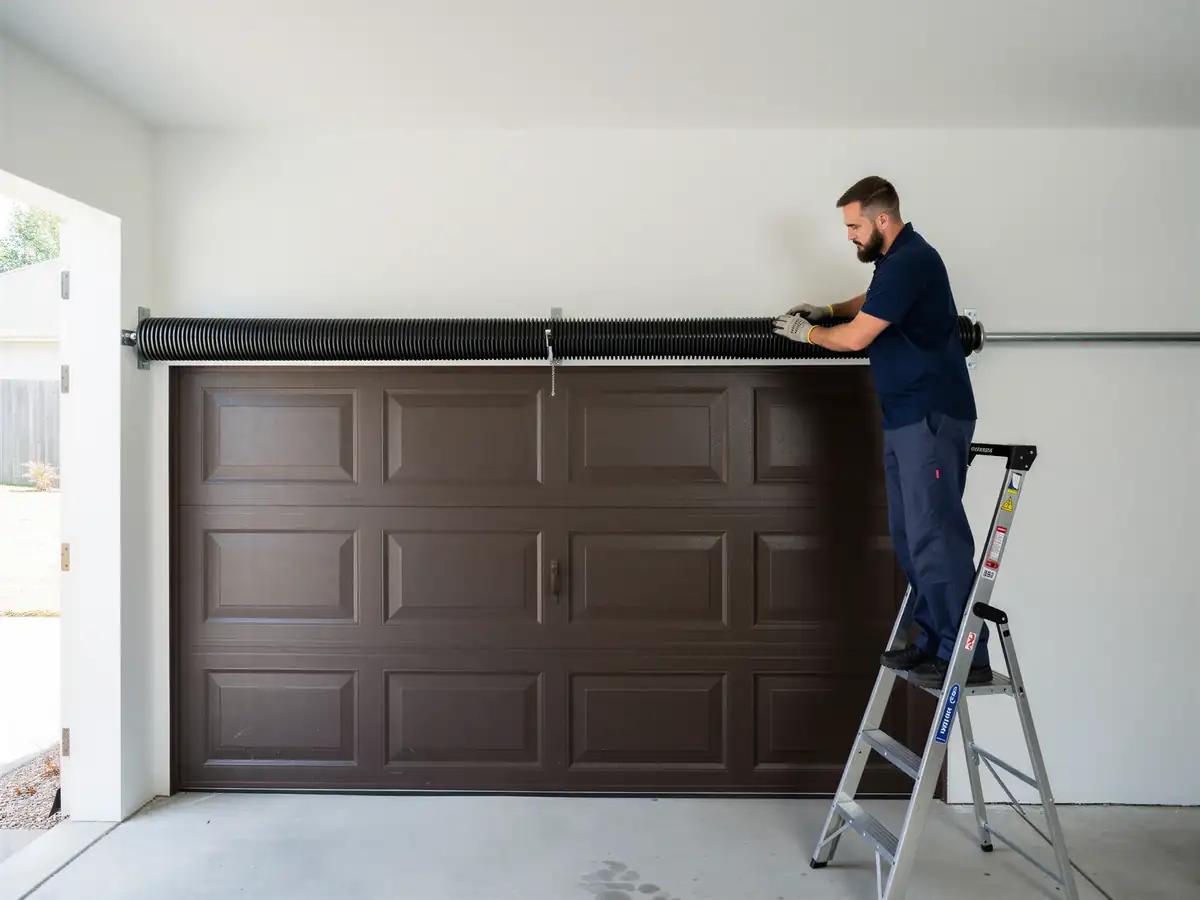
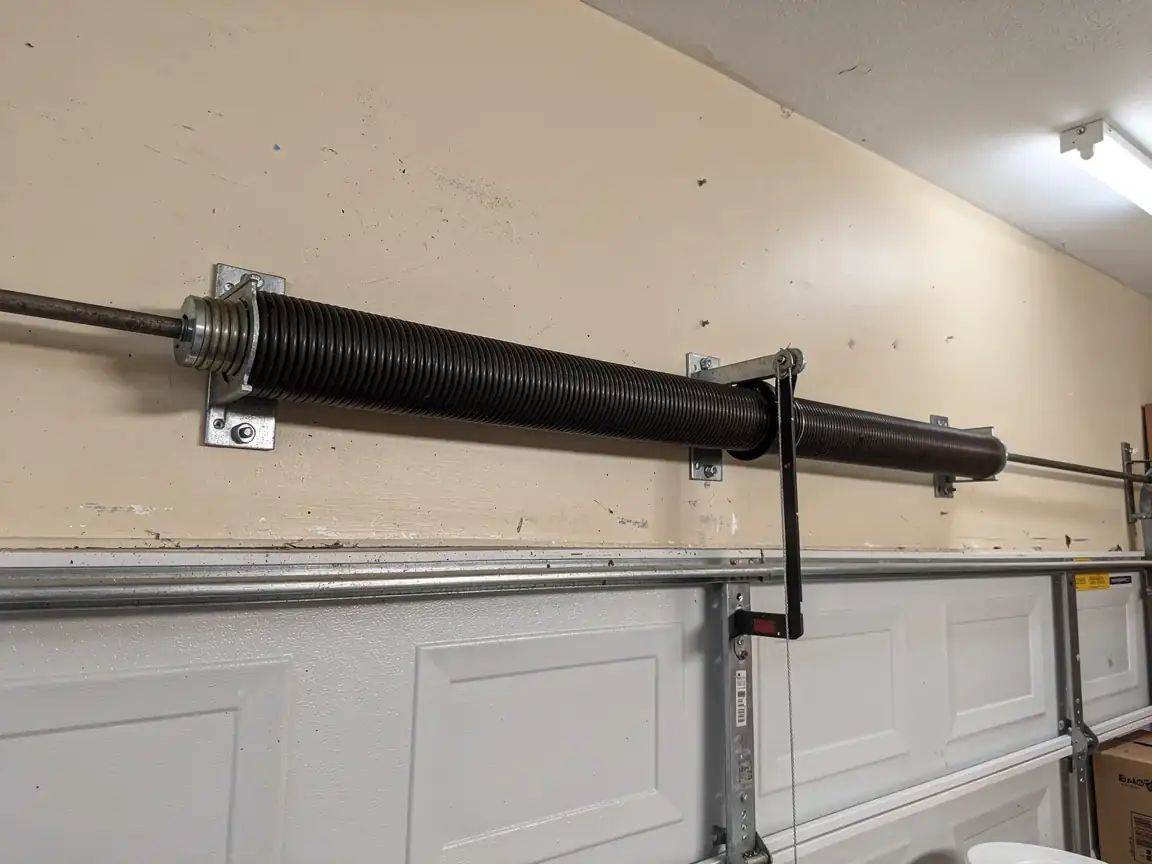
Most of the houses on this side of the valley went up between 1950 and 1997, with the thickest band of construction landing in the 1980s and 90s - that's the pattern across and the rest of the named areas we work. A torsion spring is rated for a set number of open-close cycles, not a set number of years, but in practice that math lands right around the 30 to 40 year mark for a door used a couple times a day. A lot of Eugene garages are sitting right in that window now, on original hardware.
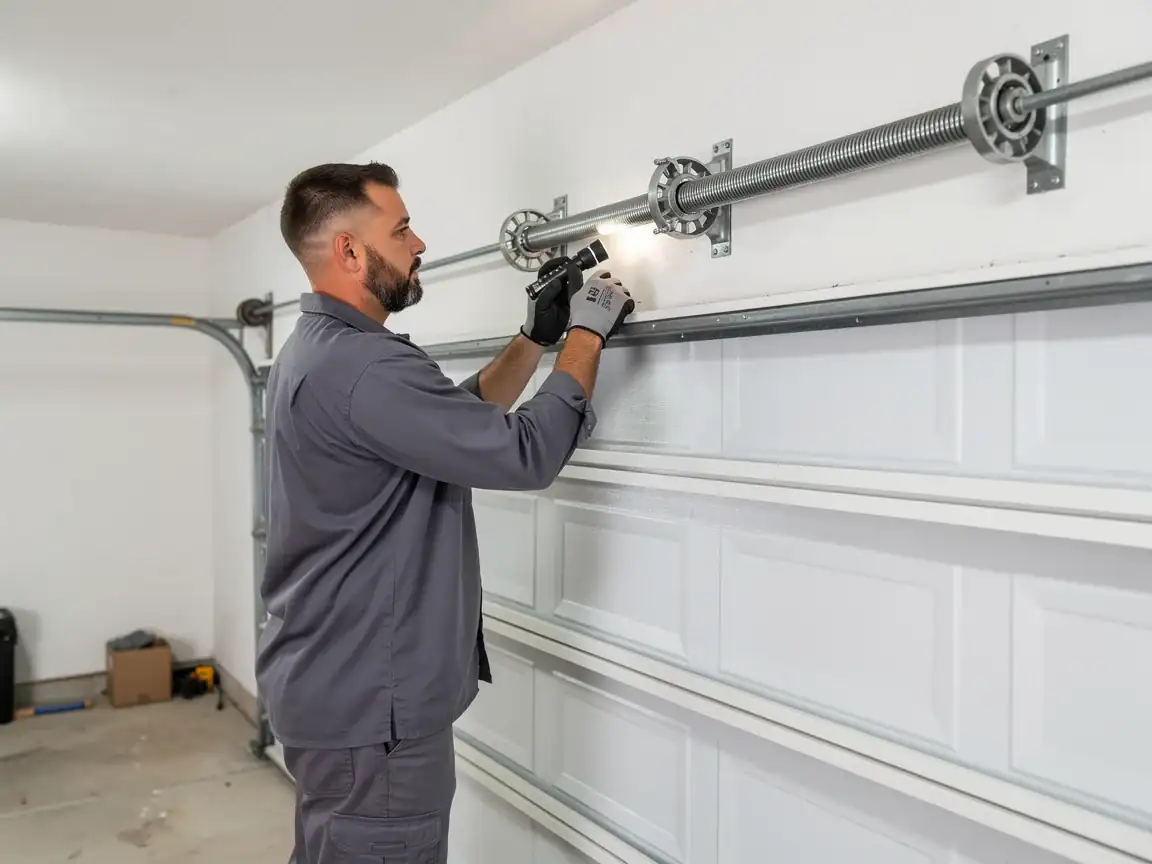
The other half of it is the climate. Eugene sits in a cold, moderate band, which here means long stretches of damp air rather than hard freezes. Galvanized coatings on springs, hinges, and track bolts hold up fine for a while, but five or six wet months a year chews through that coating faster than a dry climate would. Once the coating goes, the steel underneath starts to pit, and a pitted spring breaks without much warning. Rollers and cable ends corrode the same way - slower than a spring snapping, but just as predictable once you know the age of the door.
How Long It Takes
A spring swap on a standard double door is a different job than replacing a bent track or a dead opener
And the honest answer is that the job dictates the clock, not the other way around. What we can tell you is what drives the difference: whether the drums and cables need replacing alongside the spring, whether the opener's logic board or just the motor has failed, and whether a part has to be ordered versus pulled off the truck.
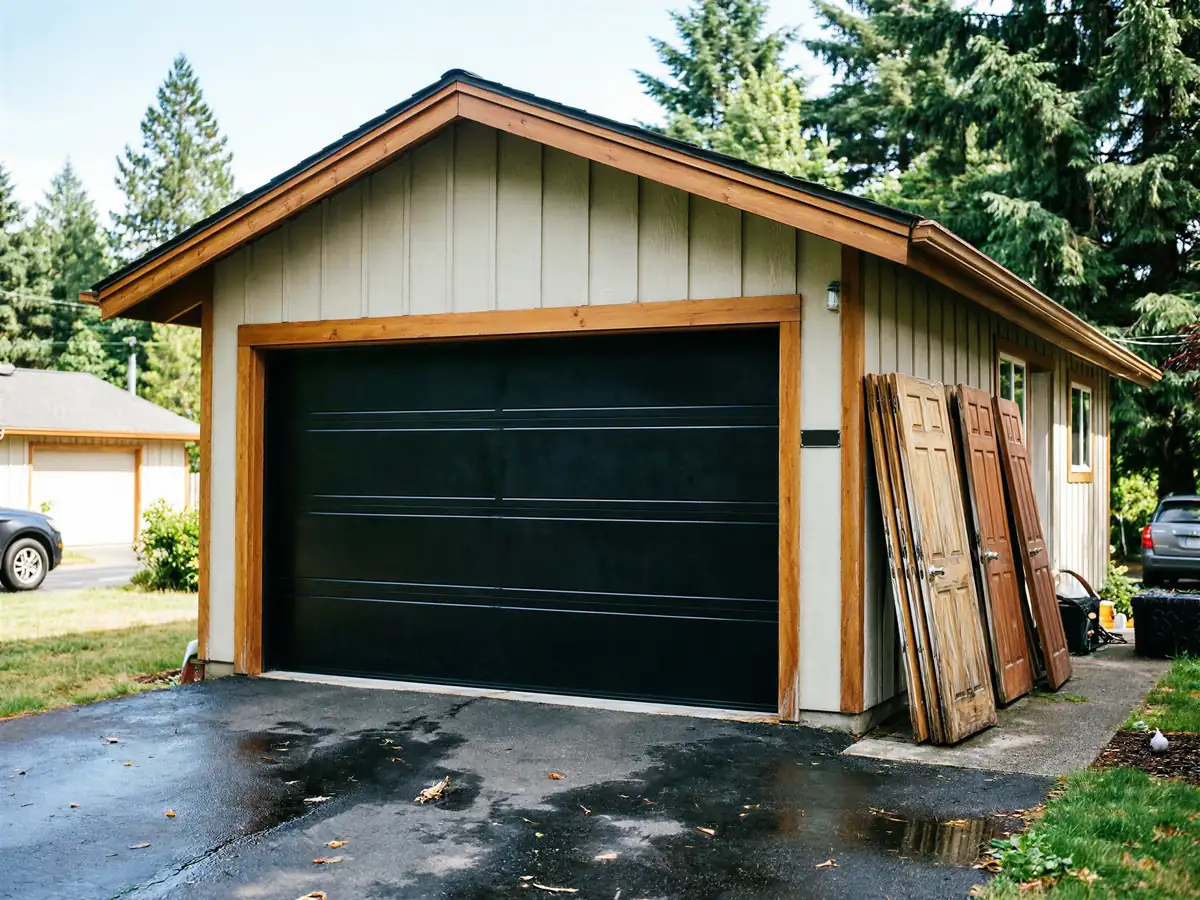
With a lot of local doors dating back to the 1980s and 90s
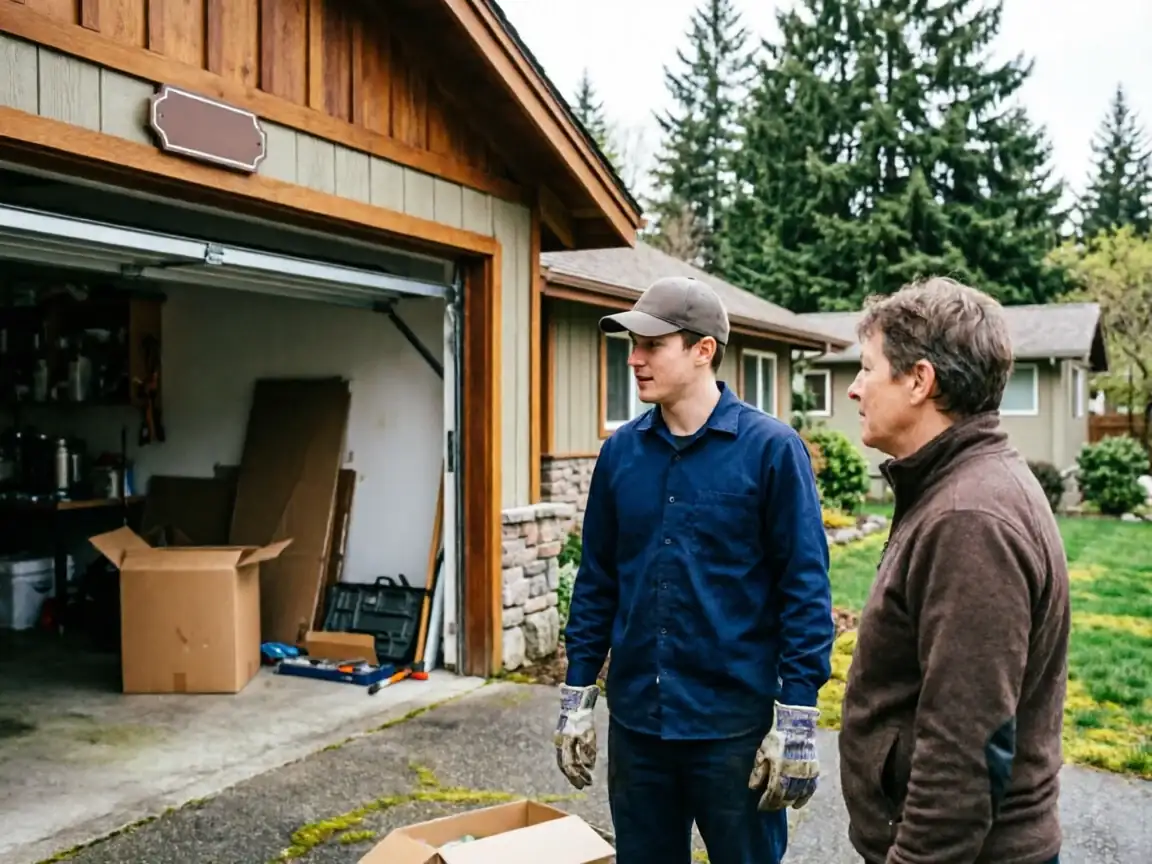
We sometimes run into hardware sizes or opener models that aren't stocked anywhere nearby, which pushes a job into a second visit. We'd rather tell you that up front than guess at a timeline and miss it. If your door is original to a house from that era, ask when you call whether your part is a common size - it changes what we can promise.
The DIY Question
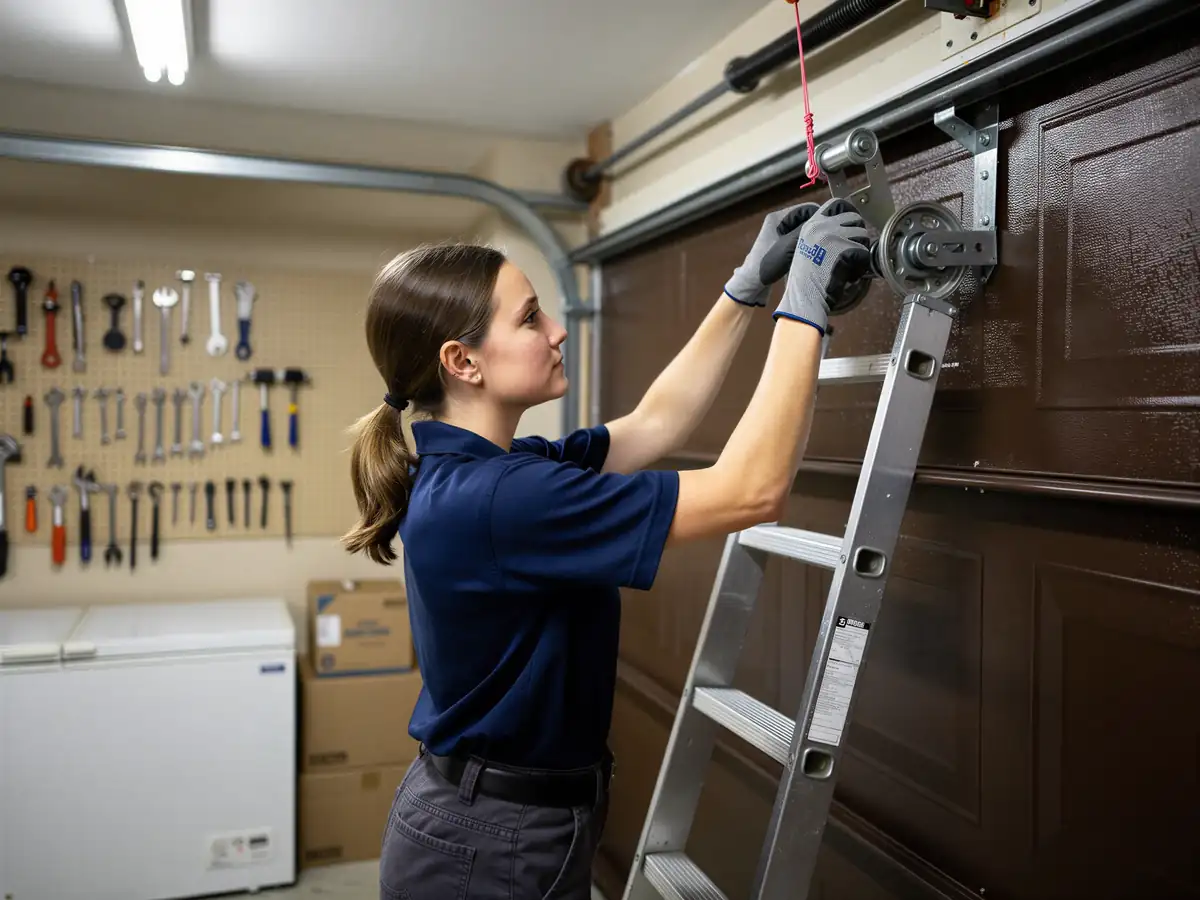
A torsion spring is wound under enough tension to break a bone or worse if it lets go while you're working on it, and that doesn't change because the spring is old or already cracked. We don't walk homeowners through spring replacement over the phone, and we won't pretend that's an overcautious policy - it's the one job on a garage door that isn't worth the money saved.
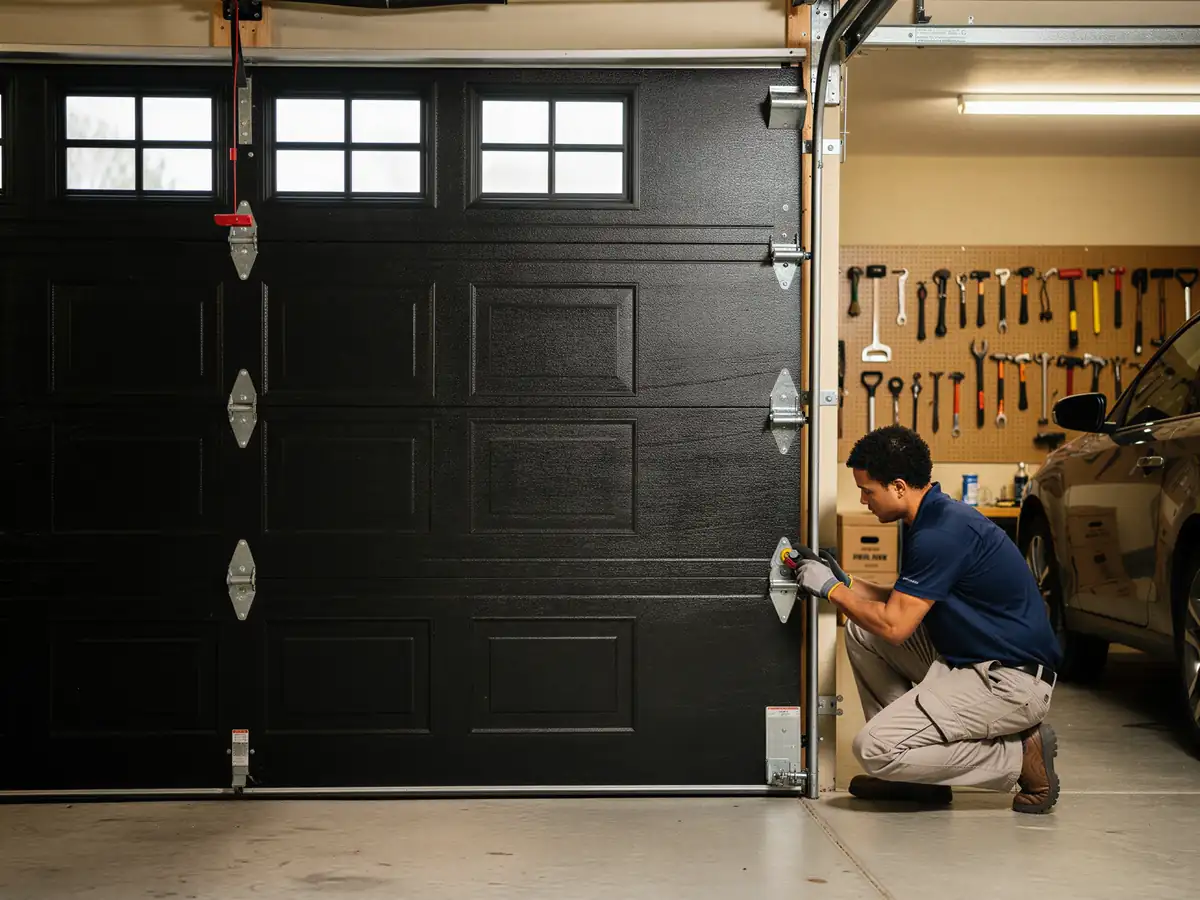
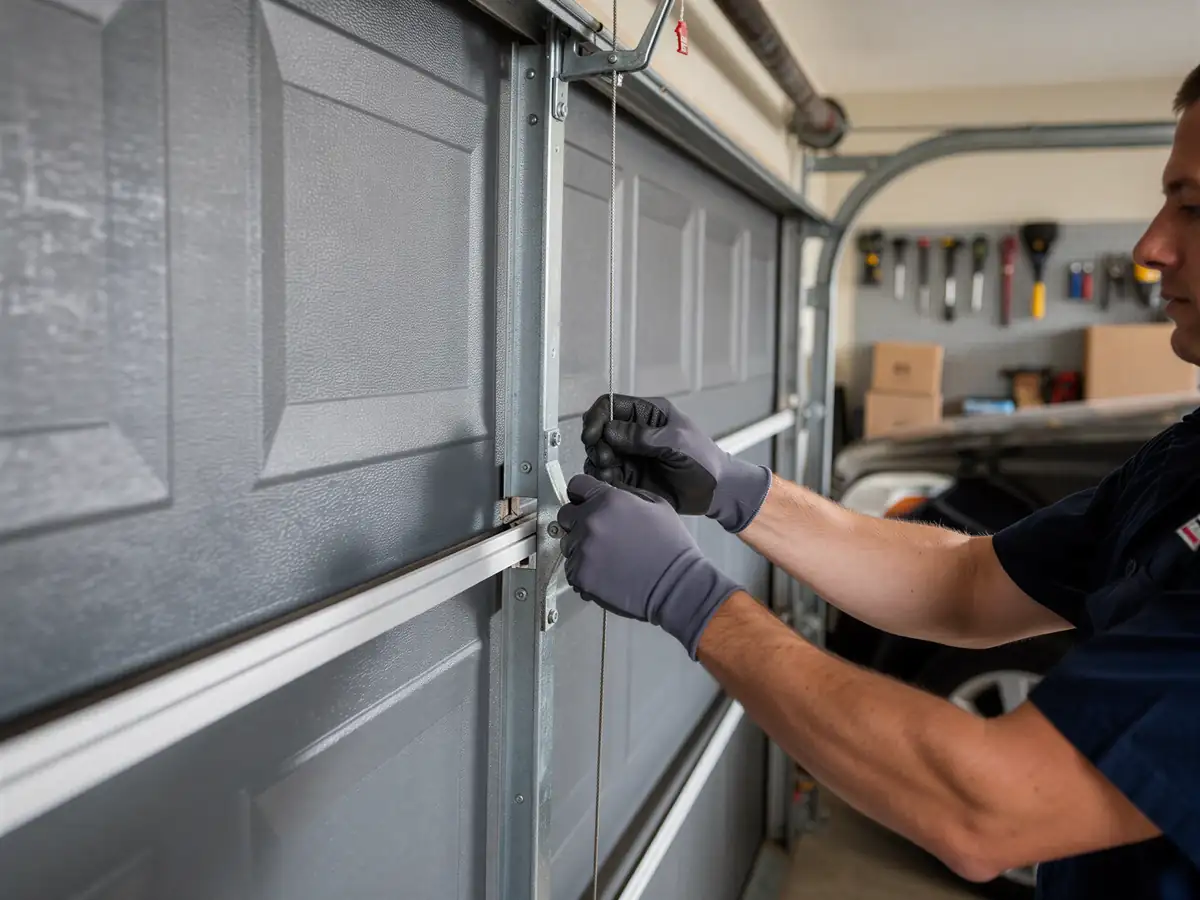
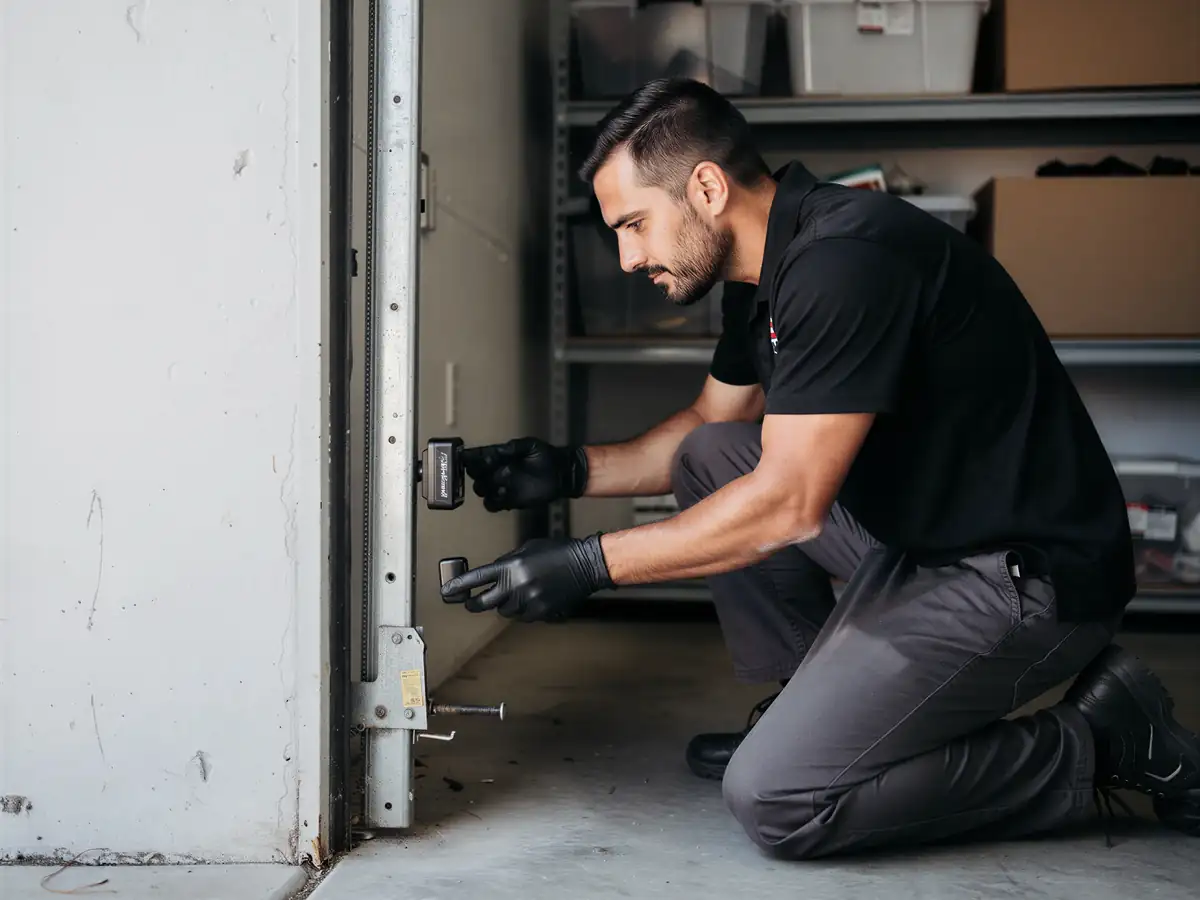
What you can reasonably do yourself: tighten loose hinge bolts, clear debris out of the track, check that the photo-eye sensors near the floor are aligned and not covered in dust, and listen for a specific noise so you can describe it accurately on the phone. If a cable has jumped the drum or a panel is visibly bent, that's a call, not a project. Given how many doors in this area are the same age as the house, the spring and the opener's drive belt or chain are usually original too, and both are past the point where DIY makes sense.
What You Are Seeing
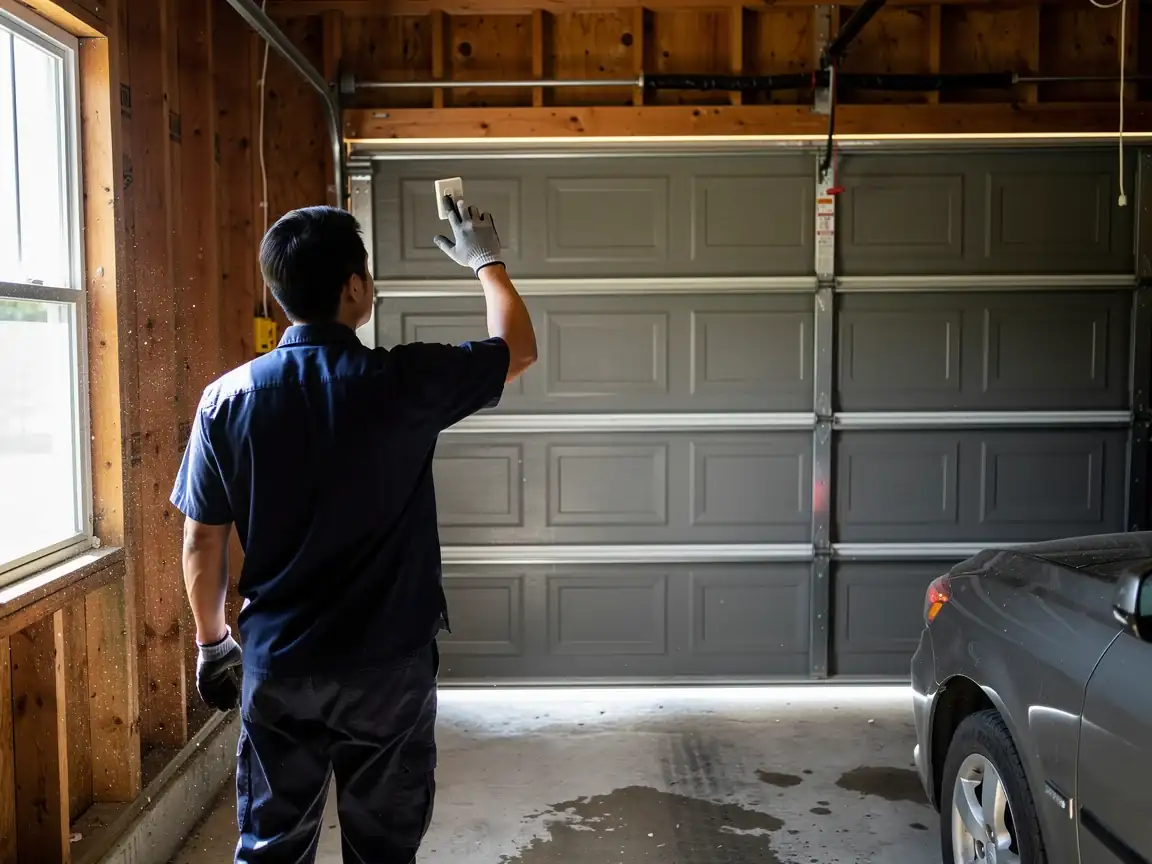
A door that slams the last foot instead of settling usually means the spring has lost tension, not that the opener is weak - common on original hardware from the 1980s stock that makes up a lot of the housing here. A grinding or popping sound on the way up often points to a roller that's worn flat on one side, which happens gradually and then seems sudden.
If the door reverses right after it touches the floor, check the sensors first, but on older installs it's sometimes a track that's shifted slightly out of plumb over the decades - not dramatic, just enough to trip the safety reversal. A door that's suddenly heavy to lift by hand, with the opener straining to compensate, is almost always a spring issue, and it's the kind of thing that gets worse fast once it starts. None of these are emergencies the moment you notice them, but none of them get better on their own either.