How That Shows Up in the Door
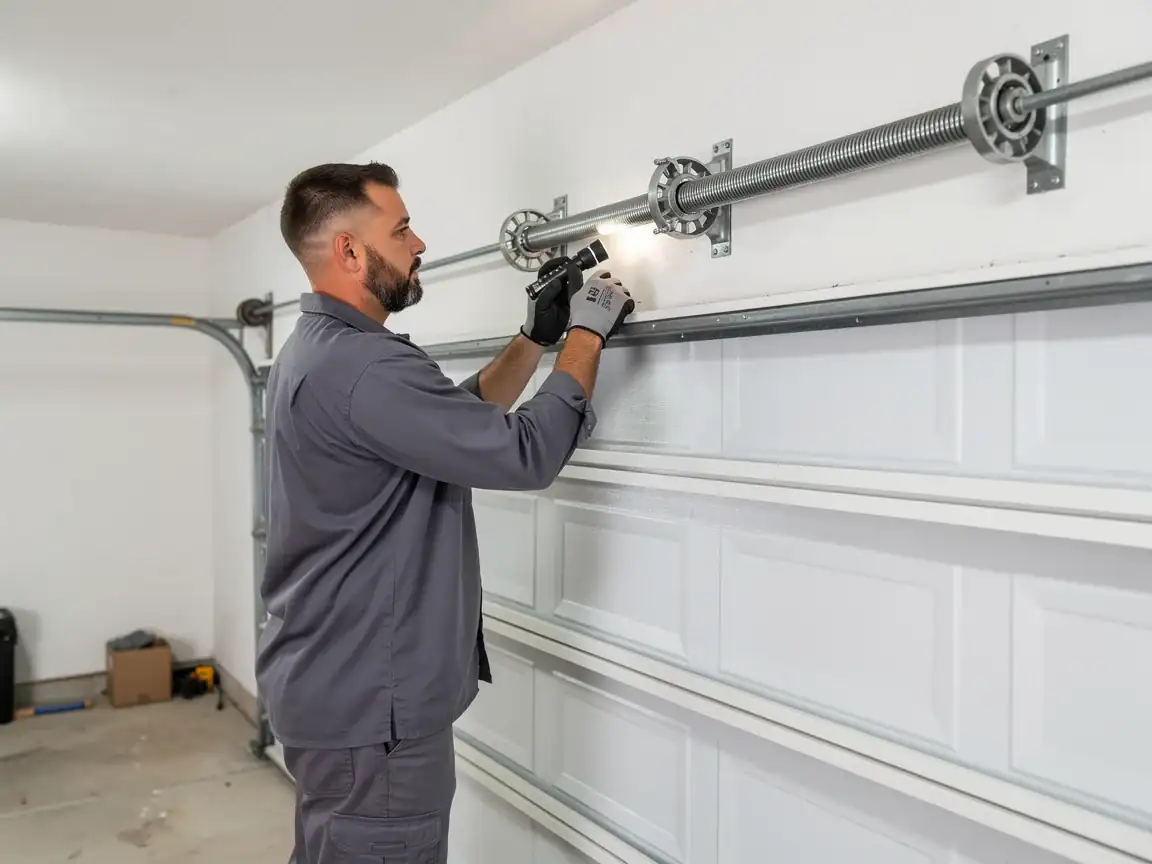
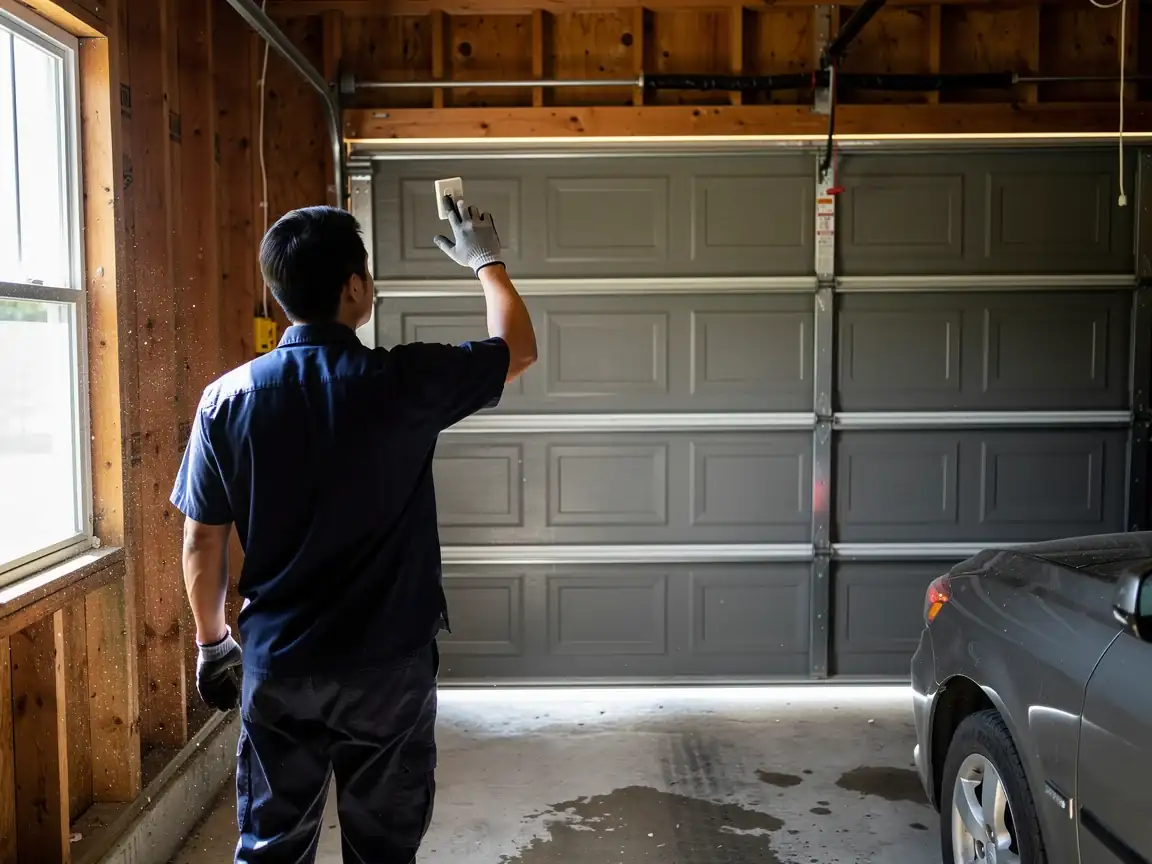
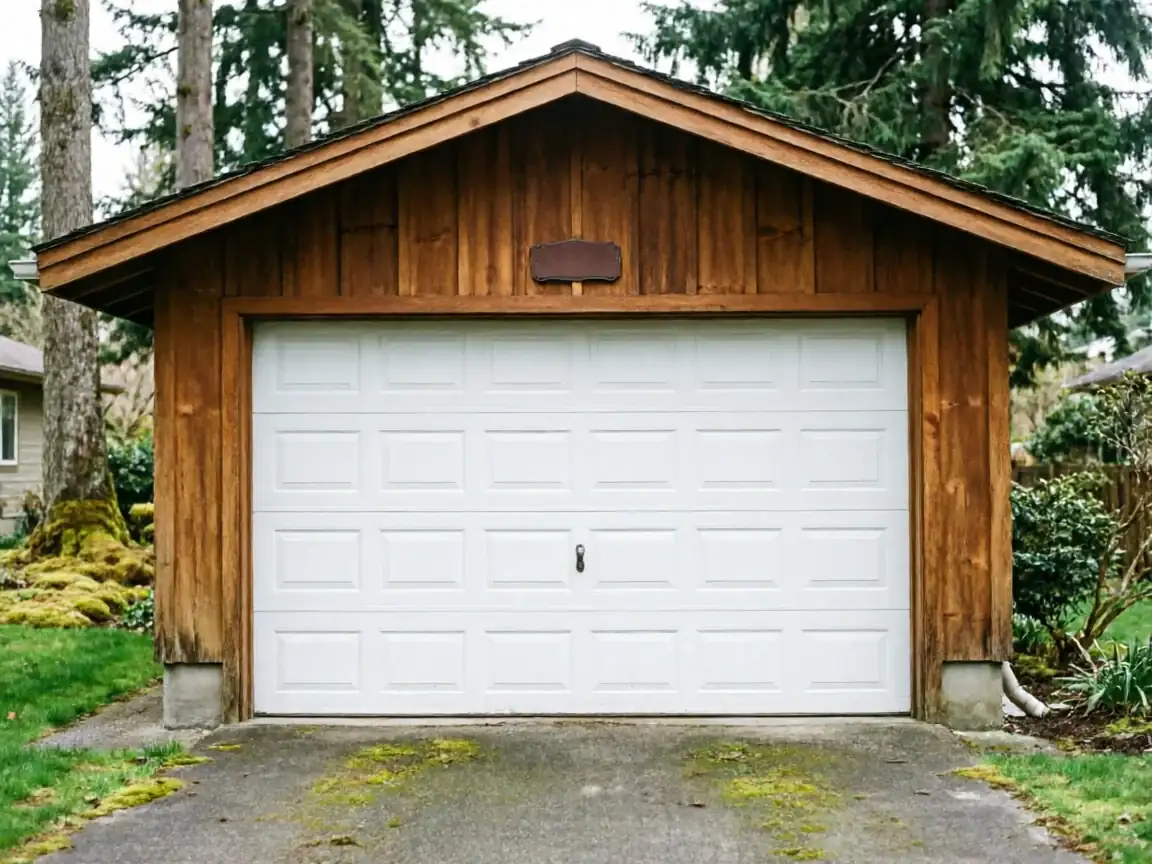
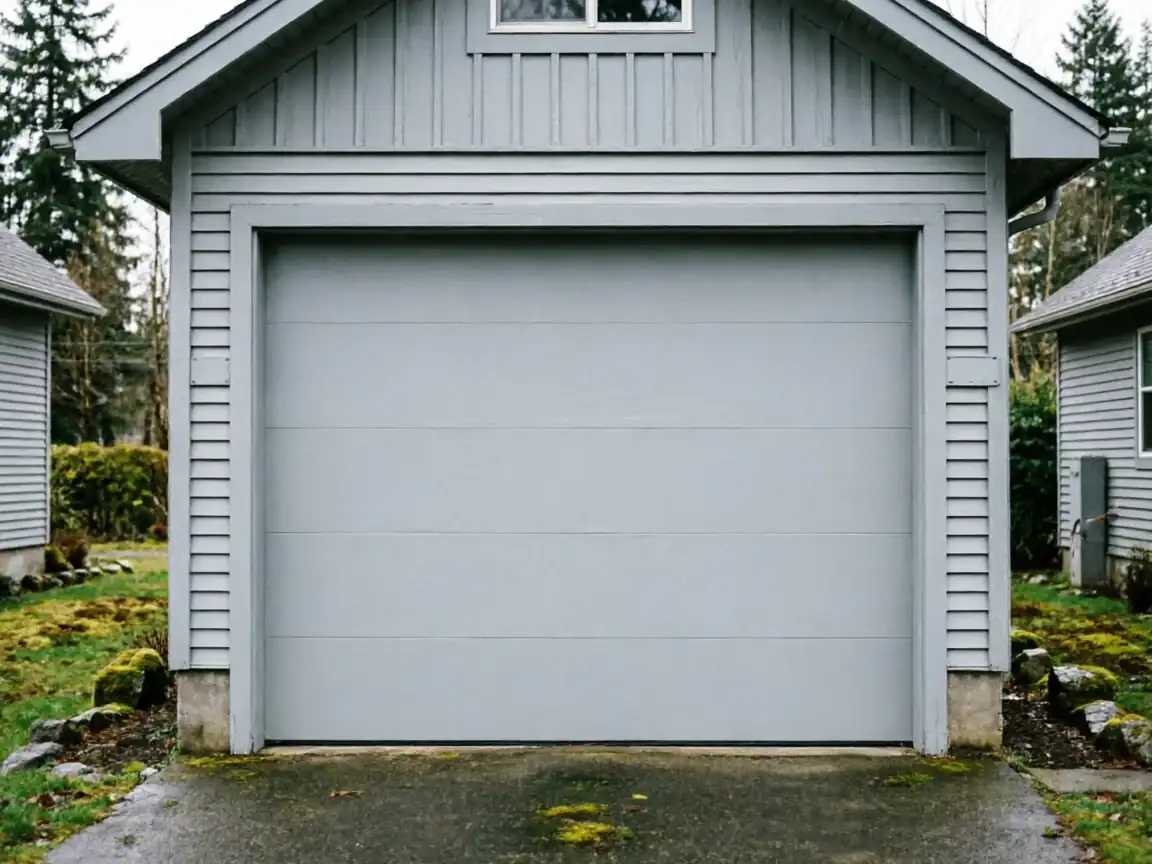
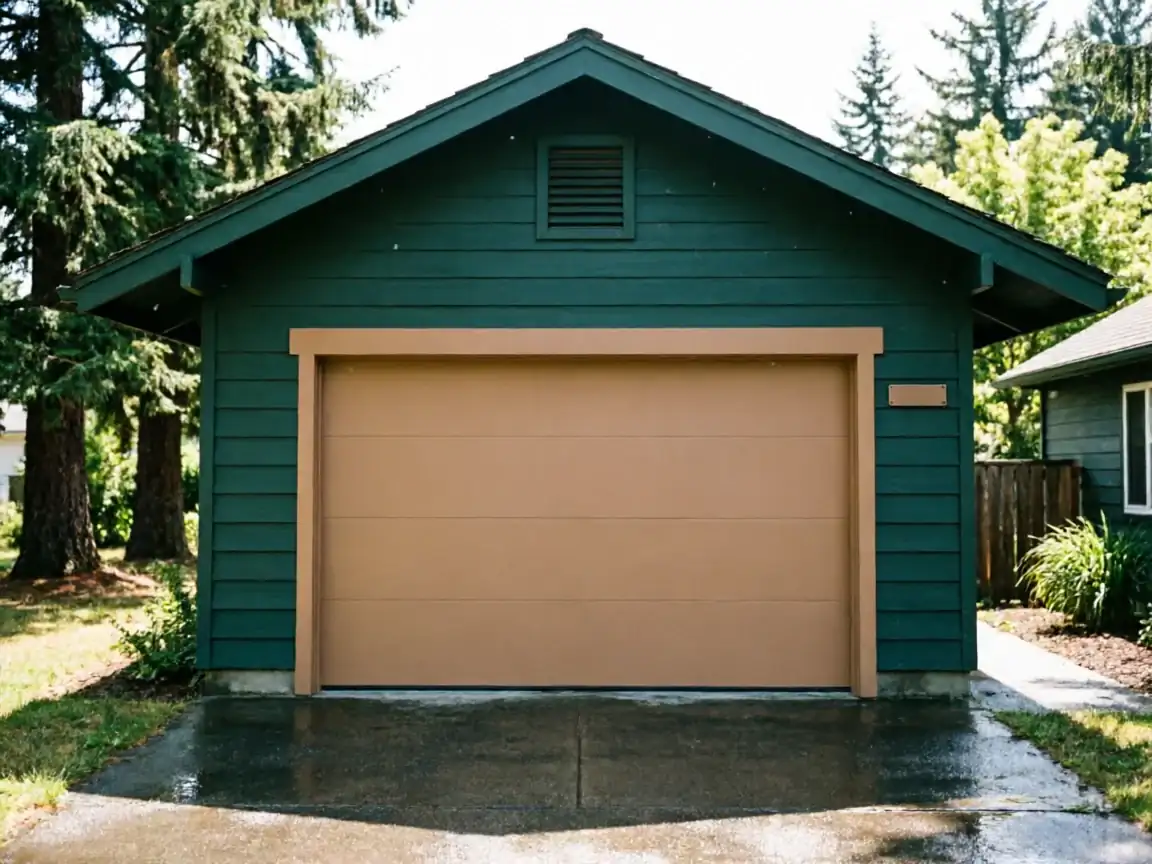
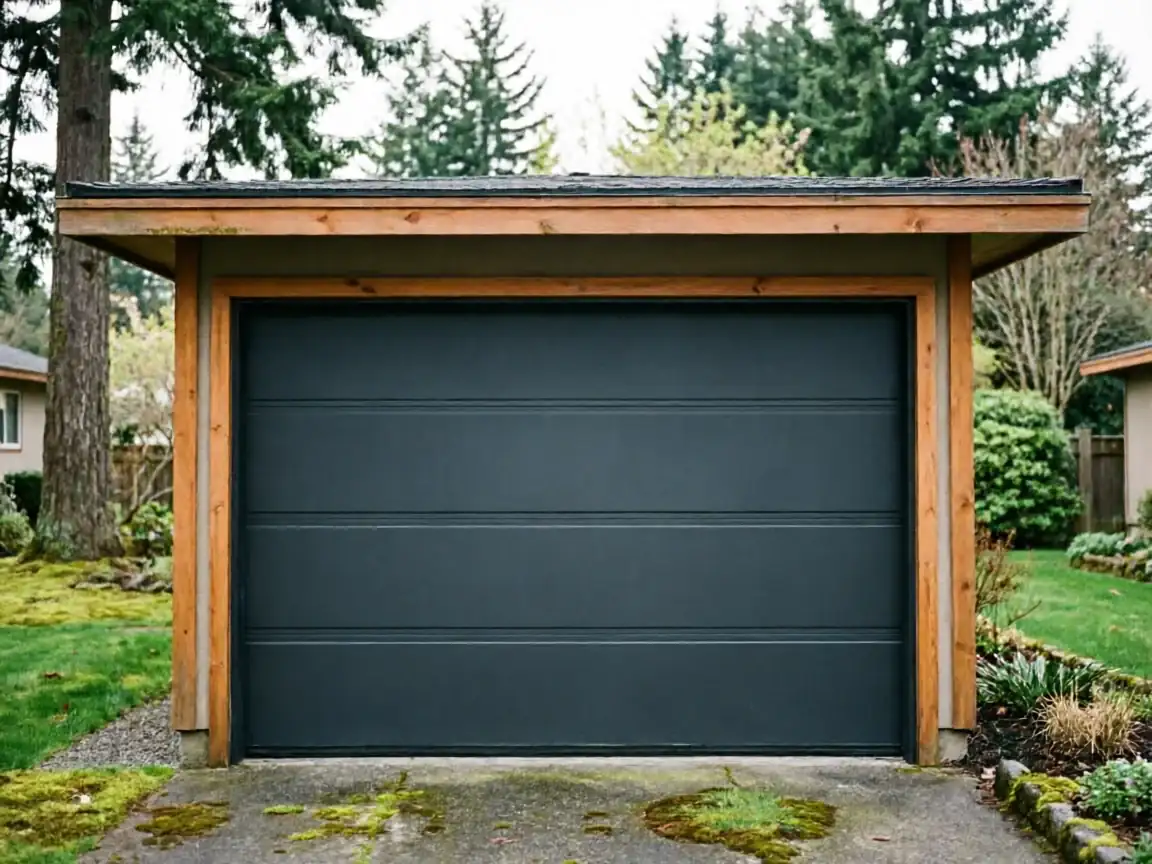
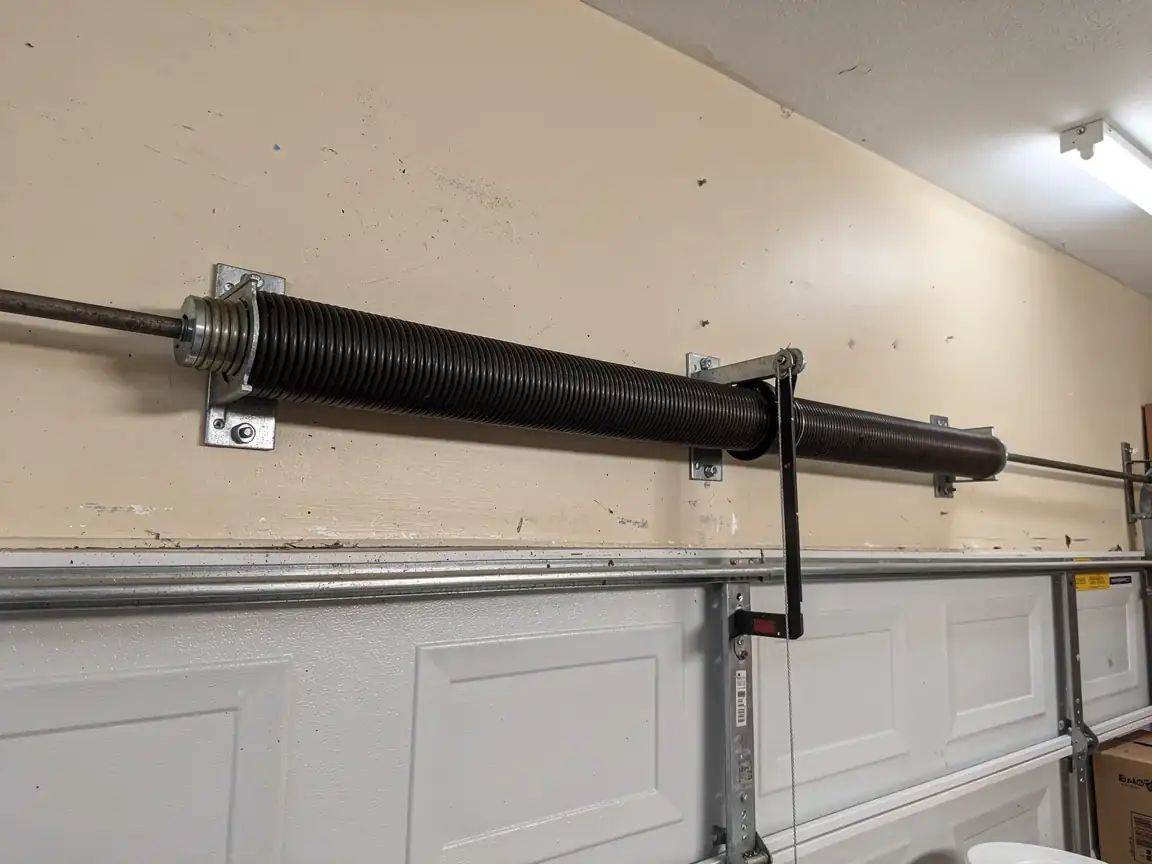
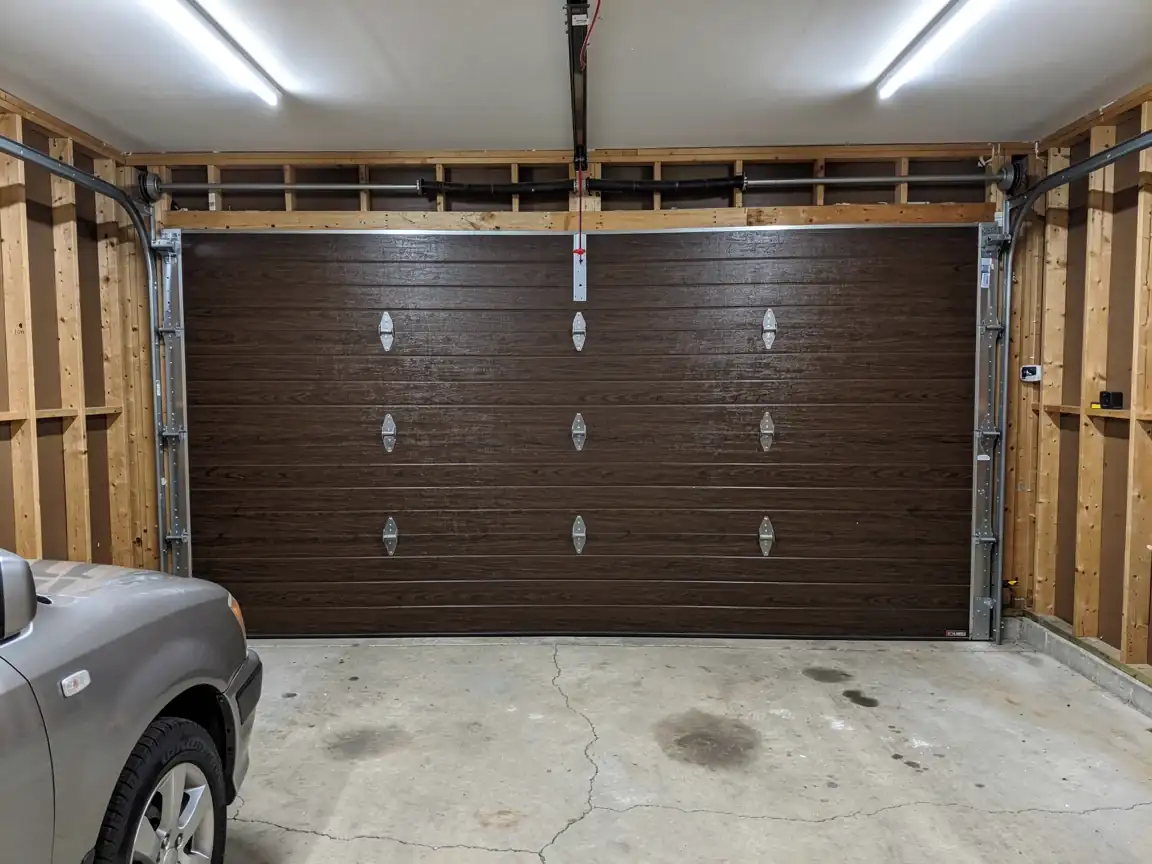
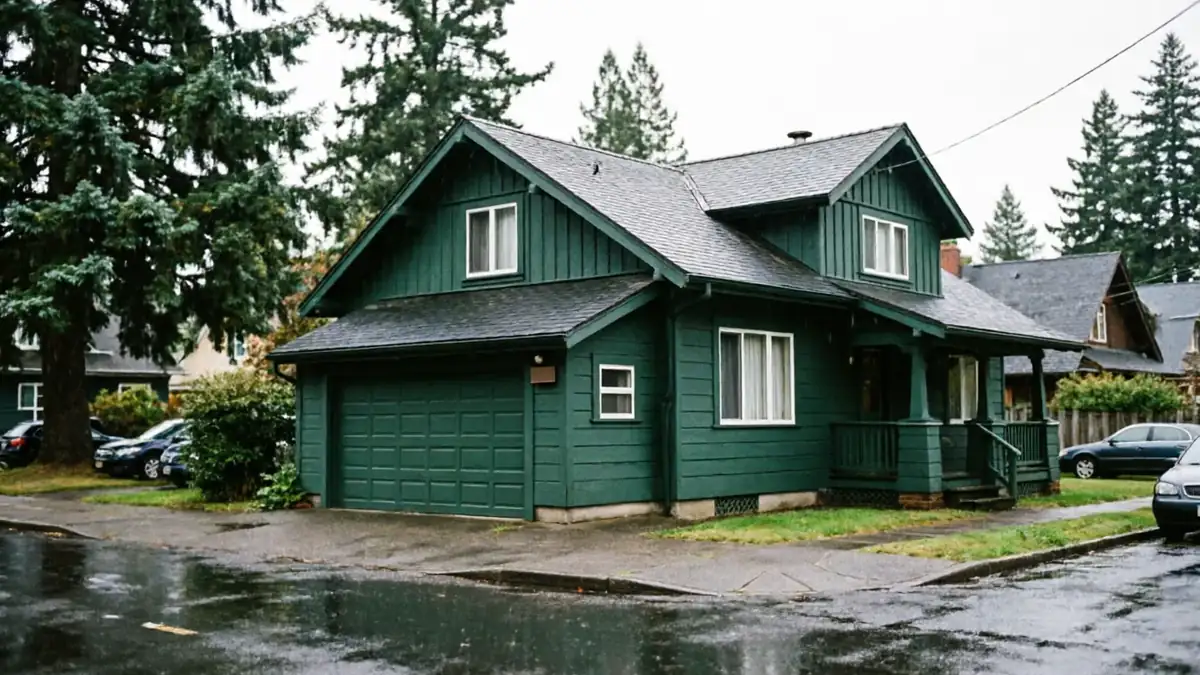
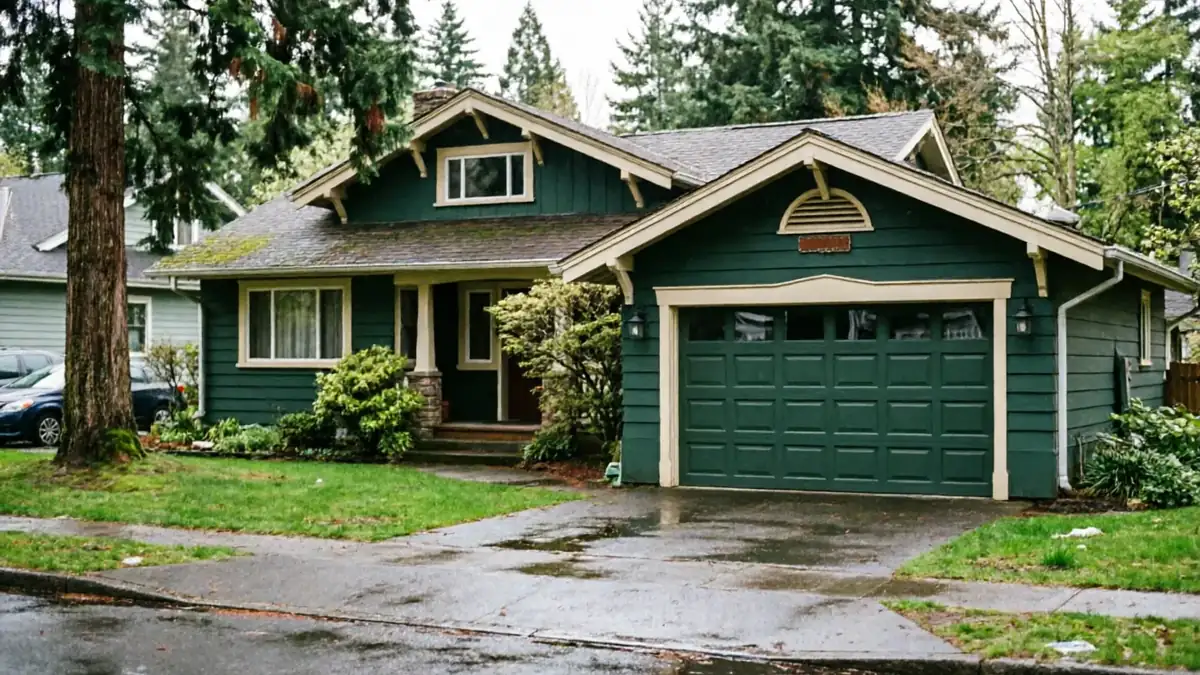
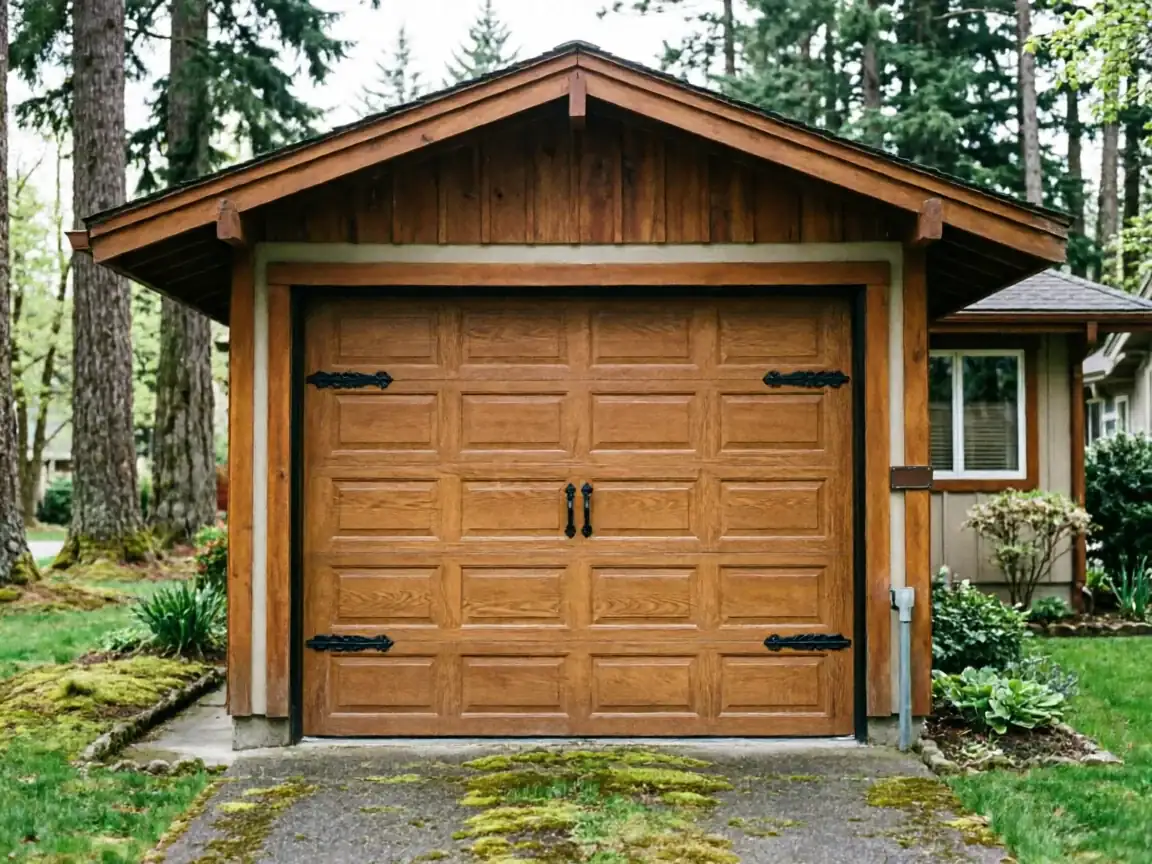
Veneta's median home was built in 1996, a good sixteen years newer than the typical house across the wider Eugene service area, where the median build year sits around 1980. That gap matters more than it sounds. A house built in the mid-90s almost always came with a factory steel sectional door on a torsion spring system with extension-style safety cables, not the older side-mounted hardware you find on a lot of 1970s construction. The springs are still original on plenty of these doors now, which puts them right in the window where torsion springs start to fatigue and snap - usually with no warning, just a loud bang and a door that won't budge. Openers from this era are often chain-drive units that have outlived their gears, so you'll hear grinding before you lose the opener entirely. We don't see much of the ancient one-piece tilt-up doors here that we run into in older parts of the area, because Veneta's housing simply wasn't around yet when those were standard. That's good news for parts - 1990s hardware is common and we stock for it.
What Neighbours Usually Call About
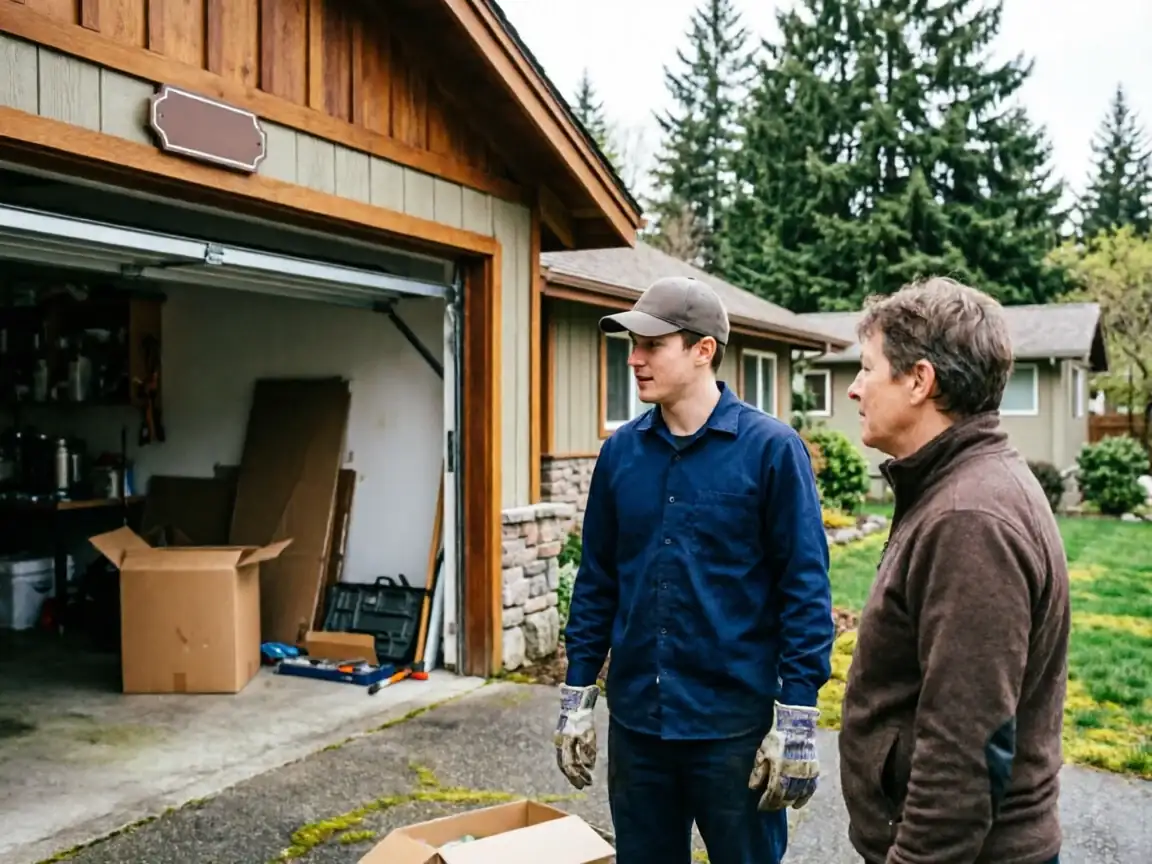
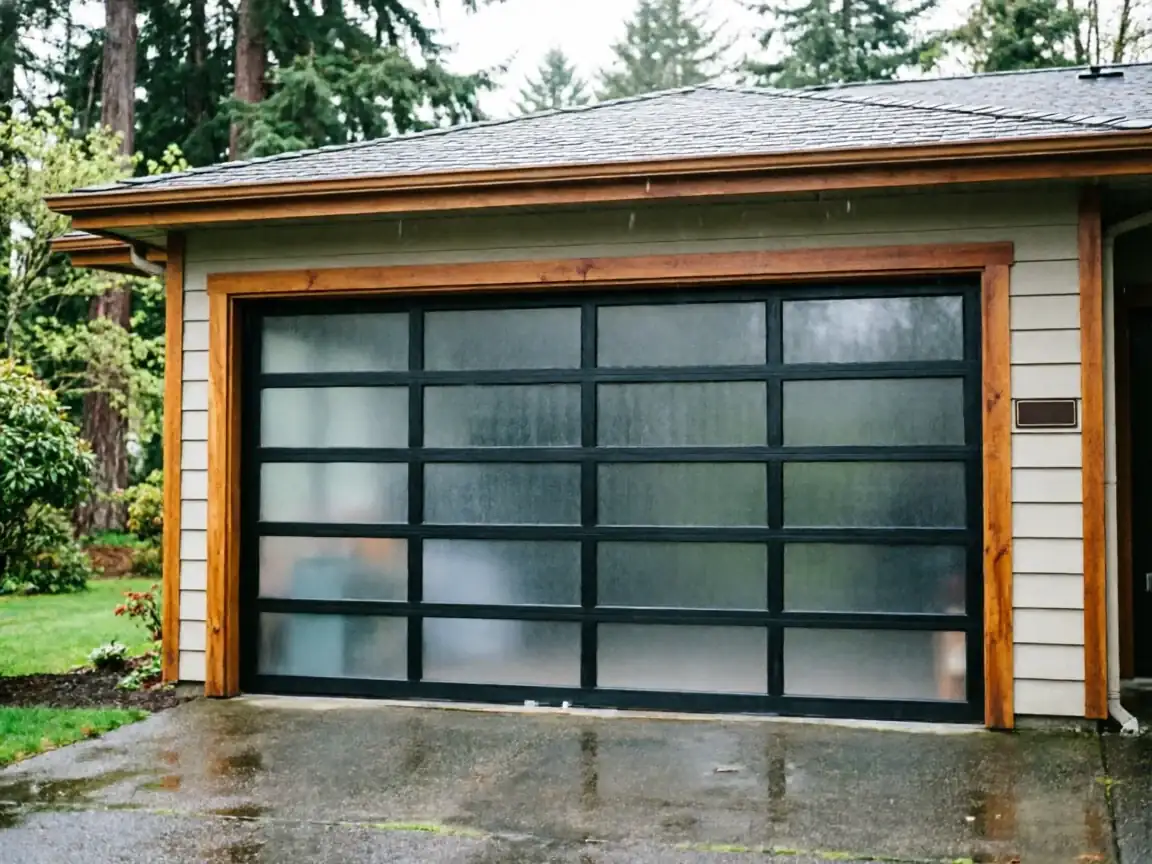
With roughly 2,295 households in the Veneta area and a median household income around $61,949, we see a lot of mid-market steel doors rather than high-end custom wood, and owners here tend to want a fix that holds rather than a full replacement if the door can be saved. The calls we get most are broken torsion springs on doors original to 1990s construction, openers that have started slipping gears or losing remote range, and rollers that have worn out their nylon and started binding in the track. Given the cold, moderate climate this area sits in, we also hear from people whose weatherstripping has shrunk and let a draft in, or whose steel panels have picked up surface rust where water sits at the bottom corner. None of that is unusual for a door approaching 25-30 years old. What's less common here than in older neighborhoods is full panel replacement due to rot or warped wood jambs - the newer framing just doesn't have that problem yet.
What Was Built Here
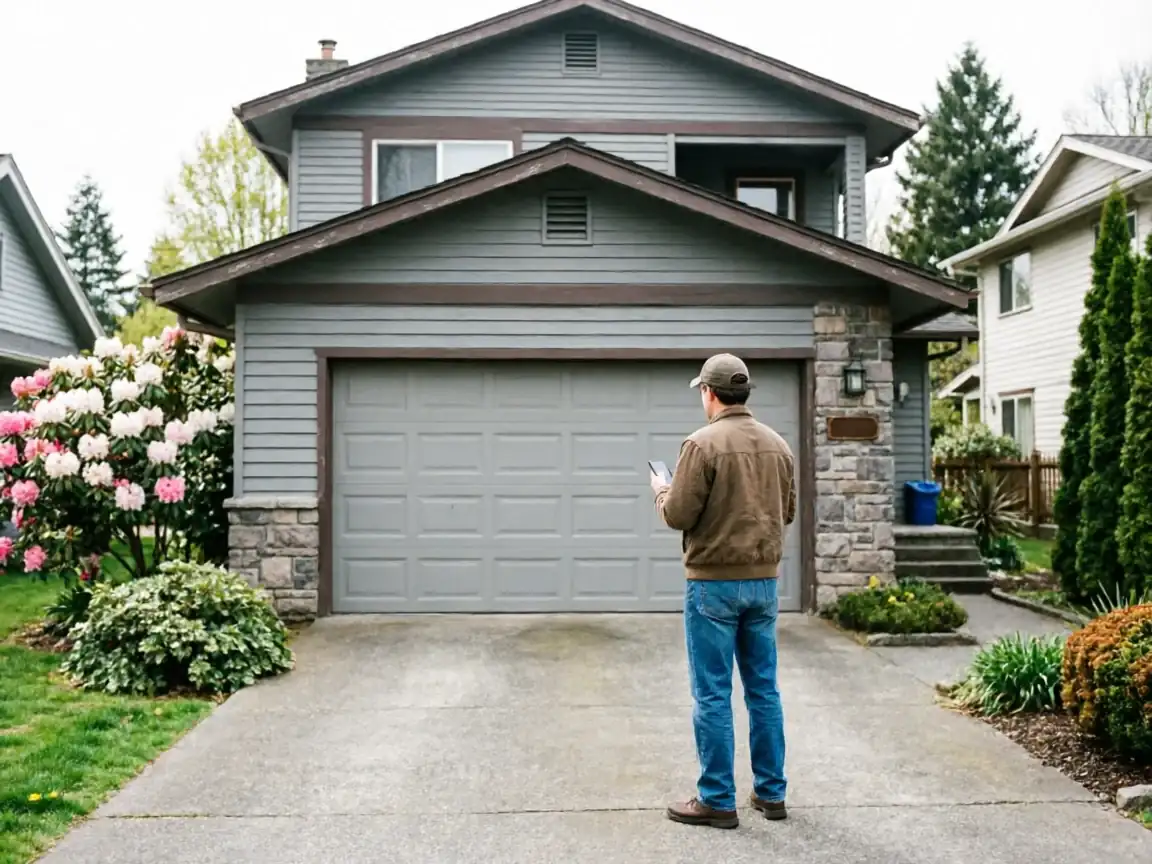
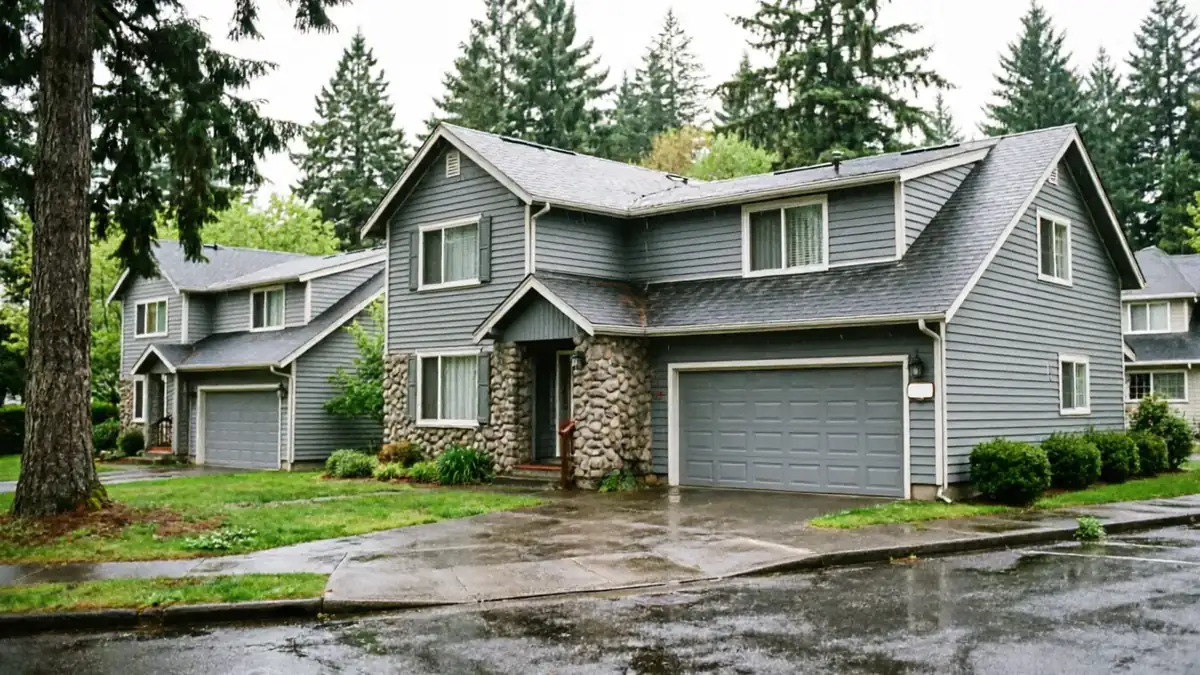
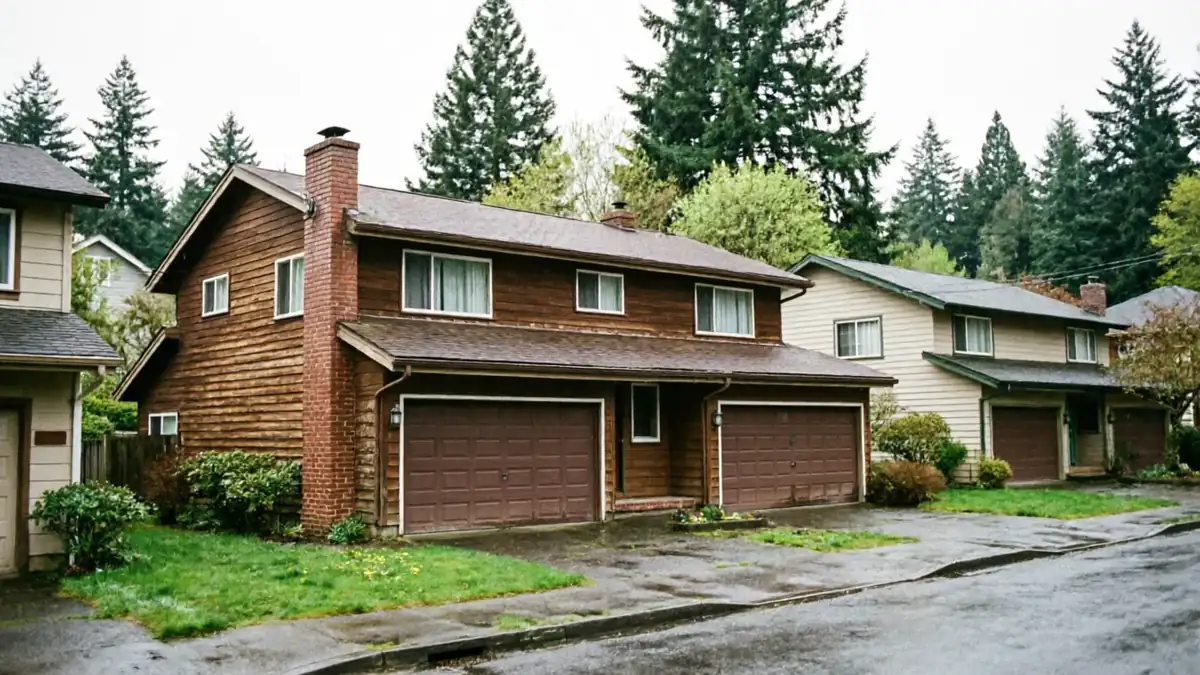
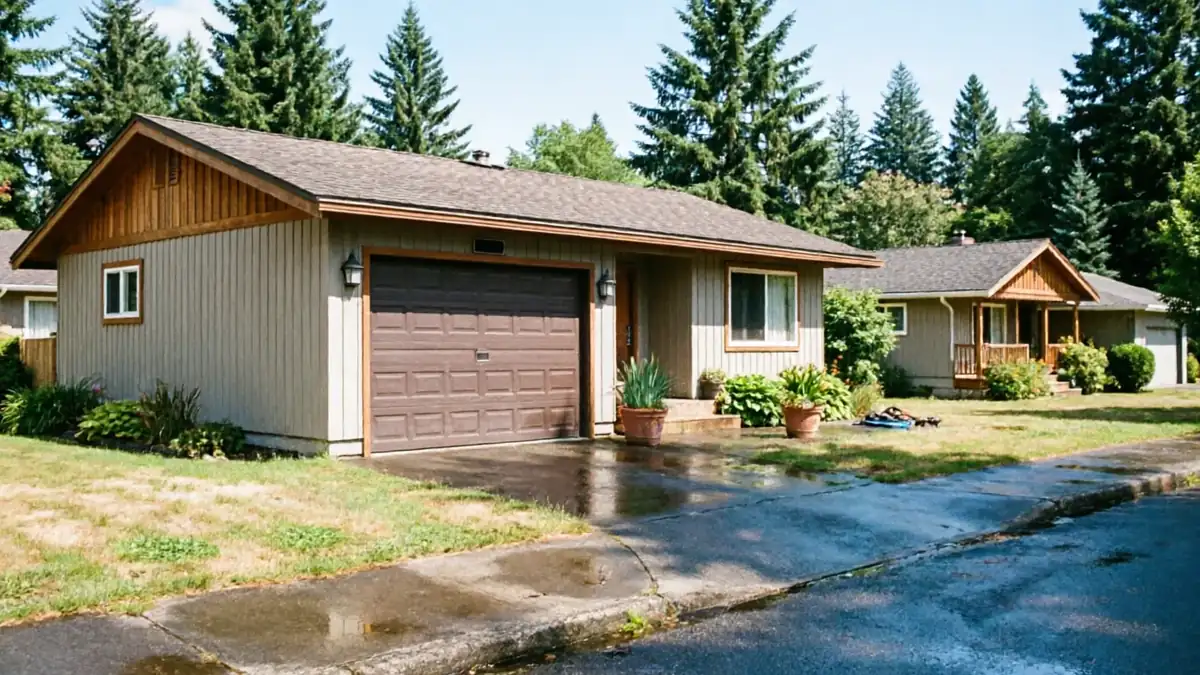
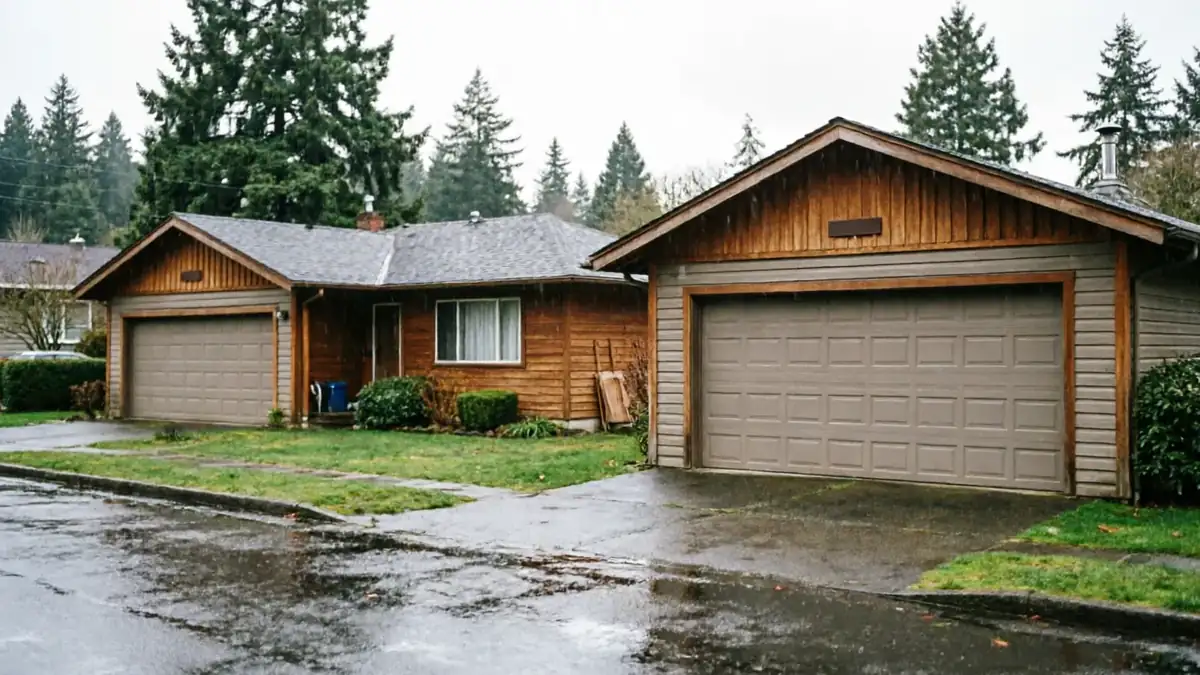
Veneta's housing is newer than most of the towns we cover out of Eugene, with a median build year of 1996 against a service-area median closer to 1980. That puts a big share of the area's roughly 2,295 households into homes built within the last three decades, which is a narrower, more consistent window than you'll find in older parts of the region where construction spans back to the 1950s. Practically, that means less variation in garage door types and sizes - fewer oddball openings, fewer doors that were clearly retrofitted after a remodel. It also means the parts that are failing now are failing for age reasons, not because the house itself has shifted or settled over seventy years. We don't have a bedroom count or a map of where the commercial block sits relative to the houses, so we're not going to guess beyond what the build year tells us: this is a town of younger housing stock dealing with a fairly uniform set of doors reaching the end of their original hardware's service life.