The Cost of This Job
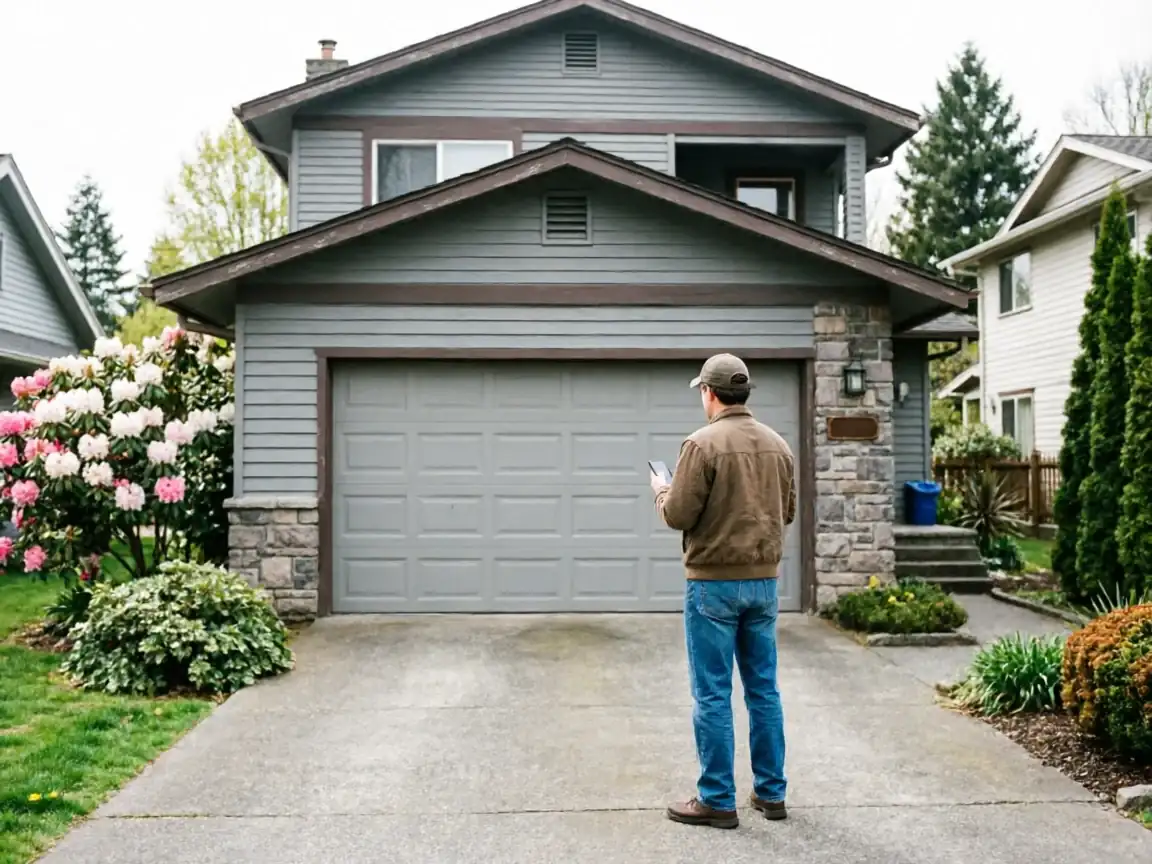
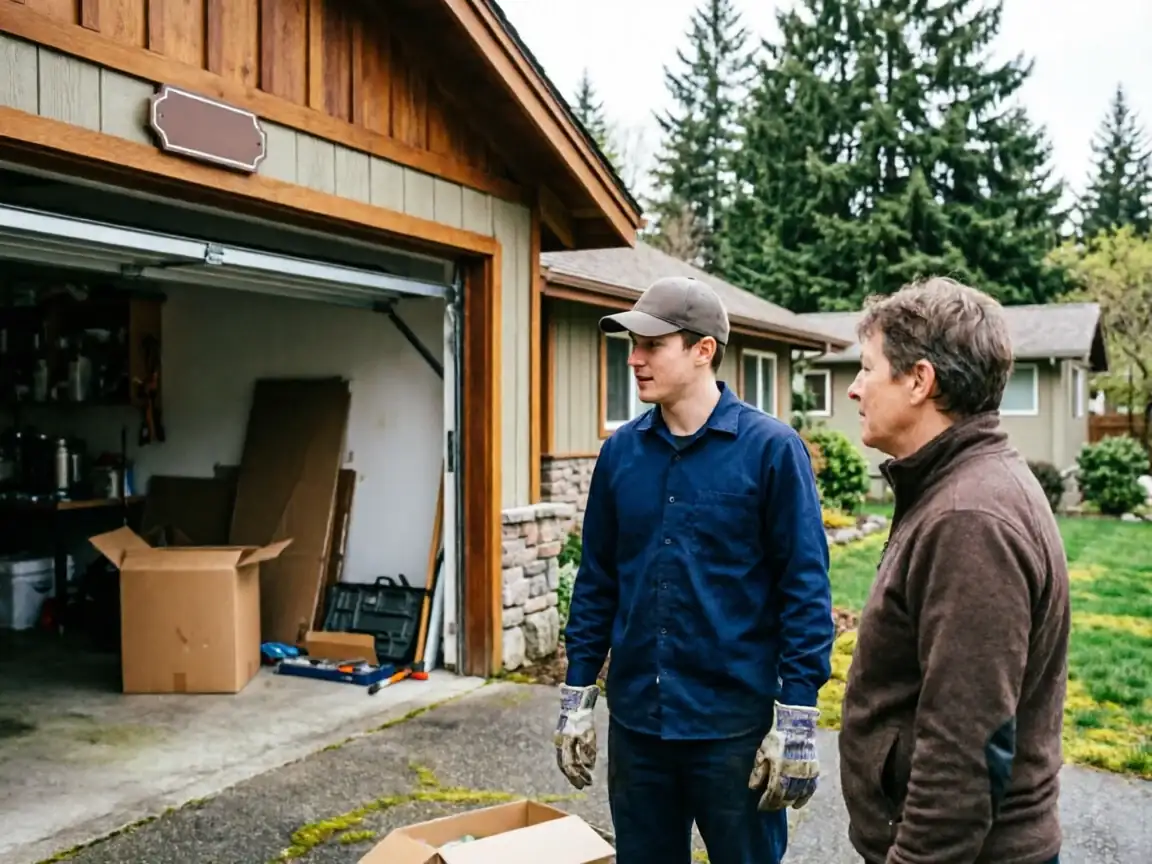
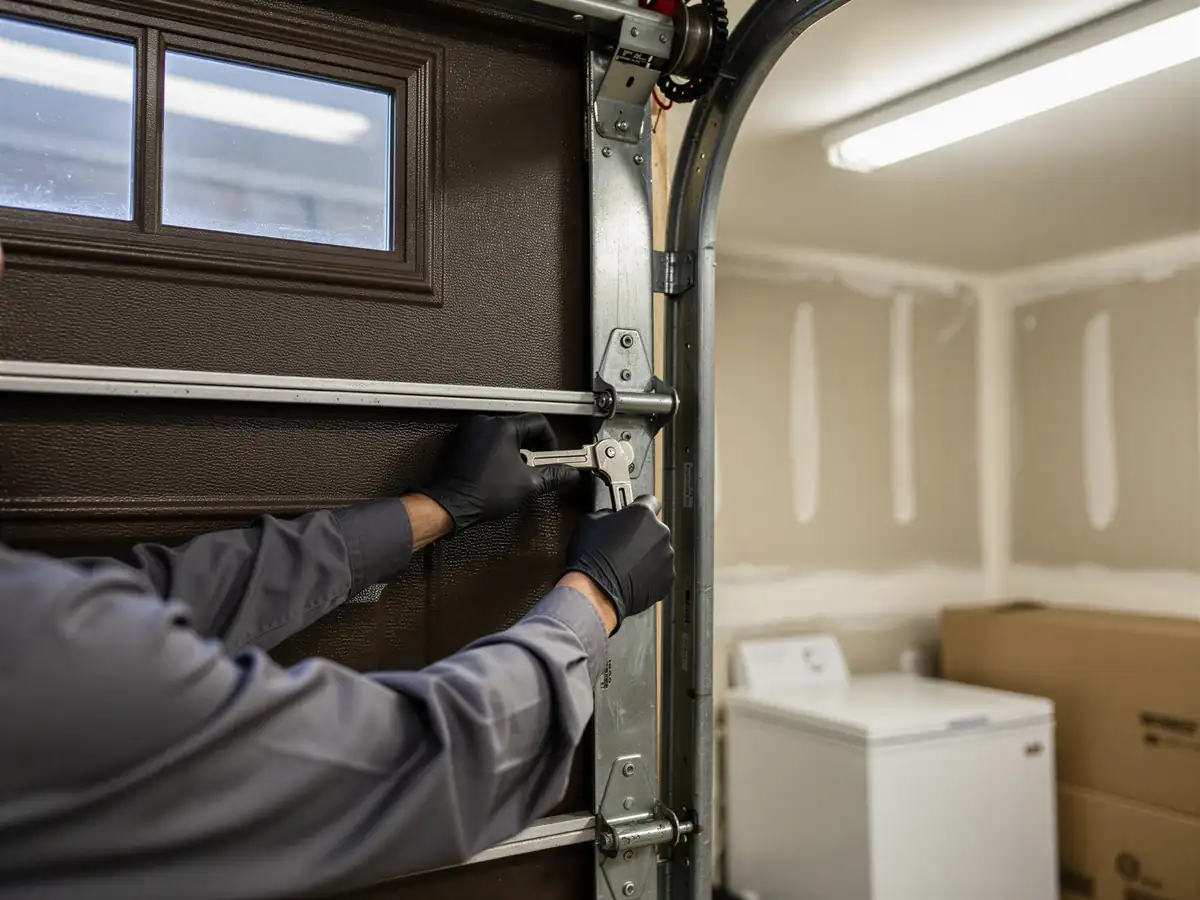
We don't have a flat number to give you here, and anyone who quotes one over the phone without seeing the door is guessing. What drives the cost on a spring job in this area is usually the age of the hardware, not the spring itself. A lot of houses around here were built between 1950 and 1997, with the median landing around 1980, and across the nine named areas we work in the stock is mostly 1980s and 90s construction. That means a good share of the doors still running original torsion or extension setups from that build window, and matching an old shaft size or drum takes longer than swapping a modern standard spring. If the opener, track, and cable are all original too, a spring call can turn into a bigger job once we're up there. One thing we're straight about: we won't sell you a full door replacement if a spring and a cable are all that's actually wrong, but we also won't pretend a 40-year-old torsion bar is worth patching forever.
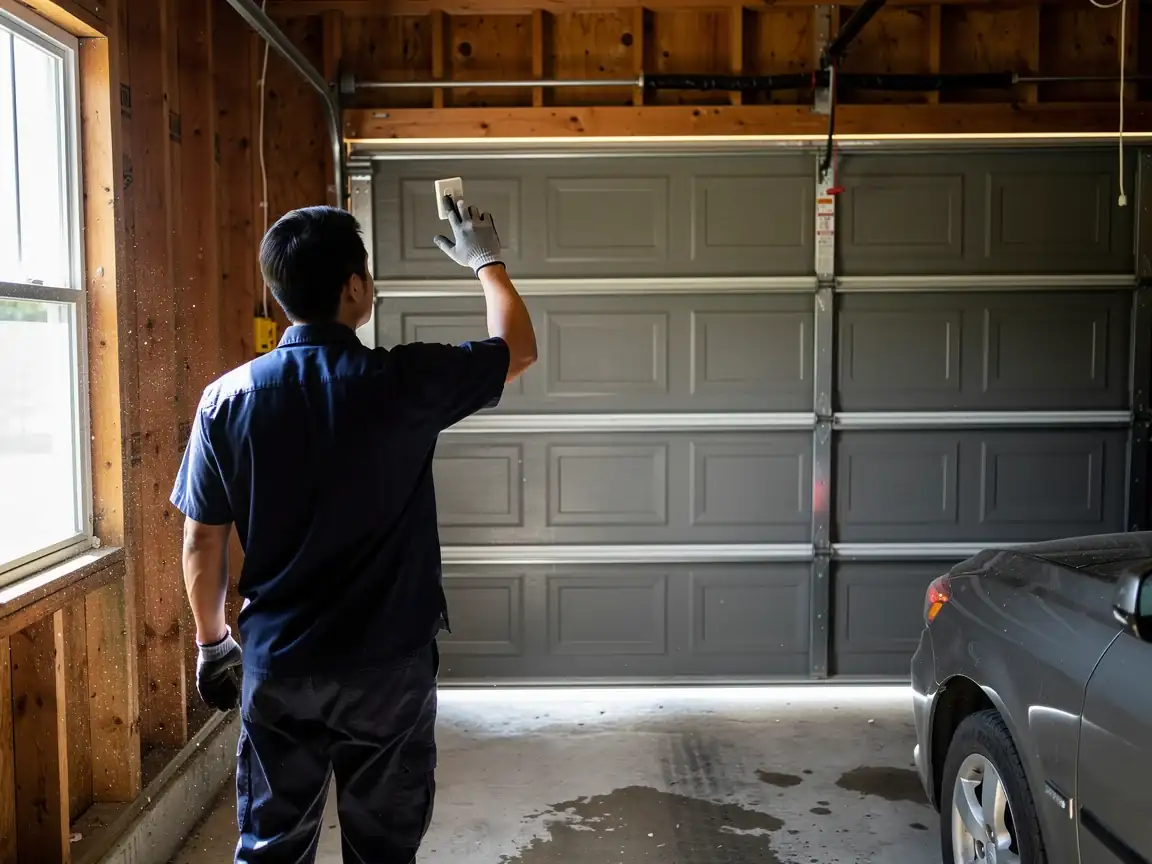
If the spring broke and the door won't move, don't try to force it open with the opener. That's how you strip a gear or bend a track, and now it's two repairs instead of one.
What to Check
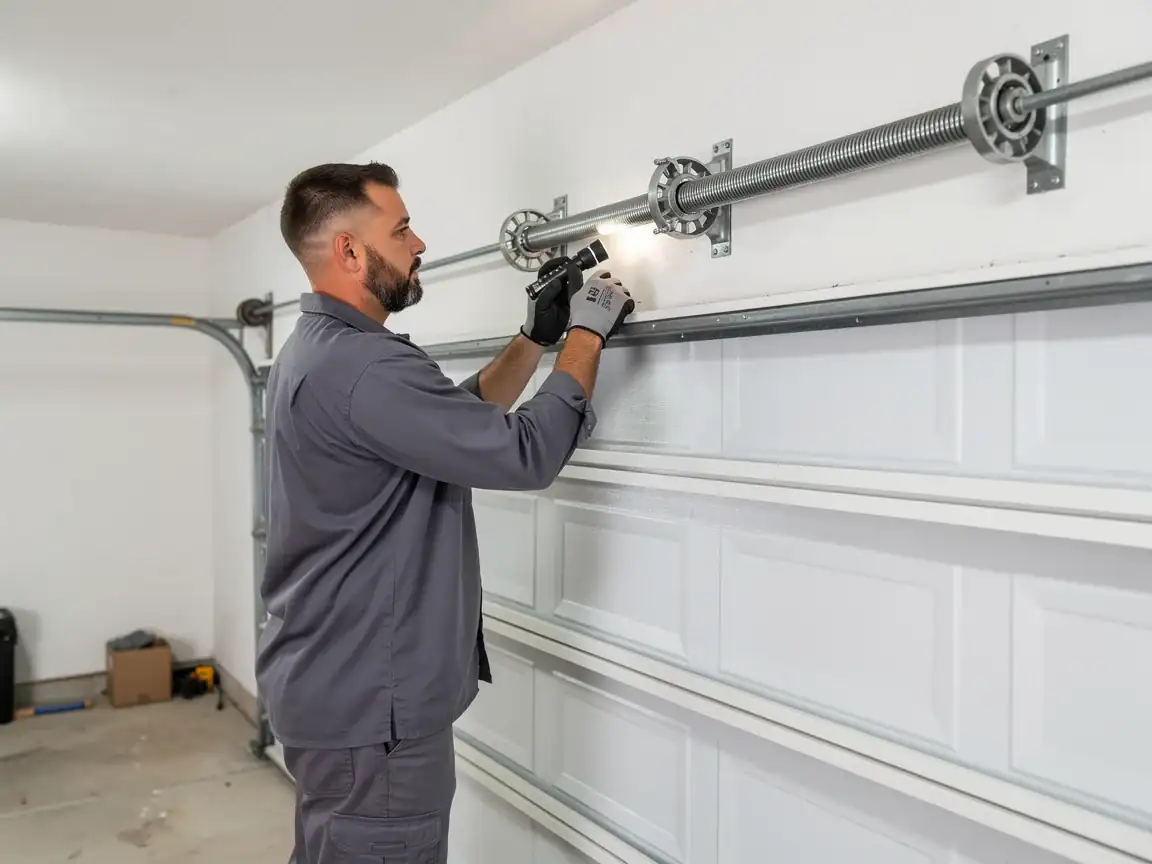
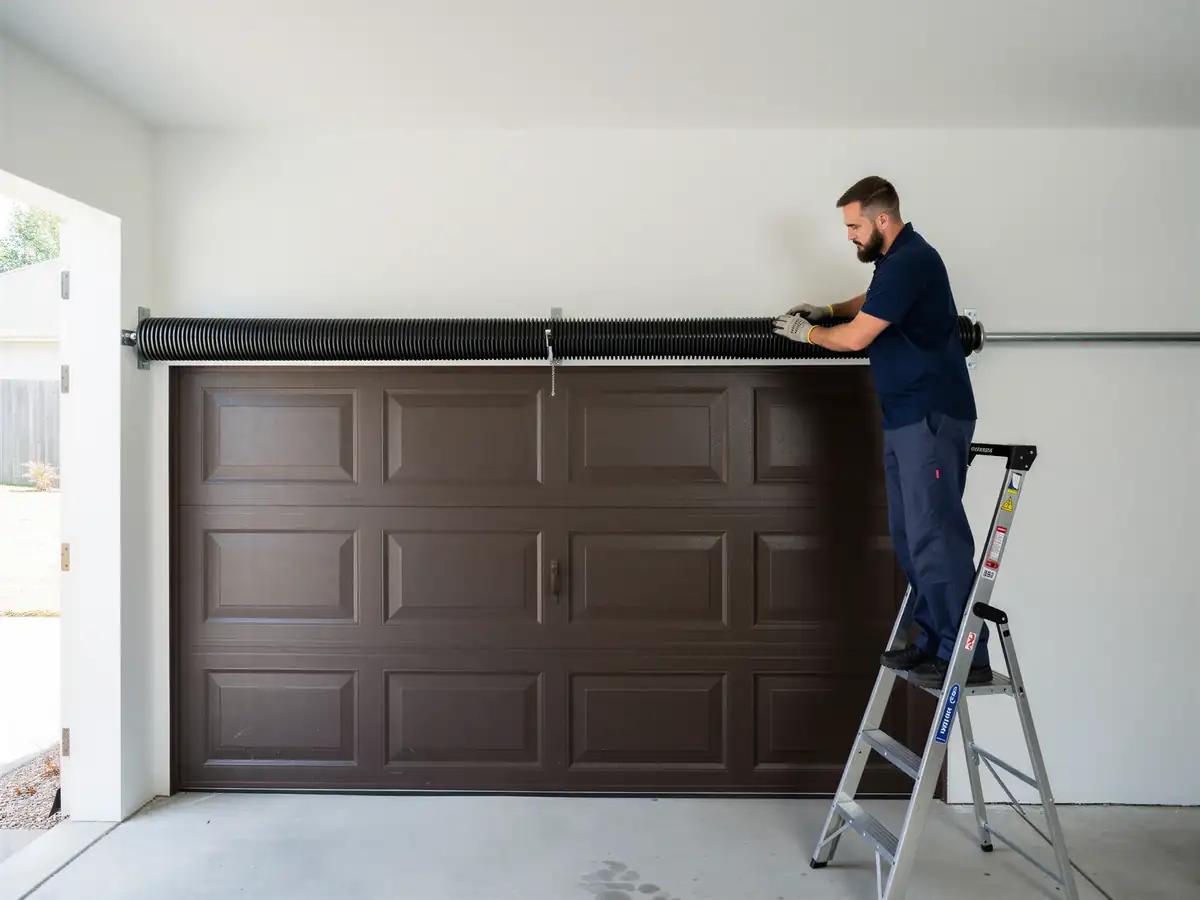
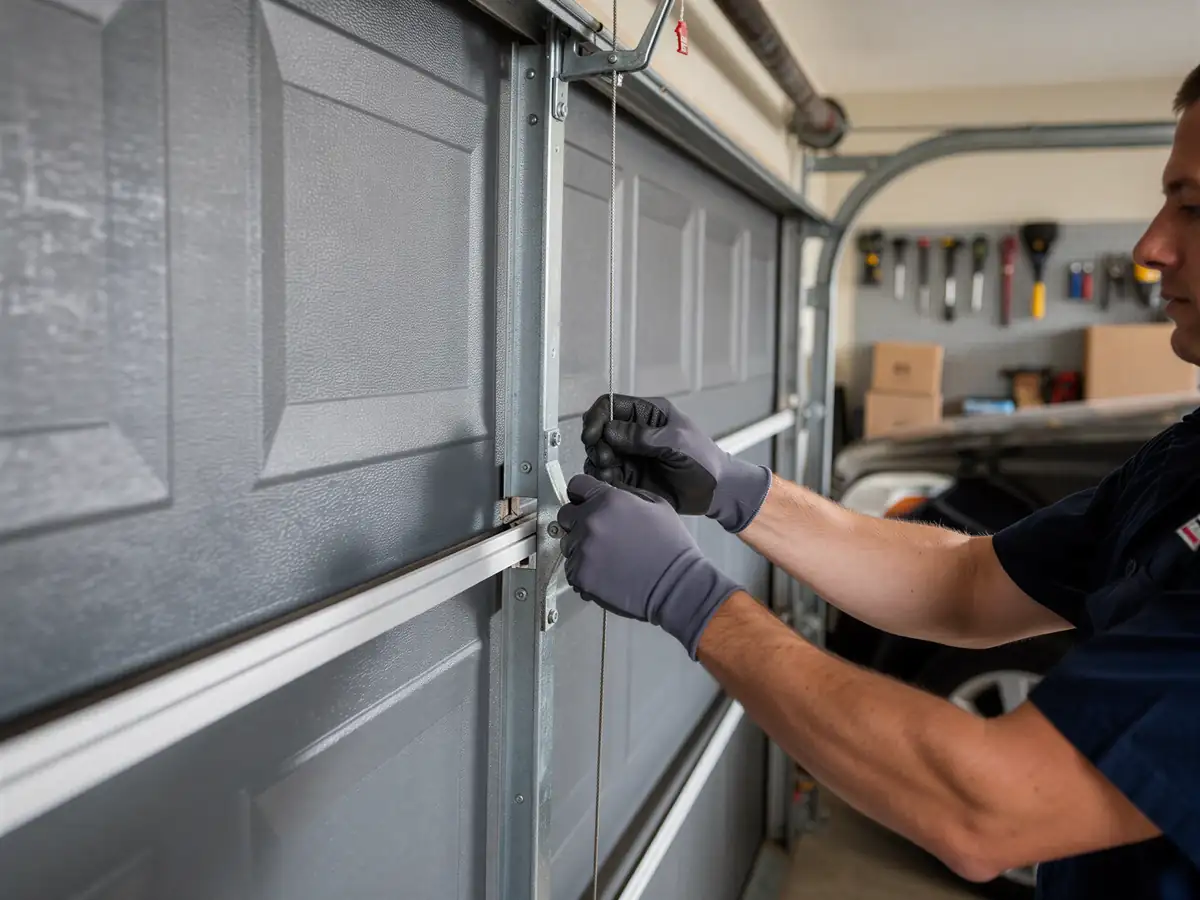
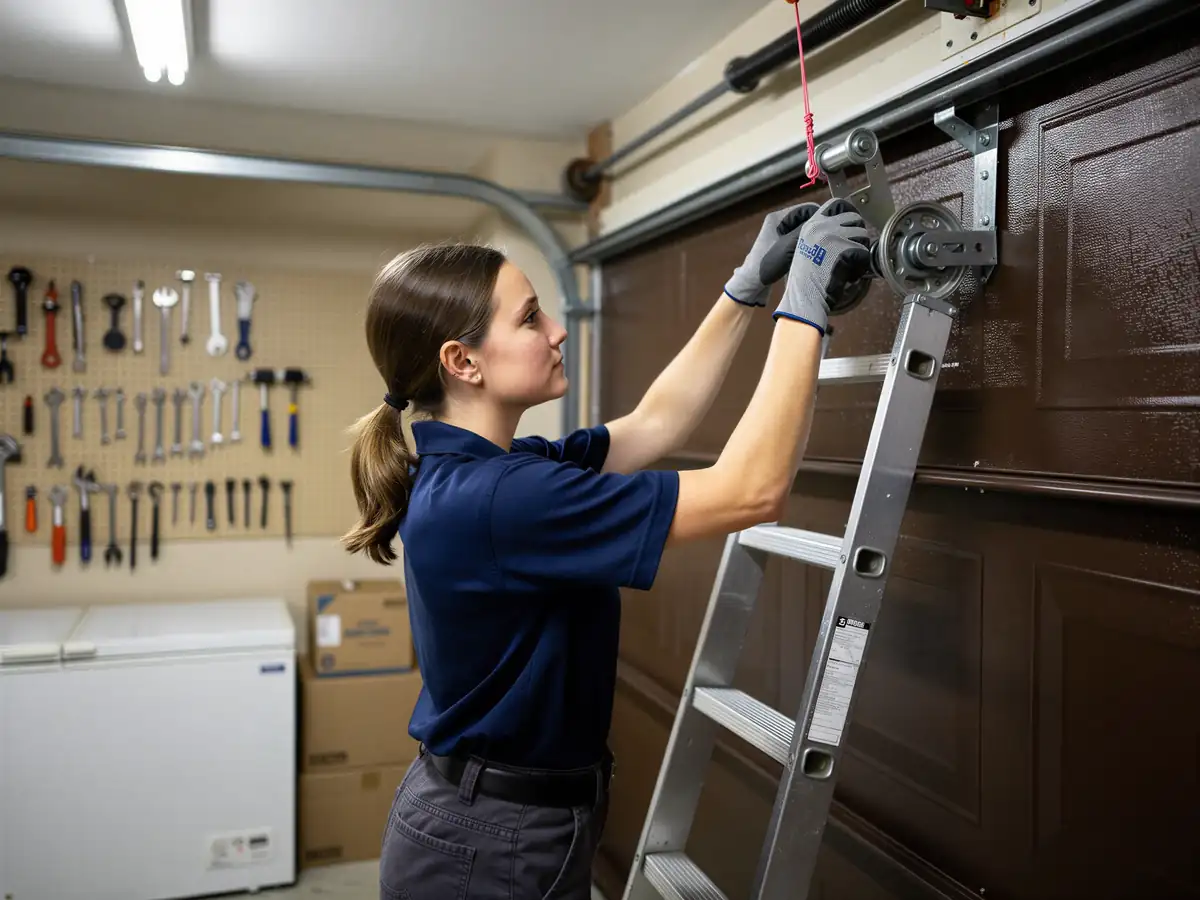
Look at the spring itself first - it sits above the door on the horizontal bar if you've got torsion springs, or alongside the upper tracks if it's an older extension setup, which shows up more in some of the pre-1980 houses mixed through areas. A broken torsion spring has a visible gap where it's split in two. Extension springs usually show a stretched, loose coil hanging slack. Second, check the cables on either side of the door for fraying near the bottom bracket - on original hardware from the 1950-1997 stock common around here, these cables are often as old as the spring and go not long after it. Third, don't skip the rollers; if they're the original steel rollers instead of nylon, cold weather makes the track noisier and rougher, which is often what gets mistaken for a spring problem when the spring is actually still fine. If you're in one of the closer-in areas like with a lot of 80s and 90s builds, the hardware age is usually consistent enough that one visible failure point tells you what else on the door is close behind it.
What Local Conditions Do
The cold-moderate band Eugene sits in isn't severe enough to crack a slab or warp a steel panel the way a harsher climate might, but it is enough to stiffen grease, shrink metal tolerances slightly, and make a worn spring's final cycles rougher than they'd be in summer. That's the real local factor: not extreme cold, just enough of it, applied to a housing stock where median construction dates to 1980 and much of the surrounding area - from Springfield seven miles out to Creswell and Junction City at eleven - shares that same build era. A door that's handled twenty mild Eugene winters without complaint can go in a single cold stretch once the spring's wire has fatigued past its margin. None of this means you need to replace a door early. It means a spring that's making noise or feels heavier to lift by hand in December is worth a look before it breaks on its own schedule. Across roughly 14,398 owner-occupied houses in the service area, the wear pattern is the same: it's rarely the door that fails first. It's the spring.