How That Shows Up in the Door
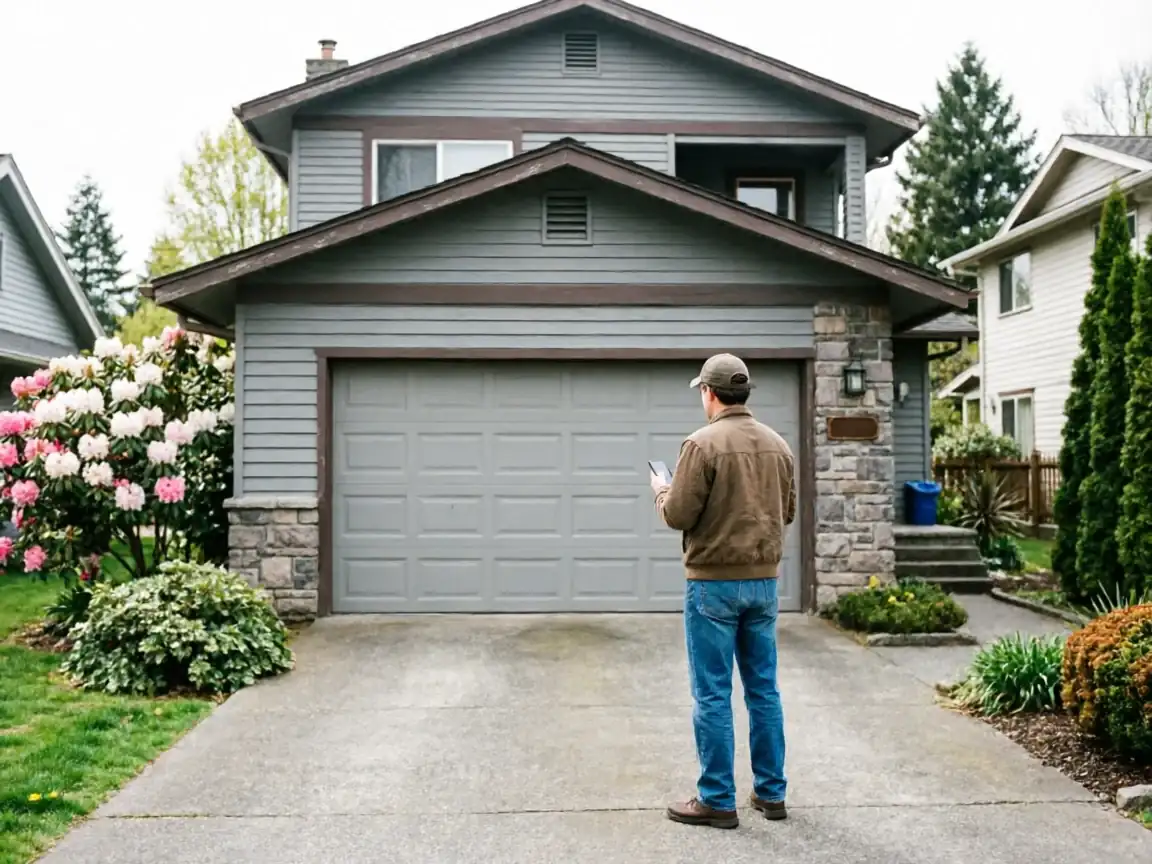
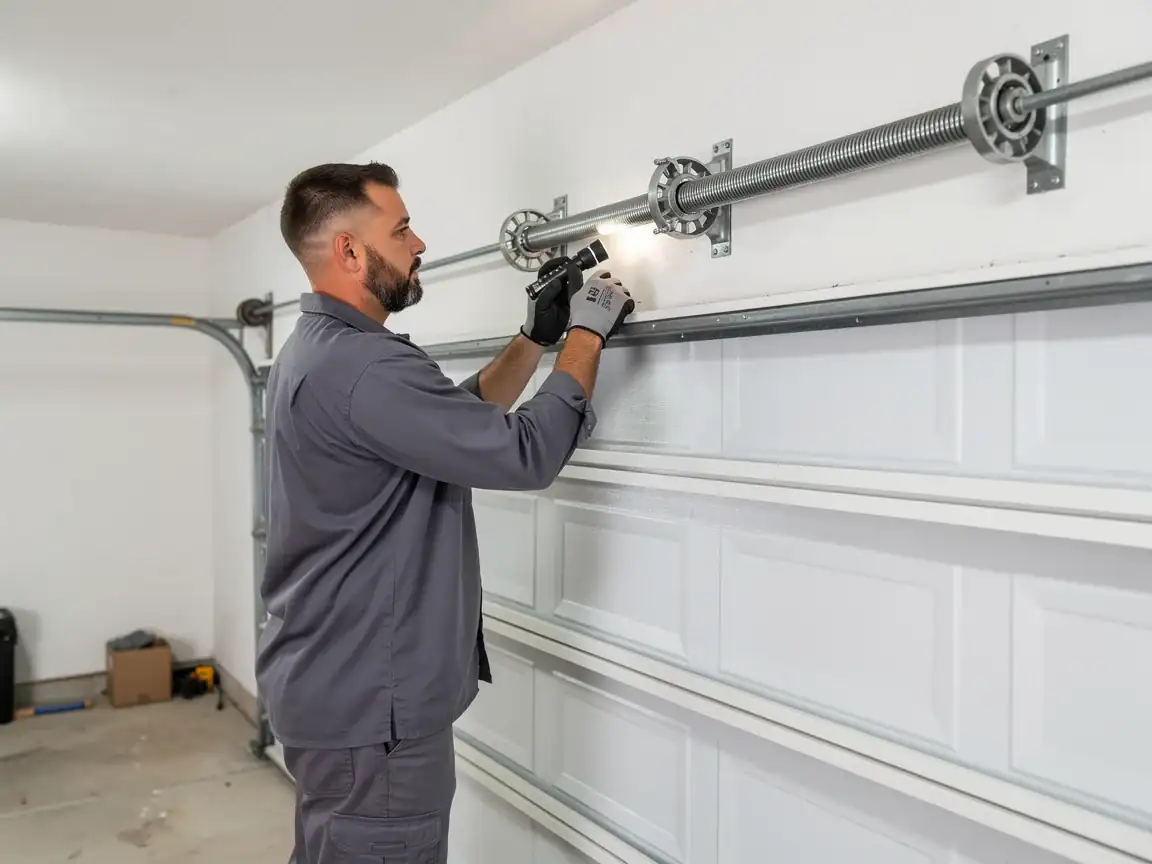
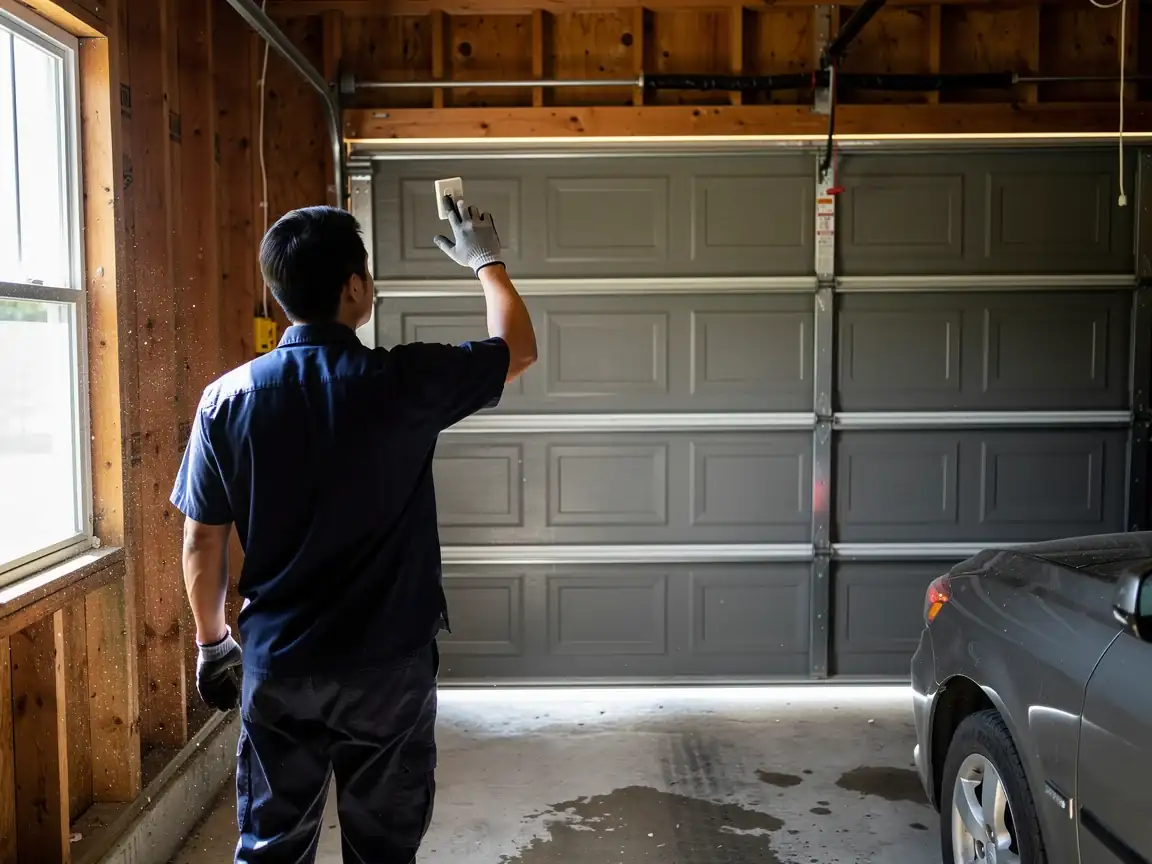
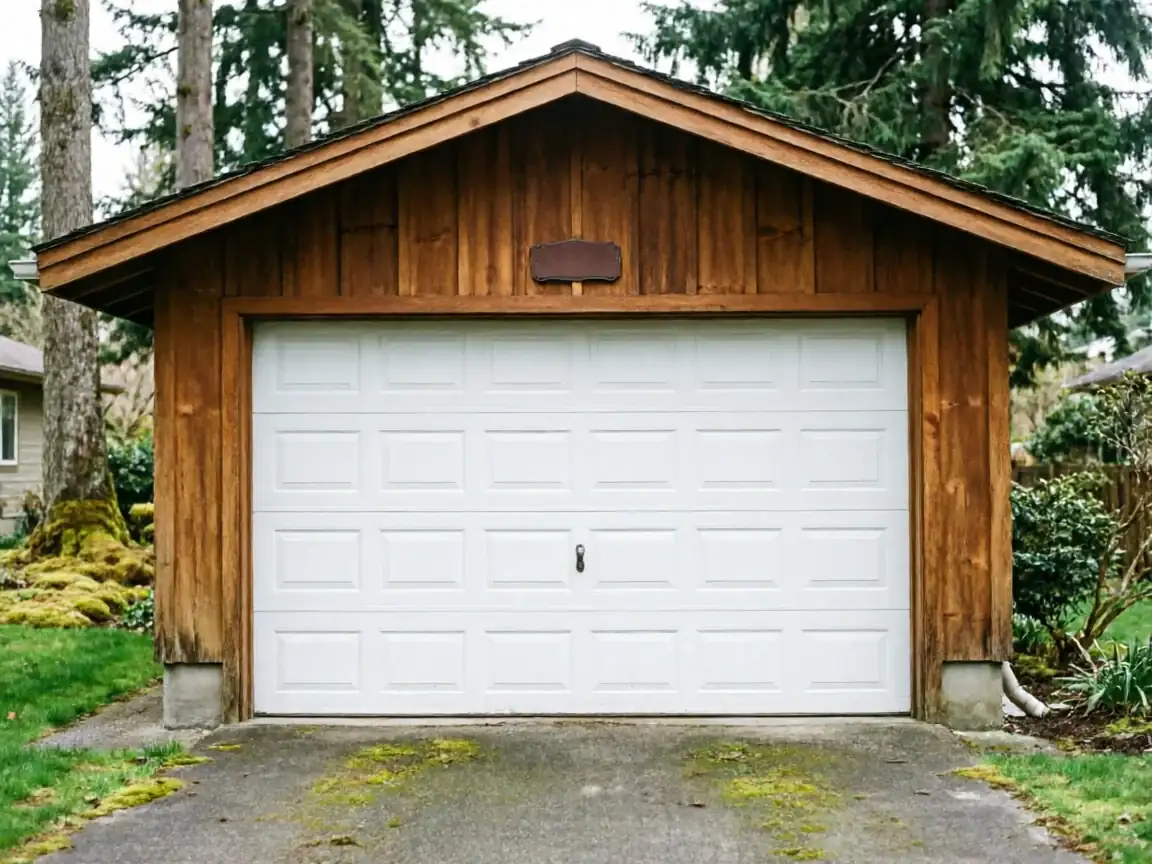
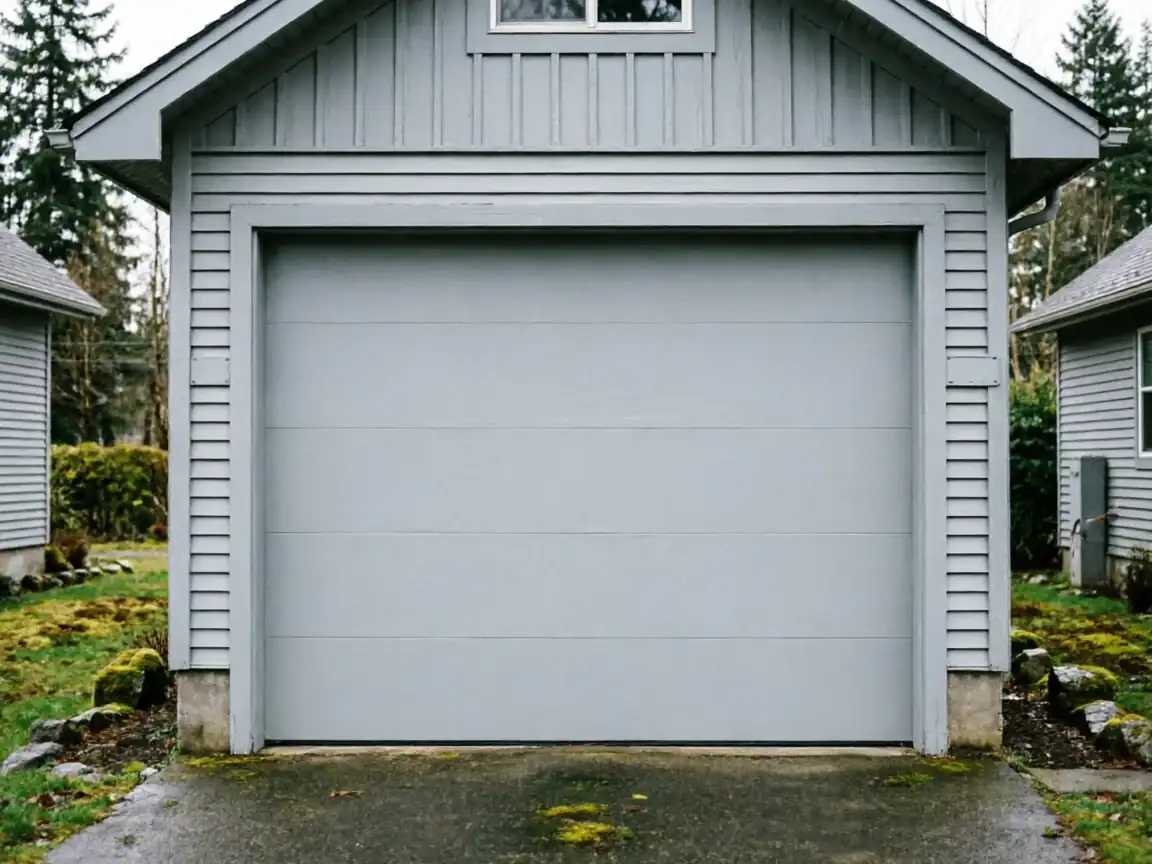
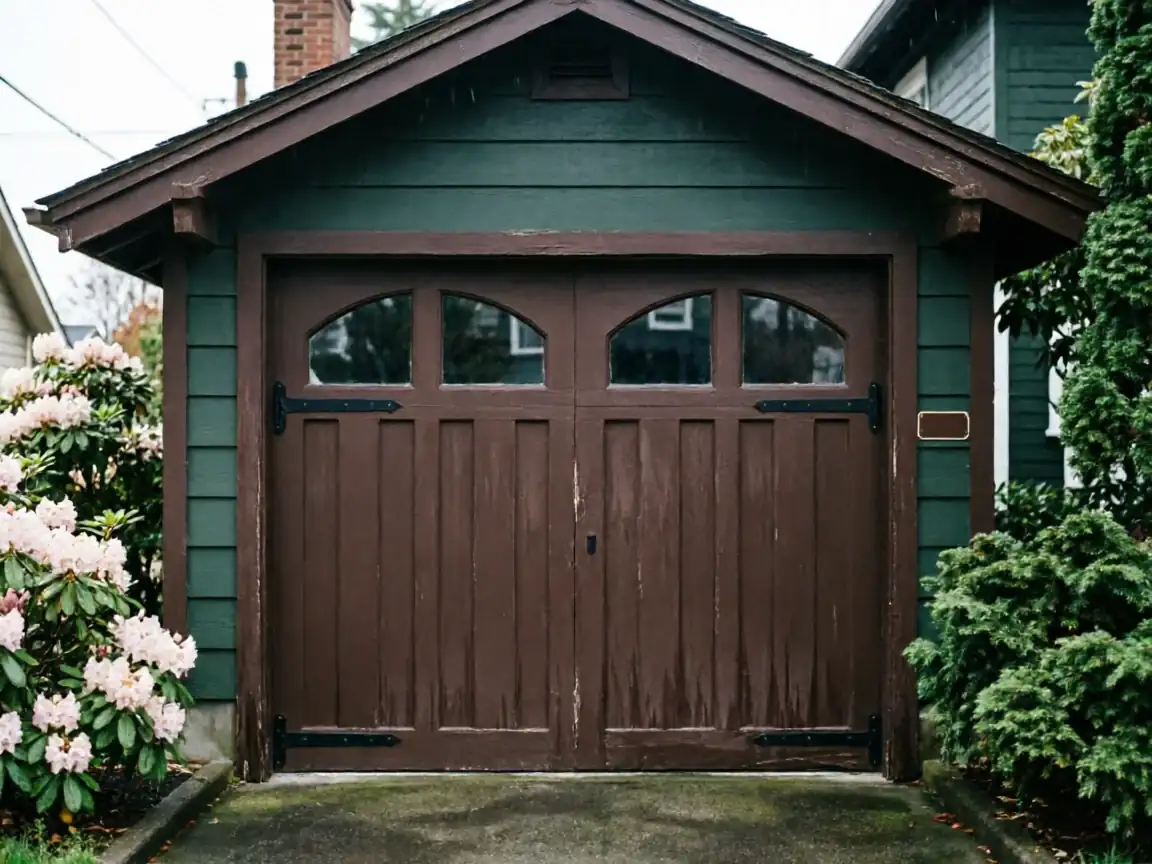
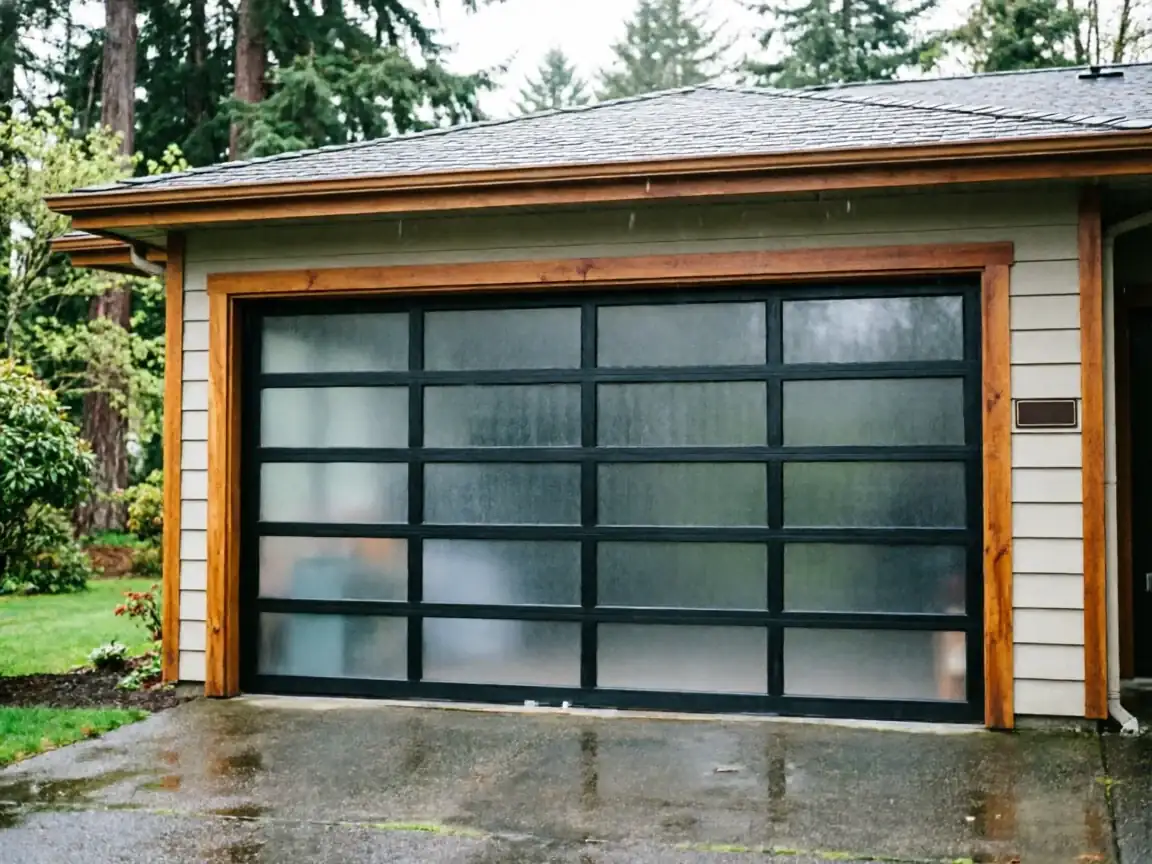
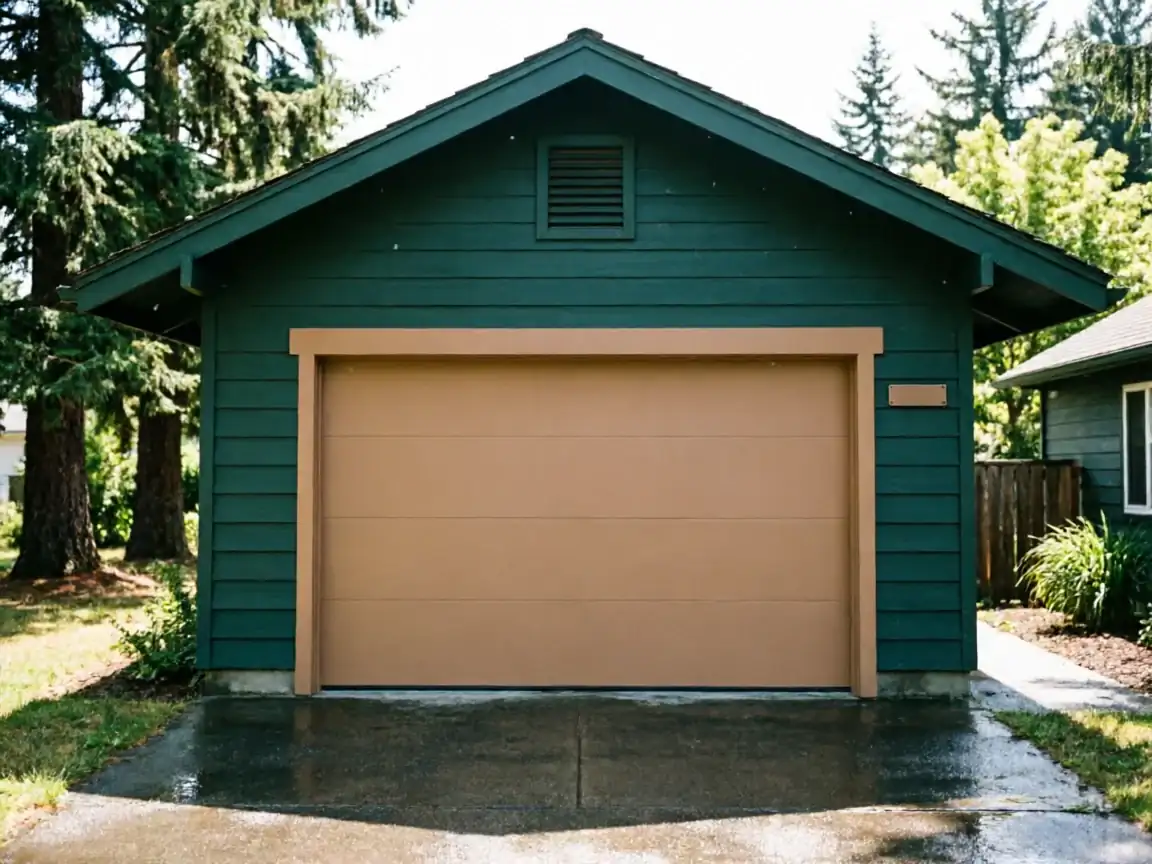
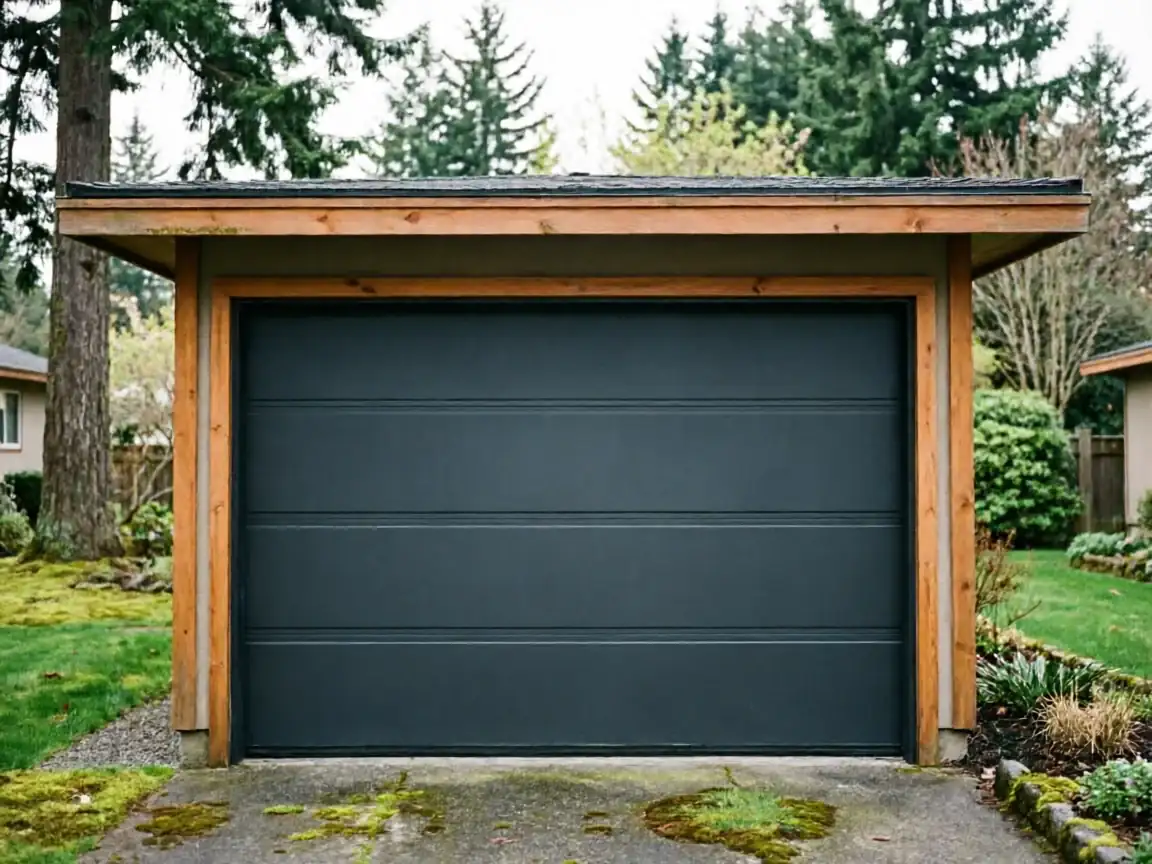
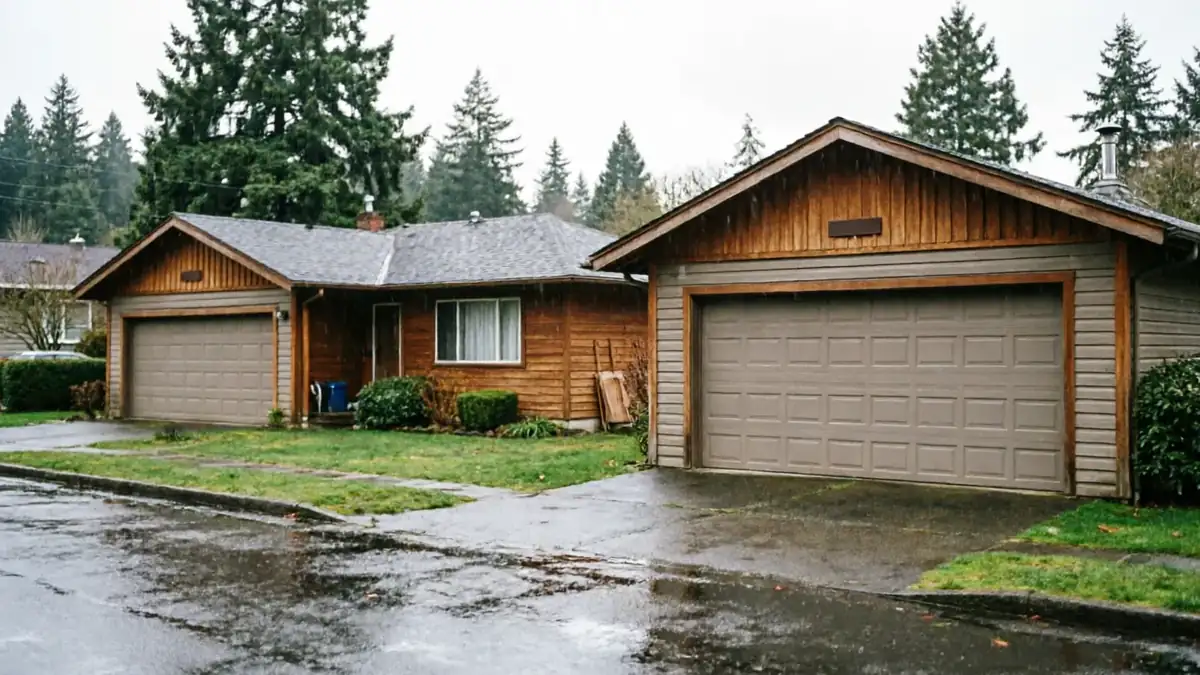
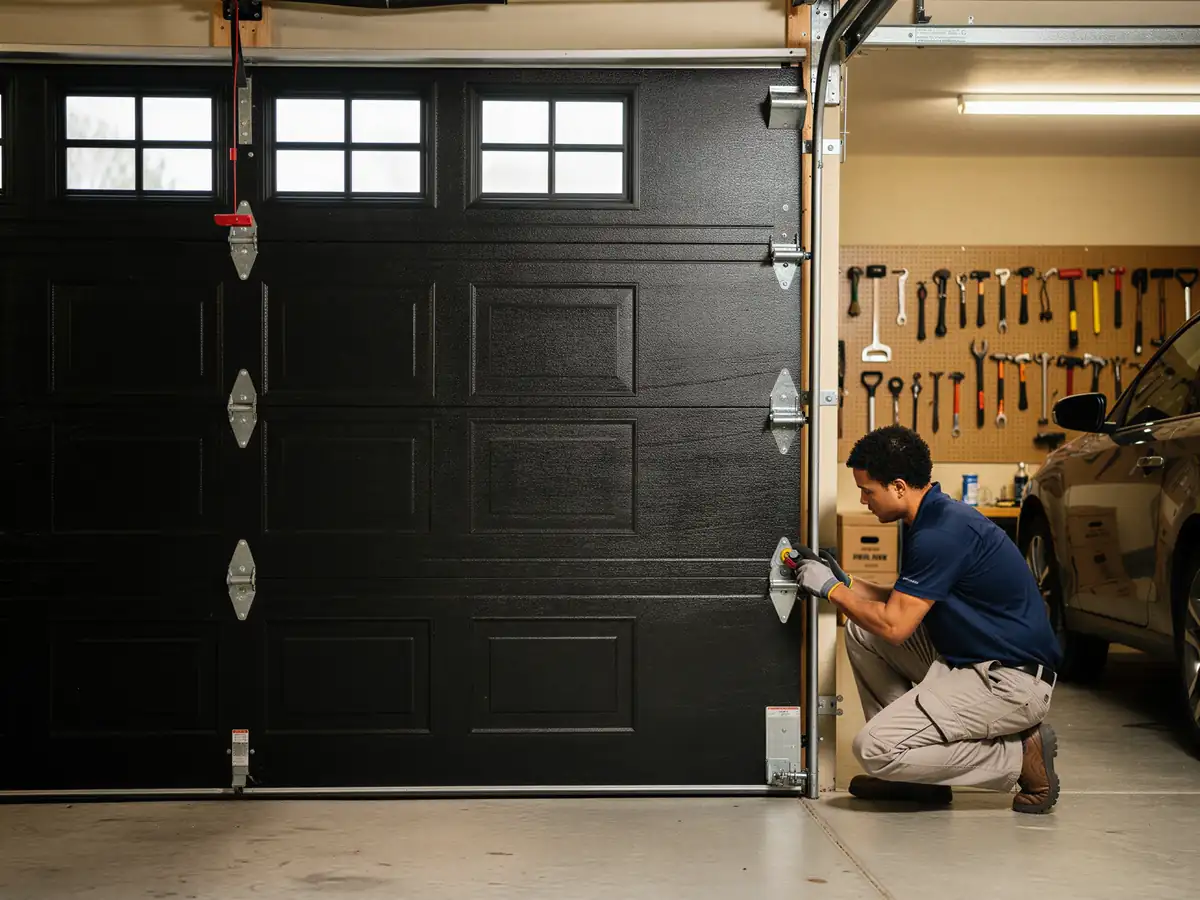
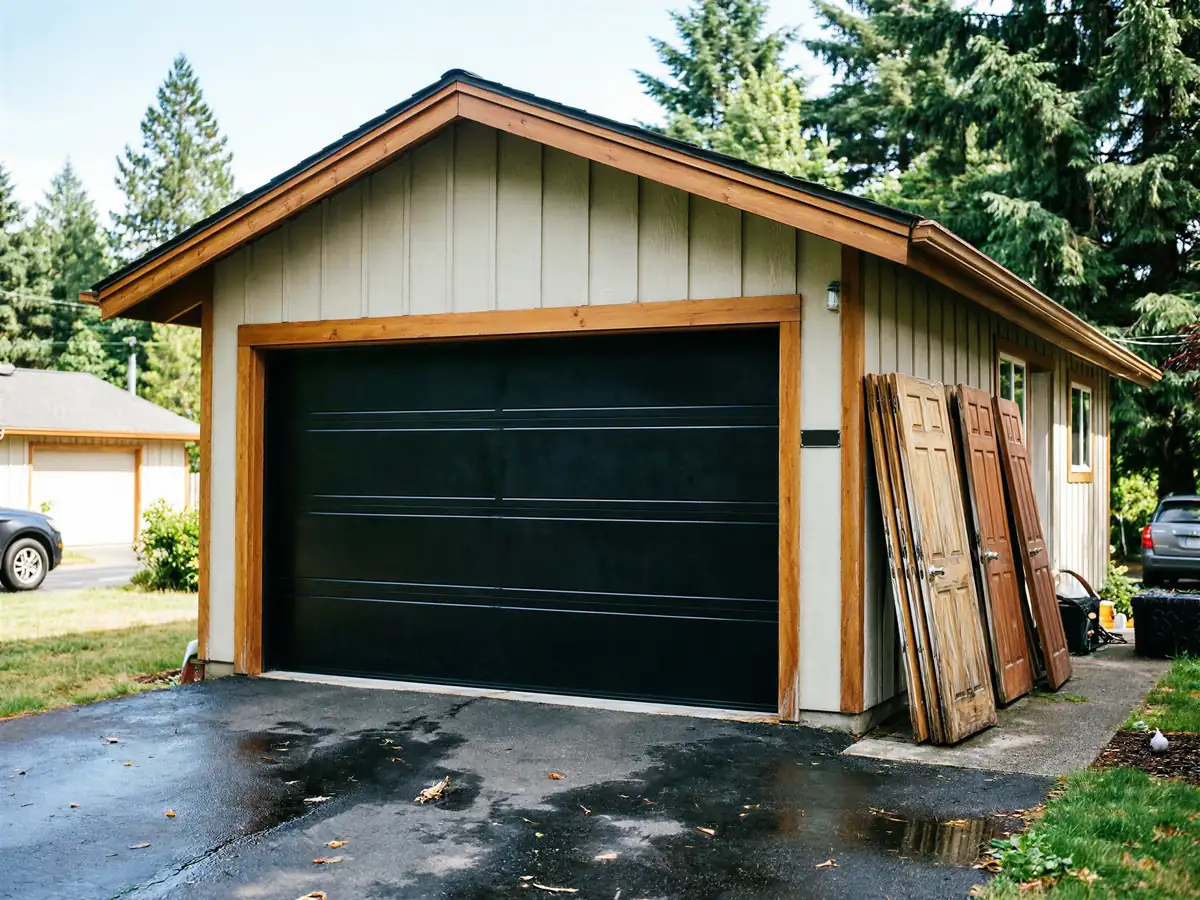
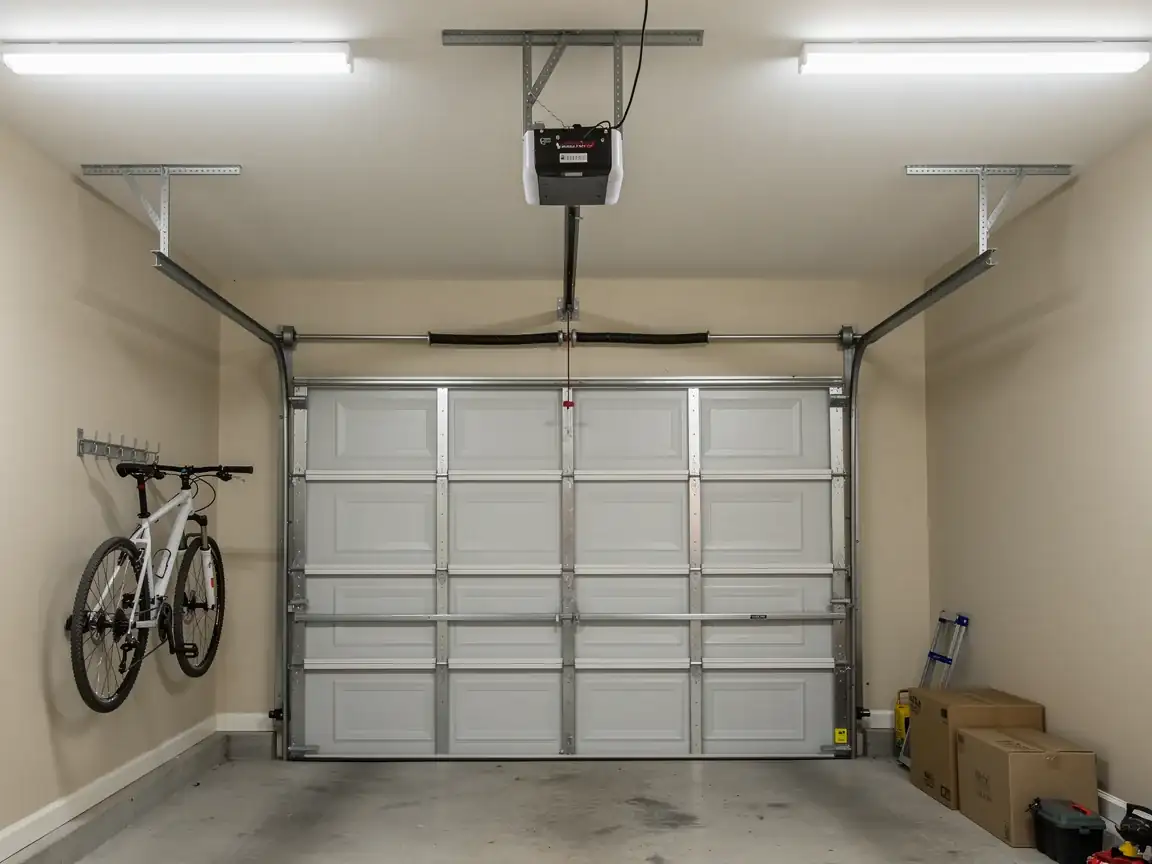
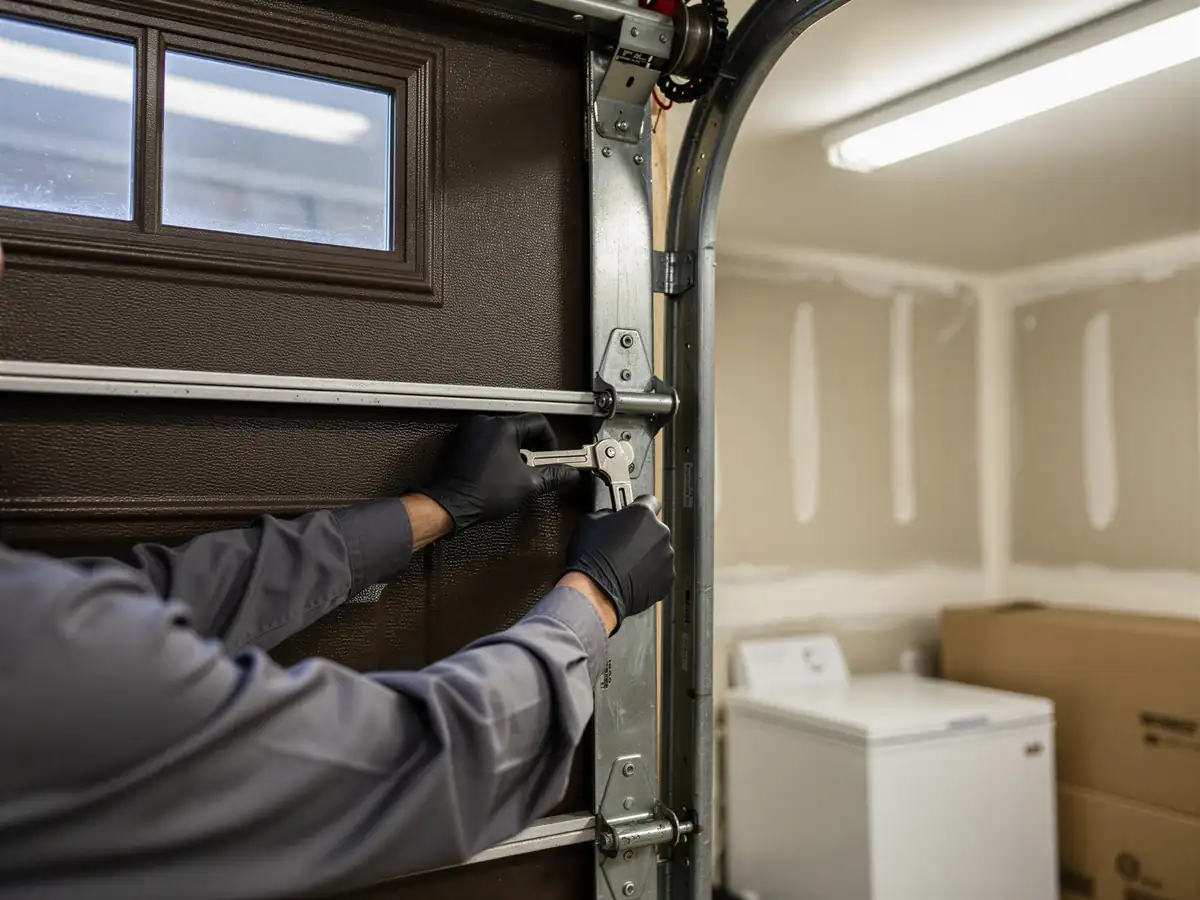
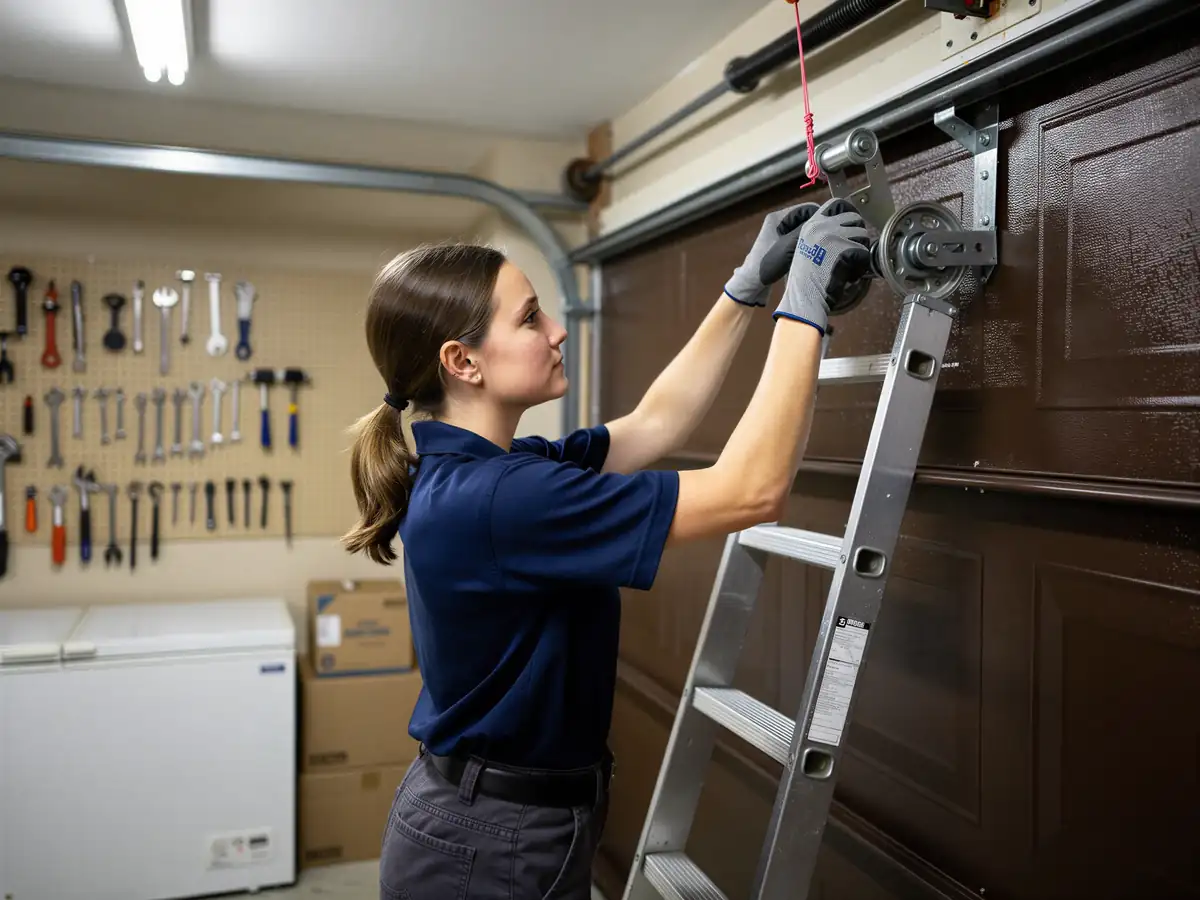
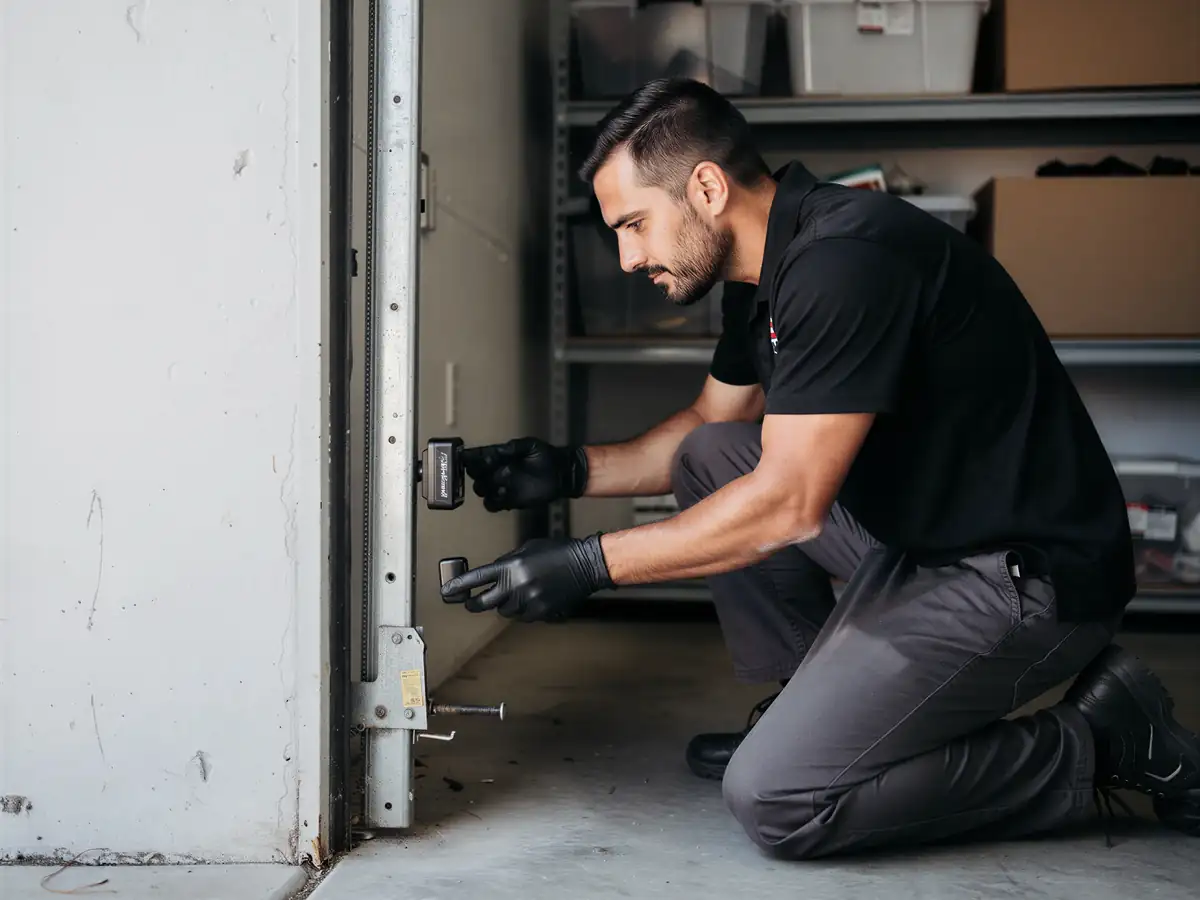
Harrisburg's housing sits a few years newer than the broader service area's 1980 median, with most of the stock here dating to around 1984. That matters more than it sounds like it should. A door and opener installed in the mid-80s is past the point where chain-drive openers with mechanical travel limits were standard, but it predates the rolling-code safety sensors that became common by the early 90s. If your opener still has a single photo-eye or none at all, or the wall button is just an on/off switch with no light or lock function, that's consistent with a door that's never been touched since the house was built. Springs from that era are usually galvanized and sized for heavier wood-core doors, even if the door itself has since been swapped for a lighter steel panel - which throws off the spring-to-door weight match and makes the opener strain on lift. We see this mismatch more in Harrisburg than in newer subdivisions closer to Eugene, simply because fewer of these doors have been fully replaced rather than patched.
What Neighbours Usually Call About
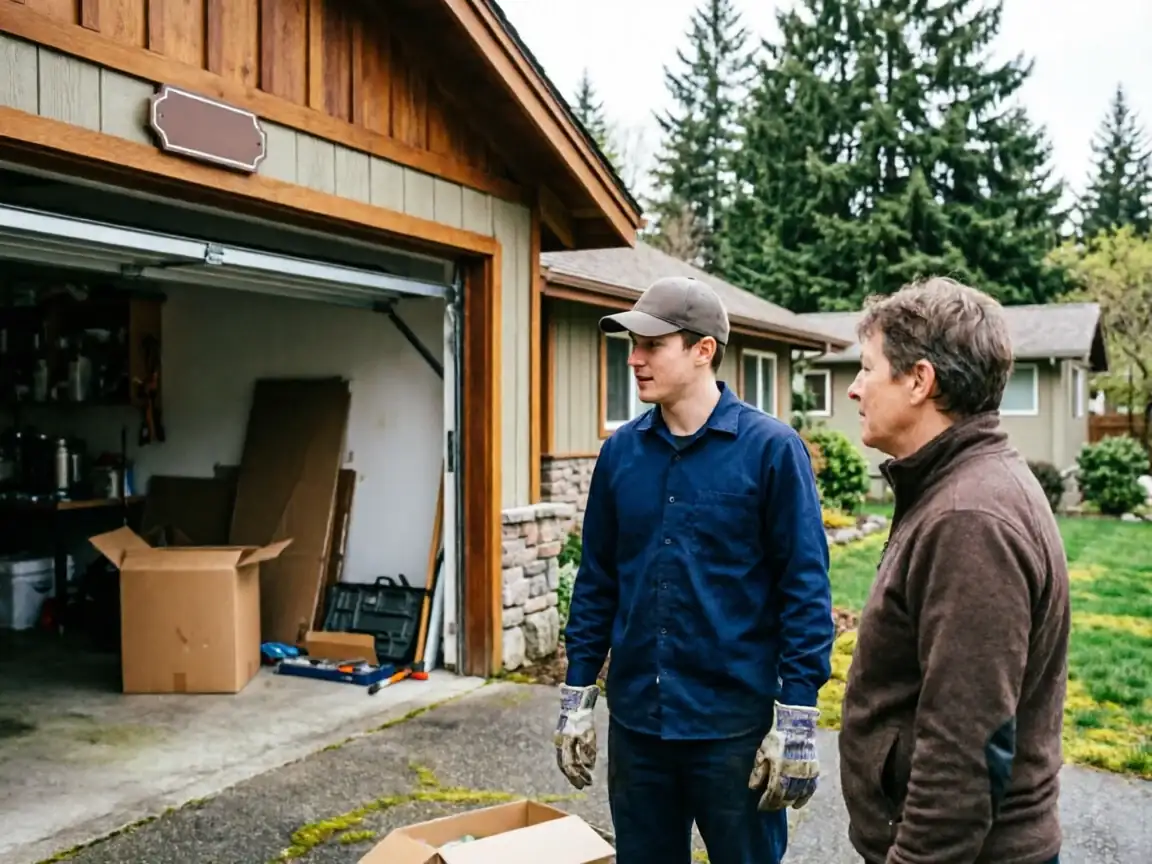
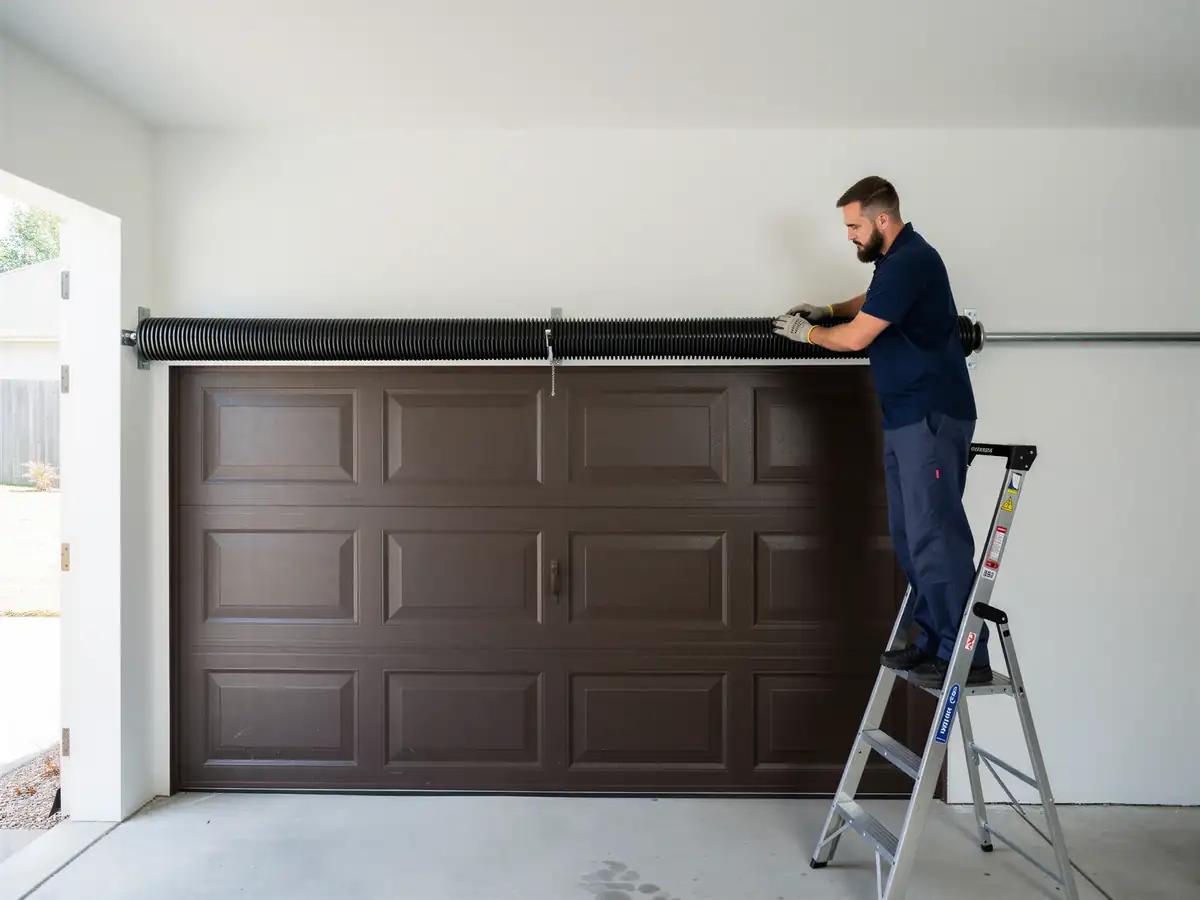
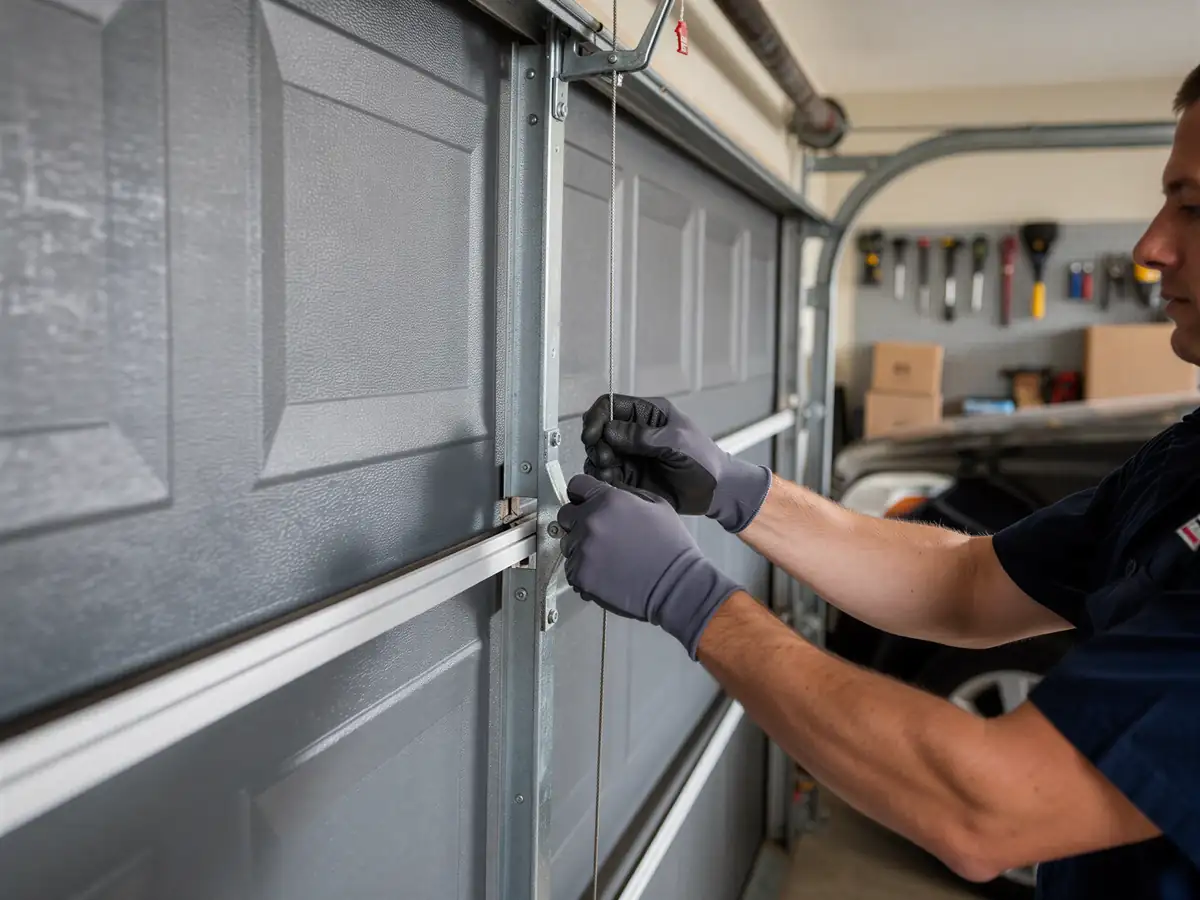
With roughly 1,277 households in the Harrisburg area, the call patterns we see are pretty consistent: broken torsion springs on doors that have never had one replaced, openers that stopped responding to remotes because the logic board finally gave out after three decades, and rollers that have worn their nylon down to bare metal and started grinding in the track. At a median household income of $74,006 for the area, we also get a fair number of calls asking for a repair-first opinion before anyone commits to a full door replacement, and that's usually the right question to ask. A worn roller or a frayed cable is a repair. A door panel that's rusted through at the bottom or a frame that's pulled away from the house is a different conversation, and we'll tell you which one you're looking at before we quote anything.
What Was Built Here
The area's climate sits in a cold-moderate band, which over 40 years does real work on steel doors and the hardware bolted to them - condensation inside unheated garages corrodes spring coils and opener gearboxes slower than coastal salt air would, but it adds up over a 1984-era door that's never been serviced. Houses built around that year typically used torsion springs rated for the door weight common at the time, and a lot of them are still running original hardware because nothing has failed outright - it's just gotten slower, louder, and heavier to lift by hand. We don't guess at what's installed before we see it. If your door was replaced at some point and the opener wasn't, or the reverse, that changes what parts we're matching to what. One thing we won't do is sell you a new opener to fix a spring problem, or a new spring to fix a motor that's simply worn out - they're separate failures and we diagnose them separately.