Why It Happens Here
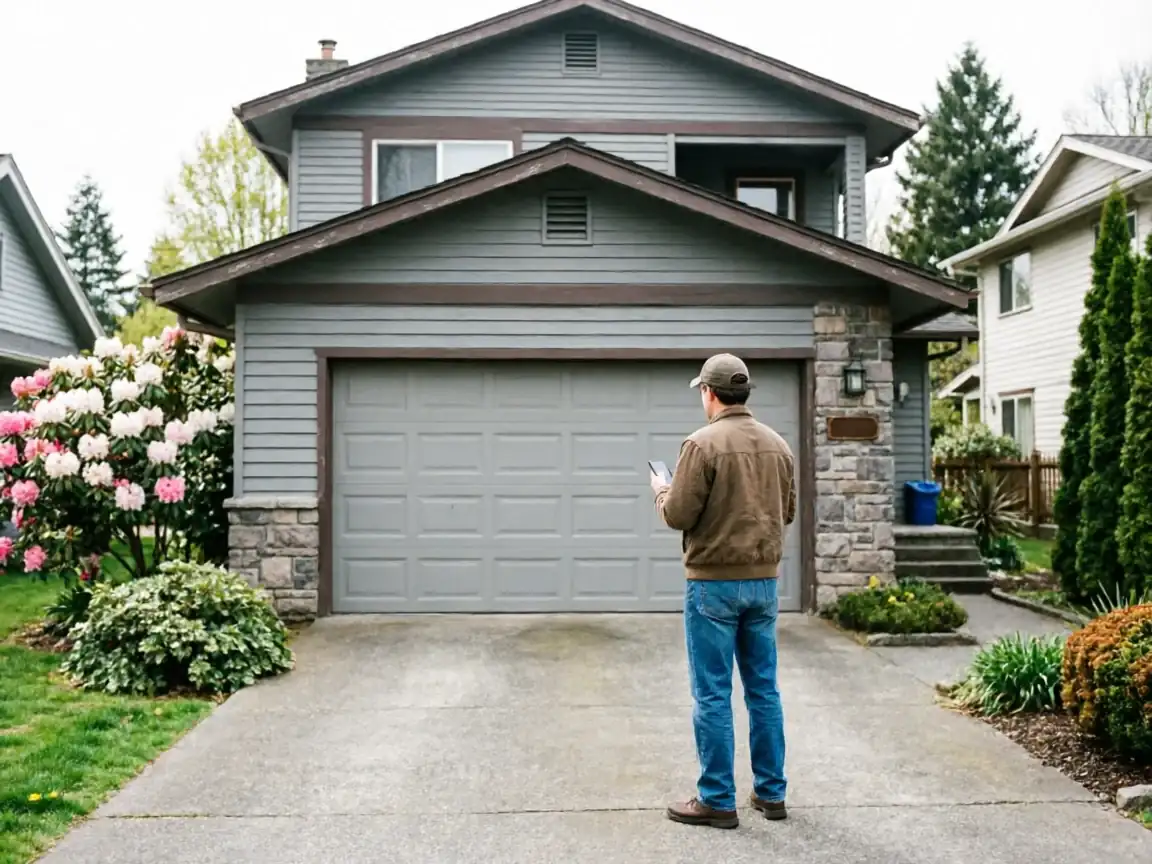
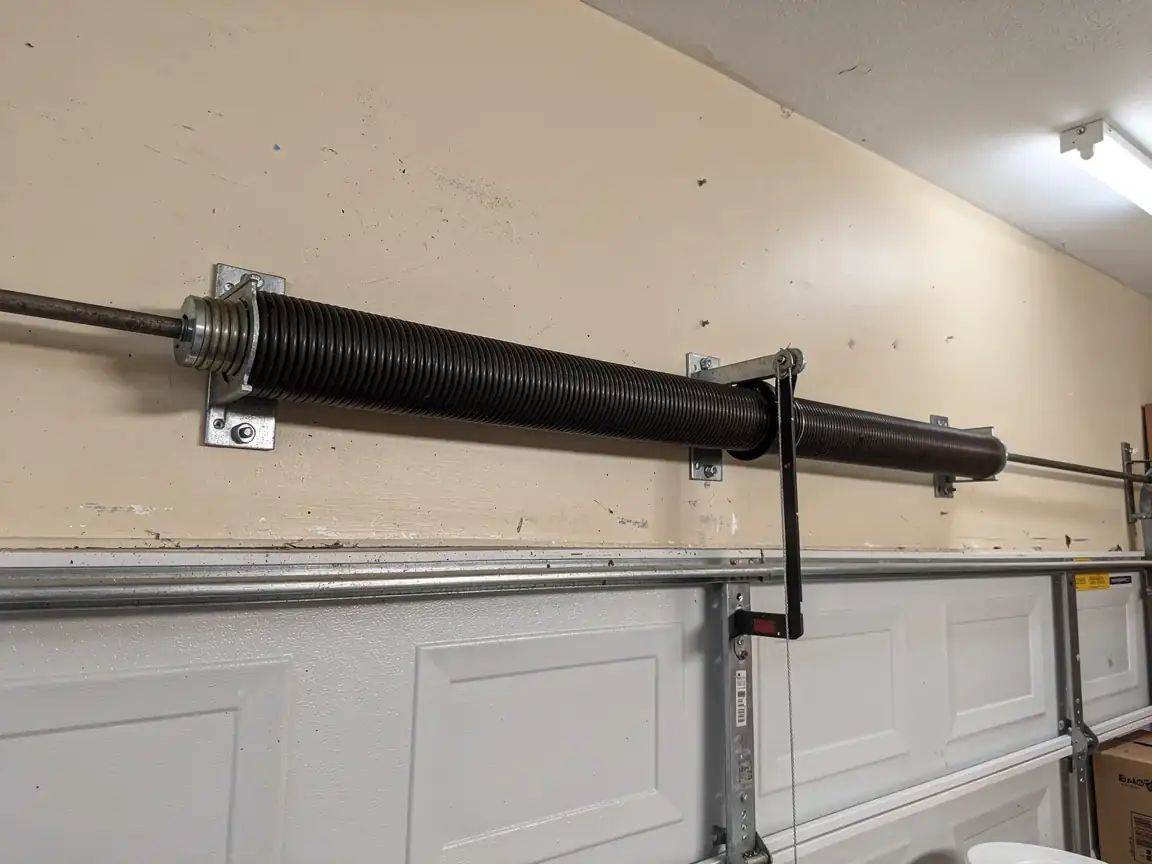
Most of the garage doors we service in Eugene sit on houses built between 1950 and 1997, with the bulk of that stock going up in the 1980s and 90s. That's a long run of hardware - springs, rollers, hinges - that was installed to a building code and a set of manufacturing standards that have moved on twice since. A torsion spring rated for 10,000 cycles in 1985 doesn't know it's 2024, and it doesn't send a warning before it lets go.
Our winters sit in a cold-moderate band, not the kind of deep freeze that cracks concrete, but enough damp cold and temperature swing through the wet months to stiffen lubricant, swell wood jambs, and pull moisture into steel tracks and cable ends. That combination - older hardware plus a climate that never lets grease or metal sit still - is what turns a $20 tune-up item into a $400 spring replacement if nobody looks at it.
This isn't a problem unique to one neighborhood. From to to the housing ages out roughly together because so much of it was built in the same two or three decades. A door that's never been serviced in a 1983 house and a door that's never been serviced in a 1991 house fail for almost identical reasons.
How Long It Takes
A standard maintenance visit
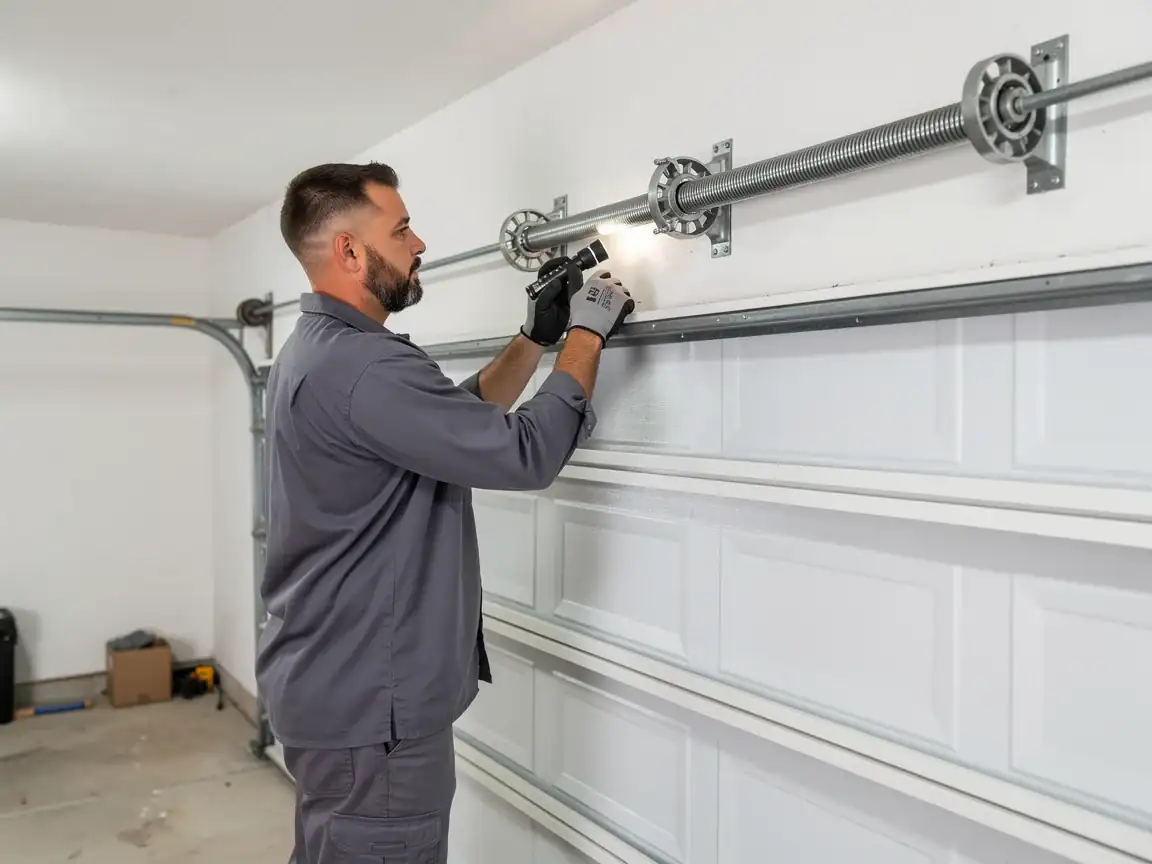
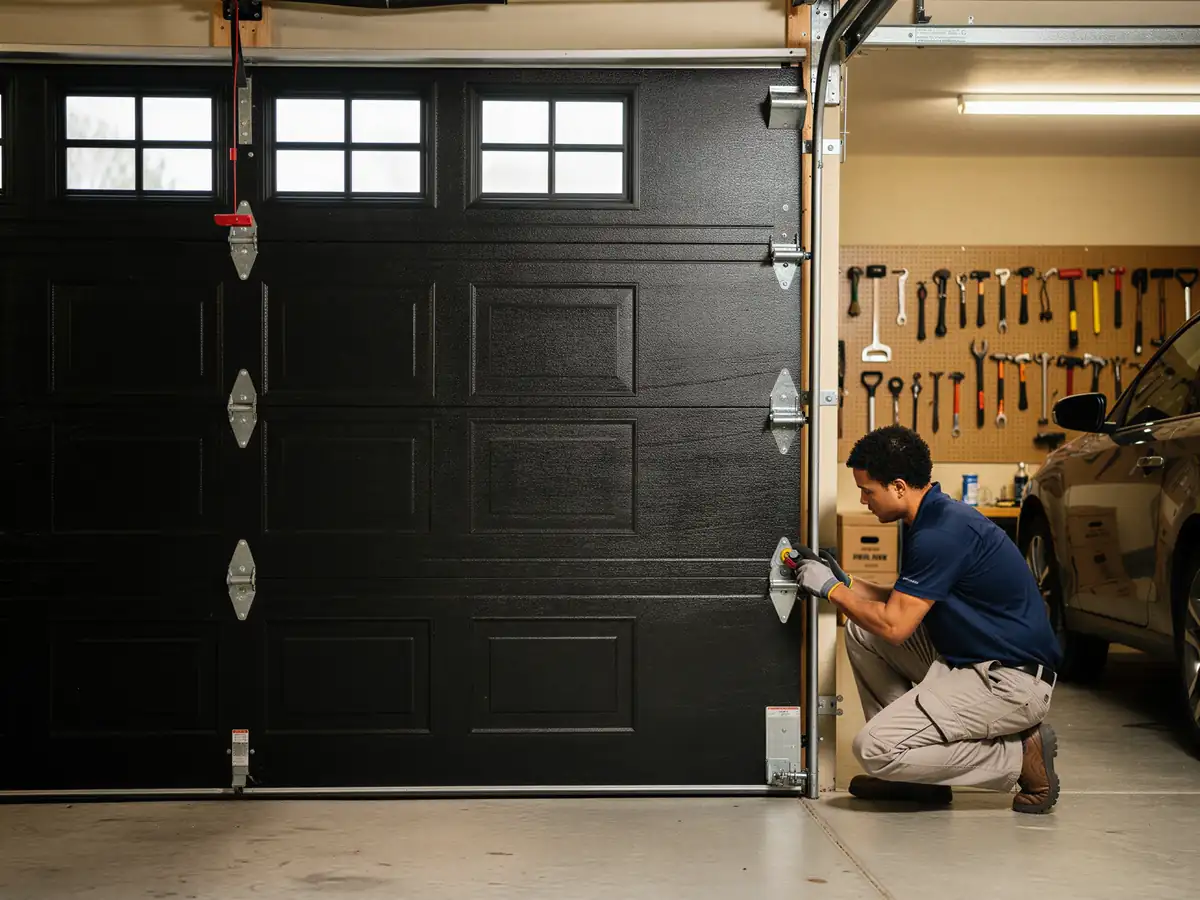
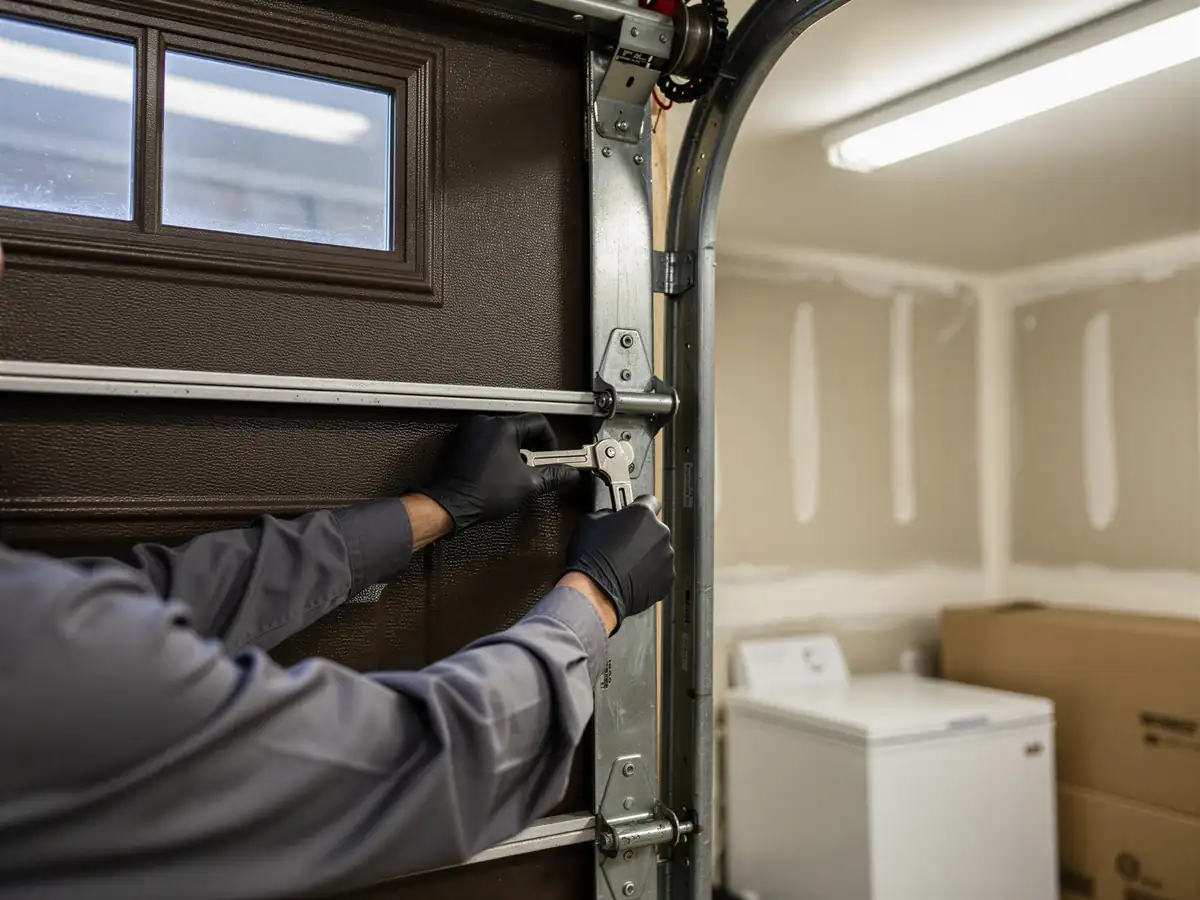
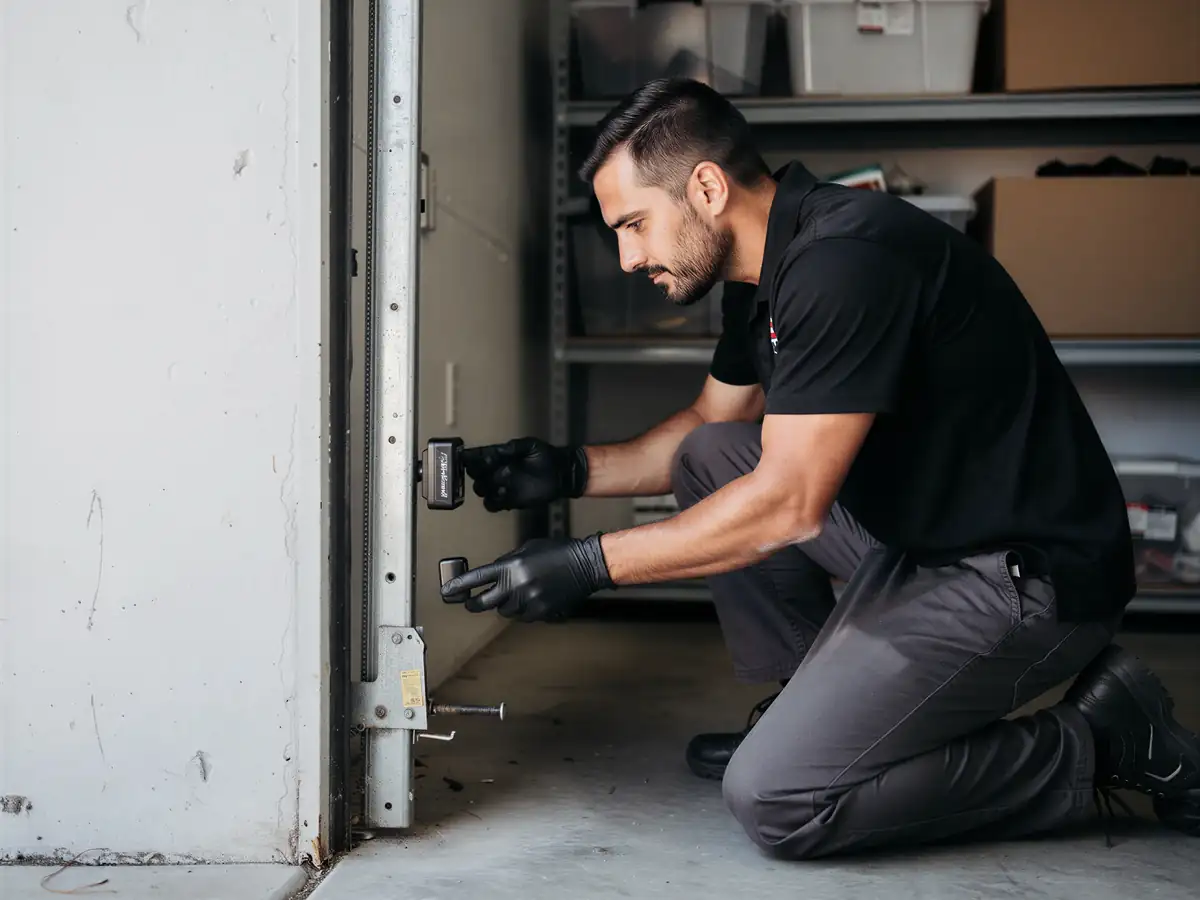
Lubrication, hardware inspection, spring tension check, track alignment, sensor test - runs under an hour on most single doors. Double doors or anything with added accessories like a keypad or camera take a bit longer because there's more to check, not because the work itself is harder.
We can't give you a universal number for every house in the service area
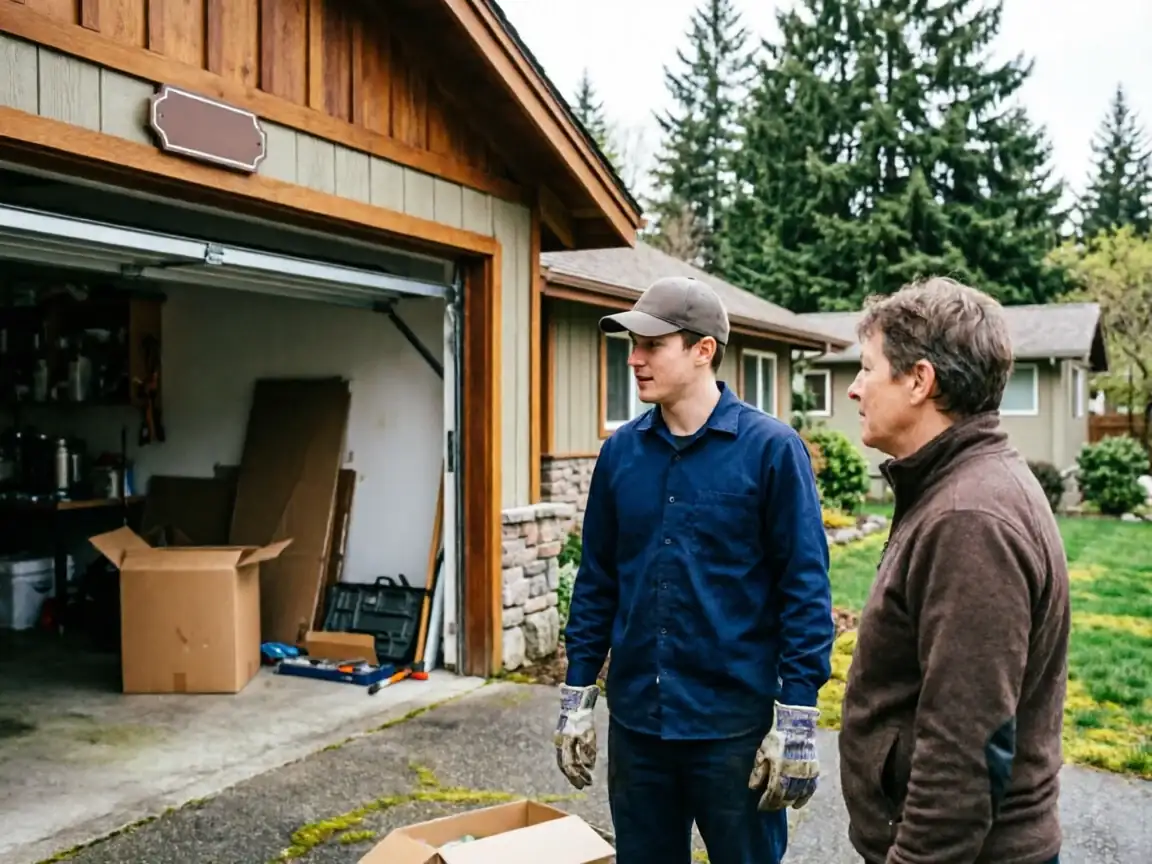
Because a door that's been ignored for fifteen years takes longer to go through than one we've already seen twice. What we can tell you is that the inspection itself isn't the long part - it's whatever we find once we're in there. Rust on a cable, a bent roller, a track that's walked out of alignment by a quarter inch, those each add a few minutes. None of them should turn a maintenance call into an all-day job unless a part needs replacing, and if it does, we'll tell you before we do it, not after.
The DIY Question
There's real maintenance a homeowner can do between visits, and there's work that belongs to someone who does it for a living. Wiping down tracks, checking that the door is visually level, and lubricating hinges and rollers with the right product - not WD-40, which washes grease out rather than replacing it - are fine to handle yourself.
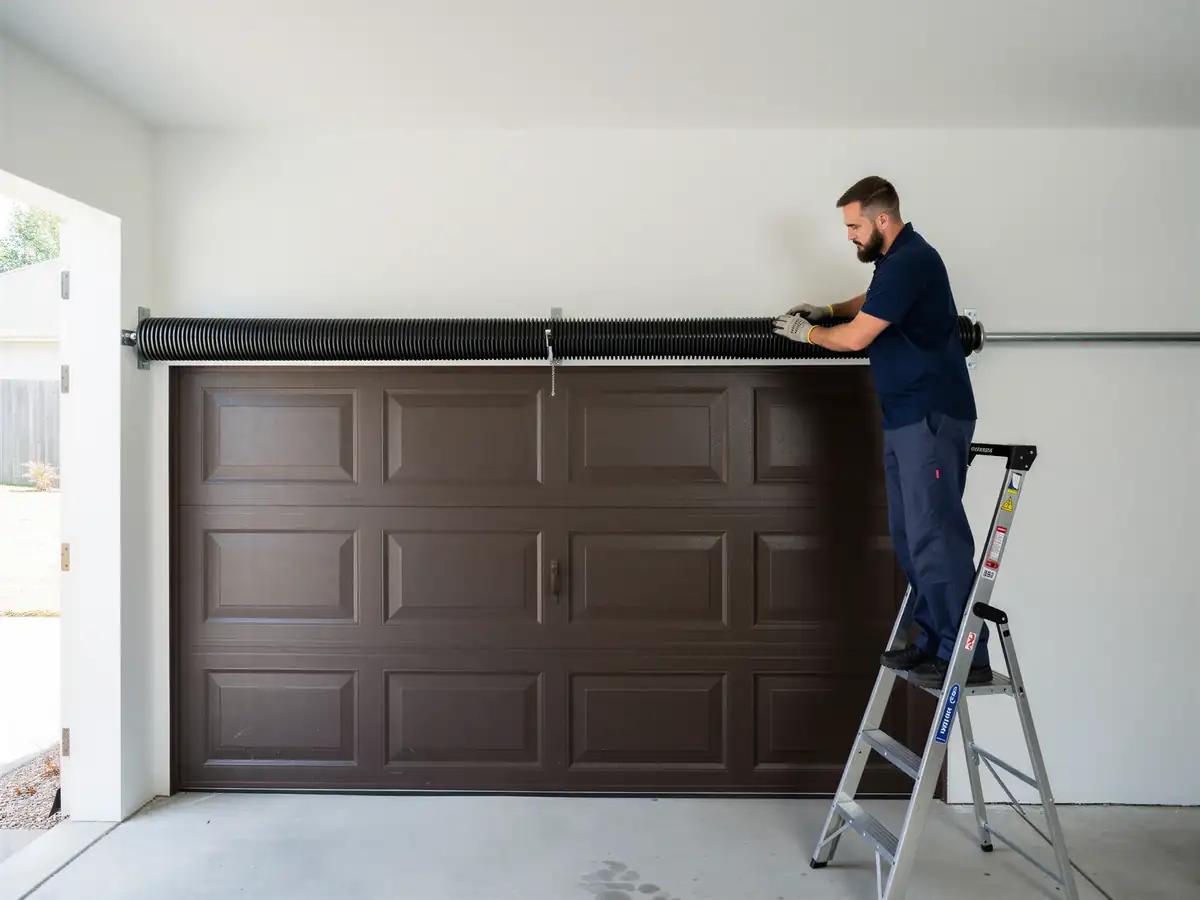
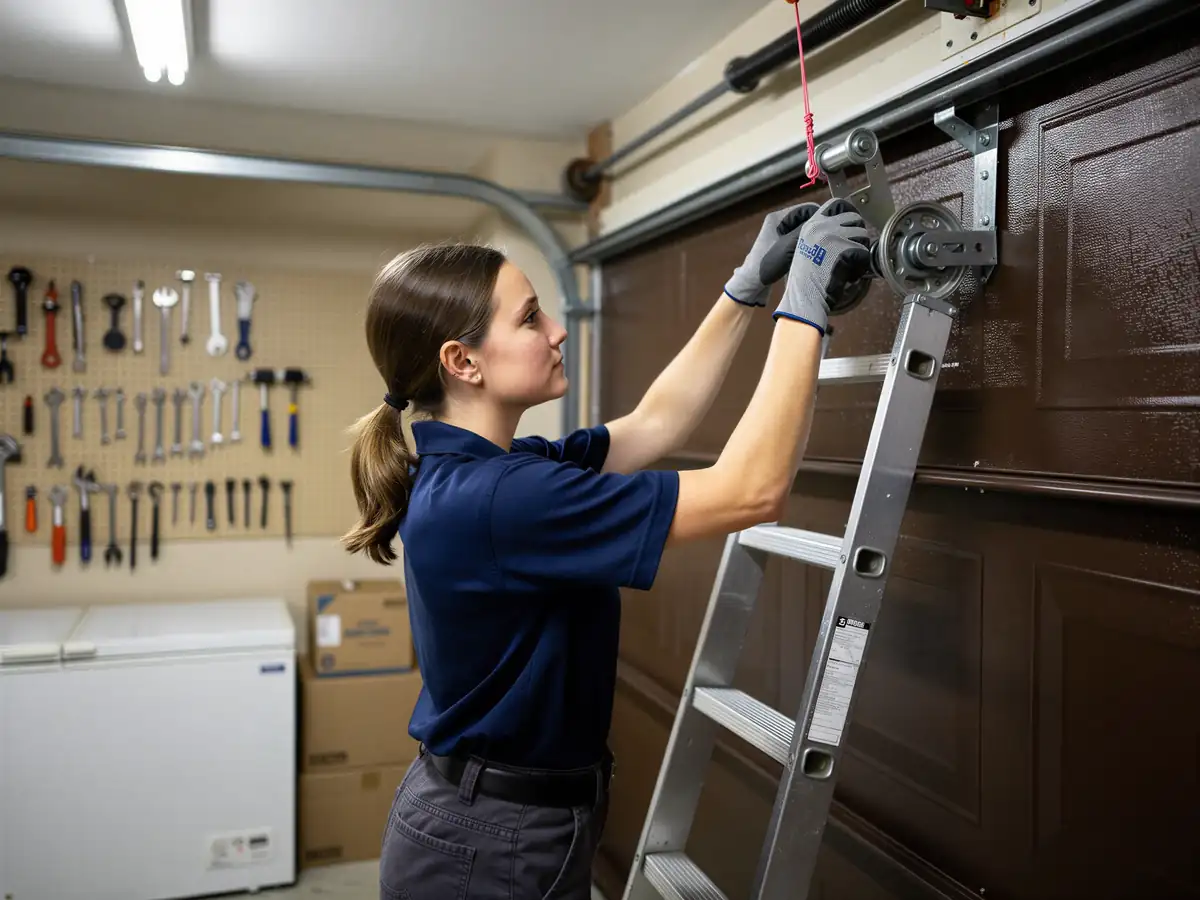
What we don't recommend you touch is anything involving the torsion spring or the cables under tension. On a door built to the spring tension common in houses from this era, that stored energy doesn't care how careful you are. We also won't pretend every maintenance visit catches everything - a hairline crack inside a bearing or a spring that's at 90% of its life left can look fine on inspection day and fail three weeks later. That's not a failure of the visit, it's just the nature of metal fatigue, and it's the honest limit of what any inspection can promise.
What You Are Seeing
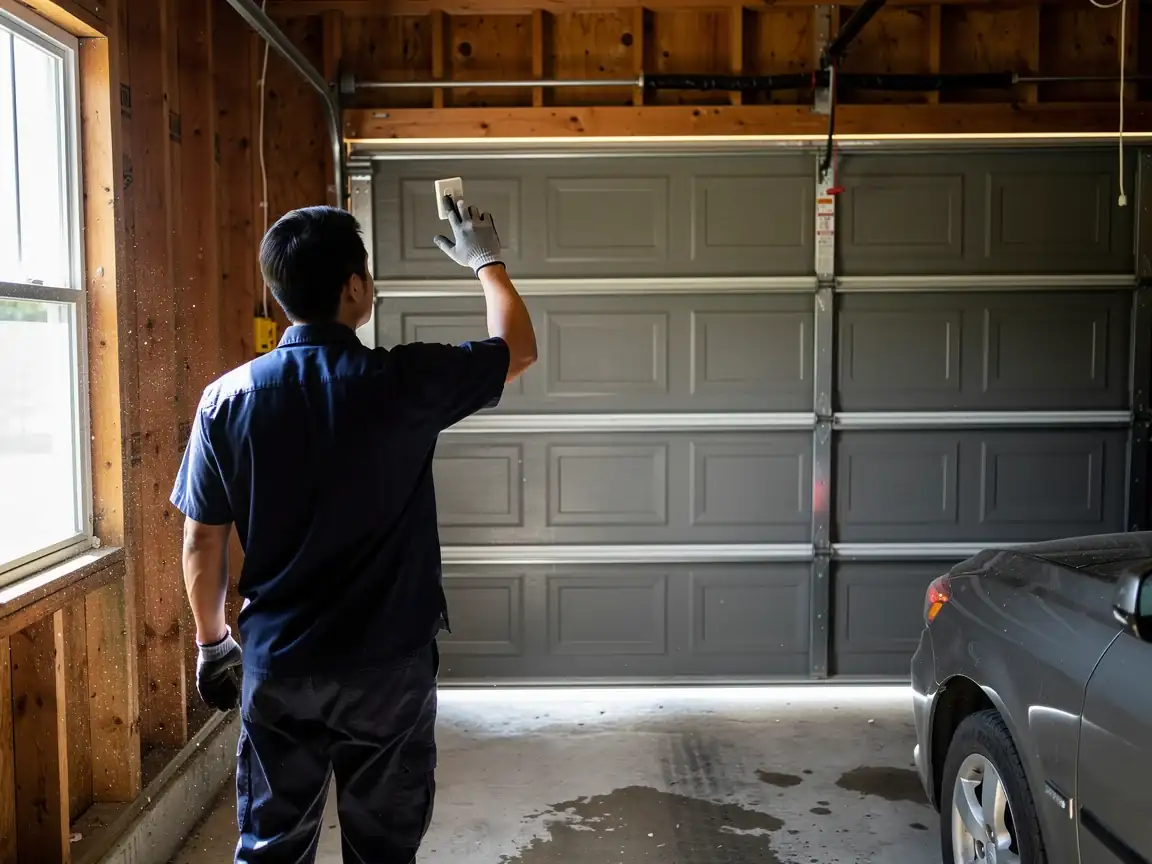
If your door is loud going up or down, that's usually dry rollers or hinges, not a structural problem - the kind of thing a maintenance visit catches before it becomes one. A door that reverses on its way down, or that feels heavier on one side than the other, points to a spring that's losing tension, which happens gradually and then all at once.
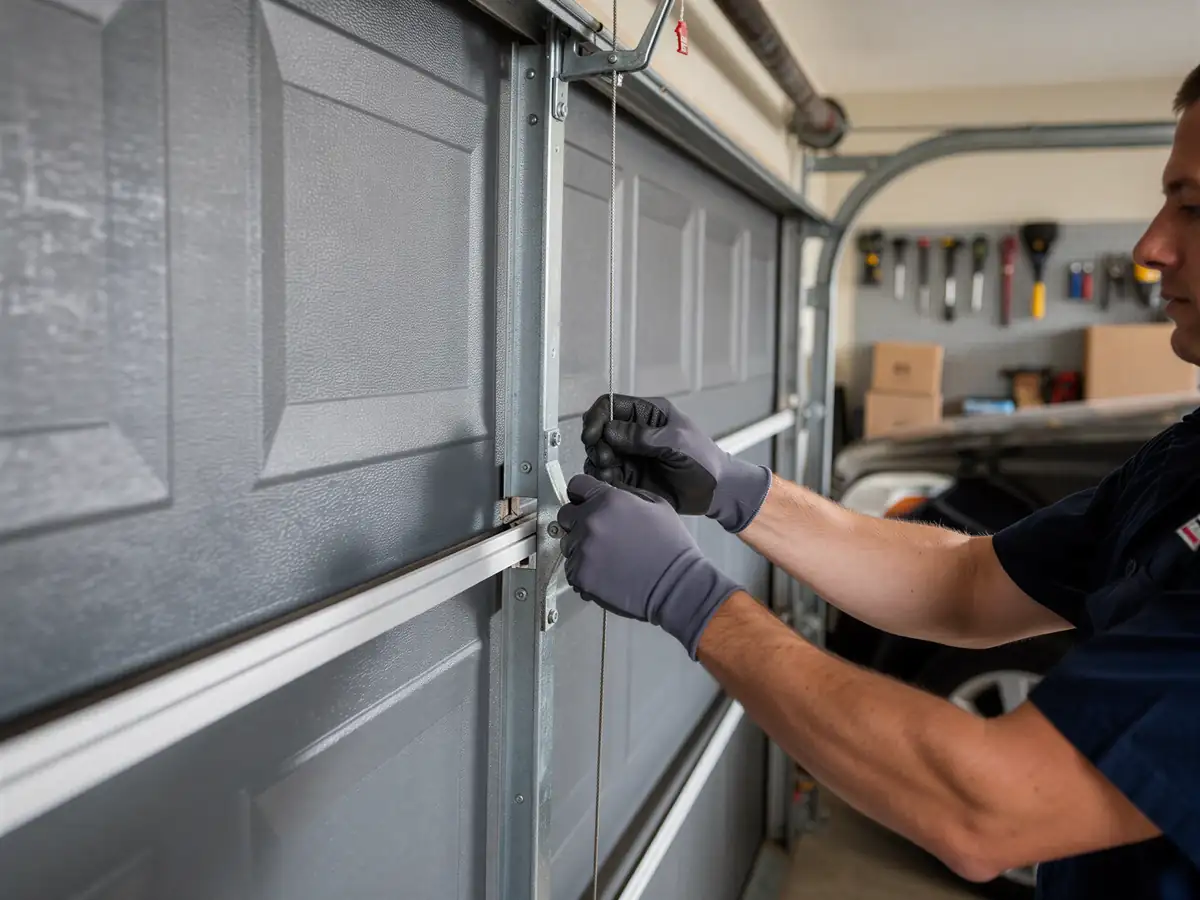
Daylight at the bottom corners, or a door that doesn't sit flush against the weather seal, usually means the track has shifted slightly - something that happens more often in houses from the 1980s and 90s where the original hardware has had decades to settle. None of these signs mean the door is about to fail tomorrow. They mean it's due for a look, and across a service area where the median home is pushing 40-plus years old, that look is worth scheduling before the quiet problem becomes the loud one.