The Cost of This Job
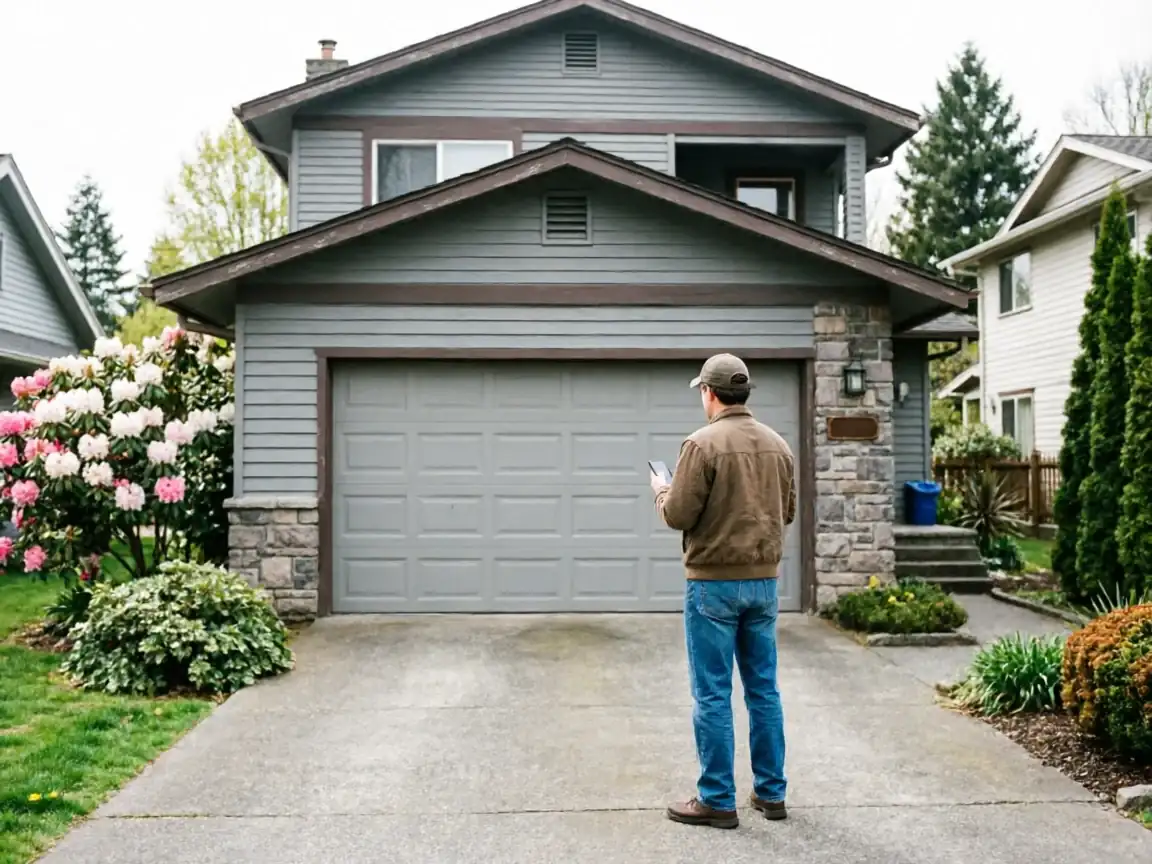
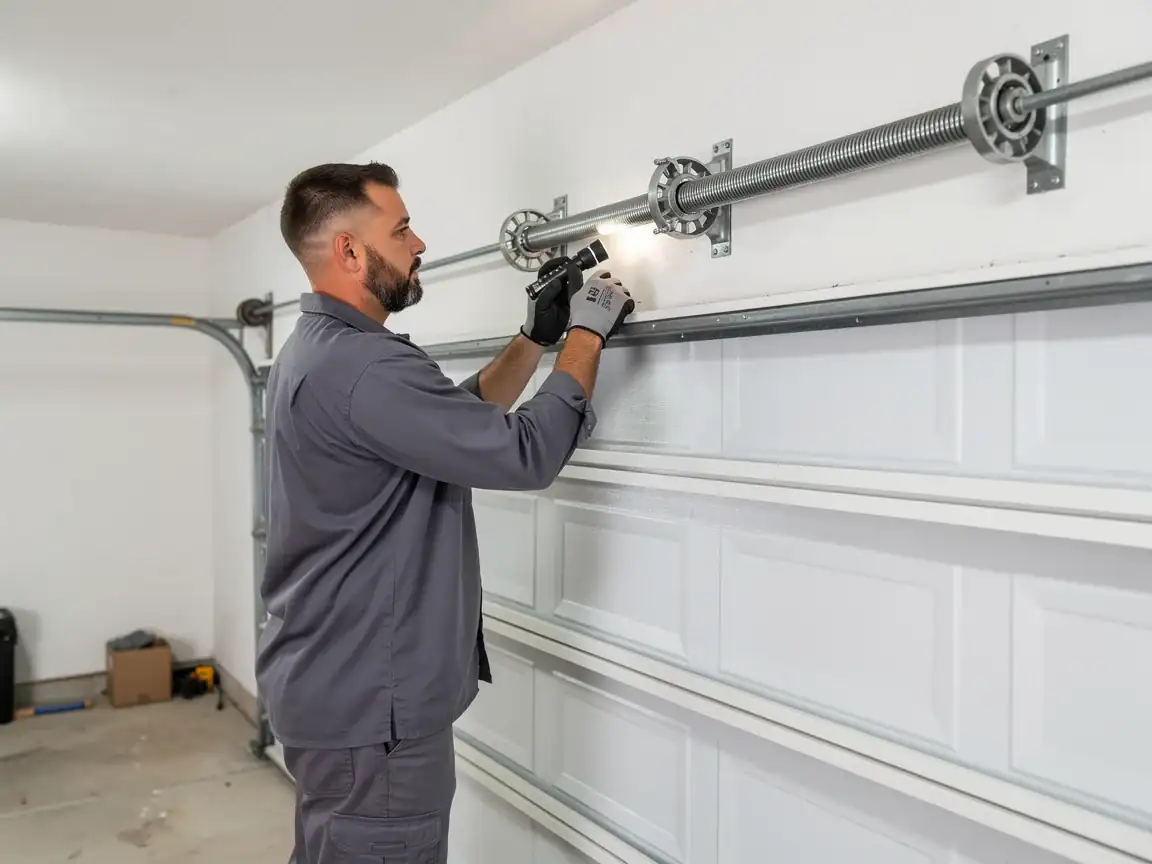
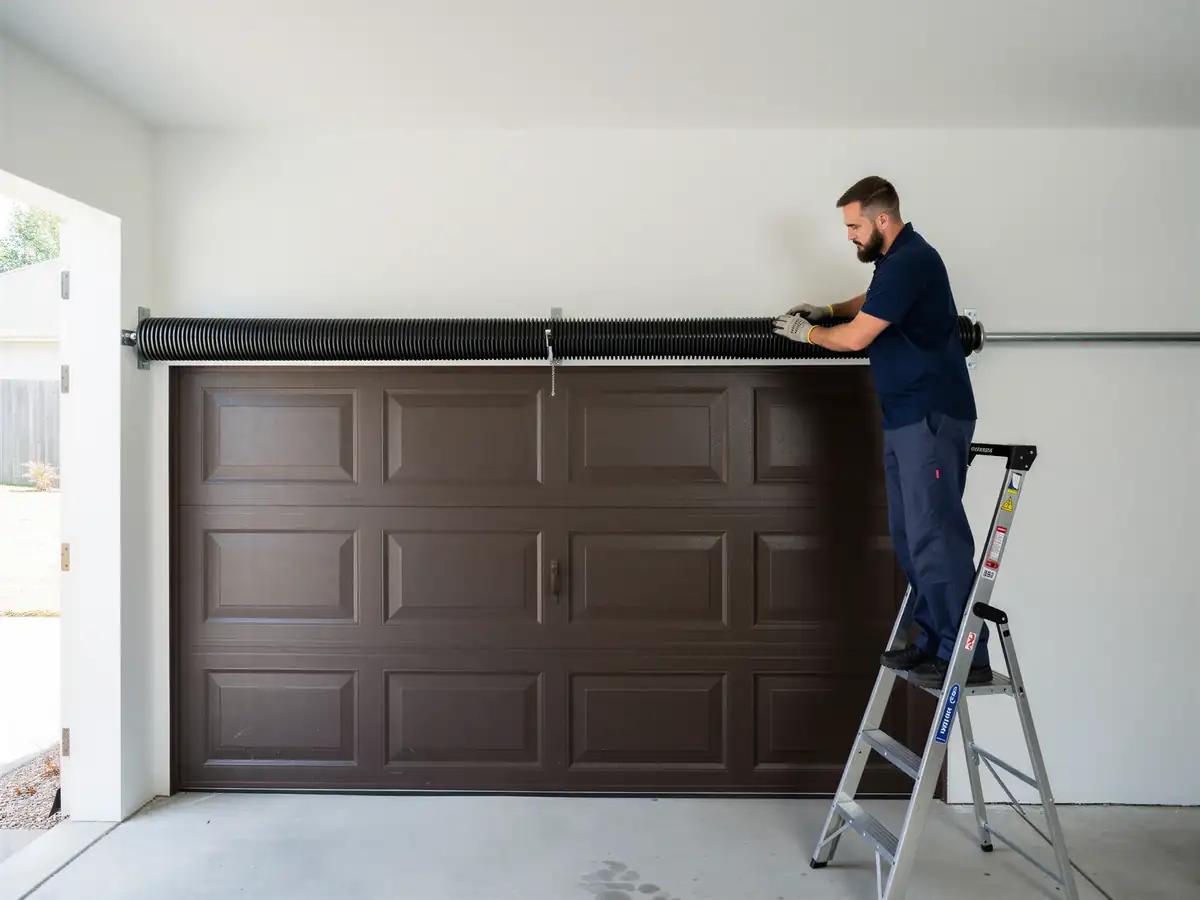
Springfield's median home dates to around 1976, which sits a few years earlier than the median across the wider Eugene service area, where building ran from 1950 into the late 1990s. That matters for pricing because a mid-1970s door opening was usually built for a lighter single door or a narrower double, and the hardware from that era - extension springs mounted over the track, older relay-style openers - isn't something we stock in bulk the way we stock parts for 1980s and 90s torsion setups. If your spring or opener dates to the original build, expect to pay for a part we're ordering rather than one sitting in the truck. We don't quote a number here because every job depends on what's actually on the door, but a Springfield call involving original hardware tends to run higher than a same-era repair on a door that's already been upgraded once. We'll tell you on site which category yours falls into before we touch anything.
How Long It Takes
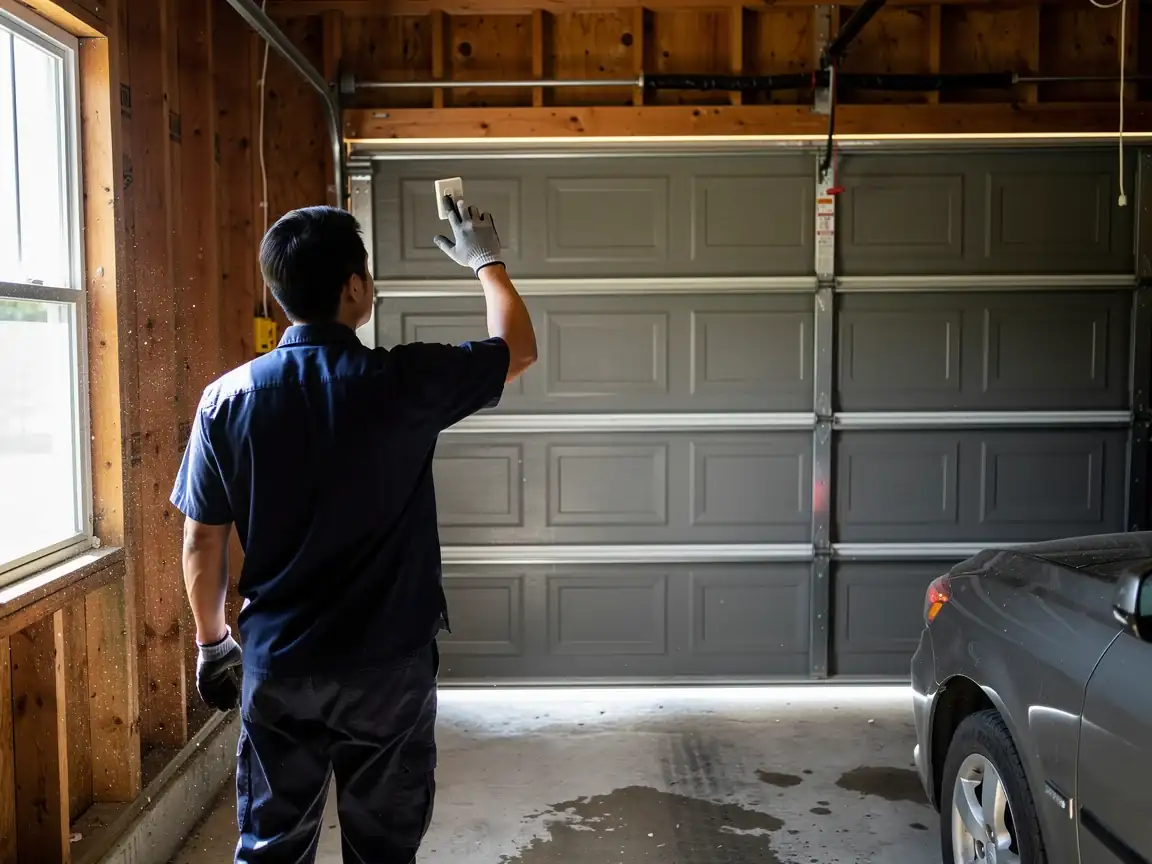
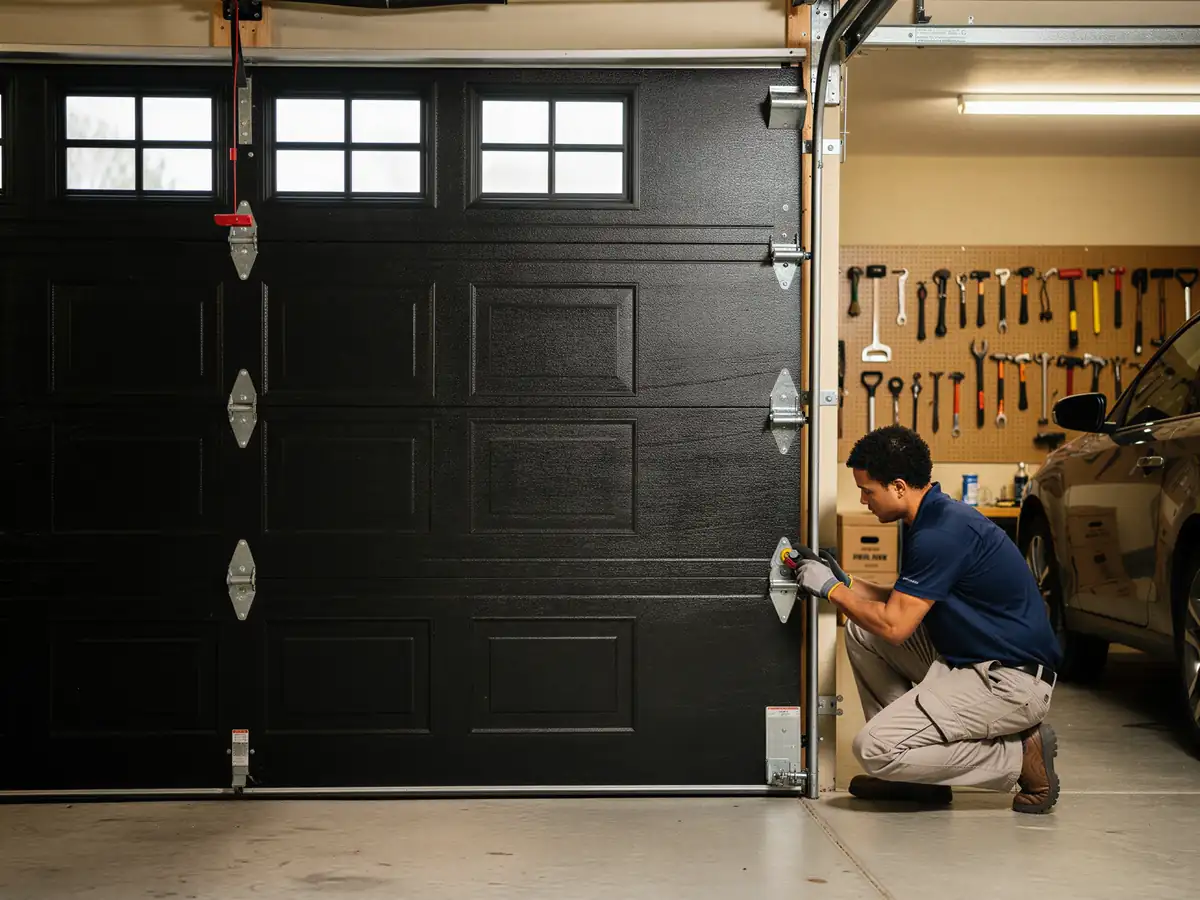
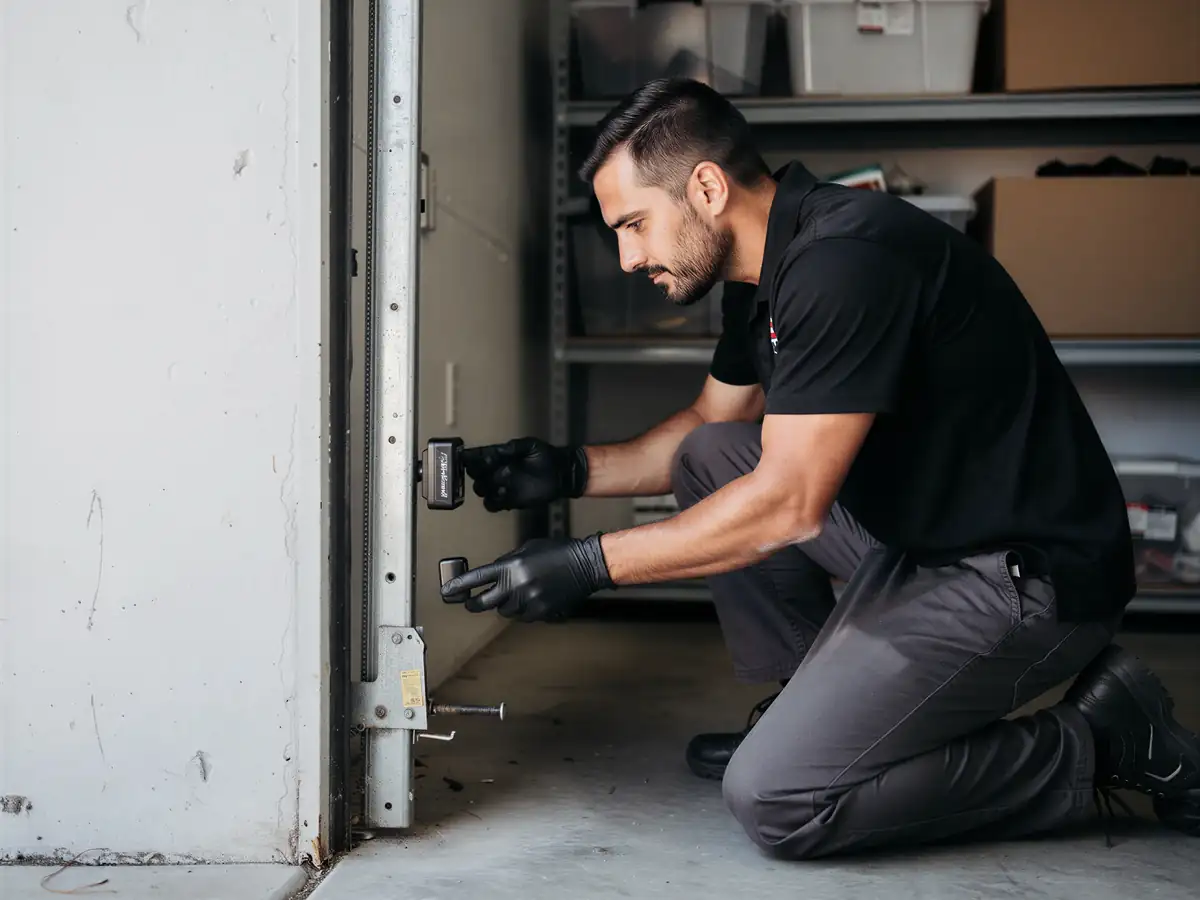
A standard spring or opener repair on a door from Springfield's 1976-era stock usually takes about the same hands-on time as anywhere else - an hour or so once we're on site with the right part. Where it stretches is when the part isn't common anymore. A door built when the median home here went up is old enough that some track hardware and older opener models aren't something we carry as standard stock, so if that's what's failed, the job splits into two visits: one to diagnose and order, one to install. We'd rather tell you that up front than promise a one-visit fix and miss it.
What Is on the Truck
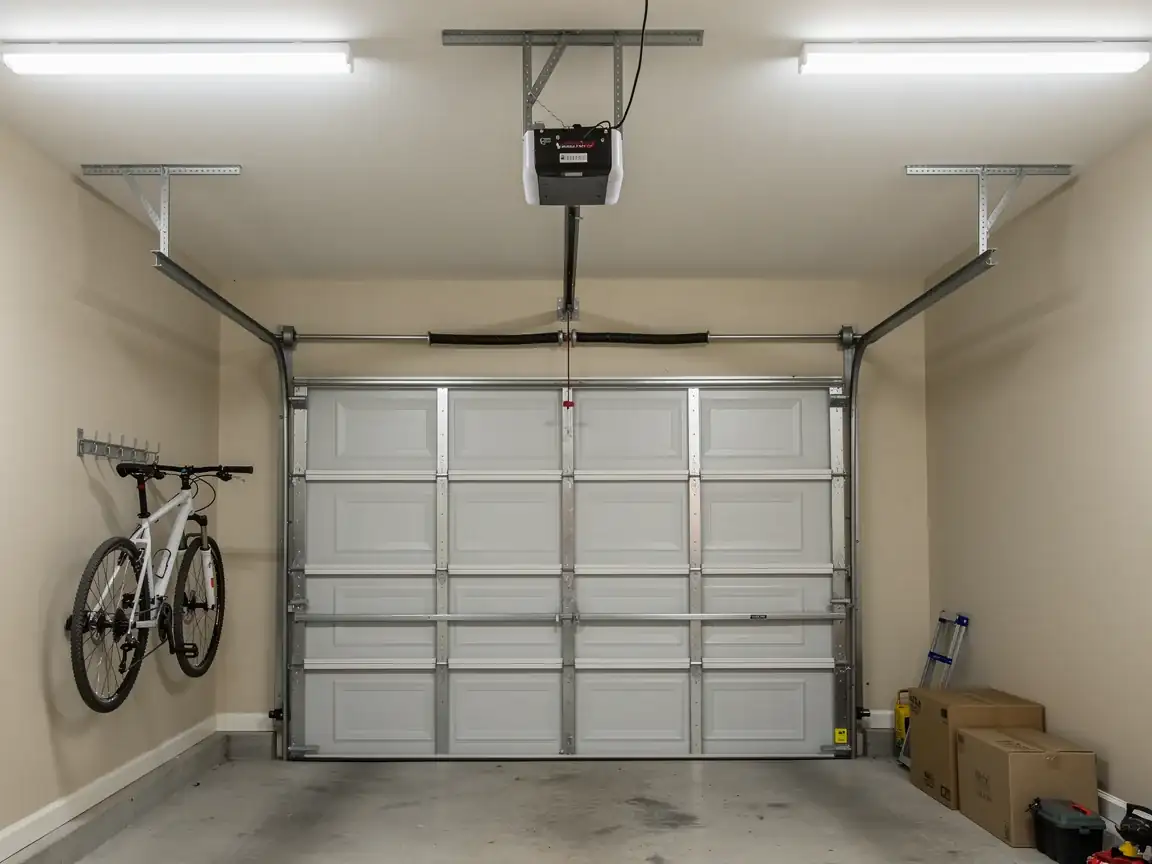
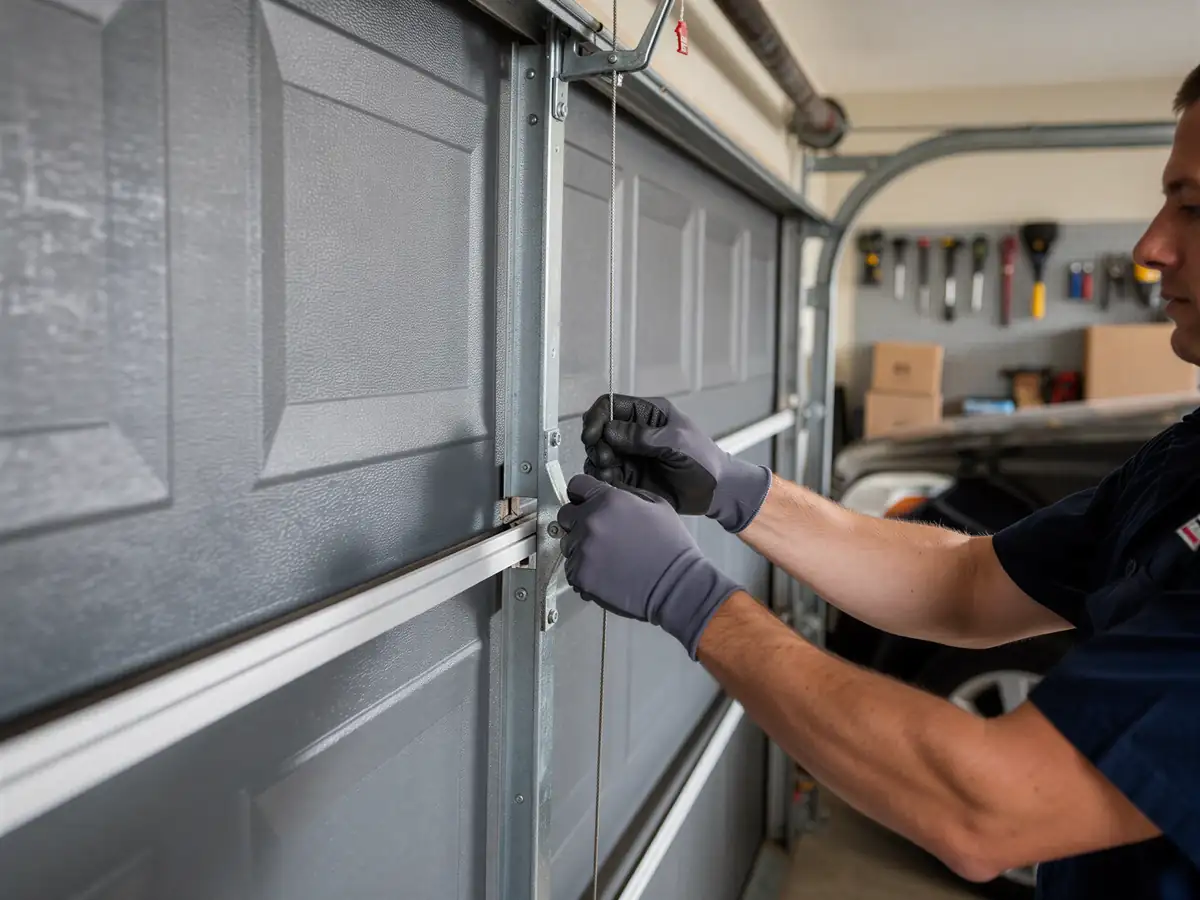
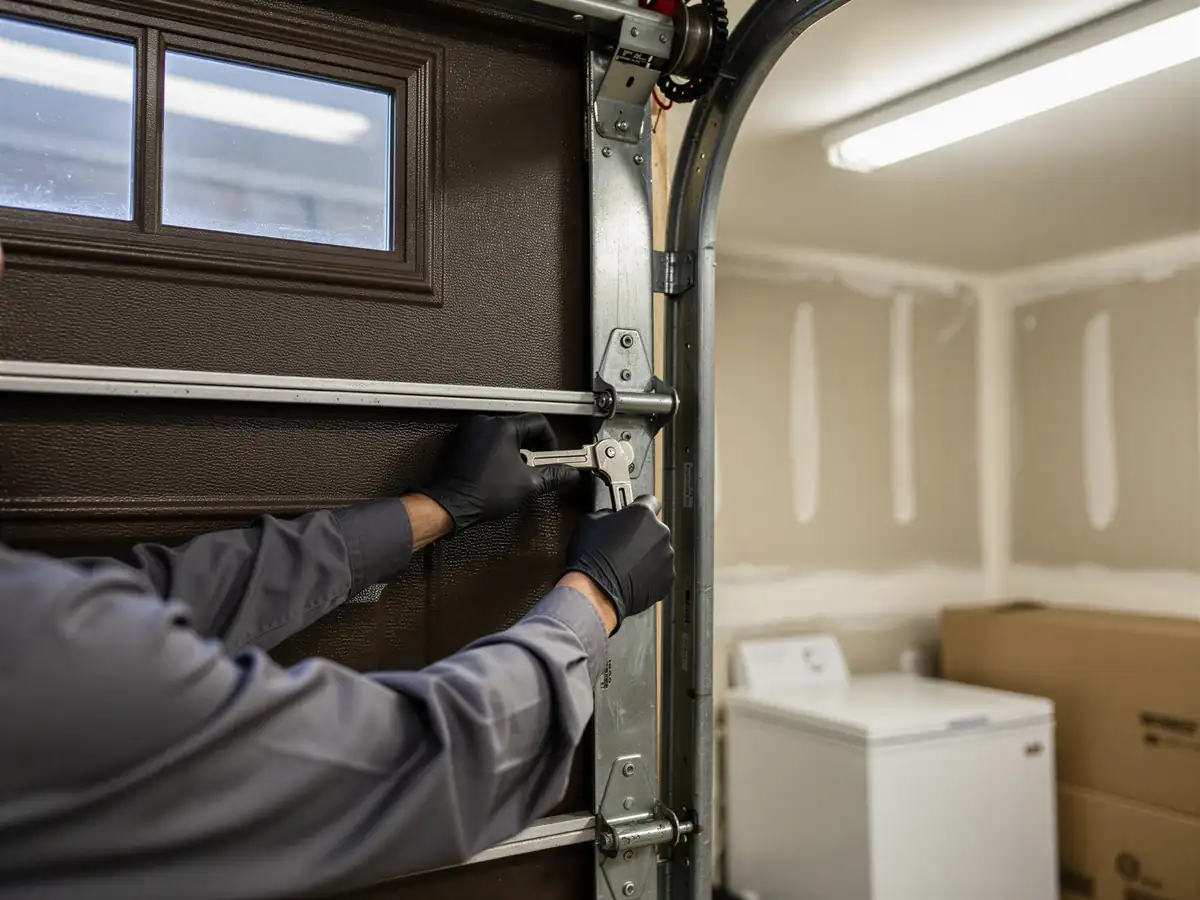
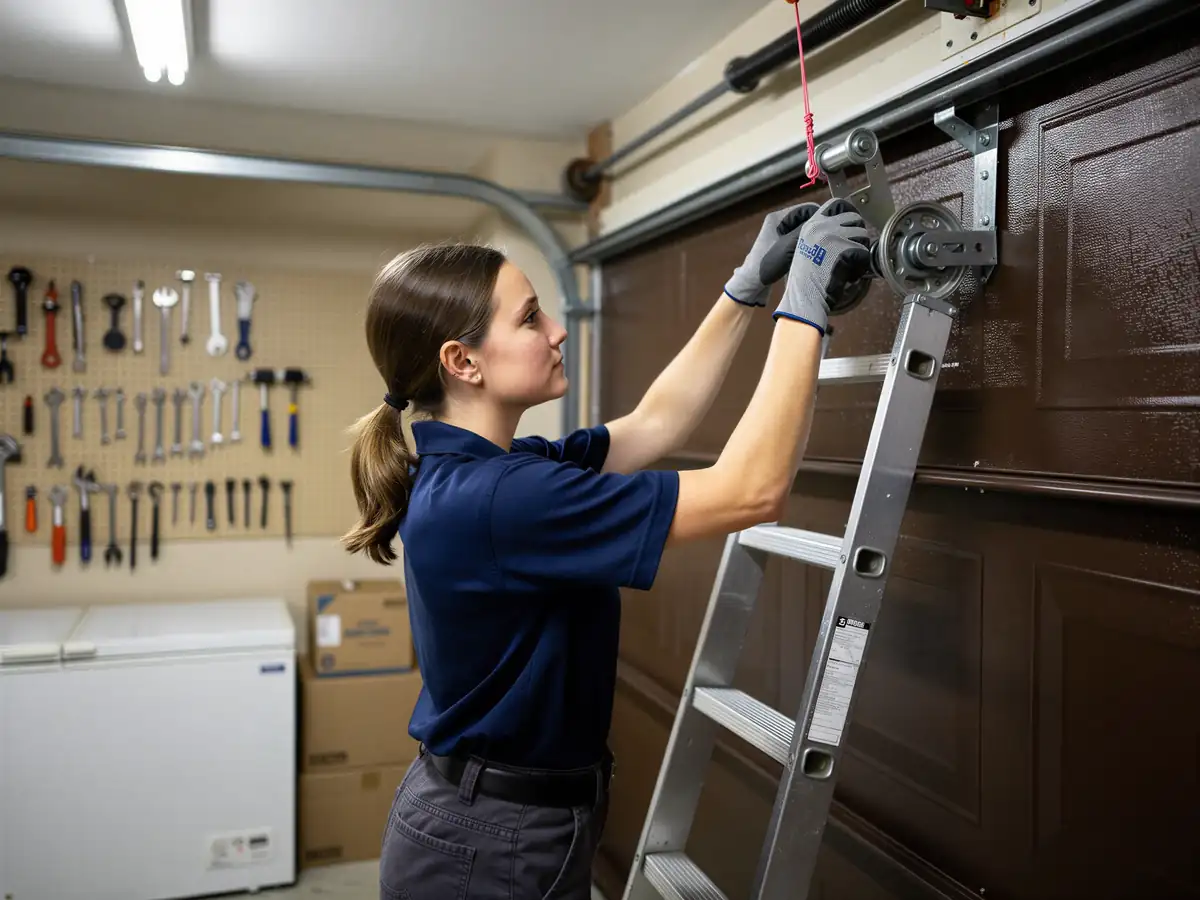
The truck is stocked around what shows up most across the whole service area - torsion springs and openers sized for the 1980s and 90s builds that make up most of the housing stock here, since that's the bulk of the call volume. Springfield's own median year, 1976, sits just ahead of that main wave, so some of what we find on a Springfield door is a step older than what's on the truck as default stock. We carry common spring sizes, standard rollers and cables, and current opener models as a baseline. What we don't carry as standard is obsolete opener boards or discontinued track hardware from the earlier end of the build range - if that's the fault, we're ordering it, not pulling it off the shelf.