The Cost of This Job
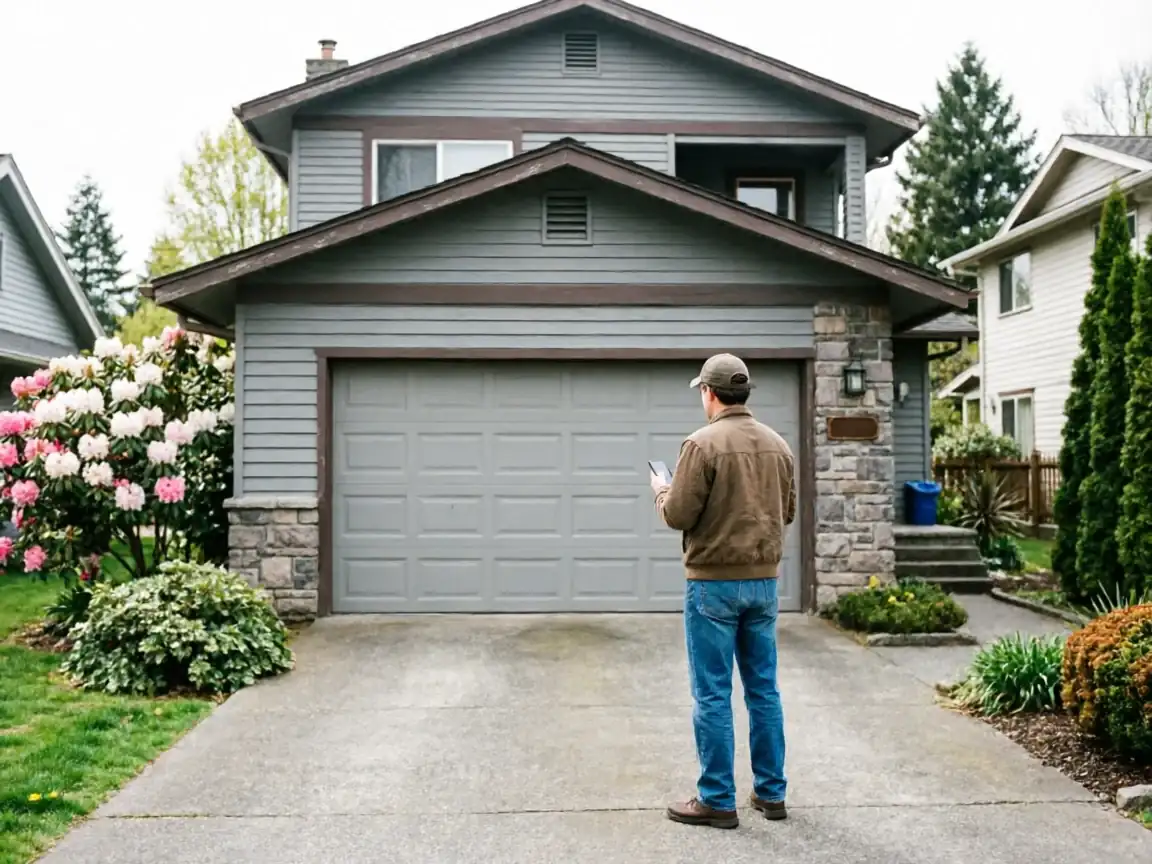
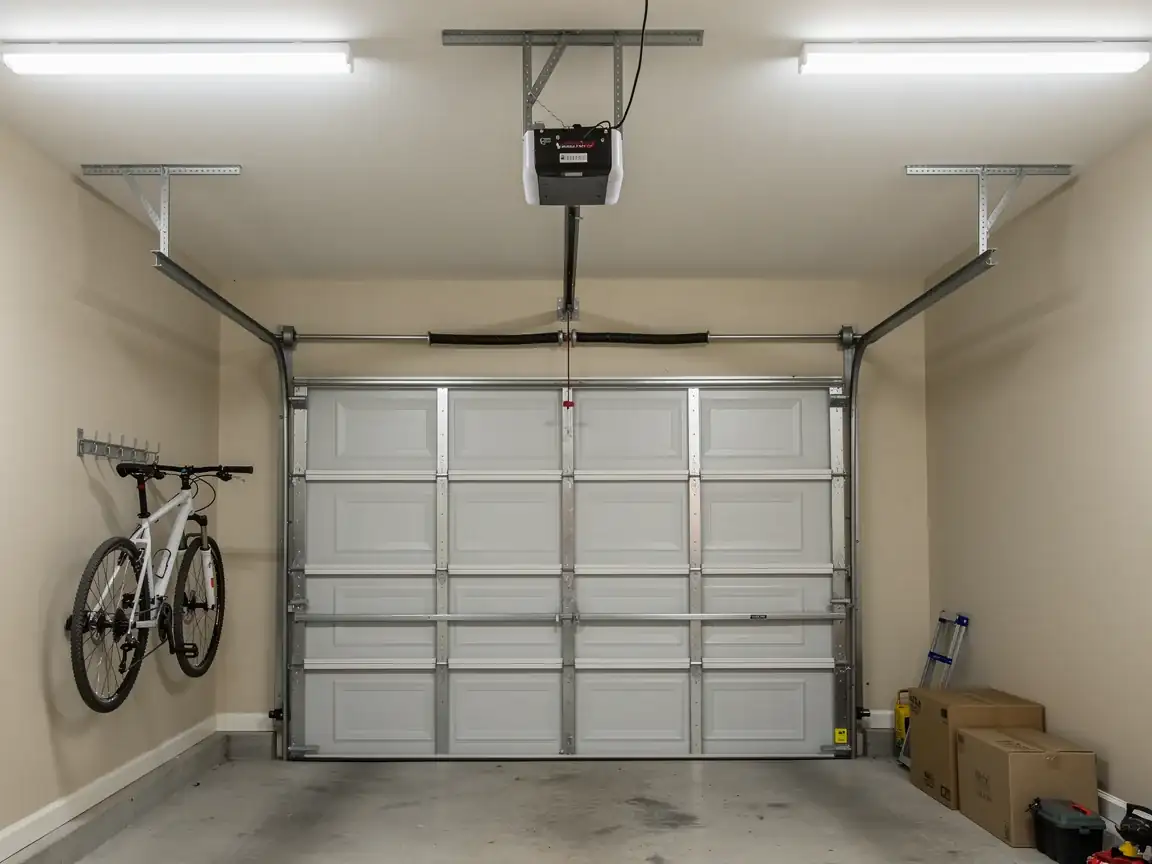
Springfield has about 24,750 households, and the median home here was built around 1976. That one number does more to set the price of your spring job than almost anything else. Homes from that era were built past the one-piece door years, so you're almost always looking at a sectional door on torsion springs mounted above the opening, not the older extension-spring setups you still find on pre-1950s stock elsewhere in the service area.
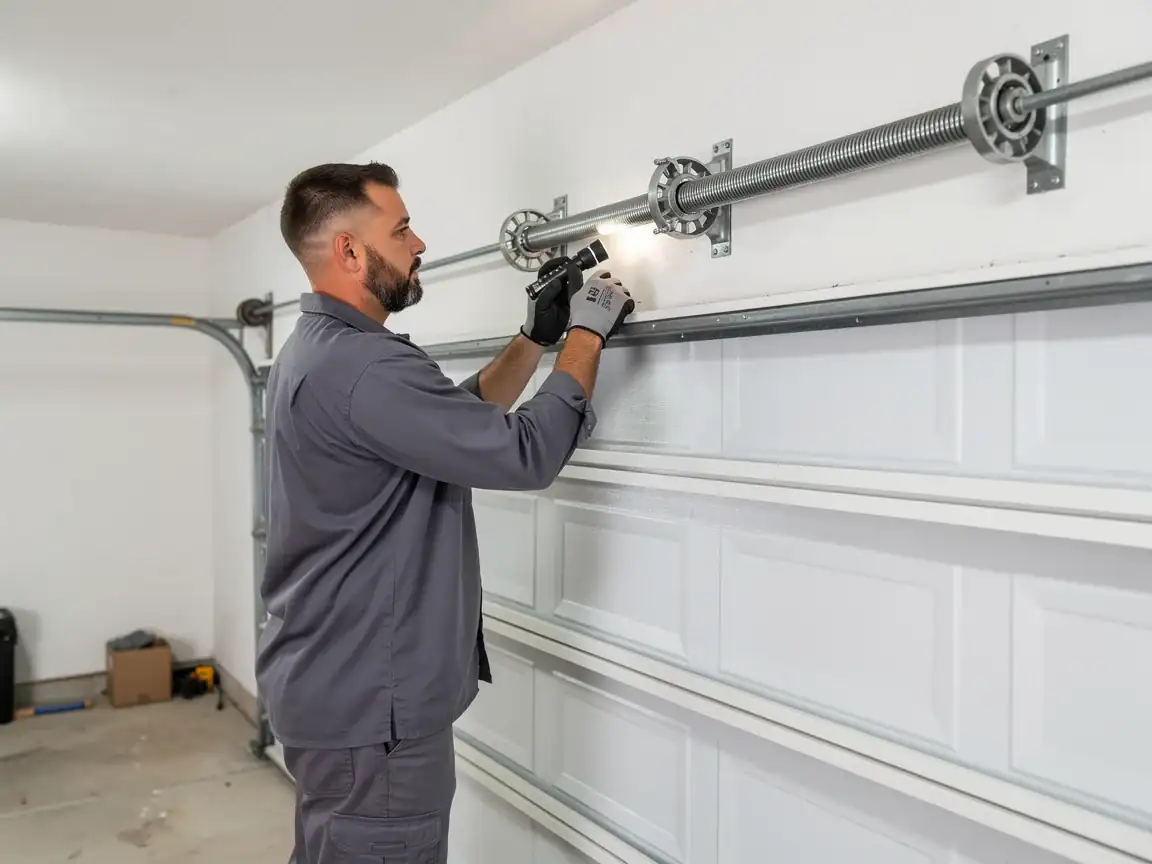
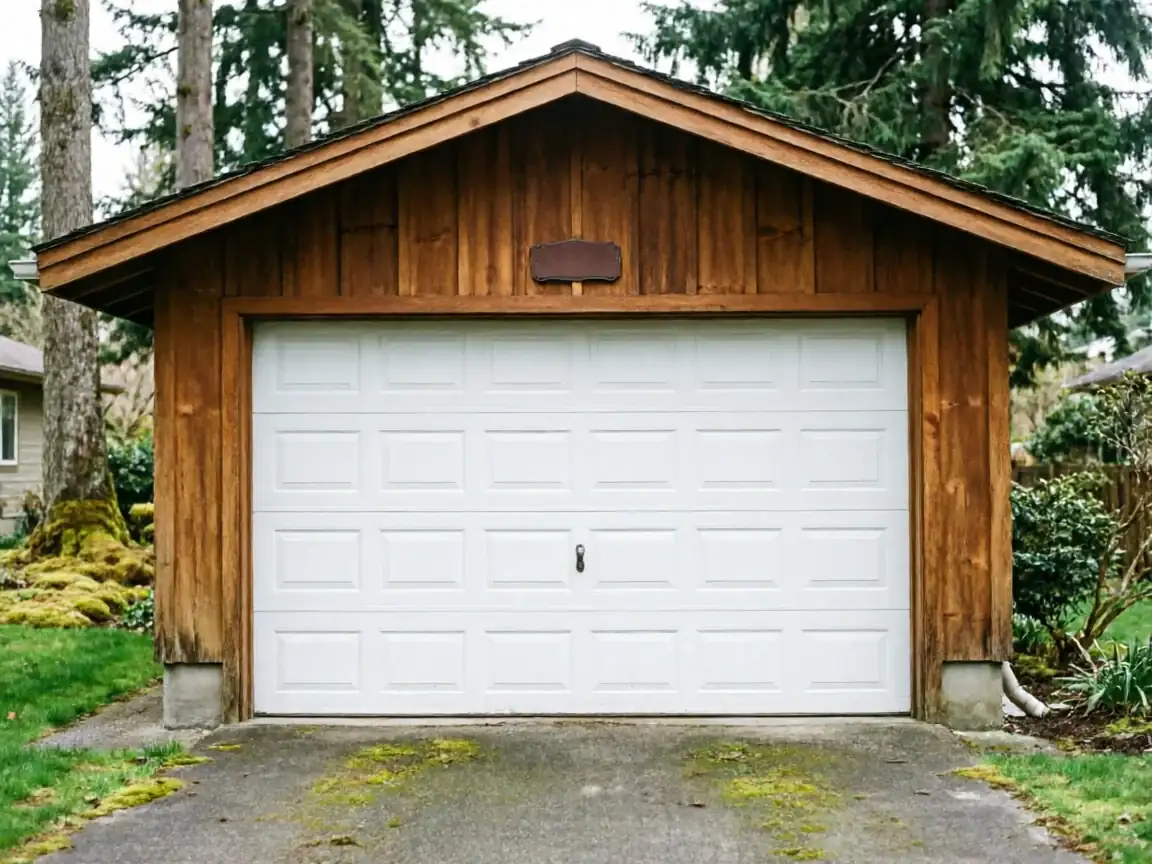
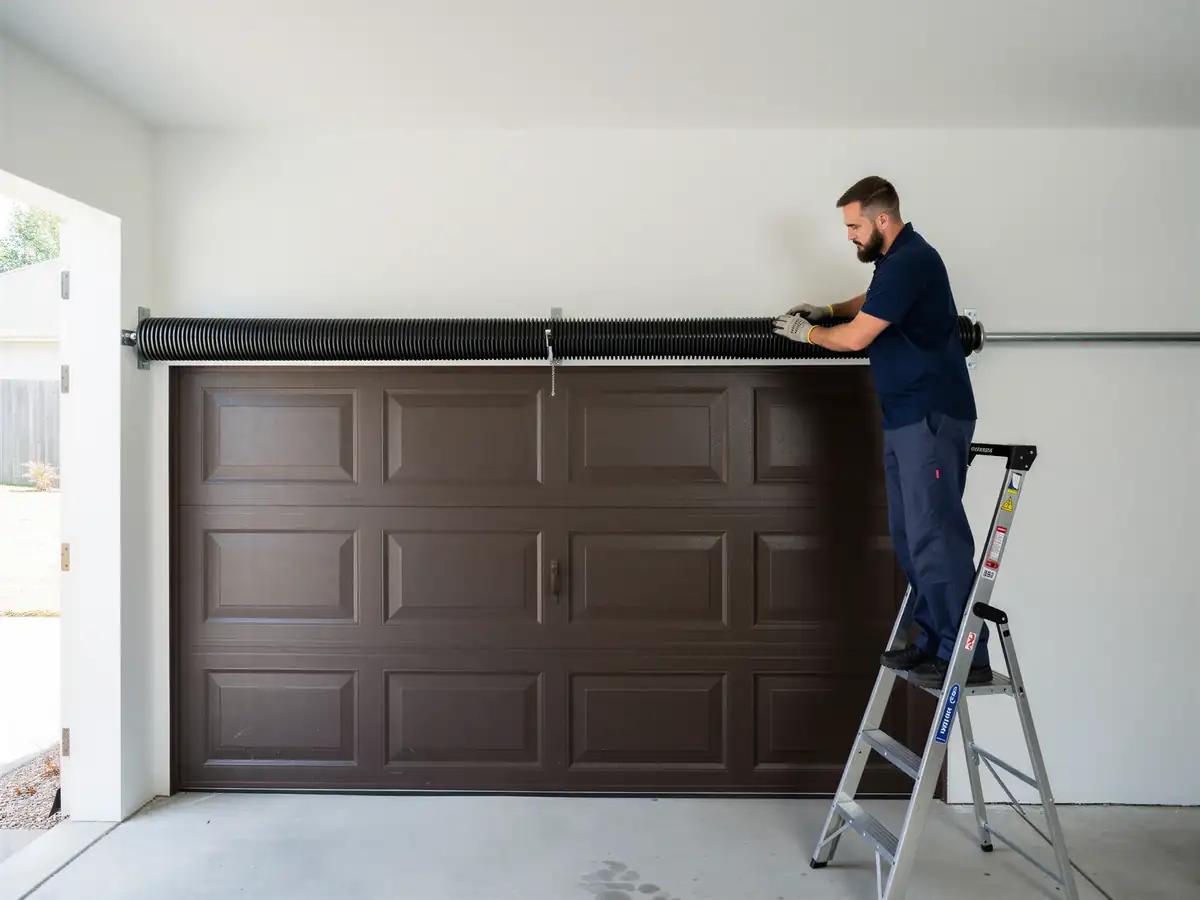
What moves the price from there is door weight and spring count. A single 16-foot double door usually runs two torsion springs; if one goes, the other is close behind on the same wind cycle, which is why we quote both when we're already on site. Wood doors from the 1970s and 80s weigh more than the steel doors going in today, so the spring has to be wound to match - and matching it wrong is how you get a door that won't stay up or slams down hard.
We don't carry a price list we can quote here, since spring size and cycle rating vary door to door. What we can tell you is that the job is priced at the house, not off a phone estimate.
Getting It Booked In
We run this job out of Eugene
And Springfield sits about 7 miles out - closer to us than Creswell, Junction City, or Veneta, all of which run 11 to 12 miles. That's worth knowing because it means your call doesn't sit at the bottom of a route the way a farther stop might.
We don't keep a branch or a truck staged in Springfield itself
So we're not going to promise a same-hour window - that's not a claim we can back up from here. What we can do is get a tech on the road once the job's booked, and the short drive from Eugene keeps that window tighter than it would be for the towns further out on our list, like Cottage Grove at 18 miles or Lowell at 19.
- 18 miles
When you call, tell us the door size and whether it's one spring or two that let go
A double door almost always means two, even if only one has visibly snapped. That detail changes what gets loaded on the truck before anyone leaves Eugene.
How Long It Takes
A straightforward torsion spring swap on a standard double door is a same-visit job once the tech is on site - it's not a multi-day repair. Where it runs long is when the spring size doesn't match what's on the truck, which happens more often on the older end of Springfield's housing, built closer to 1950 than 1976, where doors and track hardware were sized differently than what's standard today.
The climate here plays a role too. This area sits in a cold-moderate band, and springs that cycle through cold mornings and warmer afternoons fatigue faster than springs in a milder climate - more freeze-thaw swings mean more metal stress over the years. That's not something you can see coming; it's just wear that adds up.
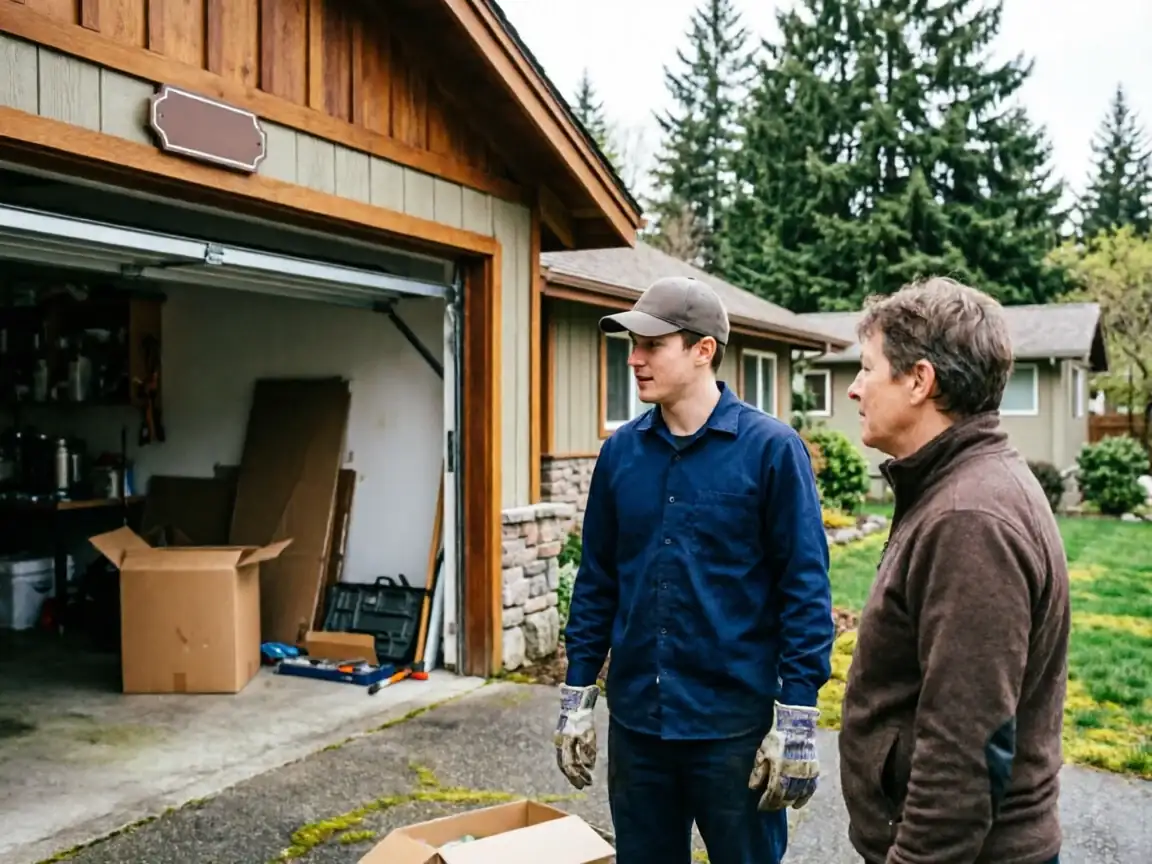
If the drum, cable, or track took damage when the spring broke - which happens when a door drops hard - that adds time on top of the spring itself. We'll tell you on site if that's the case rather than guess over the phone.
What Is on the Truck
Given that most of Springfield's housing sits in that 1950-1997 window with a median build year around 1976, the springs we load are sized for sectional steel and wood doors on torsion hardware - not the older extension-spring kits you'd need for a pre-1950 one-piece door. That's the stock that covers the bulk of calls in this part of the service area.
We carry a working range of torsion springs in common cycle ratings and wire sizes, plus the end bearings and cable that usually go with a spring failure. What we don't stock is every odd or discontinued size - older or custom doors sometimes need a spring ordered in, and we'll say so up front rather than pretend otherwise.
Double doors get matched springs, not a single oversized one, because an unmatched pair puts uneven tension on the shaft and wears the opener faster. That's standard practice, not an upsell.
How We Fix It
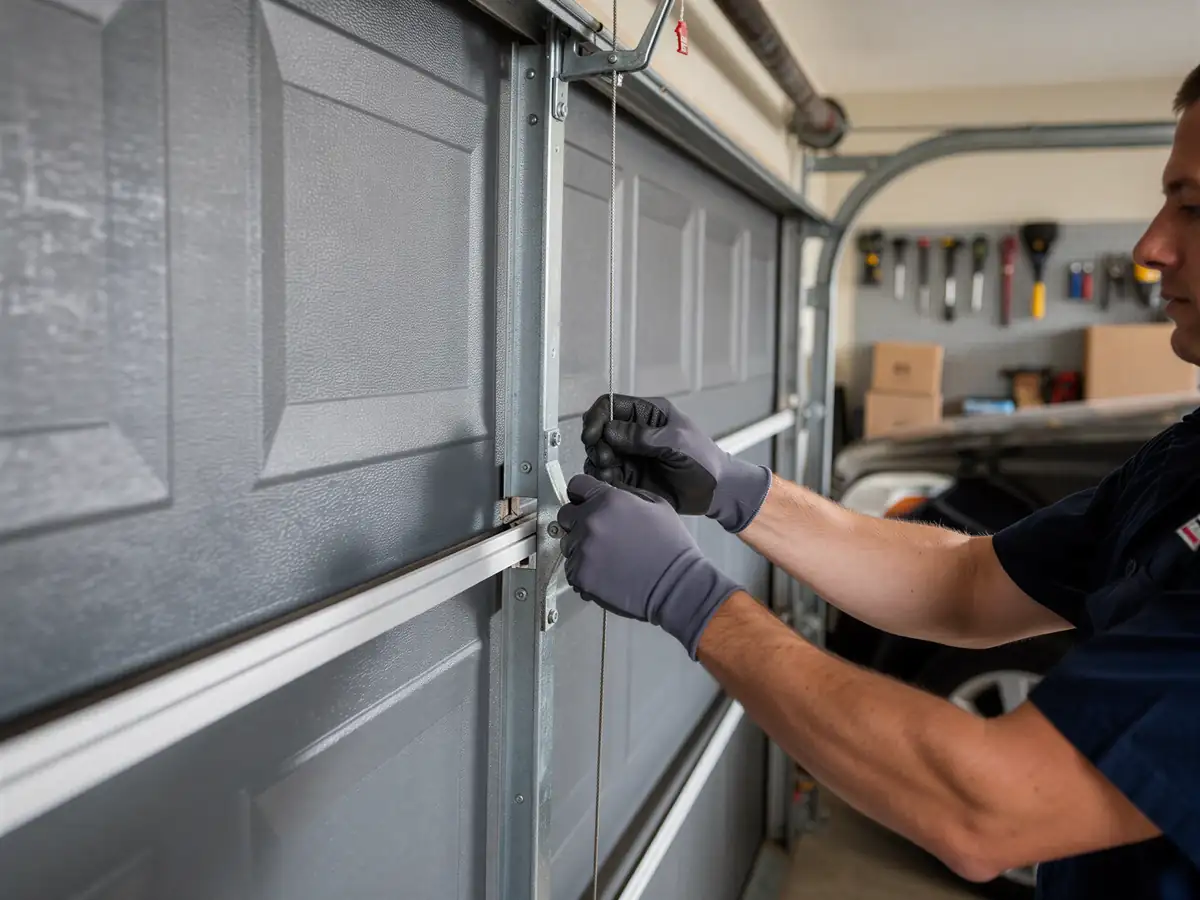
We start by checking which spring failed and whether the other one on a double door is close behind
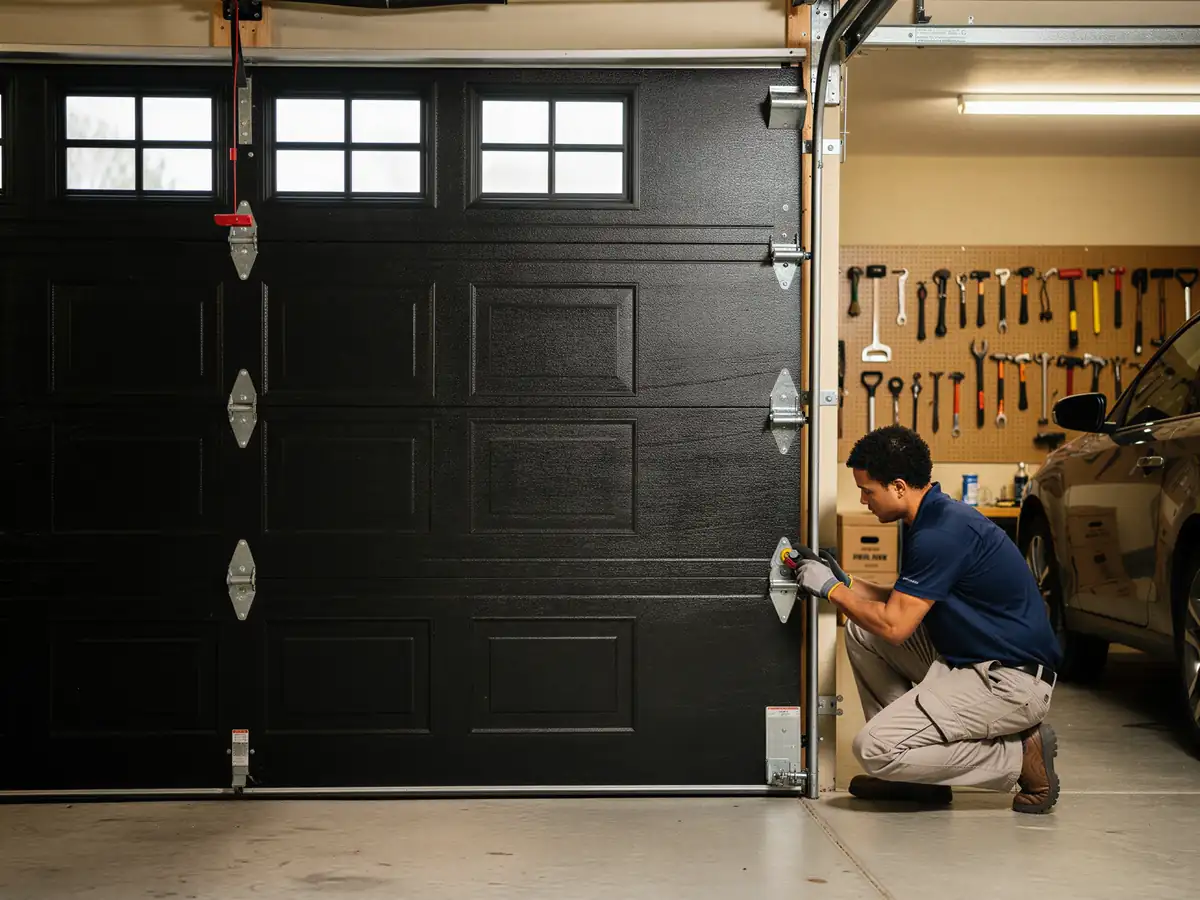
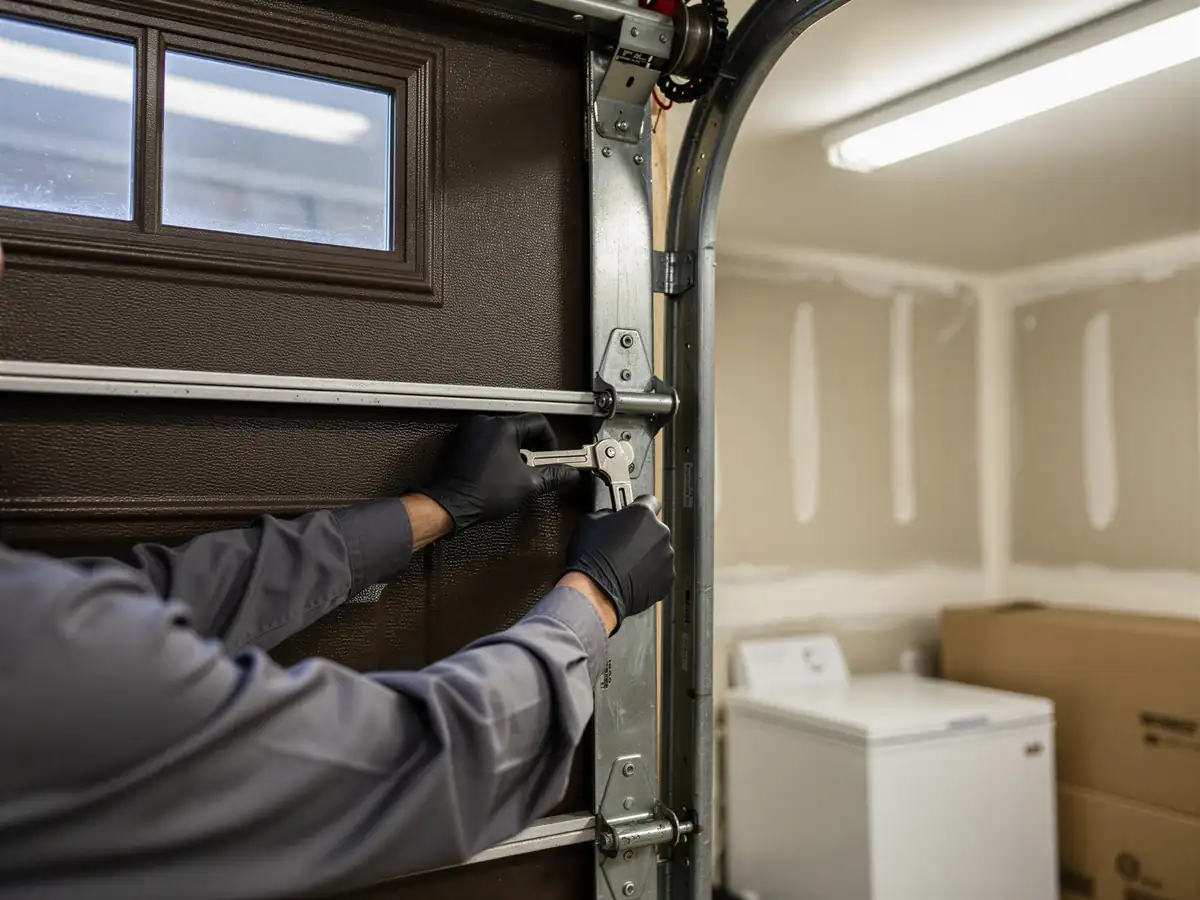
On matched pairs under the same cycle count, it usually is. Then we unwind the old spring, check the shaft, end bearings, and cable drums for wear before putting anything new on, because a fresh spring on a damaged drum just moves the next failure down the line.
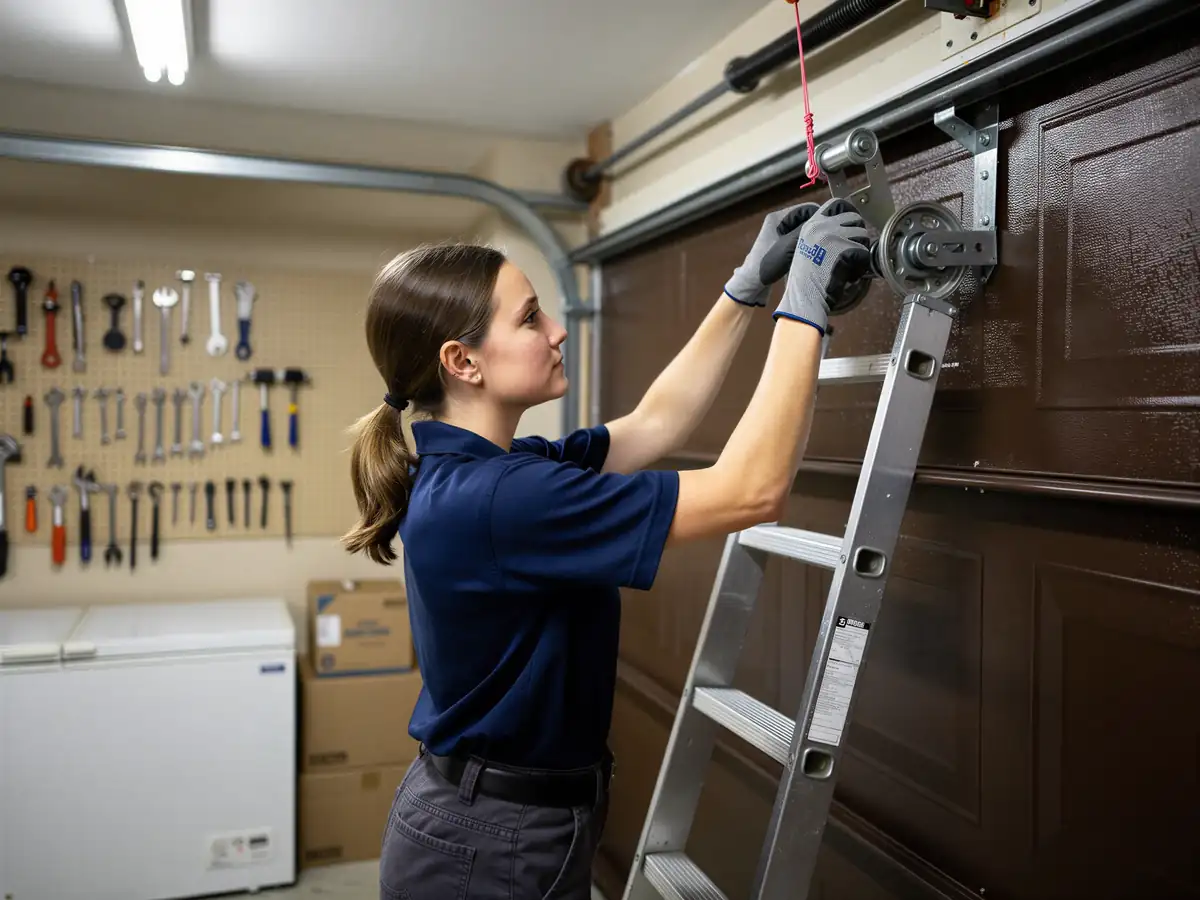
The new spring gets wound to the door's actual weight, not a generic setting
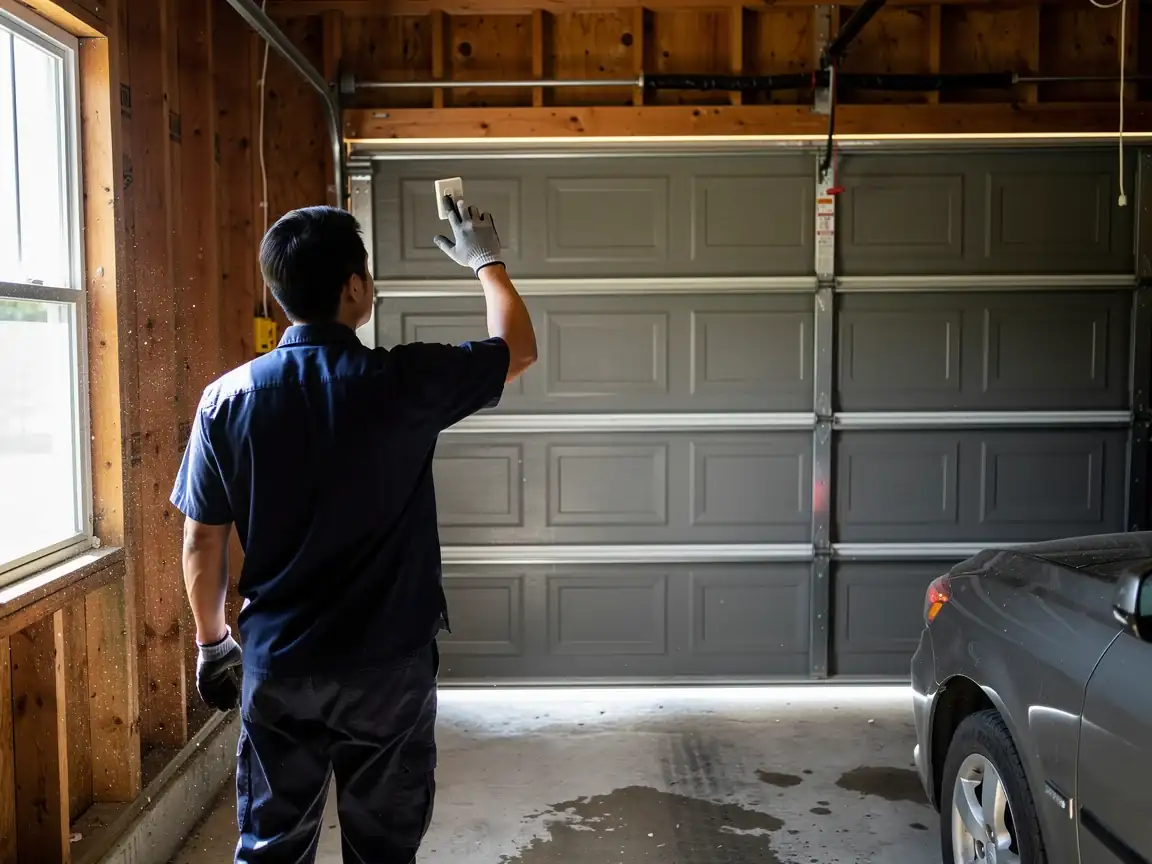
This matters more on the heavier wood doors common in Springfield's older housing than on the lighter steel doors going into newer builds. We test the door's balance by hand before we call the job done; a door that won't hold position halfway up isn't finished, even if the spring itself is fine.
If we find the opener's been straining against a bad spring for a while, we'll flag it
A burnt-out opener motor is a separate repair, and we're not going to fold it into the spring job without telling you first.