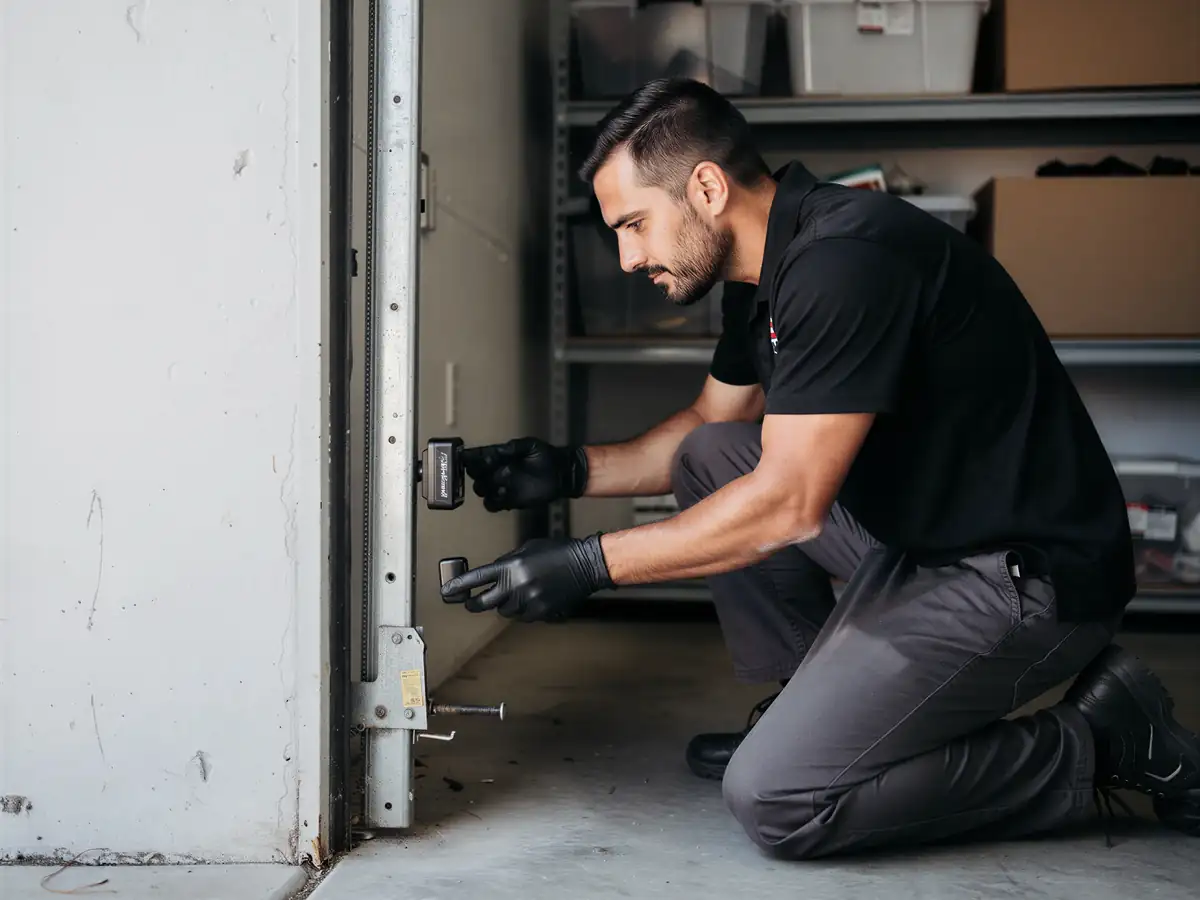
Why It Happens Here
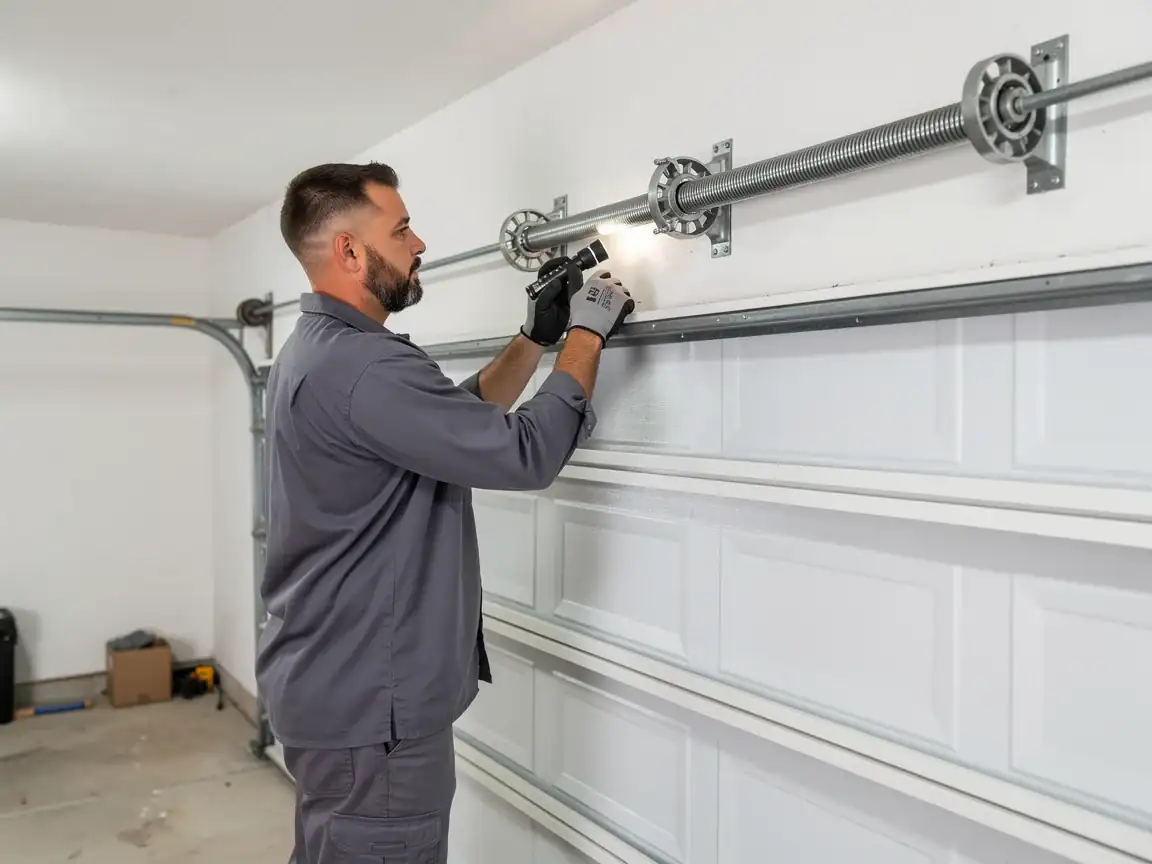
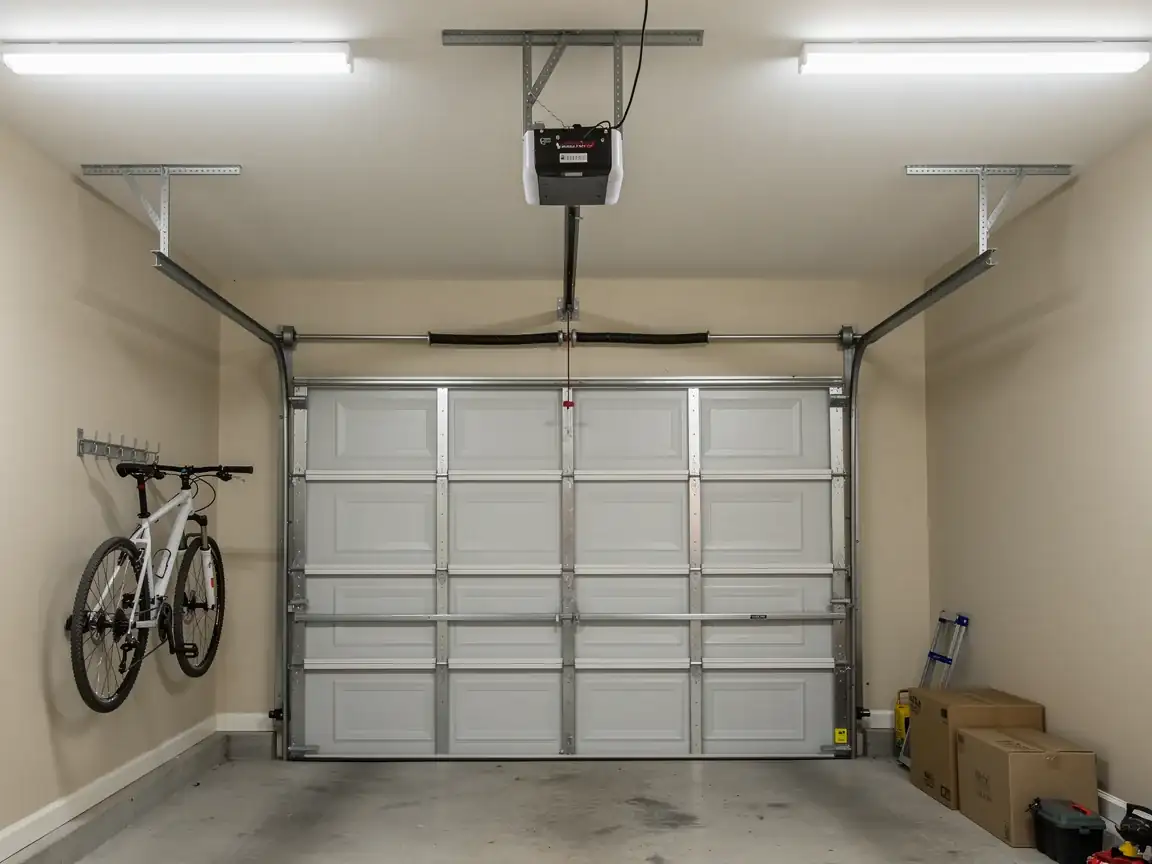
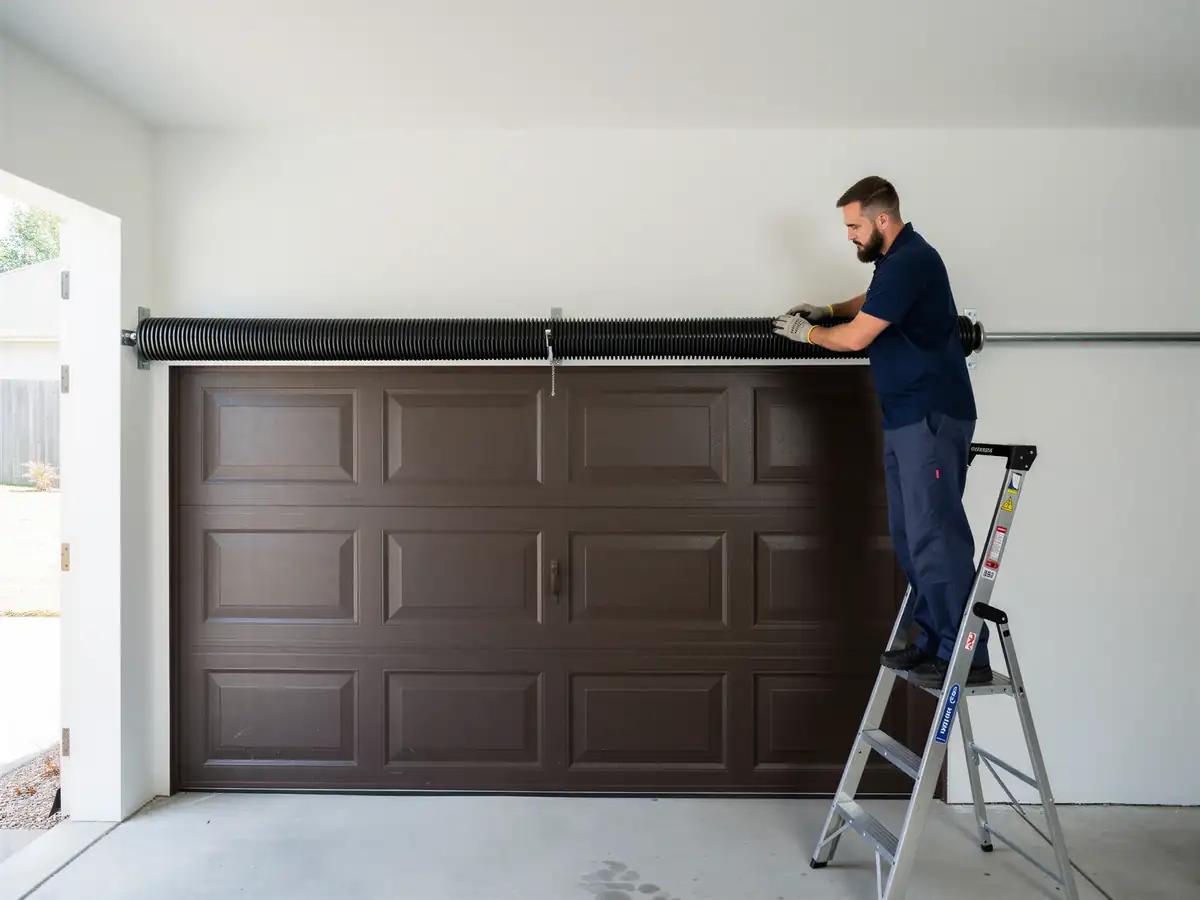
The median house in Cottage Grove went up around 1977, which puts a lot of doors here on hardware that's never been swapped. If nobody's touched the garage since the place was built, you're likely still running the original torsion spring, the original rollers, and in some cases the original extension springs on a door that was never upgraded to torsion at all. That's not a guess about any one house - it's just what the math says about a town where the housing stock centers on the late 1970s. Add in a cold, moderate winter climate and you get steel that contracts and expands every season, lubricant that dries out faster than most owners realize, and cables that fray quietly inside the drum where you can't see them. None of this fails on a schedule. A spring rated for 10,000 cycles doesn't know it's been 45 years - it just knows how many times it's been stretched. Households in this part of the service area run a median income of $64,133, noticeably below the wider Eugene-area figure of $74,006, which is part of why a lot of this original hardware never got replaced on a 'just in case' basis. It got replaced when it broke, and some of it hasn't broken yet - it's just close.
The Cost of This Job
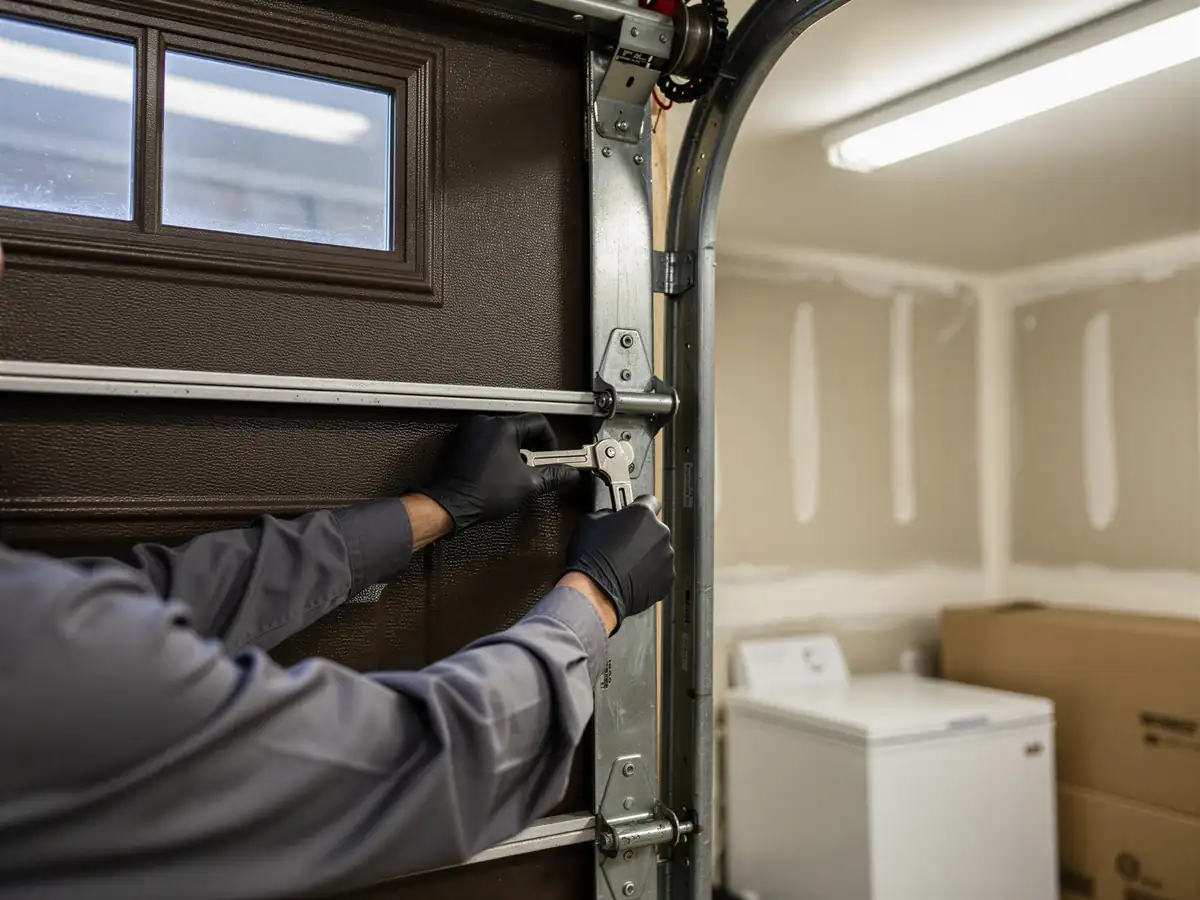
We don't have a fixed price to quote you here without seeing the door, so we won't invent one. What we can tell you is what drives the number: whether the spring is original 1970s stock or a later replacement, whether the rollers are steel or nylon, and whether the opener has been swapped since the house was built. A tune-up on a door that's had nothing done to it in decades usually turns up more line items than one that was serviced five years ago - that's just how deferred maintenance works, not a sales pitch. Given the median income in this part of the service area runs below the broader Eugene figure, we try to flag which repairs are urgent (a fraying cable, a spring near end of cycle life) versus which can wait (cosmetic panel wear, a slightly noisy roller) so you're not paying to fix everything in one visit when only part of it is load-bearing.
The DIY Question
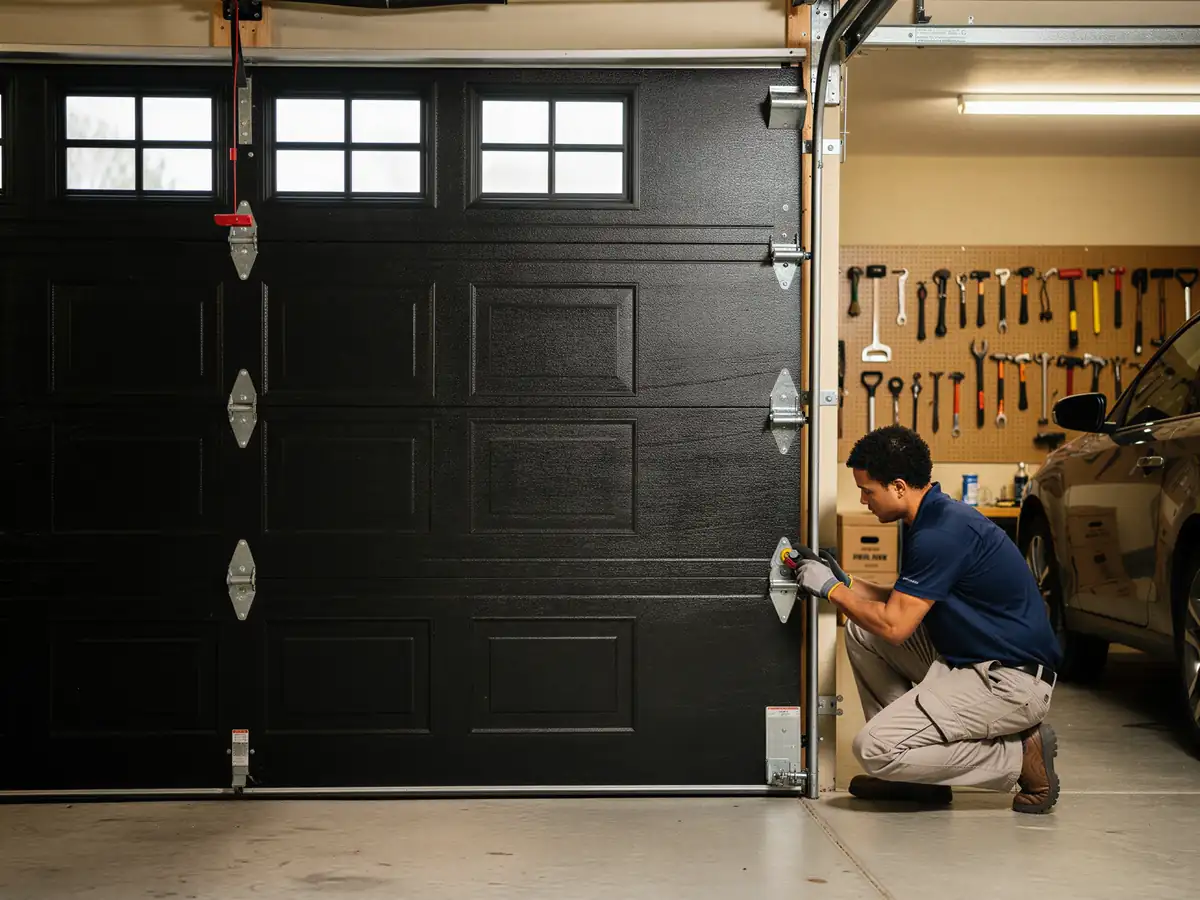
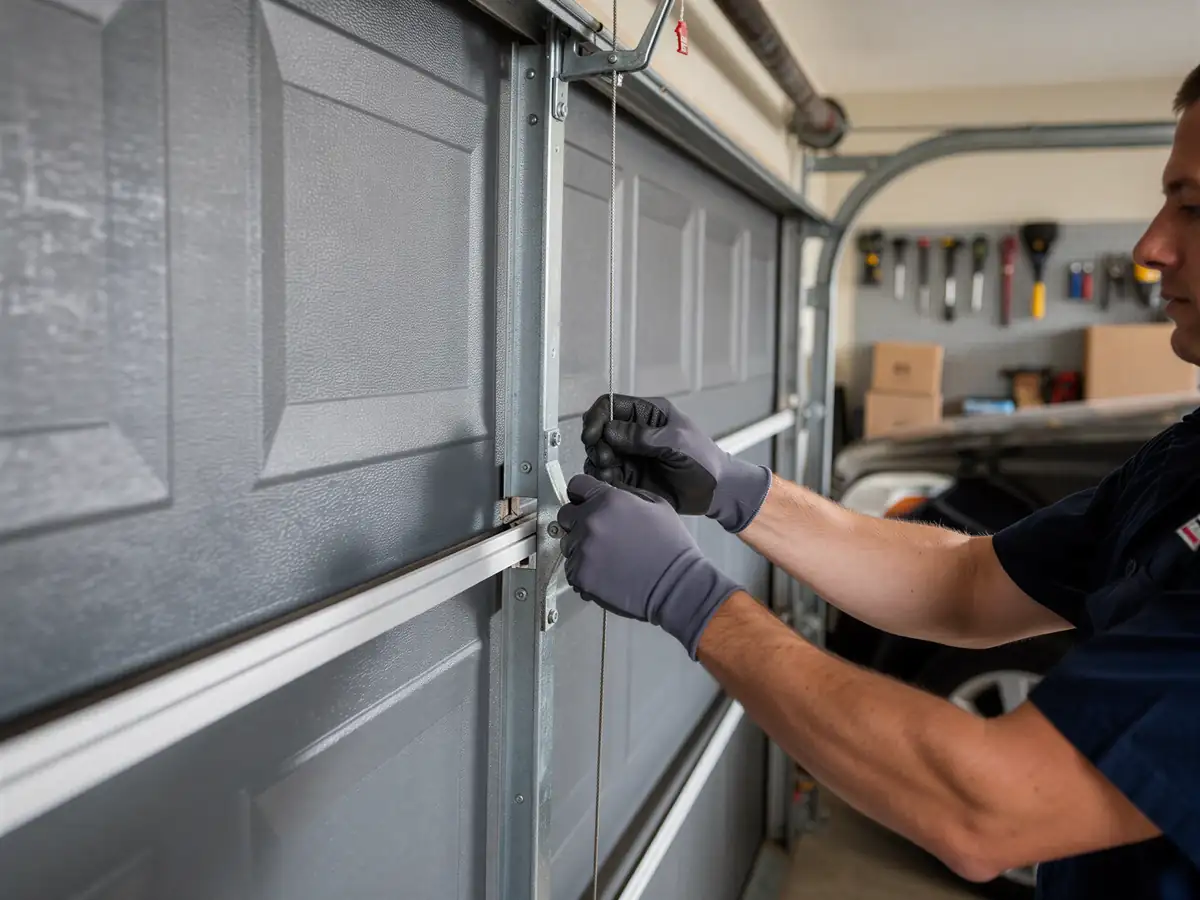
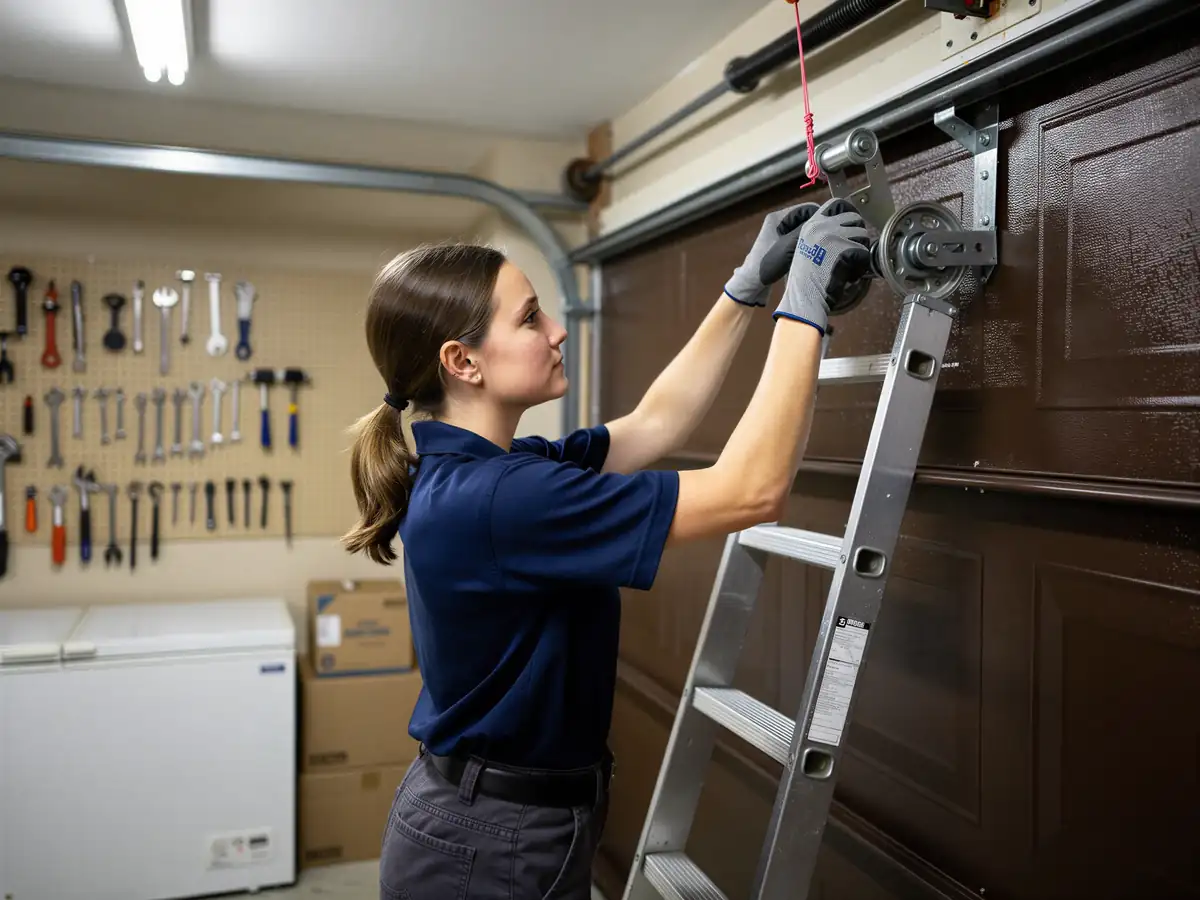
Lubricating hinges and wiping down tracks is fine to do yourself, and it's worth doing between visits regardless of who services the door. Where we'd stop you is the spring. A torsion spring on a door built around 1977 has been under tension for close to five decades, and the bracket style from that era isn't always what you'd expect from a hardware store diagram. Winding or unwinding it without the right bars and a sense of how many turns it actually needs is how people end up in the ER, not how they end up with a working door. Same goes for cables - if one's already frayed, it's carrying less than its rated load, and pulling on it to test it is the wrong move. If the opener itself is original to the house, we'd also leave the logic board and the force settings alone; those are easy to get wrong and we see more damage from a bad DIY force adjustment than from the original fault.