Why It Happens Here
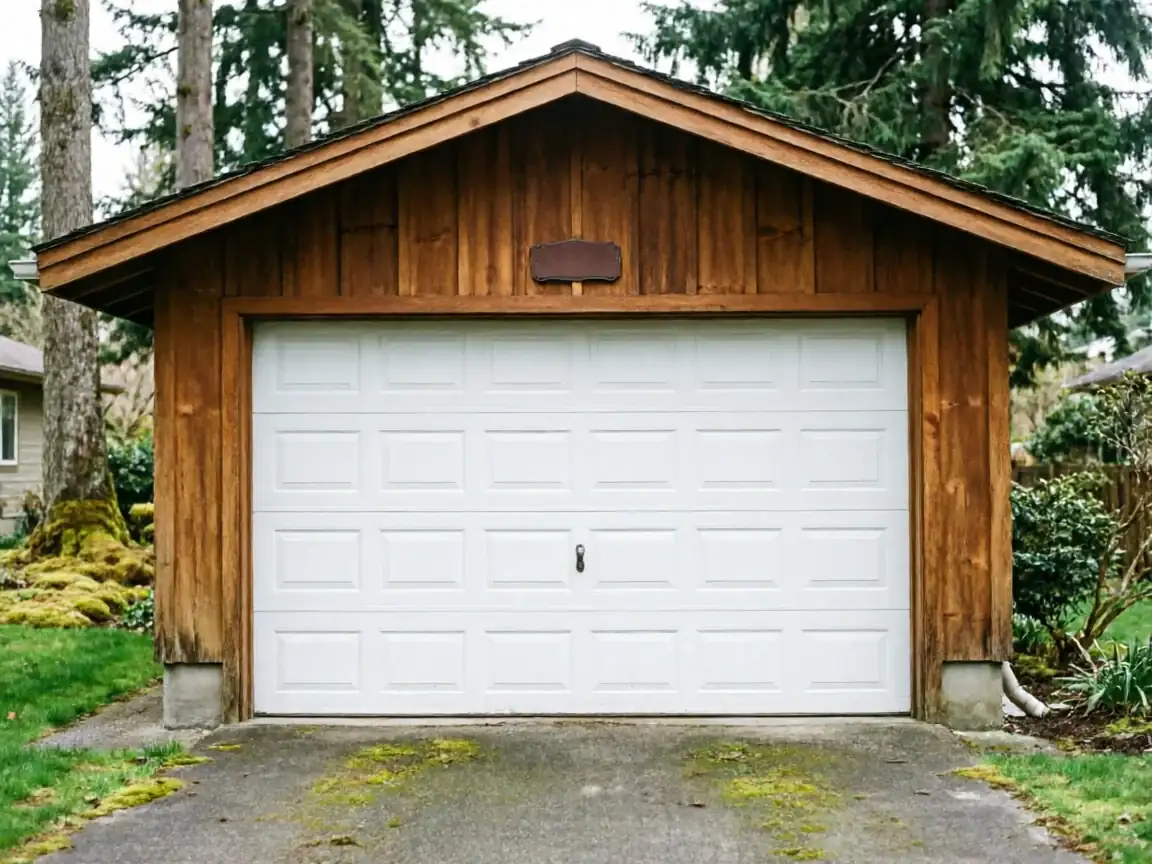
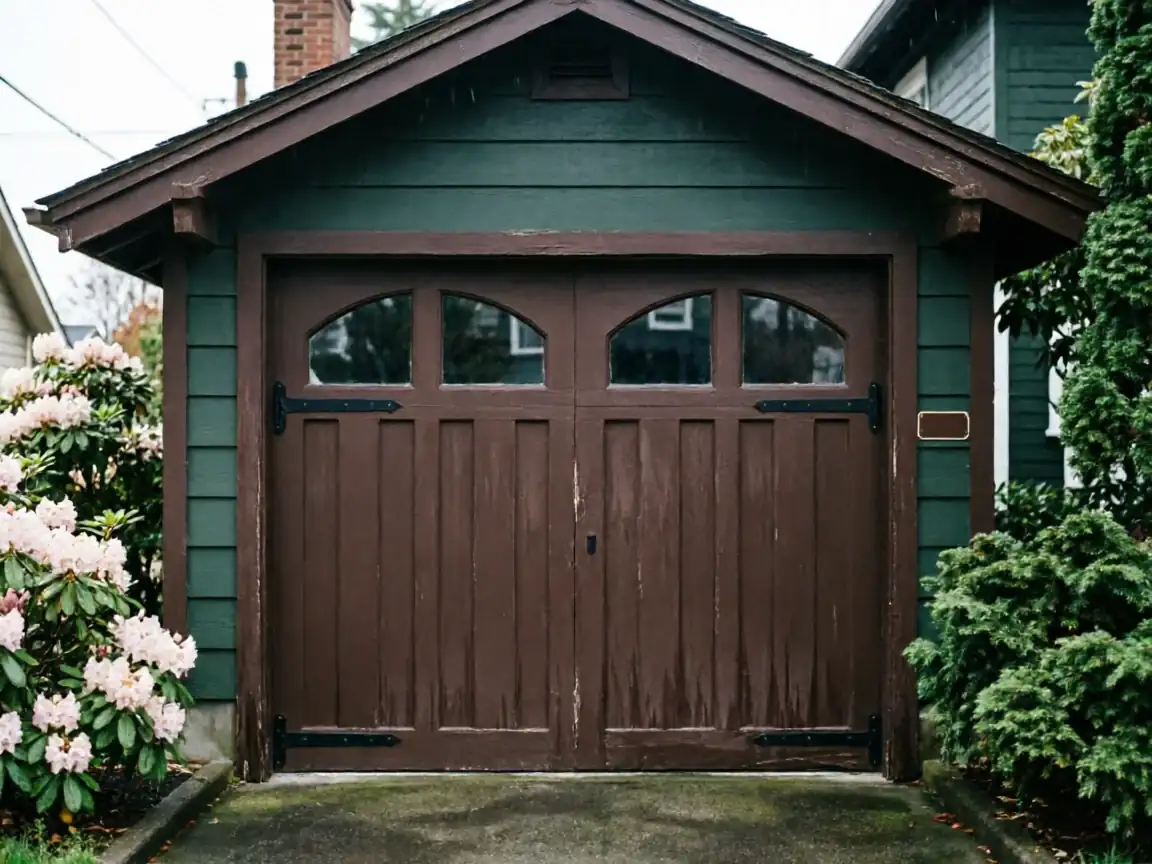
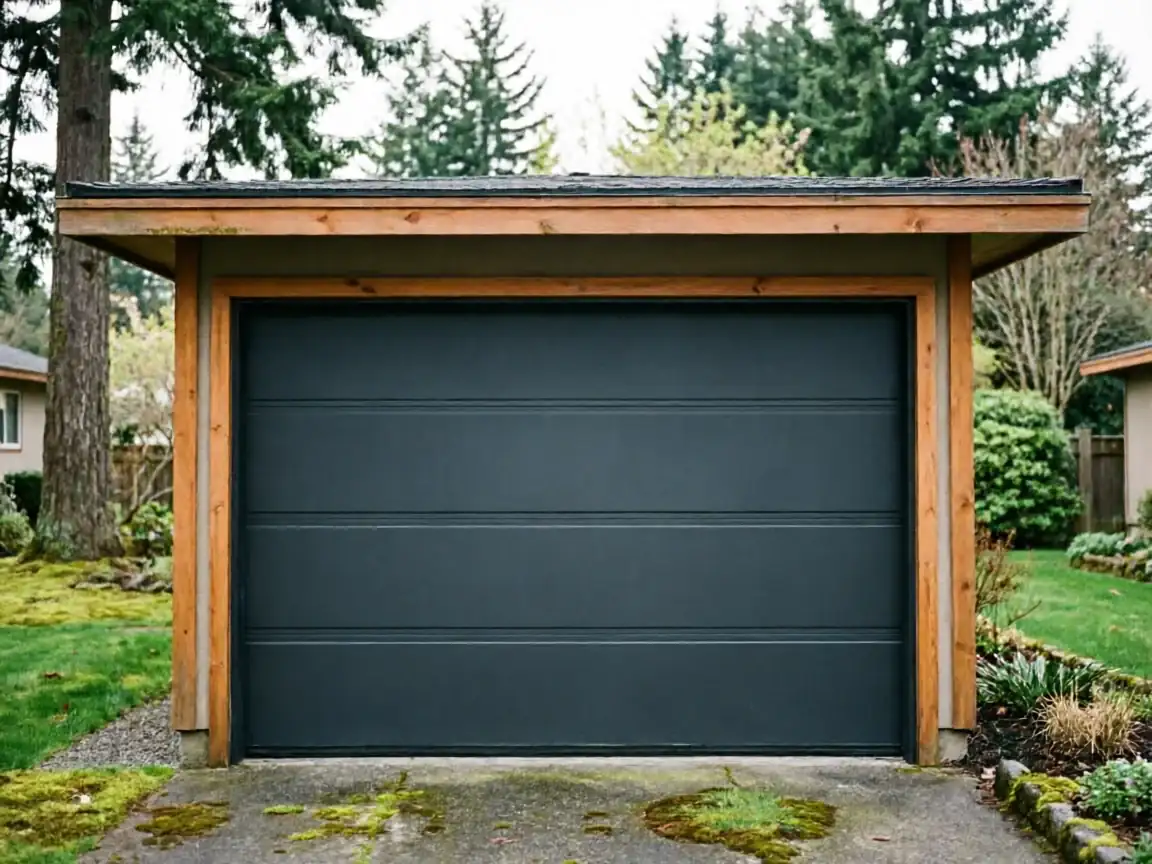
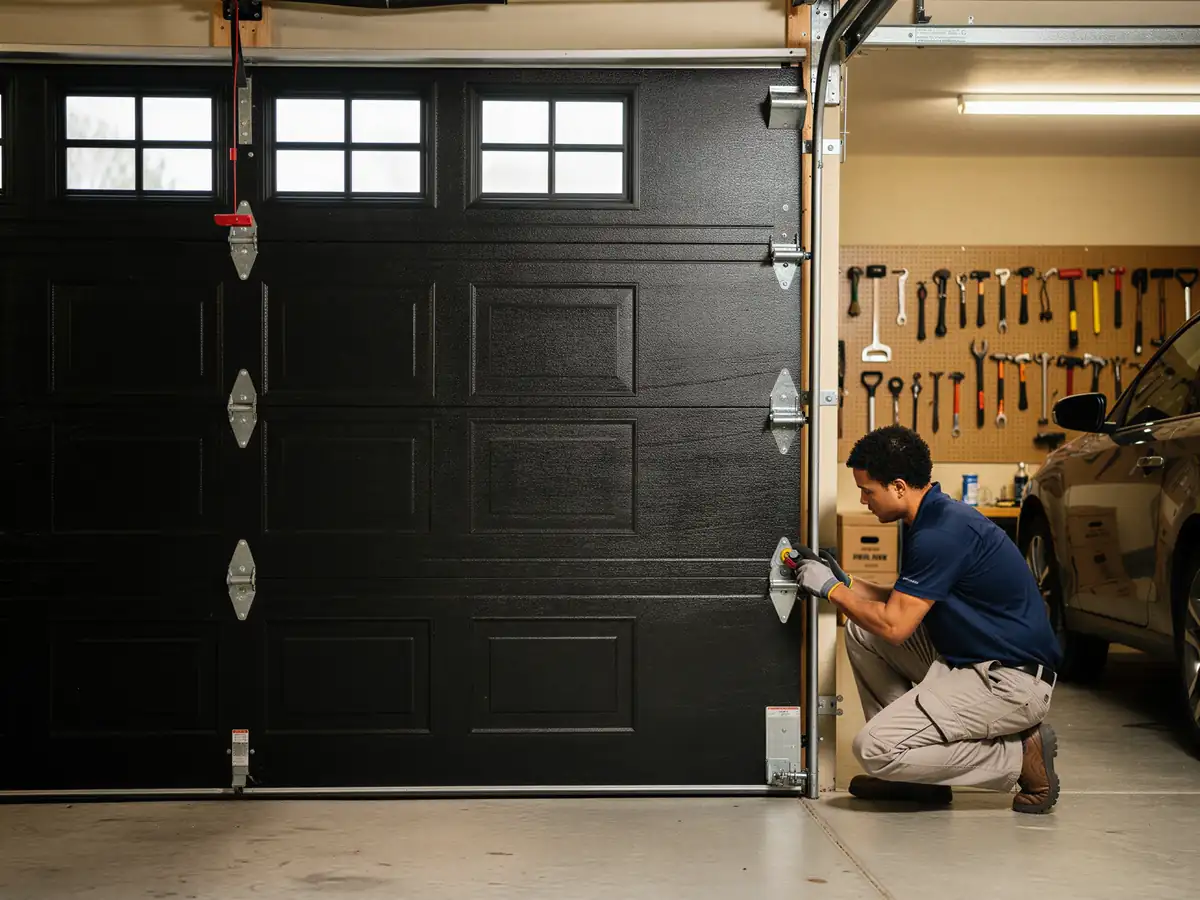
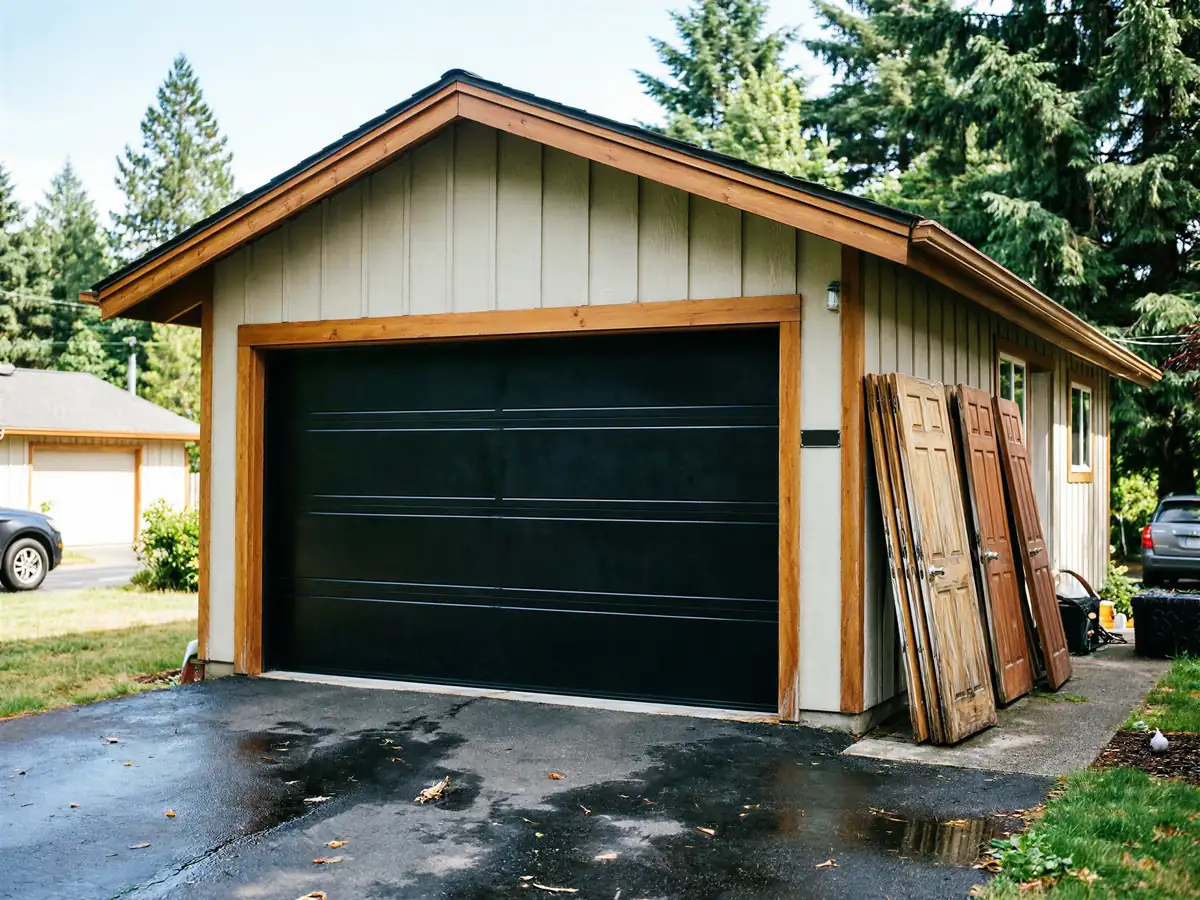
Cottage Grove's housing stock centers on 1977, a few years ahead of the broader Eugene service area's 1950-1997 range and its 1980 median. That gap matters more than it sounds. A house built in the mid-to-late 1970s was almost always fitted with a single steel door, no insulation layer, and a track width sized for openers that have been obsolete for two decades. When that door finally fails, it's rarely a simple panel swap. The jamb, the header clearance, and the spring drum are all built to a spec that newer doors don't match off the shelf. We size new units against what's actually in the opening, not against a generic big-box listing. Cottage Grove sits at the edge of a cold-moderate climate band, which is one more reason the original uninsulated doors in this age bracket are worth replacing rather than patching - the R-value difference is real once winter sets in. None of this means every house needs the same door. It means the starting point for a quote here is an older opening, and we measure accordingly instead of assuming Eugene-standard dimensions.
The Cost of This Job
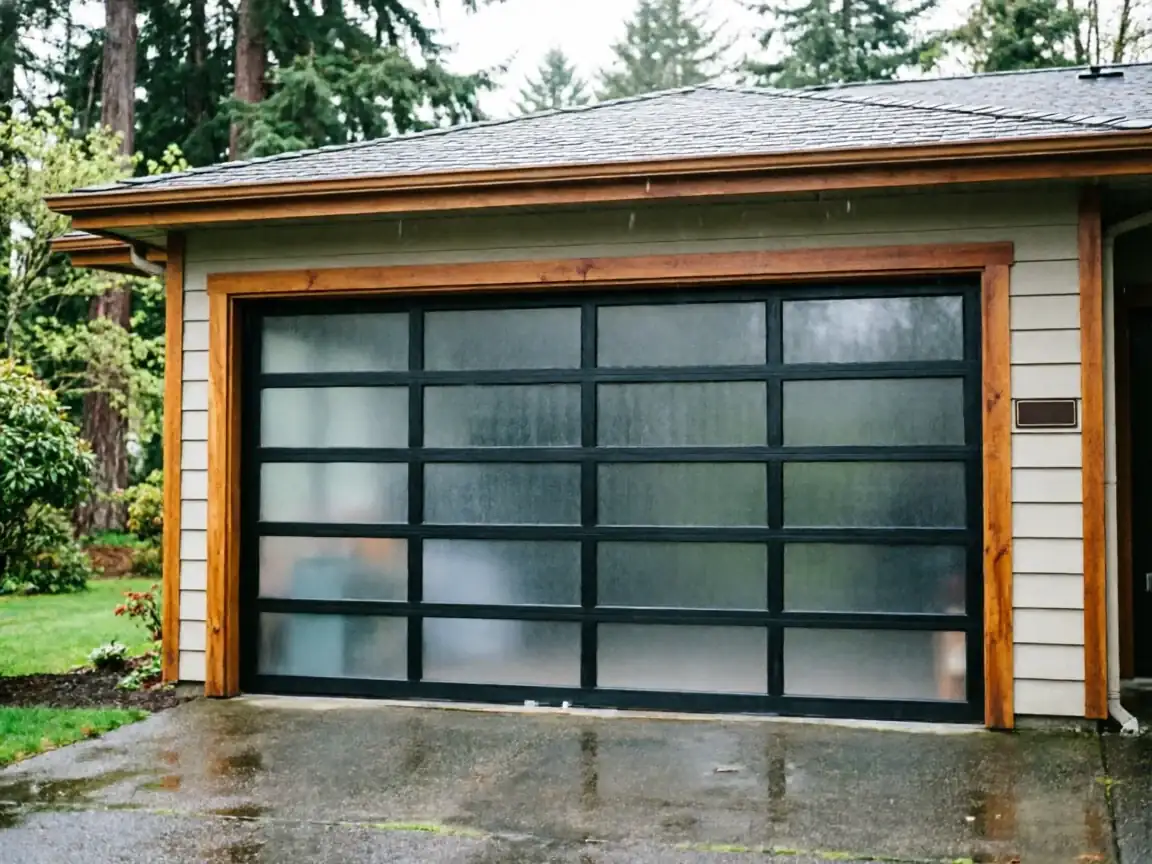
Median household income in Cottage Grove runs $64,133, noticeably below the $74,006 median across the wider service area. We don't set prices by zip code, but we do keep that gap in mind when we walk through options - a straightforward steel door without the add-ons is a legitimate choice here, not a downgrade we talk you out of. The bigger cost driver is usually the age of the opening, not the town: a 1977-era house with an undersized or non-standard header can add labor that a newer build wouldn't need. We'll quote what your specific door and opening require rather than a flat number, because the spread between a basic single door and an insulated double with a new opener is wide enough that a generic figure would mislead more than help.
The DIY Question
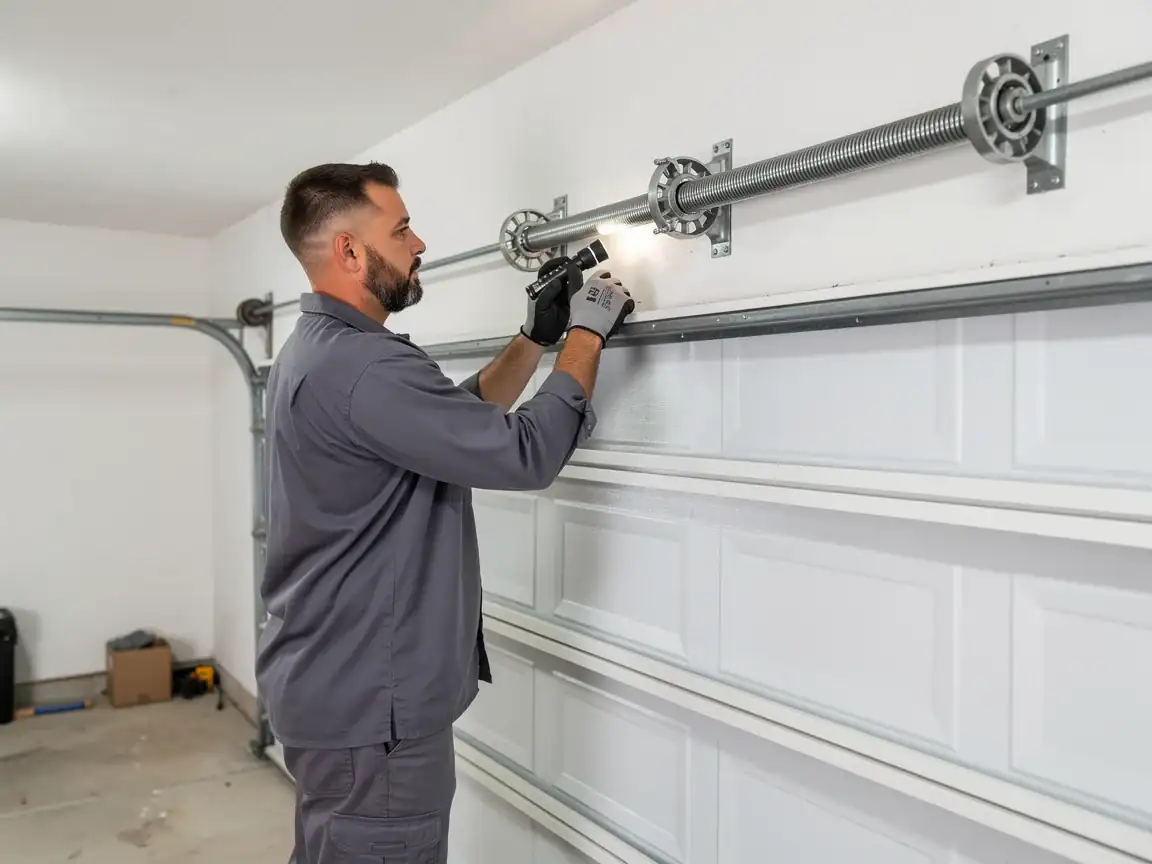
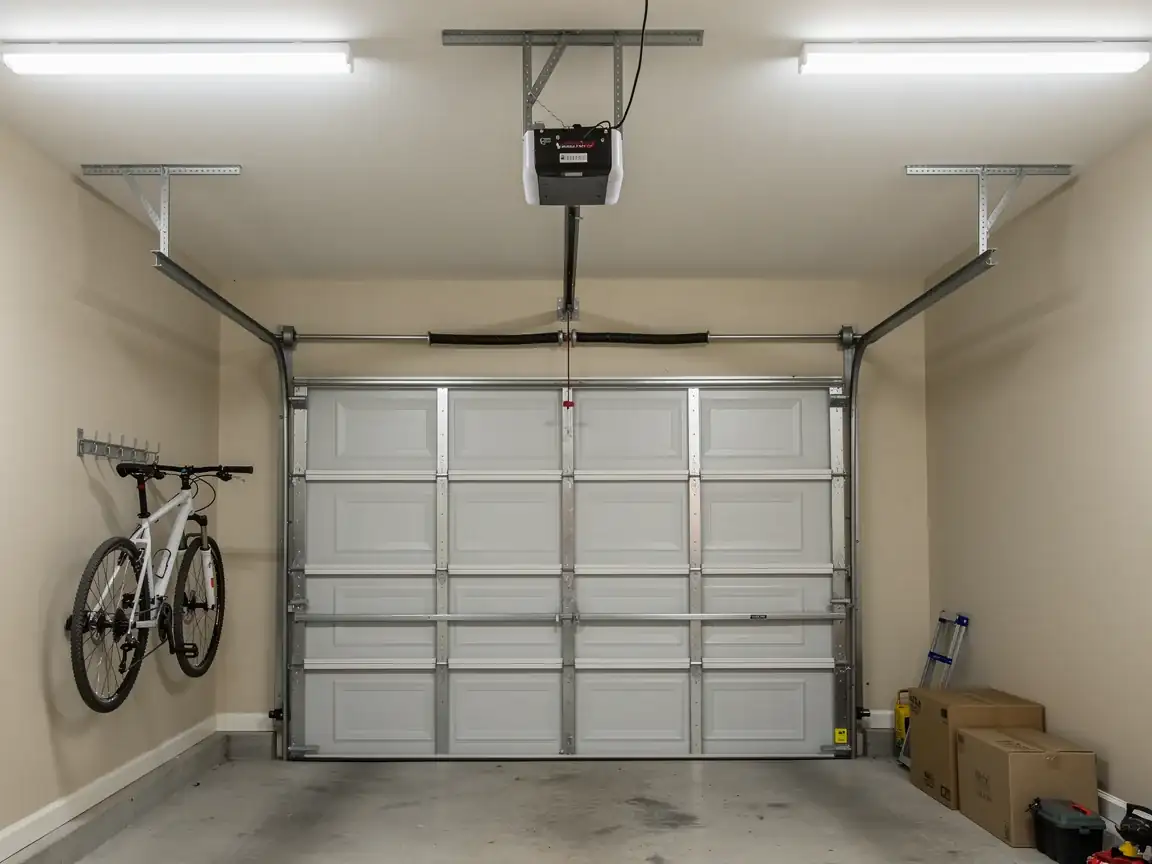
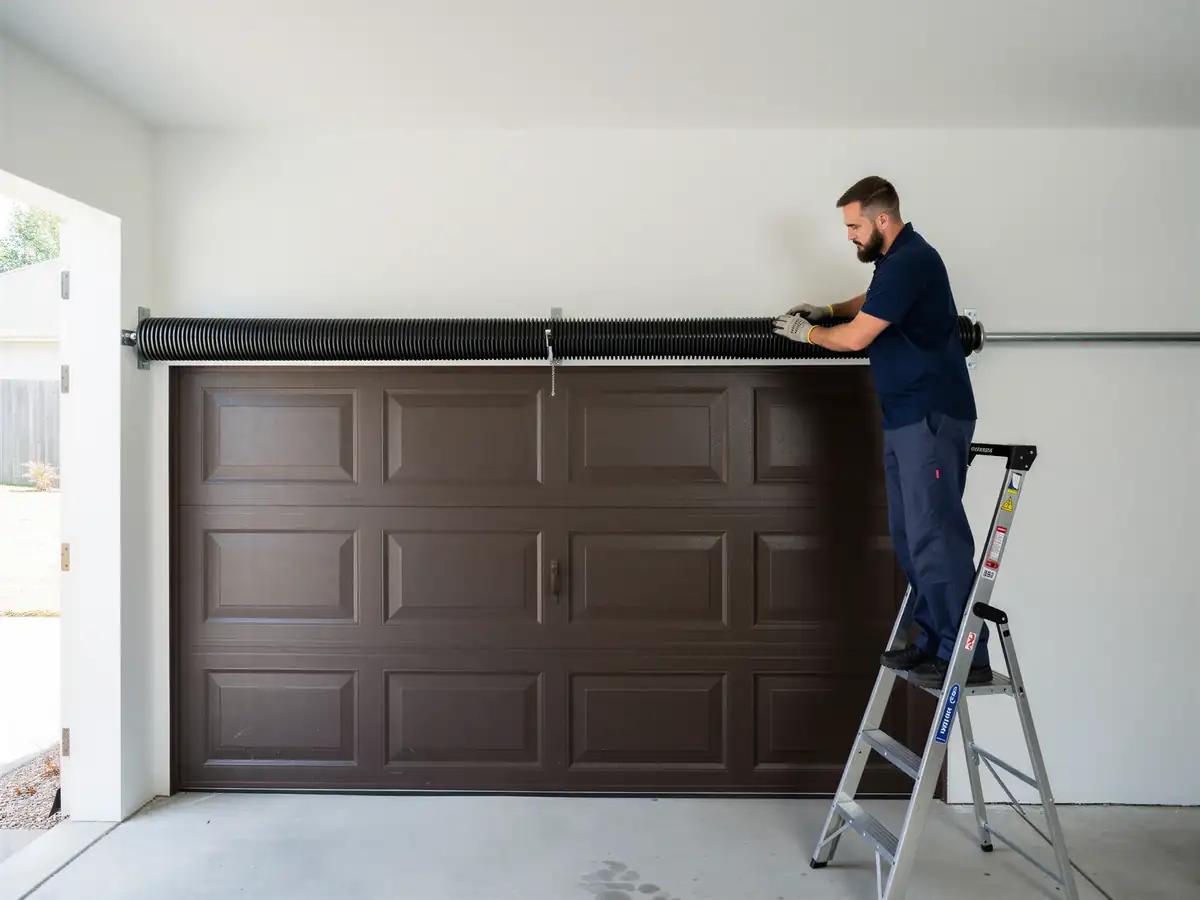
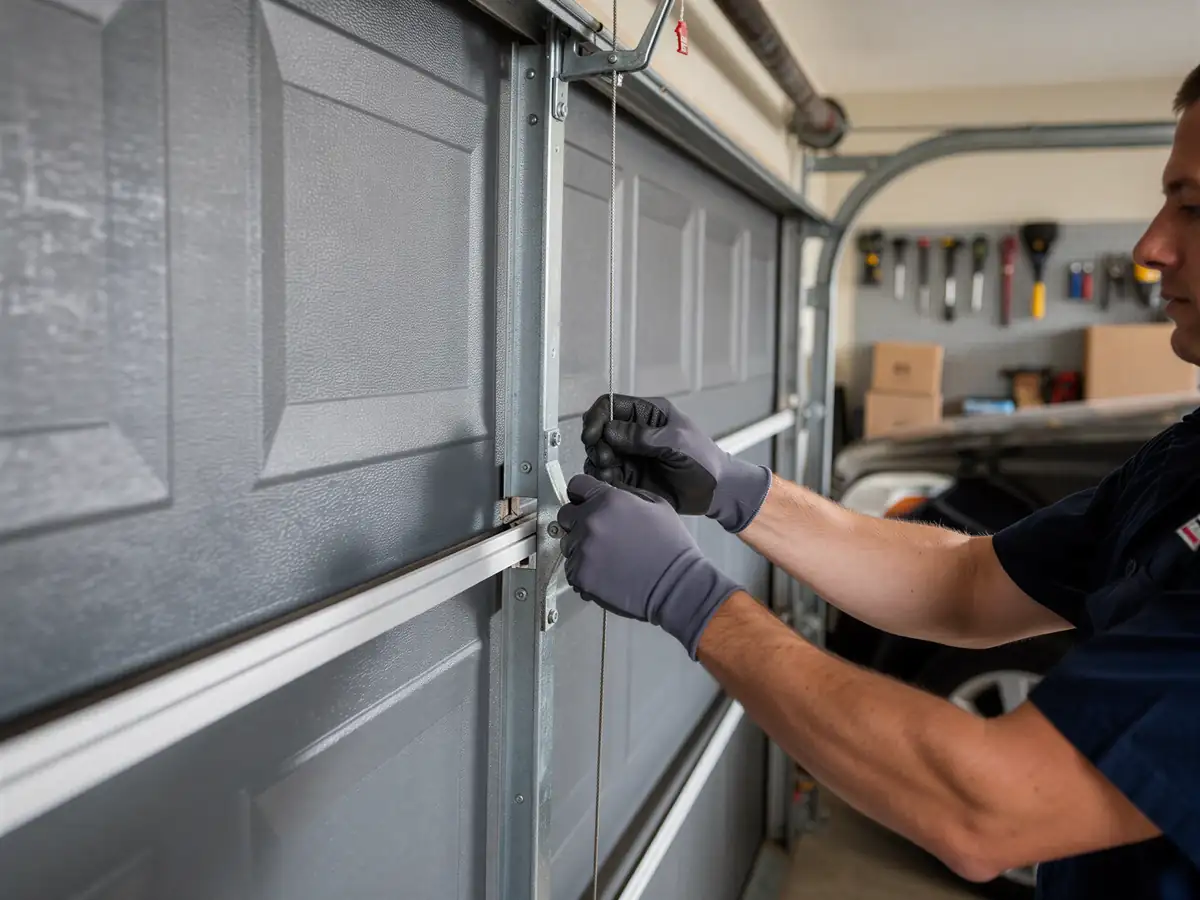
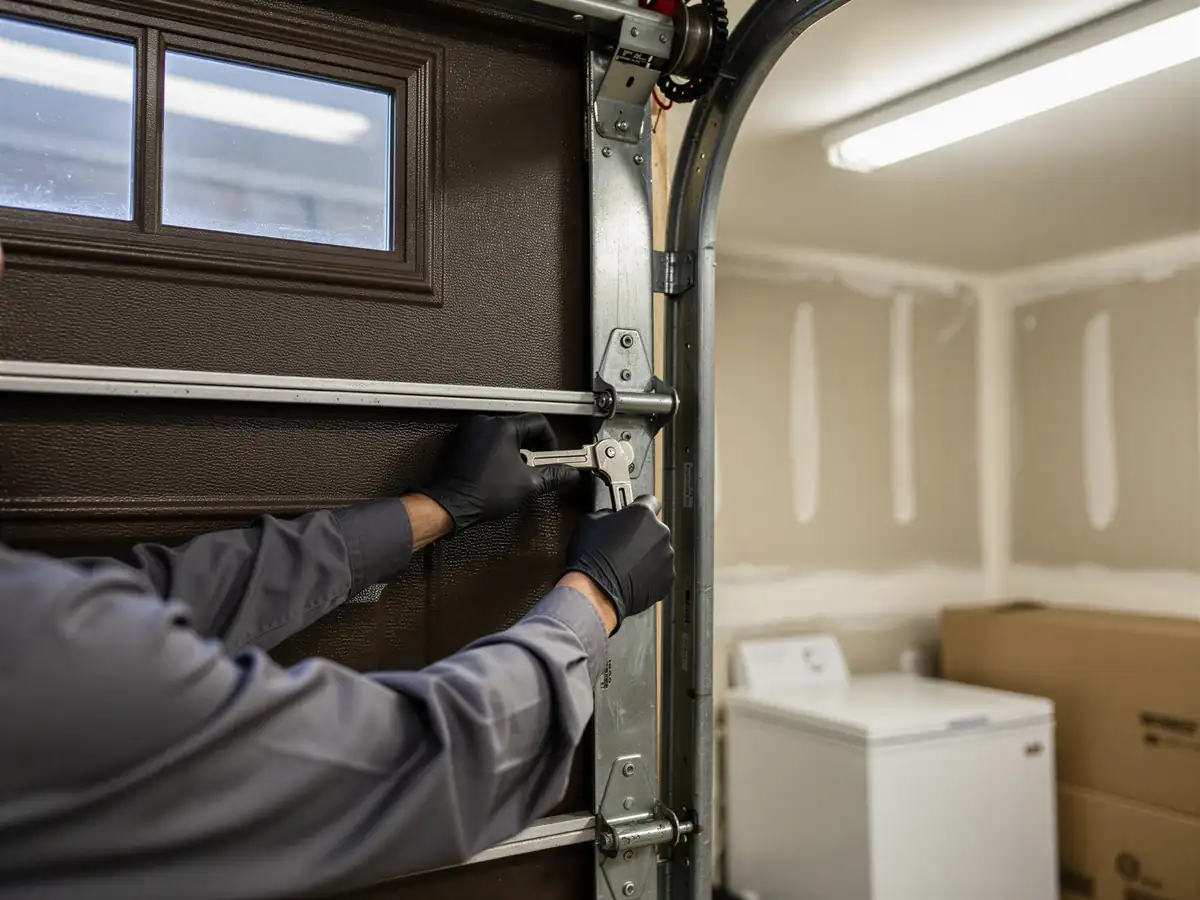
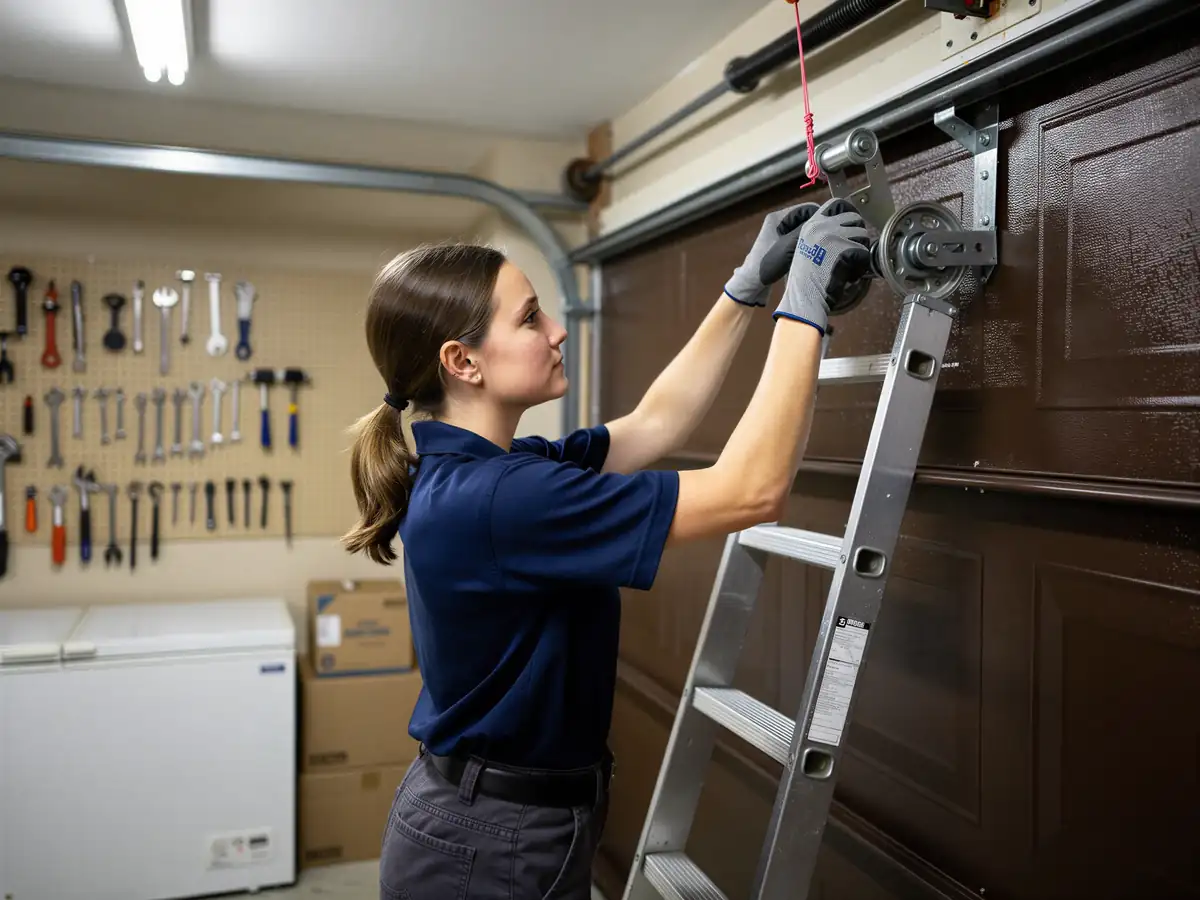
A new garage door is not a Saturday project, and that's truer in a Cottage Grove house from the late 1970s than in a newer build. The spring on these older doors is under real tension, the track alignment has to match an opening that's had forty-plus years to settle, and a half-inch of misjudged header clearance means the door binds the first time it gets humid and cold. We're not going to tell you it's impossible - some homeowners do swap a door themselves. But if your house falls in that 1970s build range, the hardware underneath the old door is often not what the instructions in a new door's box assume, and that's exactly the kind of mismatch that turns a weekend job into a stuck door and a service call anyway.