Why It Happens Here
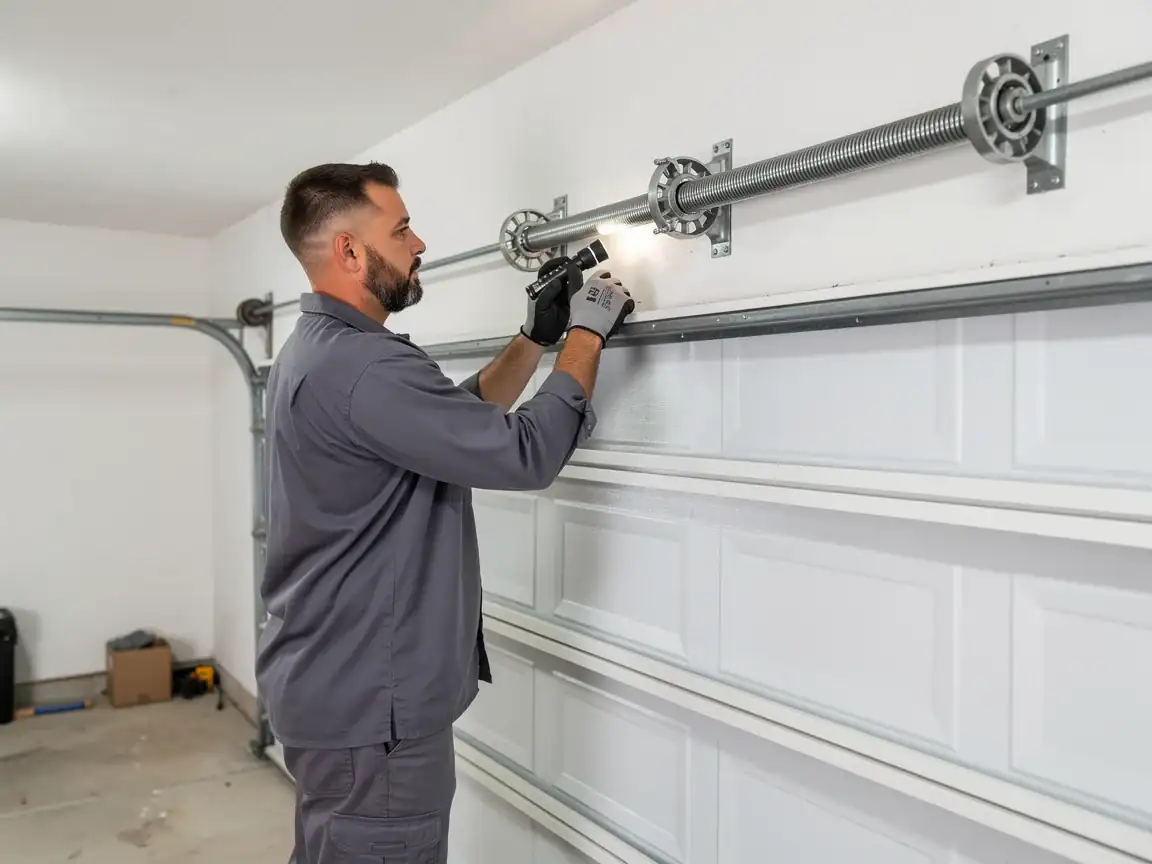
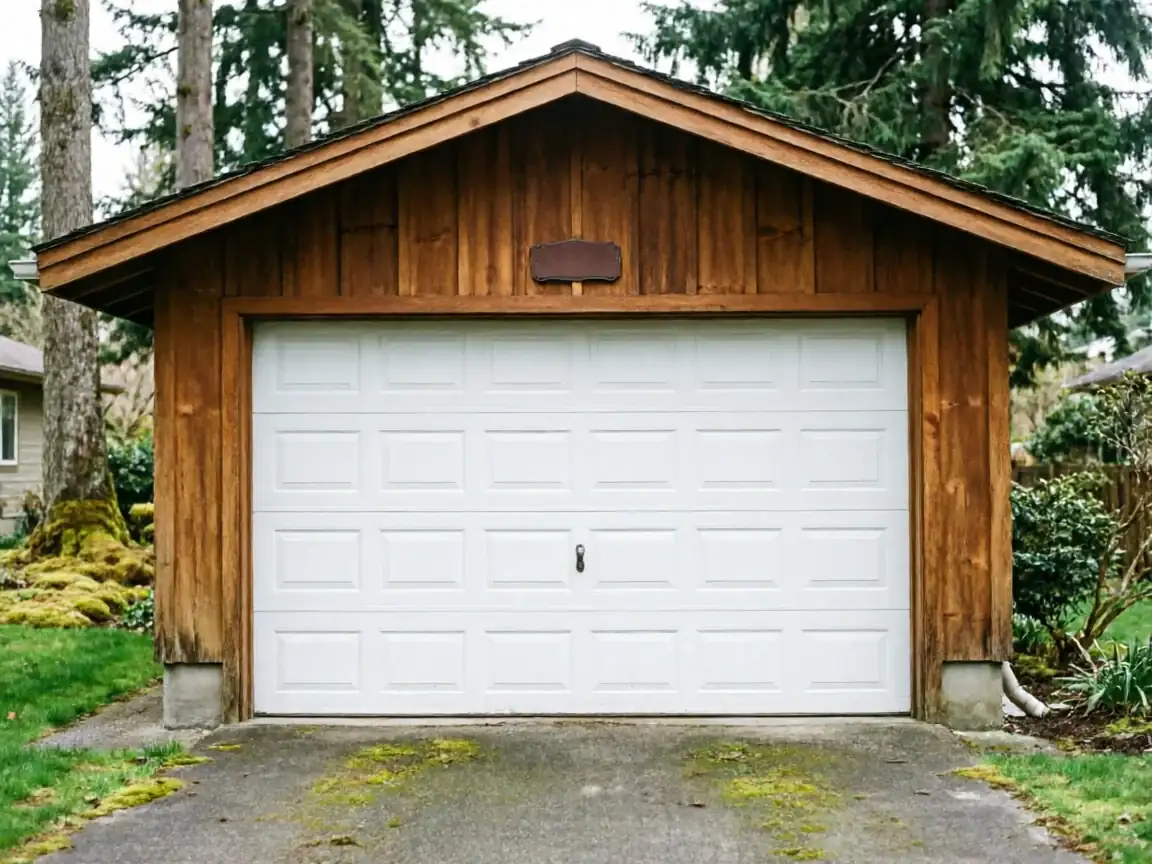
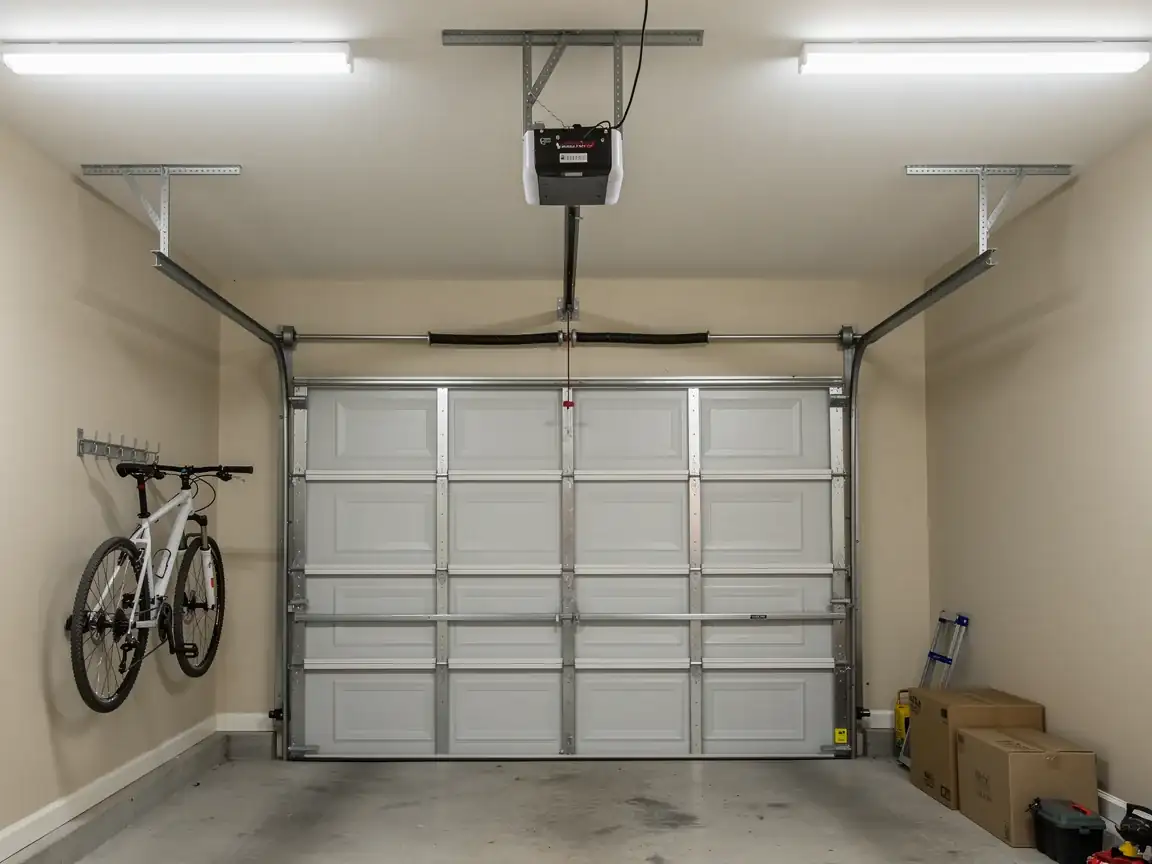
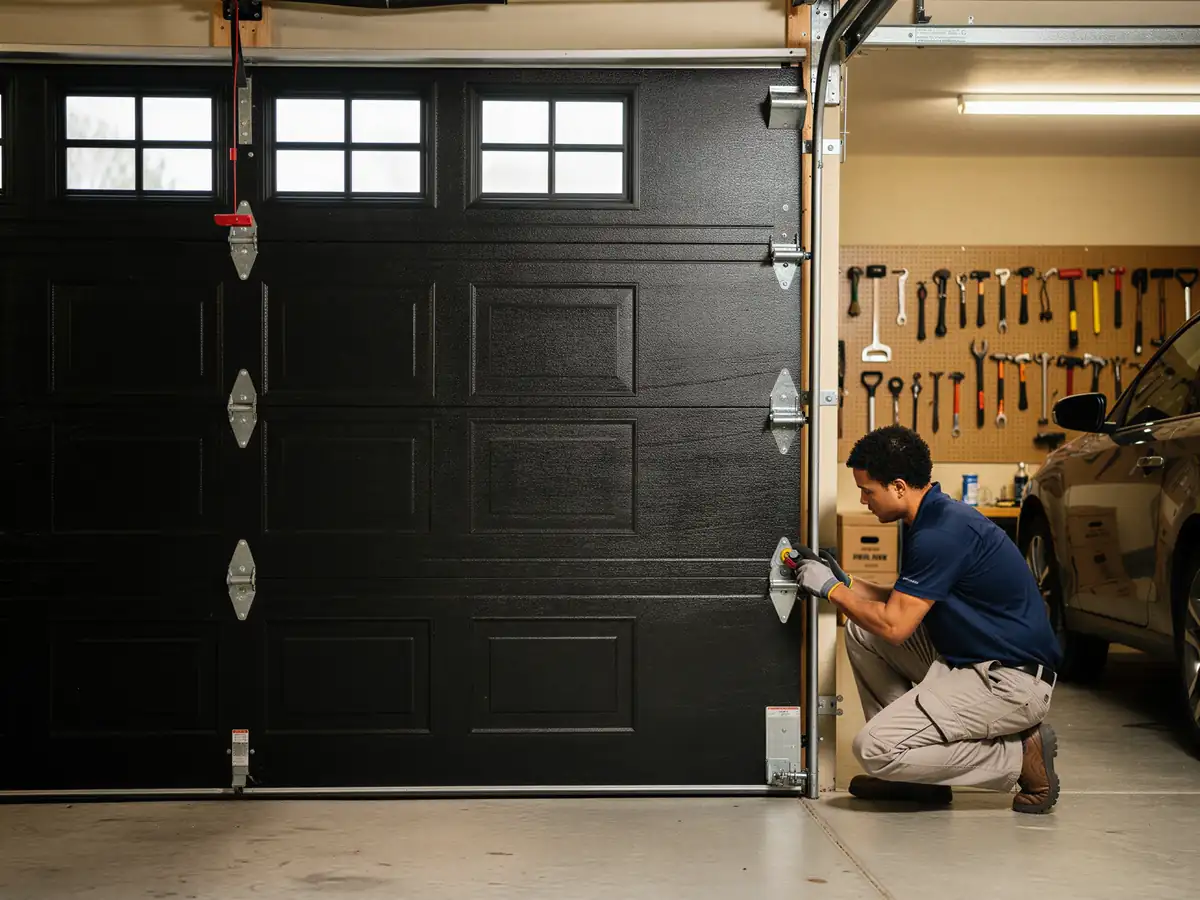
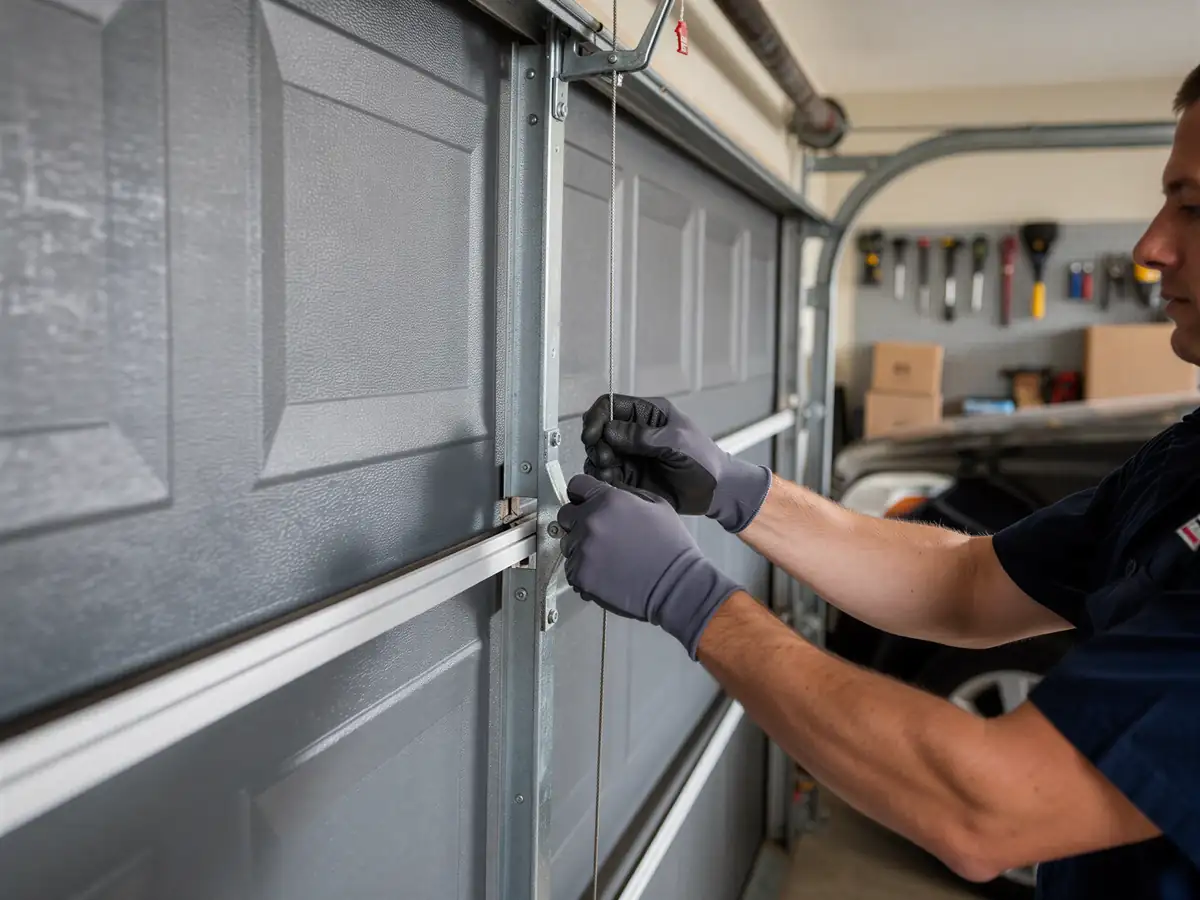
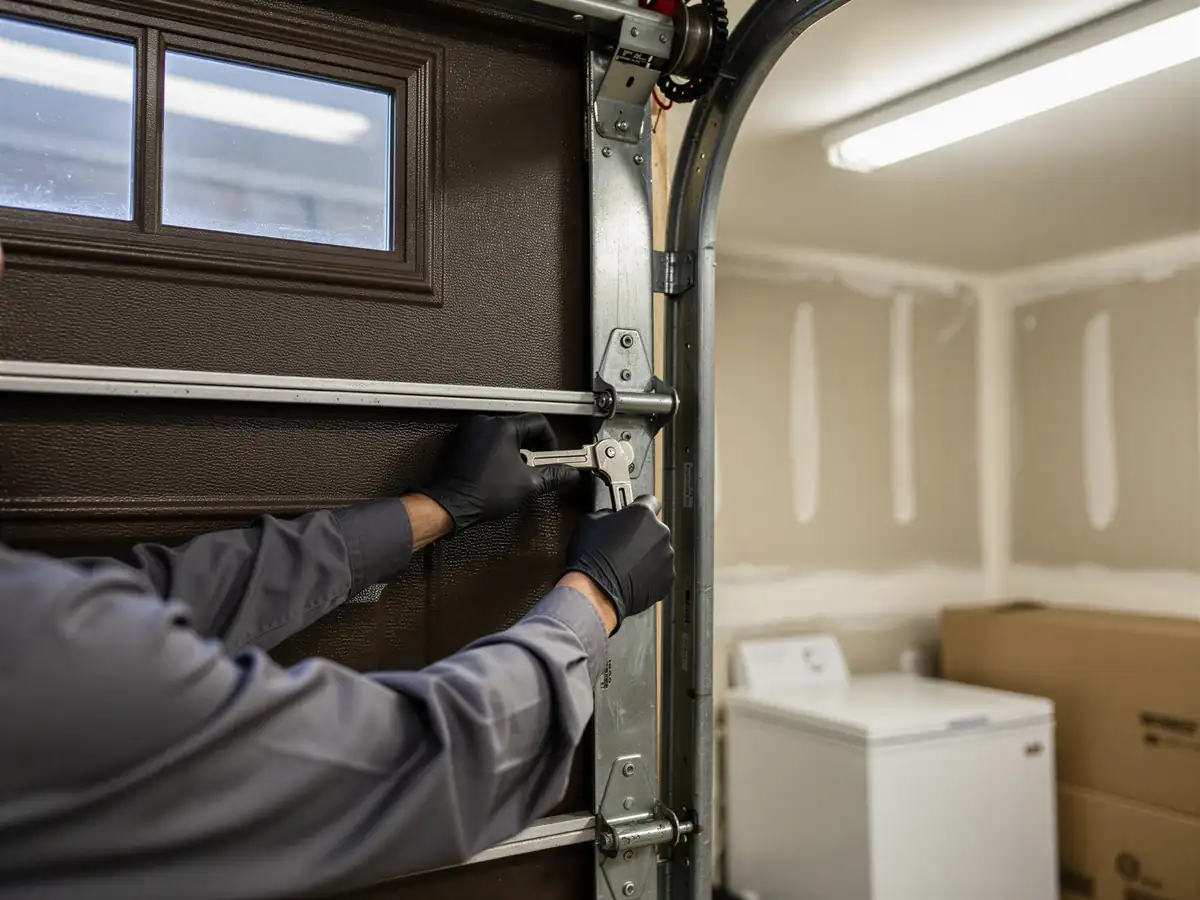
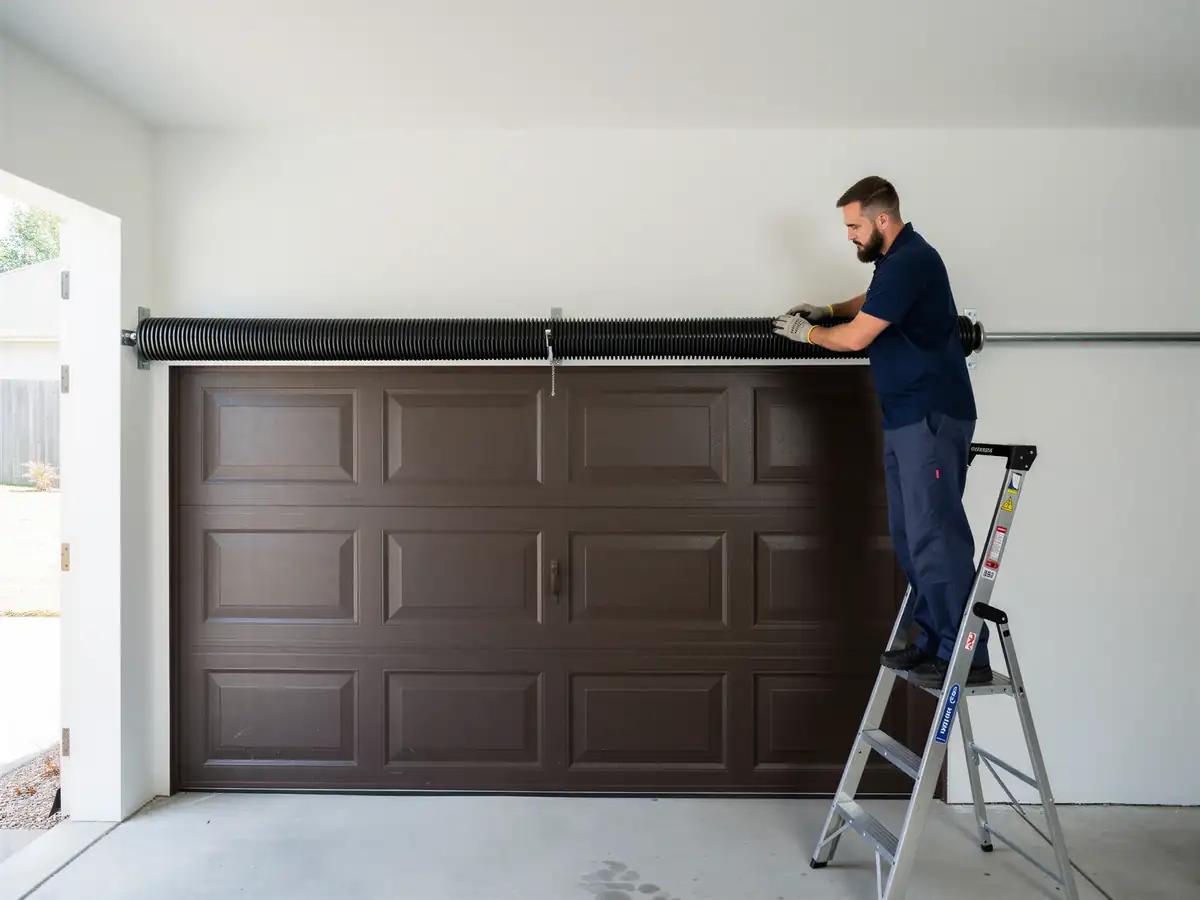
Cottage Grove sits about 18 miles south of Eugene, and the drive matters for how a spring call here actually gets scheduled - a tech isn't already around the corner, so the job gets bundled with other runs down that stretch rather than squeezed in between two calls across town. The housing itself tells its own story: the median home in Cottage Grove was built around 1977, a few years ahead of the 1980 median for the wider service area, which runs from 1950 to 1997 stock overall. That earlier build date means more doors here are still on the original extension-spring setup rather than the torsion systems that became standard through the 1980s and 90s. Extension springs stretch along the horizontal tracks instead of winding above the door, and they fatigue differently - they tend to stretch, weaken, and snap rather than give warning the way a torsion spring sometimes does. Add in a cold-moderate climate band, where the metal goes through repeated temperature swings across the year, and you get a slow loss of tension that often isn't noticed until the door won't lift, or lifts crooked on one side because one spring has gone and the other hasn't yet.
The Cost of This Job
Spring repair cost comes down to how many springs need replacing, whether it's an extension or torsion system, and whether the cables, drums, or bearings around the spring have also worn out - which is more likely on a door that's been running on its original 1970s-era hardware for decades. A single spring failure on an otherwise sound door is a smaller job than a full pair plus cable replacement. Household income in the broader service area runs a median of $74,006, but Cottage Grove's own median sits closer to $64,133, and that gap is worth naming because it shapes what a reasonable repair-versus-replace conversation looks like here - a straight spring swap is almost always the cheaper, faster answer when the rest of the door is sound, and that's worth saying plainly rather than upselling a new door every time.
The DIY Question
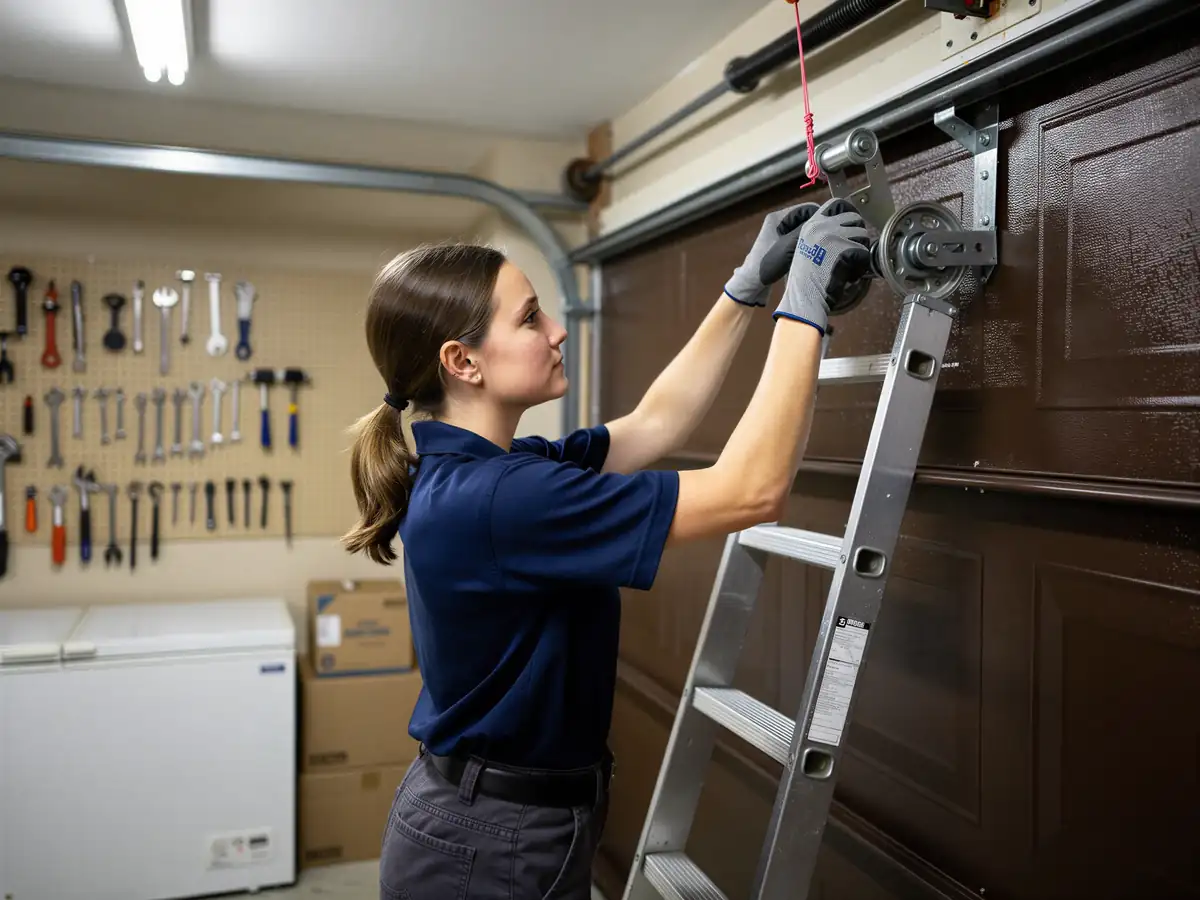
A torsion spring is wound under enough tension to break a bone or worse if it lets go while you're working on it, and that doesn't change based on how far you live from Eugene. The honest limitation here is travel, not skill: a tech coming from Eugene isn't going to be able to swing back same-day for a forgotten part or a second problem found mid-job, so it pays to describe everything that's wrong with the door up front - grinding, one side sagging, a door that won't stay up - rather than just saying