Why It Happens Here
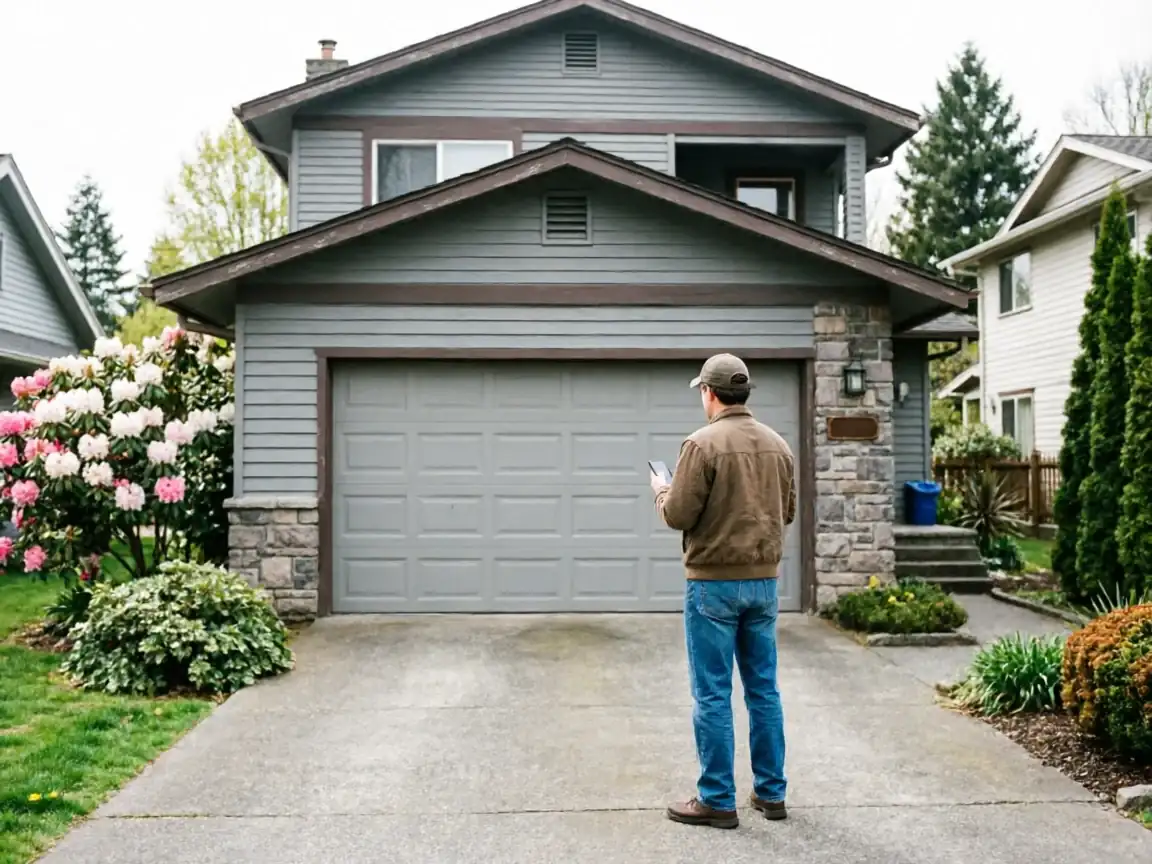
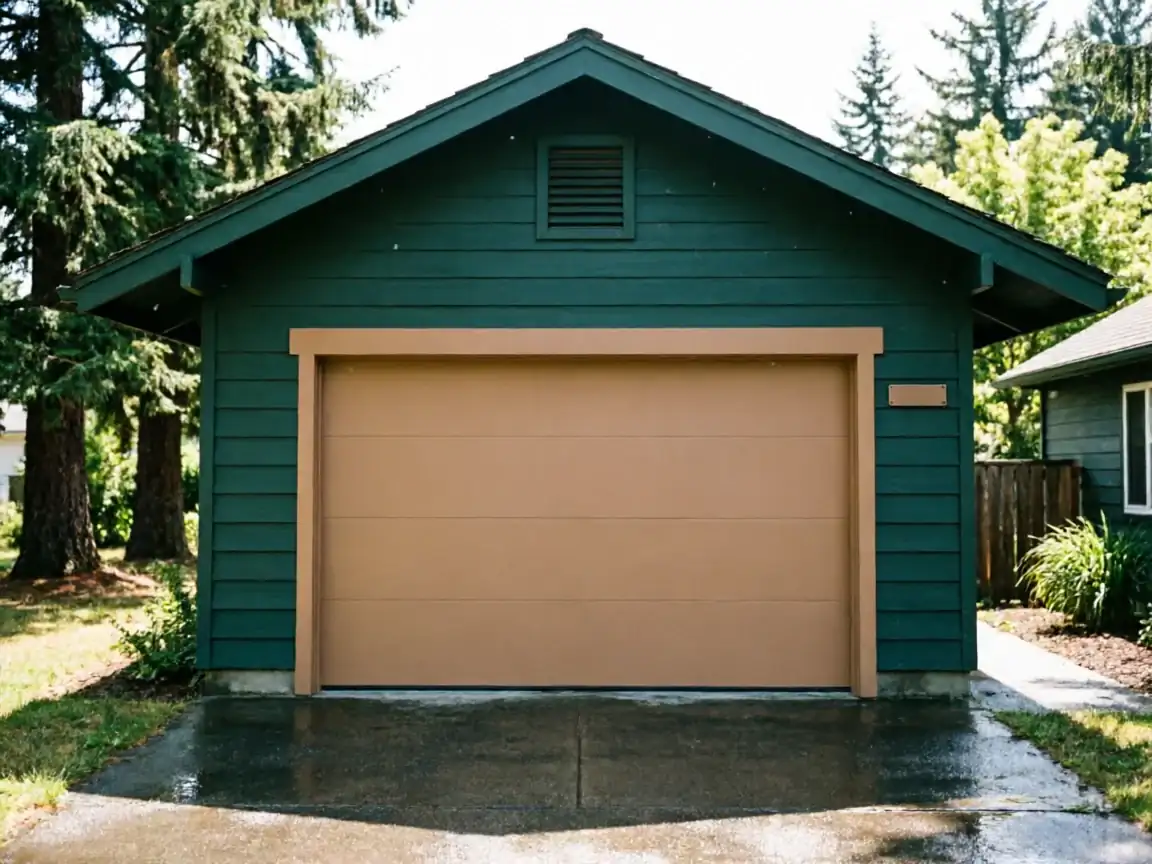
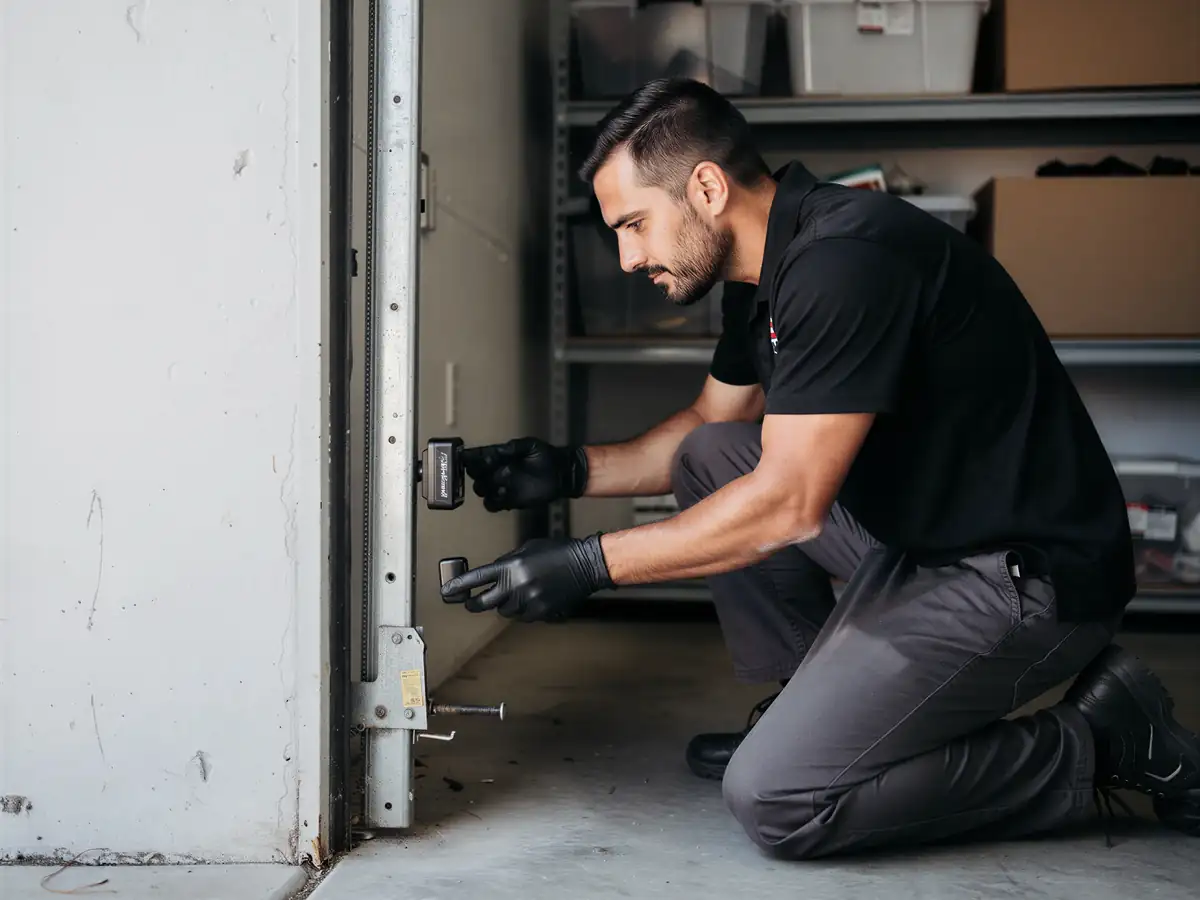
Cottage Grove's housing stock centers on 1977, which puts most garage doors here a full generation ahead of the sealed-bearing nylon rollers you'd spec on a door today. Doors built around that year almost always shipped with plain steel rollers riding in galvanized tracks - cheap, loud, and fine for a decade or two. Forty-some years on, those rollers have worn an hourglass groove into themselves, and the track has worn right along with them, so the door rattles, binds at the same spot on every cycle, or jumps the track on a cold morning.
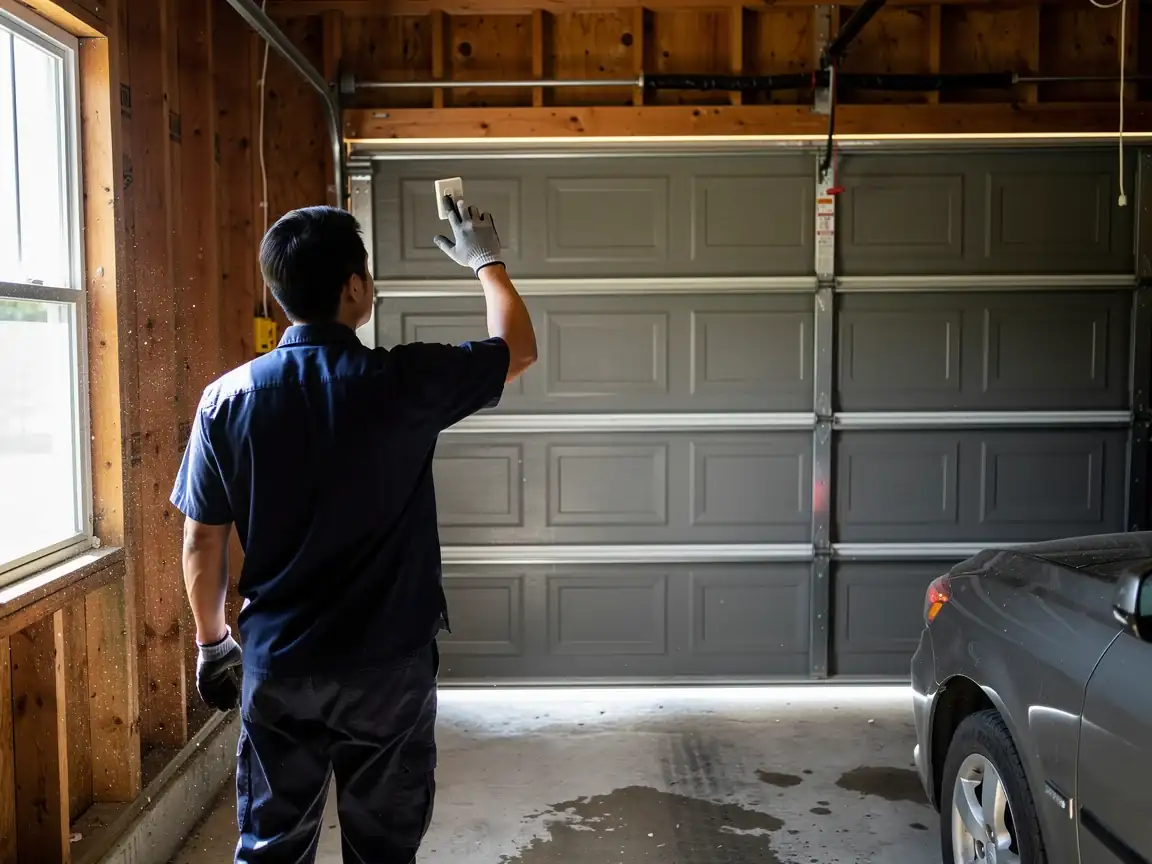
The climate here doesn't help. This is a cold-moderate band, and steel rollers with no lubricant reservoir seize up stiff after a hard overnight freeze, then get forced through their travel by an opener motor that doesn't know anything's wrong. That's how a slow roller problem turns into a cracked roller or a bent track bracket in one season. With 4,258 households in Cottage Grove, most sitting on comparable-age stock, this is the single most common call we get from this side of the service area - not openers, not springs, just worn steel wheels in a worn track.
What Is on the Truck
Because the truck comes from Eugene
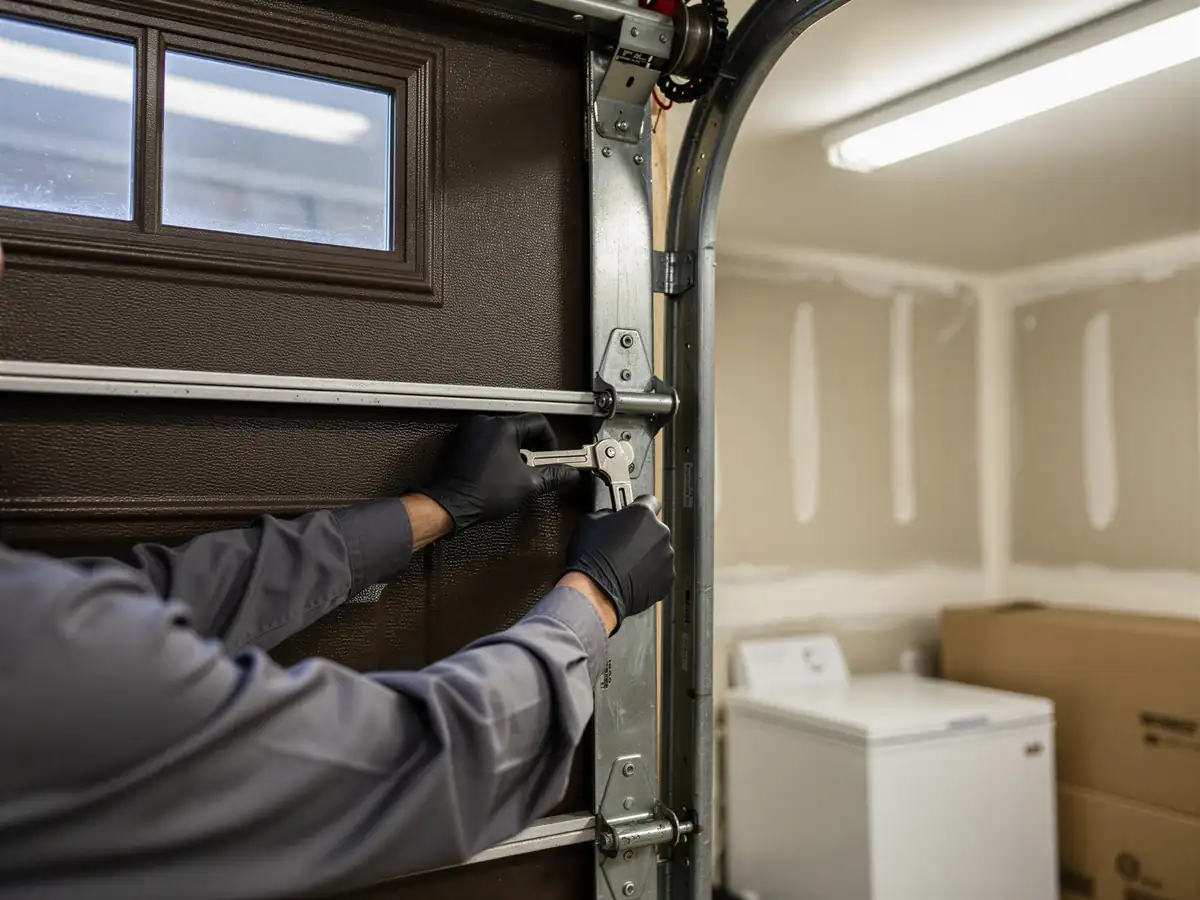
Cottage Grove sits about 18 miles out - we don't load for one job and guess on a second trip. For roller work specifically, that means carrying both 7-ball and 10-ball stem rollers in nylon with sealed bearings, plus a steel option for owners who want a like-for-like replacement rather than an upgrade. We also carry a run of standard track sections, since a roller that's worn long enough usually takes the track lip with it, and swapping only the roller on a gouged track just buys you another call in a year.
- 18 miles
One limitation worth saying plainly
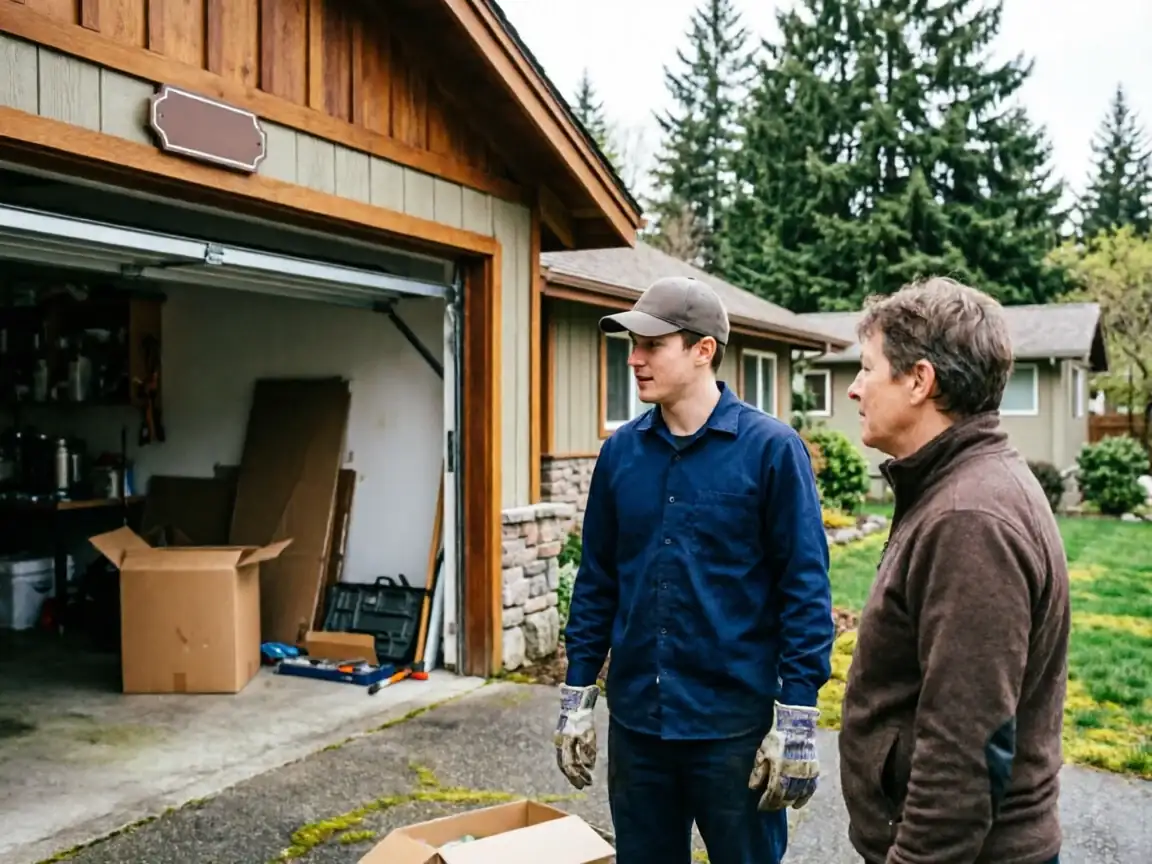
If a door has a nonstandard track width or an odd stem length from a builder-grade install, that part may not be on the truck that day, and we'd need to order it. That's rare on the standard residential doors common to this housing era, but it happens, and we'd rather tell you up front than pretend every truck carries every part.
The Cost of This Job
Cottage Grove's median household income, at $64,133, runs lower than the roughly $74,006 median across the wider Eugene service area, and it shows up in which roller option gets picked here. Steel rollers cost less up front and are the direct swap for what's already on a 1977-era door; sealed nylon rollers cost more per roller but run quieter and don't need the periodic lubrication steel does. Neither price is one we'll quote in the abstract - track condition, whether the bottom bracket needs attention, and how many rollers are actually bad (sometimes it's two, sometimes it's all ten) all move the number. What we won't do is sell a full roller set when only the bottom two are shot; that's not a repair, that's an upsell.
The DIY Question
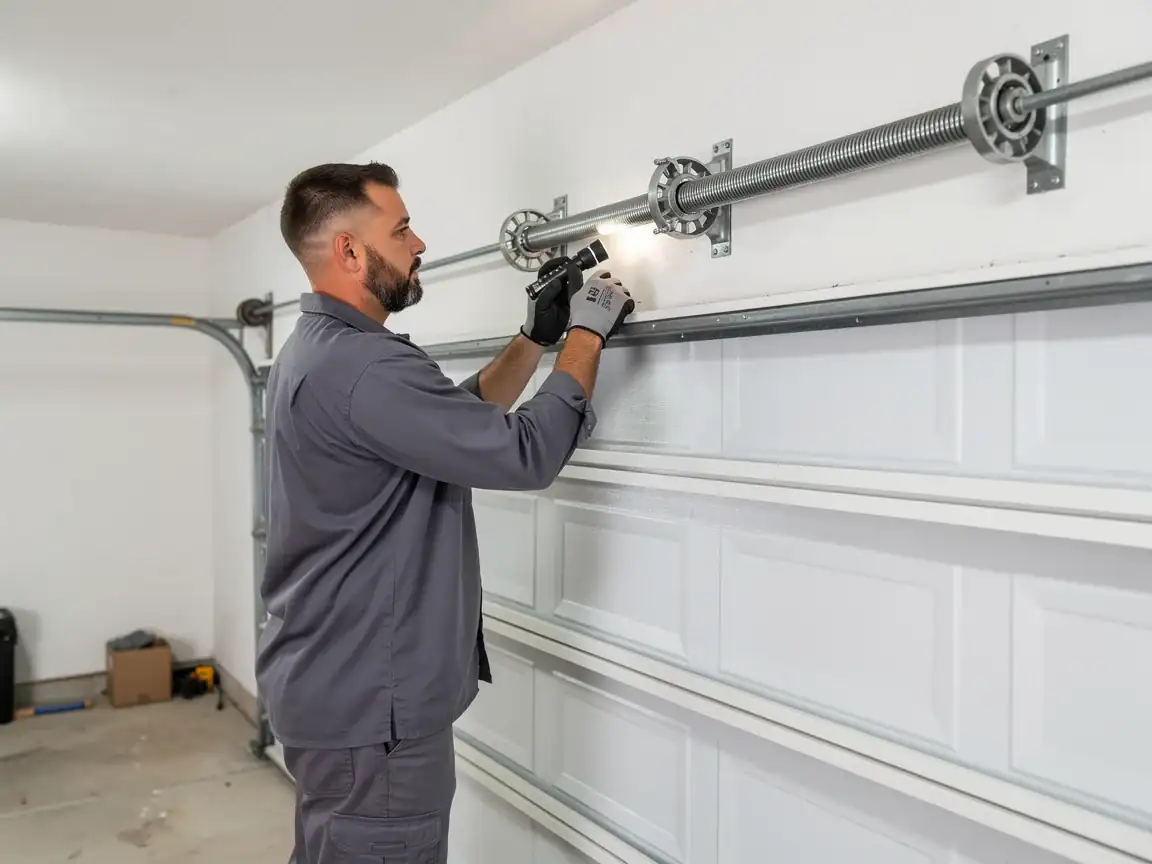
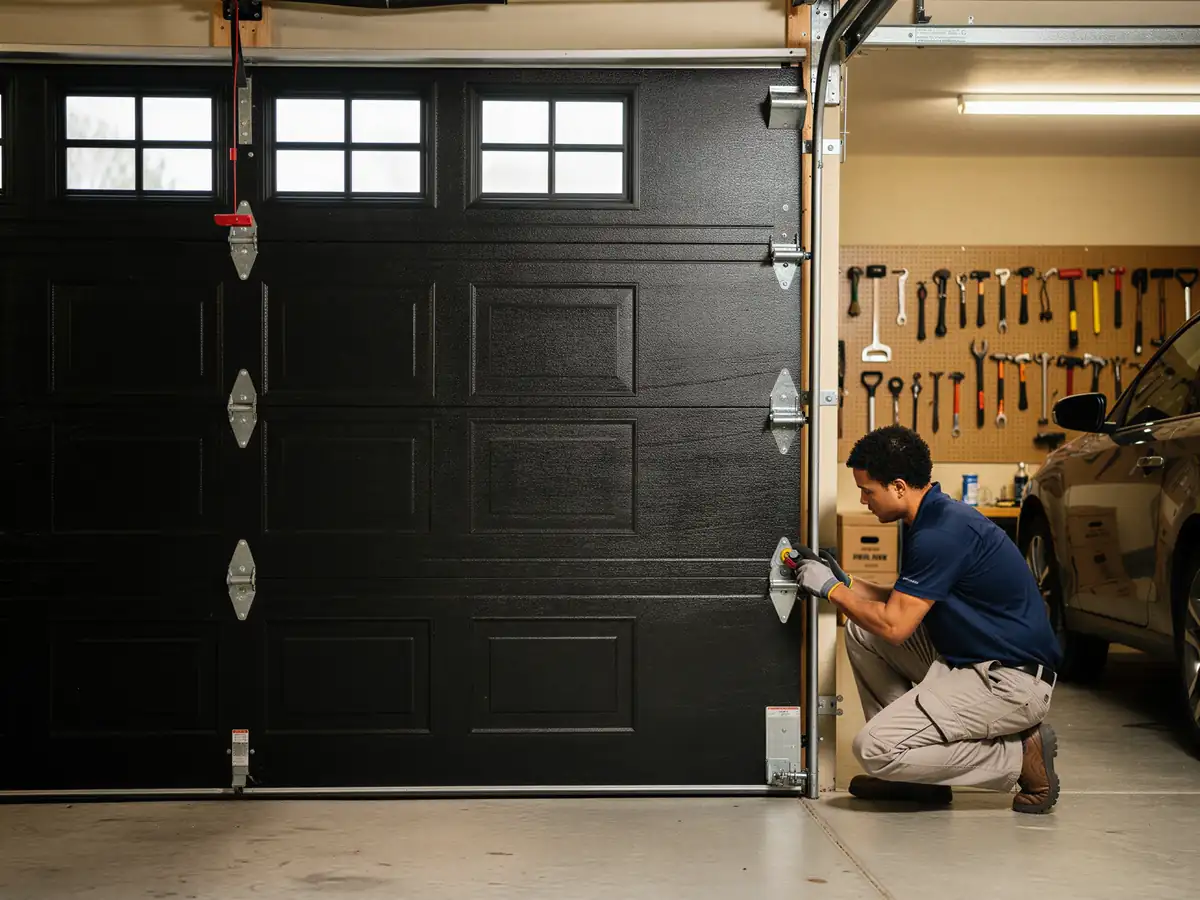
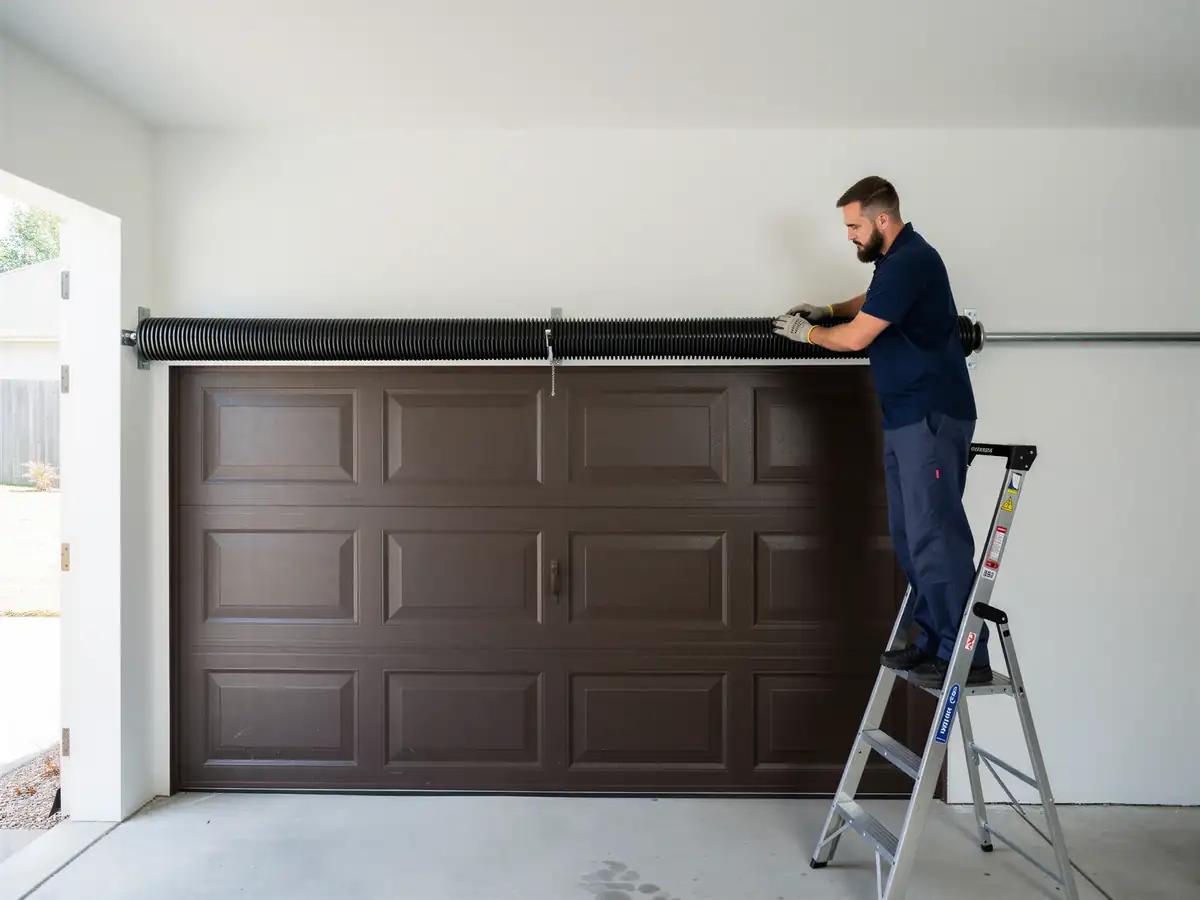
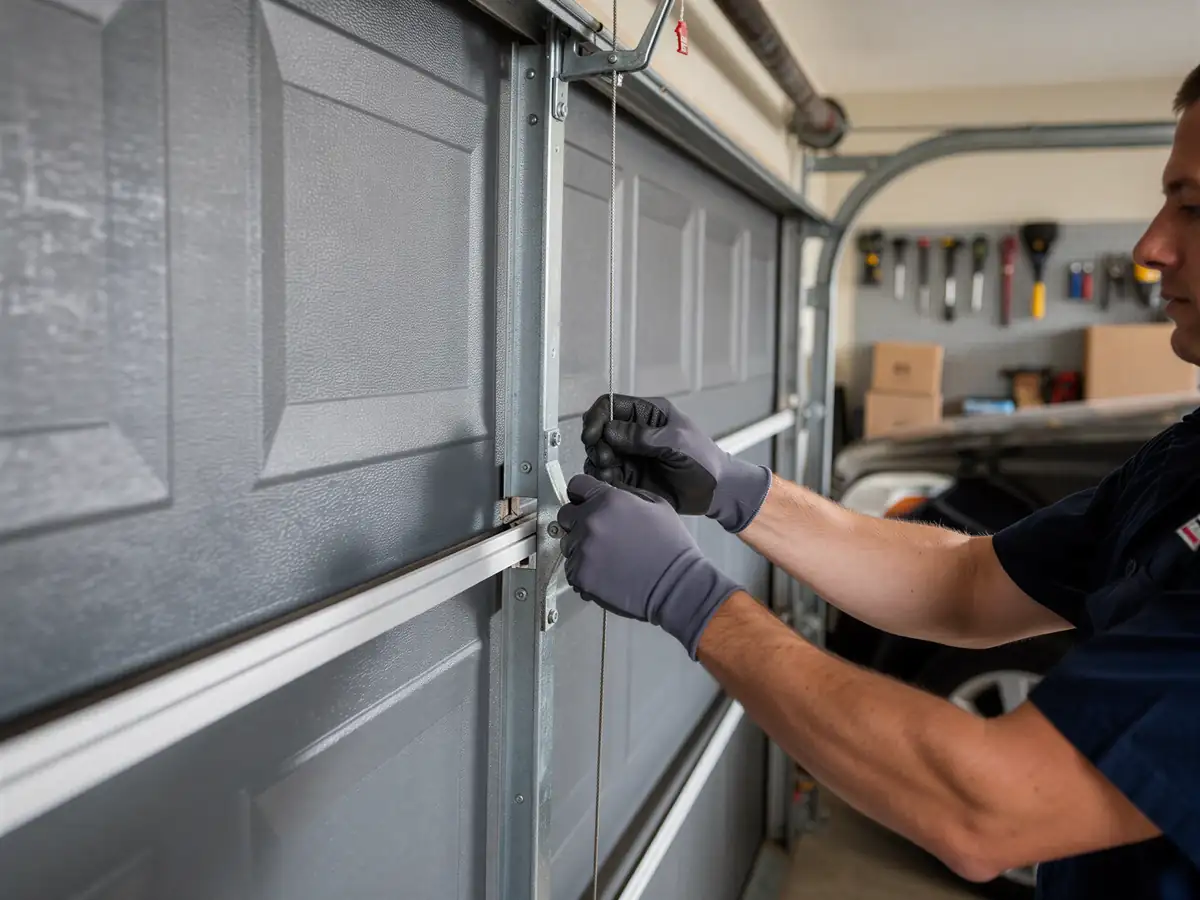
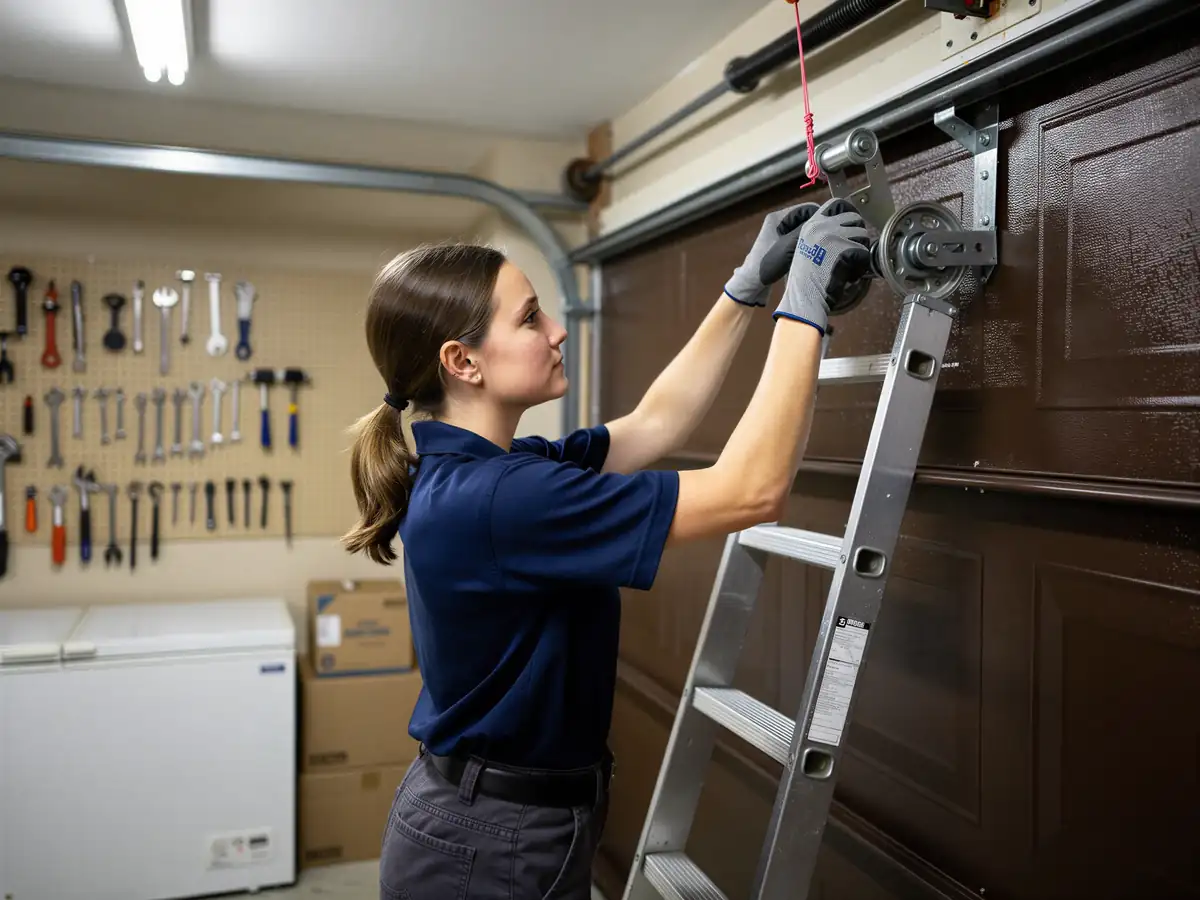
The top and bottom rollers on a residential door sit close to the spring and cable system, and on a door this age the cable is often as tired as the rollers. Pulling a roller out from under a bottom bracket while the door is under spring tension is how people lose fingers, not an exaggeration for effect. If you want to do something yourself, visually checking for cracked or flat-sided rollers with the door open and the opener unplugged is reasonable. Replacing them yourself, on a door old enough to have outdated track geometry, is where we'd stop you. It's not a hard job for someone who does it daily. It's a bad first job for someone who doesn't.