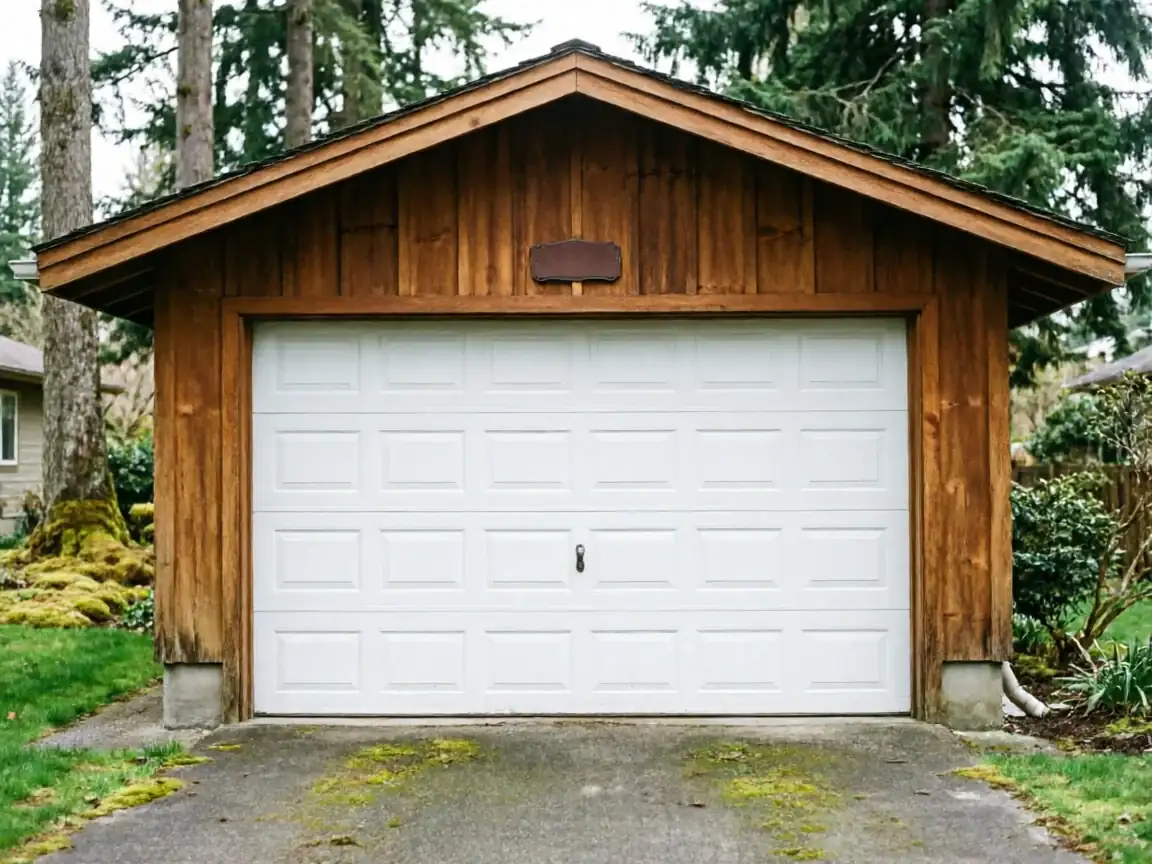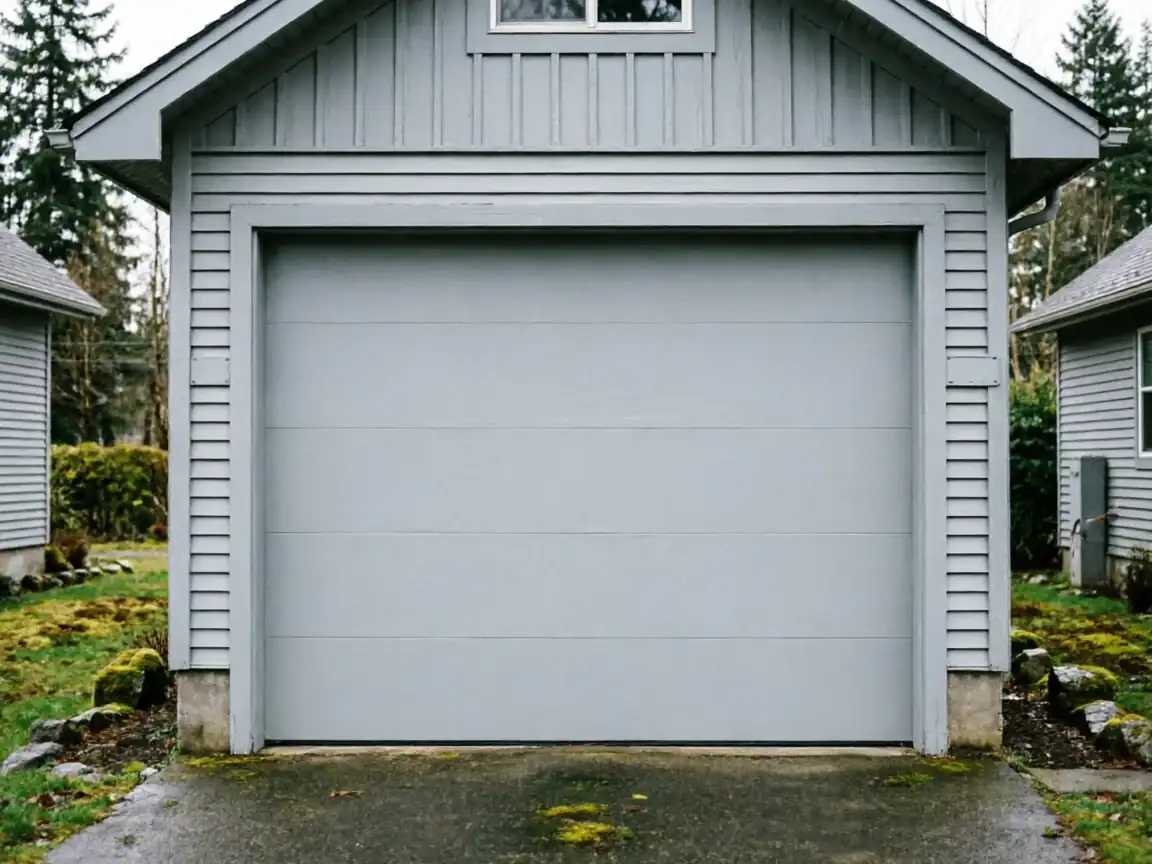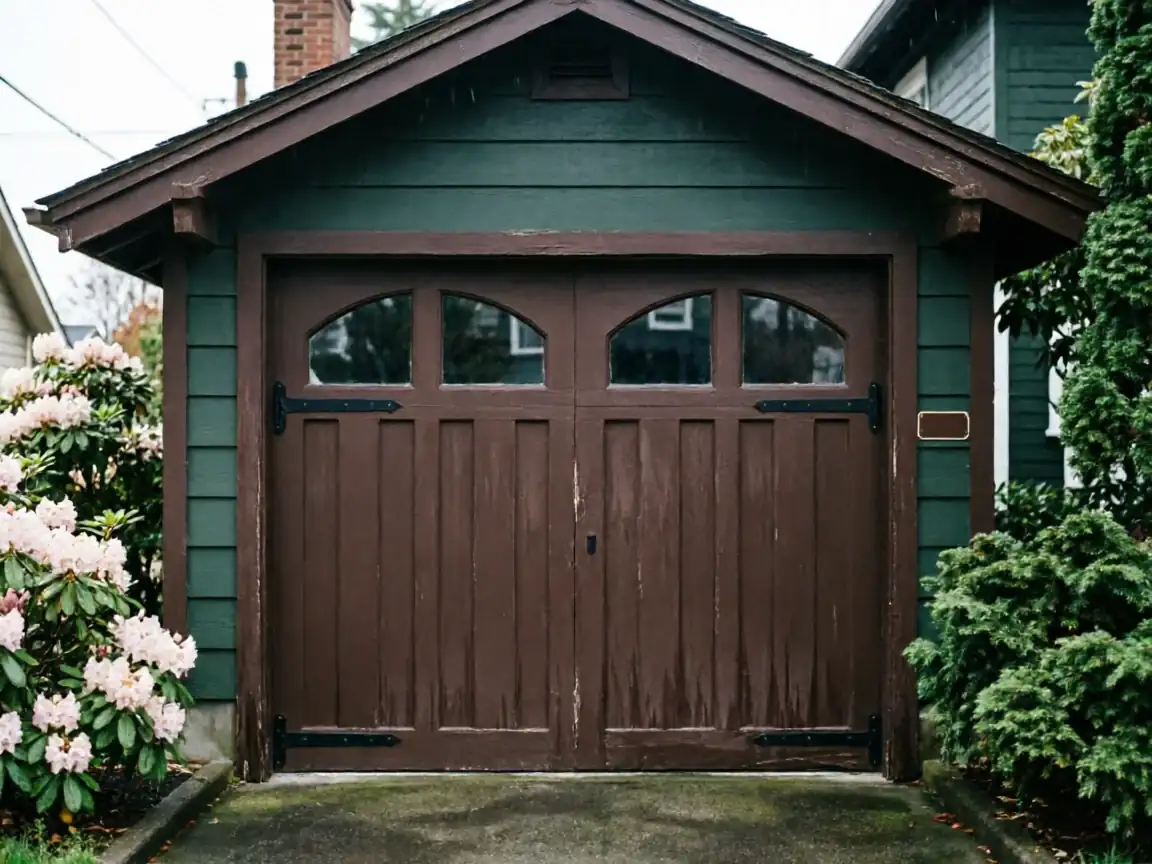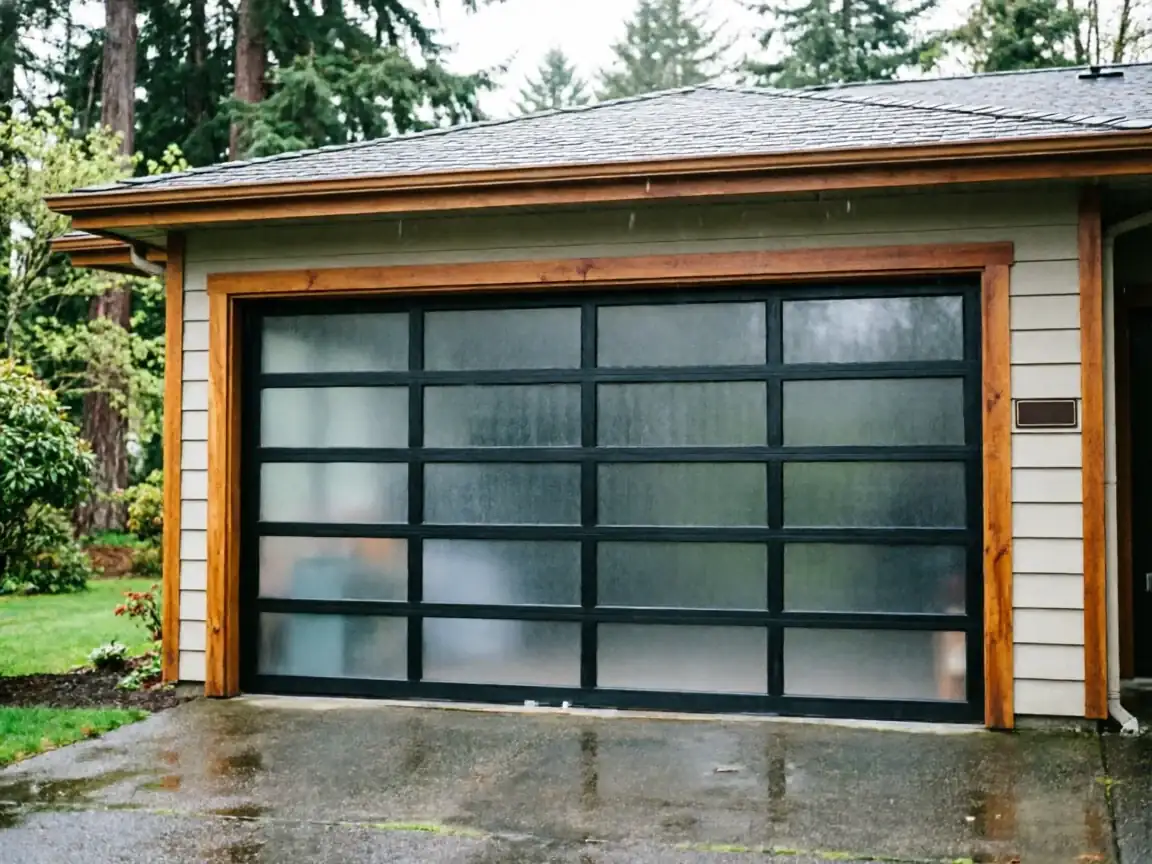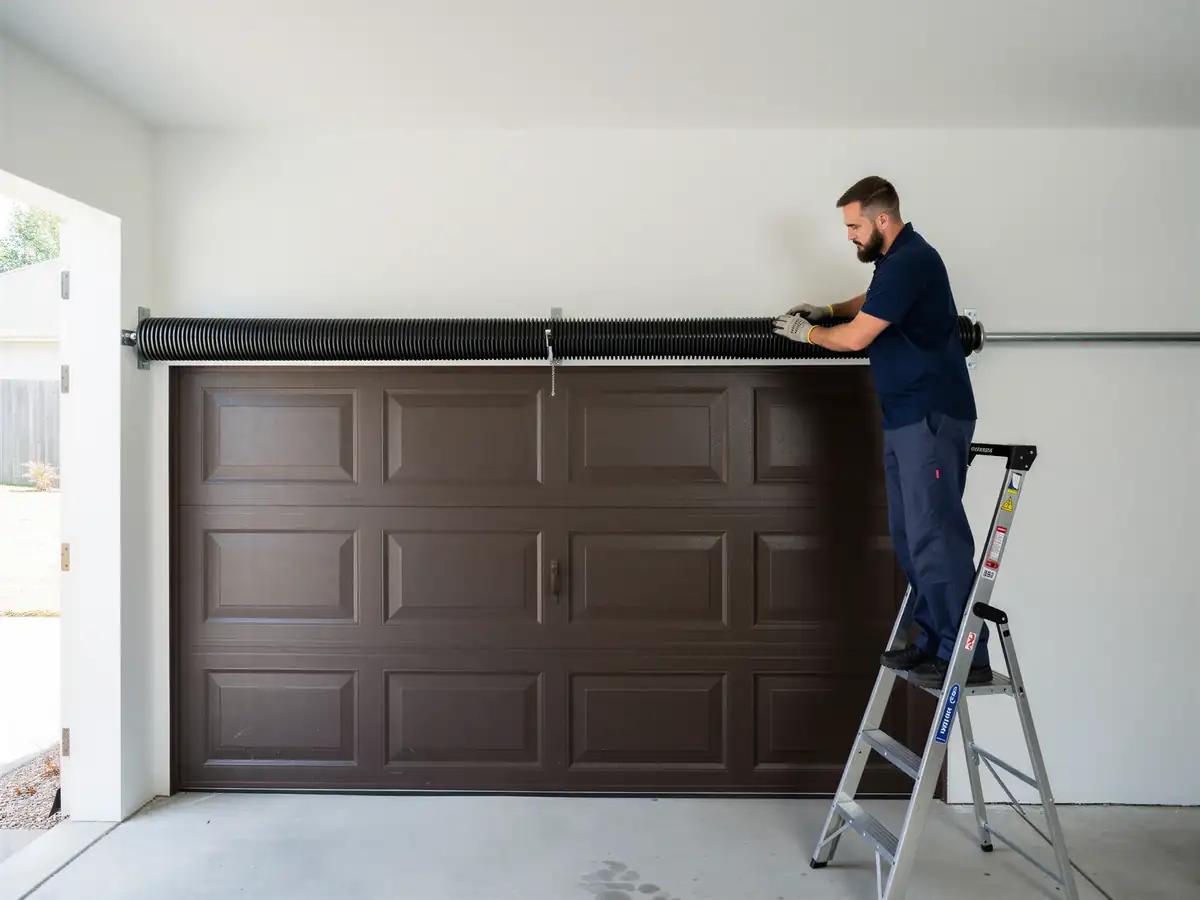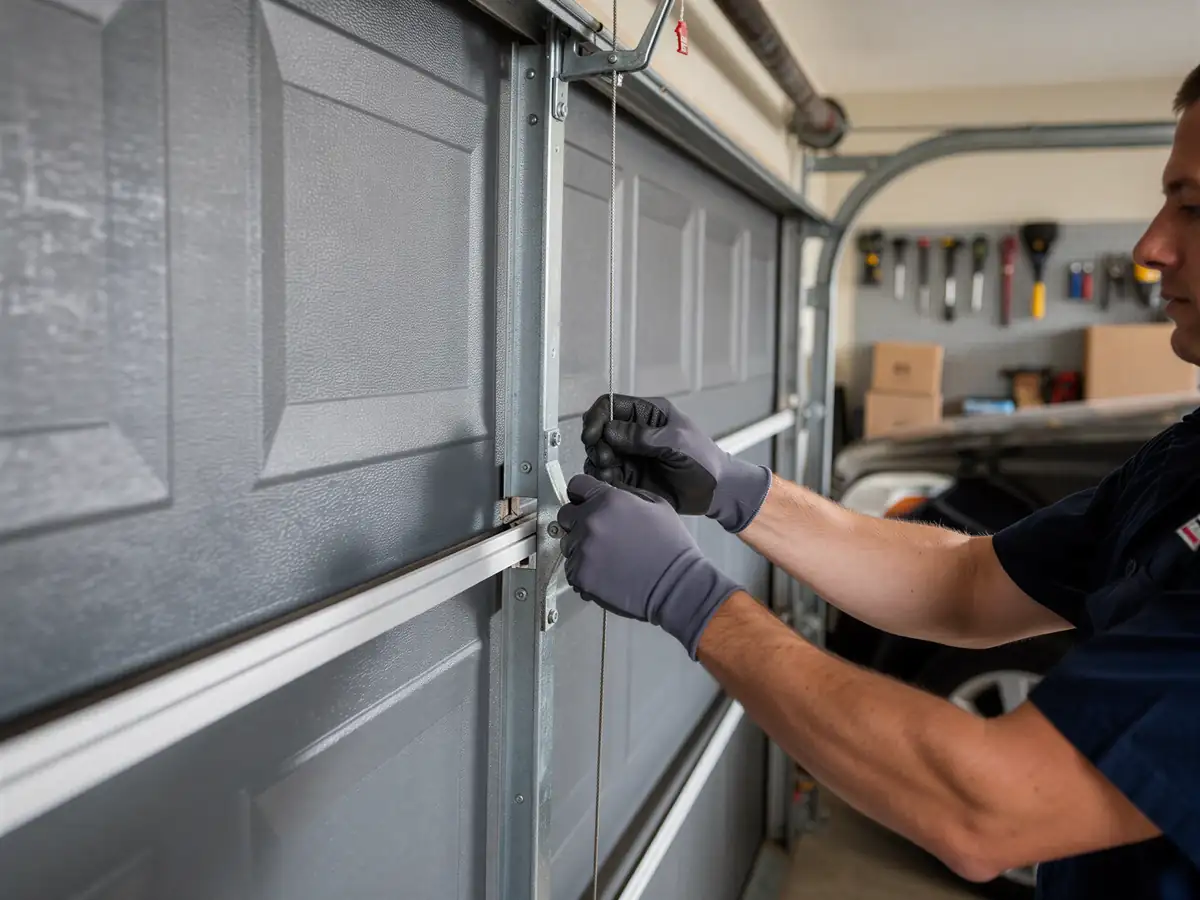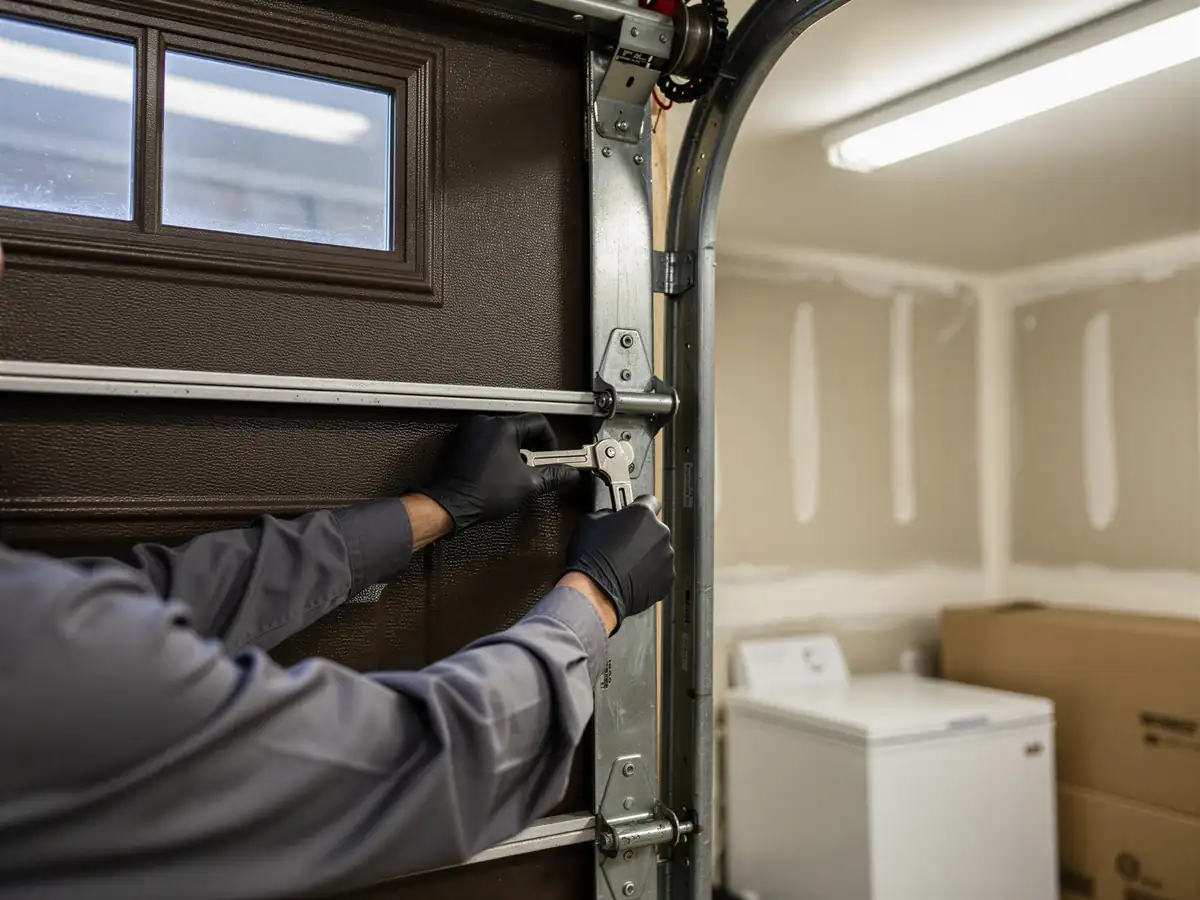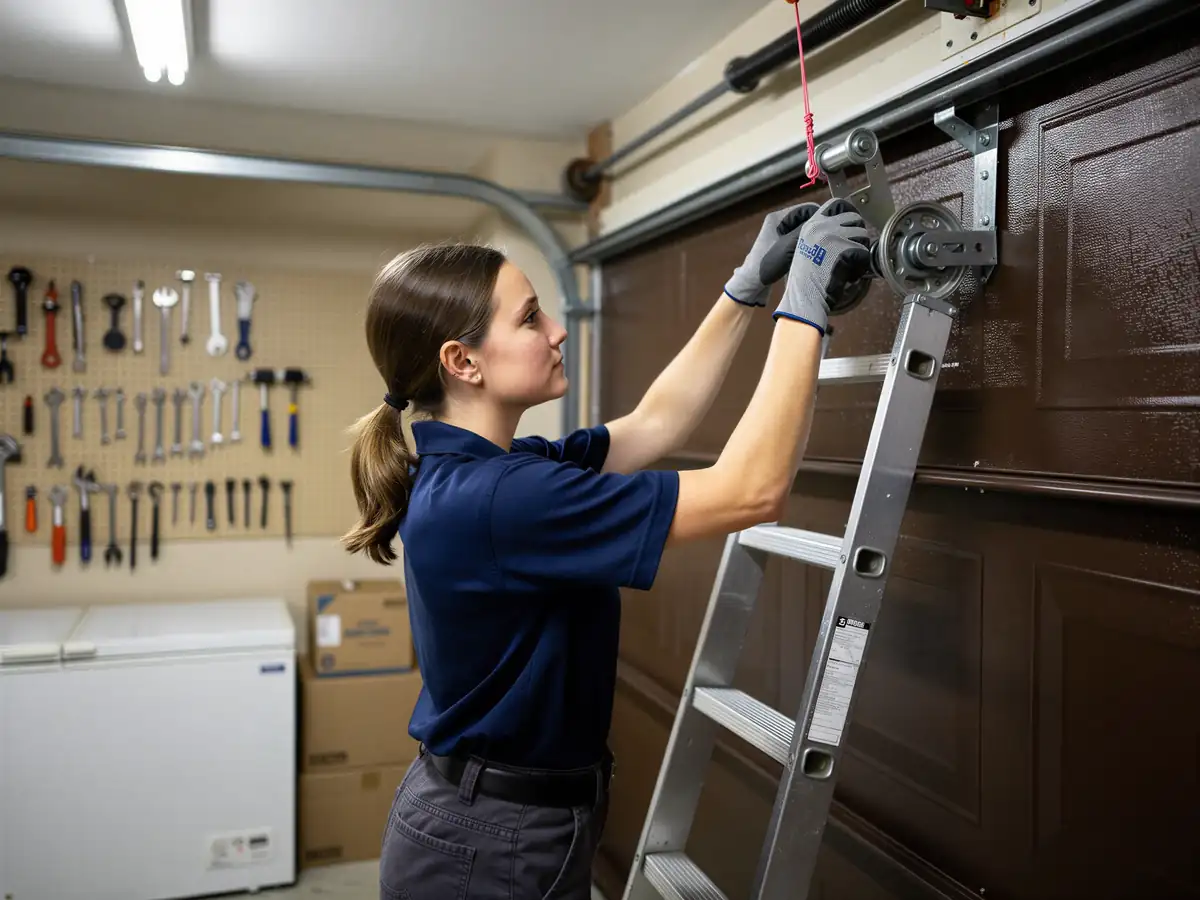
What You Are Seeing
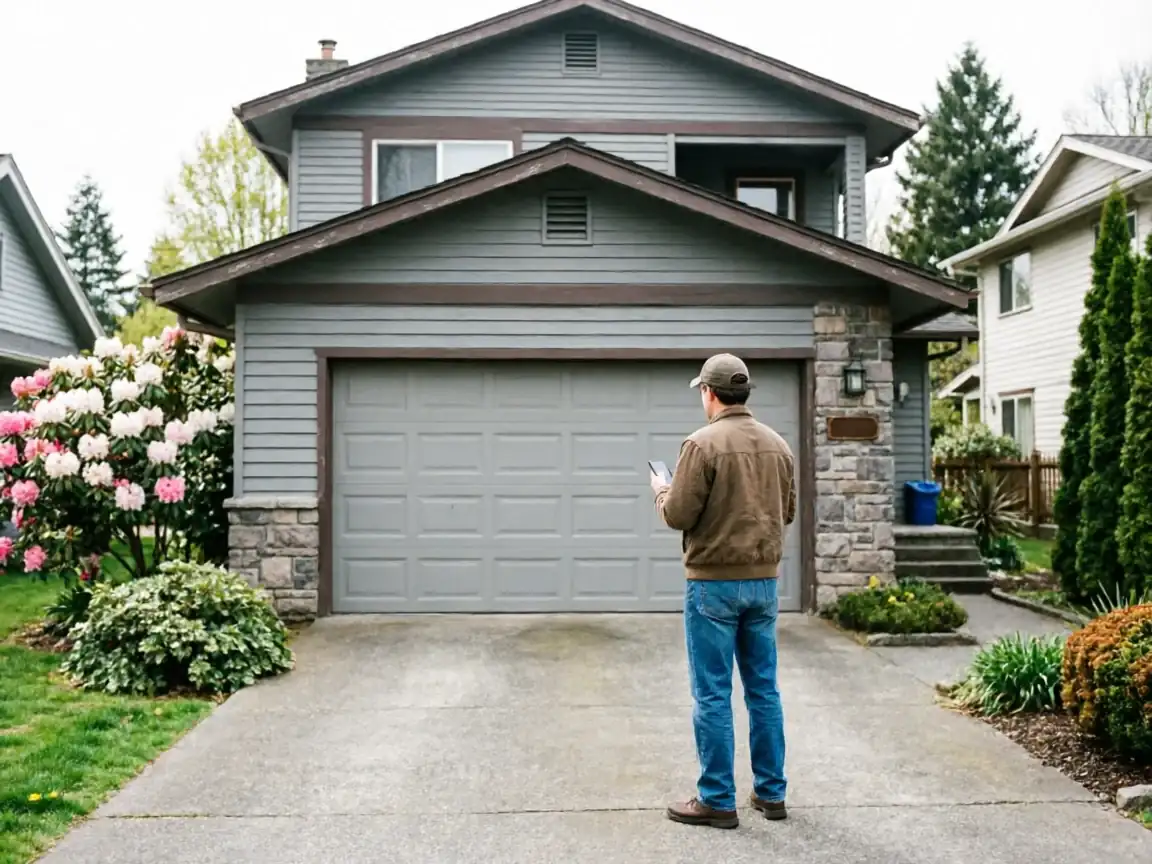
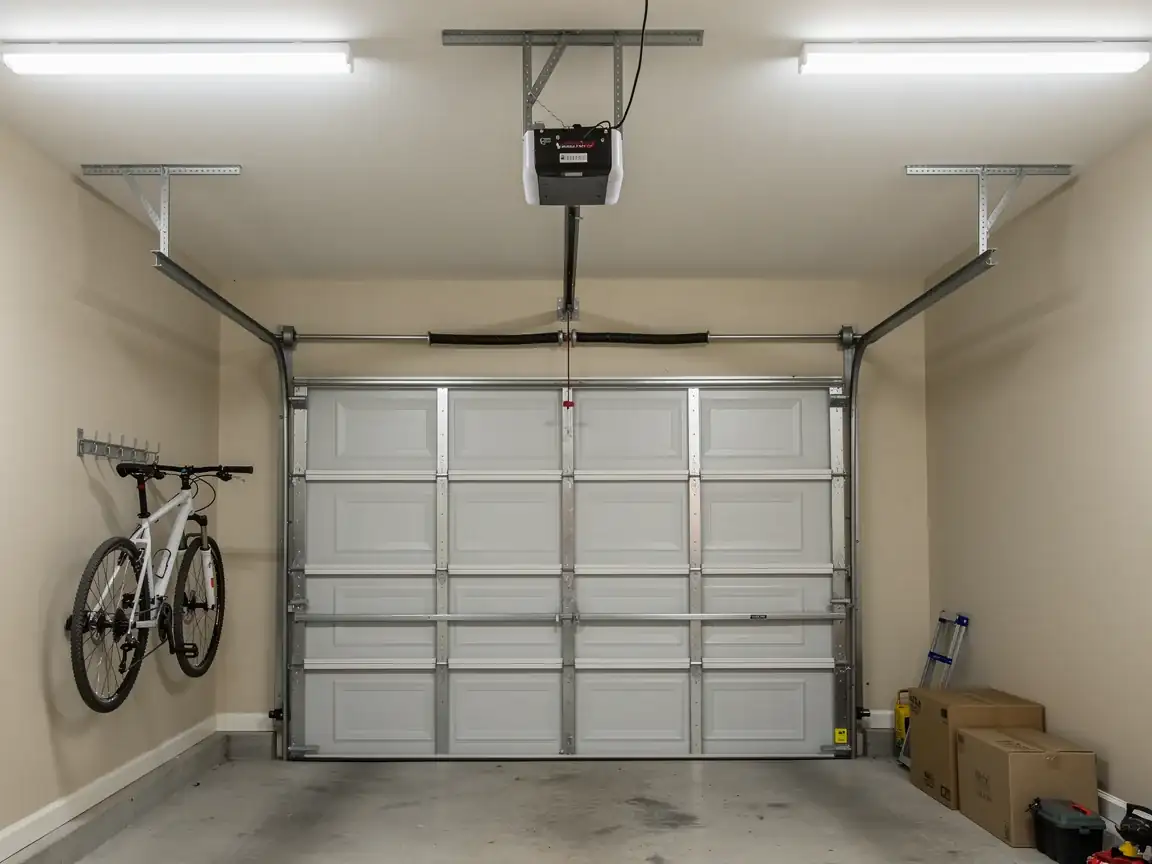
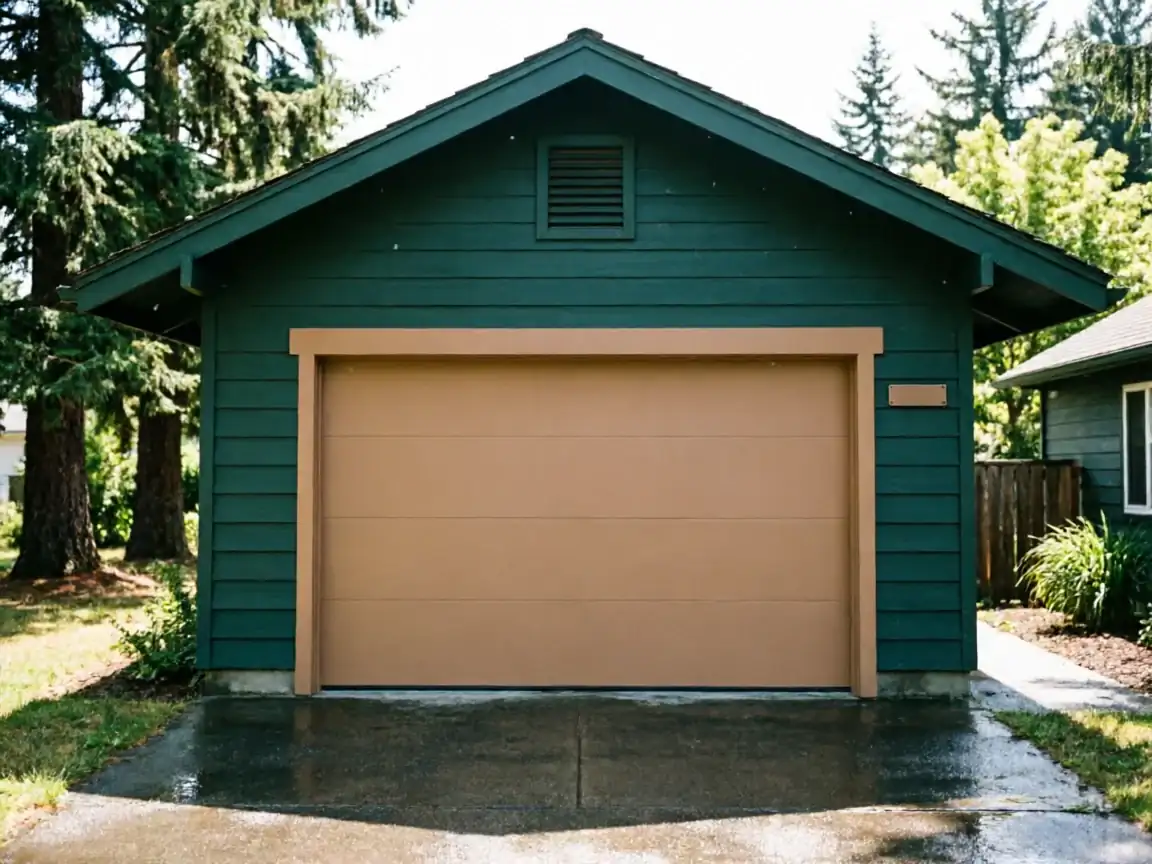
If your house in Veneta is original to its build, there's a decent chance the garage door opener is too. Veneta's housing clusters around a median build year of 1996, which is noticeably newer than a lot of the Eugene service area, where stock runs back to 1950. That gap matters because a chain-drive opener from the mid-90s has had close to thirty years to wear down its gears and its logic board, even if nobody ever touched it. Springs get replaced on a schedule, because they fail loud and obvious. Openers don't - they just get slower, then noisy, then one day they don't respond to the remote at all. We see a fair number of Veneta calls where the door itself, the track, and the rollers are all original, and the only thing anyone ever swapped was a remote battery. That's not a bad thing. It just means when something finally does go, you're often looking at parts that haven't been made in the same spec for two decades, not a quick universal swap.
What Is on the Truck
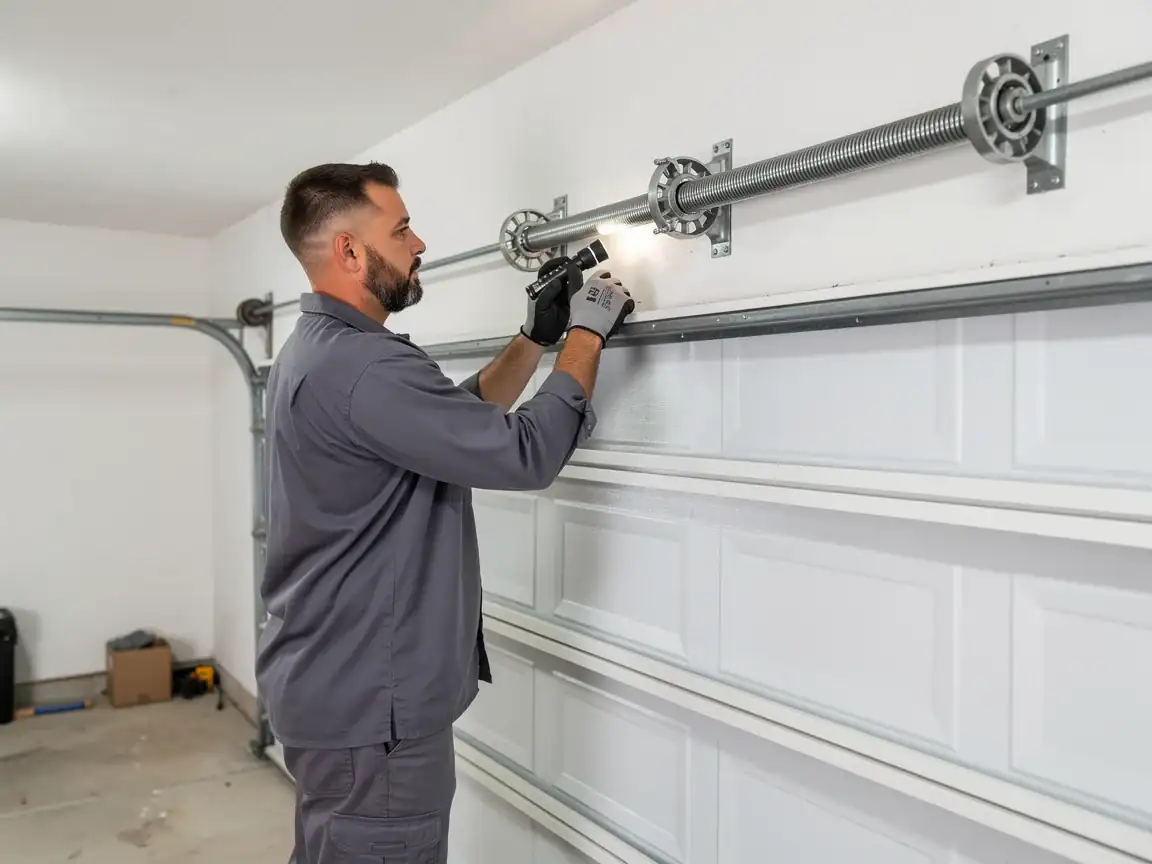
For a Veneta call we carry standard torsion springs sized for the typical single and double door openings that match 1990s construction, plus the rollers, cables, and hinges that wear out on a door that's never been serviced. We don't stock obsolete low-horsepower logic boards for every opener brand that was sold new in 1996 - if your opener's control board is the failure point and the manufacturer discontinued it, replacement is usually the honest answer over a repair that won't hold. We bring weatherstripping and bottom seal stock sized for the cold-moderate conditions here, since that's the most common small fix we do on original doors that are otherwise sound. What we don't bring is guesswork: if a part isn't common to the housing era this area was mostly built in, we tell you that on site rather than quoting a fix we can't actually complete that day.
How We Fix It
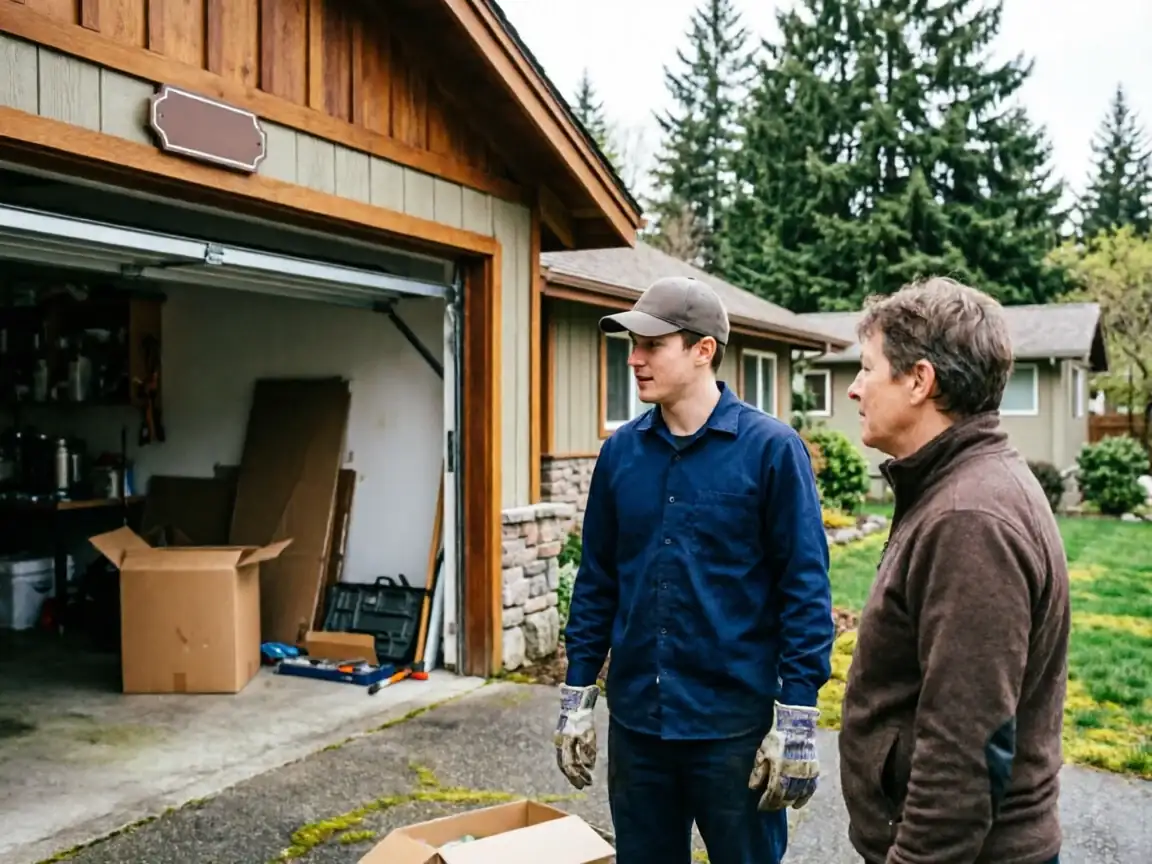
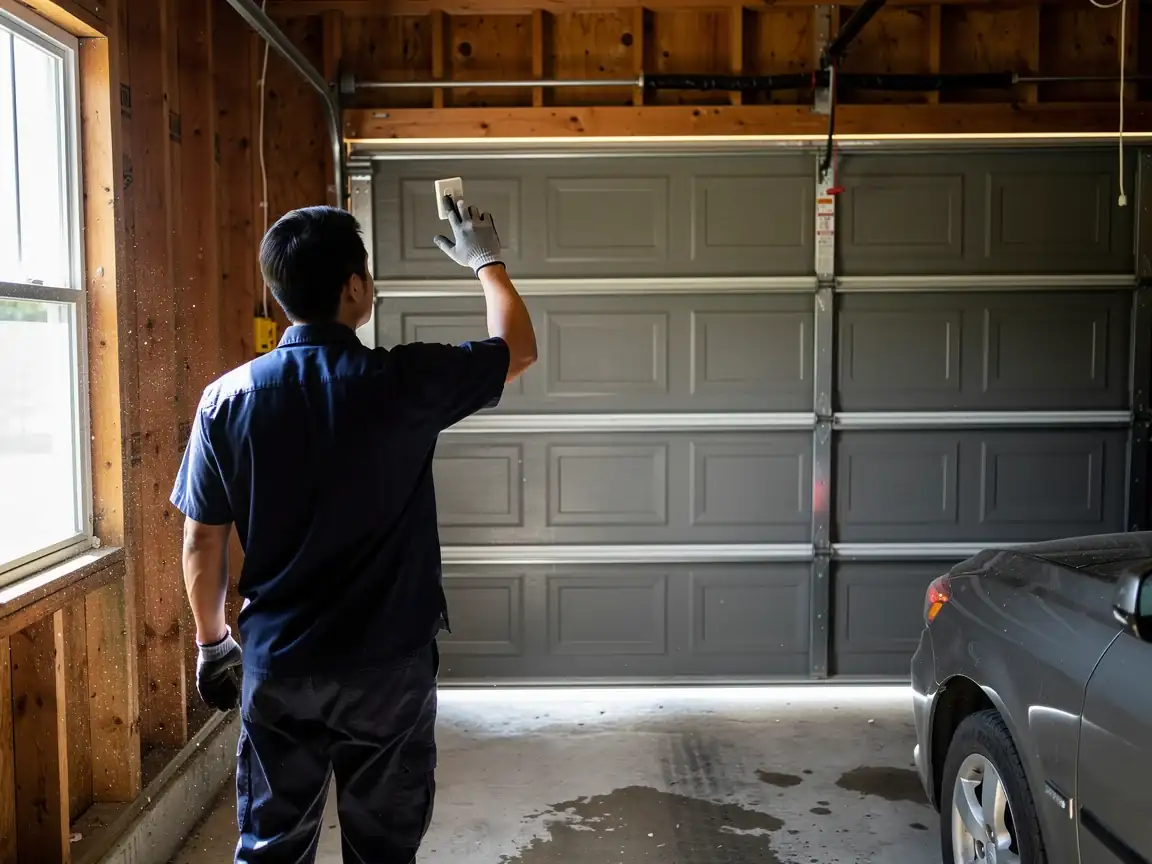
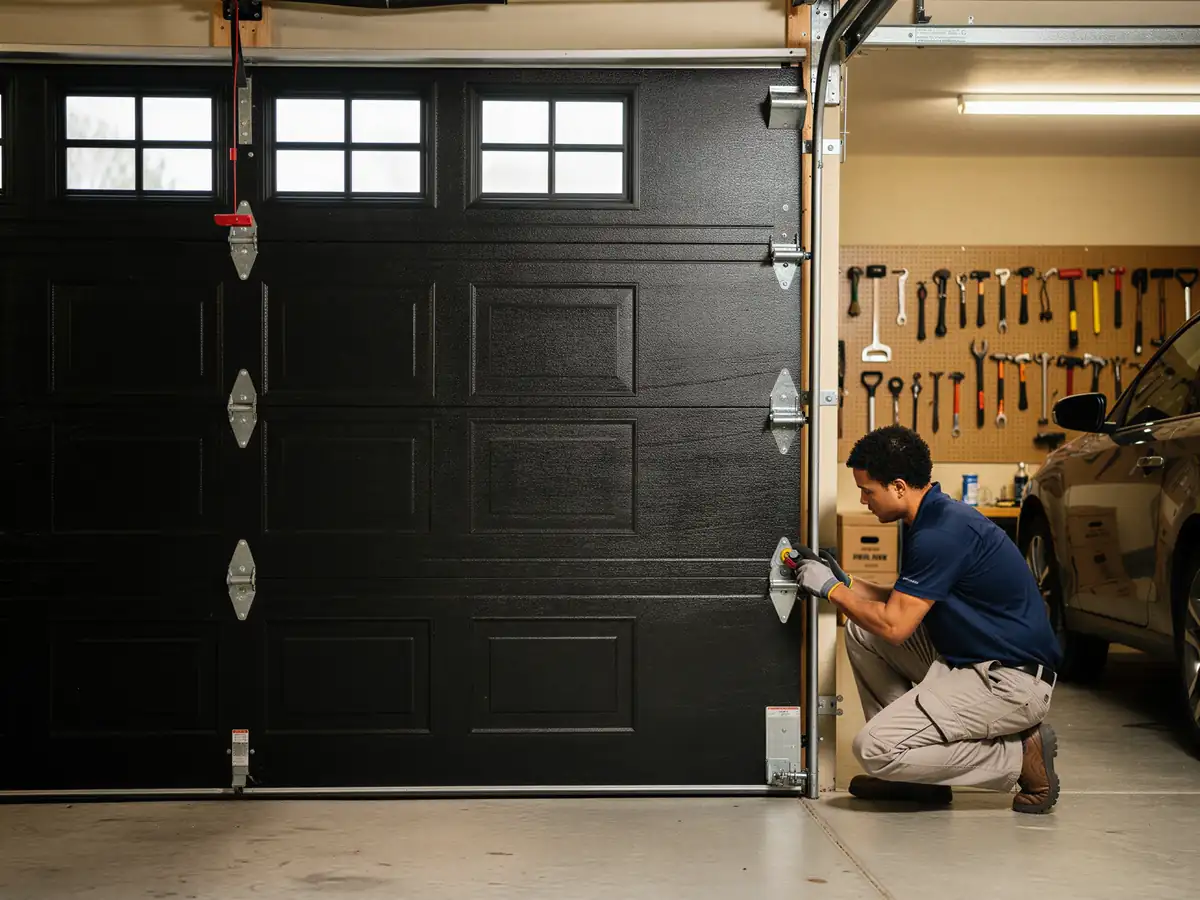
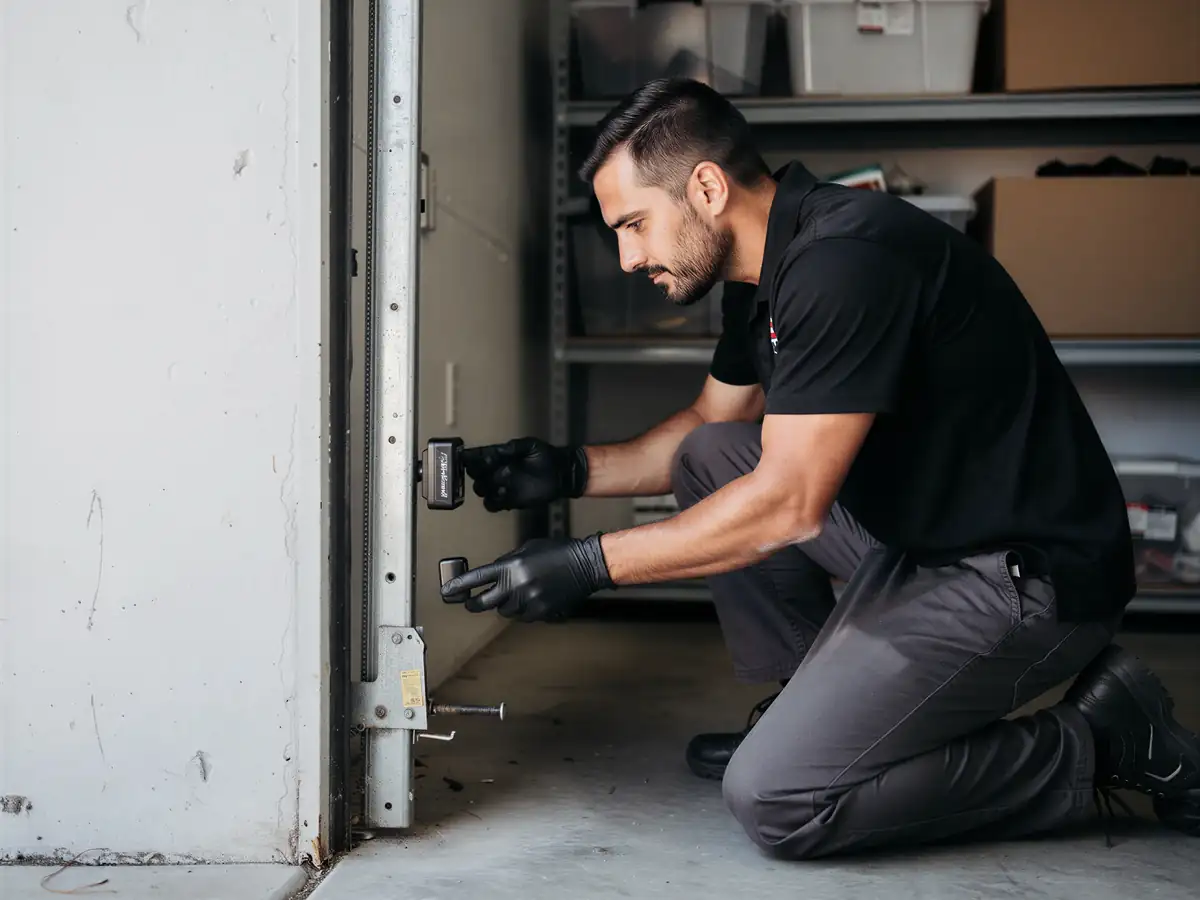
We come out from Eugene, about twelve miles, so the first thing we do on arrival is figure out how much of what's in front of us is original. On a Veneta door built to 1990s spec, that's usually the opener and the track, sometimes the spring if it's never cycled through a full failure. We test the balance, check the cable wear, and look at whether the opener's drive gear or board is the actual point of failure versus just a dead remote battery. If the hardware is original and sound, we replace only what's broken and leave the rest - there's no reason to swap a track that's tracking fine. If the opener is original to the house and the board's gone, we'll say so plainly: that's a replacement, not a repair, and we'll quote it that way rather than patching something that'll fail again in a season.