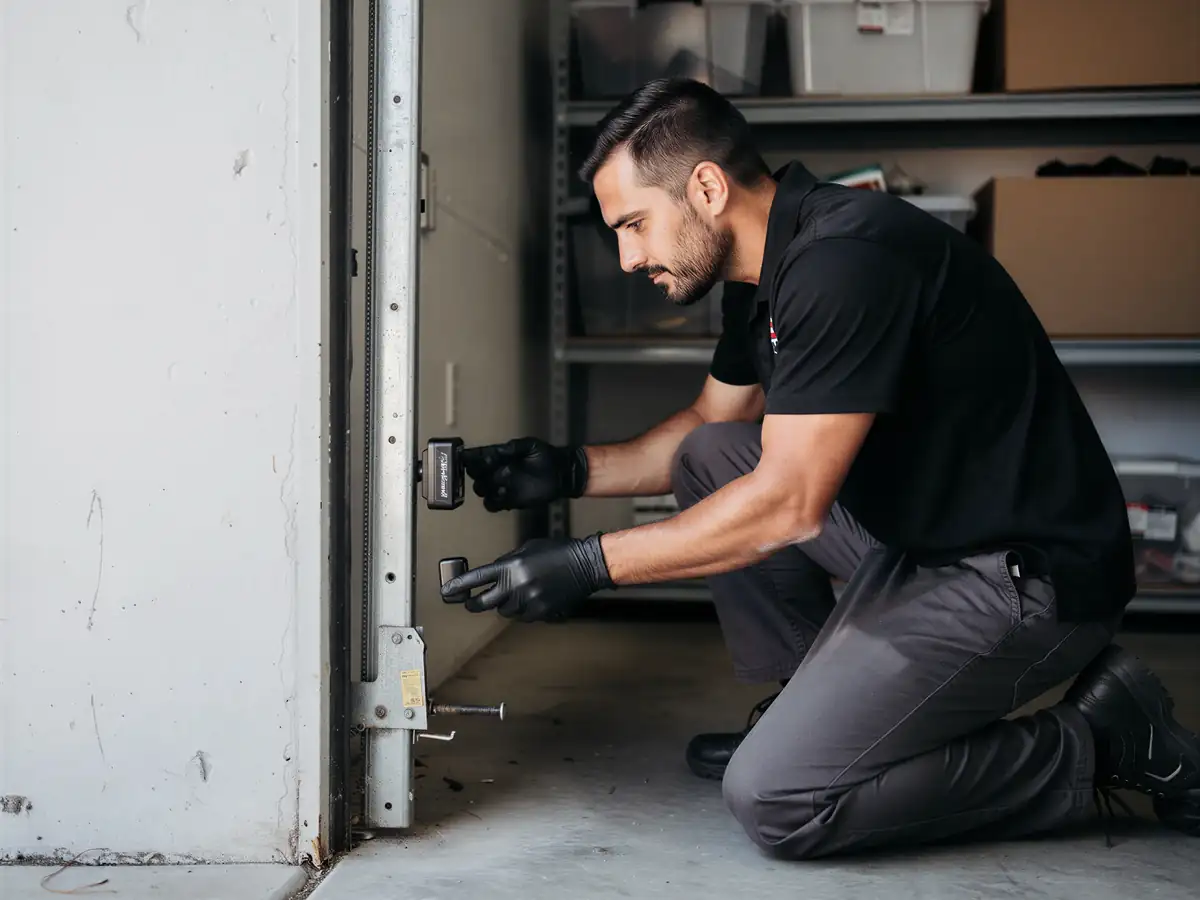
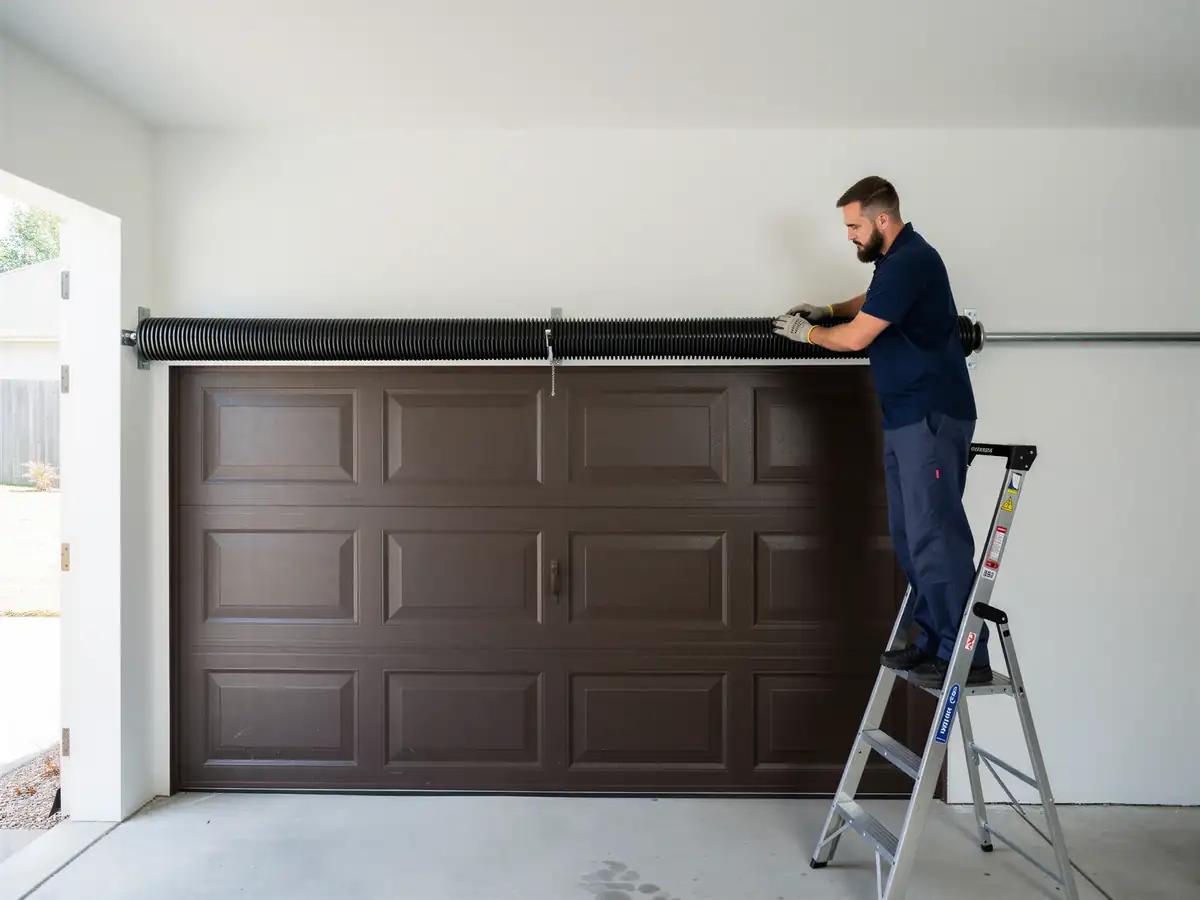
What You Are Seeing
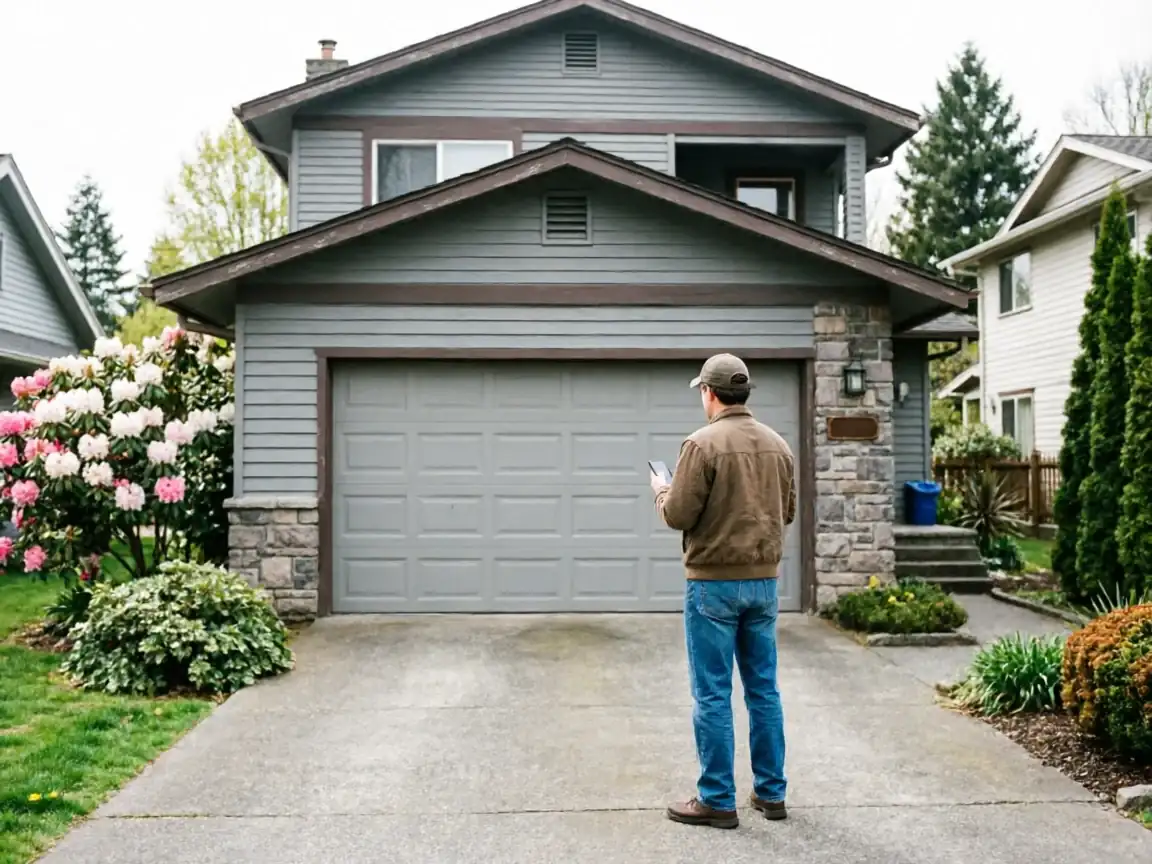
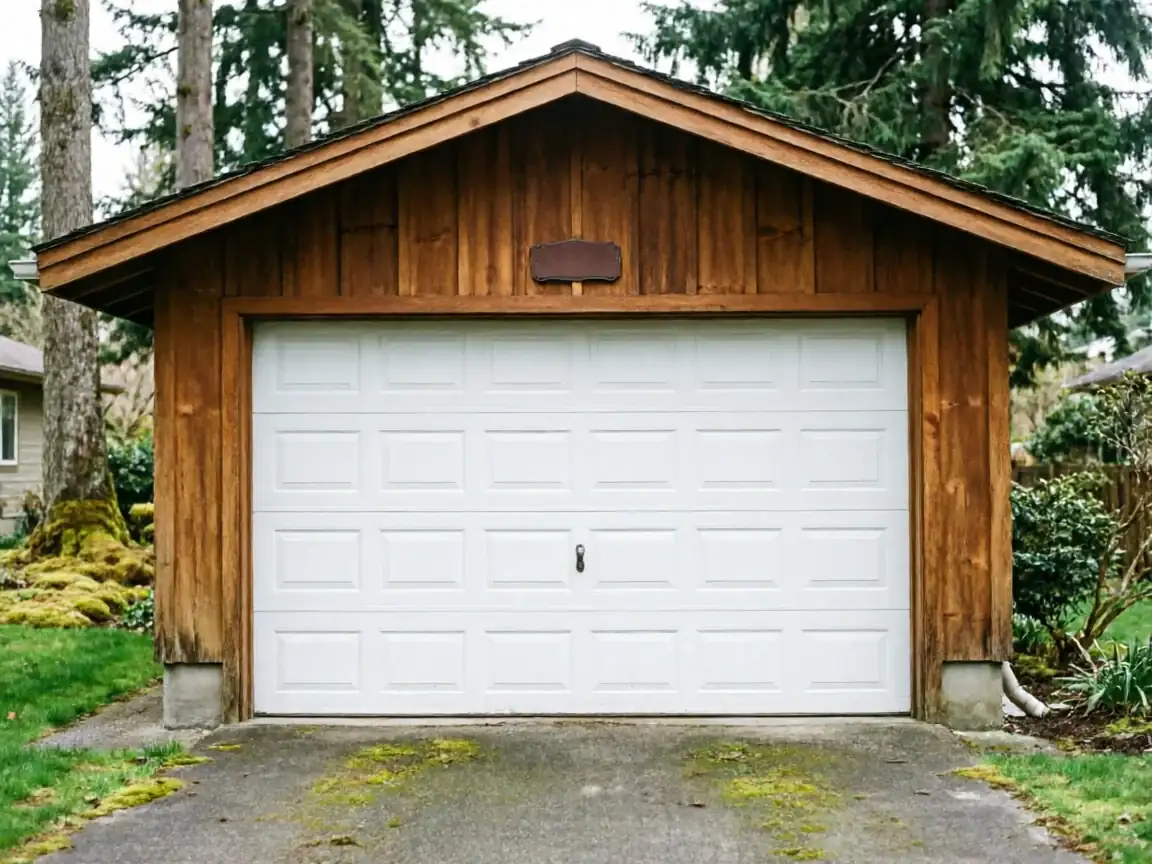
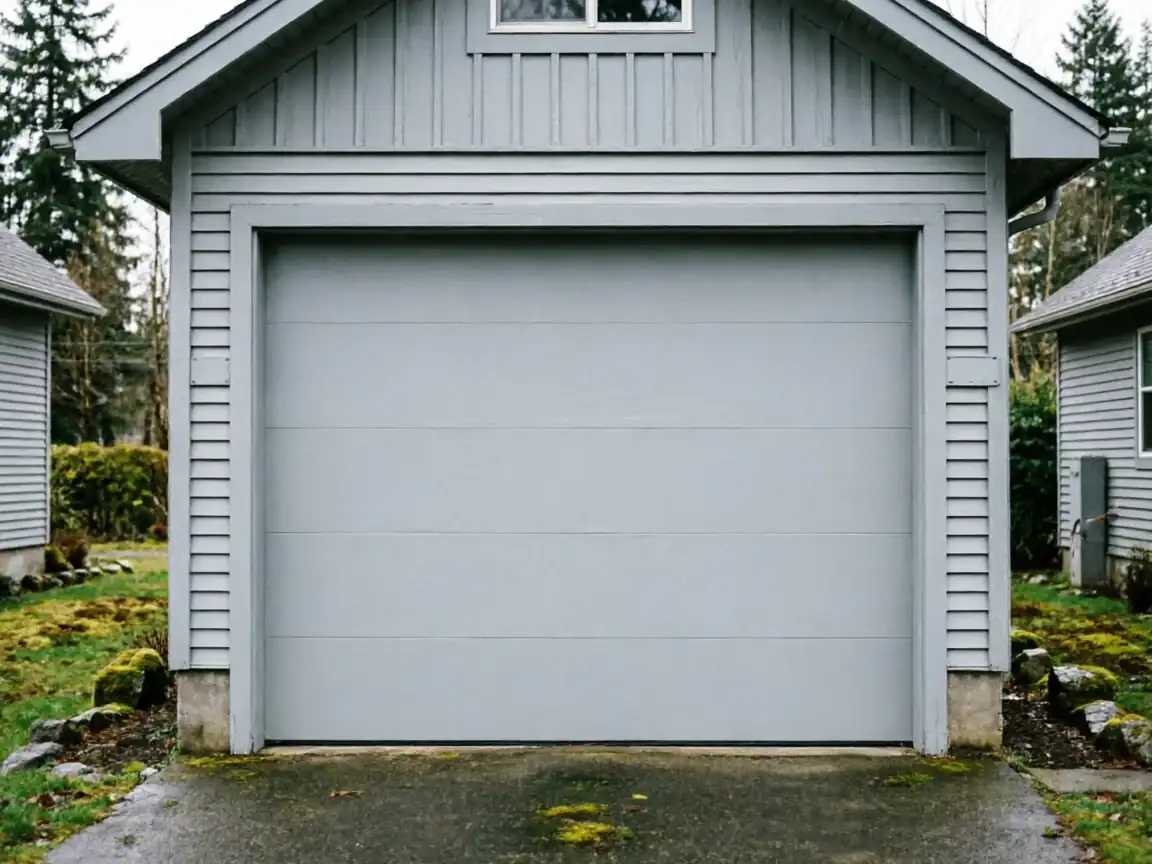
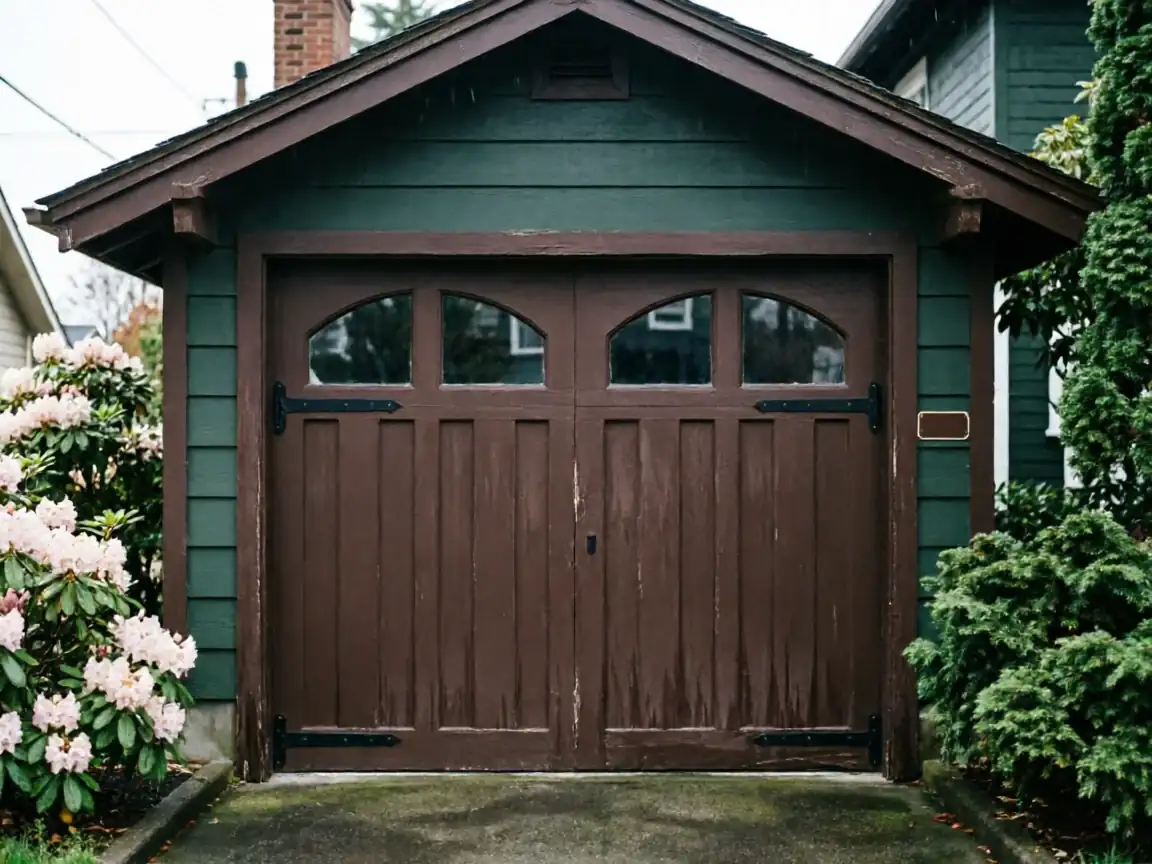
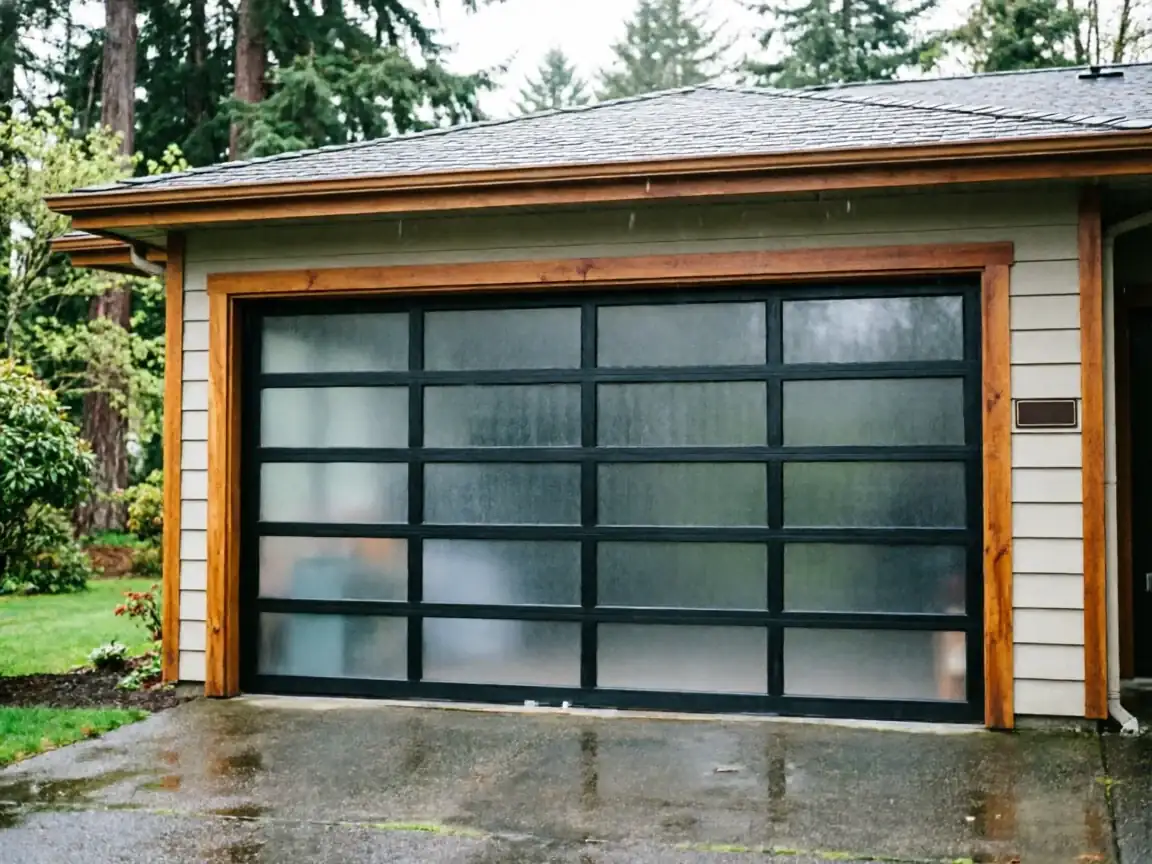
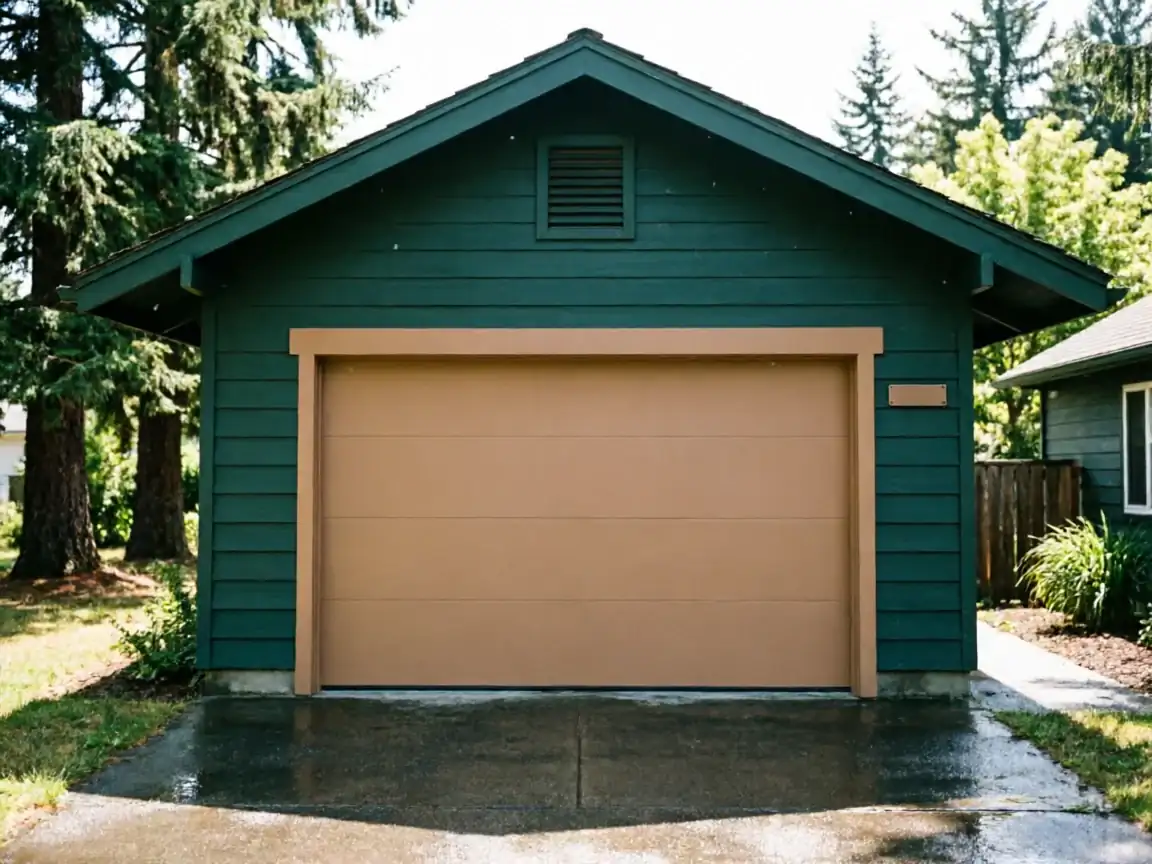
Most of the garage doors we get called out to in Veneta are not the same doors we see on the older streets closer to Eugene. Eugene's housing stock, taken as a whole, runs from 1950 into the late 1990s with a median year built of 1980. Veneta sits well past that median - homes out here tend toward 1996, which puts a lot of this area's garage doors on hardware that's a full generation newer than what we pull off a 1960s build.
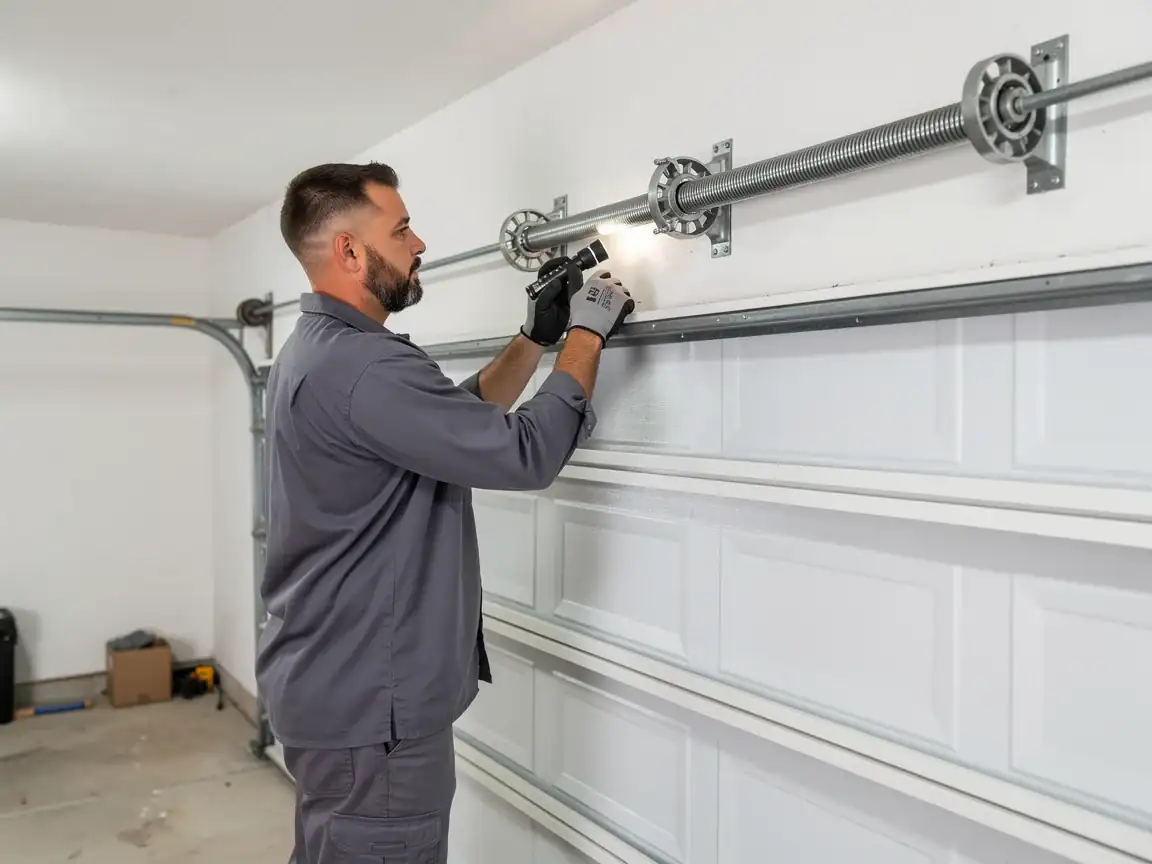
That matters because a door that's maybe twenty-five to thirty years old is usually still on its original torsion spring, and that spring has a duty cycle. Torsion springs are rated in cycles, not years, and a door opened twice a day for three decades has used most of what it had. You'll see the door hang crooked on one side, hear a bang like a gunshot from the garage, or find the door won't lift past a foot off the floor. Sometimes it's quieter than that - the opener strains, slows down, or reverses partway up because the spring isn't carrying its share of the door's weight anymore.
If your house was part of the wave built in the 1990s, this is probably the first time that spring has ever been touched.
Why It Happens Here
With roughly 2,295 households in the Veneta area and most of the building stock dating to the 1990s rather than the 1980s like the broader Eugene service area
The springs failing now are largely first-generation originals reaching the end of a normal cycle count - not springs that were already replaced once and are failing early. That's a different repair conversation than what we have in older parts of the territory.
- 2,295 households
The winters here still fall into the same cold-moderate climate band as the rest of the Eugene area
And cold steel is less forgiving - a spring near the end of its life is more likely to let go on a frosty morning than a mild afternoon. Humidity and temperature swings through the wet season also work on the galvanized coating over enough winters, and once rust gets into the coils, the spring weakens faster than the cycle count alone would predict.
At a median household income of $61,949 for this area
We also see more owners trying to stretch a repair rather than replace the whole door, which is often the right call on a 1990s door - the opener, track, and panels are usually still sound, and it's really only the spring and sometimes the cables that have worn out.
- $61,949 median household income
What Is on the Truck
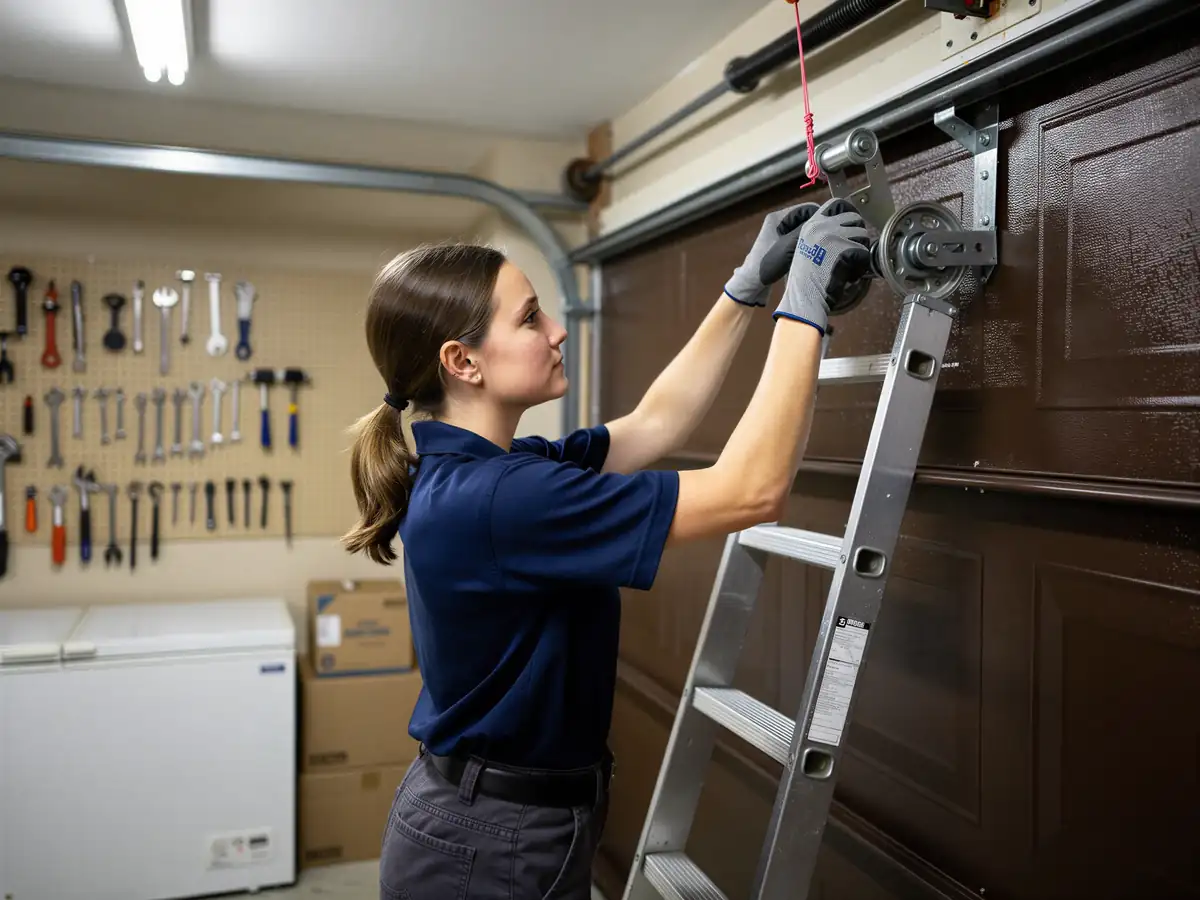
We stock torsion springs in the sizes that match 1980s-90s residential doors, since that's the bulk of what we're installing across the territory, including in Veneta. We also carry extension springs for the smaller number of older setups still running them, along with safety cables, standard drums, and the shaft hardware that wears alongside a spring.
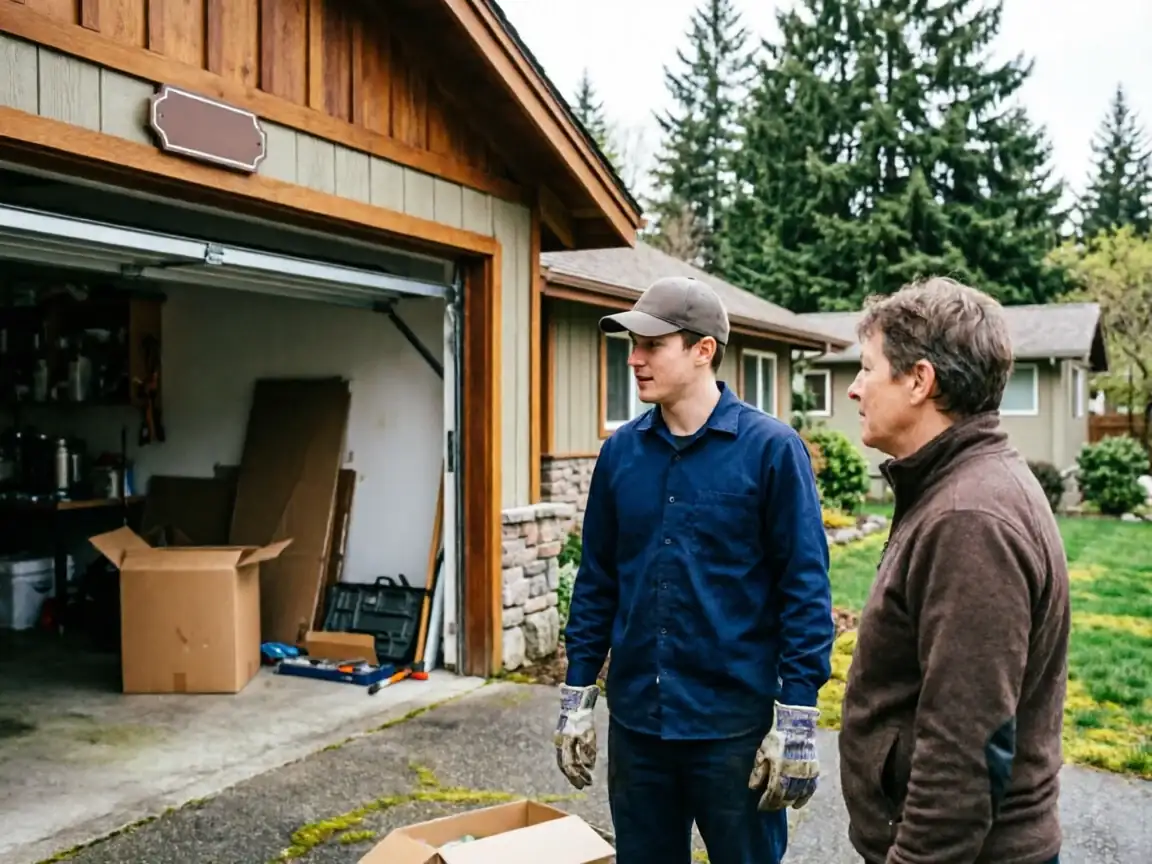
We travel the 12 miles out from Eugene with what a typical single or double garage door spring job needs already on the truck. What we won't have on hand is a spring custom-wound for an unusual door width or an older commercial-grade opener - those get ordered, and that's the one real limitation here: if your door is outside the common sizes, the first visit is a diagnosis and the second is the fix, not both in one trip.
We don't carry every spring for every door ever made, and we won't pretend otherwise. What we do carry covers the great majority of what's actually installed on houses built across the 1950-1997 range that makes up this service area.
How We Fix It
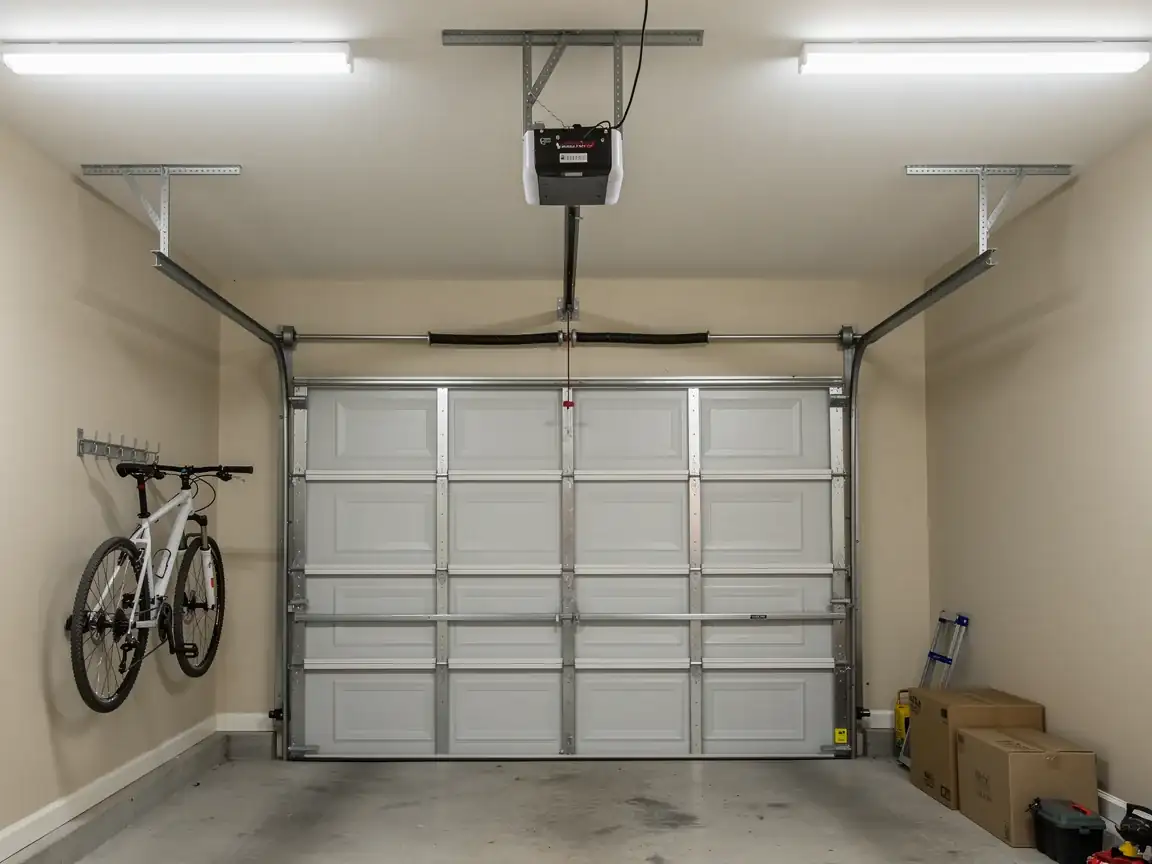
The job starts with identifying which spring system you have - torsion on a shaft above the door, or extension stretched along the horizontal tracks - because the two repairs use different parts and different procedures. On a 1990s-built house, we're almost always looking at torsion.
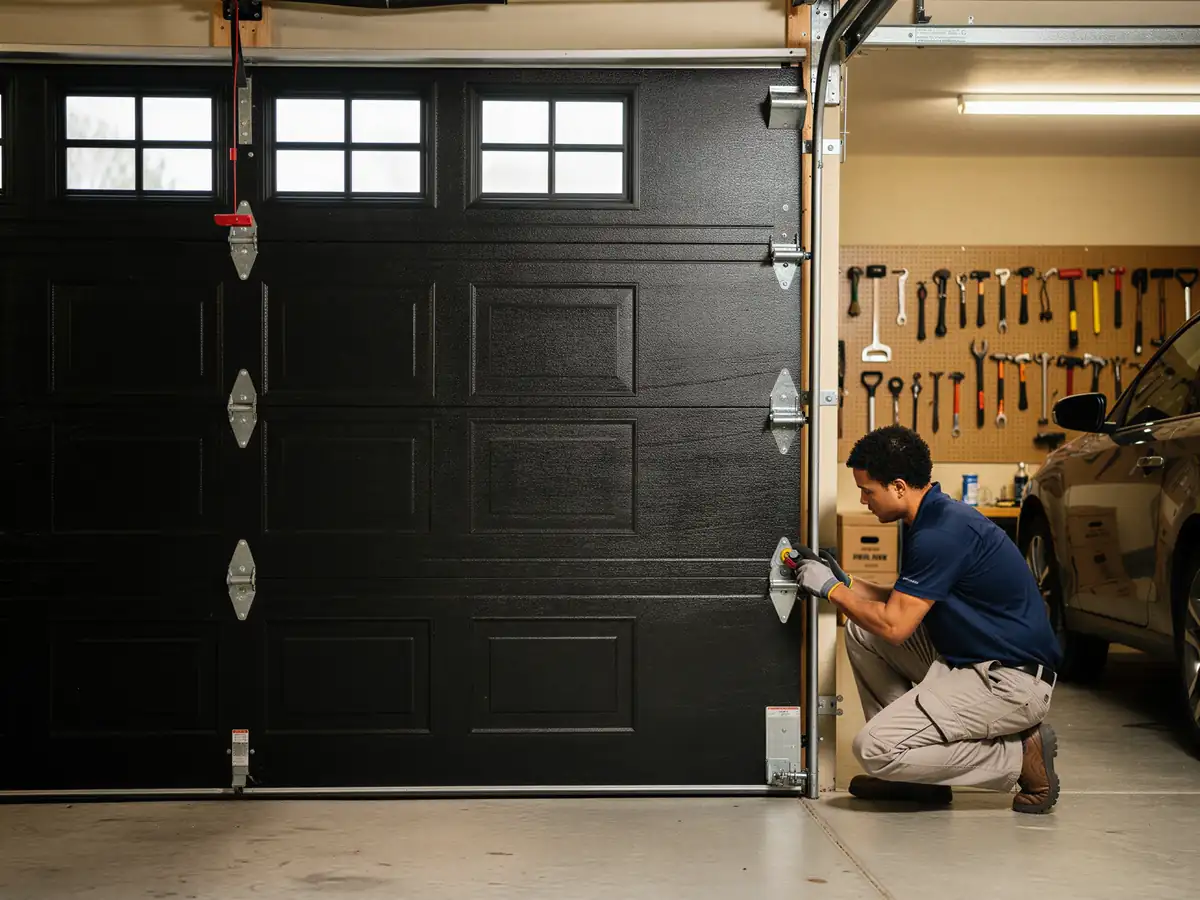
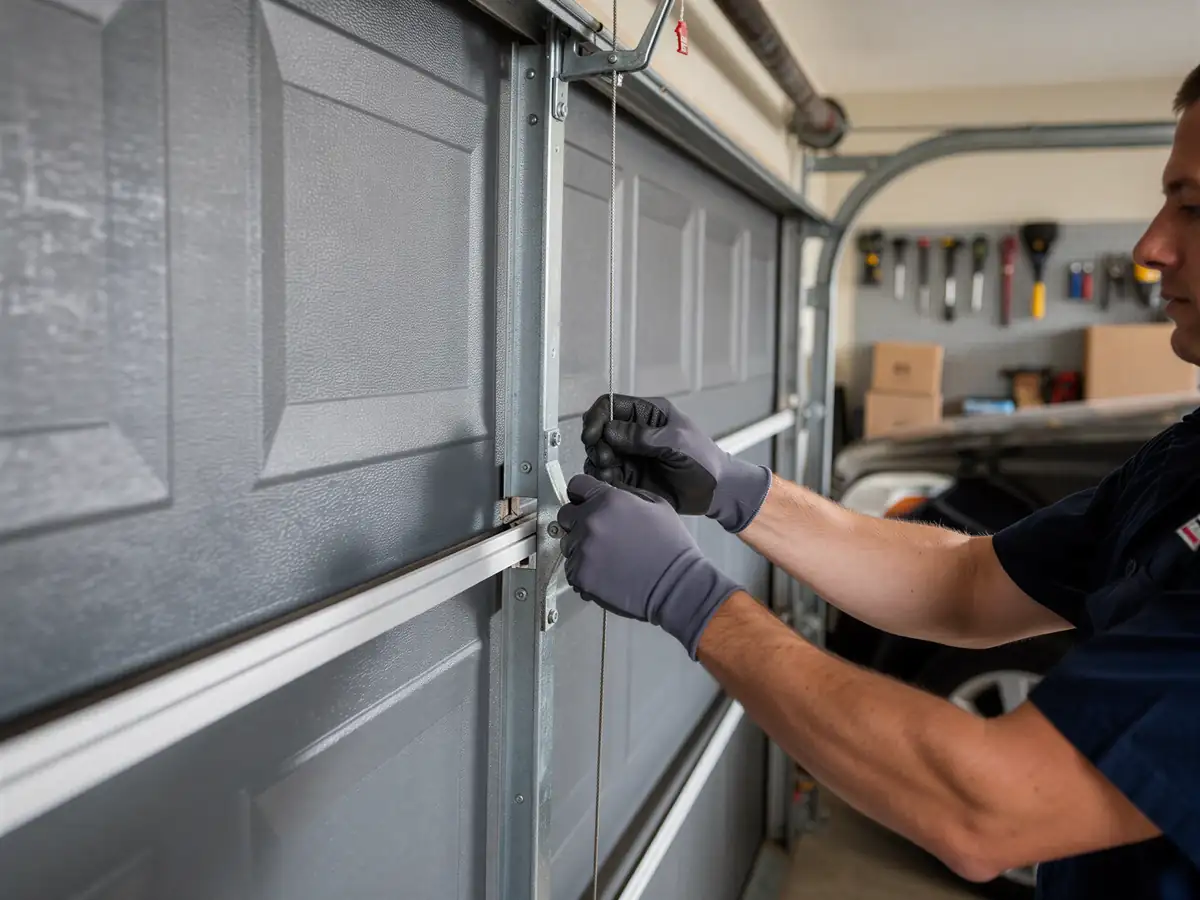
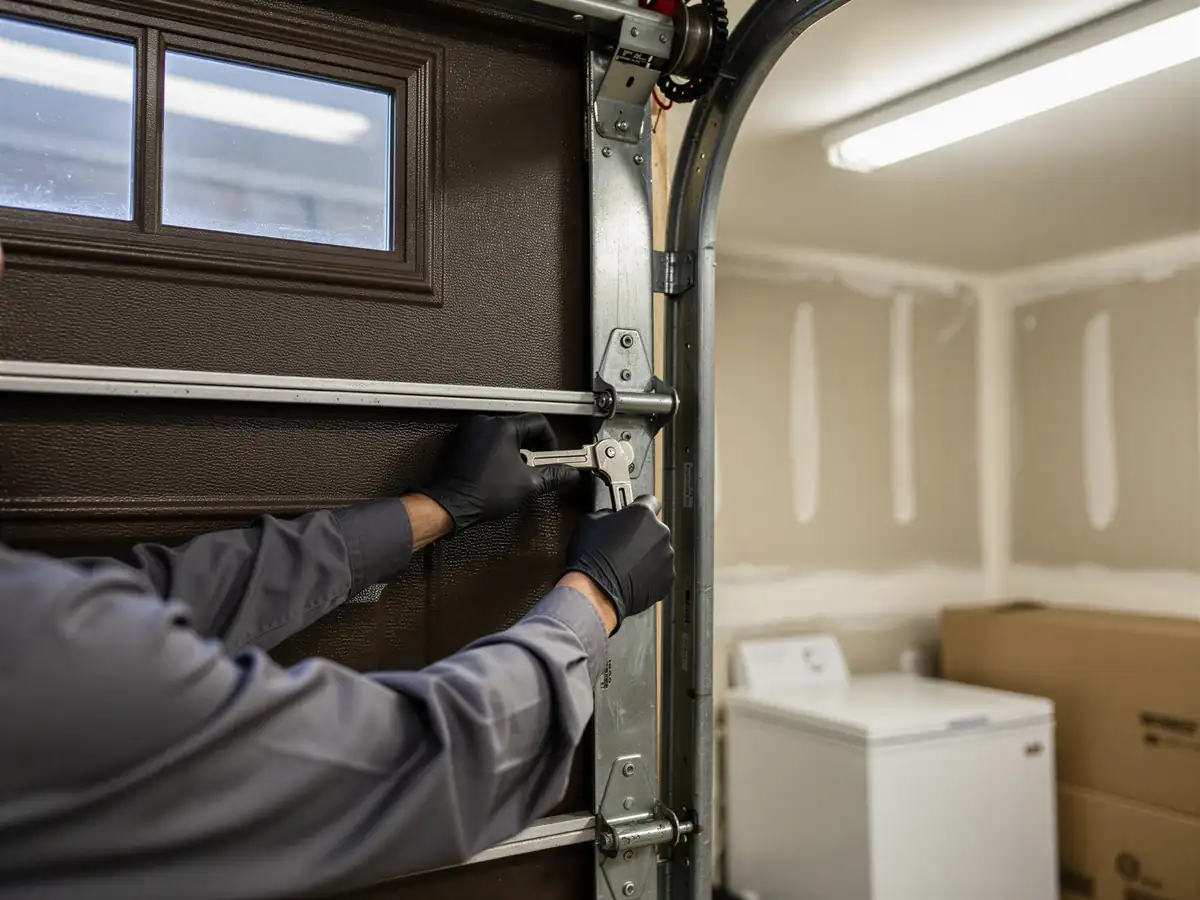
We measure the broken spring's wire size, coil diameter, and length rather than guess from the door's age alone, because even within the same build decade, door weight and spring spec vary. We replace the spring, inspect the cables and drums for wear since a snapped spring under tension can fray a cable on its way down, and check the bottom brackets and rollers while the door is apart anyway.
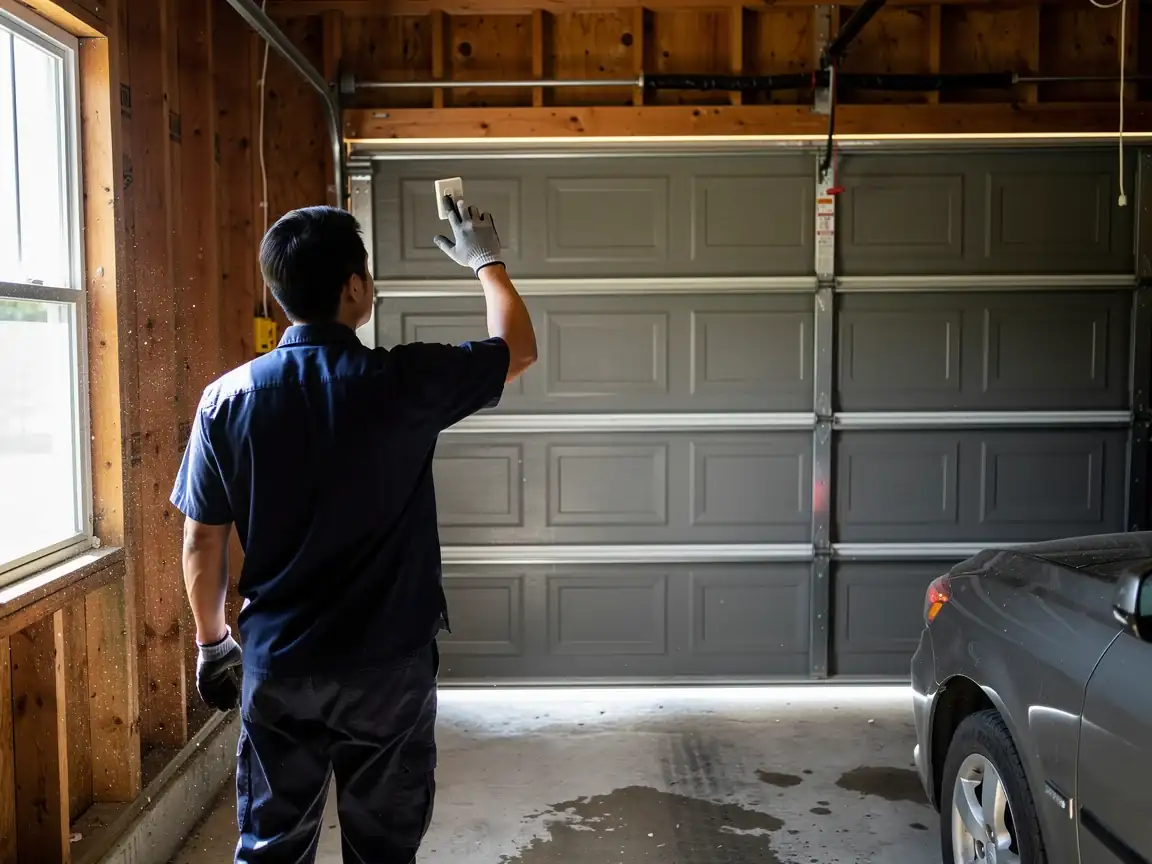
Once the new spring is on, we balance the door by hand - lift it to waist height and it should stay there on its own, not drift up or drop down - and then run the opener through a full cycle to confirm the travel limits and force settings still match the new spring tension. A door that's balanced wrong will wear out its opener early, so that last check matters as much as the spring itself.