What You Are Seeing
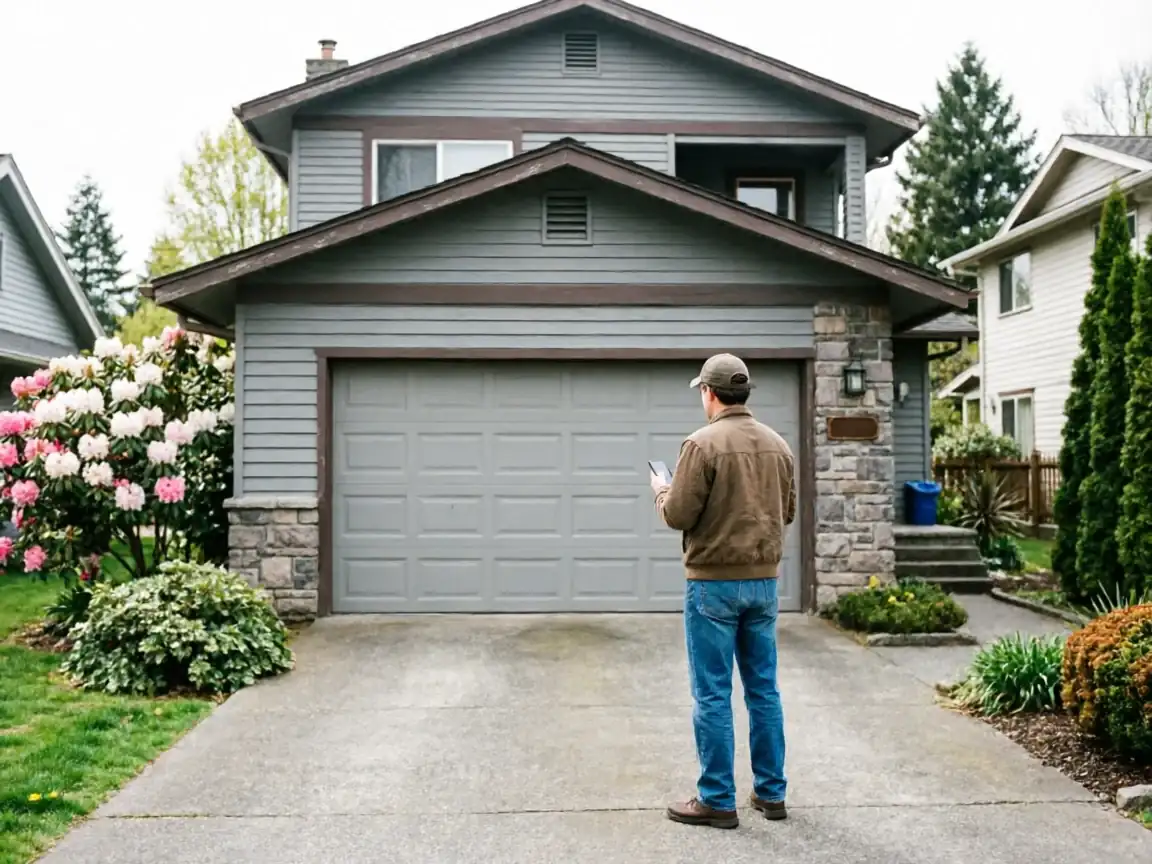
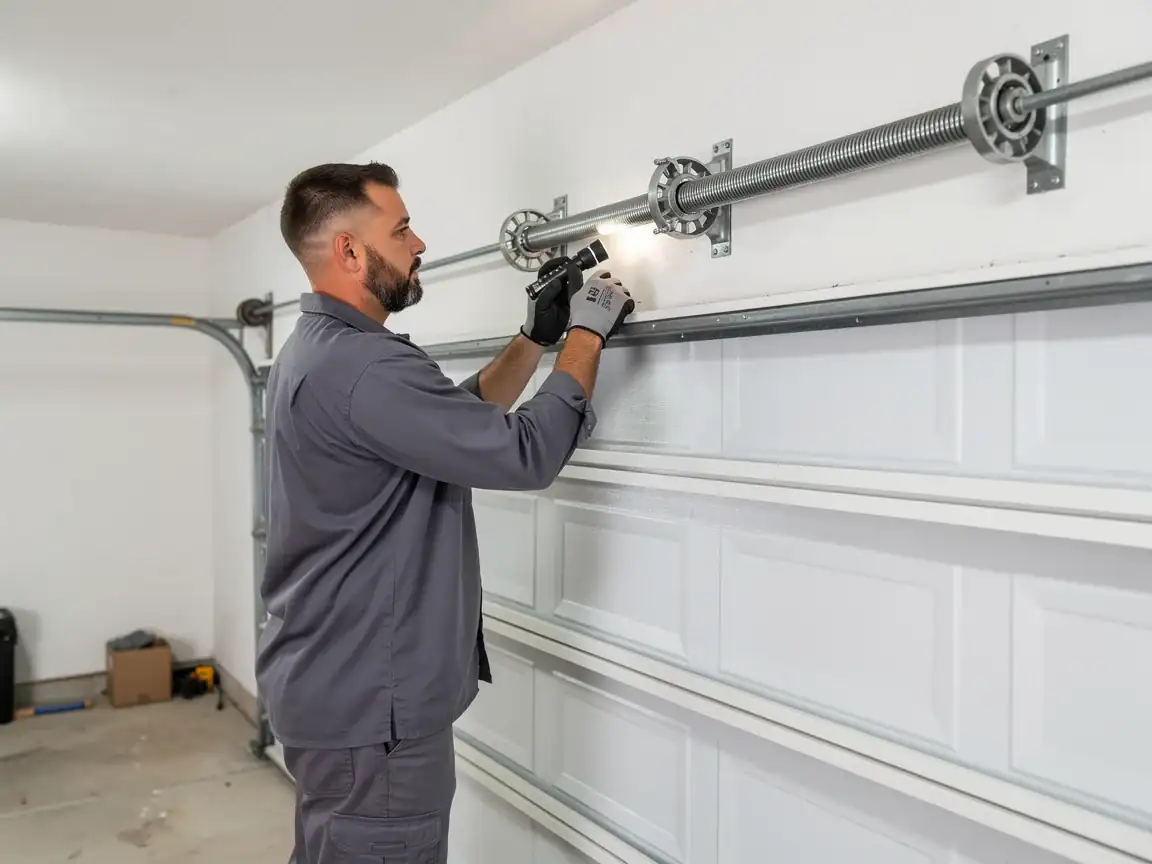
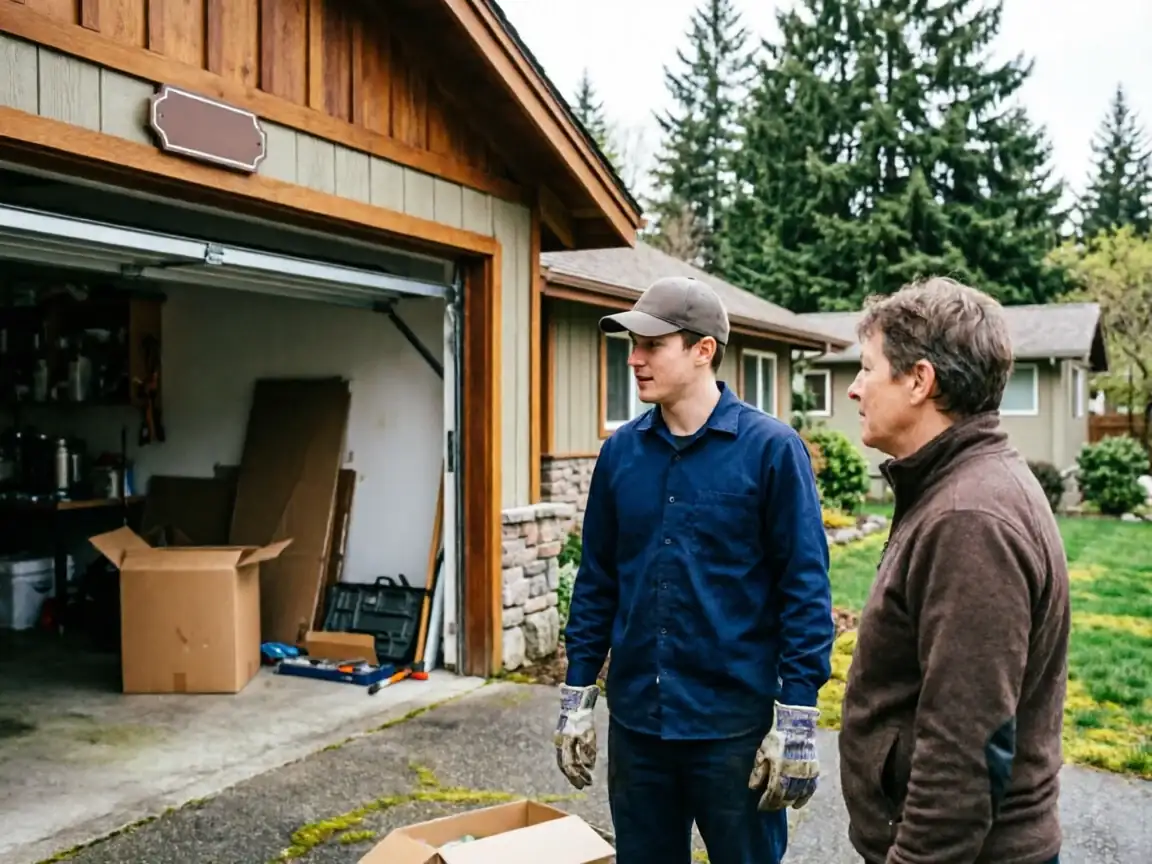
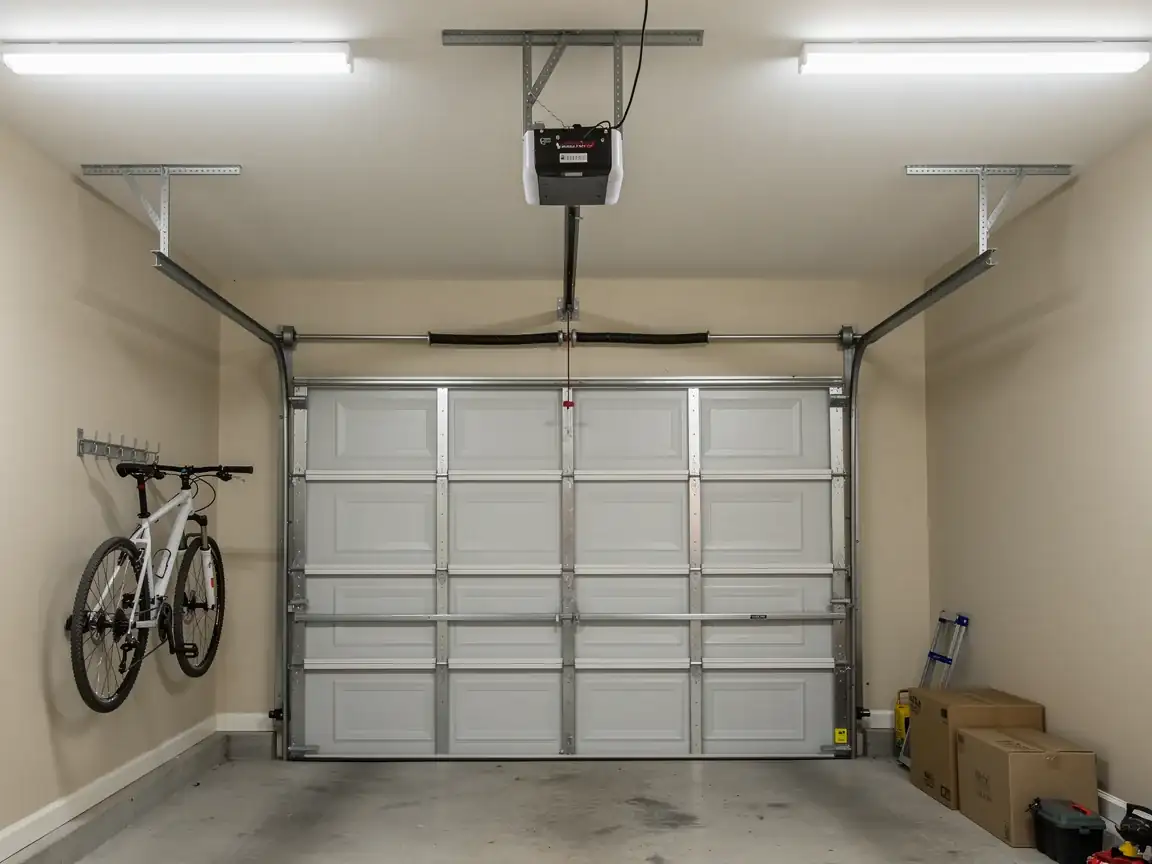
Veneta sits about 12 miles out from our shop in Eugene, which changes how a maintenance call here actually works. We're not swinging by on the way to another job in town - a trip out to Veneta is its own drive, so when we come out we go over the whole door rather than just the one noise you called about. That means checking the opener's force settings, the track alignment, the cables, and the spring tension in the same visit, because nobody wants to pay for a second trip over a problem that was sitting right next to the one we came for.
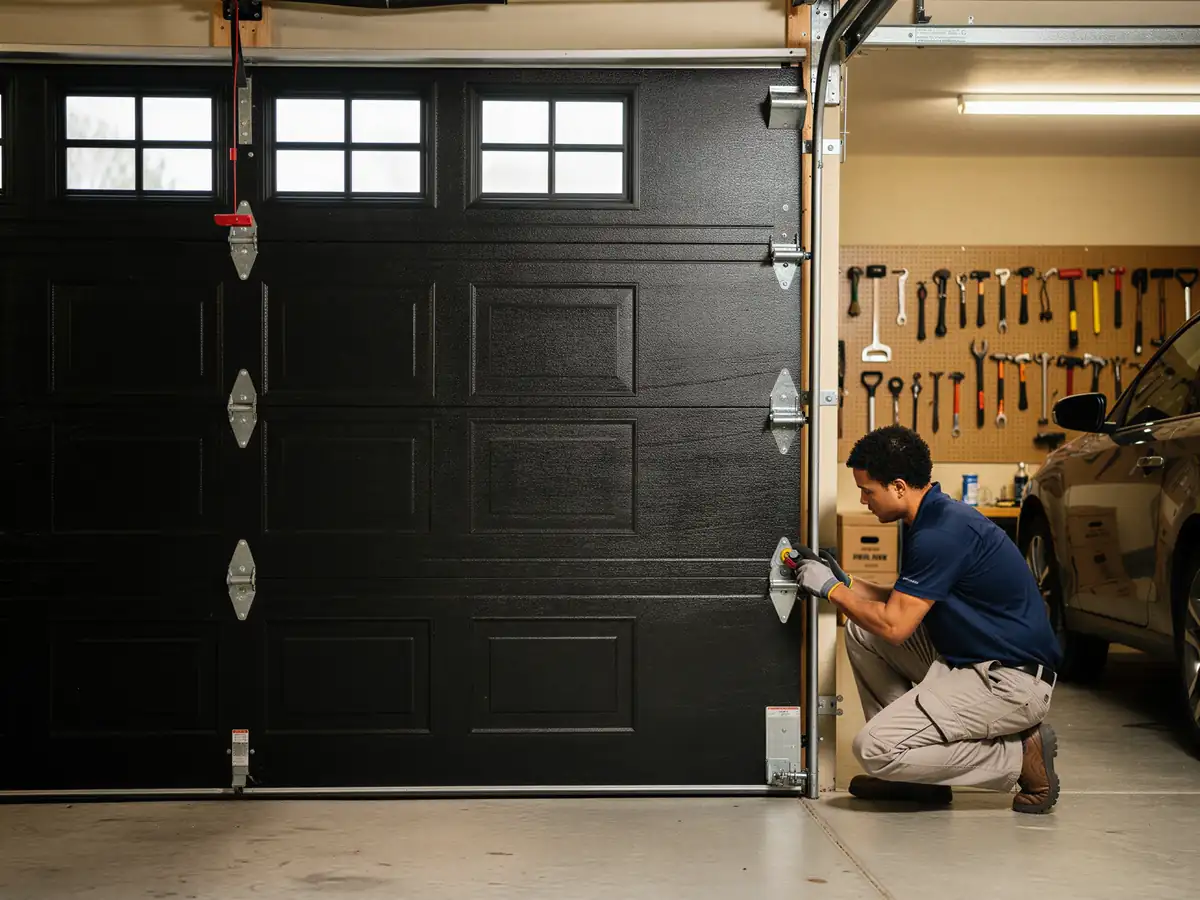
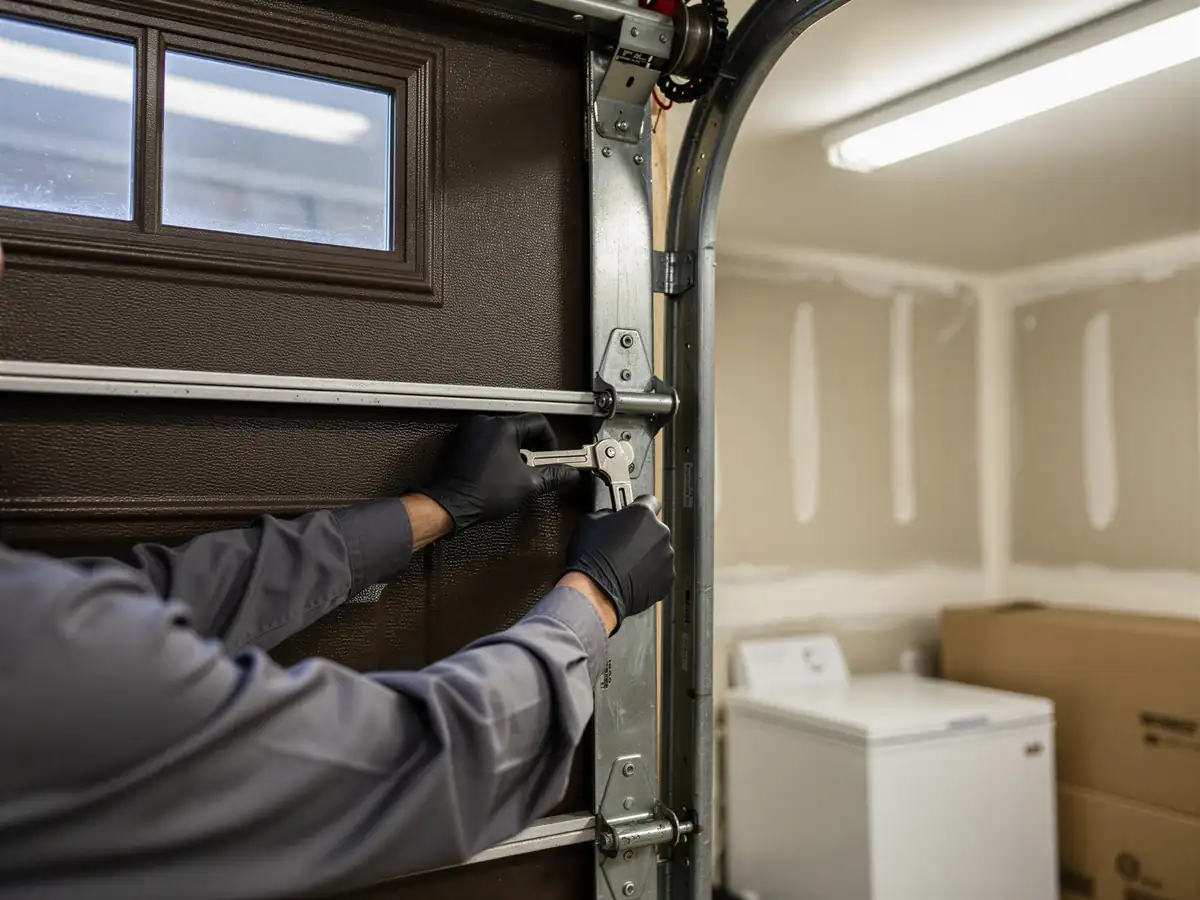
Most of what we see on these doors is wear that's been building slowly rather than a single failure. Rollers that have gone from quiet to clicking. A spring that's lost enough tension that the opener is doing more lifting than it should. Hinges with play in them that nobody notices until a panel starts to sag at one corner. None of it is dramatic, which is exactly why it gets ignored until the door won't open at all.
Why It Happens Here
Veneta's housing stock centers on 1996
Which is newer than the 1950-1997 spread you see across the wider Eugene service area. That matters for maintenance because it means most Veneta garage doors are still on their original hardware from the mid-90s build boom - and that hardware is now closing in on 30 years old, which is about when steel torsion springs and the galvanized cable they lift start failing within a season or two of each other.
- 30 years
The area runs a cold, moderate climate, and an unheated garage sees real temperature swings through the year
Metal contracts in the cold and expands in the heat, and that cycle works on lubricant, on cable strands, and on the weatherstripping at the bottom panel. A door that's never been serviced handles that cycling worse every year, not better.
Veneta's roughly 2,295 households are smaller in number than the 38,353 across the broader service area
But the doors built in that same mid-90s window are facing the identical mechanical clock. The difference is fewer of them have had a tech out to catch the spring or the cable before it lets go.
- 2,295 households
What Is on the Truck
For a maintenance visit we carry torsion springs sized for the standard residential openers that went in during the 1980s and 90s construction run common to this area, along with lift cables, rollers in both nylon and steel, and hinges to match. We also carry lubricant rated for the swings a cold-moderate climate puts a garage through, rather than a general-purpose grease that gums up once the temperature drops.
What we don't carry is anything made specifically for a brand of door we haven't inspected yet. If a Veneta home has an opener or track system we don't recognize on sight, we'd rather order the exact part than force a close match onto the door and have it fail again in six months. That's the honest limit of what fits on a truck - some parts take a return trip, and we'd tell you that up front rather than bolt on something close enough.
How We Fix It
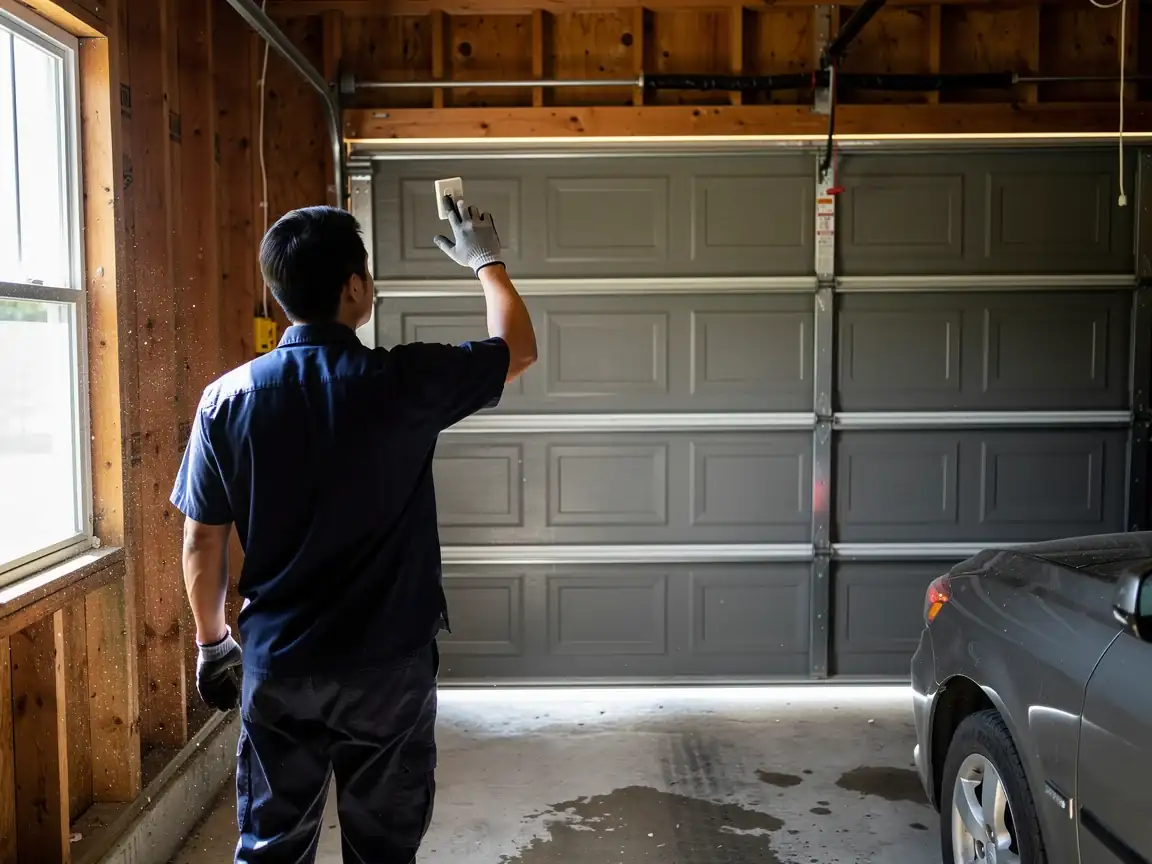
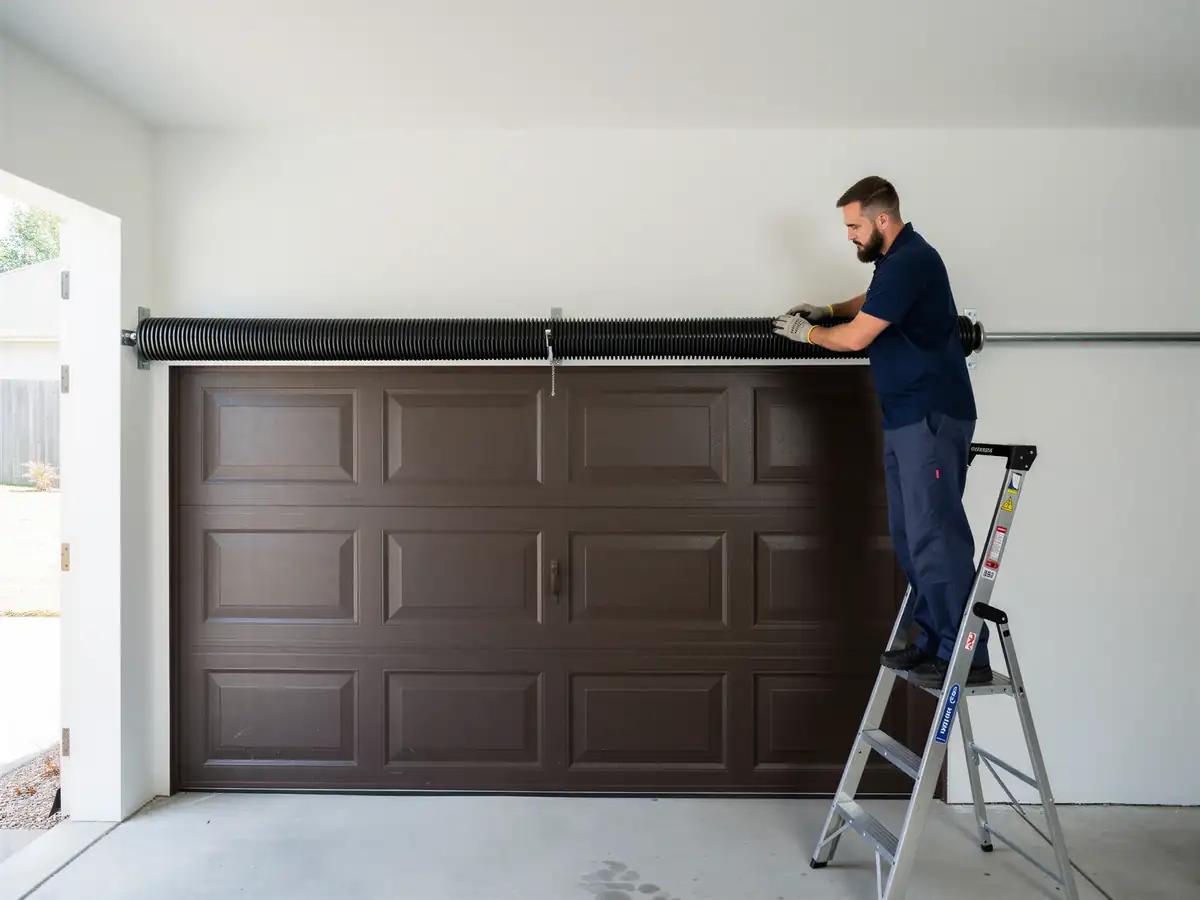
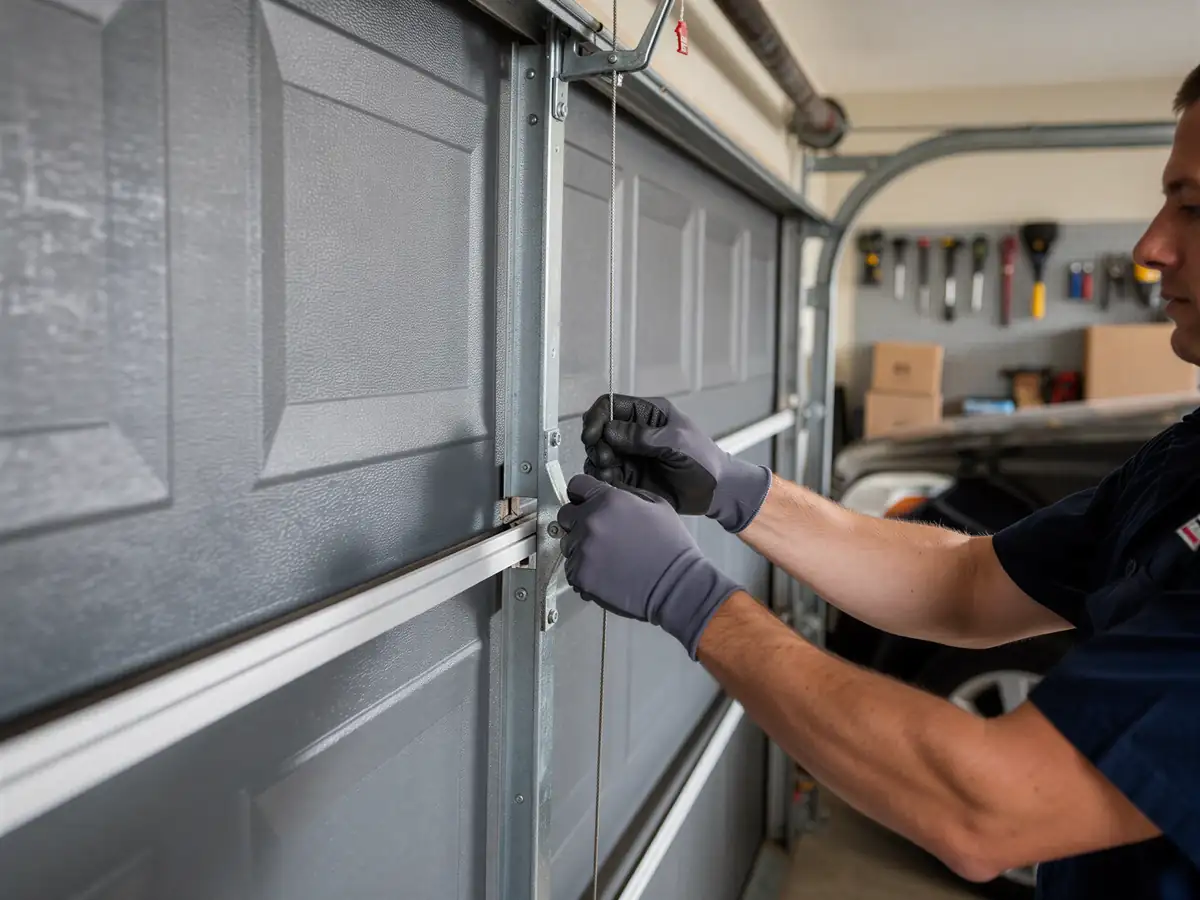
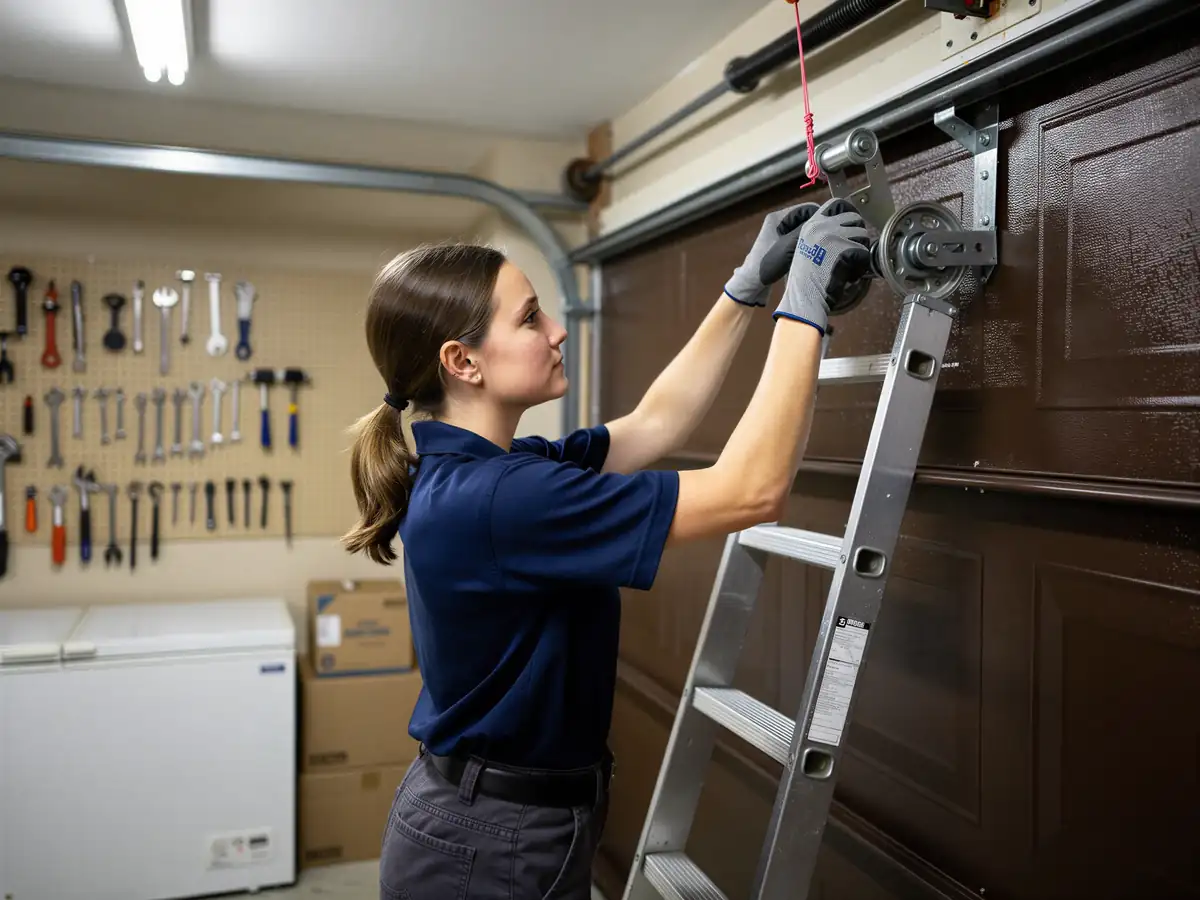
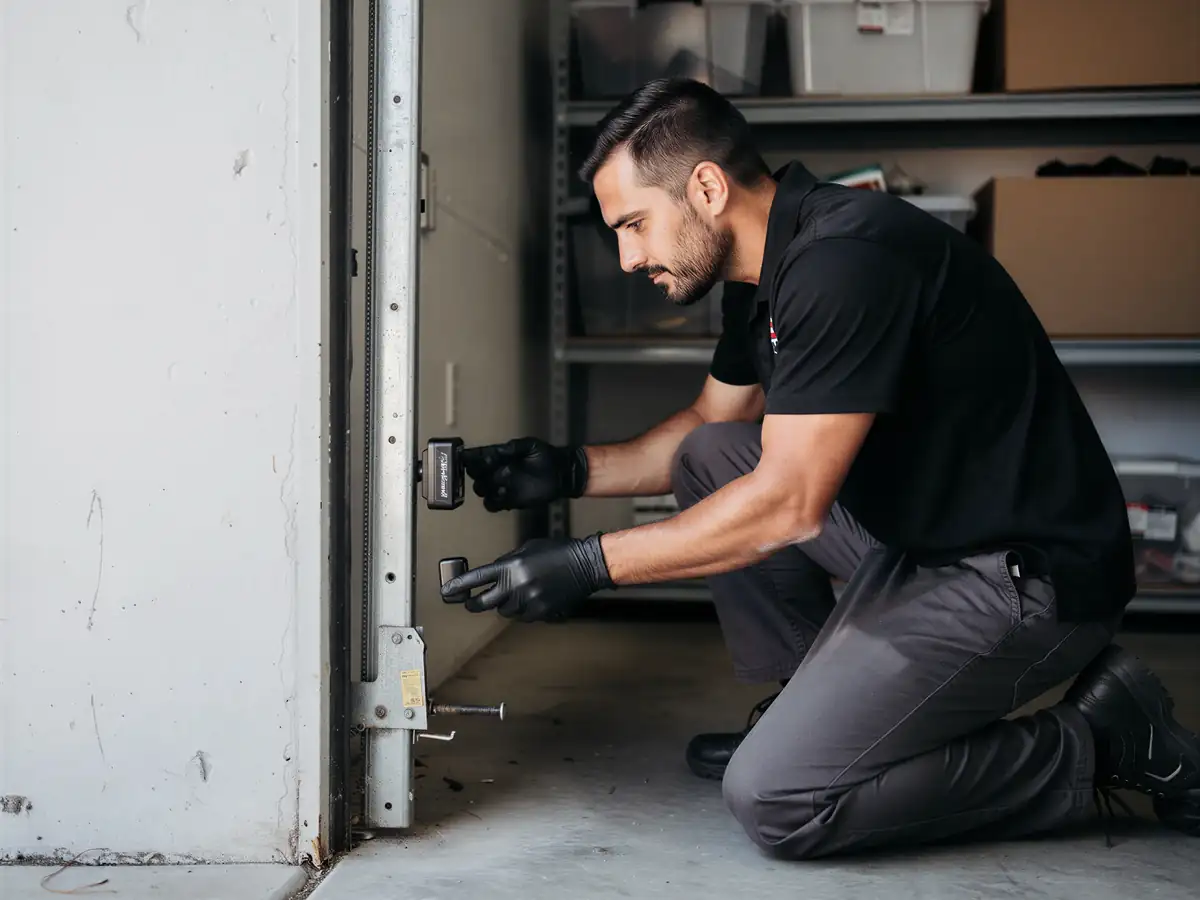
A maintenance visit starts with the spring - checking tension against what the door actually weighs, not just whether it lifts by hand right now. From there we run the track for alignment, since a door built in the mid-1990s has had thirty years of seasonal settling to shift a bracket out of true. We check the cable drums for fraying, reset the opener's force and limit settings, and lubricate the rollers and hinges with something built to hold up through a cold winter and a dry summer.
If we find a part that's past adjusting - a spring with visible pitting, a cable starting to fray at the drum - we'll tell you what it costs to replace and let you decide, rather than replacing parts that still have life in them. The goal of a maintenance visit on a Veneta door is to get another several years out of hardware that's already outlasted the warranty it came with, not to sell a full replacement on a door that's still sound.