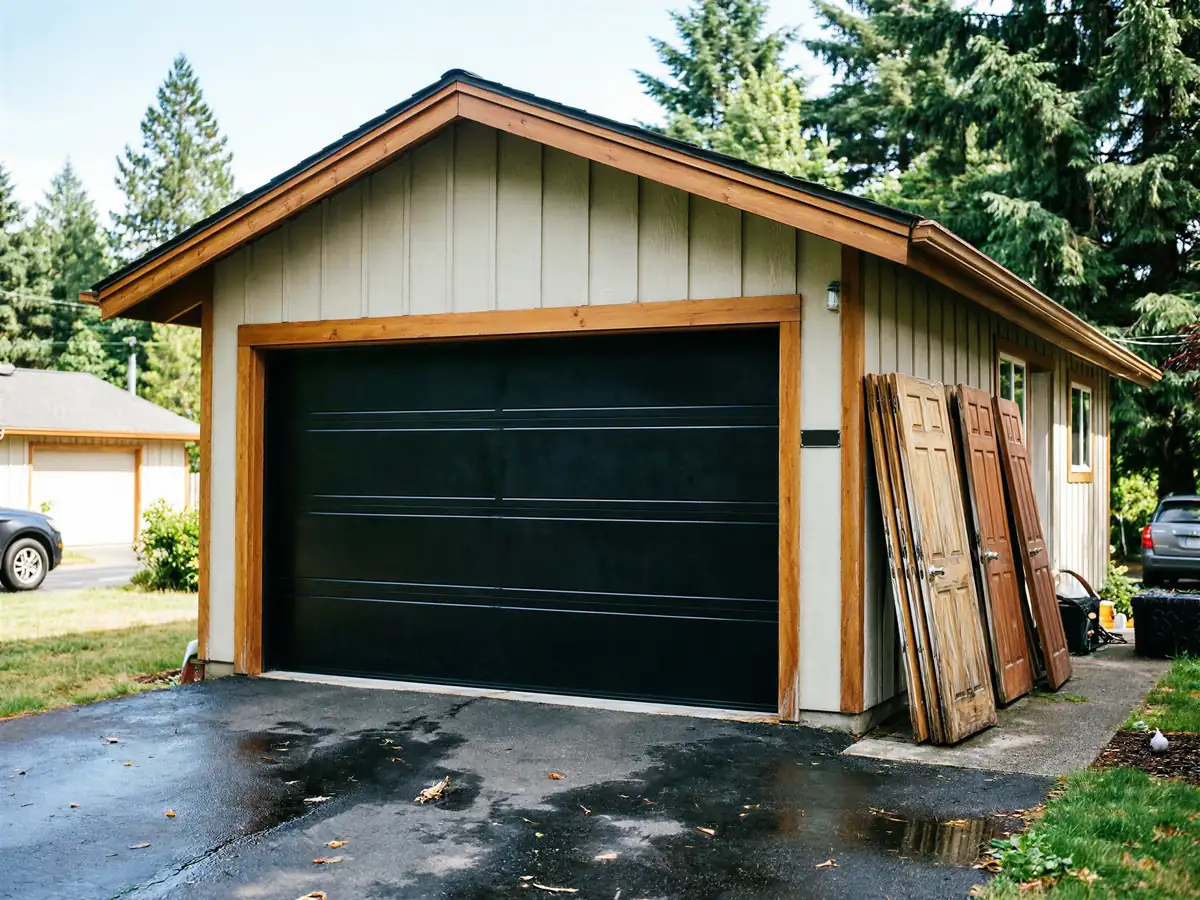
What You Are Seeing
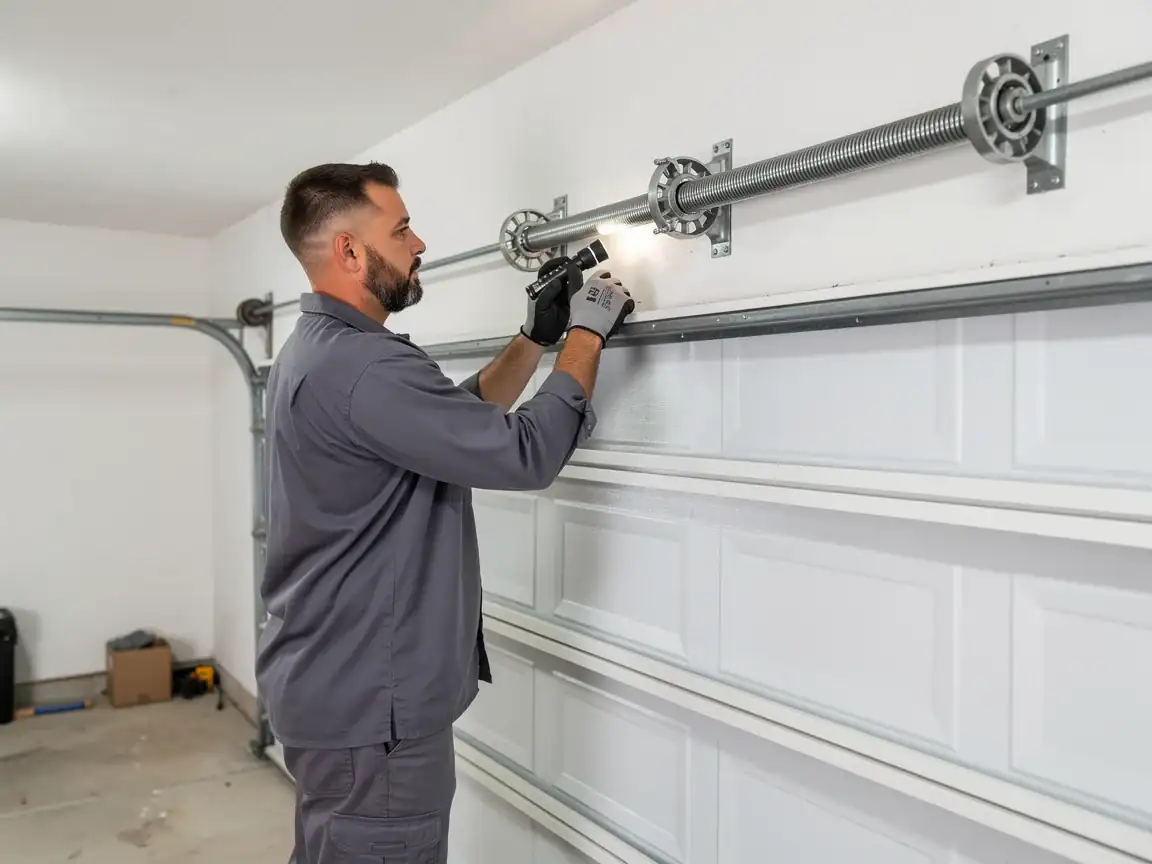
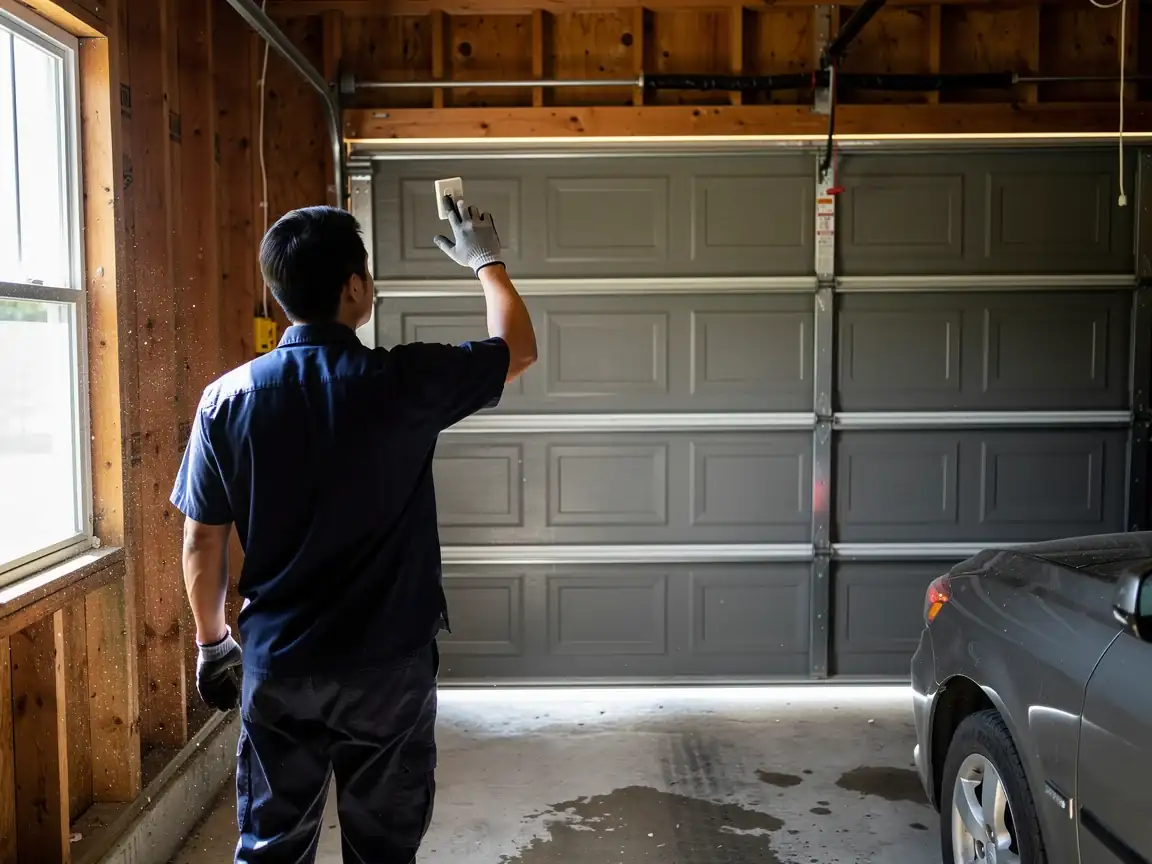
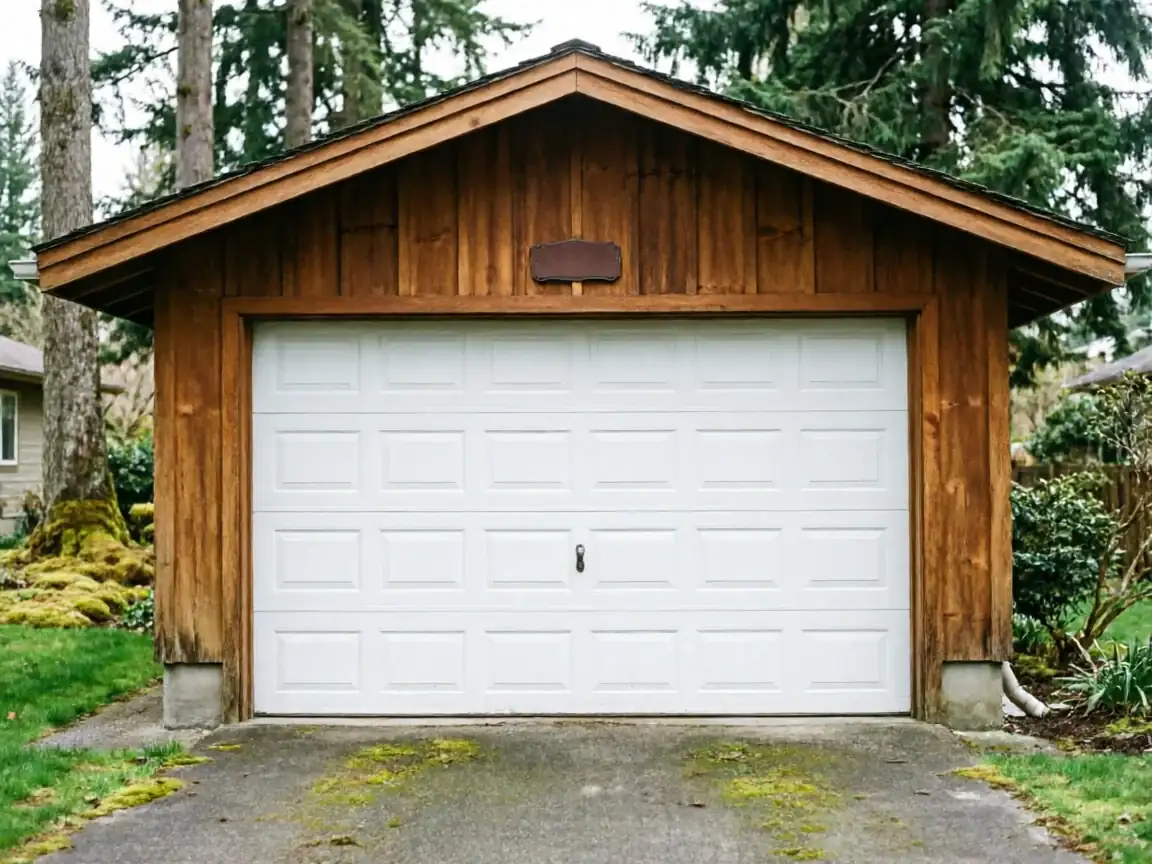
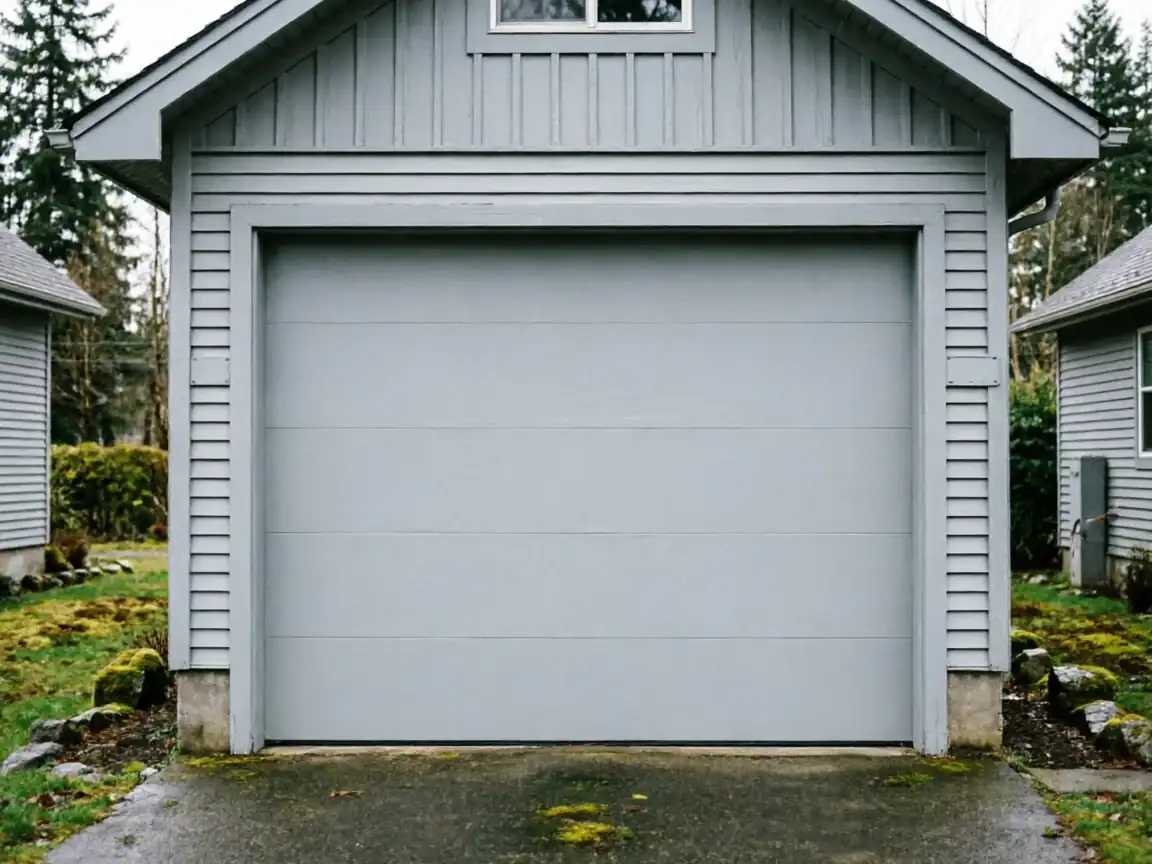
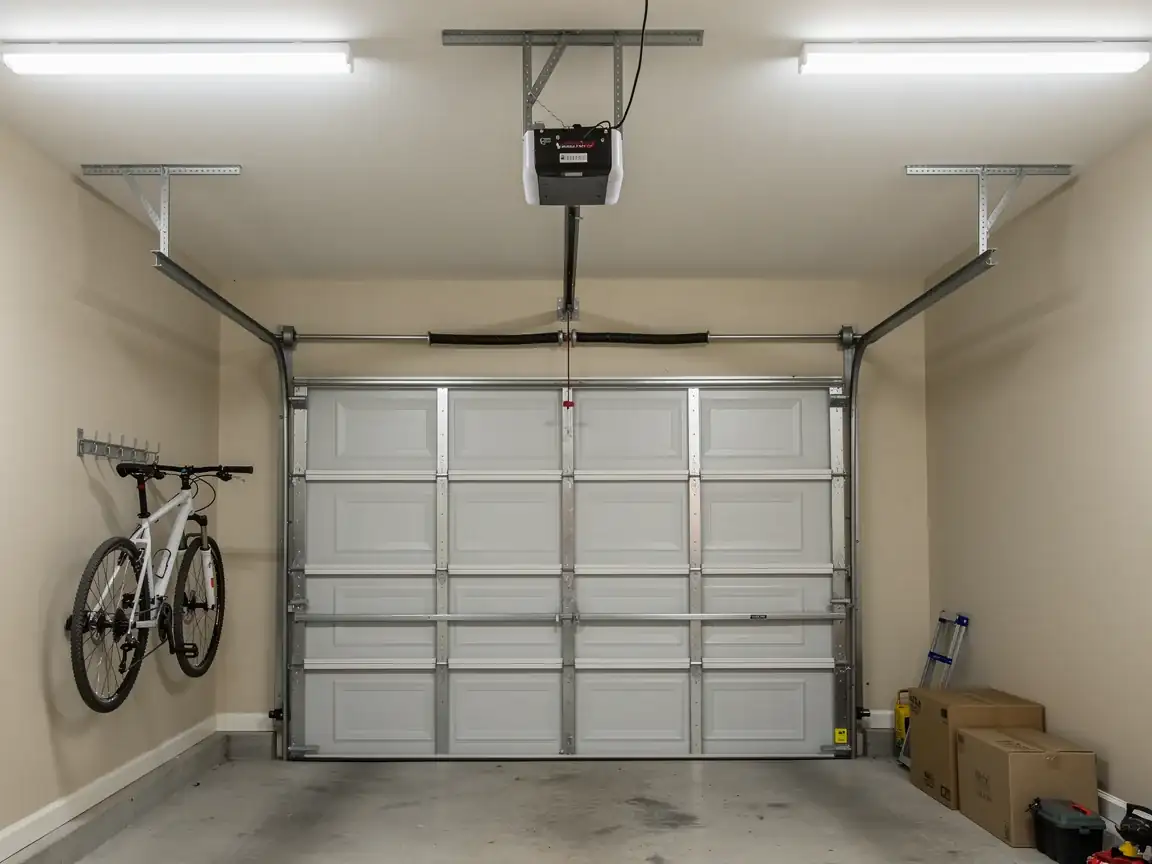
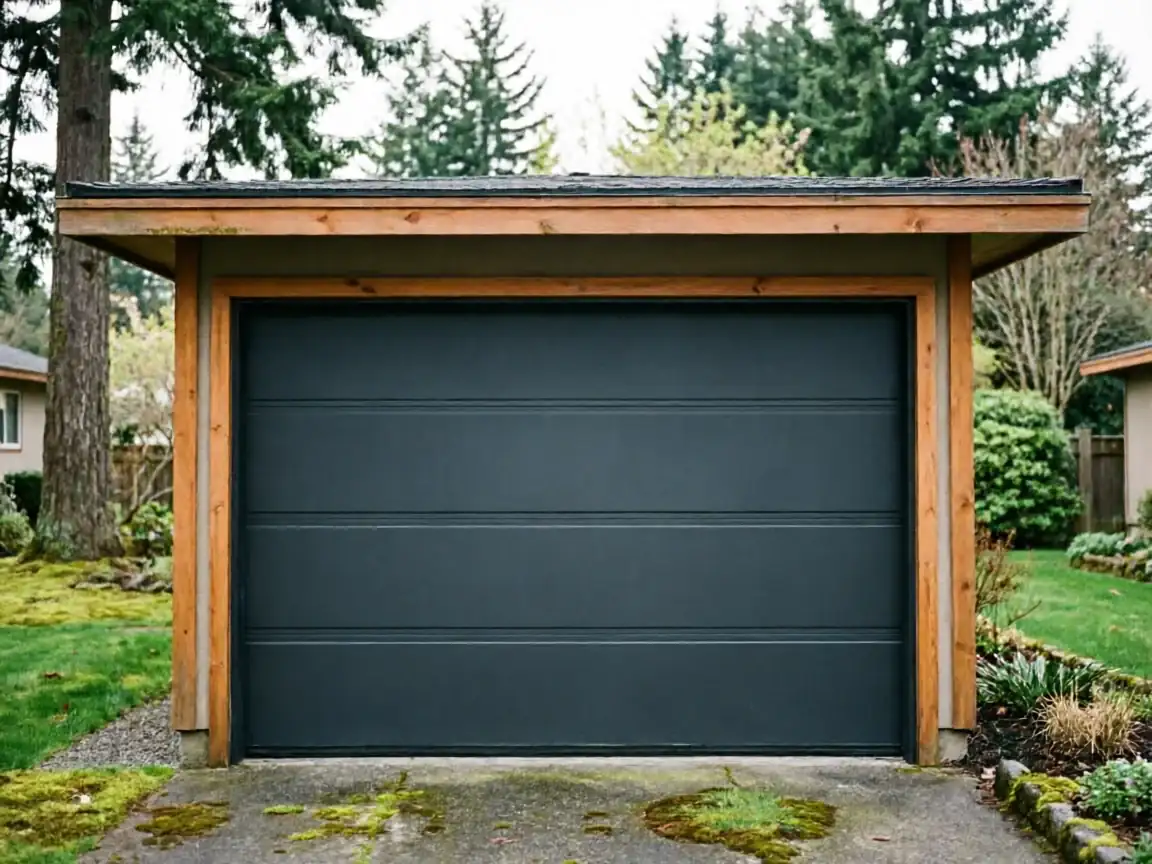
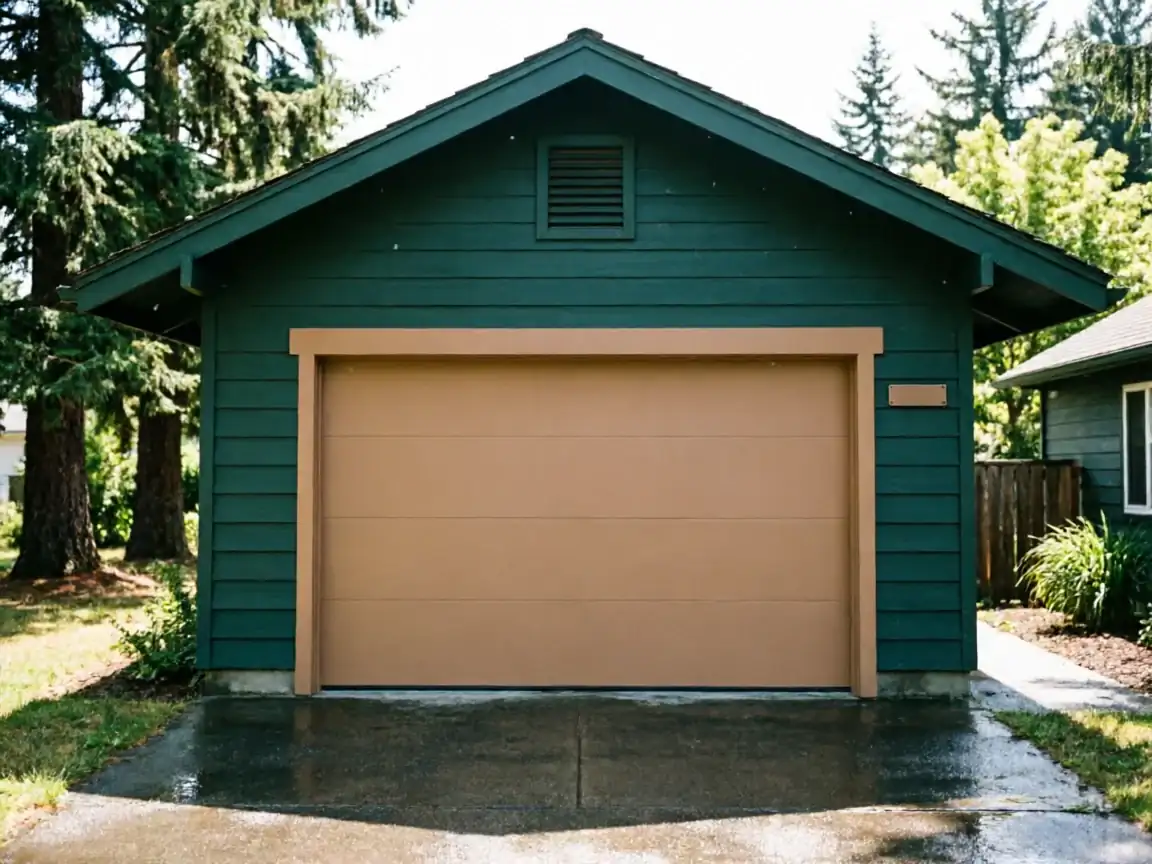
Most houses in Veneta went up well after the bulk of the Eugene area's housing stock, which skews toward 1980 as a median build year. Veneta's own median is closer to 1996. That gap matters more than it sounds like it should. A door installed on a mid-90s build is usually a standard steel sectional, 16x7 for a double bay or 8x7 for a single, hung on a torsion spring system with a chain or belt-drive opener already wired to a GFCI outlet inside the garage. These aren't the heavy wood or single-panel doors you'd find on an older Eugene-area house. The panels are lighter gauge steel, often with a thin layer of polystyrene insulation sandwiched in, because builders in that era were starting to care about R-value but weren't required to push very far. When a door from that stock fails or just wears out, you're not dealing with obsolete hardware - you're dealing with a door that was built to a lower insulation standard than what's available now, on a frame that's otherwise in decent shape.
What Is on the Truck
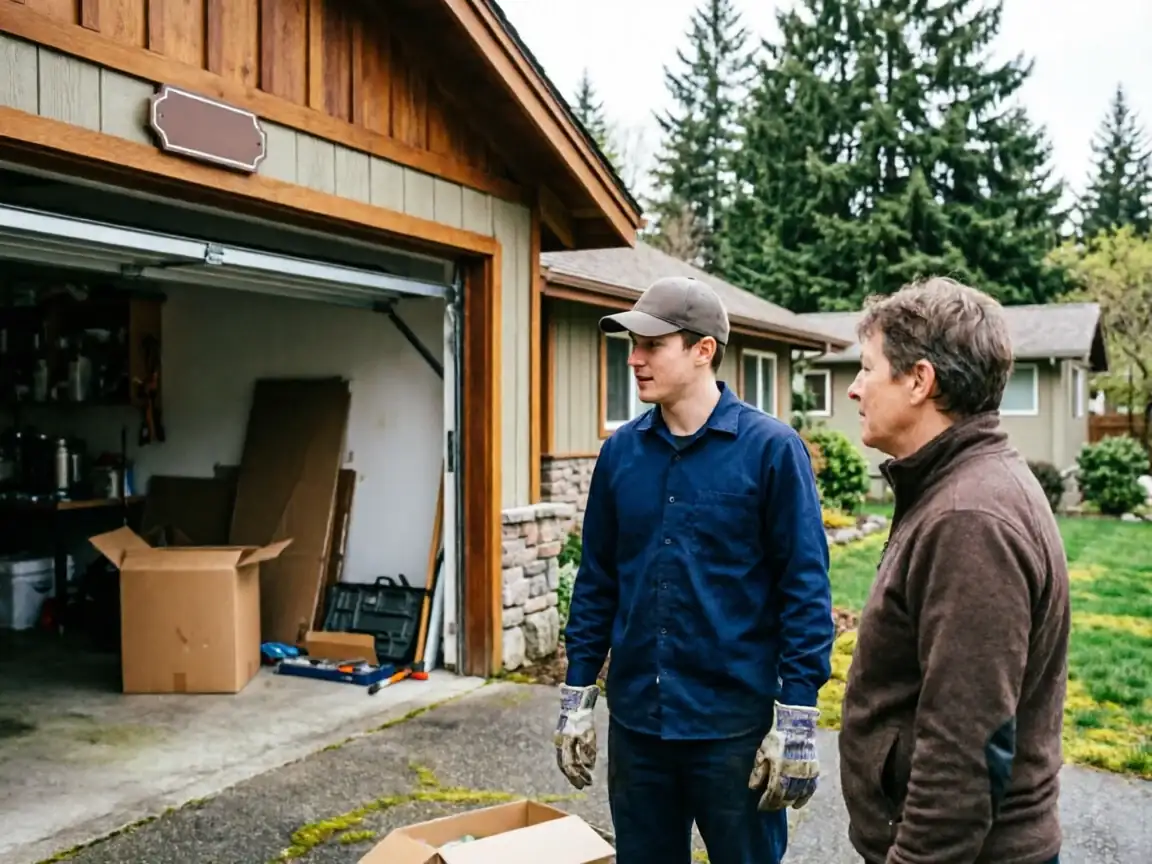
We come out from Eugene for installs here - Veneta is about 12 miles from our base, so there's no local branch or standing crew stationed in town. What travels with the install crew is the standard kit for a replacement job: steel sectional doors in common 16x7 and 8x7 sizes, torsion spring sets rated for those dimensions, new track and roller hardware, and openers with the safety sensors and battery backup that current code expects. We don't stock custom wood doors or oversized commercial-width panels on the truck; if a job calls for something outside the common residential sizes, that gets special-ordered ahead of the appointment rather than carried as stock. For a typical 1990s-built Veneta garage, the measurements are predictable enough that we can usually confirm the door size and spring rating before the truck even leaves Eugene.
How We Fix It
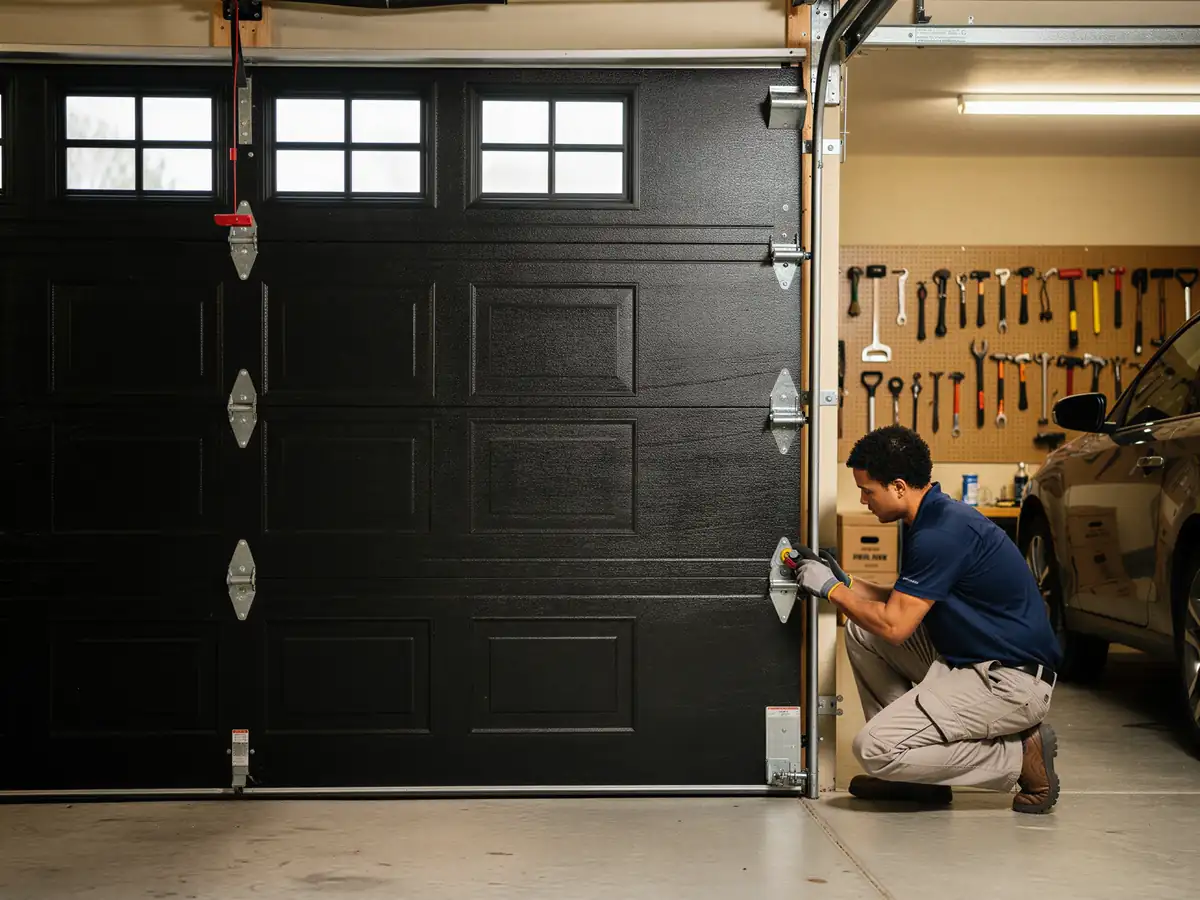
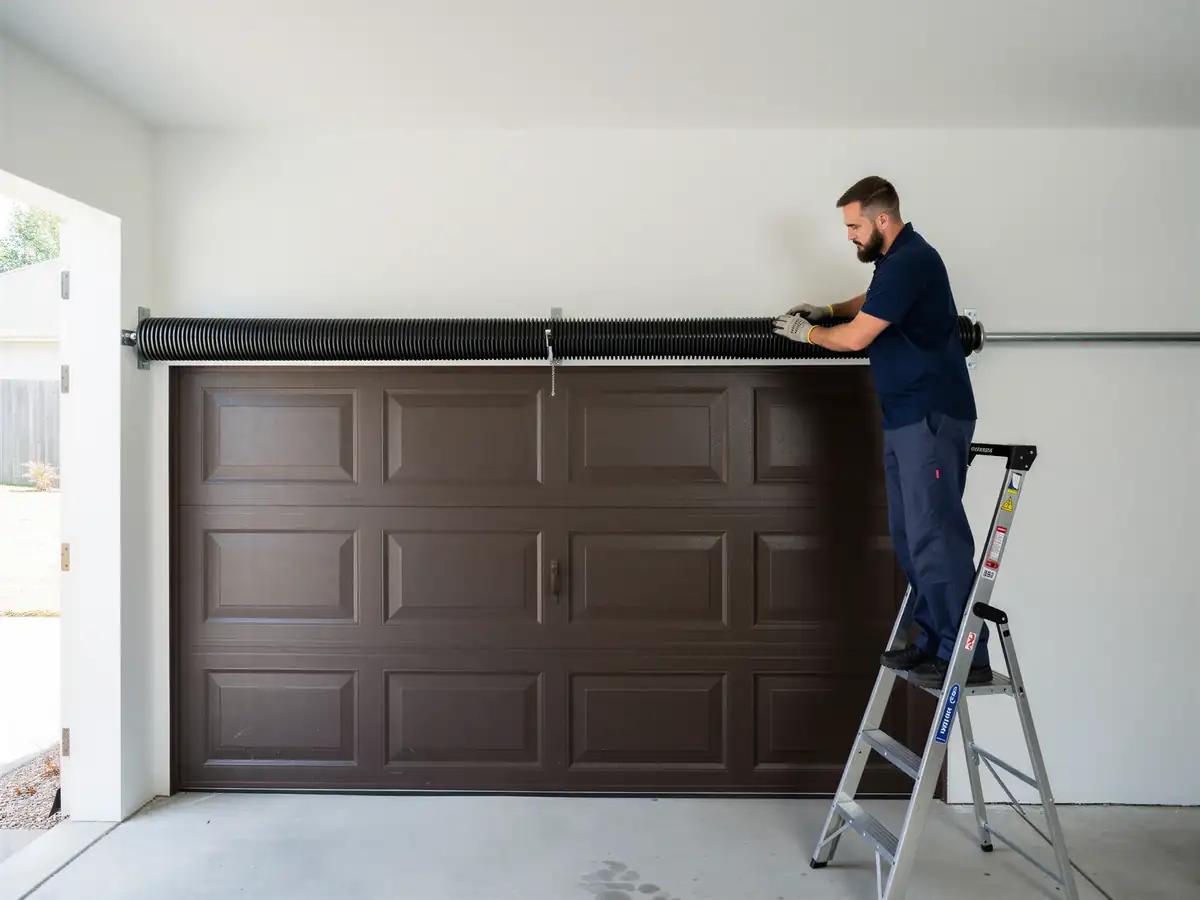
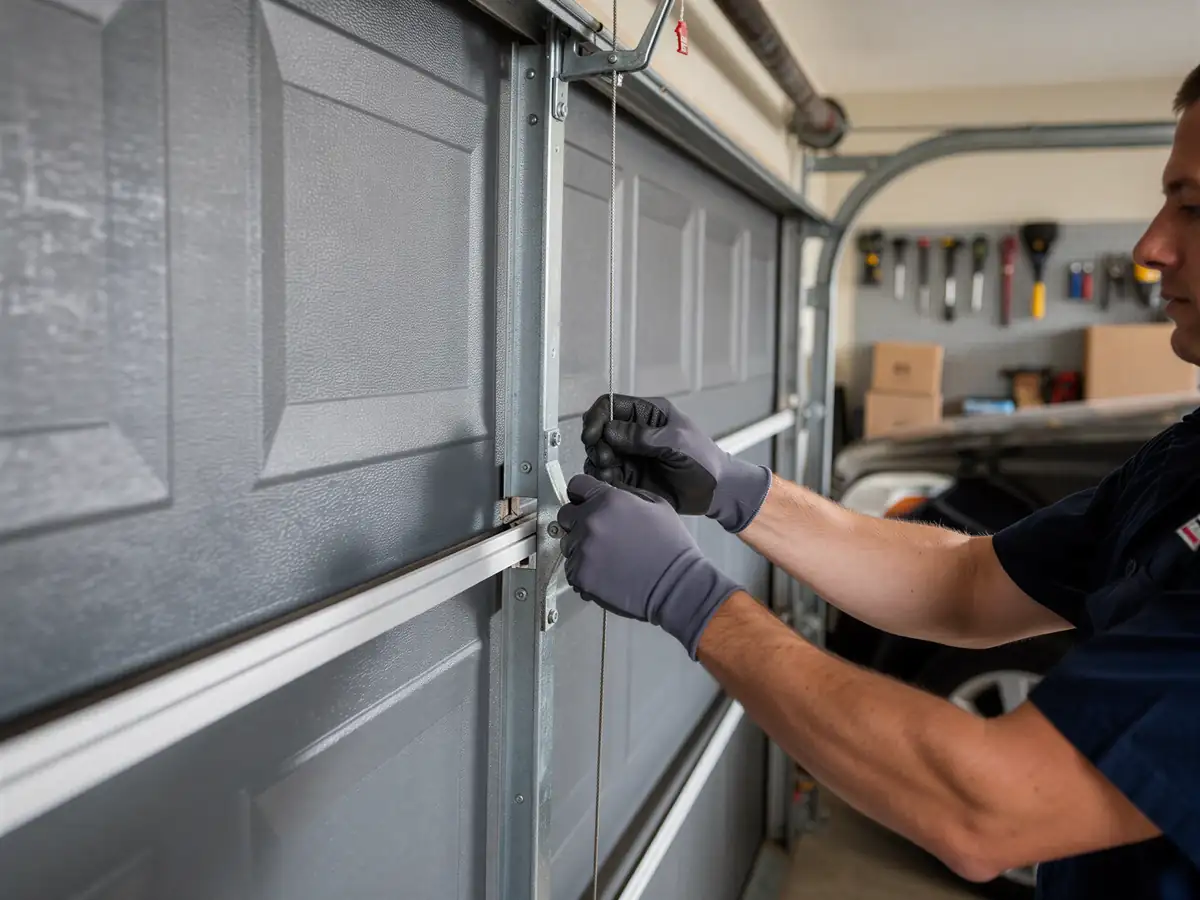
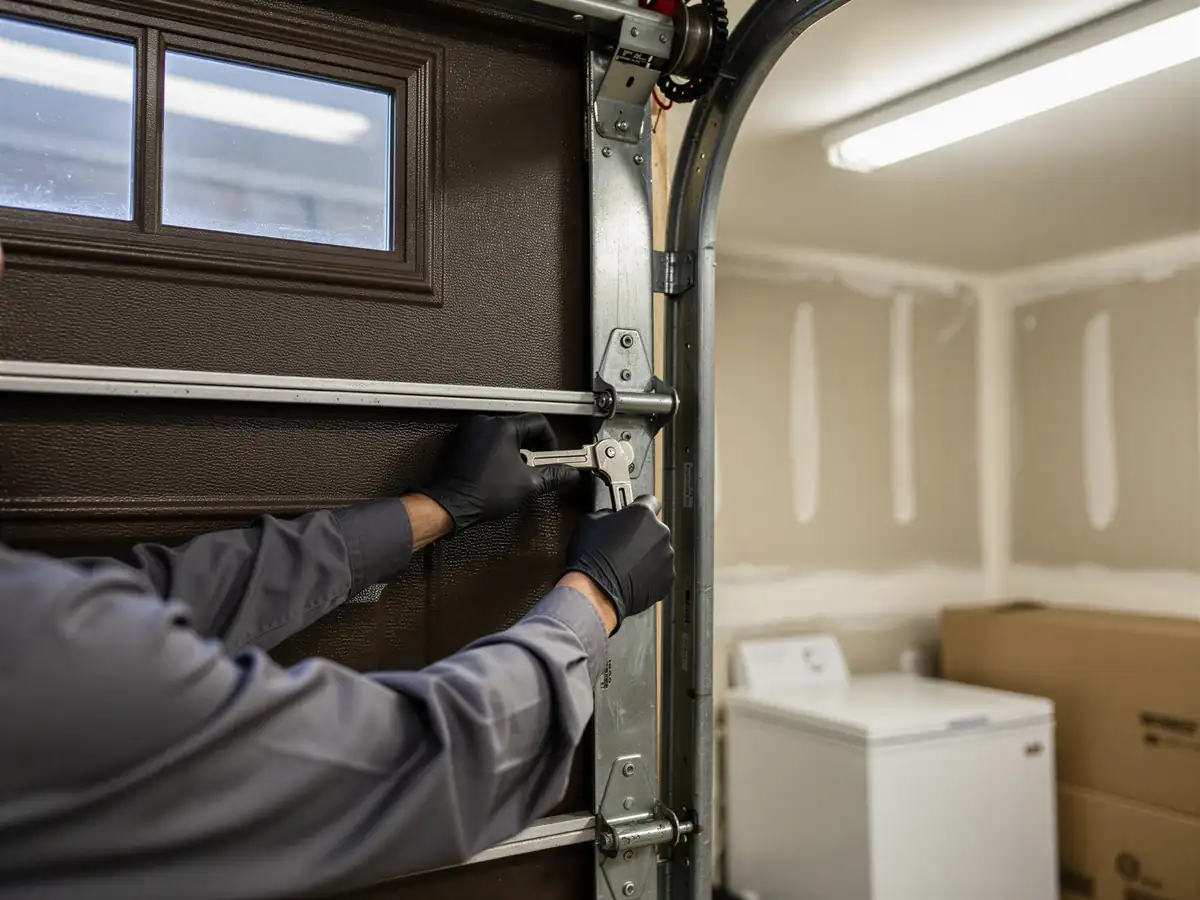
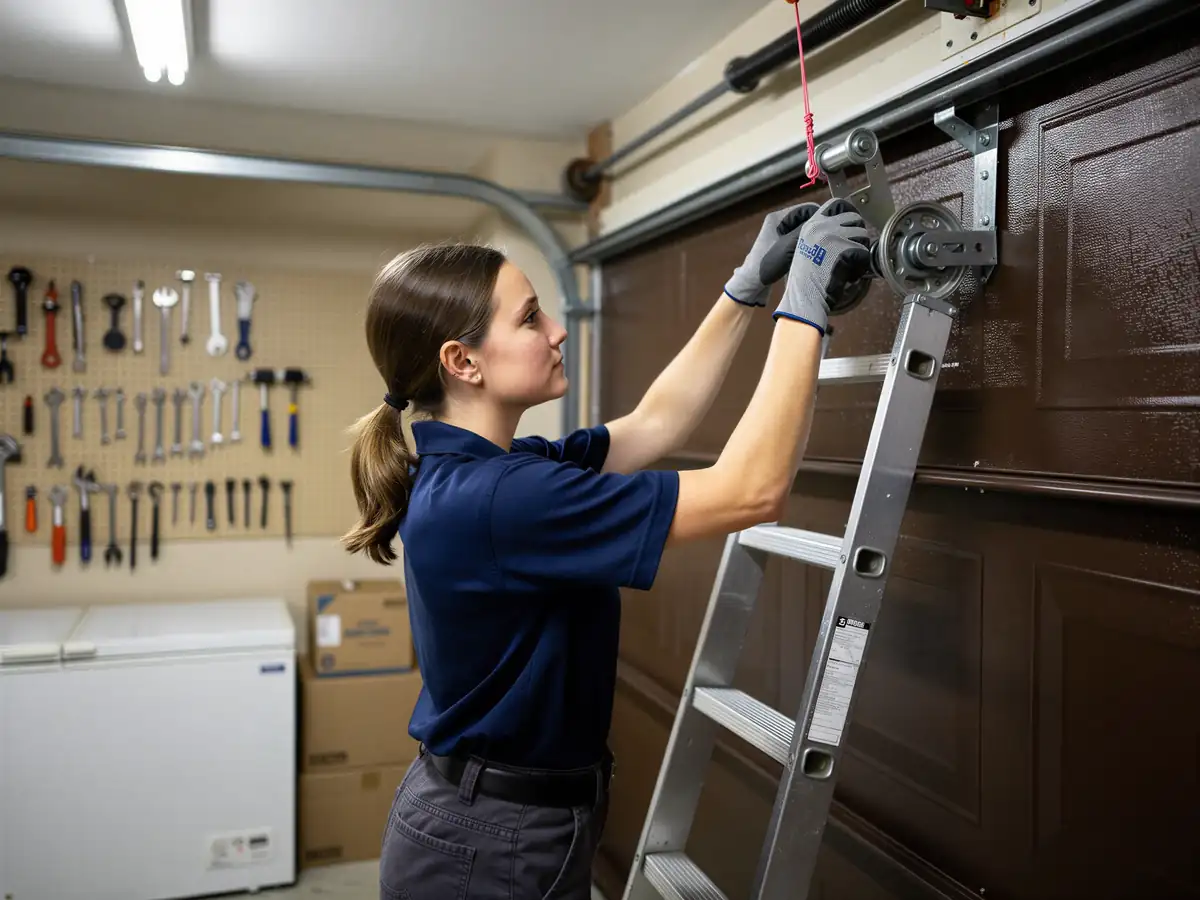
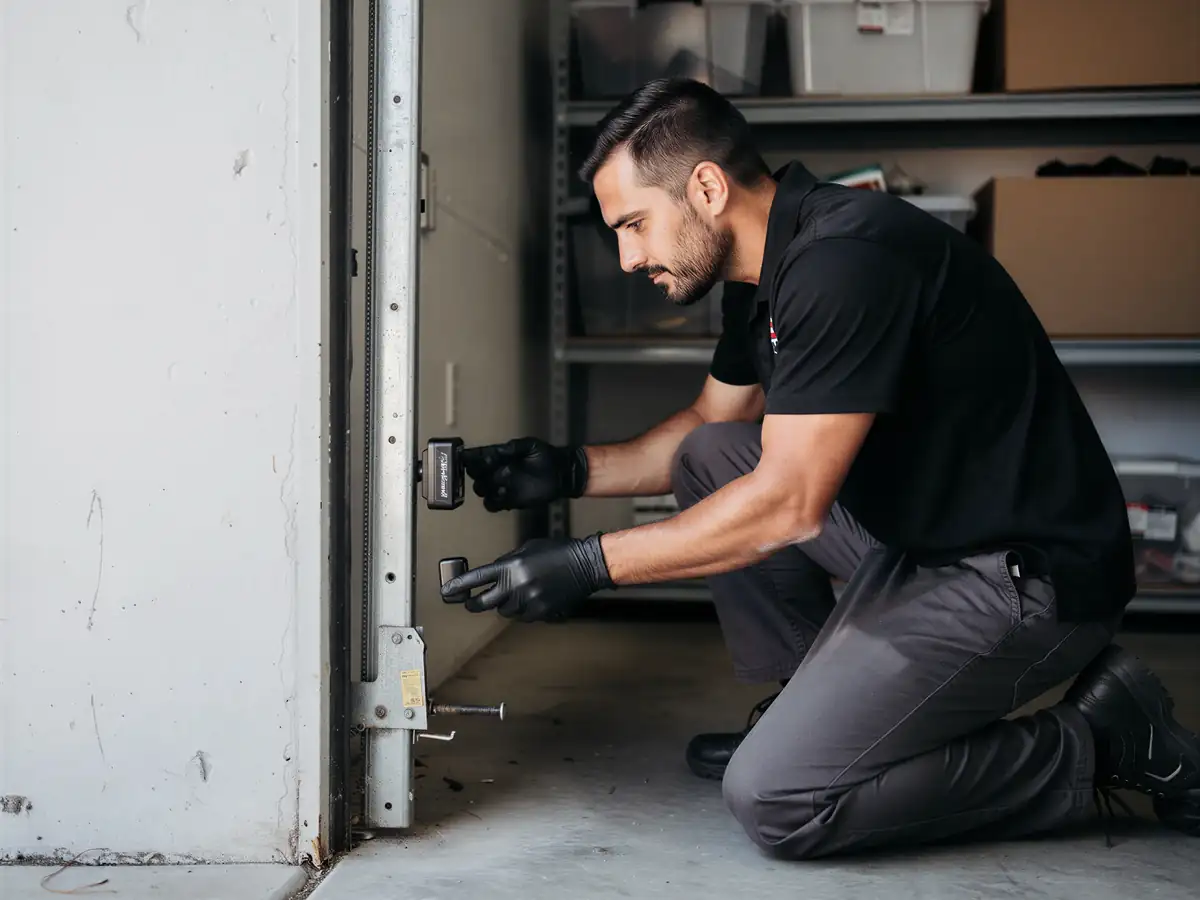
Installation on a house from this era starts with pulling the old door and checking the opening itself - framing from the mid-90s is generally square and in good shape, so most jobs don't need carpentry work before the new door goes in. We set new track, mount the torsion spring system sized to the door's actual weight rather than guessing off the old spring, and hang the new panels with fresh rollers and hinges rather than reusing worn ones. If the existing opener is still within its working life we can sometimes keep it and just update the sensors, but on a door this old the opener is usually due for replacement too. One limit worth being upfront about: we size springs and track to the door going in, so if you're set on a non-standard dimension or a heavy insulated door well above what these openings were built for, that may call for reinforcing the opening first, and we'll tell you that before we quote the job rather than after.