Where This Job Goes Sideways
Creswell's median household income runs $95,865, well above the $74,006 median across the rest of the service area we cover out of Eugene. At that income level, most homeowners here aren't weighing a cable repair against a full door replacement the way a lower-income household might stretch a repair further than it should go. The math is simpler: a snapped cable on a door that's otherwise sound is a repair, full stop, not a reason to finance a new door.
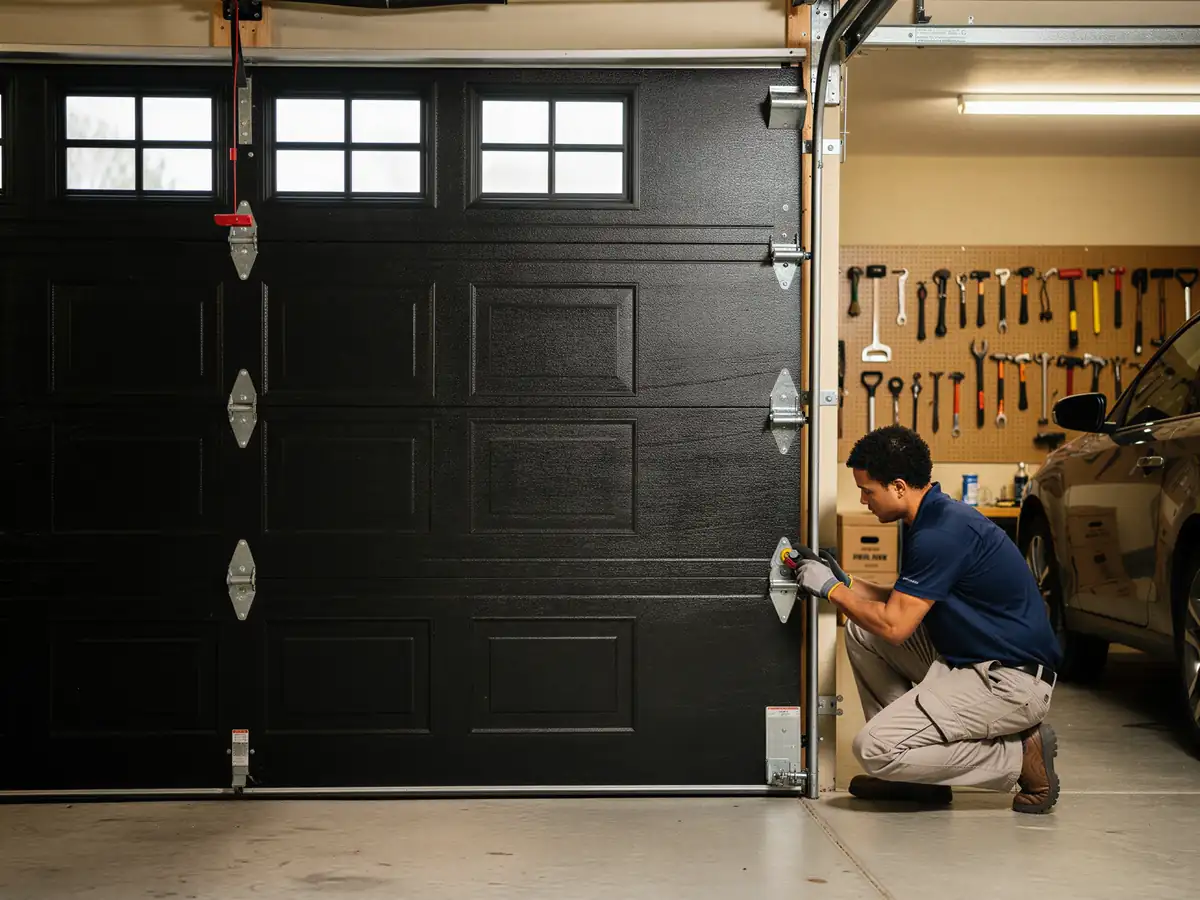
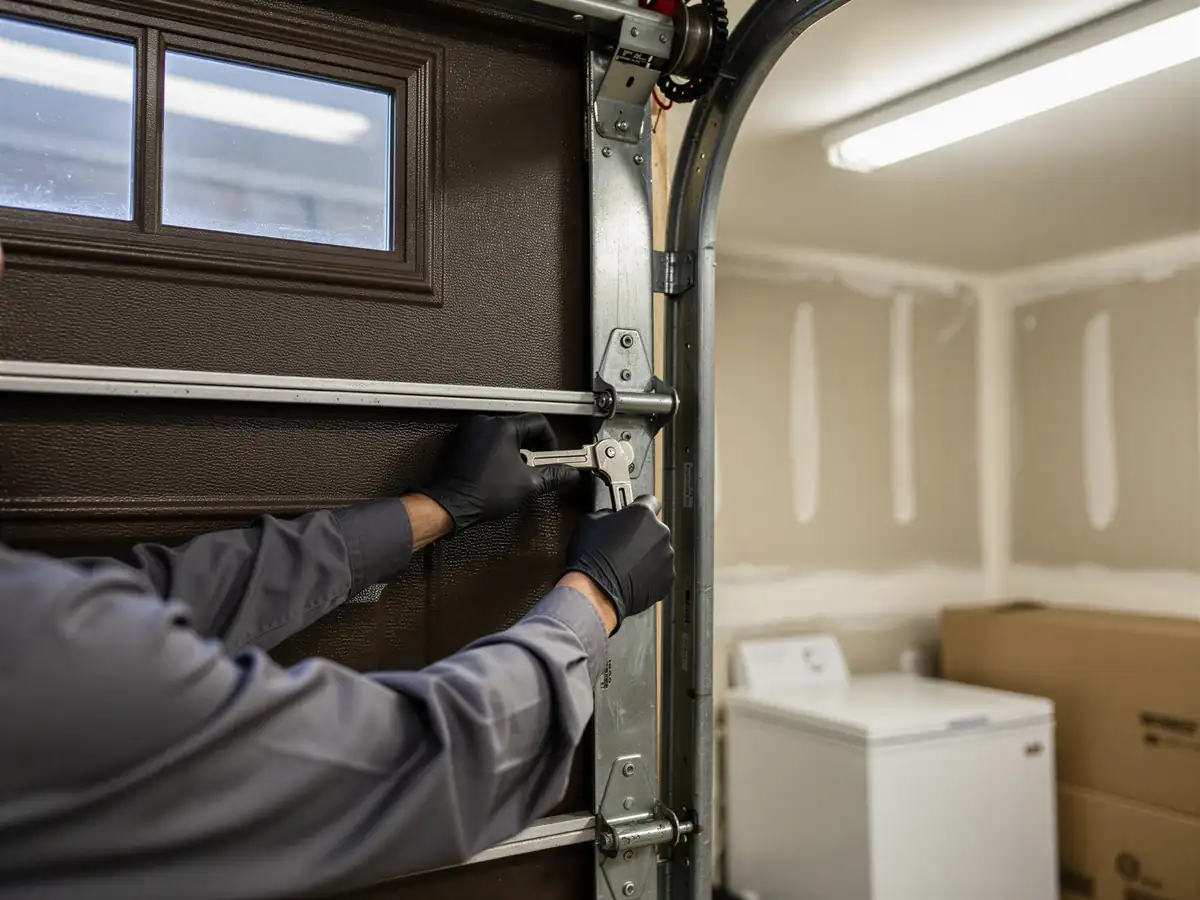
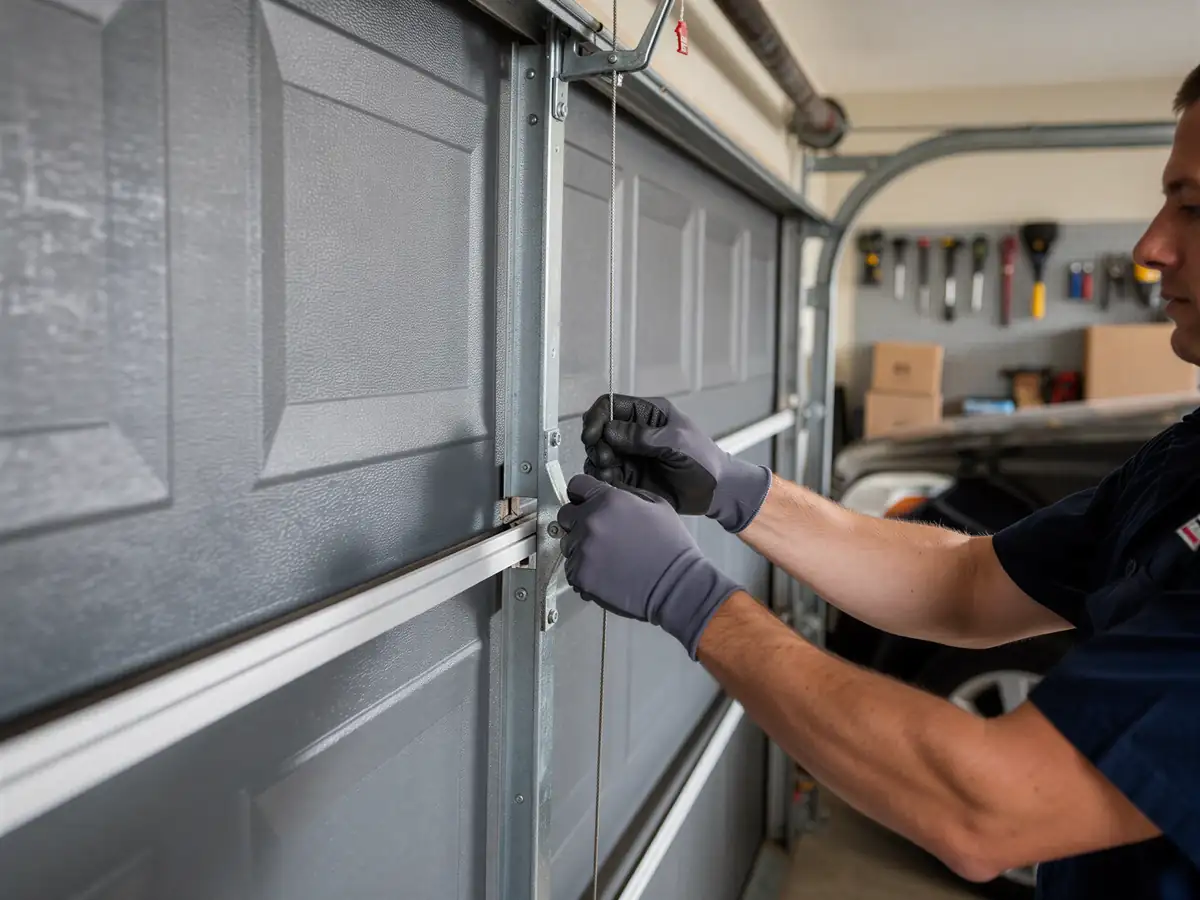
Where it goes sideways is when a homeowner assumes a frayed cable is a quick fix and tries to re-seat it without noticing the drum underneath has started to groove, or the bottom bracket has rusted at the weld. On a 1997-era door that's seen twenty-plus years of use, the cable is rarely the only part that's tired. We've seen jobs quoted as a ten-minute cable swap turn into a bracket and drum replacement because nobody looked past the obvious broken part. That's not upselling - it's what the hardware actually needs once you're in there.
What Is on the Truck
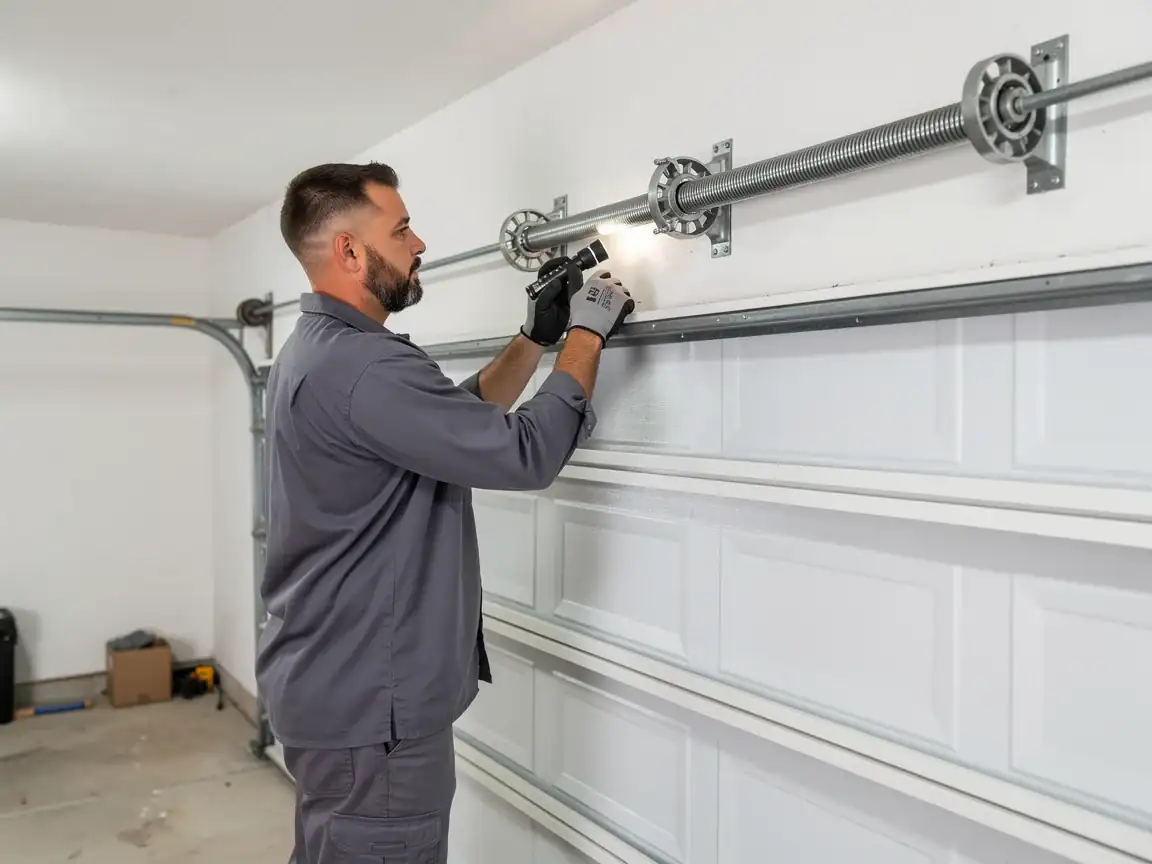
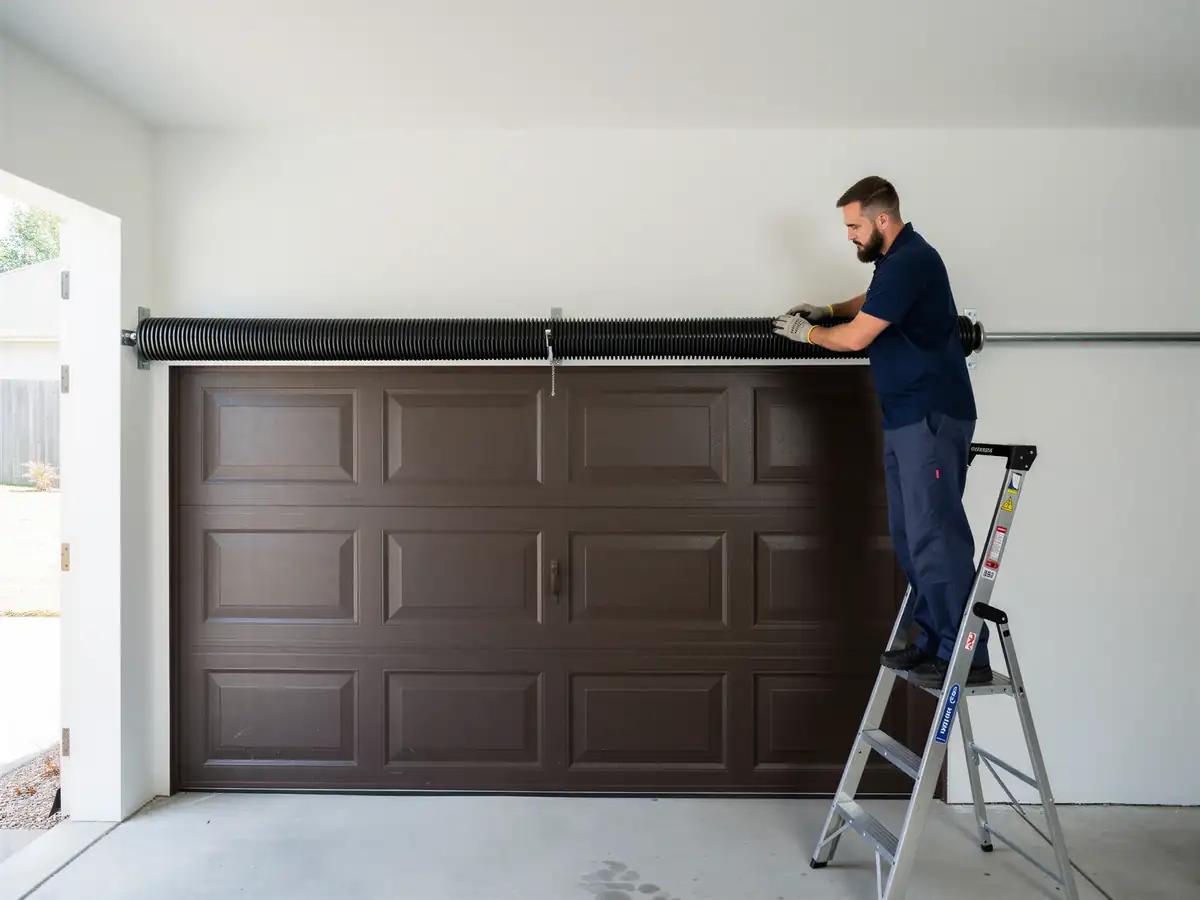
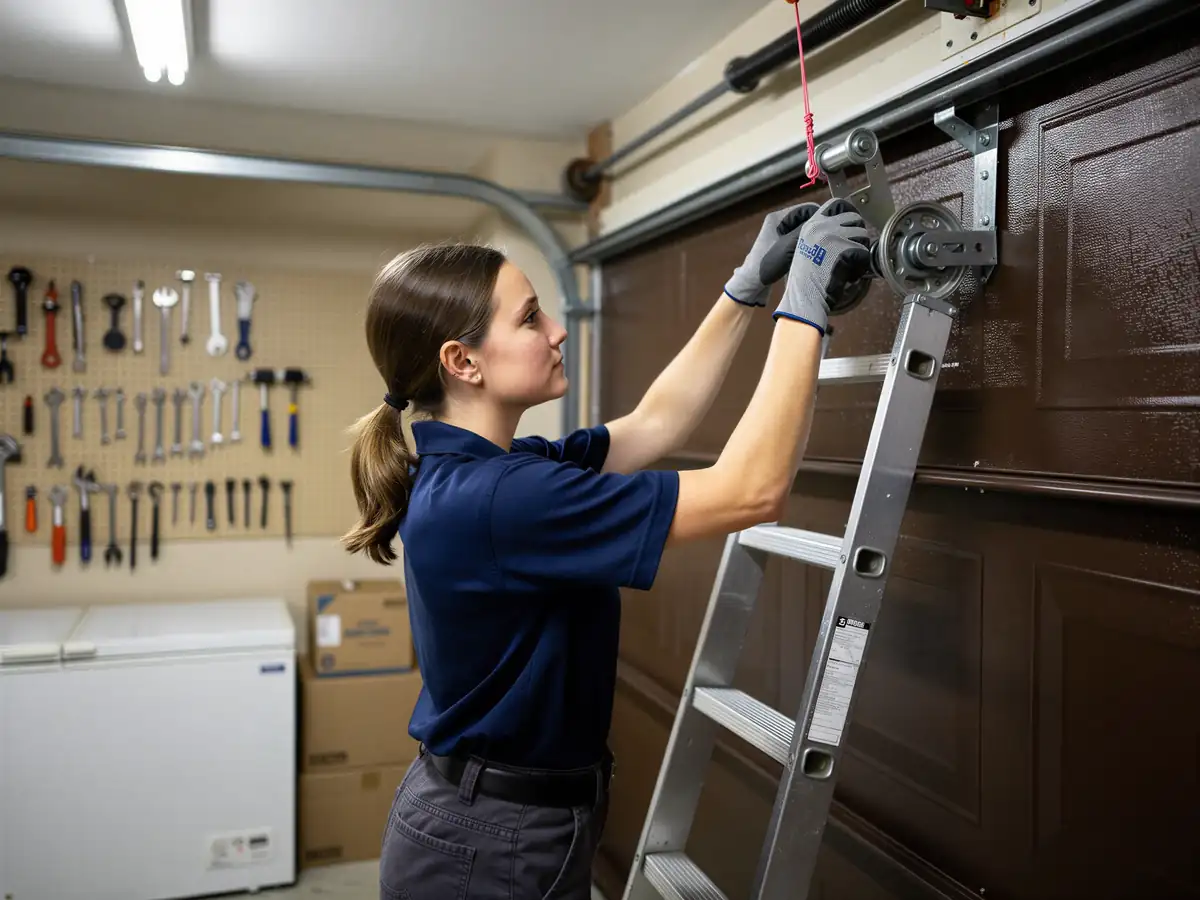
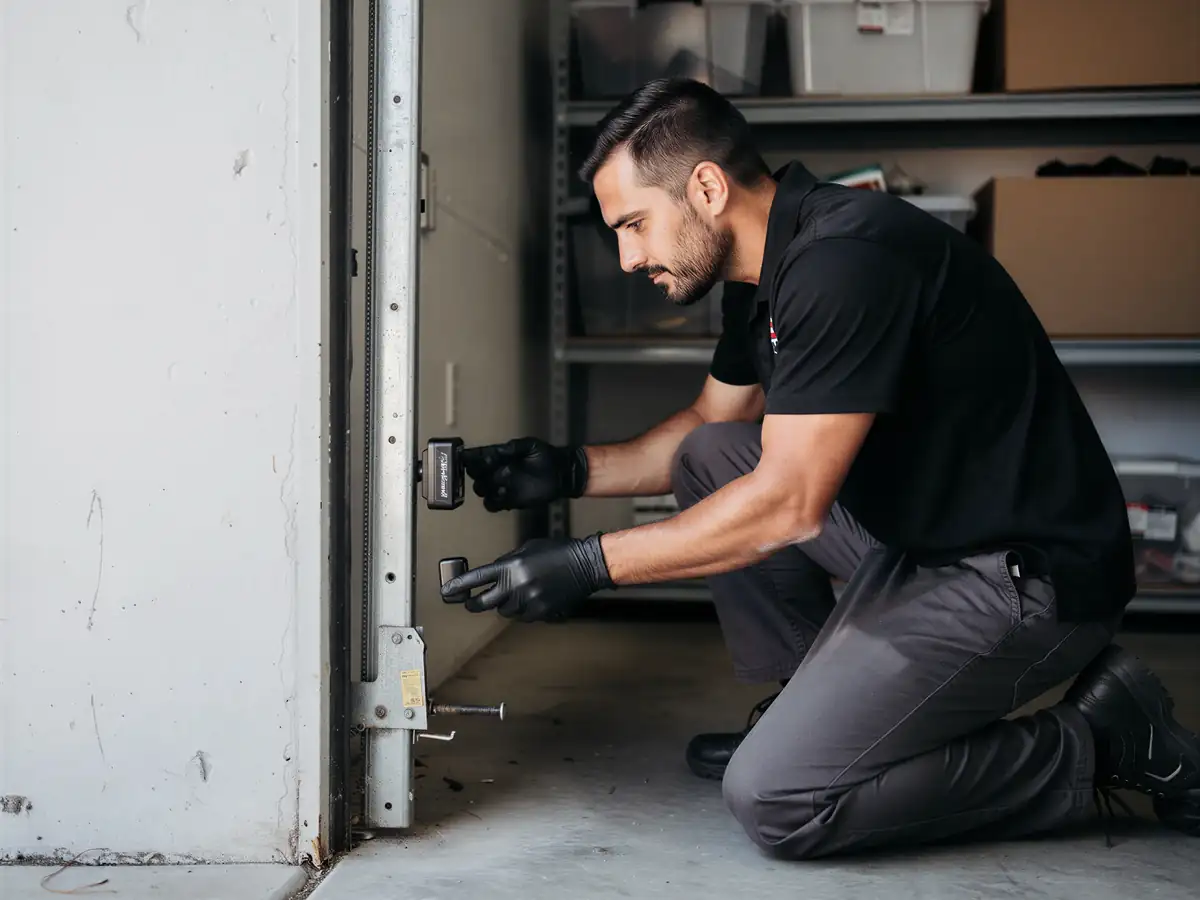
For a cable job on a door this age, the truck carries galvanized aircraft cable in the common gauges for residential extension-spring systems, replacement drums, bottom brackets, and the fasteners that go with them
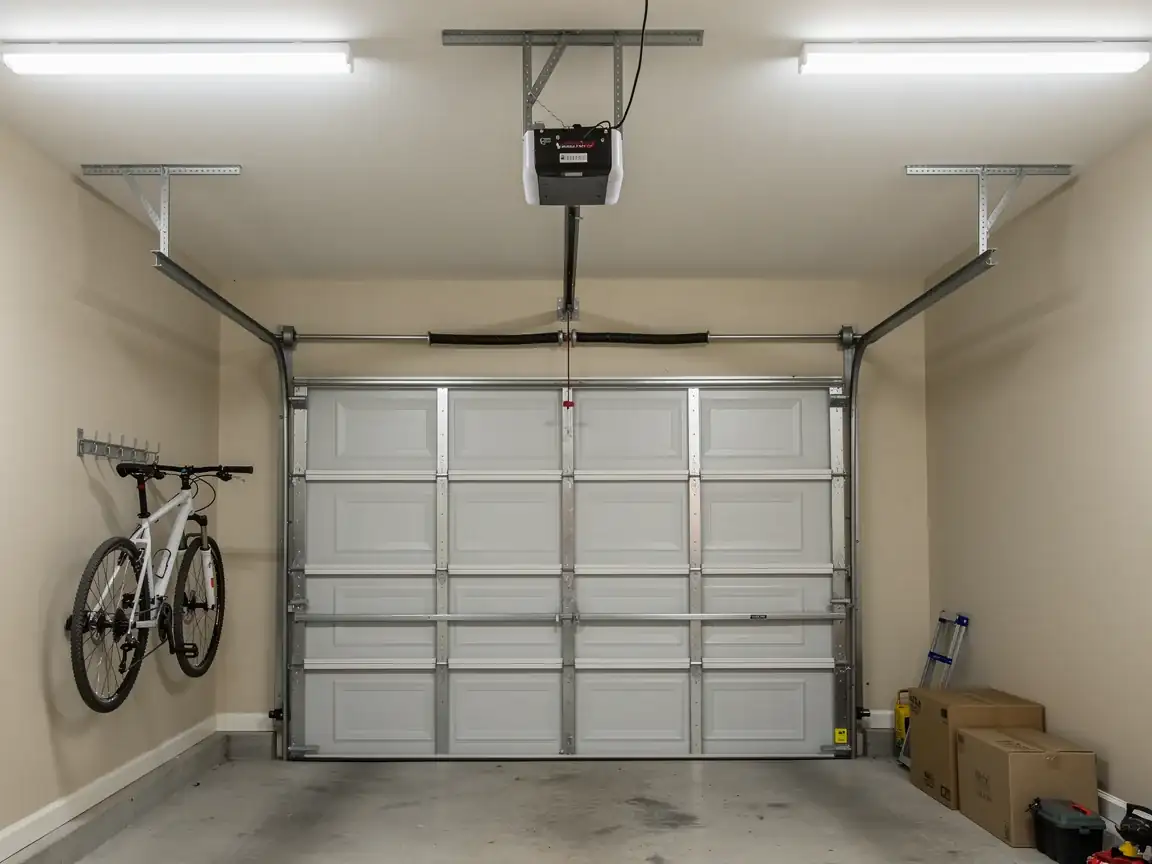
Creswell's housing stock centers on a median build year of 1997, which puts most doors here on extension springs running along the horizontal track rather than the torsion bar setups more common on the older end of the service area's 1950-1997 range.
What's not always on the truck is a part for a nonstandard track width or an obsolete bracket style
Those get special-ordered, and that adds a day or two. We stock what covers the vast majority of jobs in this part of the service area, not every variant ever manufactured. If your door is an outlier, we'll tell you straight that the part has to come in rather than jury-rig something that won't hold.
Why It Happens Here
The service area sits in a cold-moderate climate band, and cables on extension-spring doors take that weather differently than torsion-bar cables do. Extension cables run exposed along the track, closer to the slab and the damp that collects at a garage floor edge, so corrosion starts at the cable end nearest the bottom bracket - the part least visible when you're standing in the driveway.
Creswell's housing being newer, on average, than much of the wider area doesn't mean the hardware is newer. A door installed when the house was built in the late 1990s is now old enough that its original cable has seen two and a half decades of seasonal damp cycling through a cold-moderate winter stretch. Galvanized coating wears thin at the fray point long before the rest of the cable looks suspect, and that's usually where it lets go - not along the clean middle length people assume is the weak point.
The DIY Question
A broken cable under spring tension is not a safe DIY repair, regardless of what the door cost or how handy you are. The spring - torsion or extension - is still loaded, and a cable failure often means that tension has nowhere controlled to go. That's true here the same as anywhere, and it's the one part of this page that isn't about Creswell specifically.
What is specific to this job: if your door was installed around when most houses in this area went up, the extension-spring hardware uses open coils and a separate safety cable running through the spring itself. Homeowners sometimes find the broken cable but not the deteriorated safety cable sitting right next to it, and replace one without the other. That's a repair that looks done and isn't. We check both every time, not because it's standard practice everywhere, but because it's the specific failure pattern on doors of this hardware type and this age.
What You Are Seeing
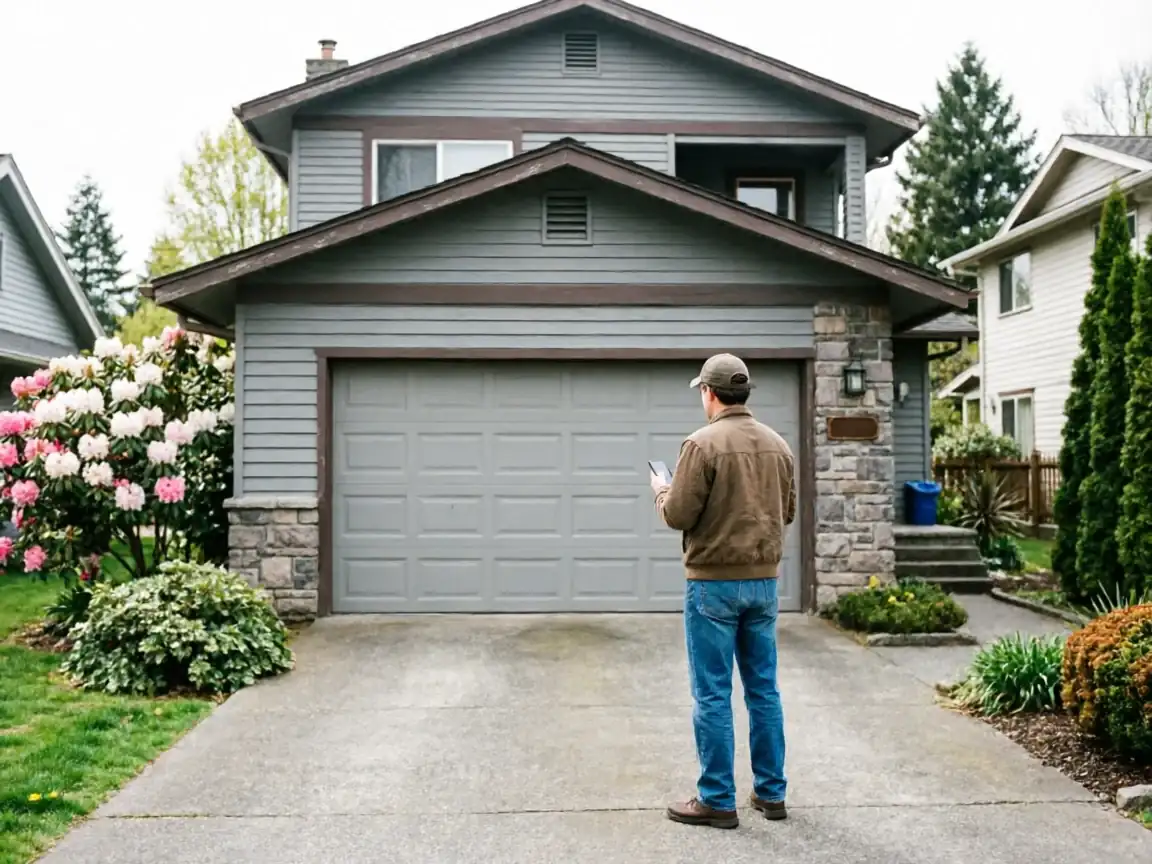
A door that won't open evenly, hangs lower on one side, or has visibly slack or frayed cable near the bottom bracket is the usual call
On extension-spring doors common in Creswell's newer housing stock, you'll often see the cable has jumped the drum groove before it actually snaps - the door starts binding or scraping the track on one side first.
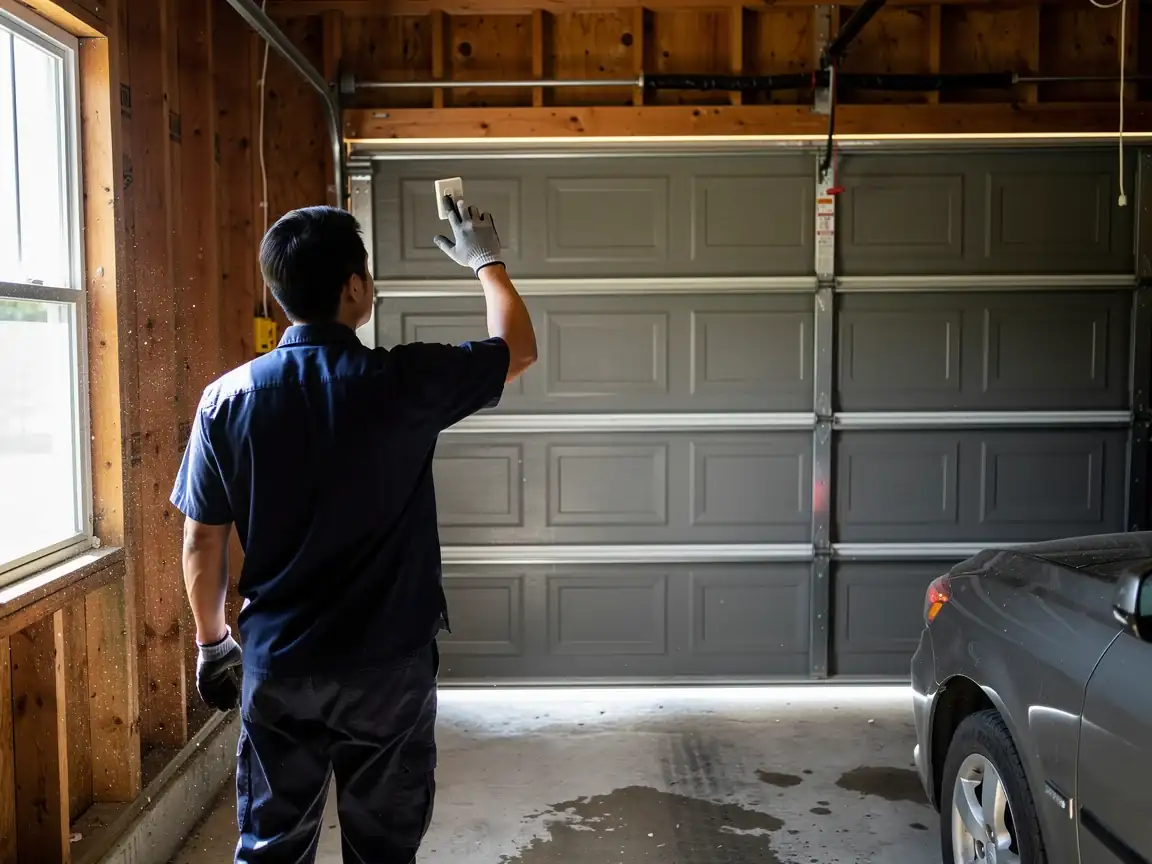
If the door slammed down hard and unevenly, that's the cable gone, not just loose
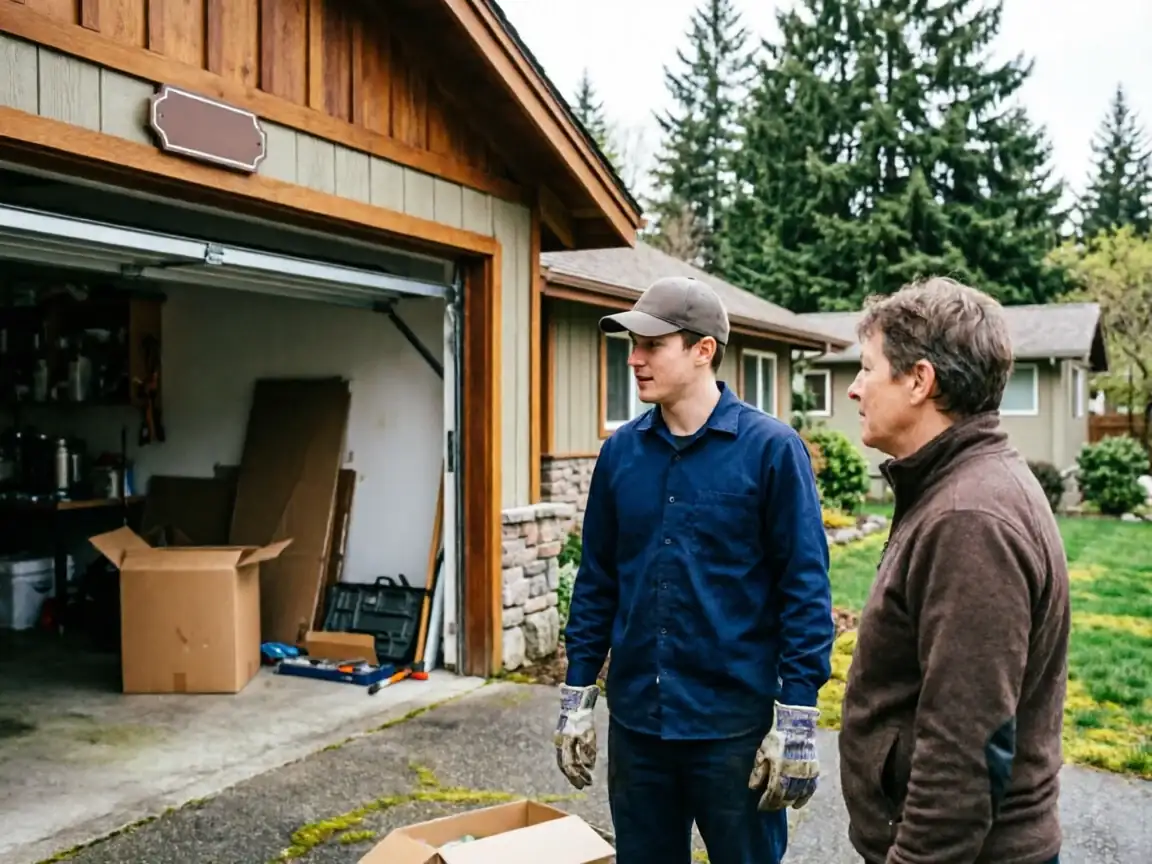
Don't run the opener again once that happens; forcing it can bend the track or crack a panel on the side with no cable support, turning a cable job into a track and panel job. We travel out from Eugene, 11 miles in, for these calls, so having a clear description of what happened - and resisting the urge to keep opening and closing it to test - saves time once we're on site.
- 11 miles