Where This Job Goes Sideways
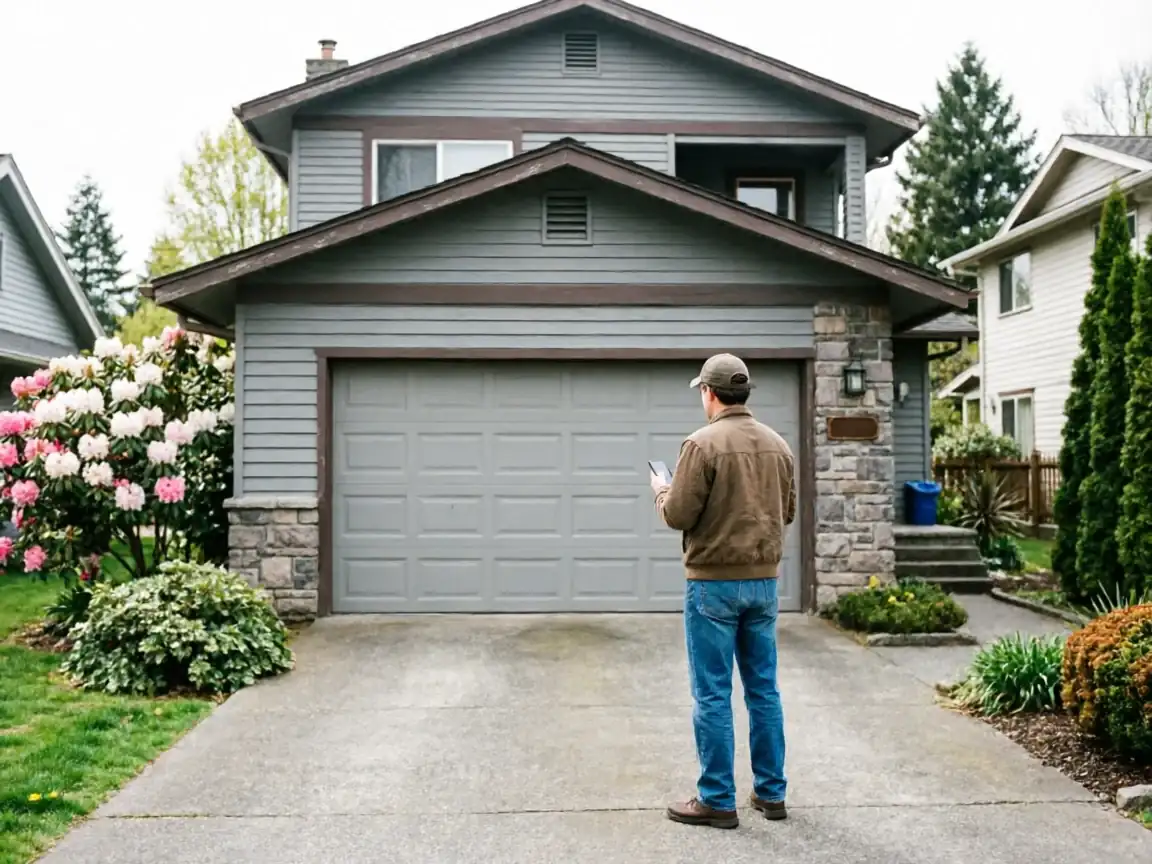
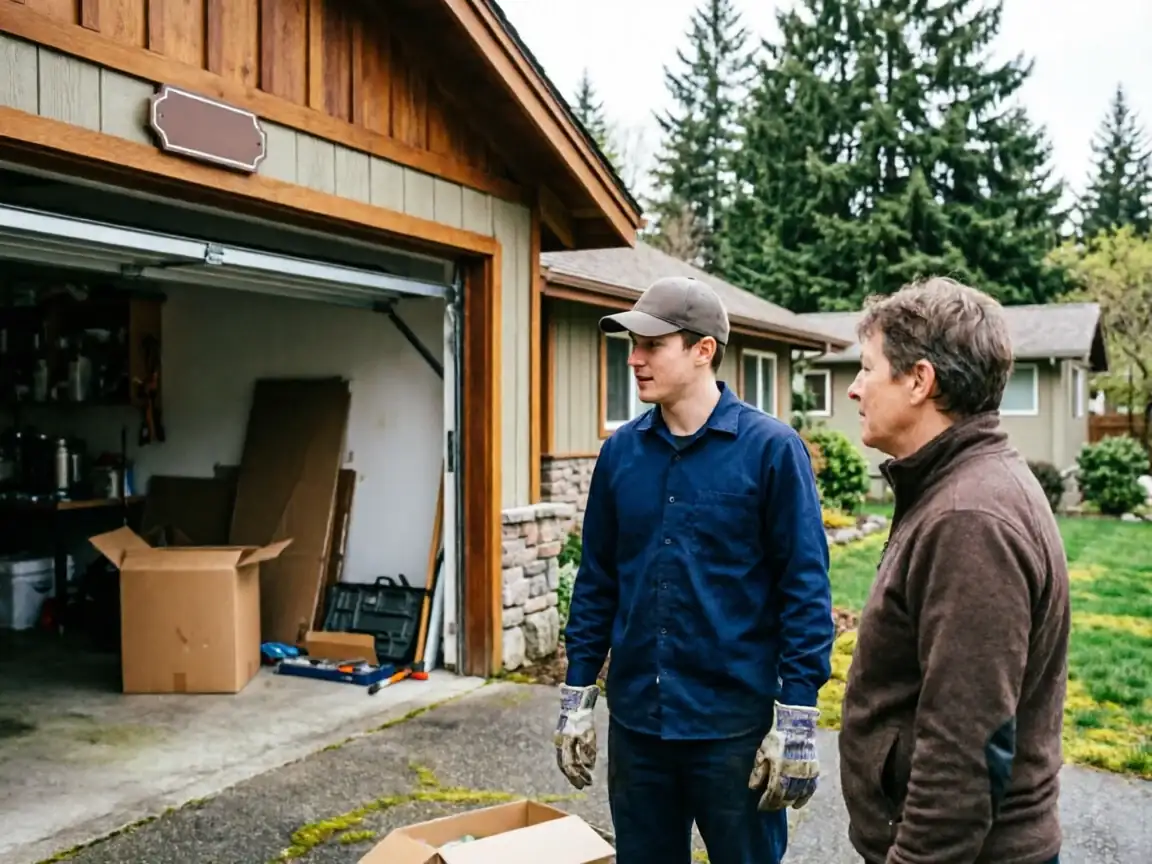
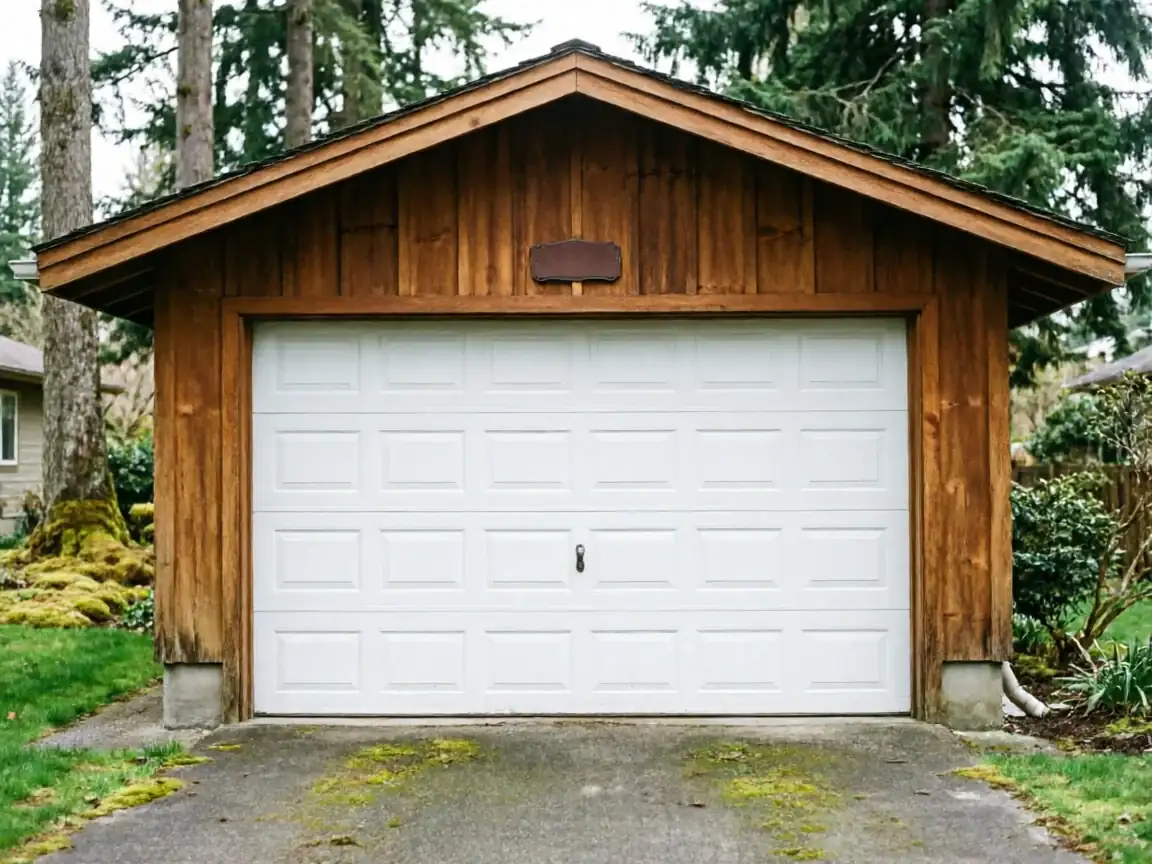
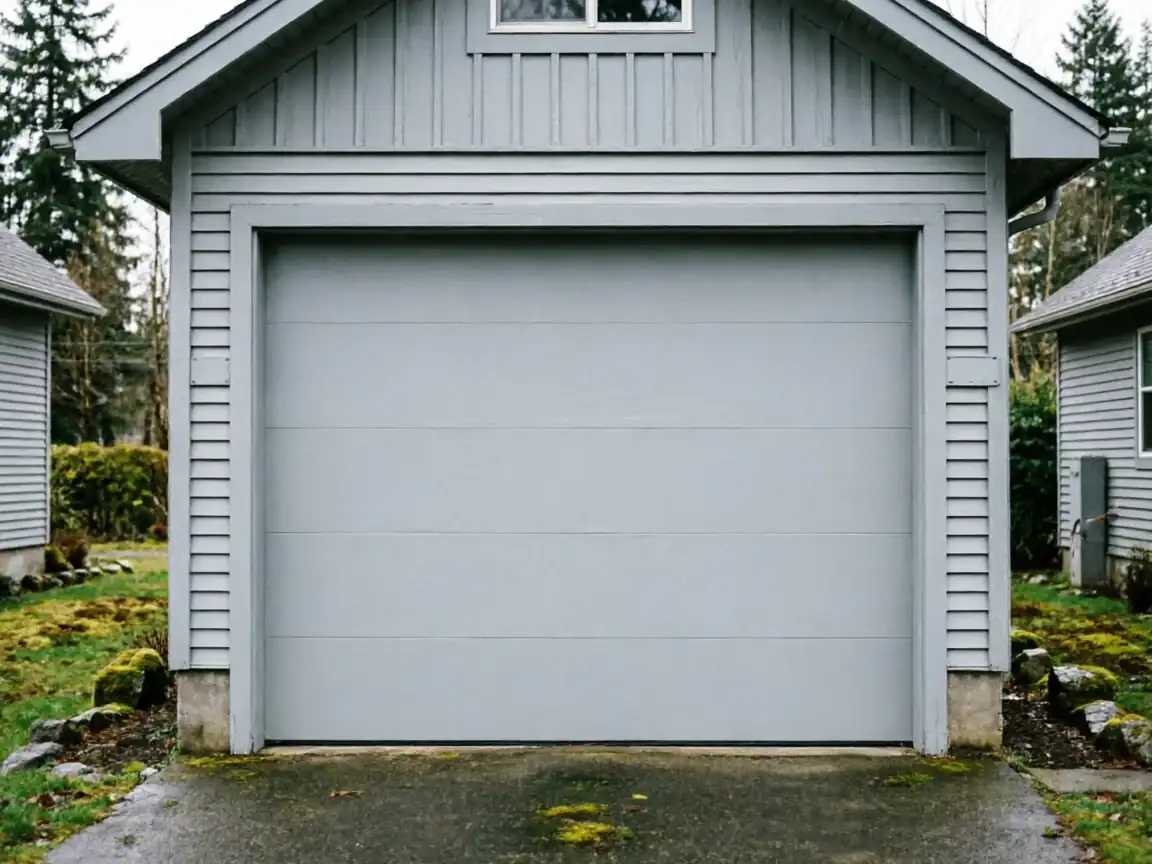
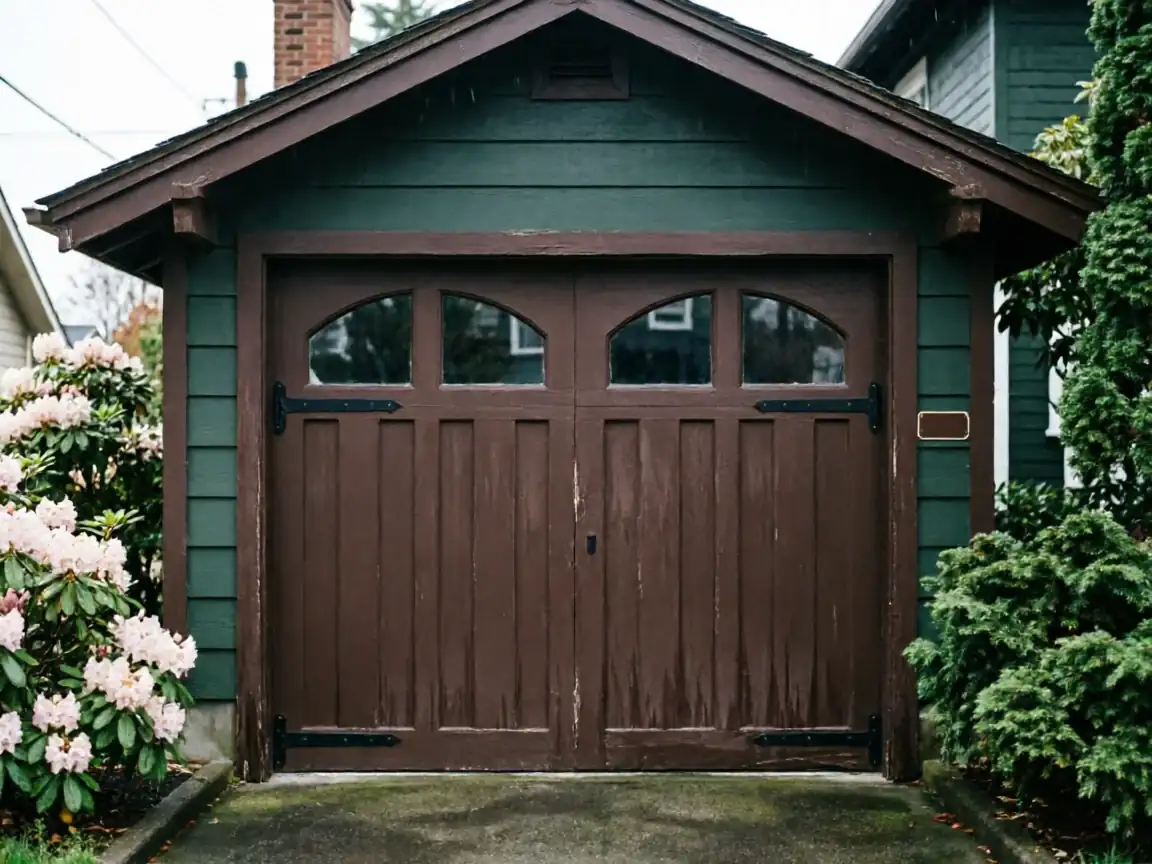
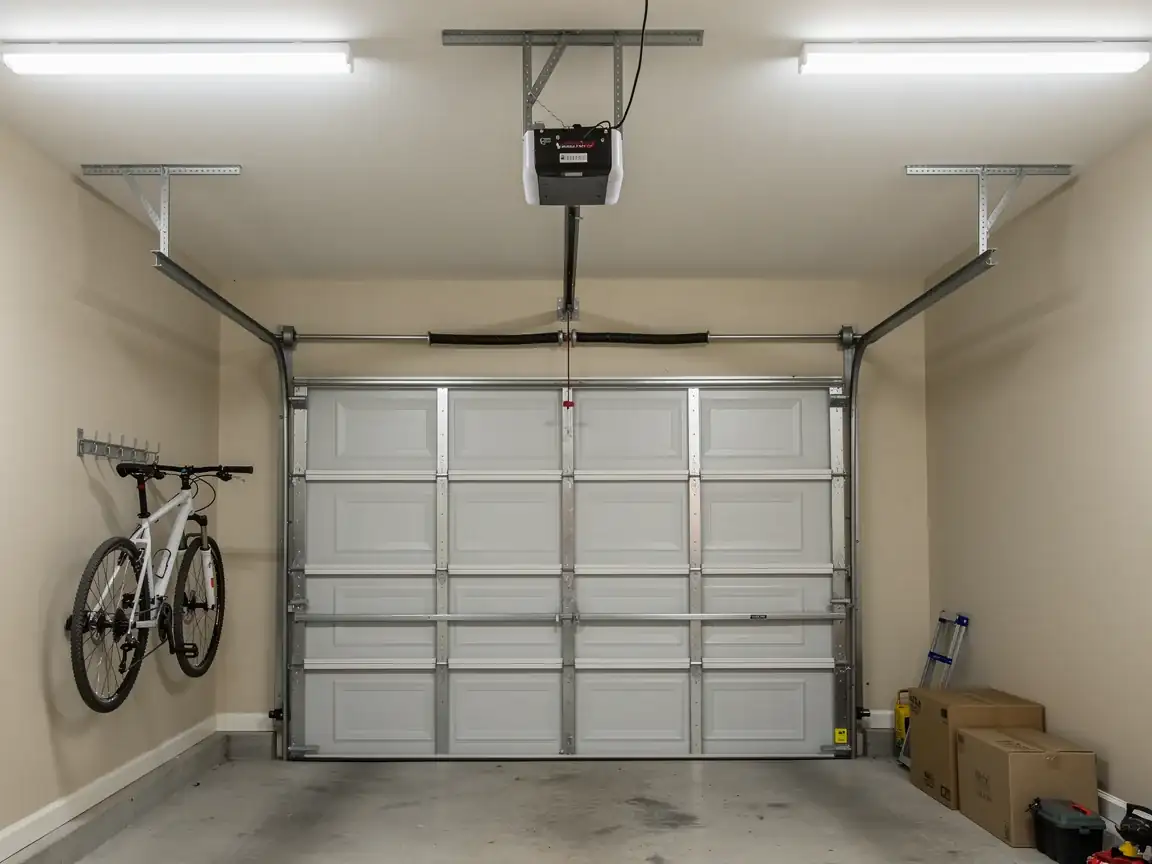
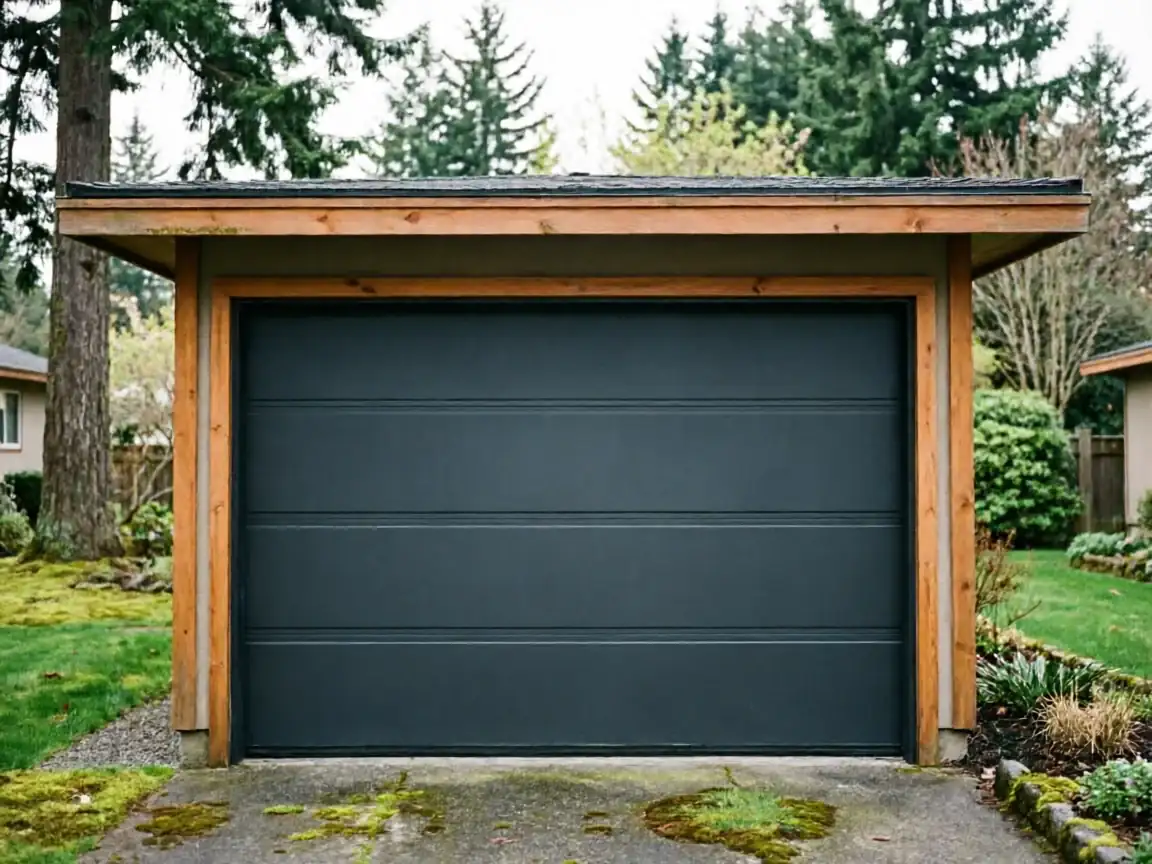
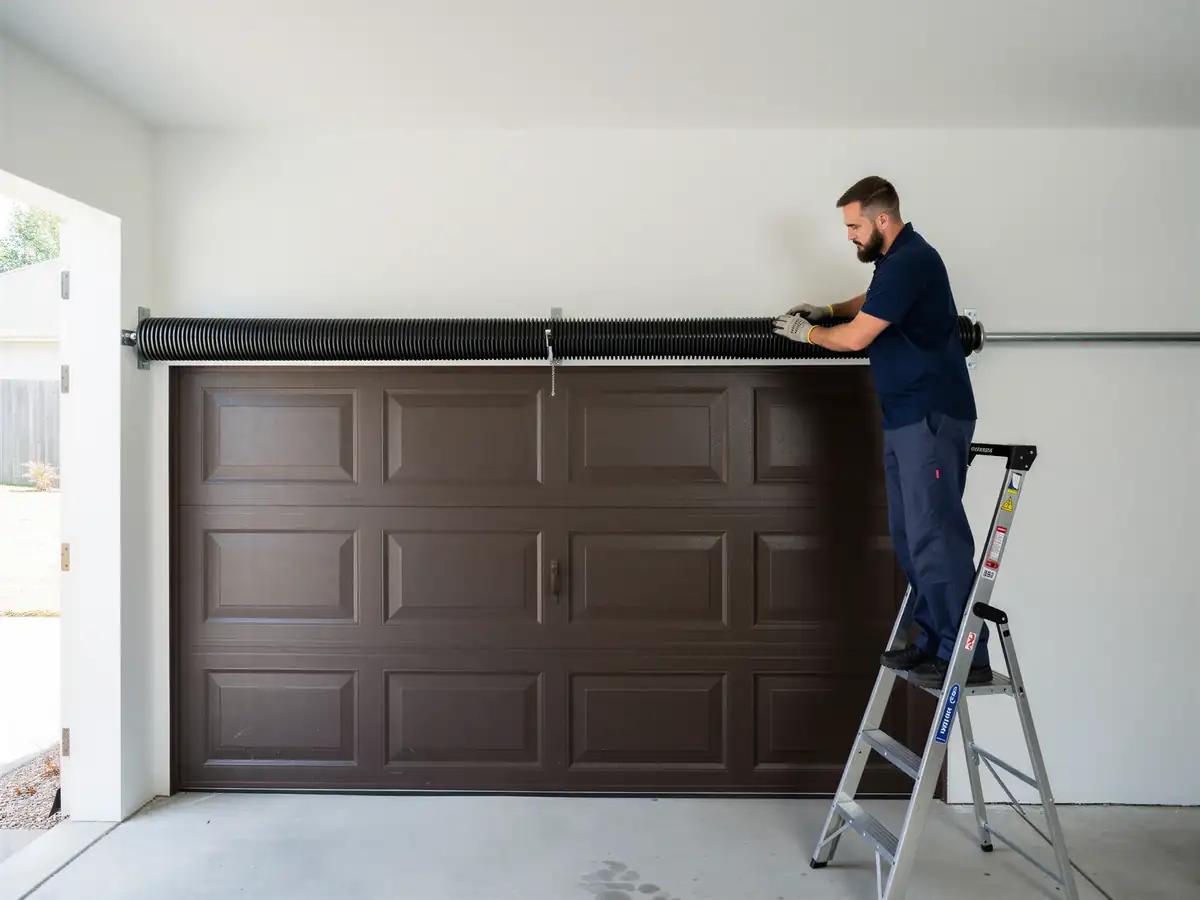
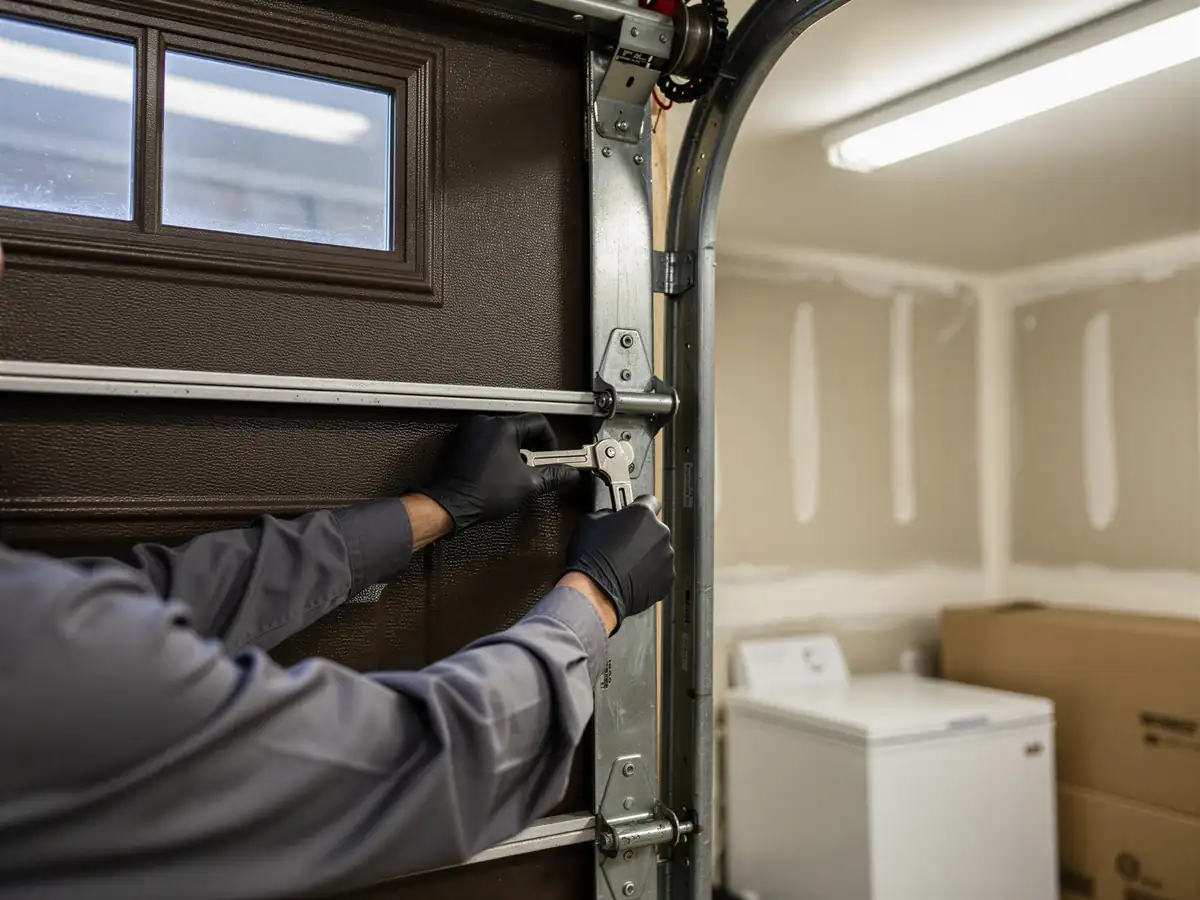
Creswell is a small town - about 2,082 households - which means the jobs we run out here don't look like a subdivision rollout. It's one door at a time, usually a homeowner who's watched a panel crack or an opener finally quit rather than someone remodeling a whole street at once. Where this goes sideways is the opening itself. A lot of garages in this area were framed to fit whatever door the builder had on the truck in the 1980s or 90s, and modern doors come in a narrower set of standard widths. We've measured openings that are an inch and a half off from anything a manufacturer stocks, which means either a custom order or trim work at the jambs before the new door goes in. The other spot people get surprised is the track path - if the ceiling has ductwork or a low header that nobody planned around when the house was built, a standard torsion setup won't clear it and we have to spec a low-headroom kit instead. None of that is unusual, but it's not something you find out until someone's actually standing in the opening with a tape measure.
Why It Happens Here
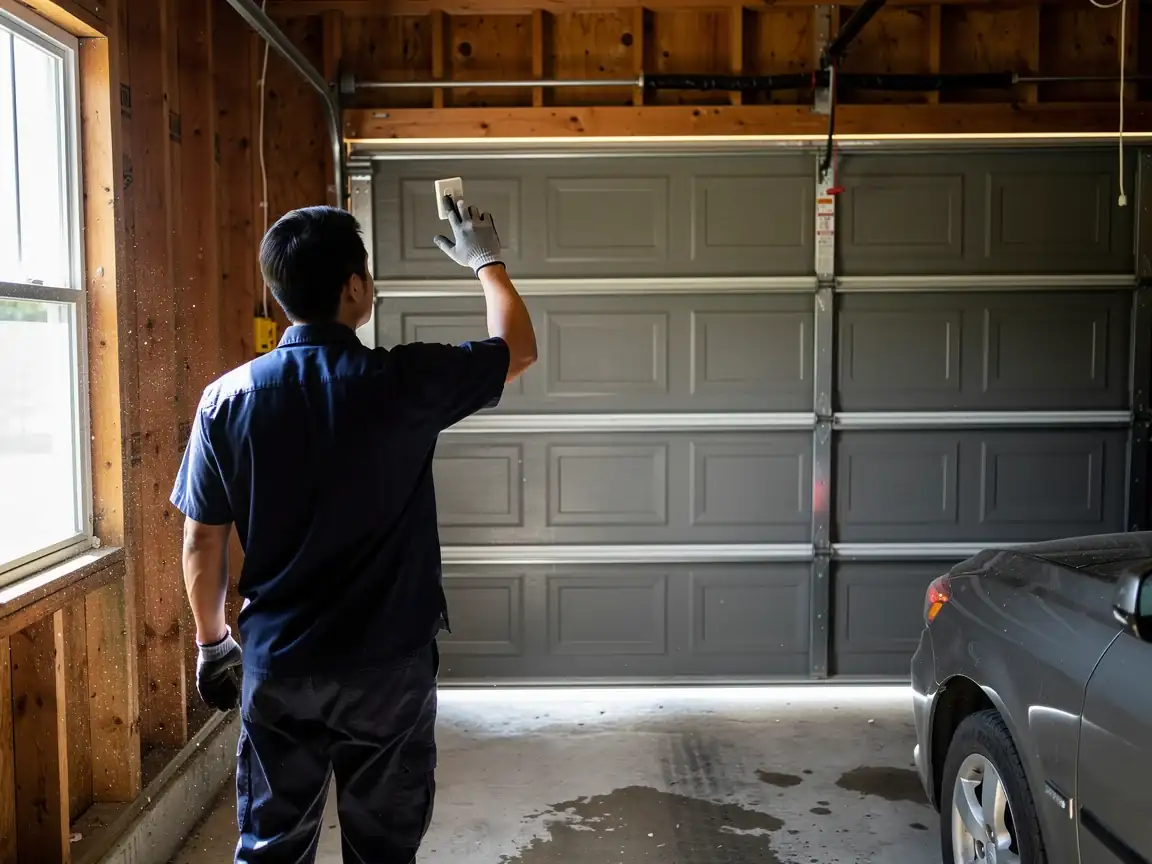
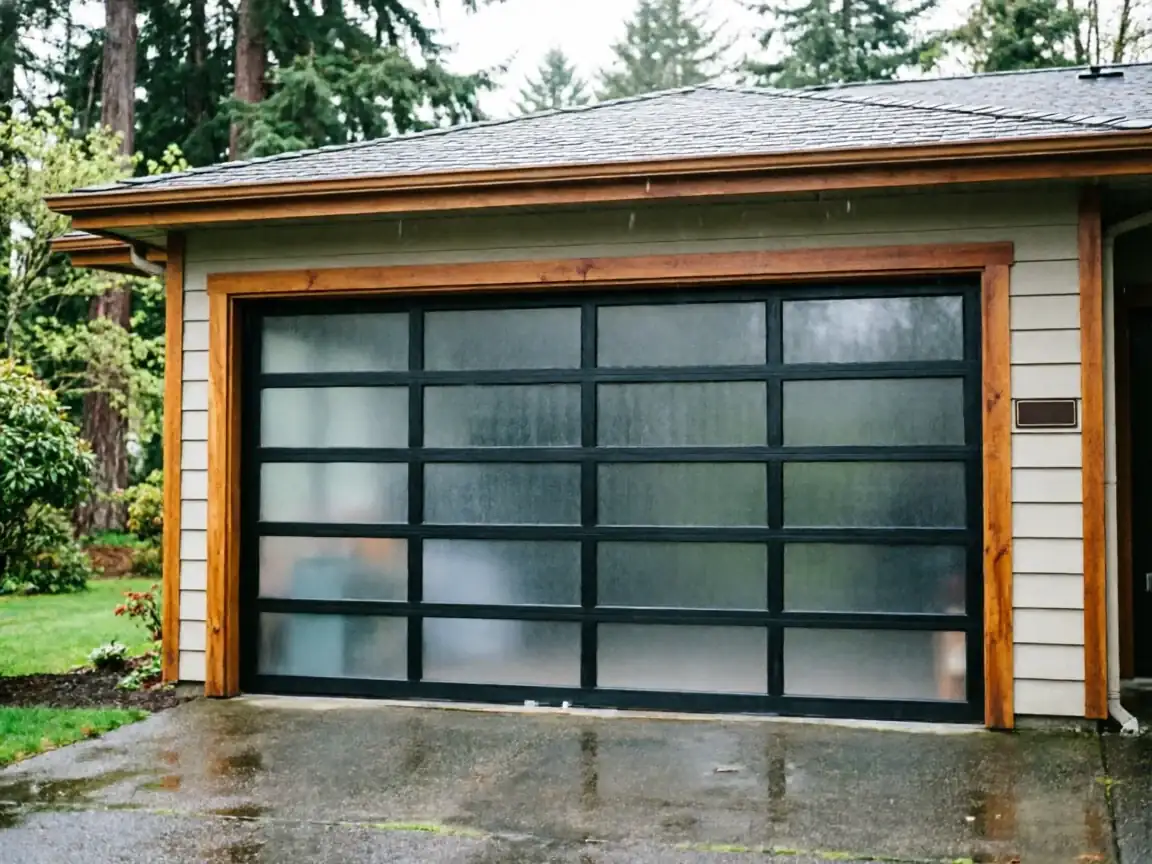
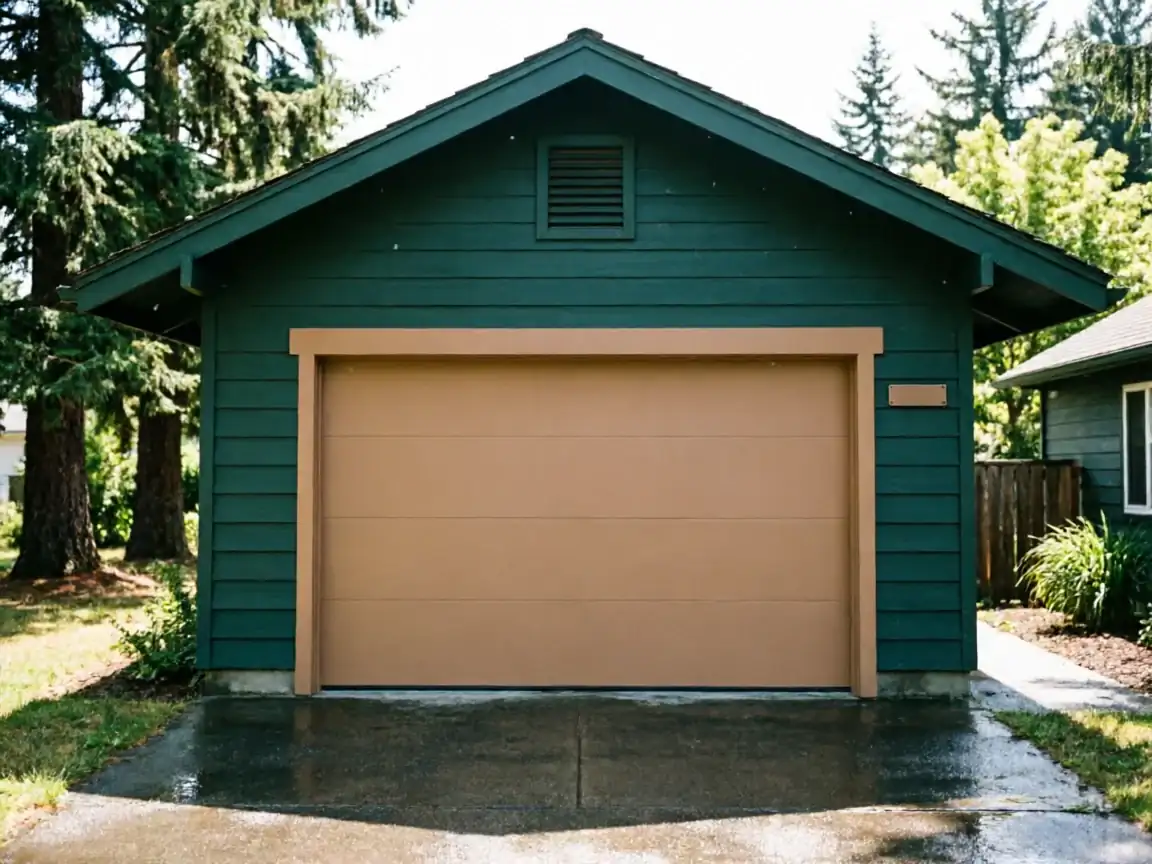
Creswell's housing runs newer than a lot of the Eugene area overall - the broader service area has a median build year around 1980, but Creswell itself centers closer to 1997. That matters for installs because newer framing tends to use more consistent rough openings, and the doors that came with these houses originally were often lighter builder-grade steel rather than the heavier wood doors you'd find on an older street. When those original doors fail, it's usually a bent panel from an impact or a worn roller track, not the spring and cable problems that show up more on 1960s and 70s stock. The area also sits in a cold-moderate climate band, which is why insulated doors make more sense here than a bare single-layer panel - the garage is often attached to living space, and an uninsulated door lets that cold through to whatever's on the other side of the wall.
The DIY Question
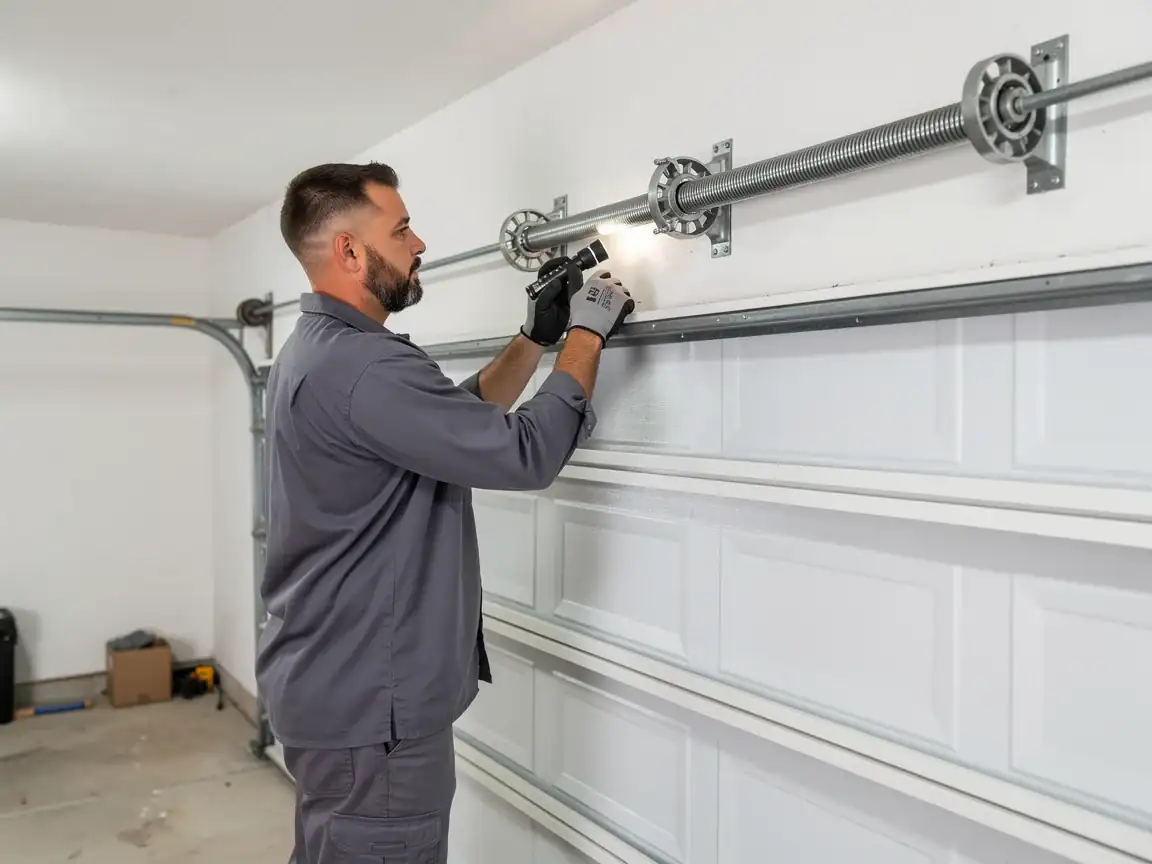
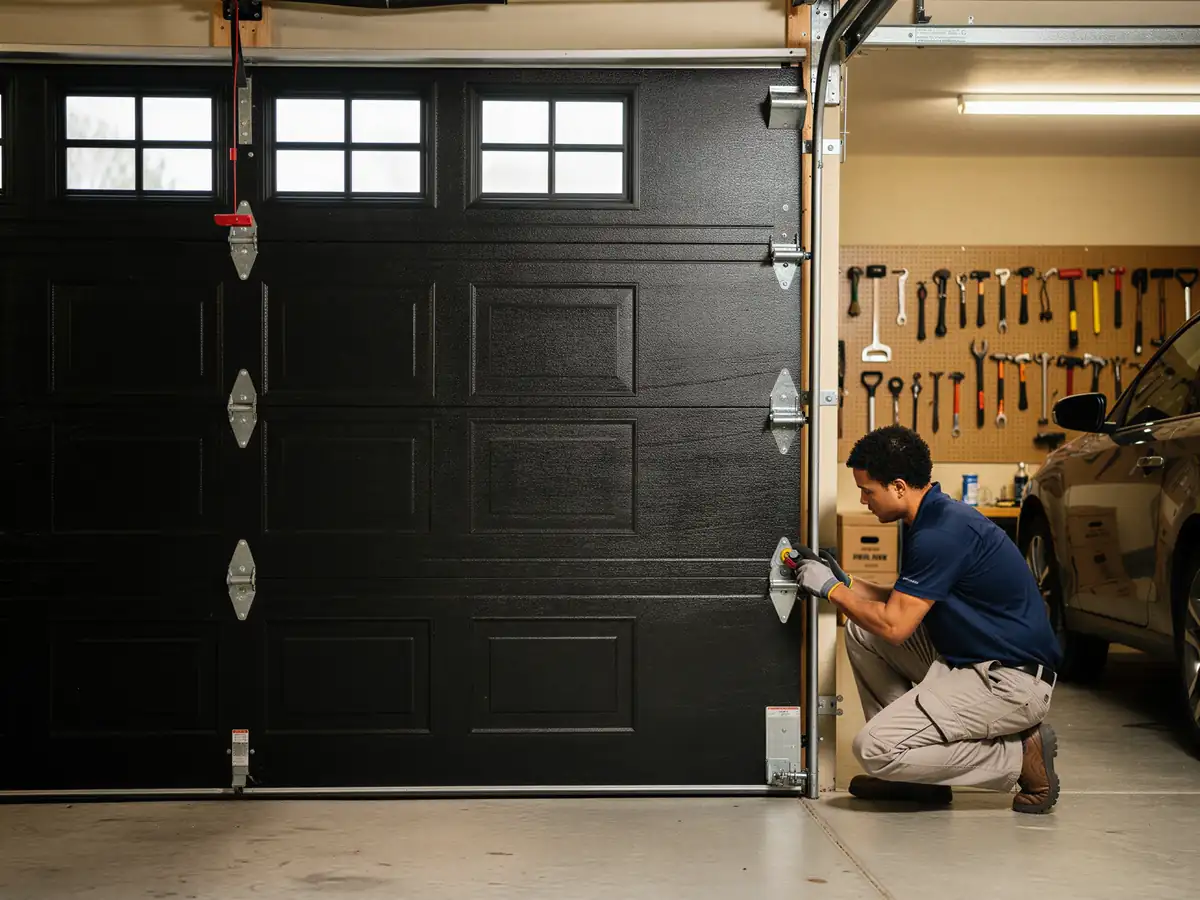
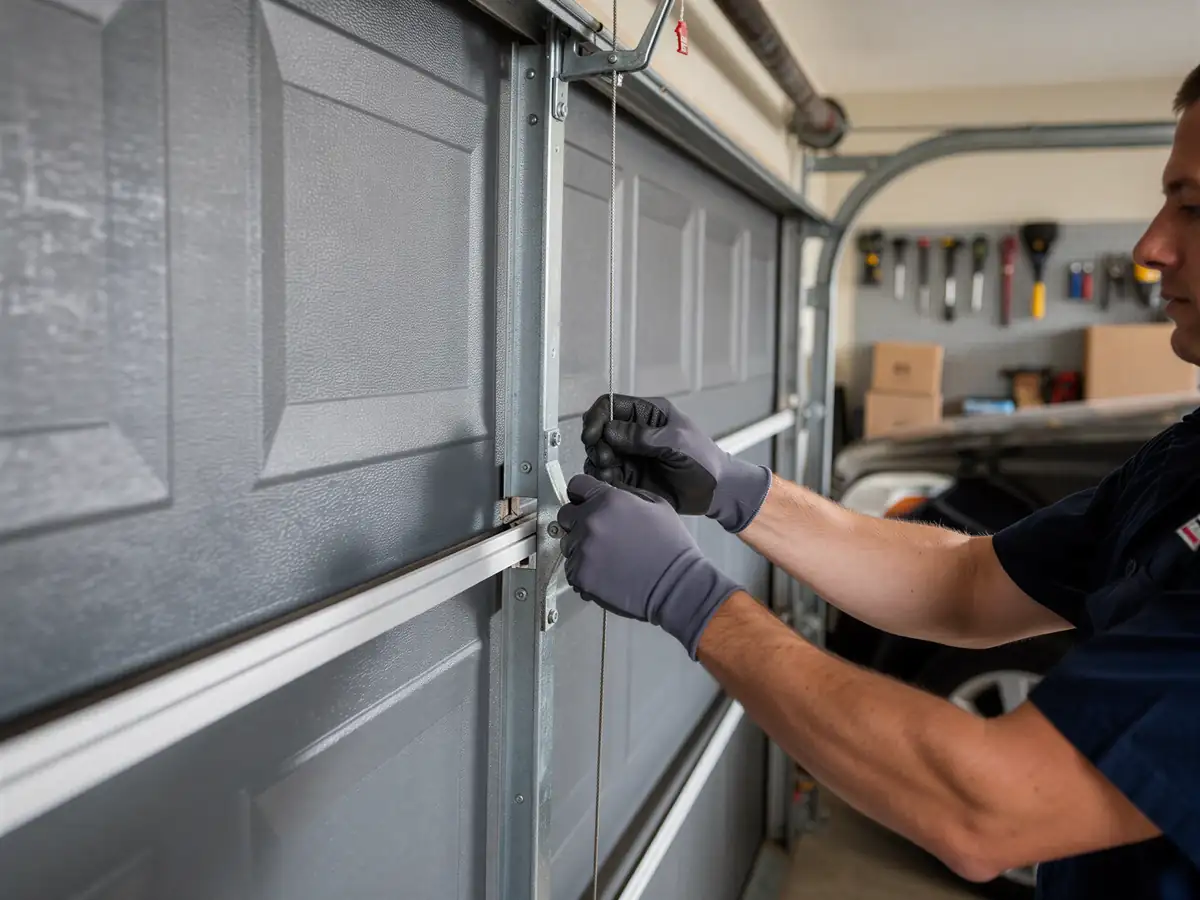
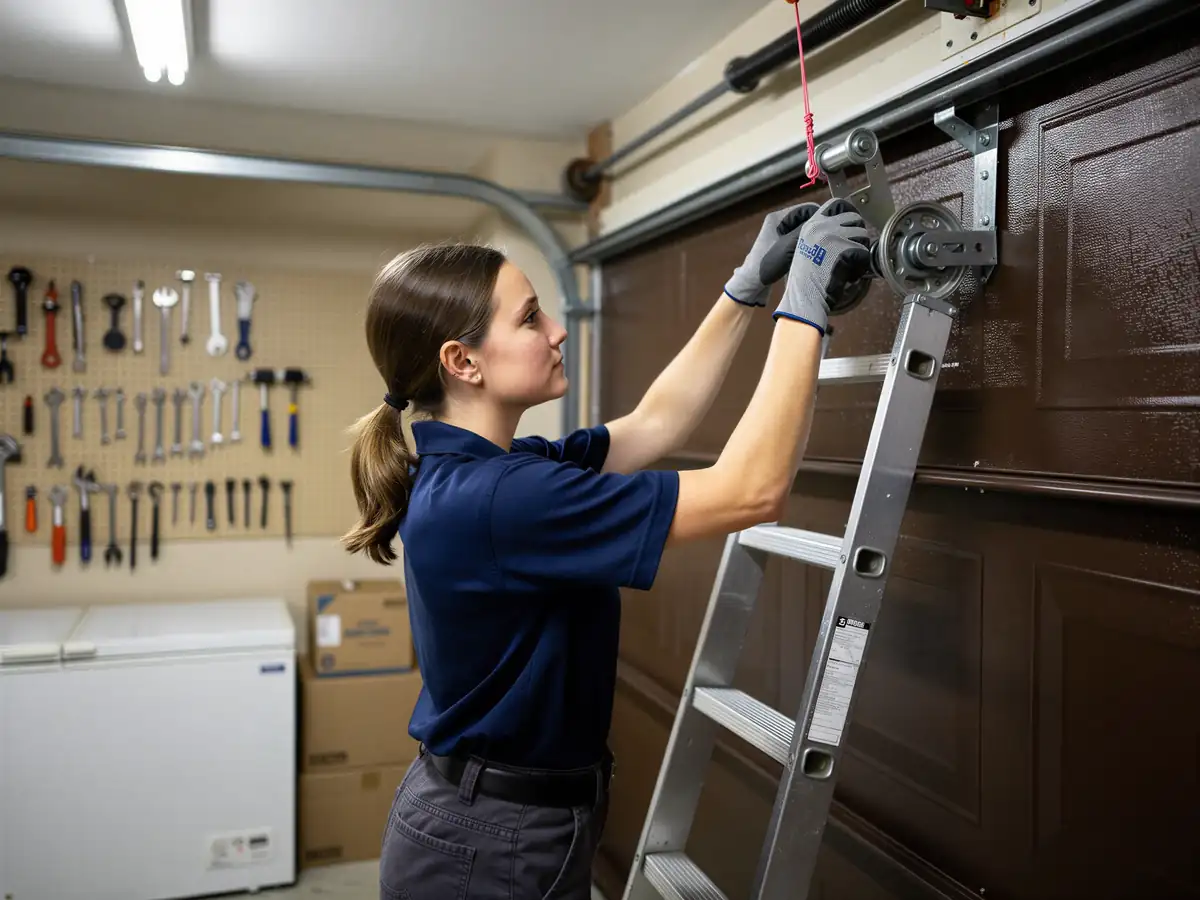
Swapping in a new garage door yourself is possible if the opening is a true standard size and you're comfortable with the torsion spring - but that spring is under enough tension to break a bone or worse if it lets go while you're working, and that's true whether the door costs $600 or $3,000. The honest limitation here: if your opening isn't standard, which happens more than people expect on houses built before the 1997 median for this area, a DIY kit bought off a shelf may simply not fit, and you've spent money and a weekend to find that out. We'd rather you call before you buy the door than after.