Where This Job Goes Sideways
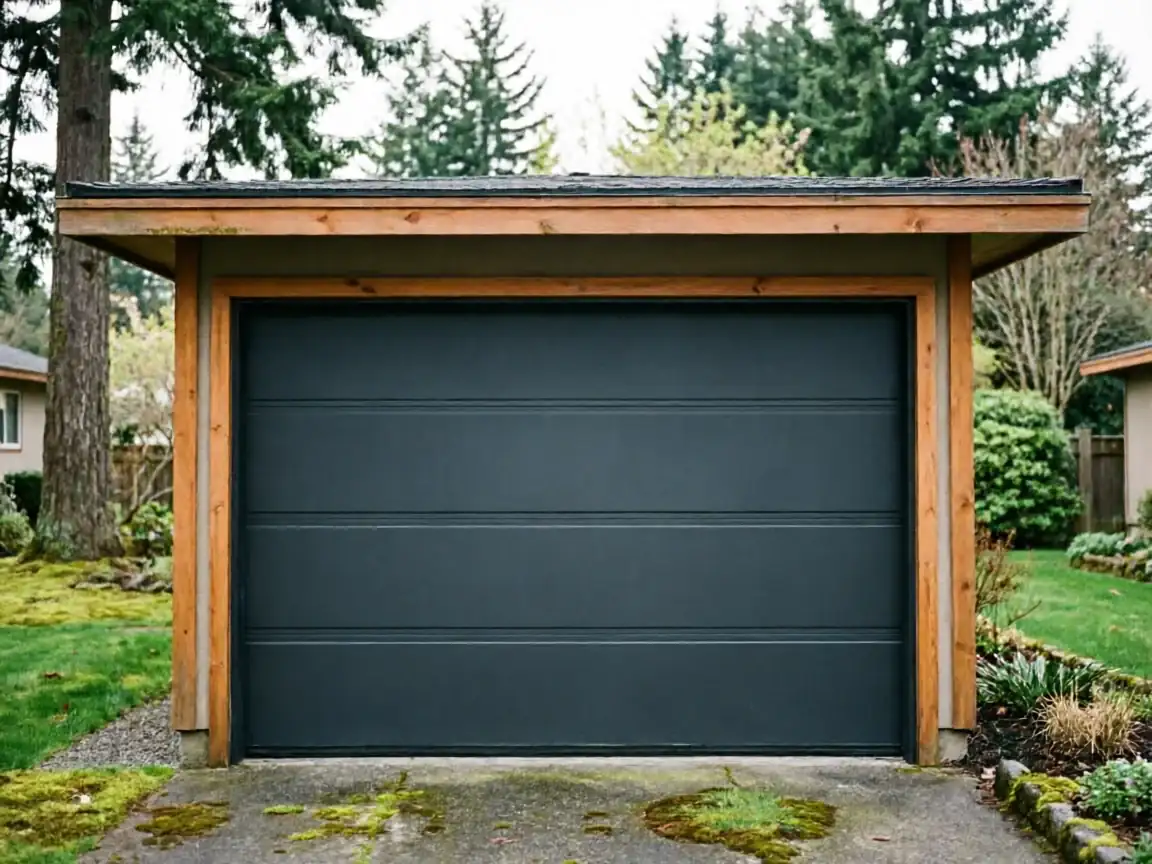
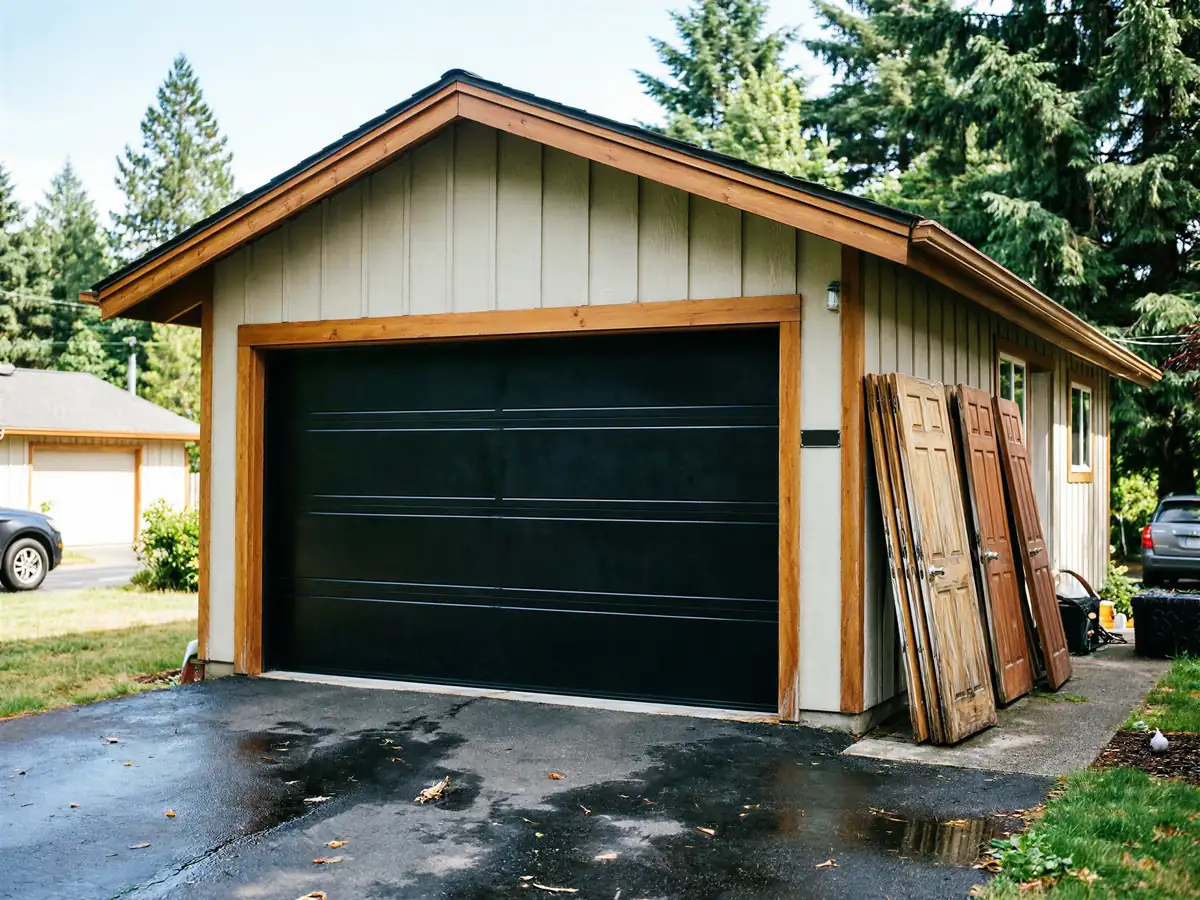
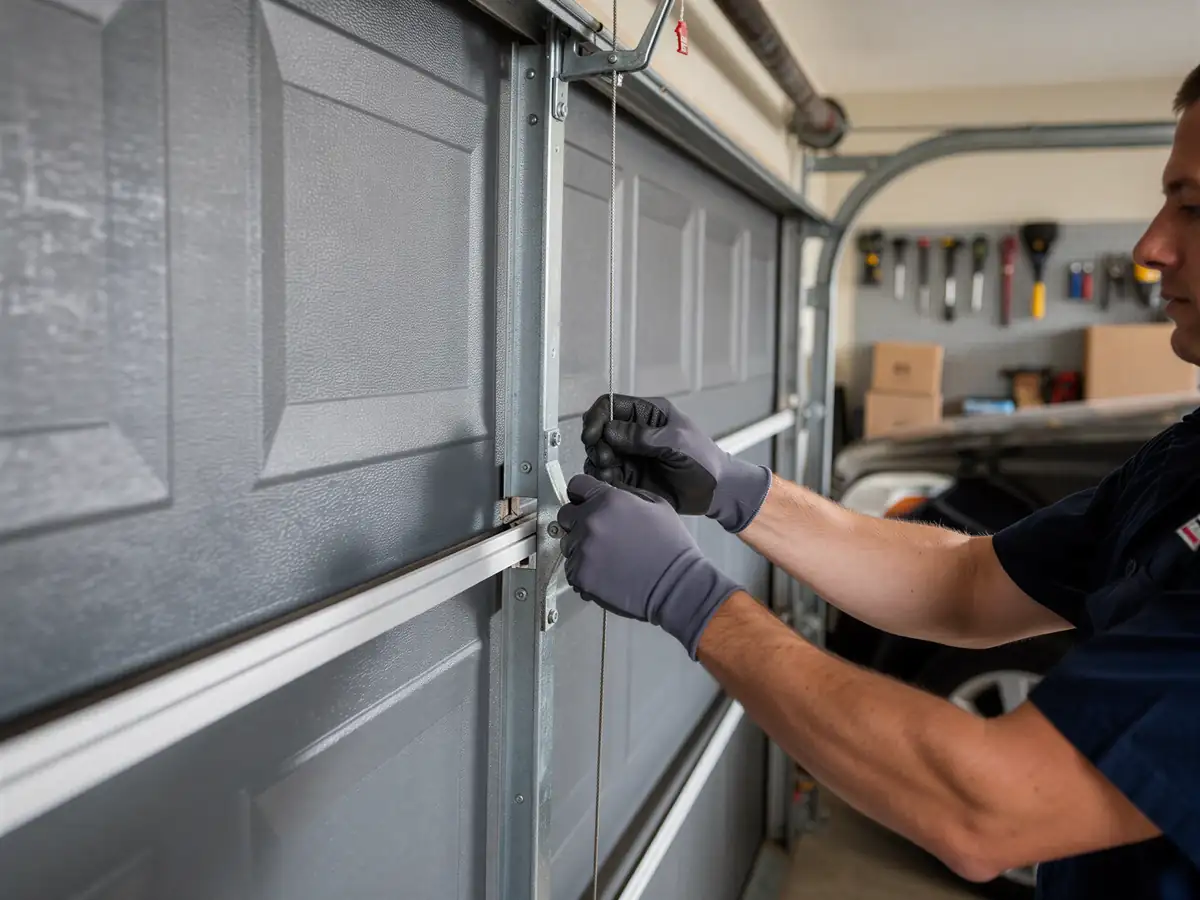
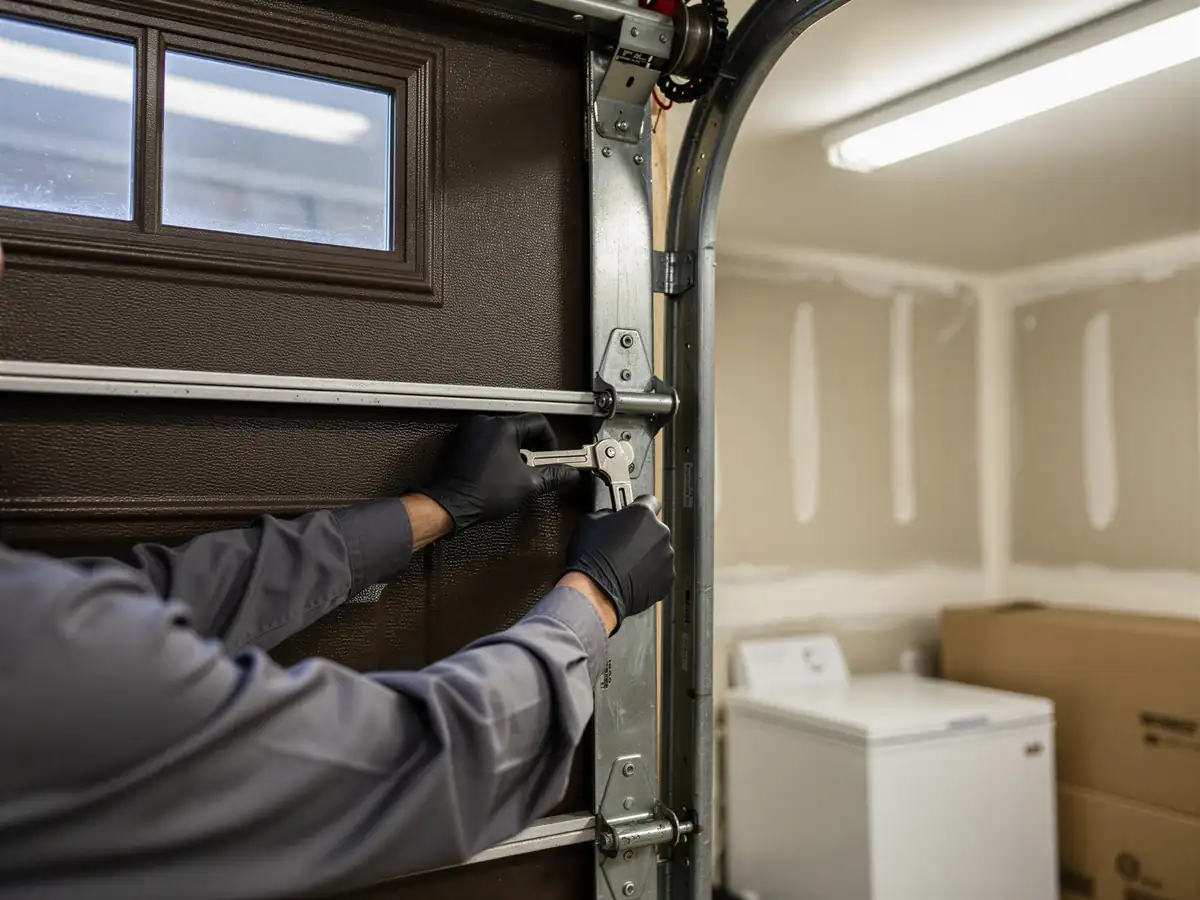
Creswell's housing stock centers on 1997, which means a lot of doors out here are still running whatever rollers came on the track from the factory. Nobody replaces a roller until it fails, and a roller from the late 90s has had almost thirty years of rolling, which is long past its working life even if nothing looks obviously broken. The failure doesn't usually announce itself as a roller problem. The door starts binding at one spot in the track, or it rattles hard on the way up, and the owner assumes it's the opener. Half the time it's a worn steel roller that's gone oval, dragging a groove into the track instead of rolling through it. Left alone, that groove gets deep enough to pop a roller clean out of the track, and now you've got a door hanging crooked on one cable with the other side still trying to lift. That's the call that goes sideways fast: what started as a $30 part turns into a bent track and a cable replacement, because the roller held on just long enough to do damage on the way out. We come out from Eugene for this one, 11 miles up the road, and the earlier we catch it the simpler the fix stays.
Why It Happens Here
A build year around 1997 puts a lot of Creswell garage doors in that stretch where steel rollers with unsealed bearings were still standard equipment, before nylon rollers became the common factory choice. Steel-on-steel rollers wear faster and run louder than nylon, and once the bearing dries out there's nothing left cushioning the roller against the track. With roughly 2,082 households in the area and most of them sitting on housing from that same build window, this isn't a scattered issue - it's the same hardware aging out on the same timeline across a big share of the town. Cold, damp stretches make it worse, since moisture works into an unsealed bearing and speeds up the corrosion that locks a roller stem in place. None of this is dramatic weather, just the ordinary wet-winter grind on hardware that was never built to last three decades.
The DIY Question
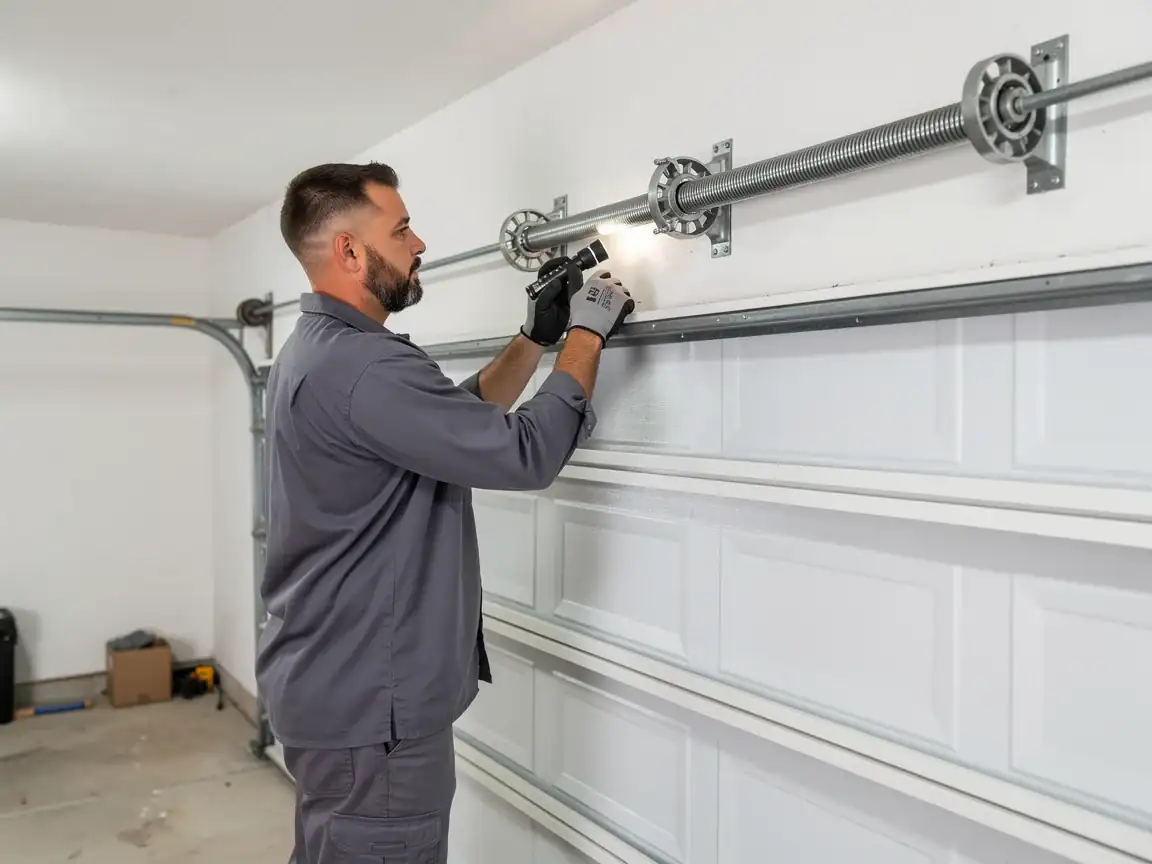
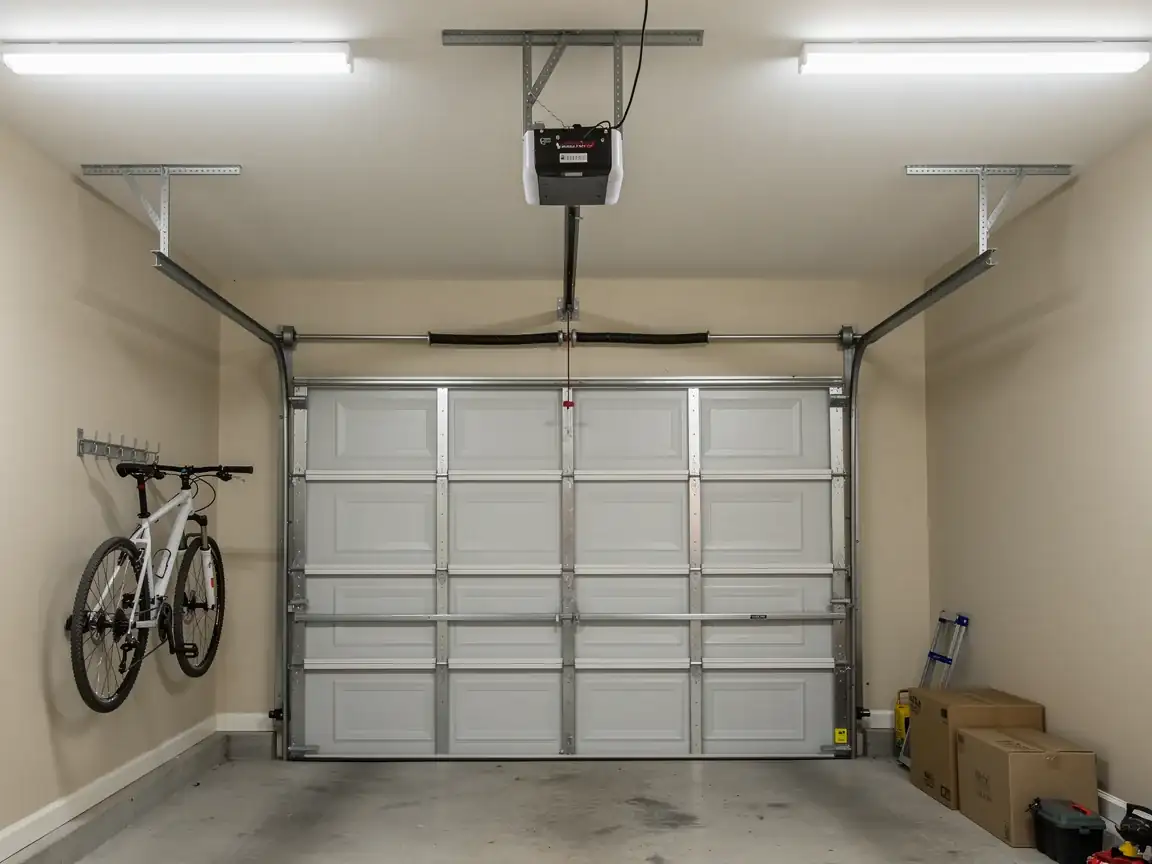
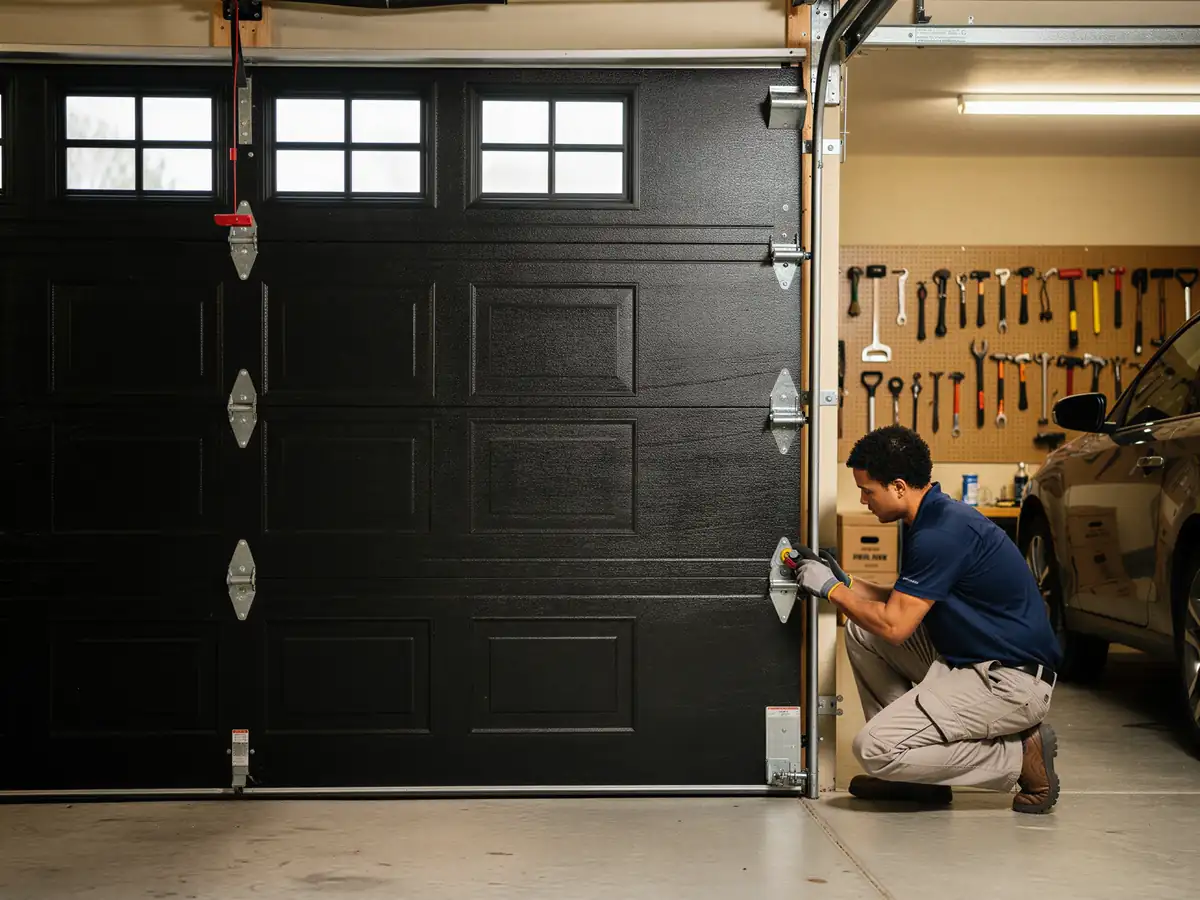
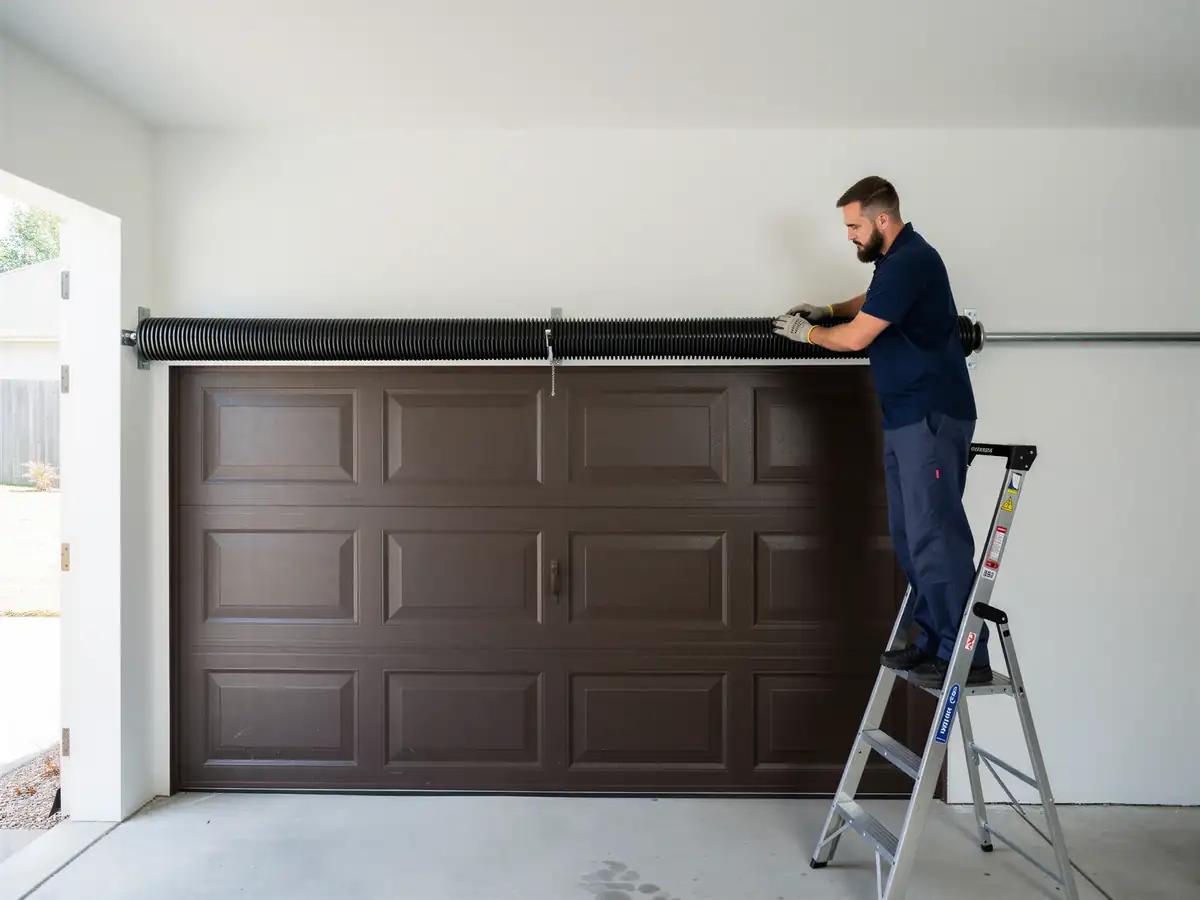
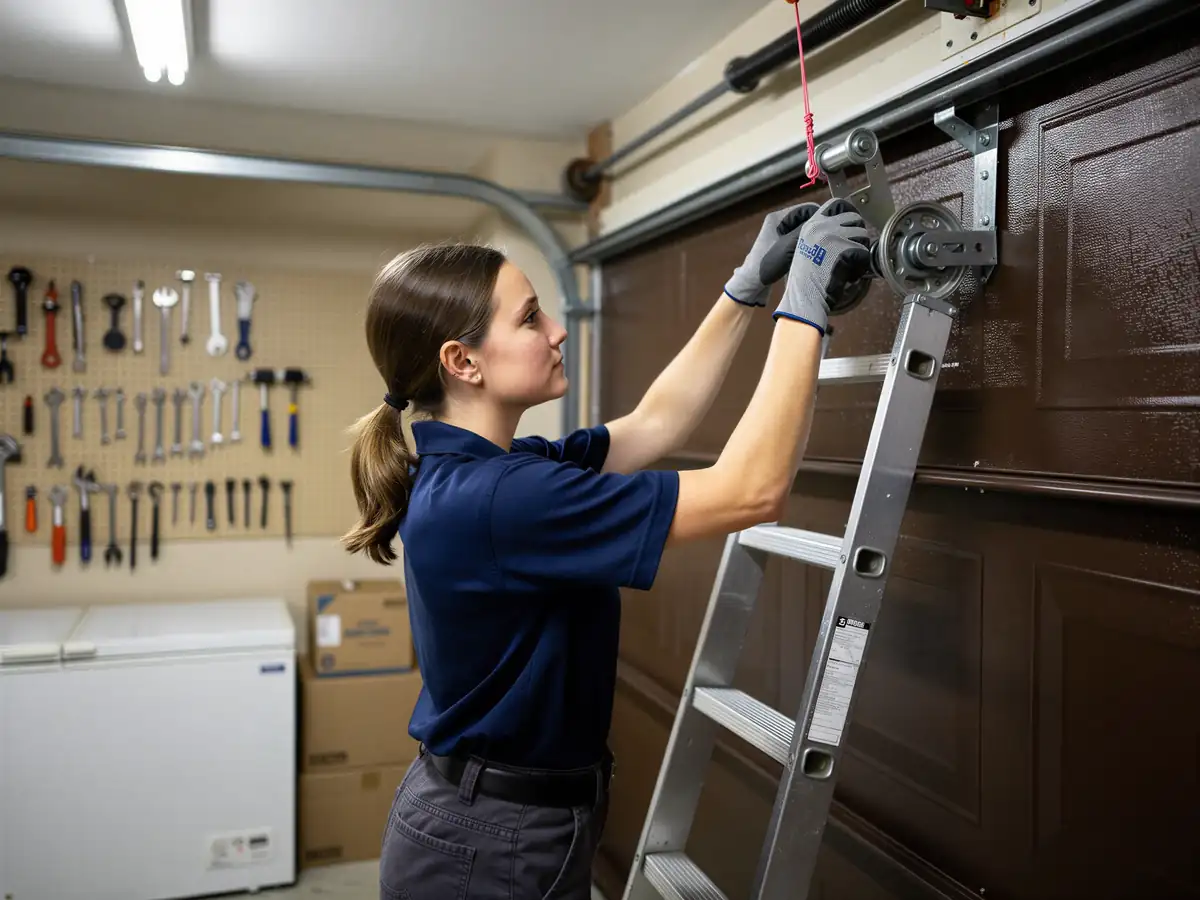
Swapping a roller isn't beyond a handy homeowner, and the bottom two rollers on each side, away from the spring tension, are reasonable to tackle yourself with the door secured. The rollers near the top of the track are a different story. Getting to them means working close to a wound torsion spring or extension springs under tension, and that's not a place to learn on the job. If you're only replacing one or two rollers and the rest look fine, it may be worth doing yourself. But if your door is original to a 1997-era build and you're swapping one roller, you're very likely looking at replacing the full set soon after, and at that point the labor to do it right - checking track alignment, torque on every hinge bolt - is where most of the value is anyway.