Where This Job Goes Sideways
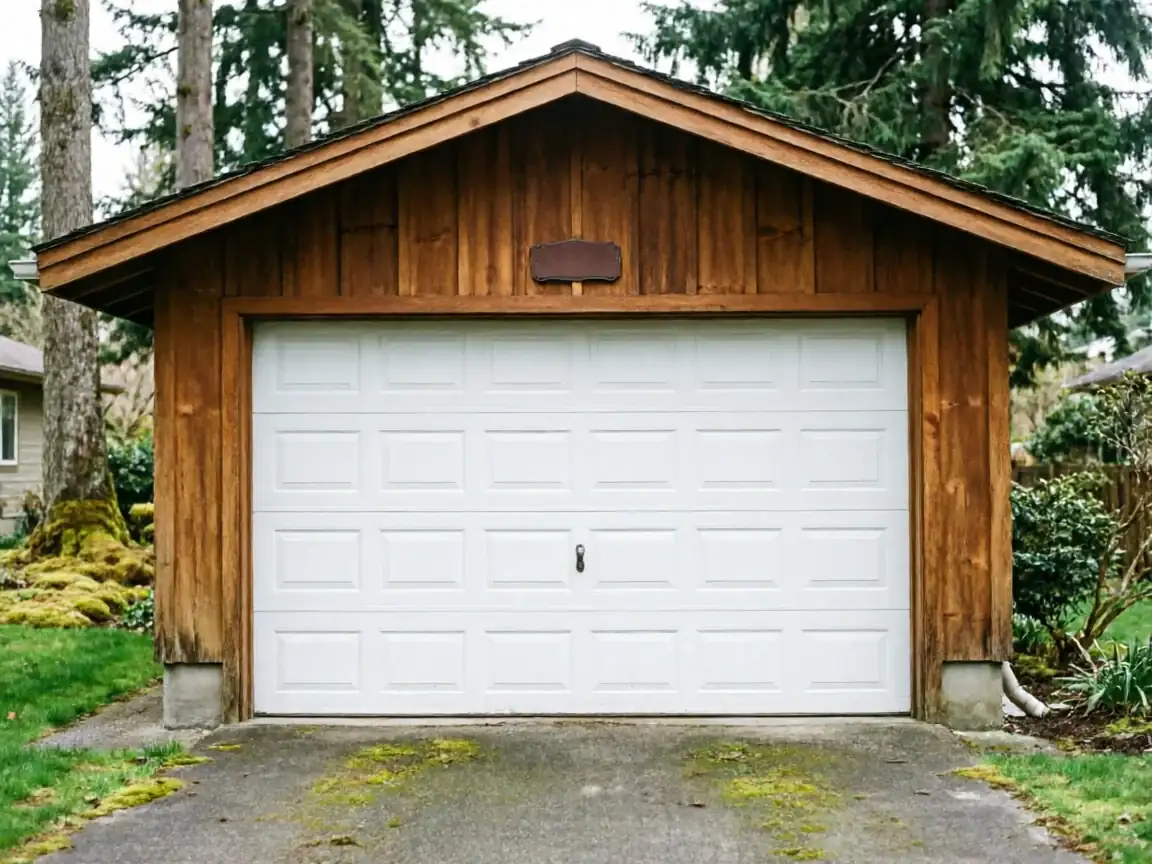
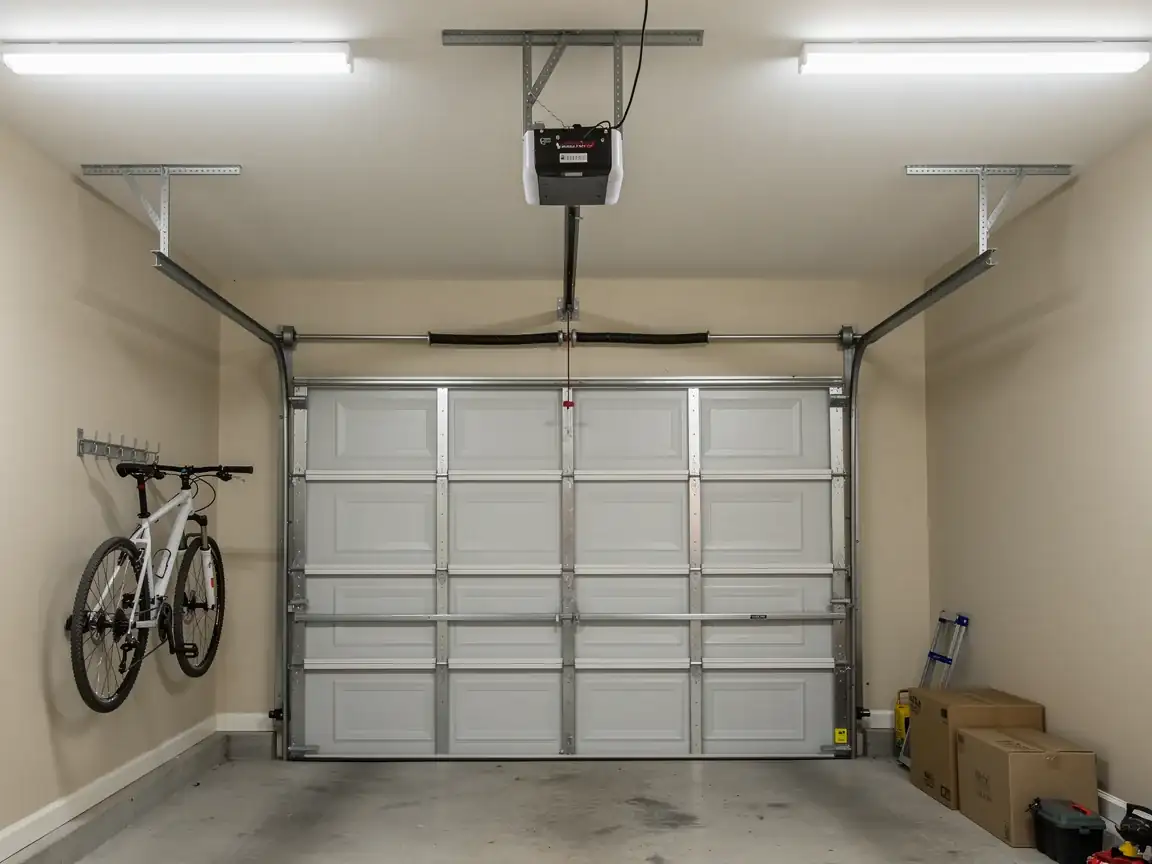
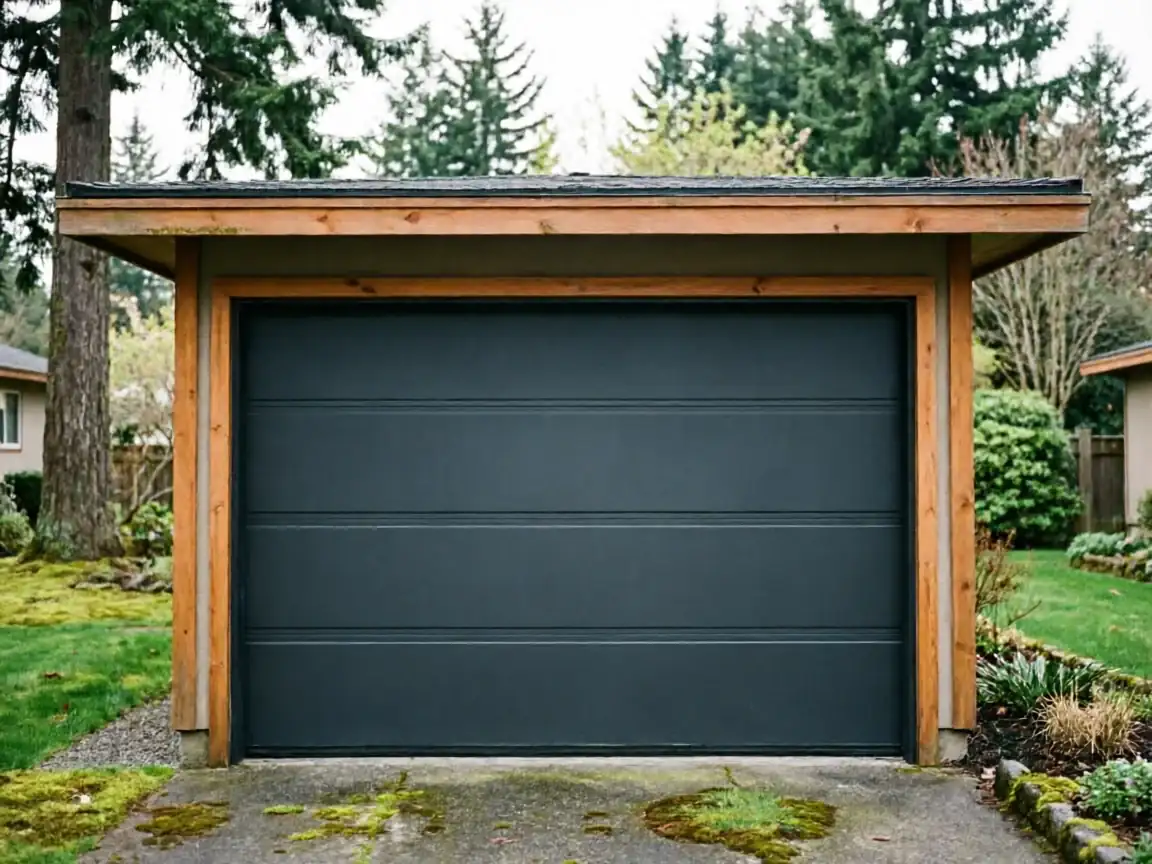
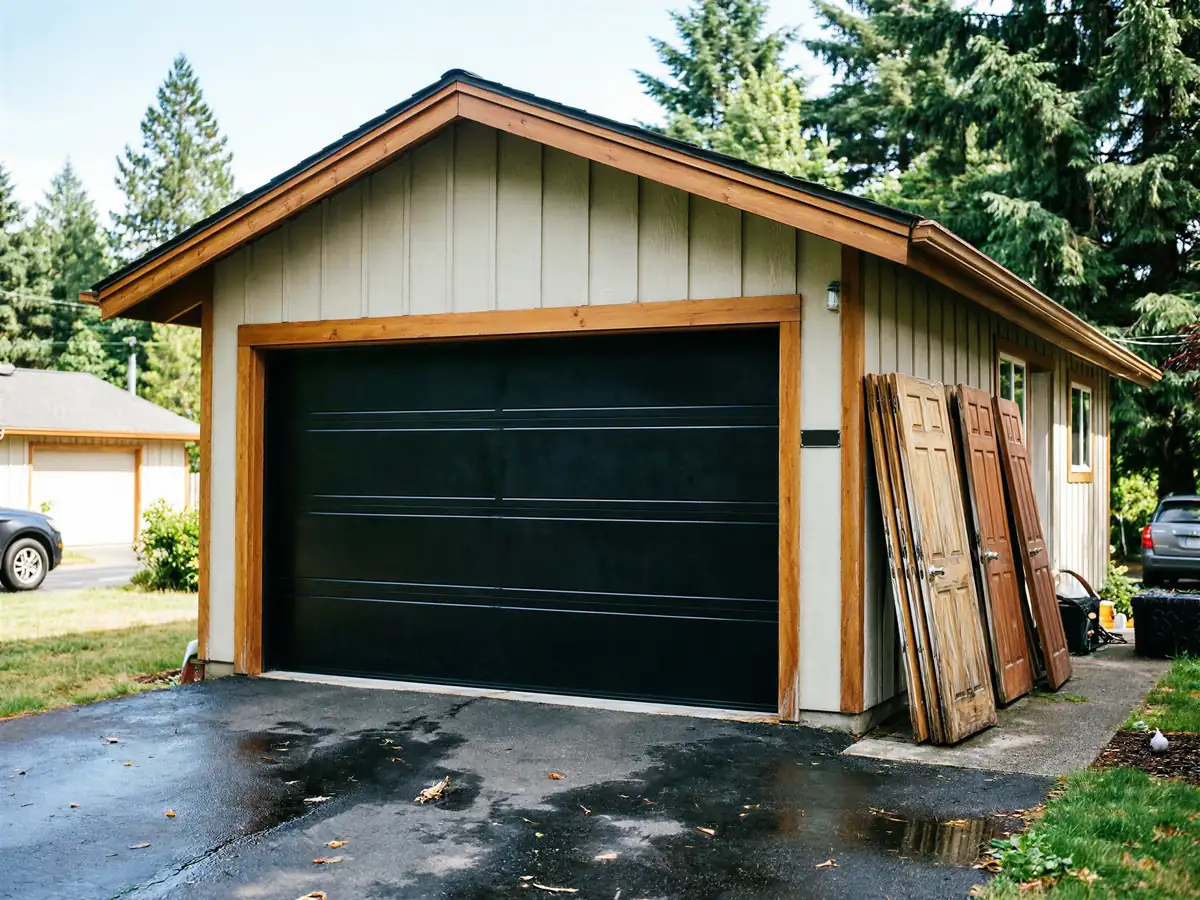
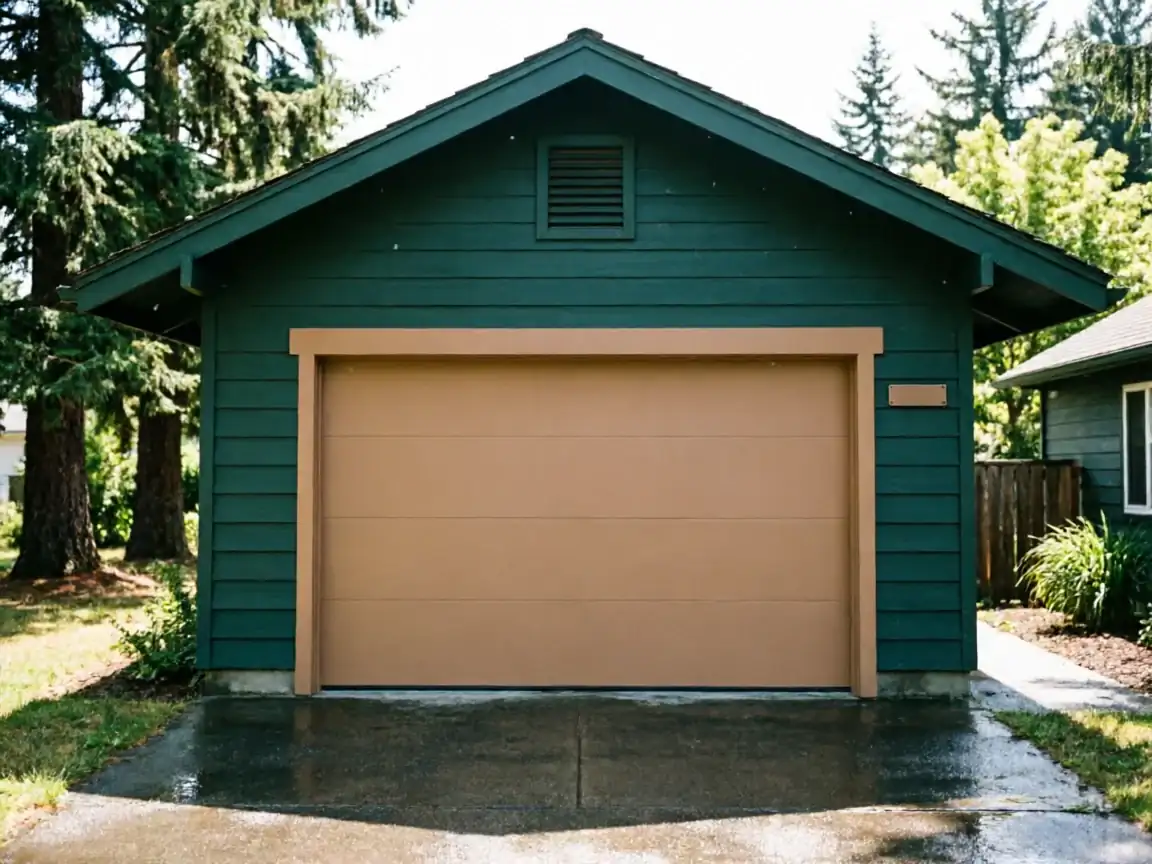
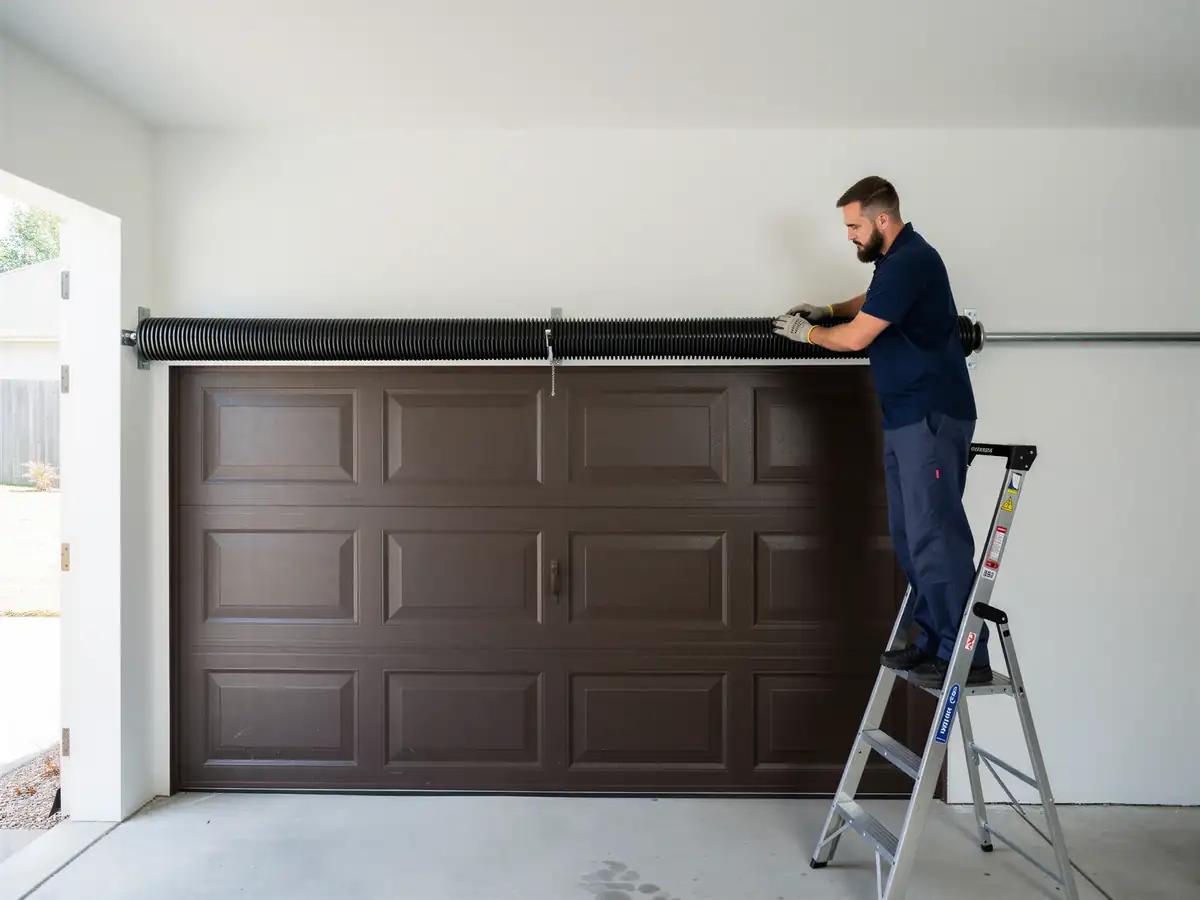
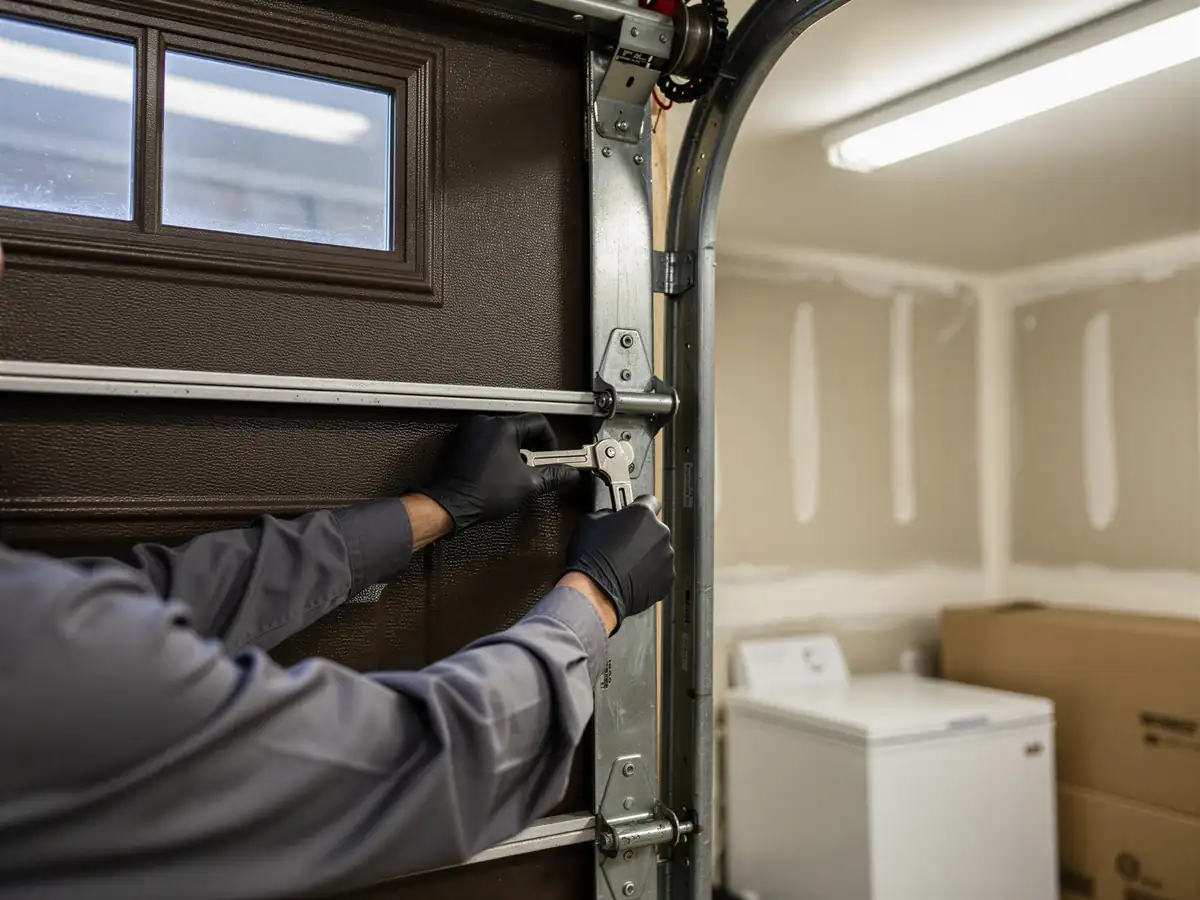
Across the wider Eugene service area, the median house dates to 1980, with stock running from 1950 all the way to 1997. Creswell sits on the back end of that range - most of the houses out here were built closer to 1997, meaning the doors and openers are a decade or two newer than what a crew sees on an average call in Eugene proper. That matters for maintenance because the failure modes are different. A 1997-era door is likely on a factory steel track with a chain or belt-drive opener from the same install, not a rebuilt rig with three generations of hardware stacked on top of each other. The job going sideways here usually isn't a door held together by mismatched parts - it's one original system that's been quietly aging without anyone checking it, because newer doors don't announce trouble the way old ones do. Rollers wear smooth instead of visibly cracking. Opener gears strip slowly. By the time it's loud, it's often past a simple adjustment. We drive the 11 miles out from Eugene expecting a more uniform setup, which changes what we check first and how long the visit takes.
Why It Happens Here
Creswell's household income runs well above the area's $74,006 median - close to $95,865 - and that shows up in maintenance history more than in the hardware itself. Homes built with 1990s-era garage doors tend to get ignored on maintenance because they still look and sound fine for years longer than an older door would. Nobody calls about a spring that hasn't shown a gap yet. The climate here is the same cold, moderate band as the rest of the service area - damp winters, temperature swings that tighten and loosen torsion coils over a season - and that cycle doesn't care how new the door is. A door that's never been serviced since 1997 has had twenty-plus winters of that cycling with zero adjustment. That's the gap a maintenance visit is actually closing.
The DIY Question
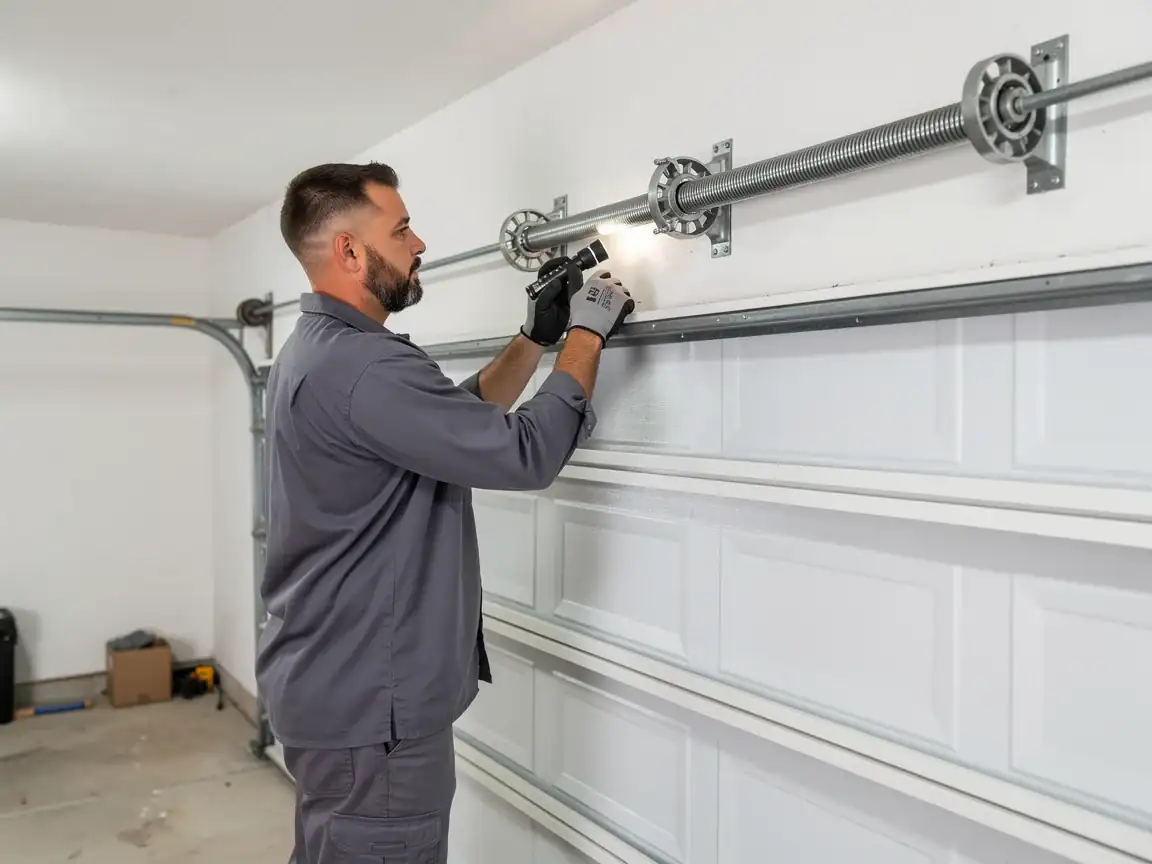
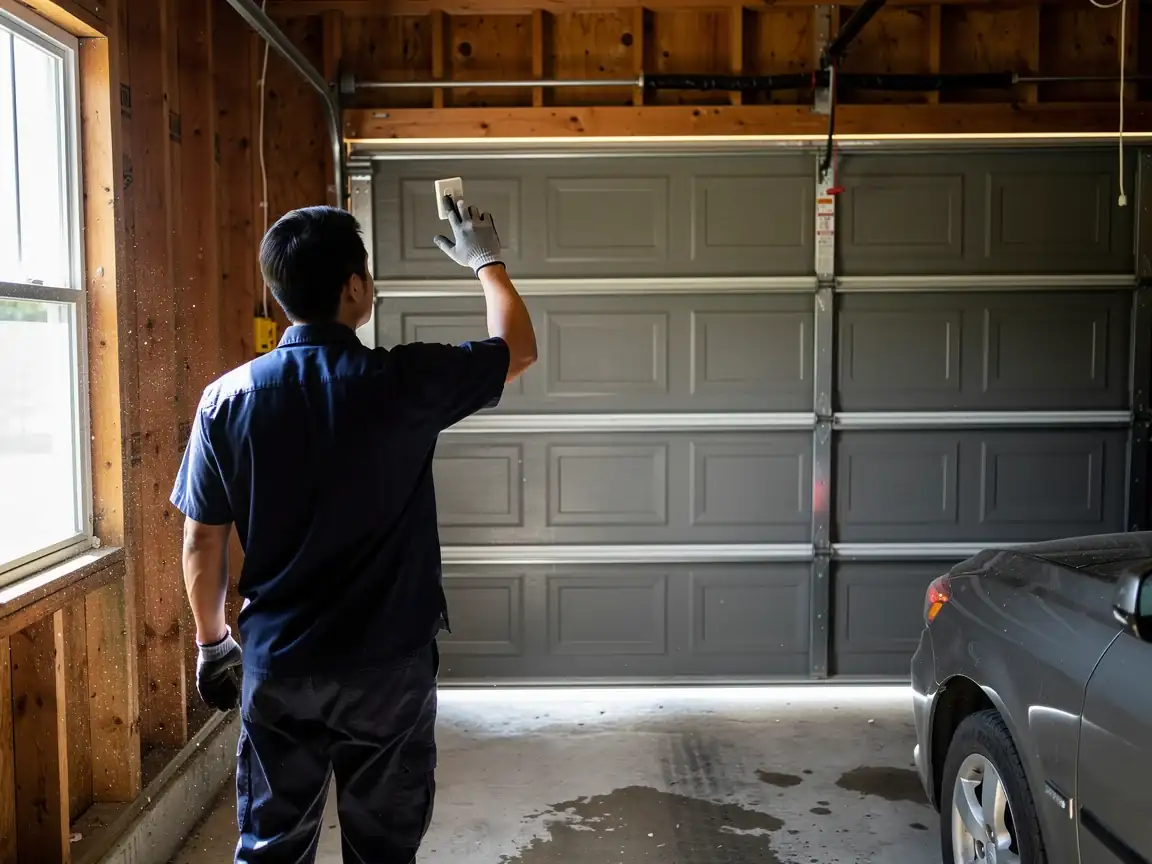
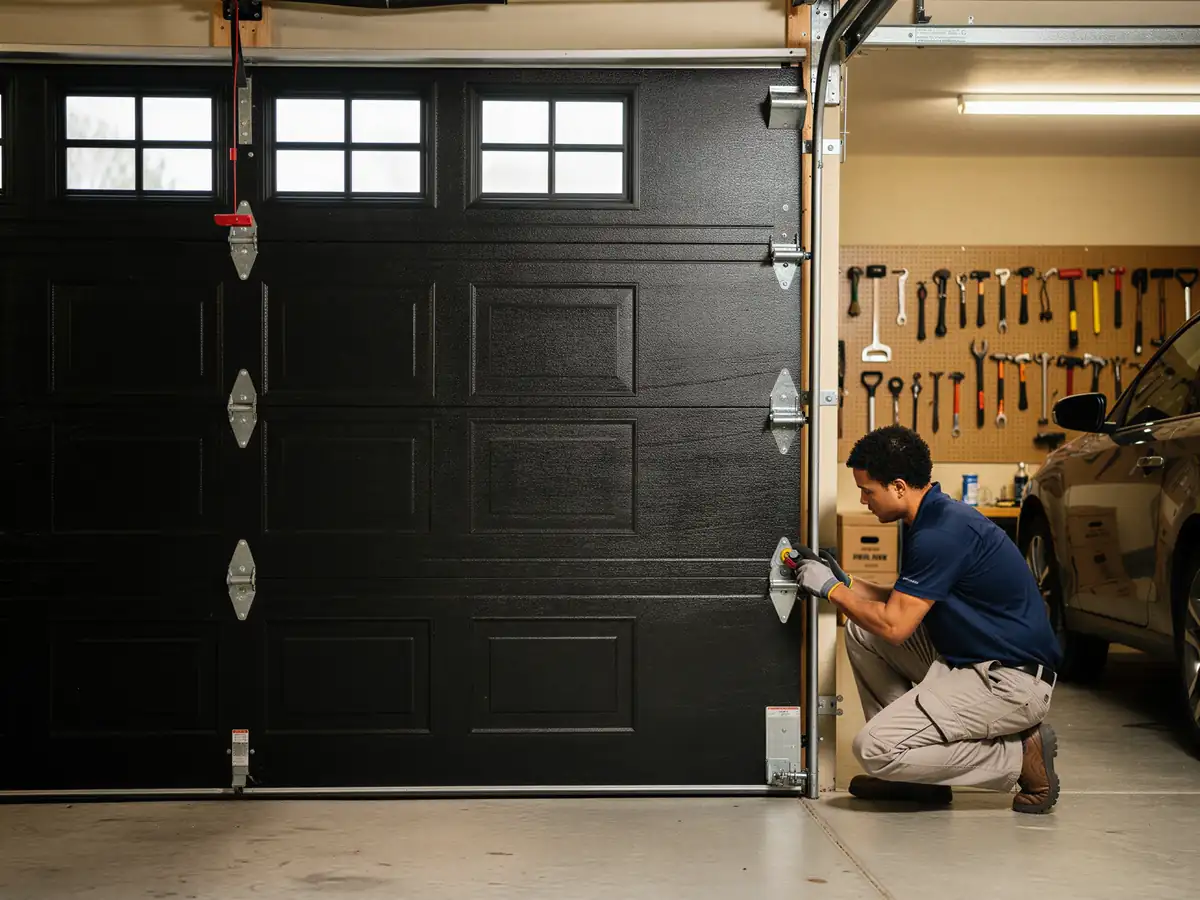
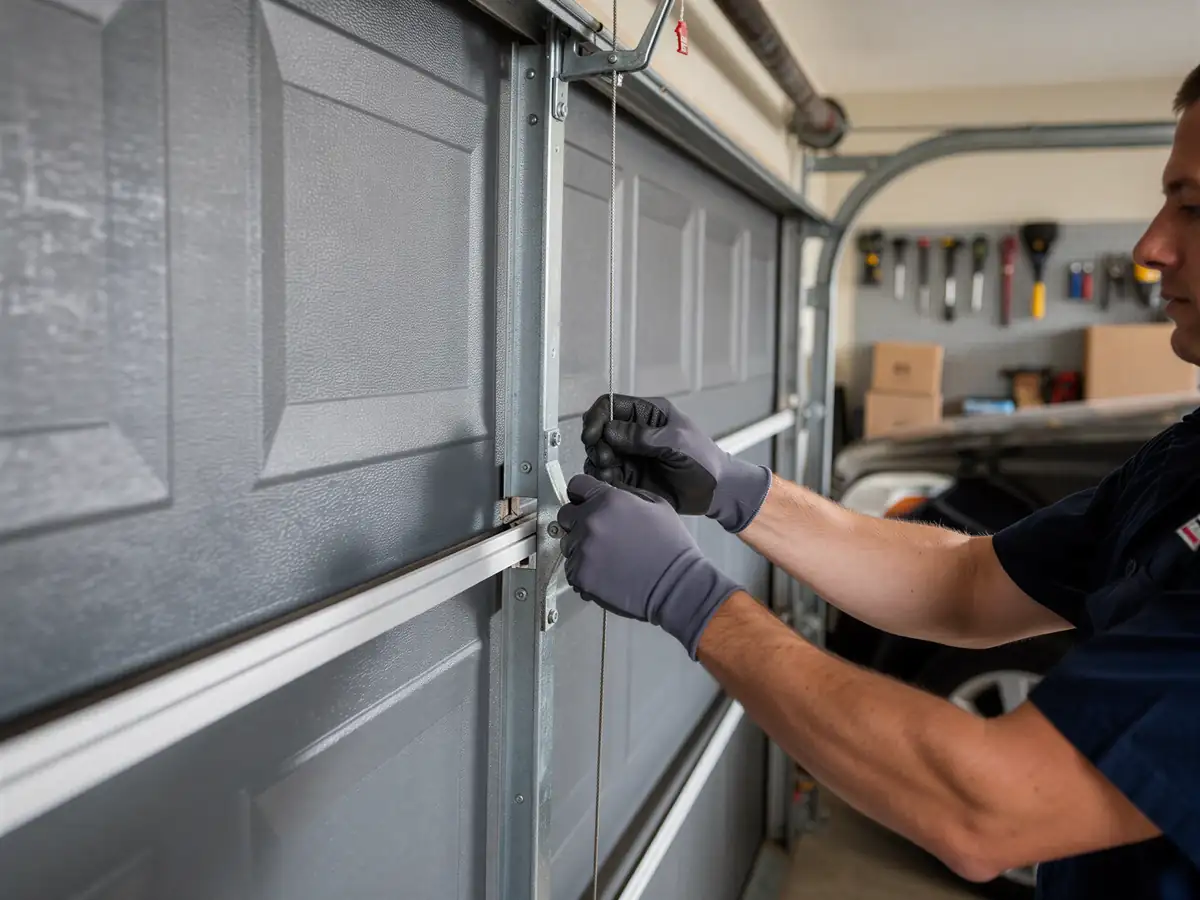
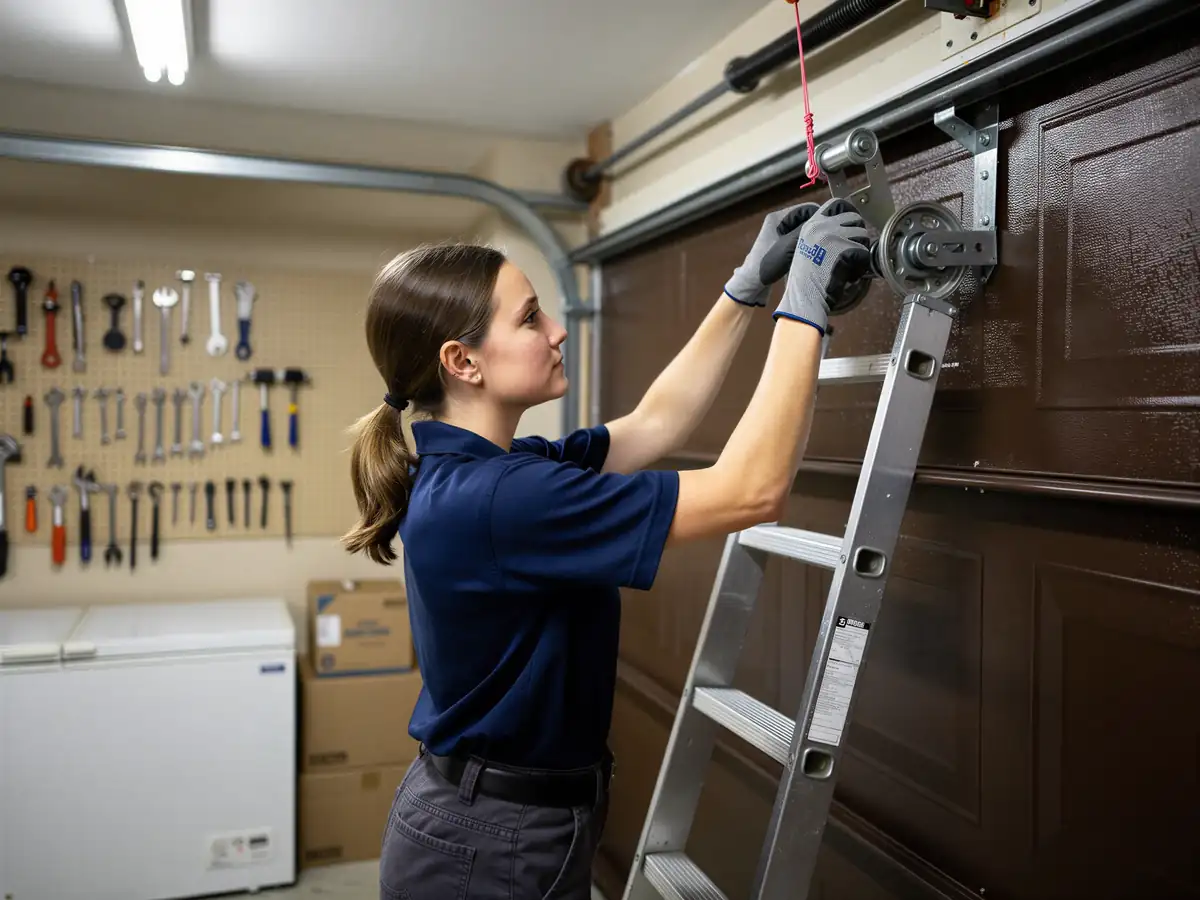
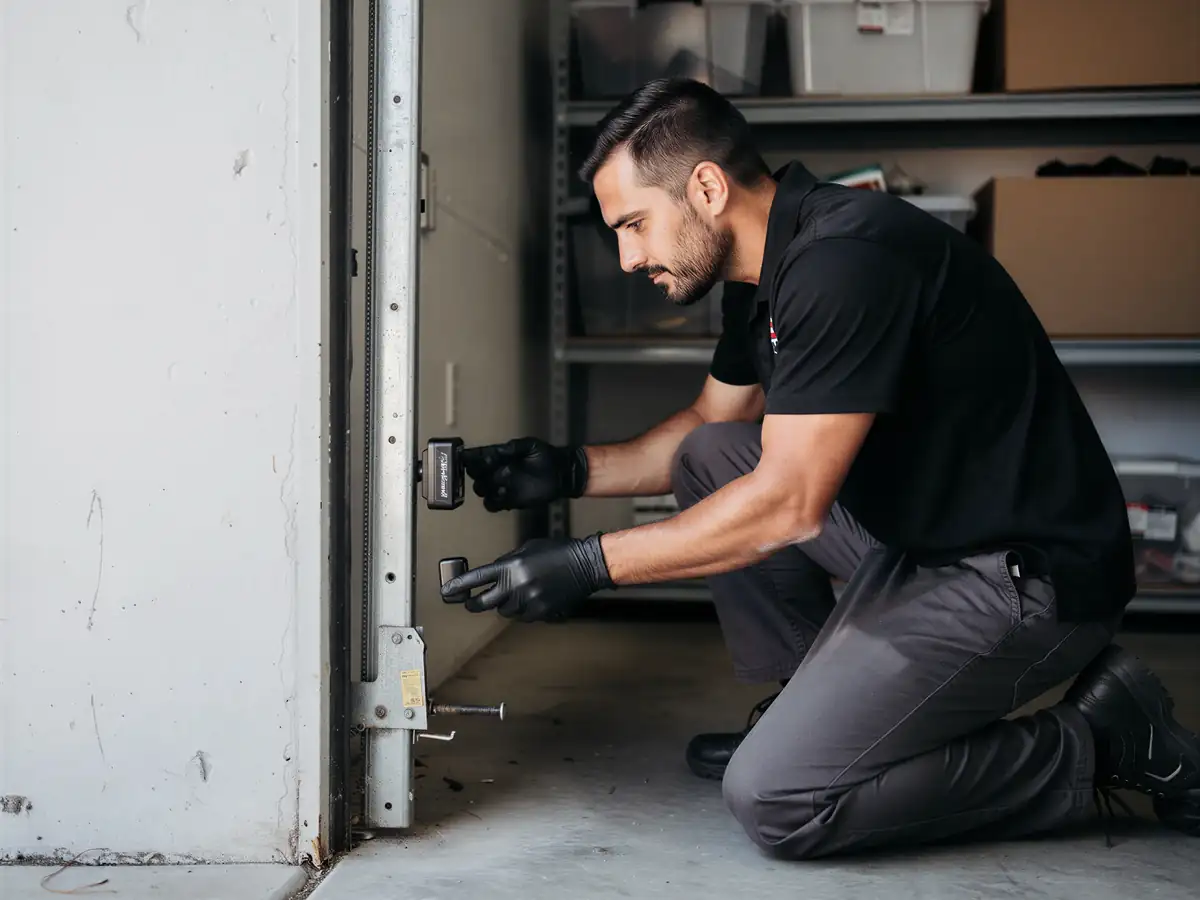
Lubricating hinges and rollers twice a year, checking the auto-reverse with a piece of wood under the door, and keeping the track clear of debris - all of that is reasonable to do yourself on a Creswell-era door, and it's worth doing because these doors were built to go a long time without failing outright. What's not a DIY job is anything involving the torsion spring itself, even on hardware this age. A 1990s torsion spring under full tension carries the same risk as one from 1960. If you're hearing a grinding opener gear or seeing the door hang unevenly by more than an inch at the bottom corners, that's a call, not a weekend project.