Where This Job Goes Sideways
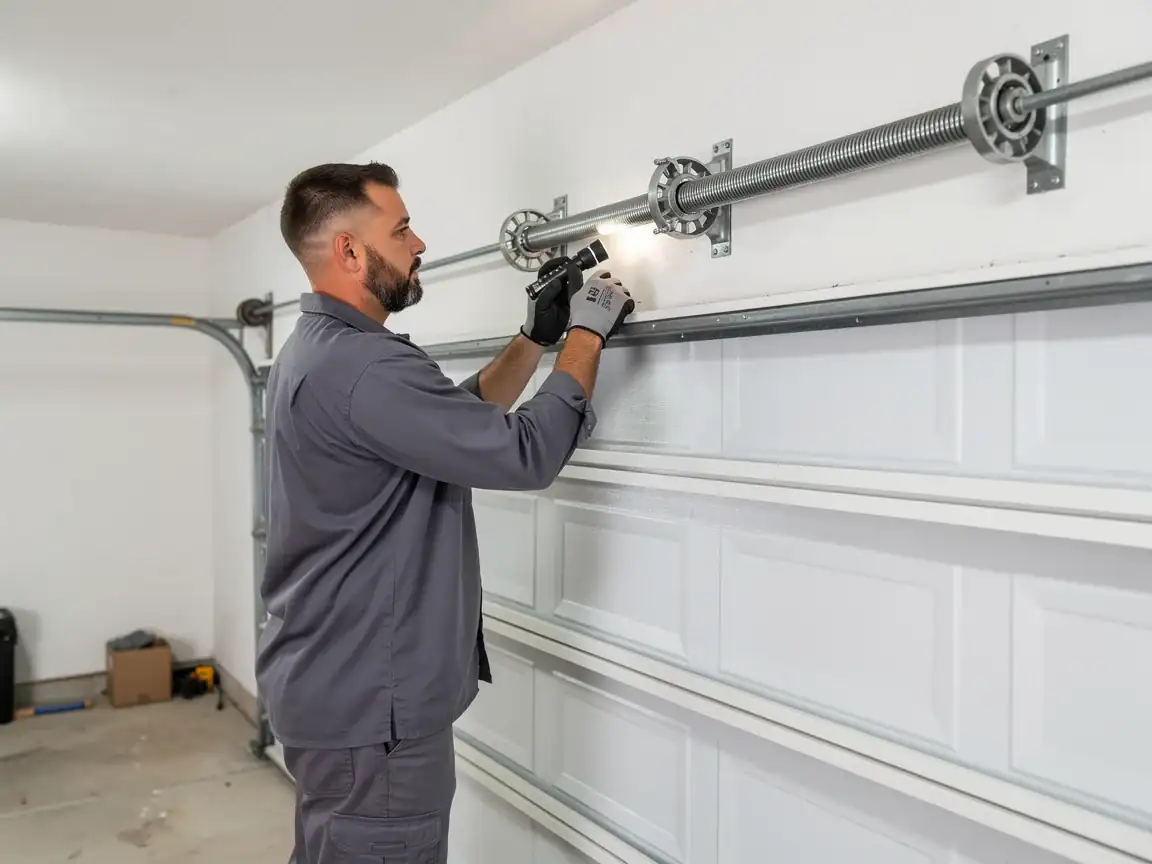
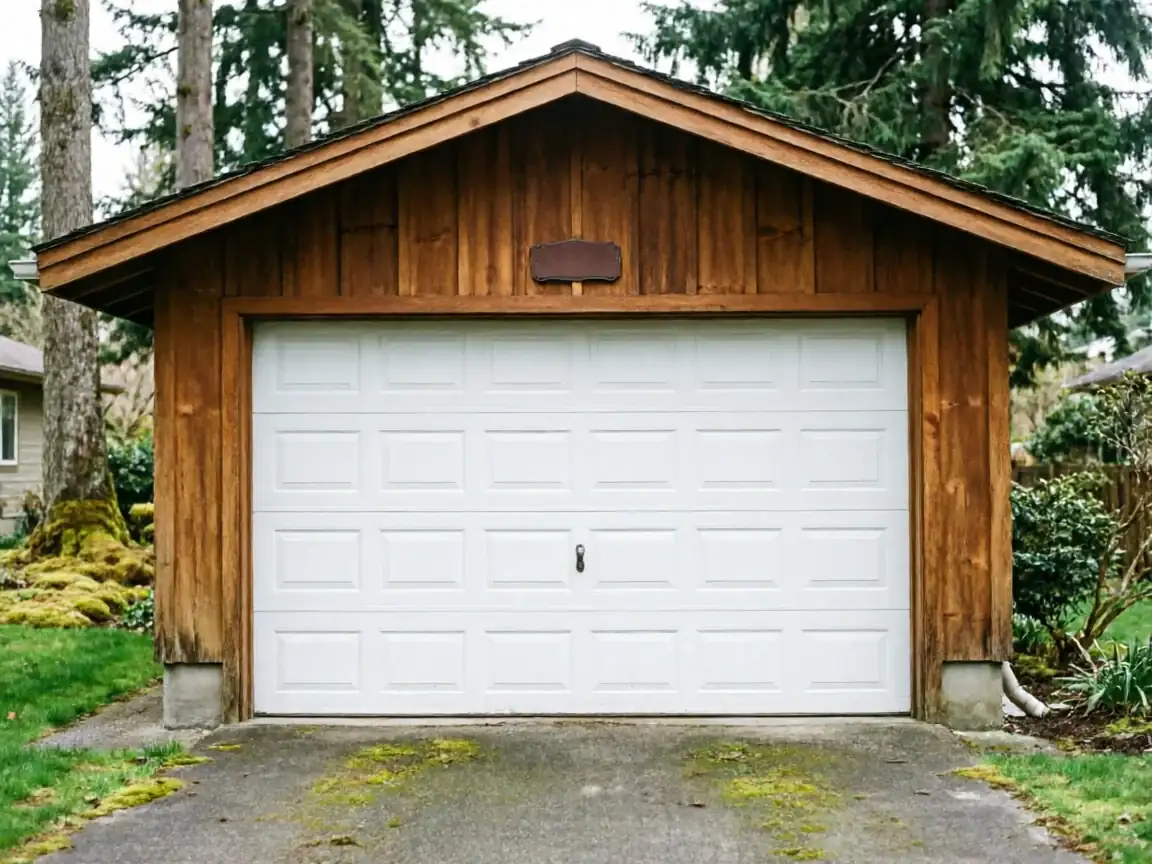
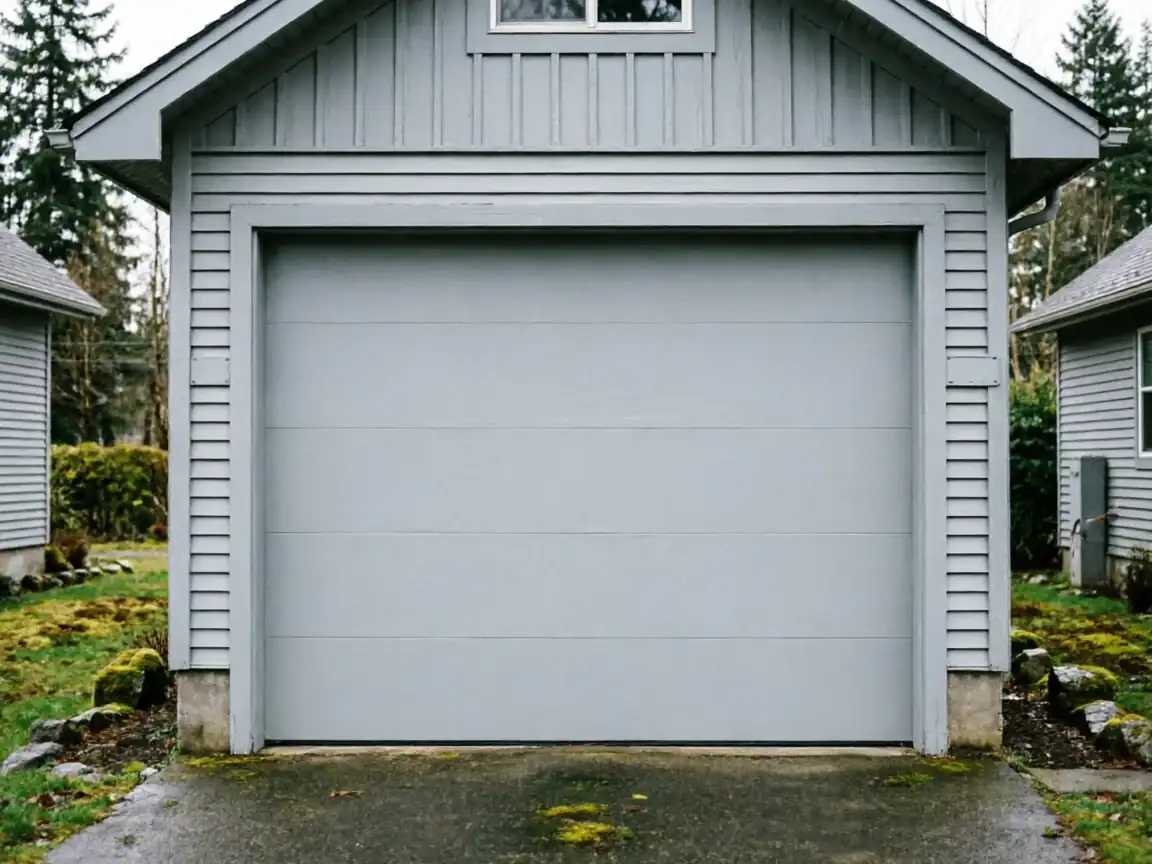
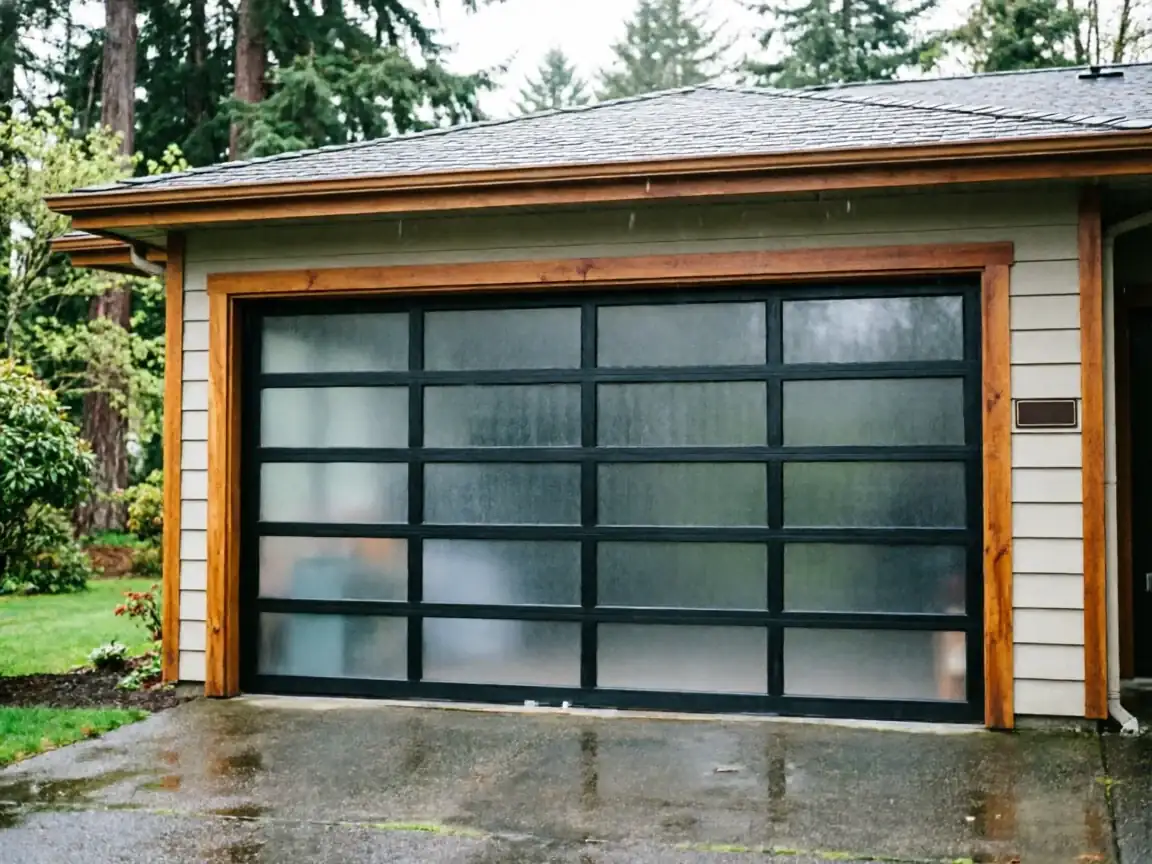
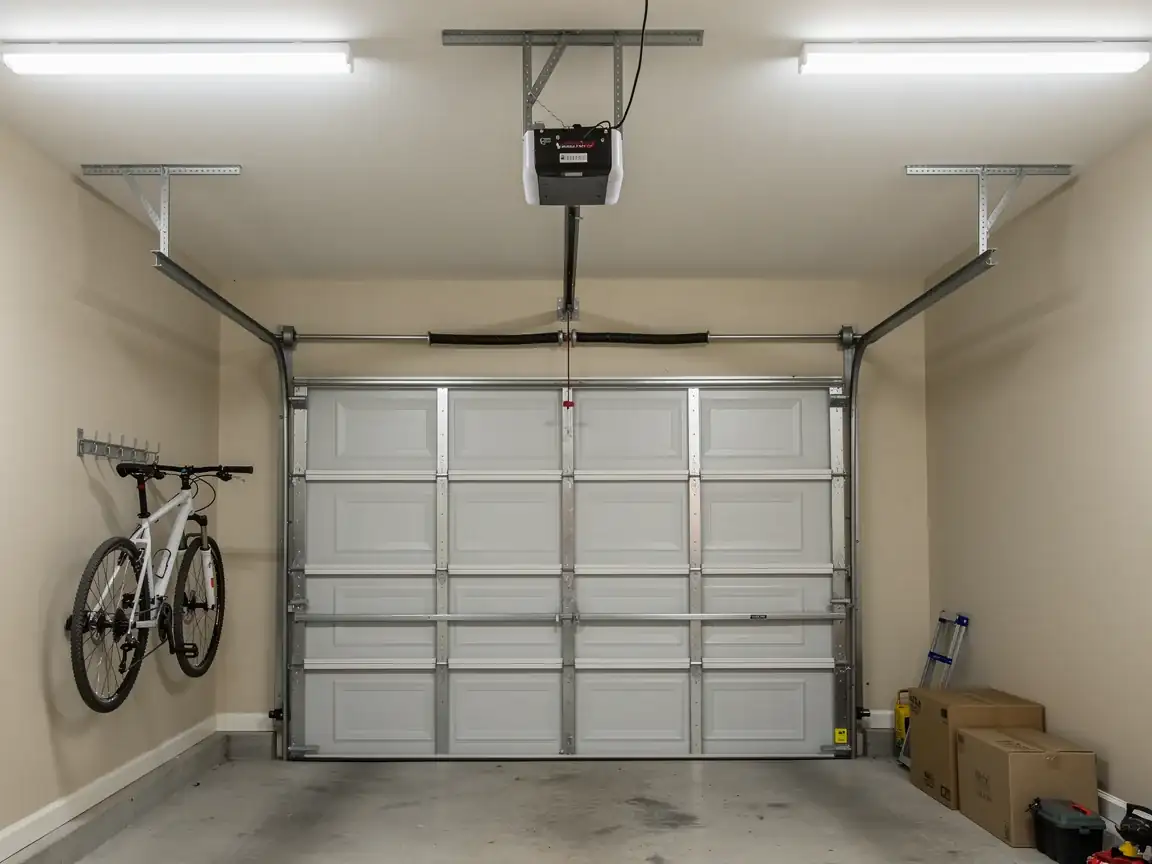
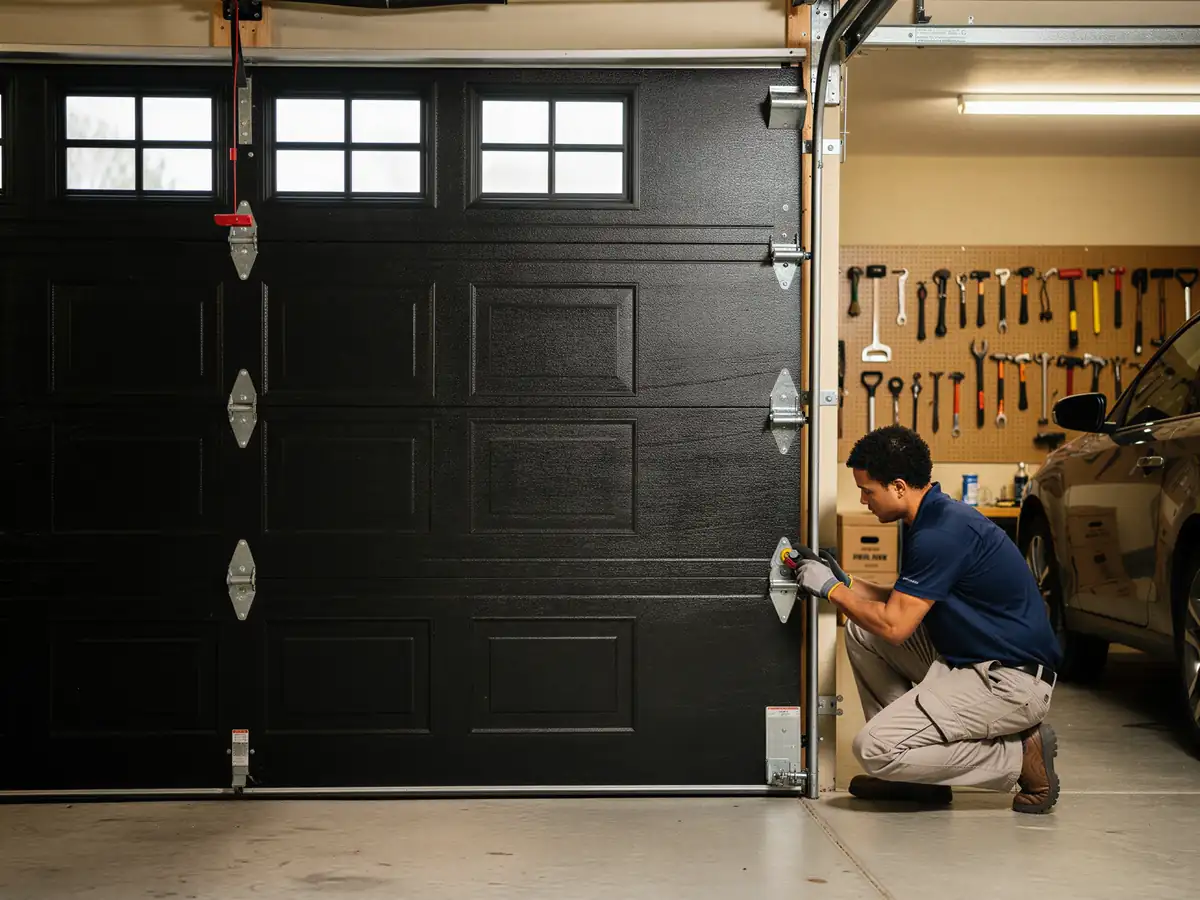
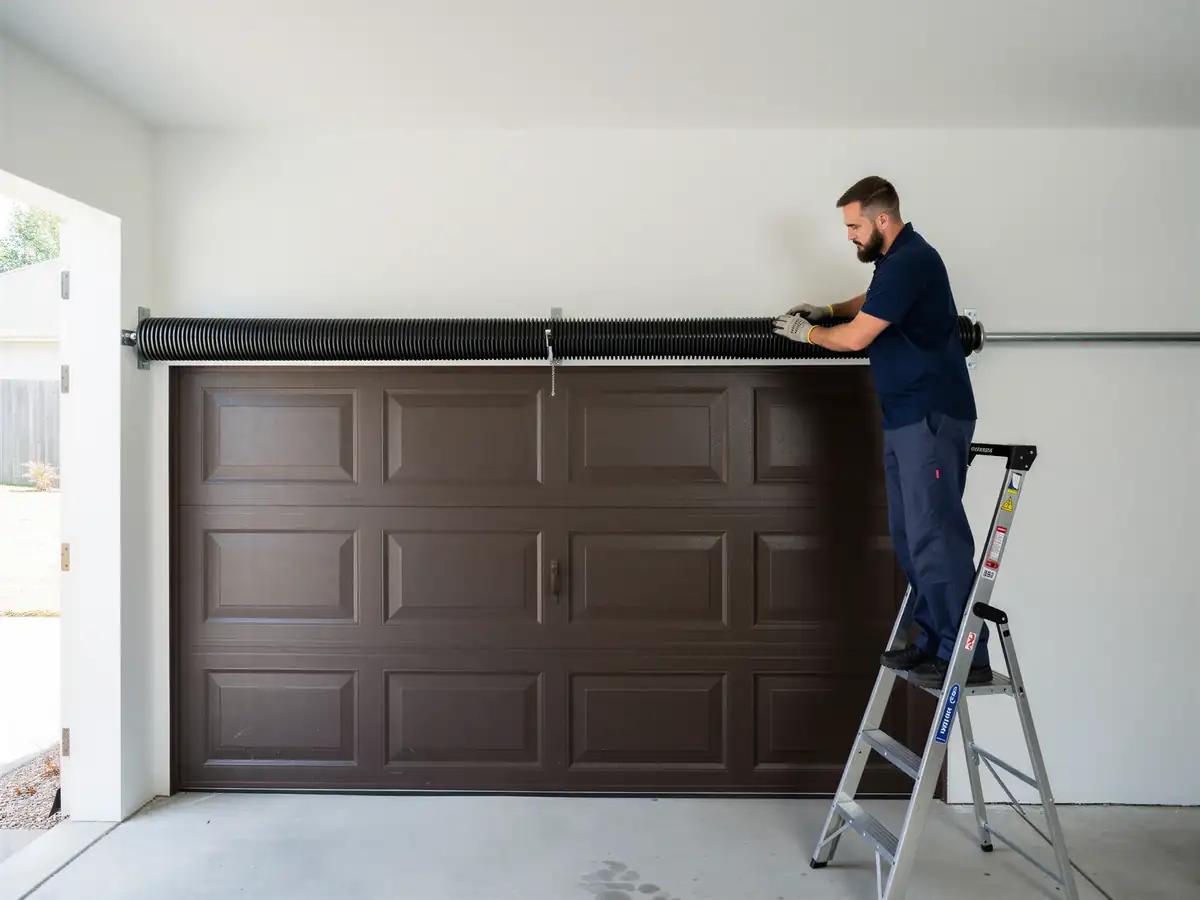
Most houses in Creswell went up around 1997, well after the older end of the area's 1950-1997 housing range. That matters for spring work because a house from that era almost always has a wider garage opening built for two cars, a heavier insulated steel door, and a torsion spring sized to lift more weight than the single-car doors common on older stock elsewhere in the area. When one of those springs breaks or starts to wind down unevenly, the door doesn't just get hard to lift - it can drop fast, because there's more door and more steel coming down with less holding it. We see this most on doors that are original to the house: the spring has been cycling for two and a half decades and finally gives out, usually a winter morning when the cold has made the metal less forgiving. The failure point is almost always a torsion spring snapping clean, or one of a matched pair losing tension while the other still holds, which racks the door sideways in the track. On a wider two-car door, a racked panel binds against the track rail hard enough to bend it, which turns a spring call into a track call too.
Why It Happens Here
Creswell sits in the same cold-moderate climate band as the rest of the area, which means freeze-thaw swings through the winter months. Steel contracts in the cold, and a torsion spring that's already near the end of its wind cycles is more likely to let go on a cold morning than a mild one. Combine that with the heavier, wider doors common to this town's 1997-era housing stock, and you get springs doing more work per cycle than the lighter doors built a decade or two earlier elsewhere in the service area. Household income here runs higher than the wider area average of $74,006, and we mention that only because it tends to mean owners replace a worn spring before it fails rather than running it to the breaking point - we still get plenty of emergency calls, but fewer of them are doors that have been struggling for months.
The DIY Question
A torsion spring is under enough stored tension to break a bone or worse if you unwind it without the right bars and a plan, and that doesn't change because the door is newer or the house is nicer. What does change with a 1997-era double door is the weight - these springs hold back more than the single-car springs on older houses, so the margin for error if something slips is smaller, not bigger. If you're comfortable replacing rollers or tightening hardware you can see, that's fine. Winding or unwinding the spring itself is not a place to improvise, and we'd rather you call us before you've already pulled the old spring off the shaft than after.