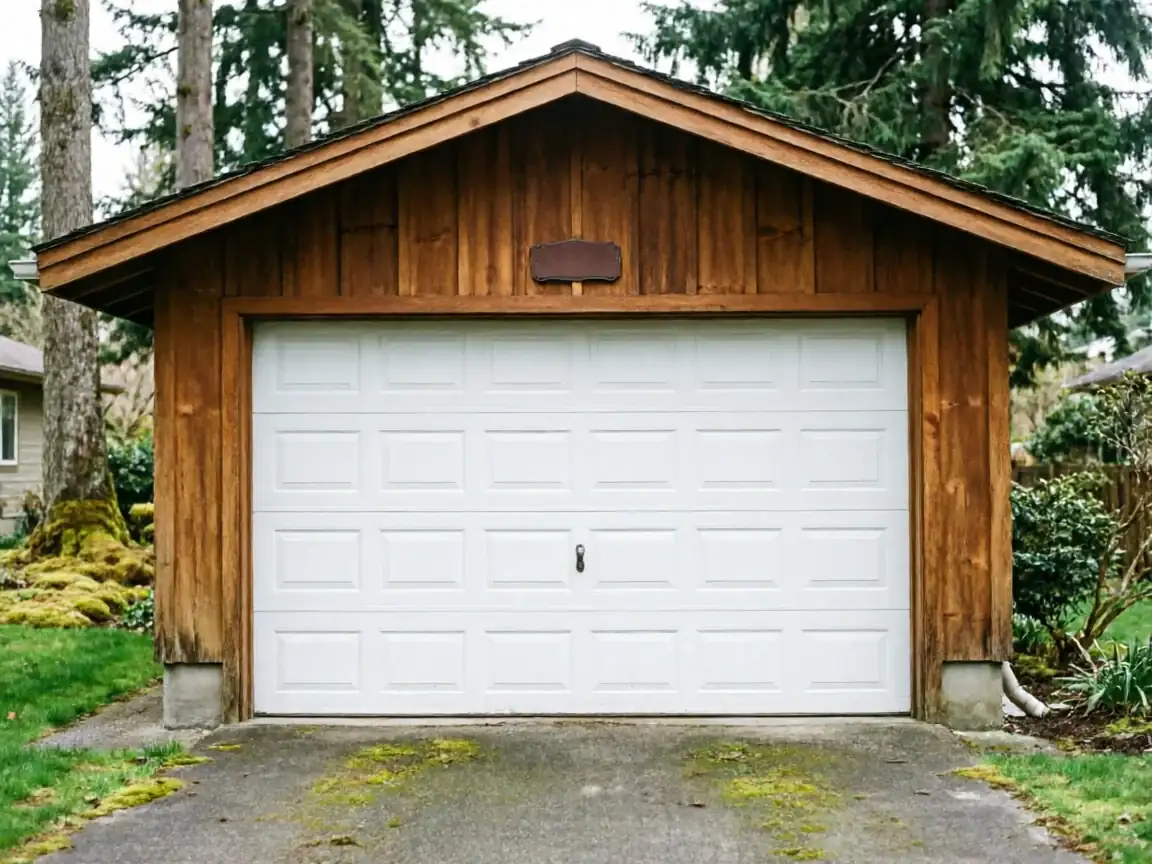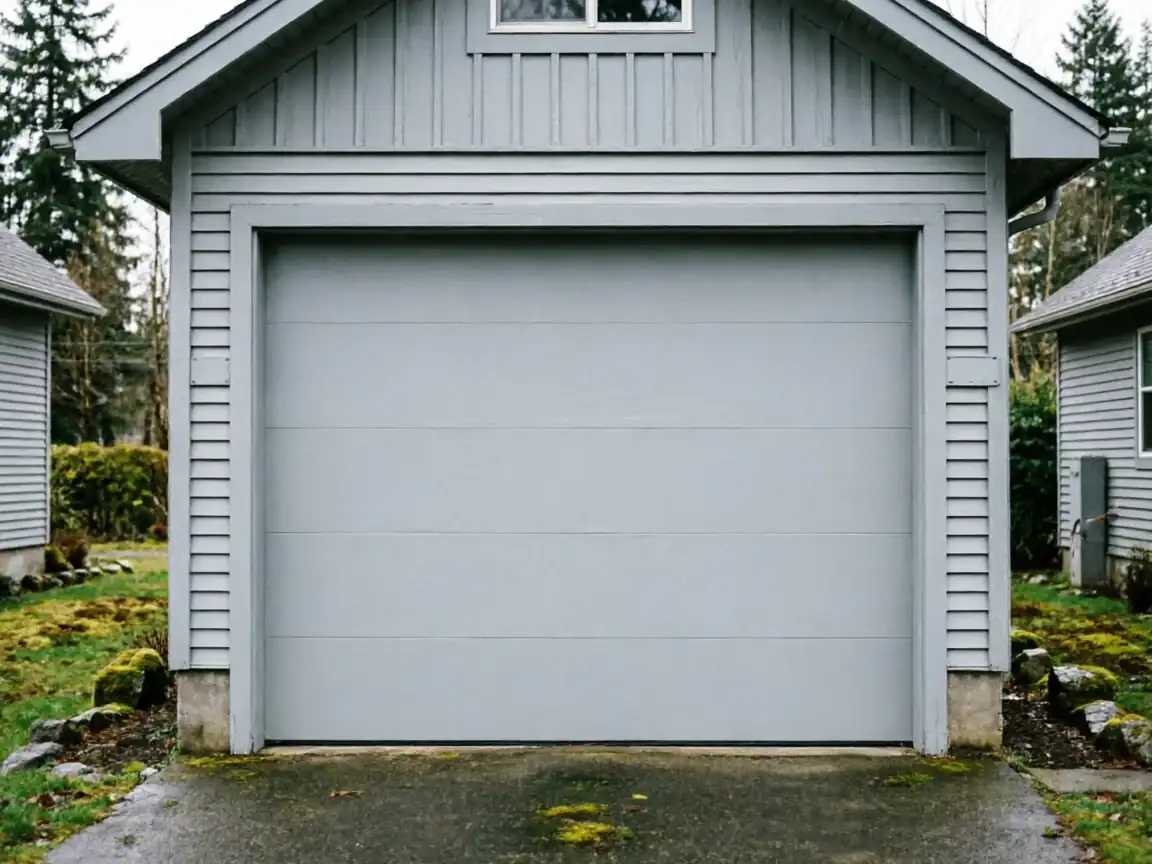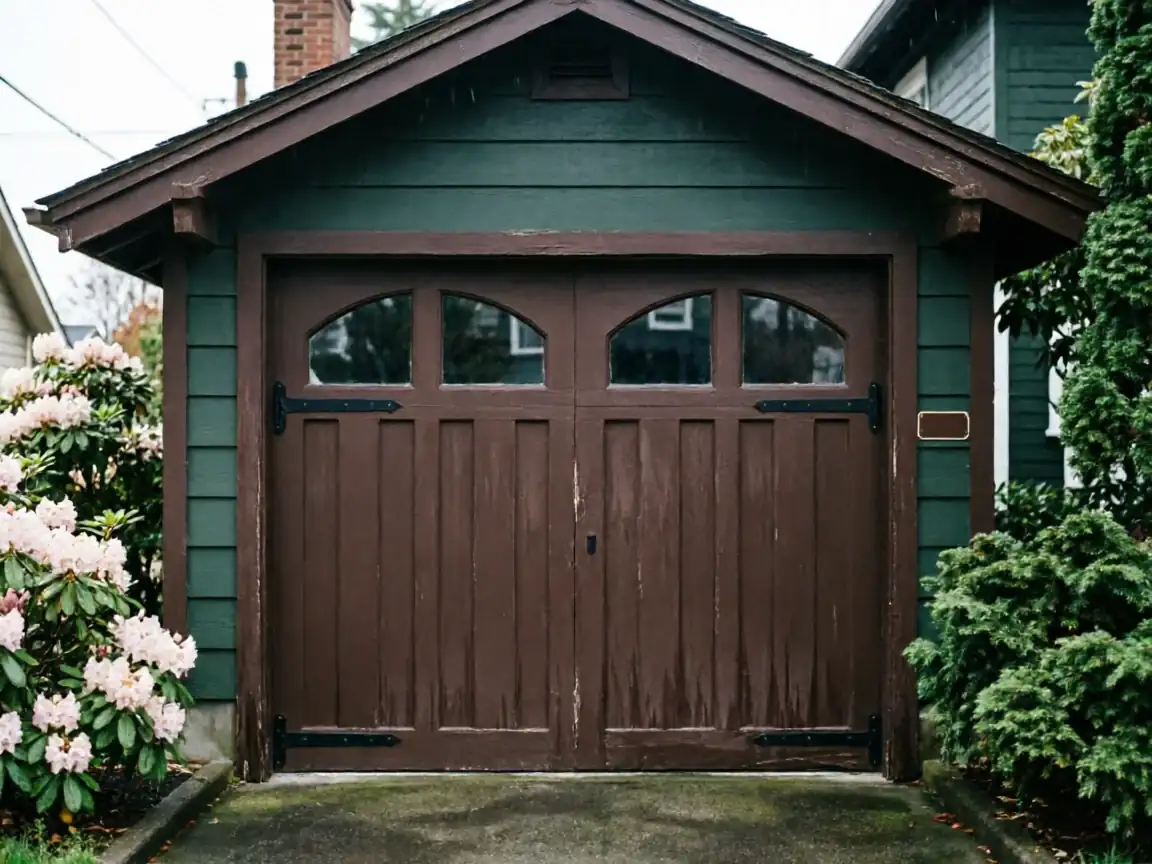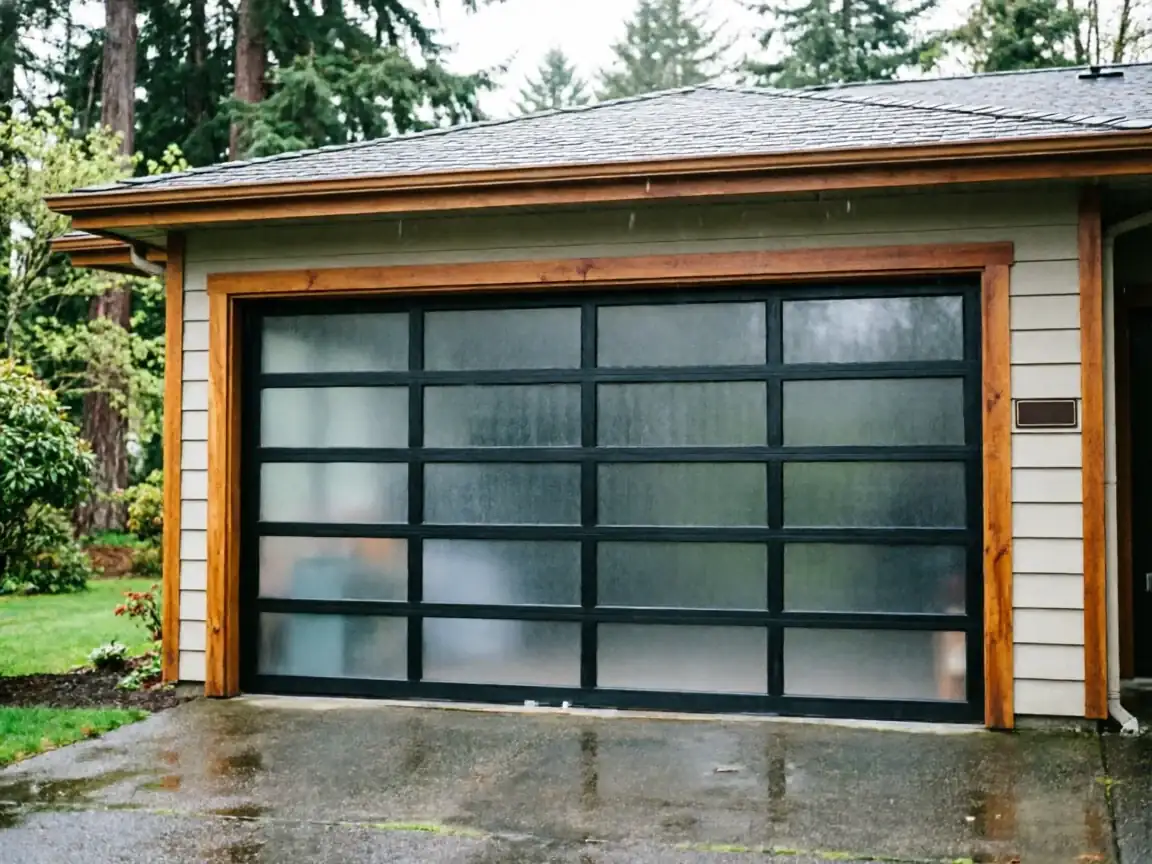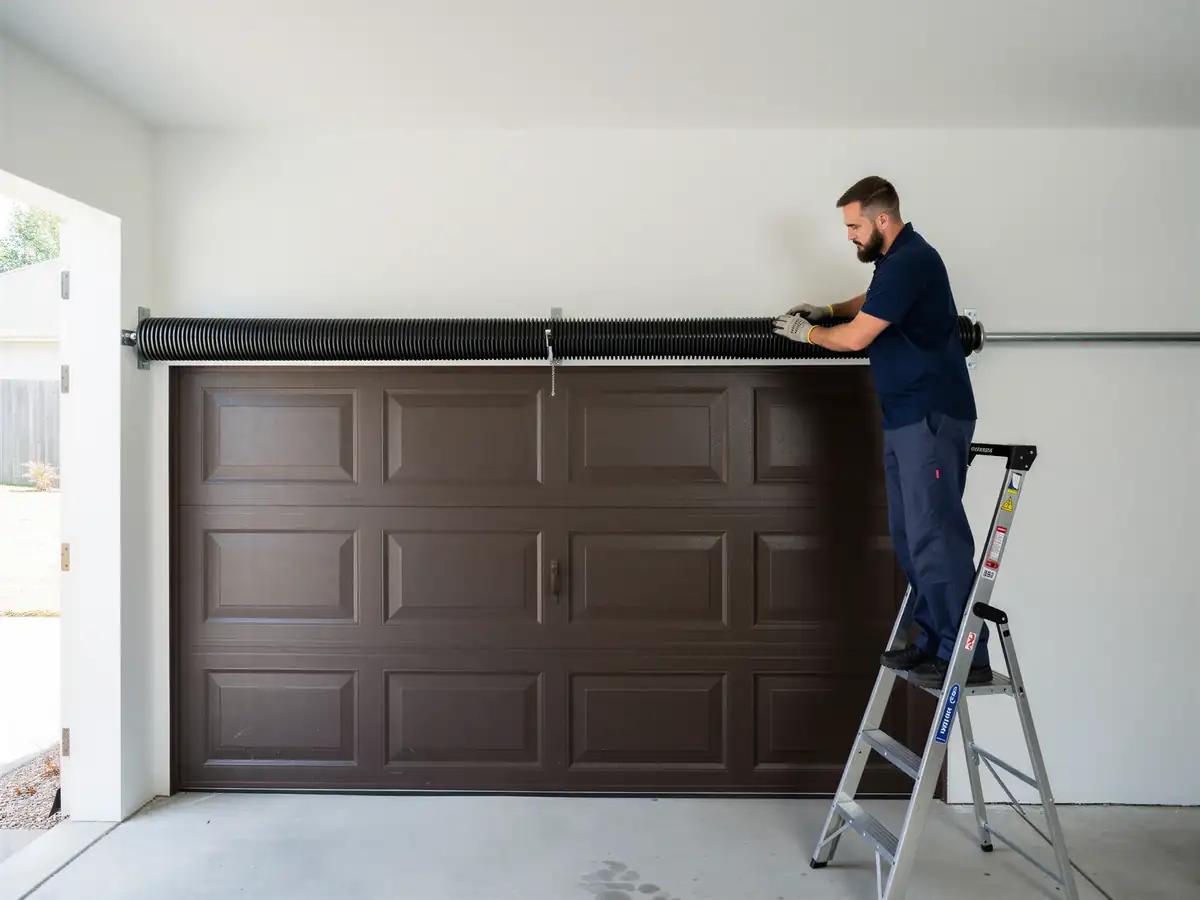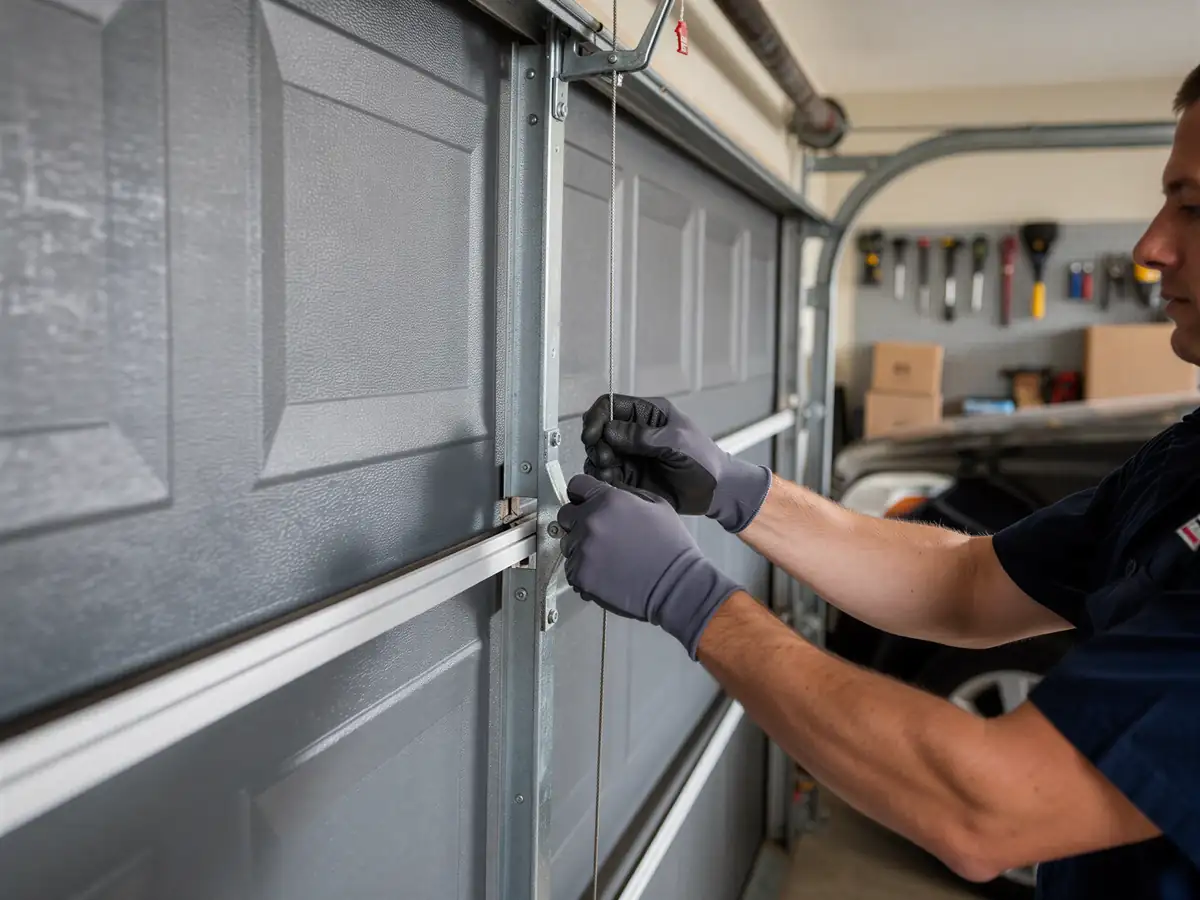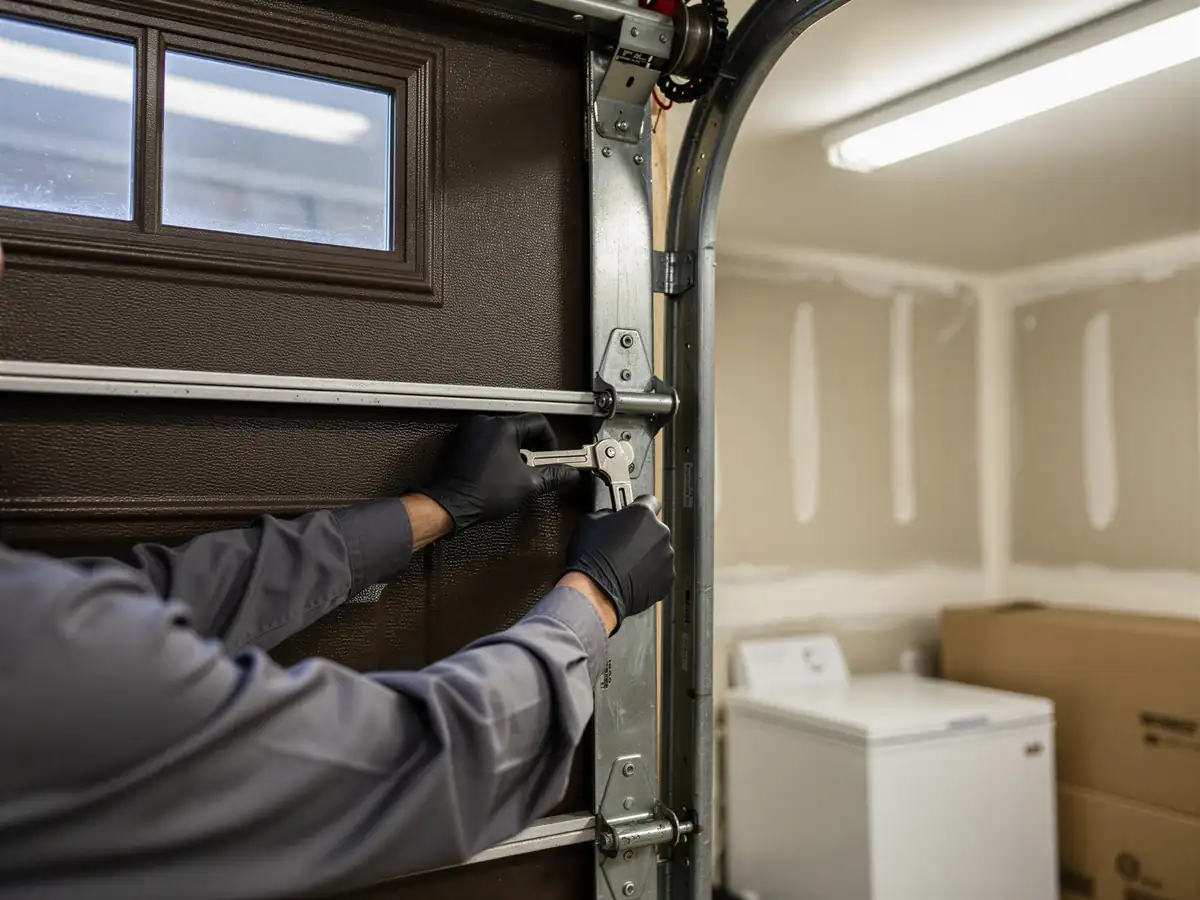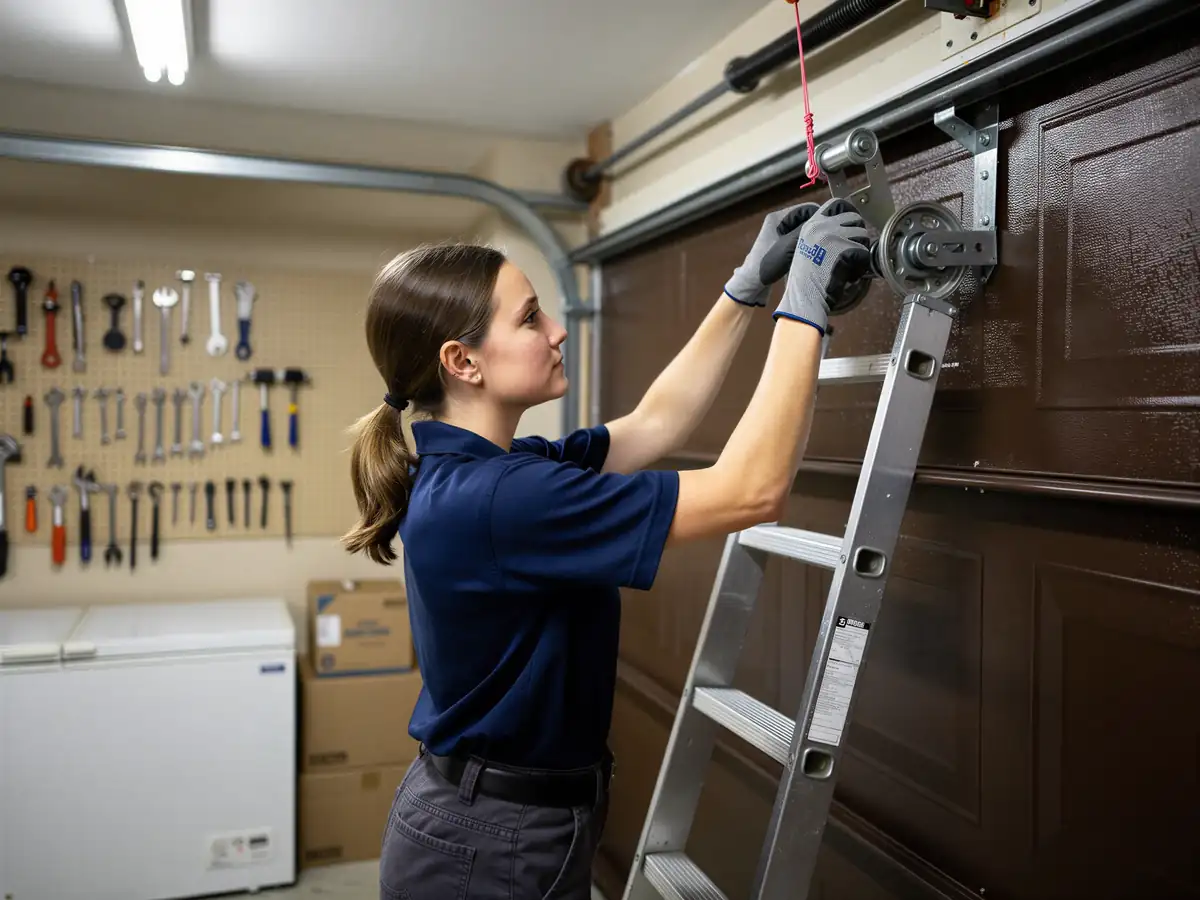
What You Are Seeing
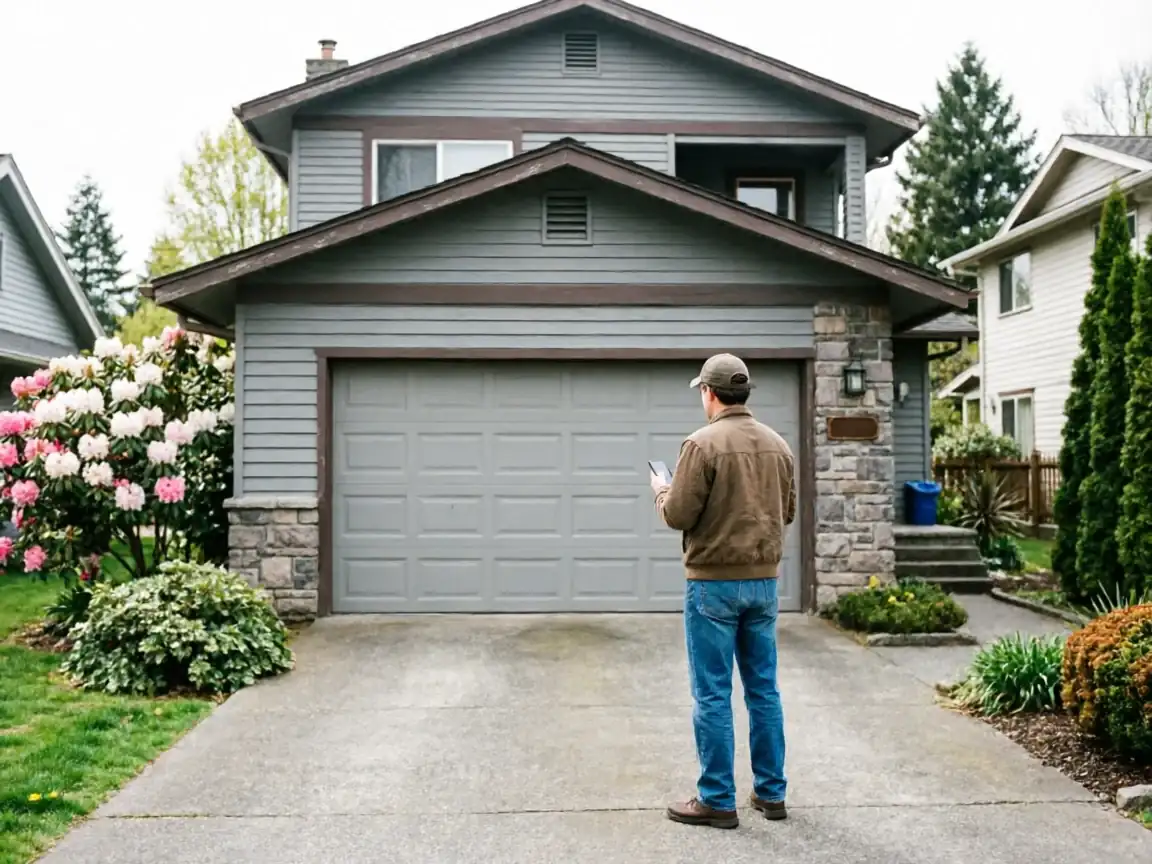
Harrisburg sits 15 miles out from our shop in Eugene, which matters more than it sounds like it should. It's a trip, not a quick hop across town, so when you call us, we're planning the drive into the job before we ever touch your door. That changes how we triage - we want to know what's broken and what tools we'll need before we load the truck, because driving back for a part we forgot costs you real time.
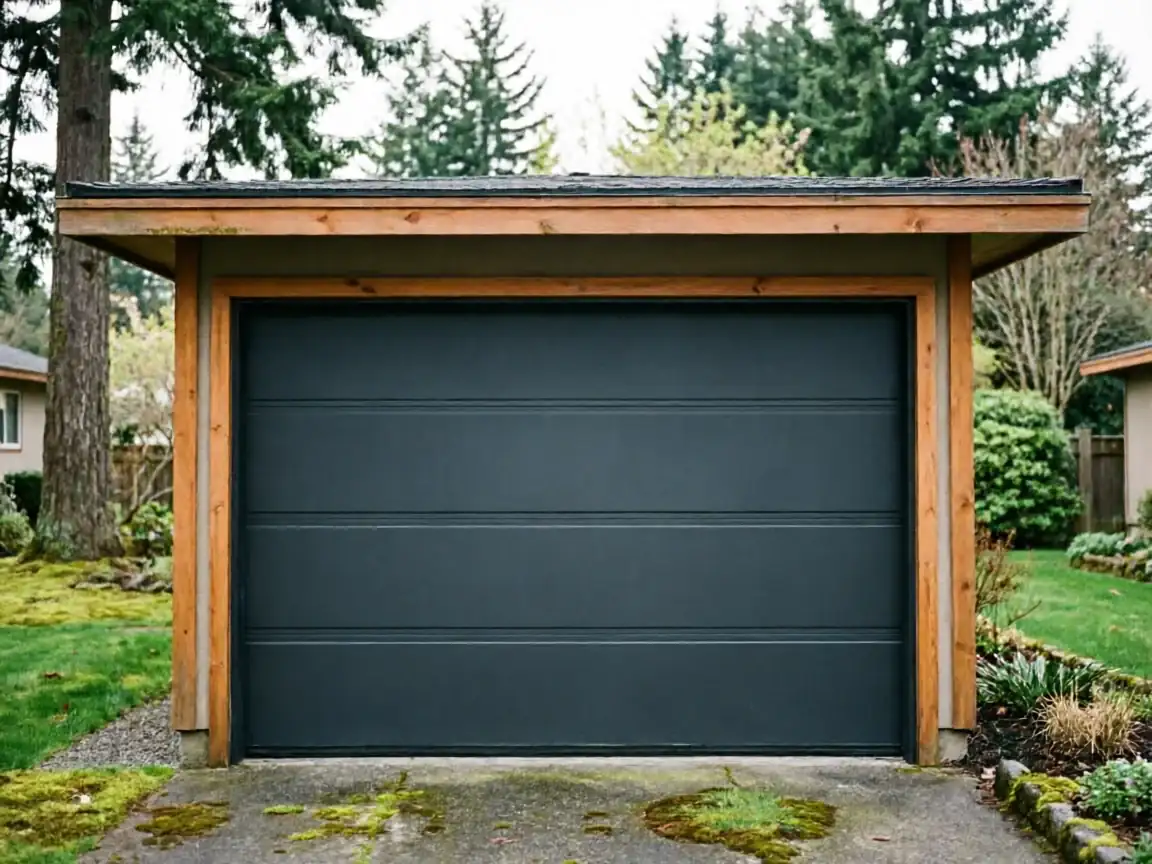
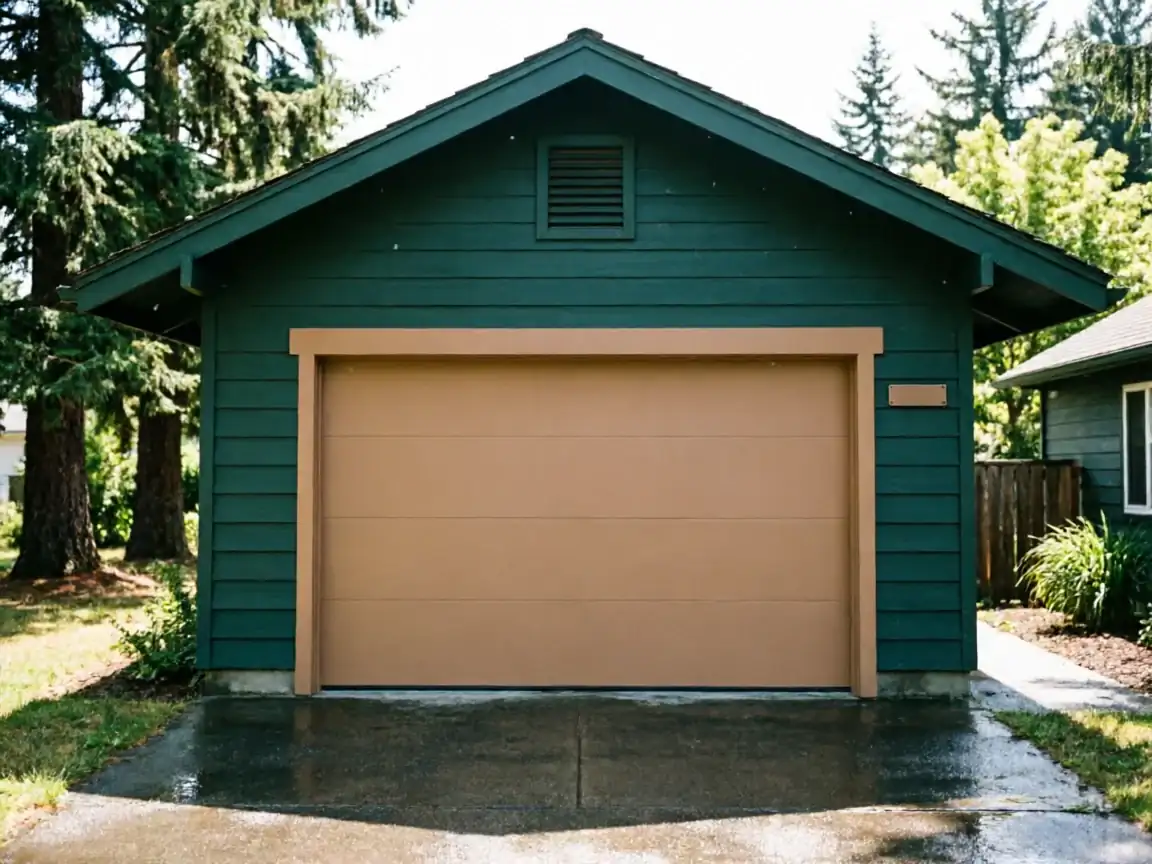
Most homes in this part of the service area were built around 1984, give or take a decade either side. That puts a lot of Harrisburg garages in the same bracket: steel sectional doors from the late 70s through the 90s, extension or early torsion spring setups, openers that have usually been swapped out once already by the time we see them. With about 1,277 households out this way, the housing stock runs narrower in age than you'd find in parts of Eugene proper, which actually makes diagnosis a little more predictable once we're on site.
How Long It Takes
We don't keep a crew stationed in Harrisburg
So every call here starts with that 15-mile drive from Eugene. We're not going to promise a window we can't back up with a local branch - we travel out, we don't already have someone around the corner. What we can tell you is that once we're there, a standard spring replacement or opener swap on an 80s or 90s-era door is a known job, not a mystery. The time sink is almost never the repair itself; it's making sure we bring the right spring size and the right opener logic board on the first trip so there isn't a second one.
If your door needs a part we don't carry on the truck
Certain discontinued opener boards, for instance - that can mean a short wait on the part itself. We'd rather tell you that up front than have you stand in a cold garage wondering where we are.
Getting It Booked In
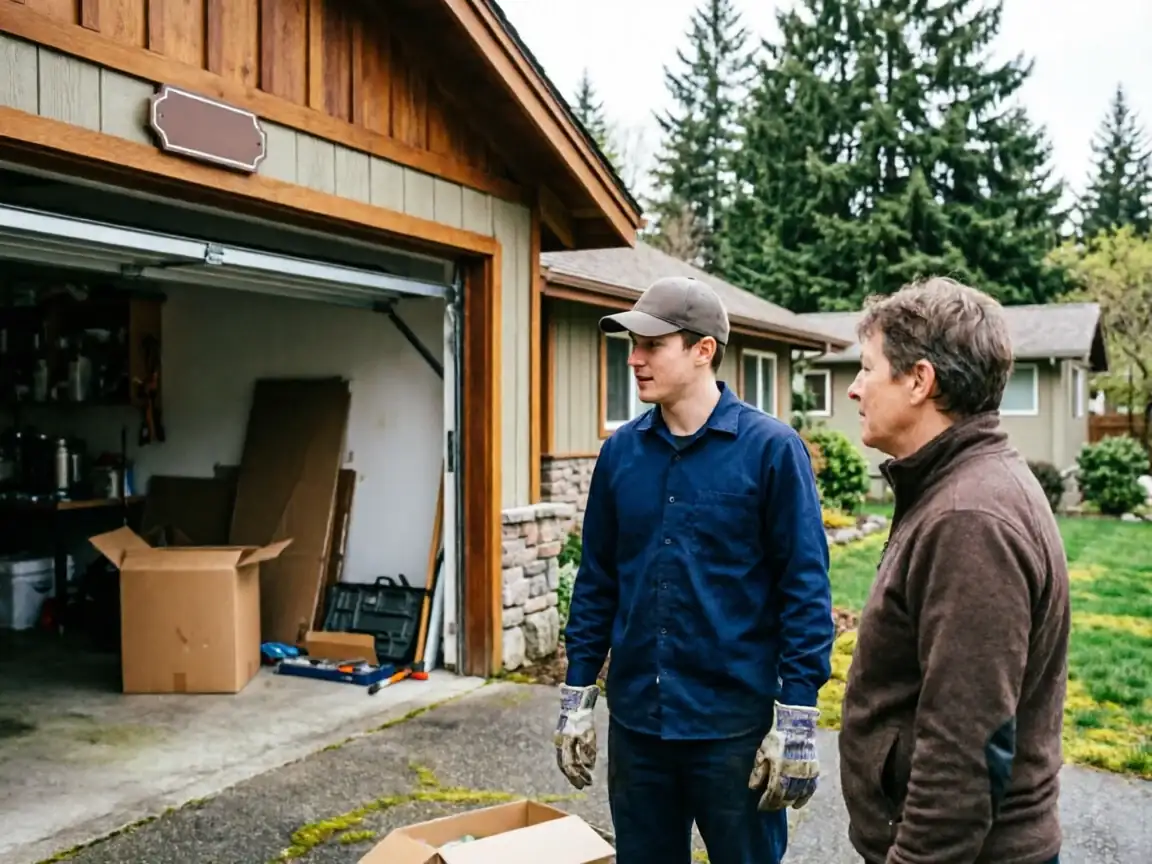
When you call for a Harrisburg address, say so right away - it helps us plan the route and bundle the trip sensibly if there's another call nearby that day. Tell us the age of the house if you know it, roughly; a door on a home built near 1984 points us toward specific spring and track hardware before we even open the garage. That one detail saves time on-site.
We'll also ask what the door is doing - won't open, opens then reverses, a spring that's visibly snapped - because that tells us what to load before the 15-mile drive. A half-answered call means we show up without the right spring and have to come back.
Where This Job Goes Sideways
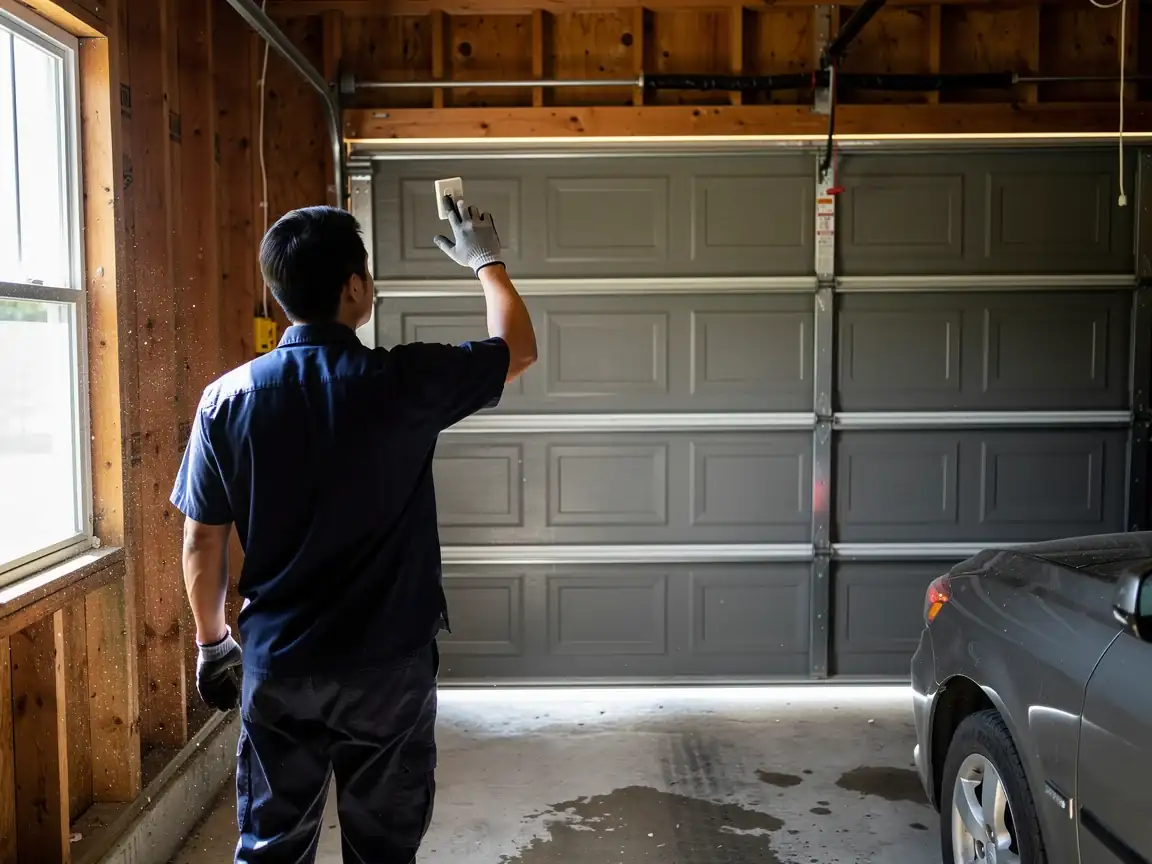
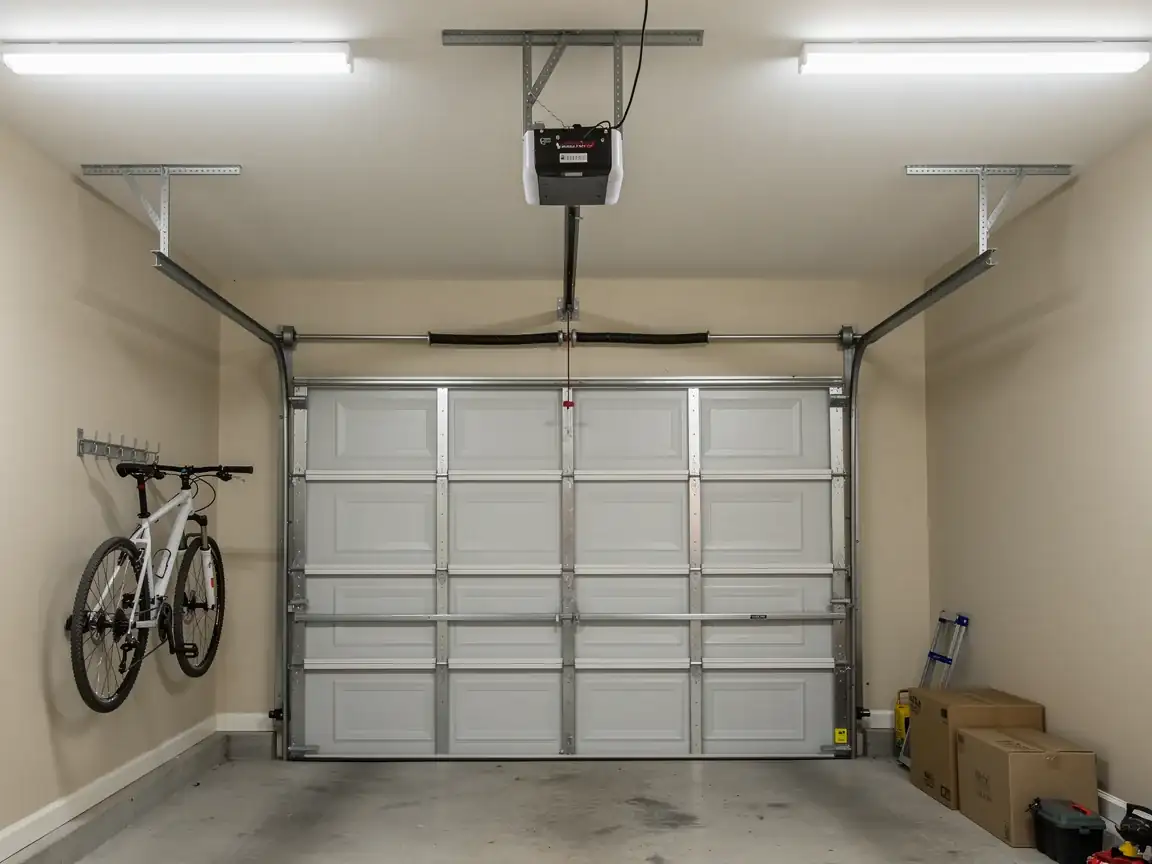
The thing that trips people up on these older Harrisburg doors is the opener, not the door itself. A door built to 1980s specs often outlived two or three openers, and whoever installed the most recent one didn't always match the travel limits or the force settings to the original hardware. So you get a door that looks fine mechanically but reverses halfway up, or an opener that strains against a spring that's slightly undersized for the panel weight.
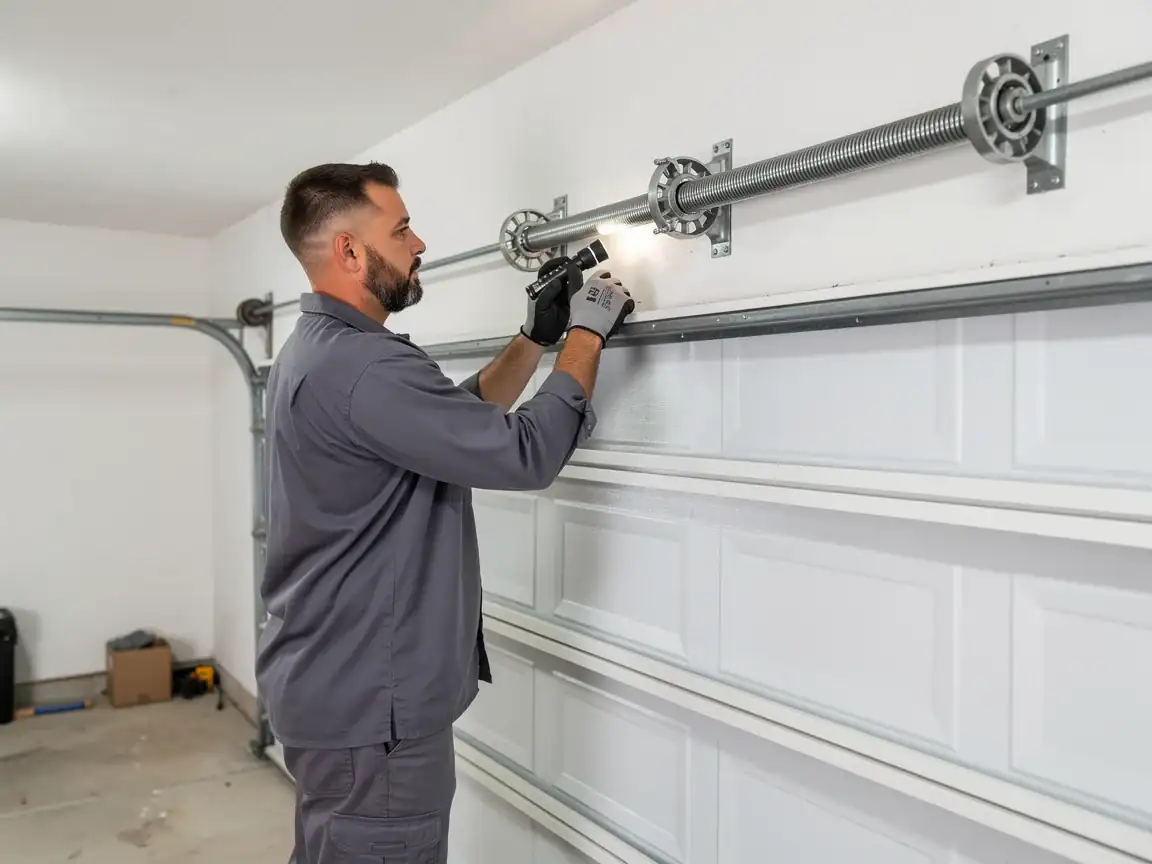
Cold, damp winters in this climate band also stiffen old grease on tracks and rollers that haven't been serviced in years, which can look like a spring problem when it's really just friction. We check both before we replace anything - no point selling a spring job when the fix is a clean and lube.
How We Fix It
For a cracked or snapped spring on one of these 1980s-and-around doors
We replace it with hardware sized to the actual door weight, not just whatever was on there before - because the original spring job wasn't always right to begin with. If the opener and door are mismatched, we reset the force and limit settings before we touch anything else; sometimes that alone solves what looked like a bigger problem.
We'll be straight with you
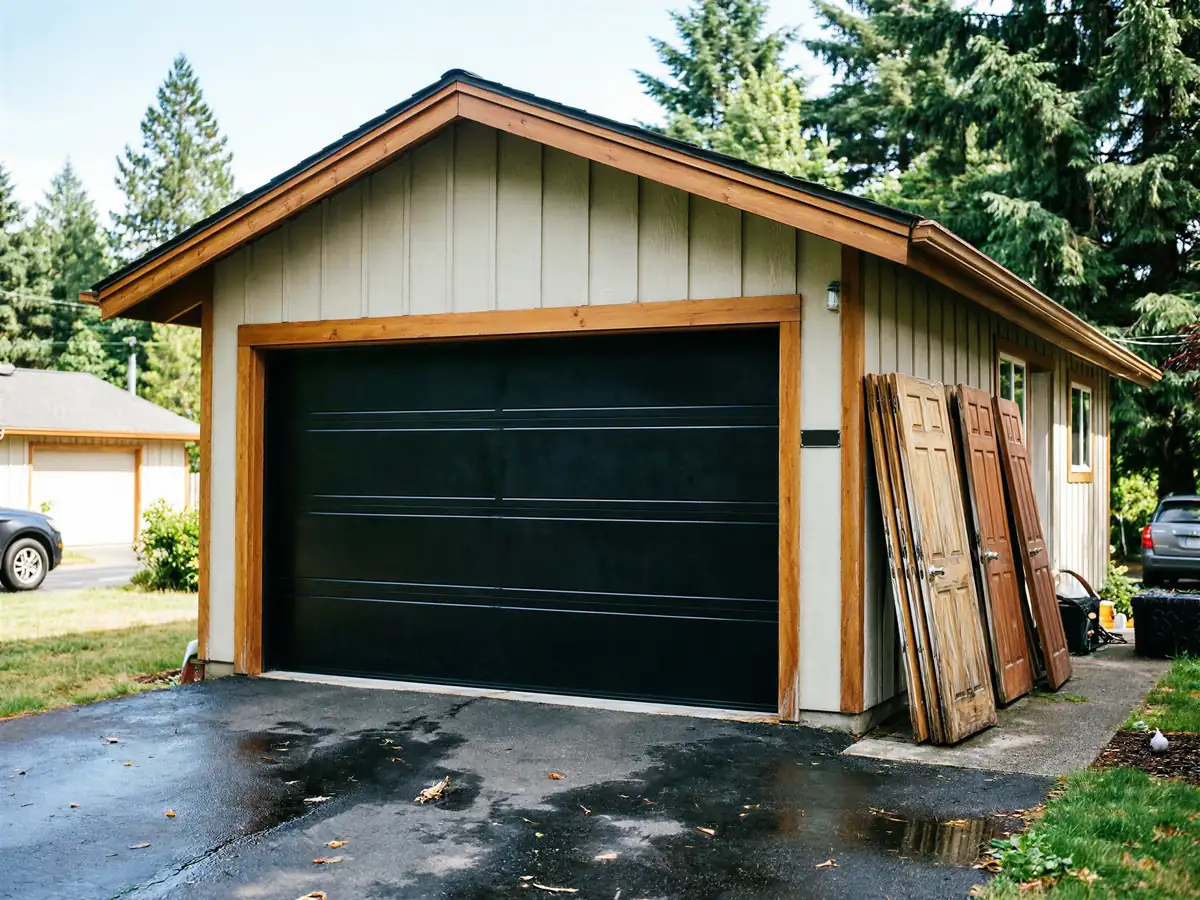
If the door itself is rusted through at the bottom panel or the track is bent beyond a clean adjustment, replacement is usually the better call than patching an old door for a third time. We'll say so rather than bill you for repairs that won't hold.