What You Are Seeing
Harrisburg is a small place - about 1,277 households, not a few thousand - and that changes what kind of job shows up here compared to a denser part of the service area. There isn't a steady daily rotation of calls, which means when something does go wrong, it's often been going wrong quietly for a while before anyone notices.
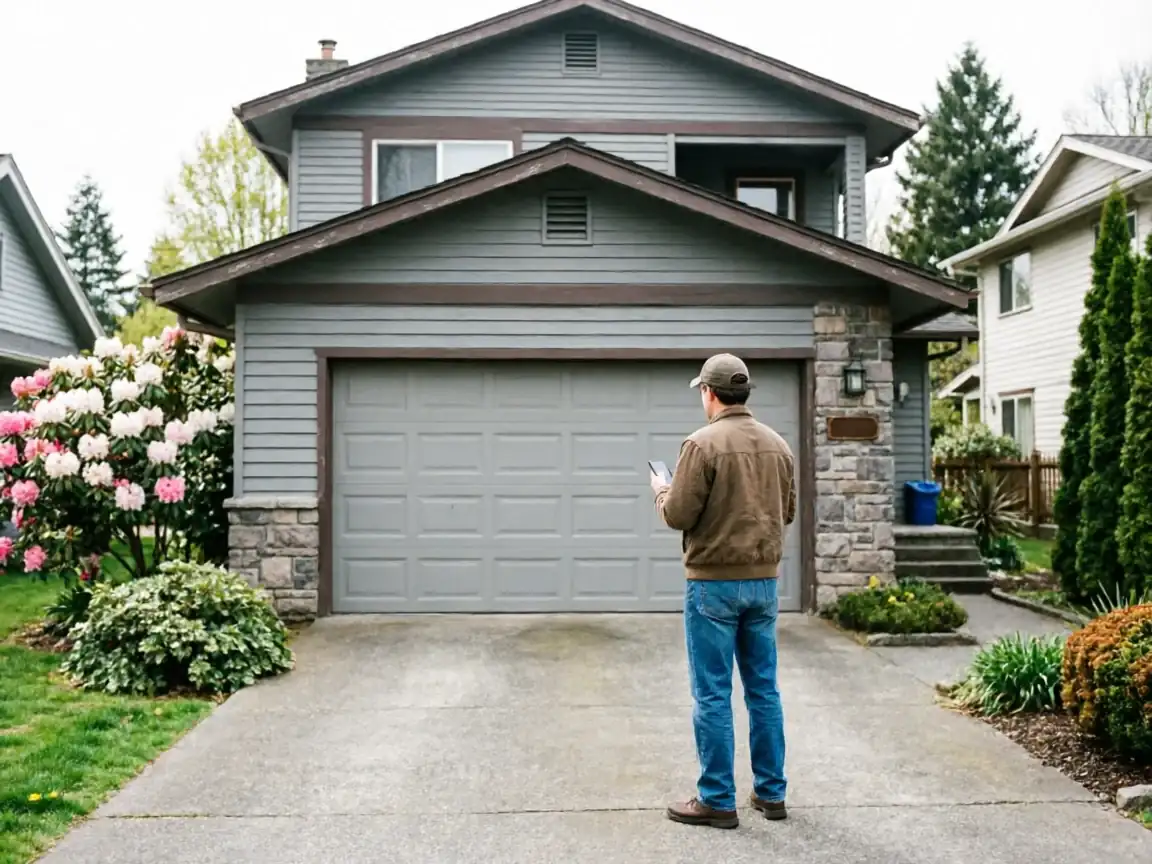
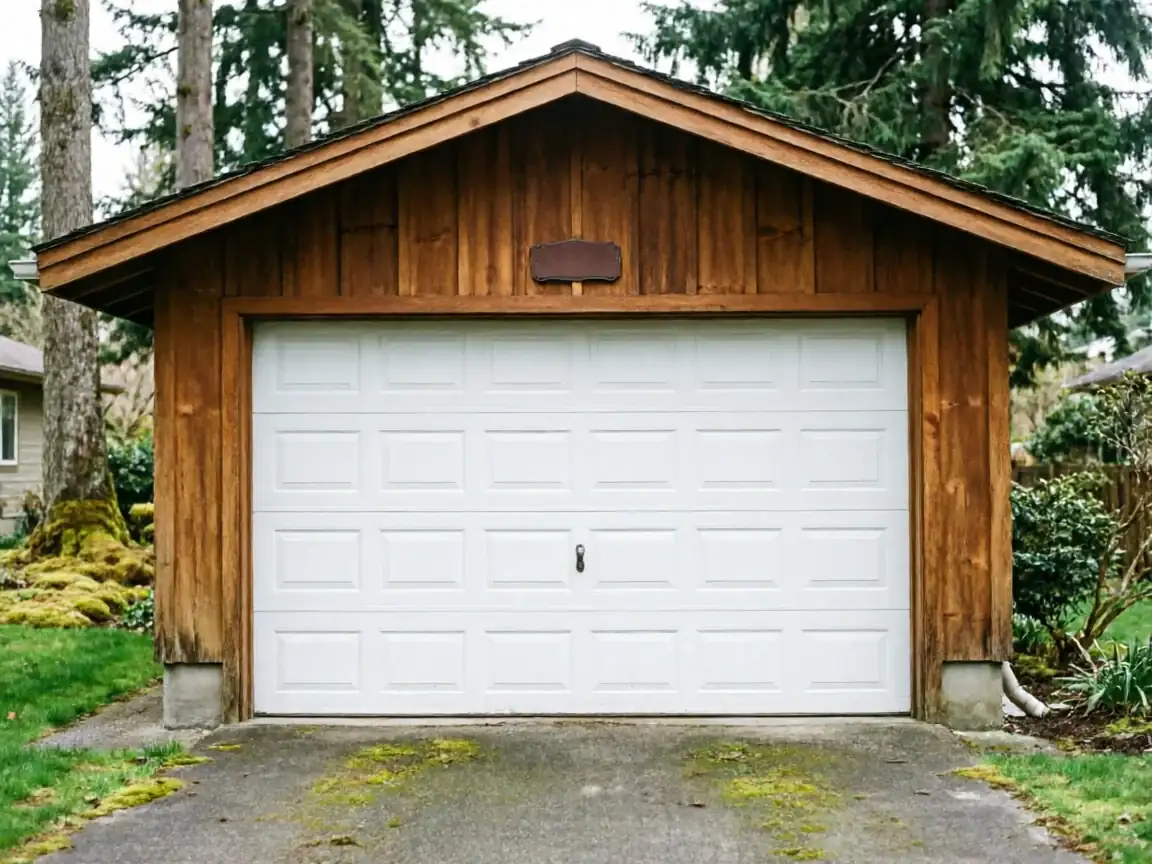
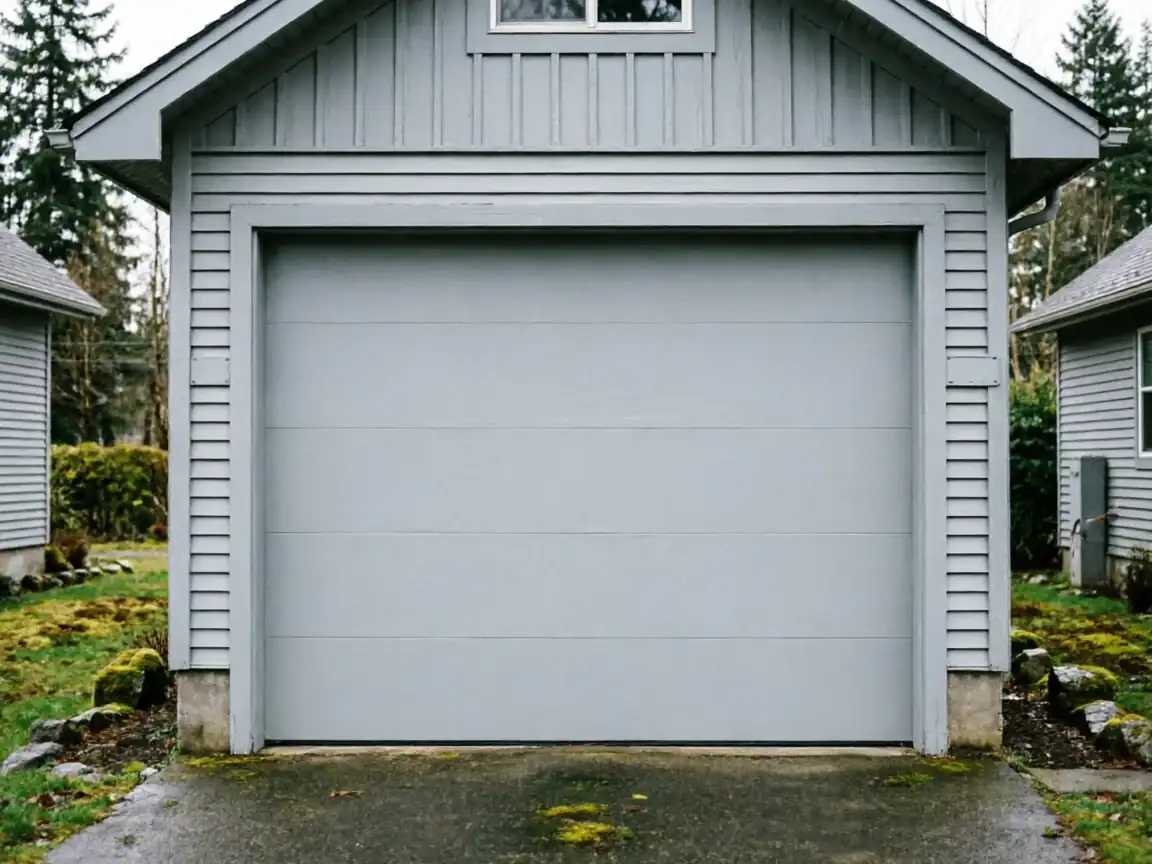
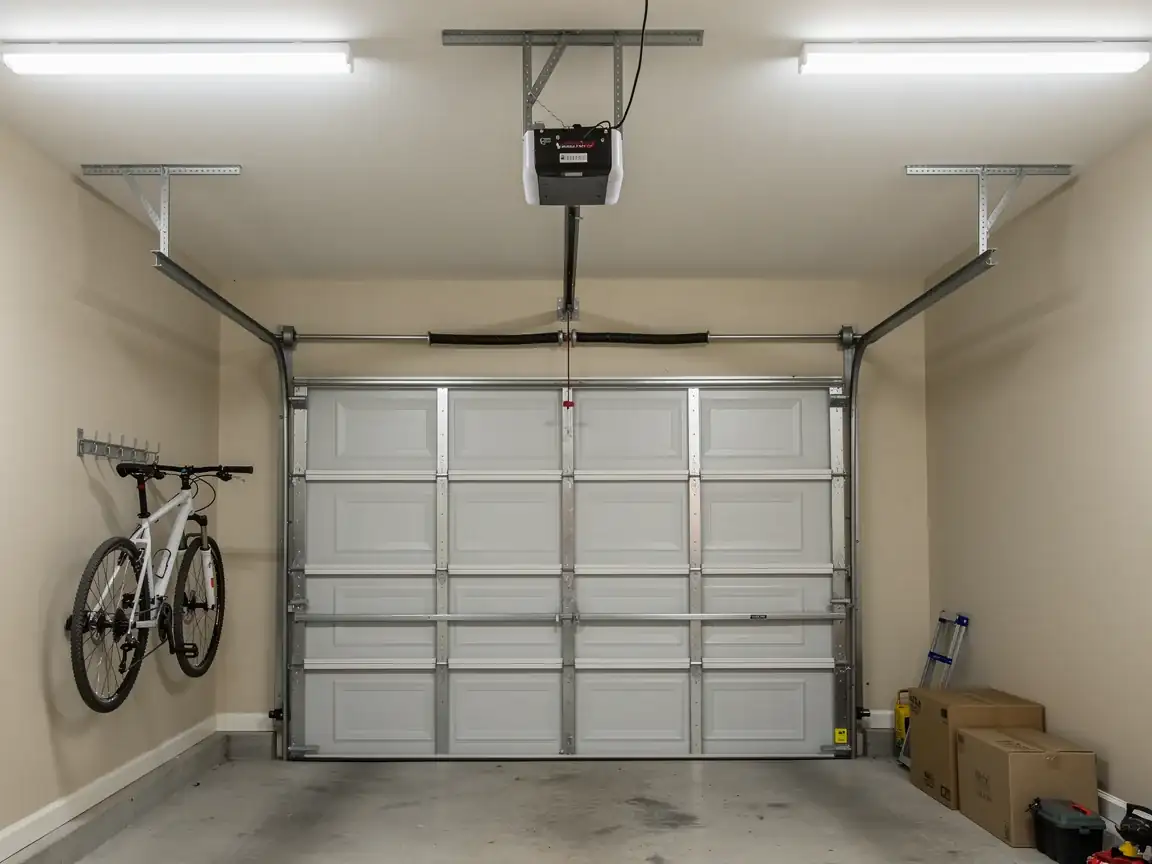
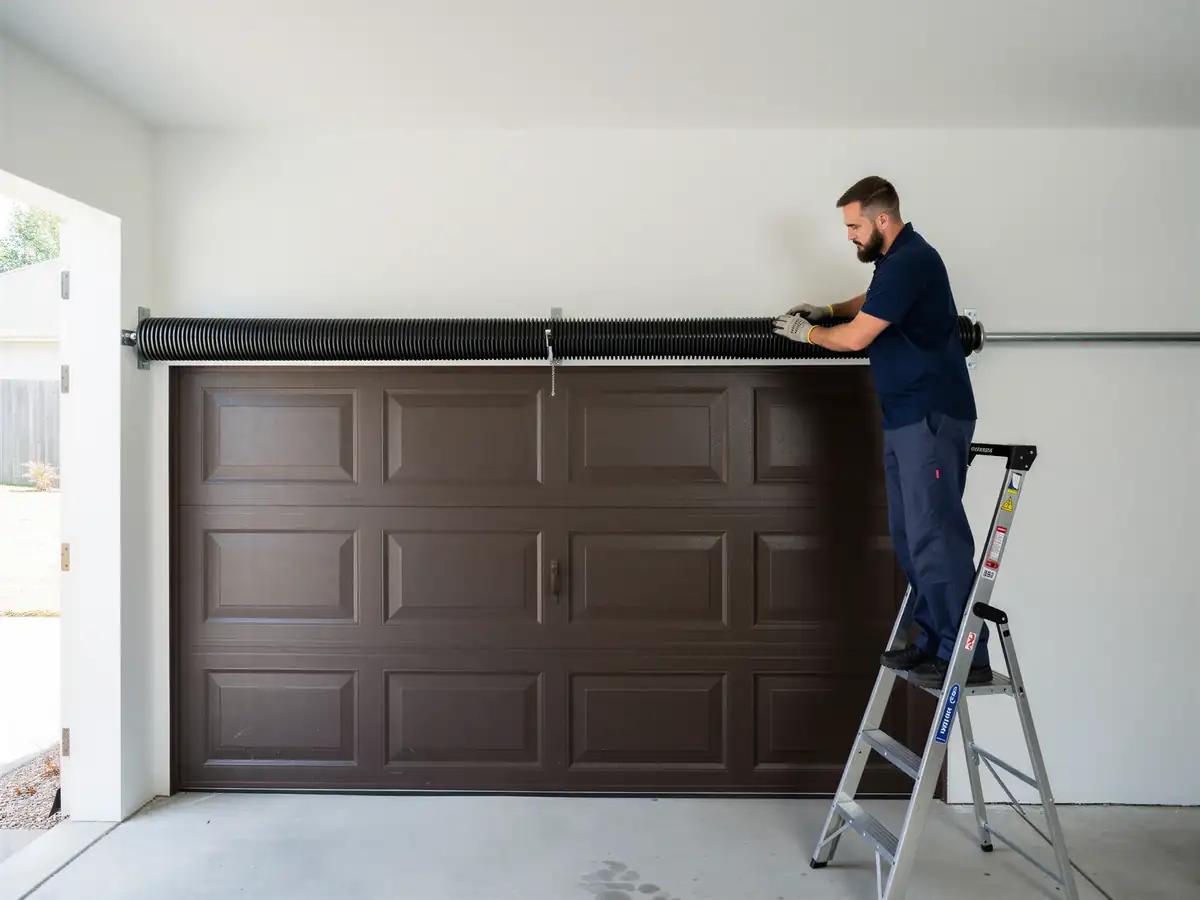
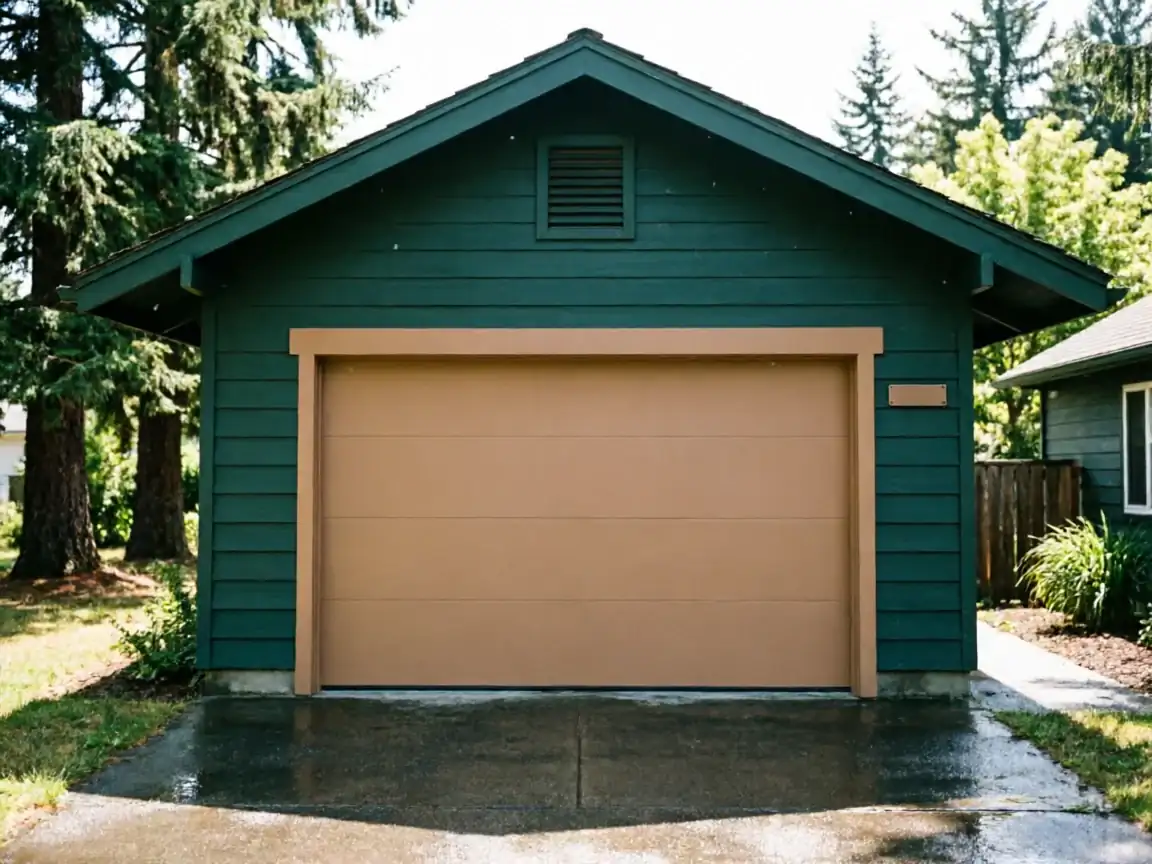
Most of the housing on this side of things dates to around 1984, which puts it in the same window as the broader stretch of homes built between 1950 and 1997 across the area, median right around 1980. That era means steel sectional doors, extension or torsion springs depending on who installed it and when, and openers that are either original chain-drive units pushing forty years or a replacement from somewhere in the 2000s. You don't see the one-piece wood doors from the older in-town stock, and you don't see the newer insulated composite doors going up in fresher subdivisions either. It's a fairly narrow band of hardware, which actually makes diagnosis faster once we're on site - fewer variables to rule out.
How Long It Takes
We're honest about this
Harrisburg is roughly 15 miles out from Eugene, and we don't keep a truck or a crew stationed out there. Every job here gets built into a route, usually grouped with other calls heading the same direction, rather than dispatched the moment the phone rings. That's not a response-time promise - we don't have one to give you for this area - it's just how the geography works.
- 15 miles
Once we're on site, the actual repair time is normal for the type of work
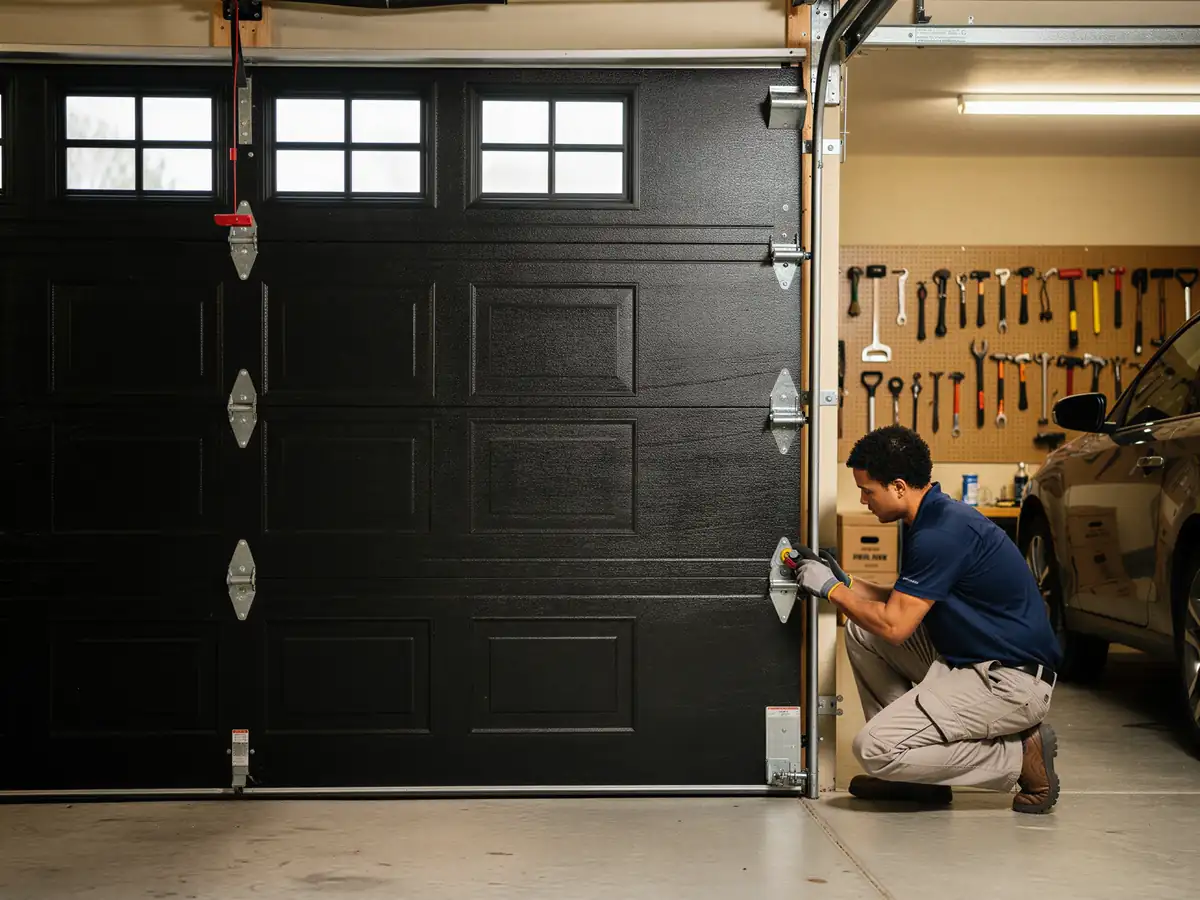
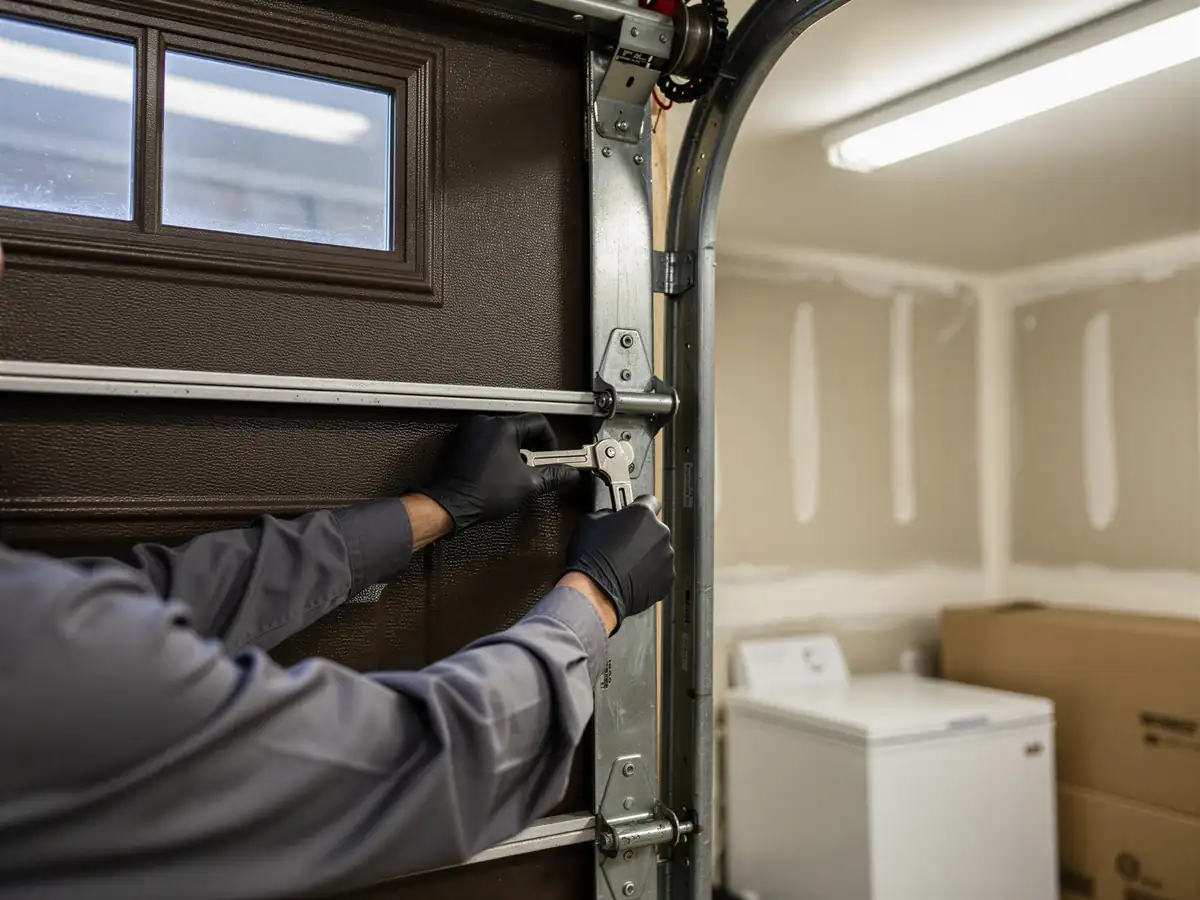
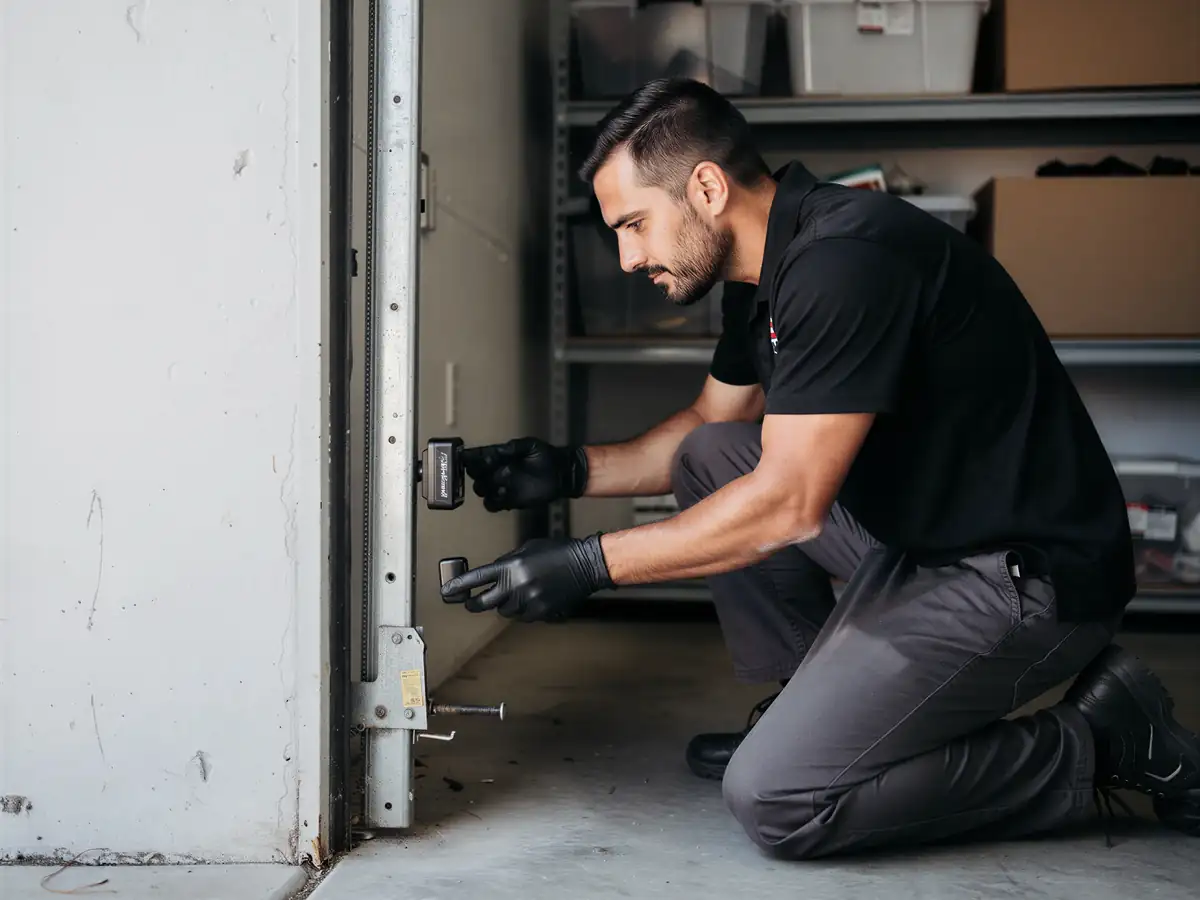
A spring swap is usually under an hour, a full opener replacement longer, a track or panel issue somewhere in between depending on how much has been bent or pulled out of alignment. The travel is the variable, not the labor.
Getting It Booked In
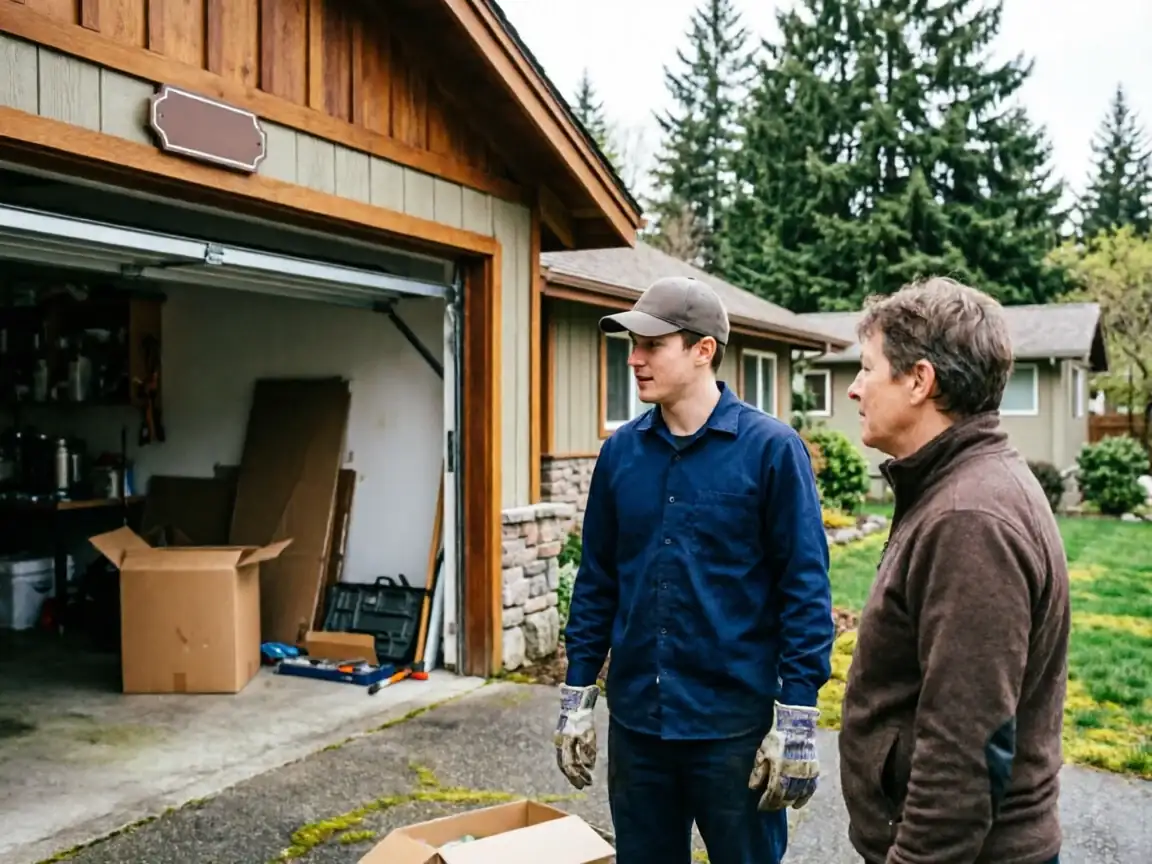
Because we're coming from Eugene, it helps to know roughly what's wrong before we schedule - door won't open, spring snapped, opener grinds but doesn't lift, that kind of detail. That lets us bring the right spring size or opener unit on the first trip instead of diagnosing, leaving, and coming back.
A household income median of $74,006 in this area is worth mentioning only because it tends to put full replacement within reach when a repair isn't worth doing twice - we'll tell you straight when that's the better call rather than patching something that'll fail again in a year.
Where This Job Goes Sideways
The climate here runs cold and moderate rather than extreme, but winter is still when a tired spring gives out. A torsion spring on a door built in the 1980s has likely done its full cycle count already, and cold steel is less forgiving than warm steel - it's the January morning, not the July afternoon, when it finally snaps.
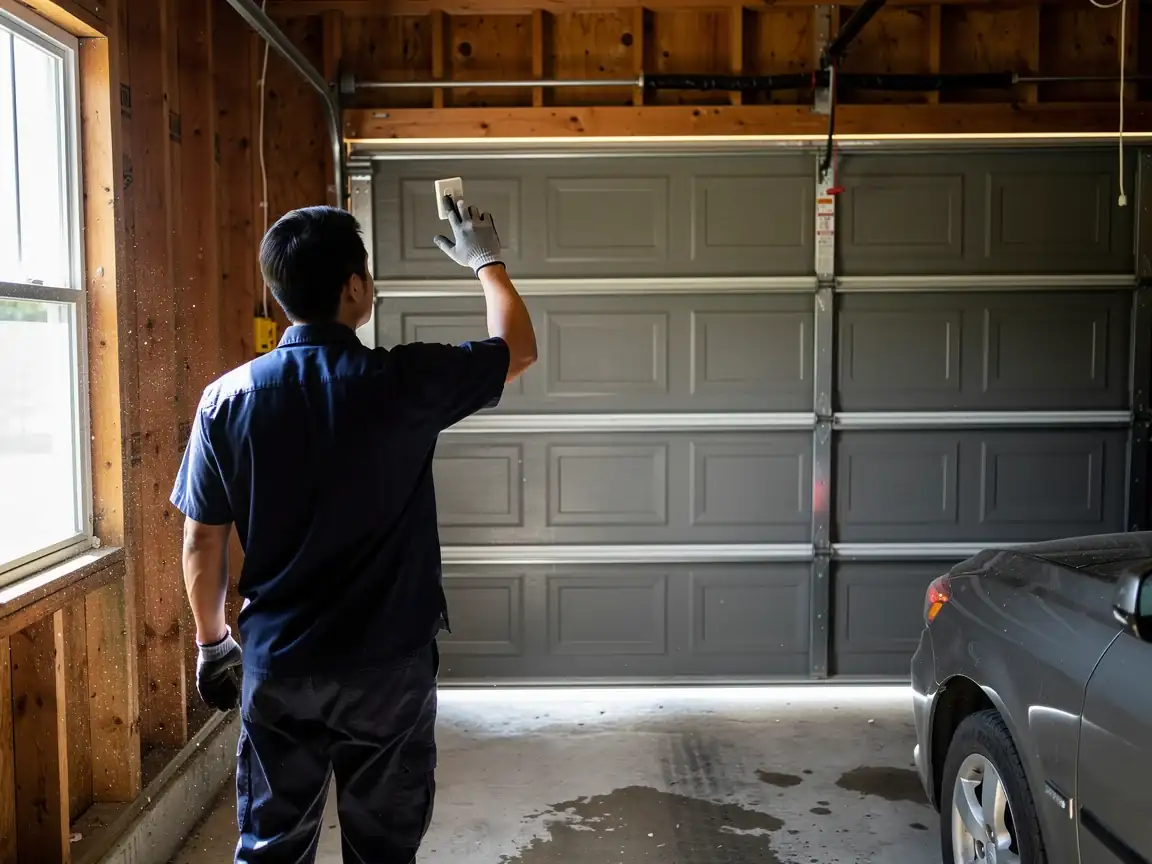
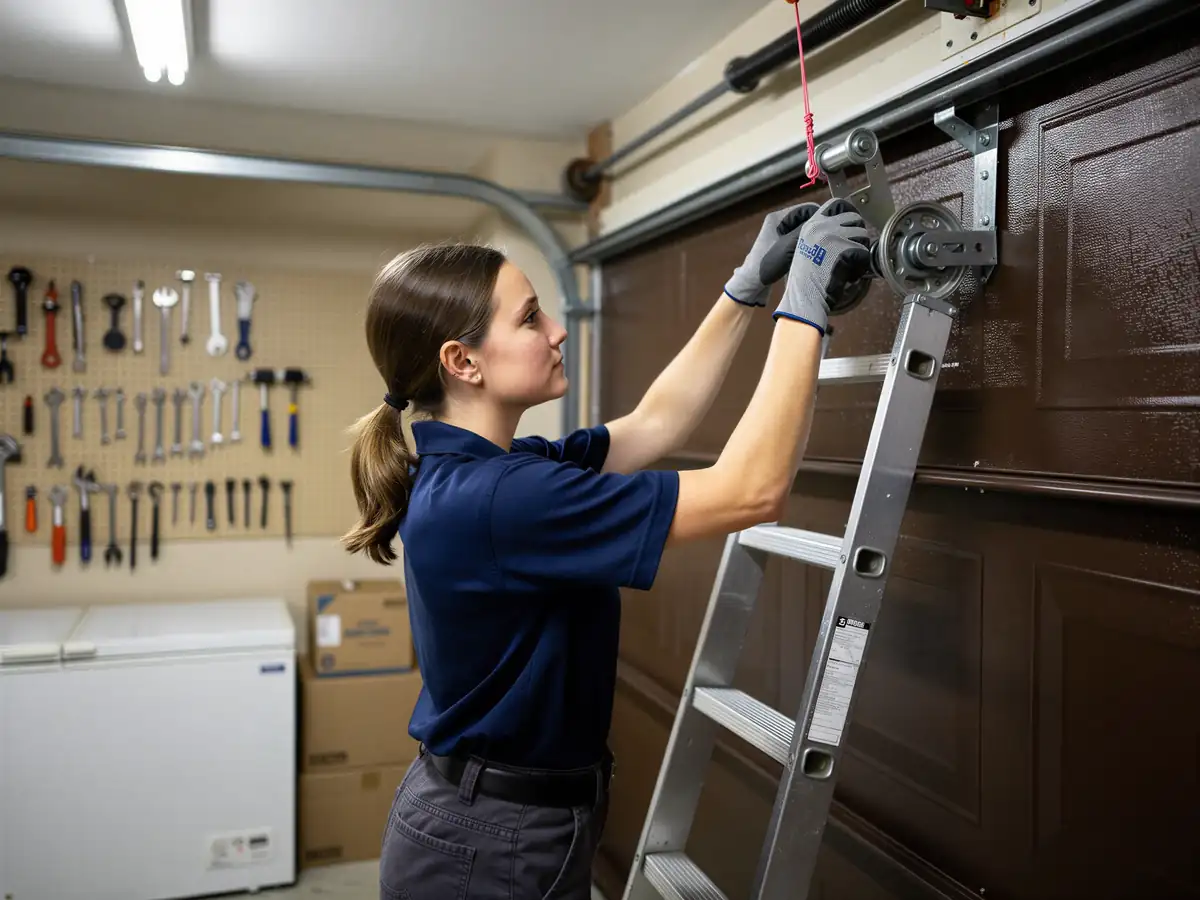
The other common failure on houses this age is the opener itself: original chain-drive units from the '80s often still run, which sounds like a good thing until the gear inside strips and the door stops responding to the remote entirely, with no warning beyond a louder-than-usual motor for a few weeks beforehand.
How We Fix It
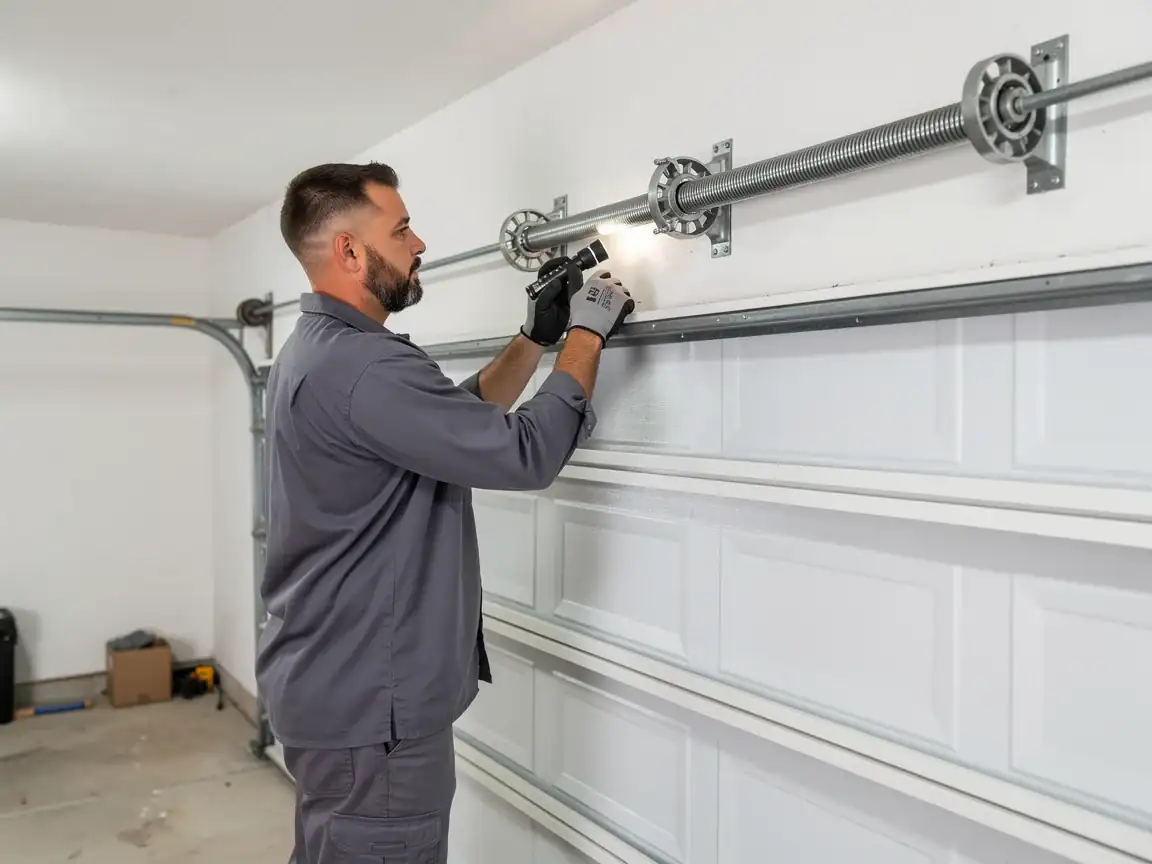
For a snapped torsion spring, we replace it matched to the door's weight and cycle rating rather than grabbing whatever's closest in size
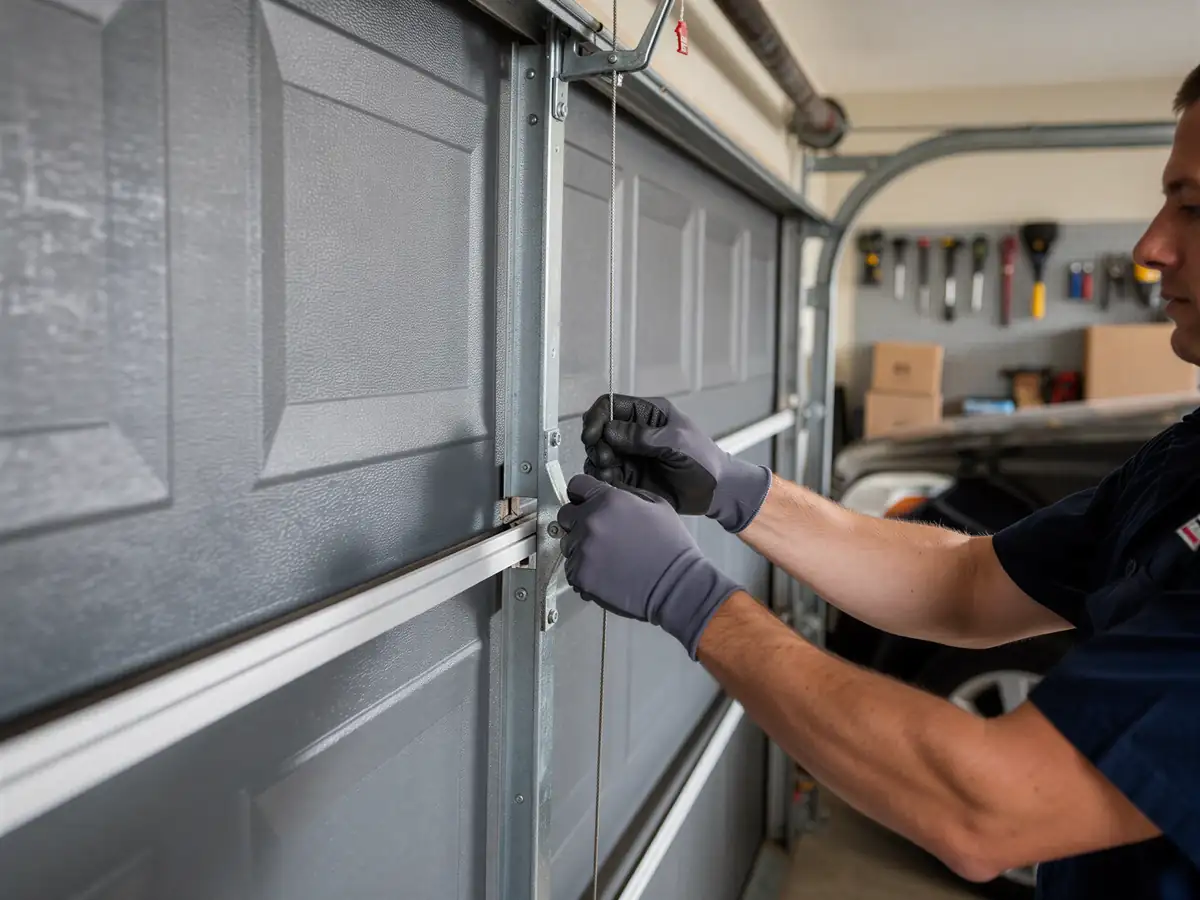
Mismatched springs are the single most common cause of a repeat call on older doors like these. For an opener that's finally quit, we'll tell you honestly whether it's worth repairing versus replacing; parts for some of the older chain-drive units from this era aren't something we stock, and ordering them can take longer than it would take to just put in a new unit.
We don't do cosmetic panel matching if your door is old enough that the original color or ribbing pattern isn't made anymore
We'll tell you that upfront rather than promise a seamless match we can't deliver.