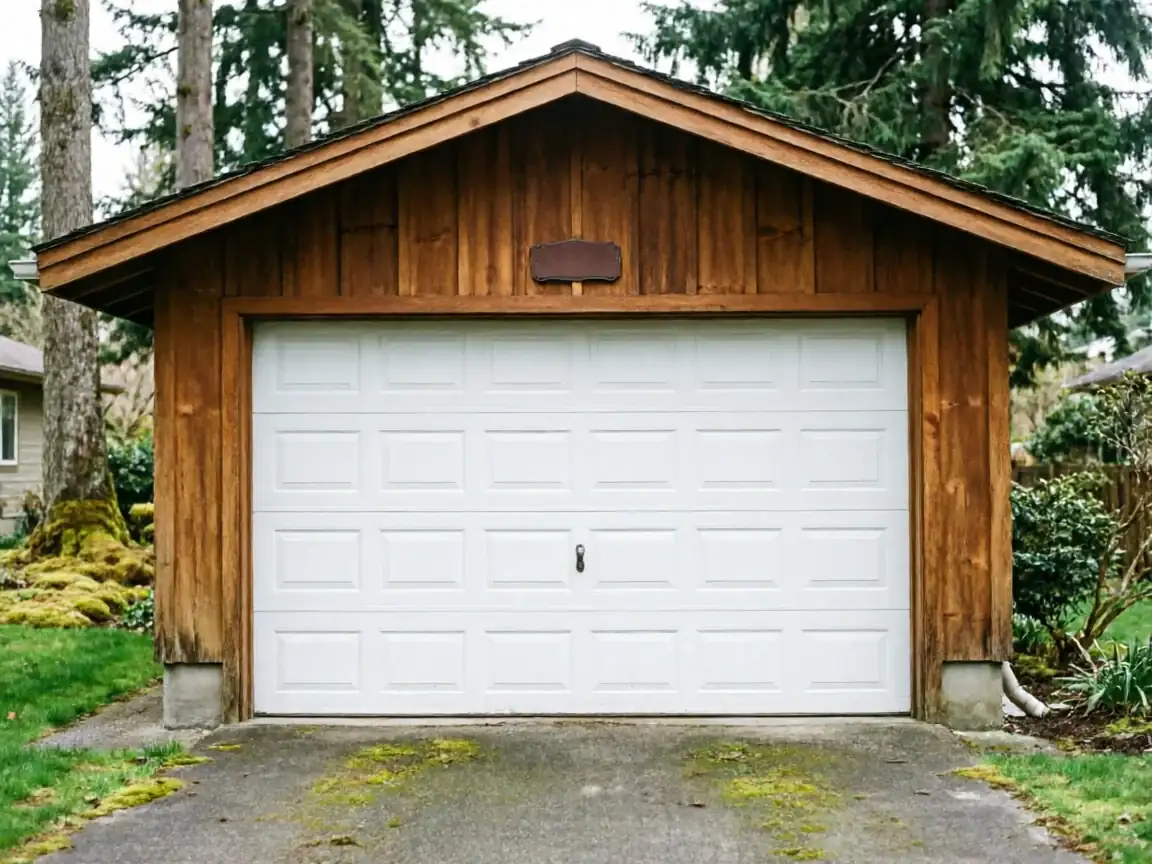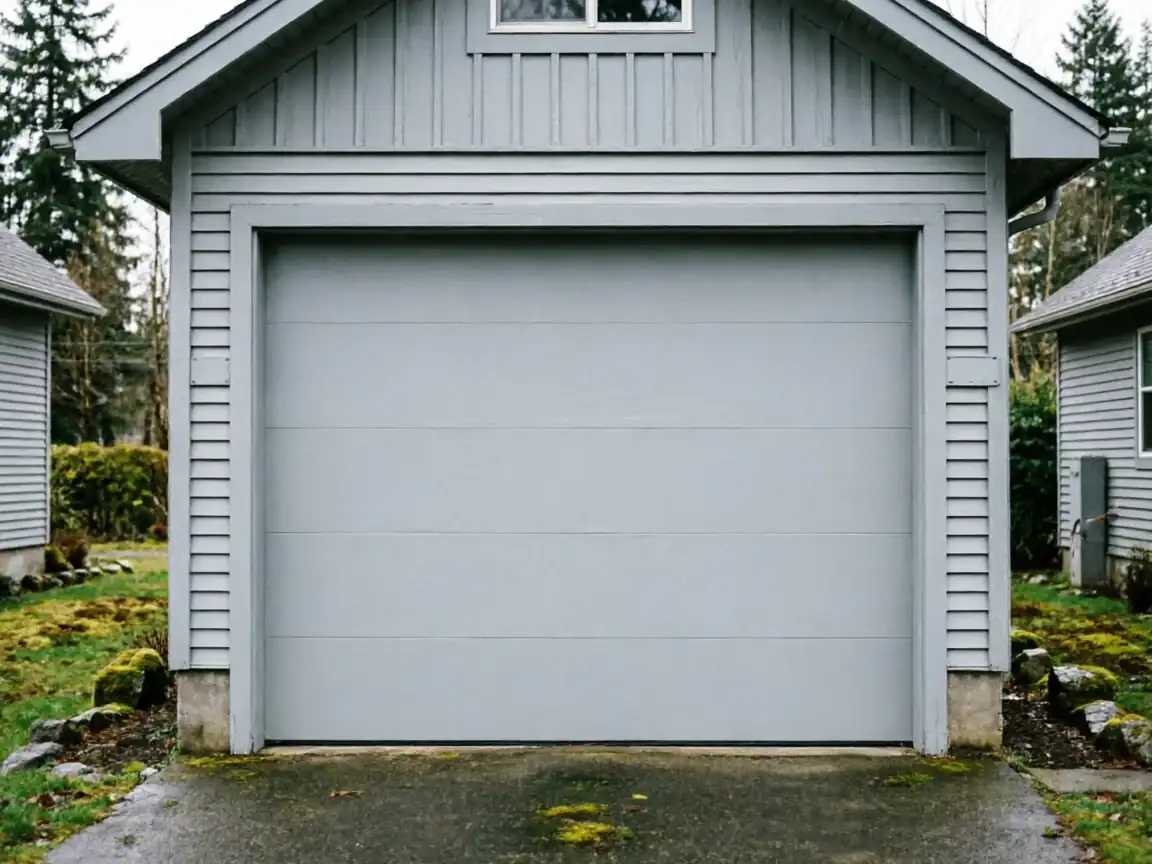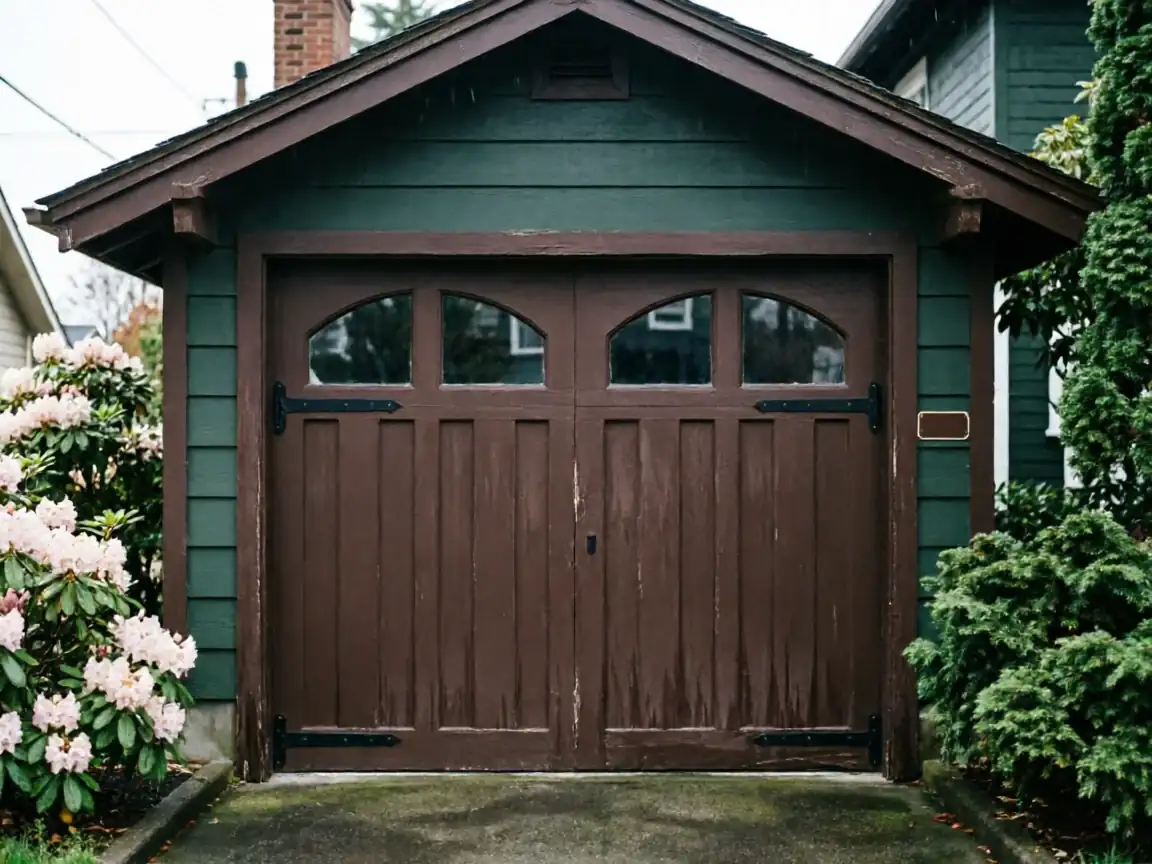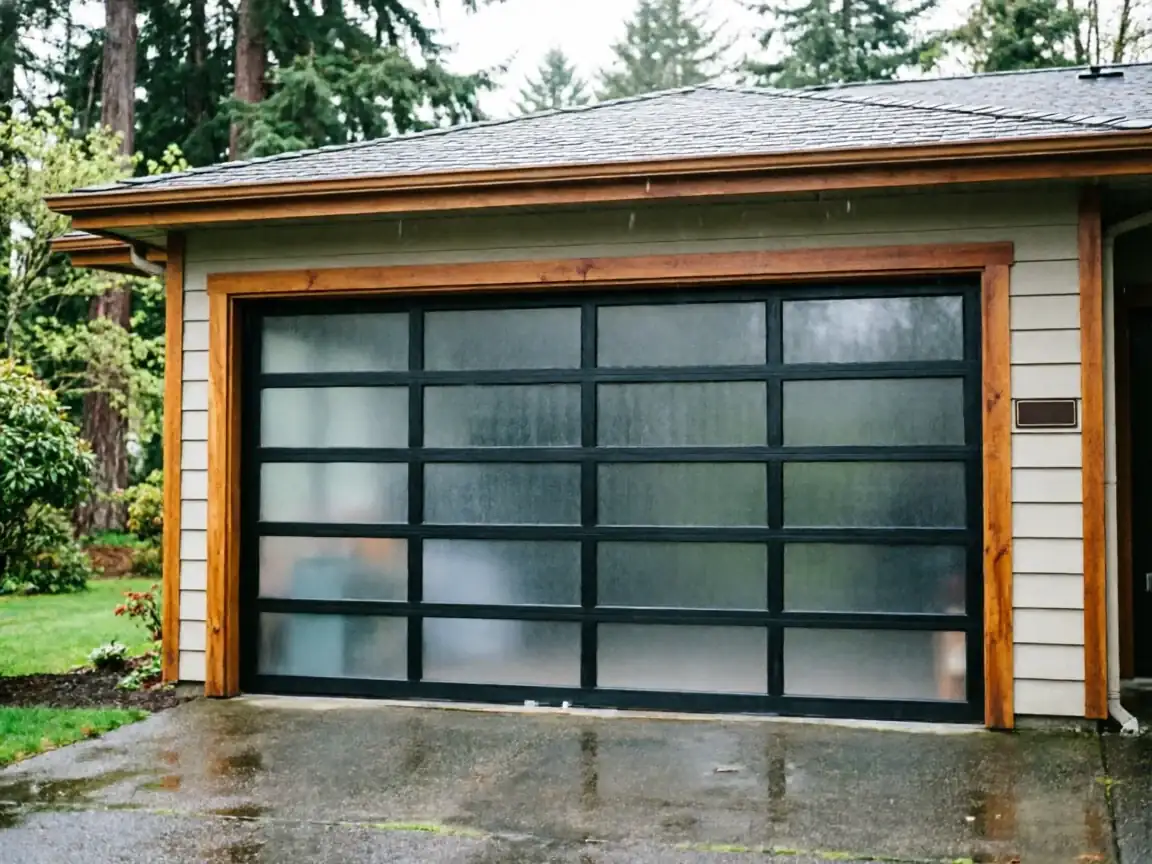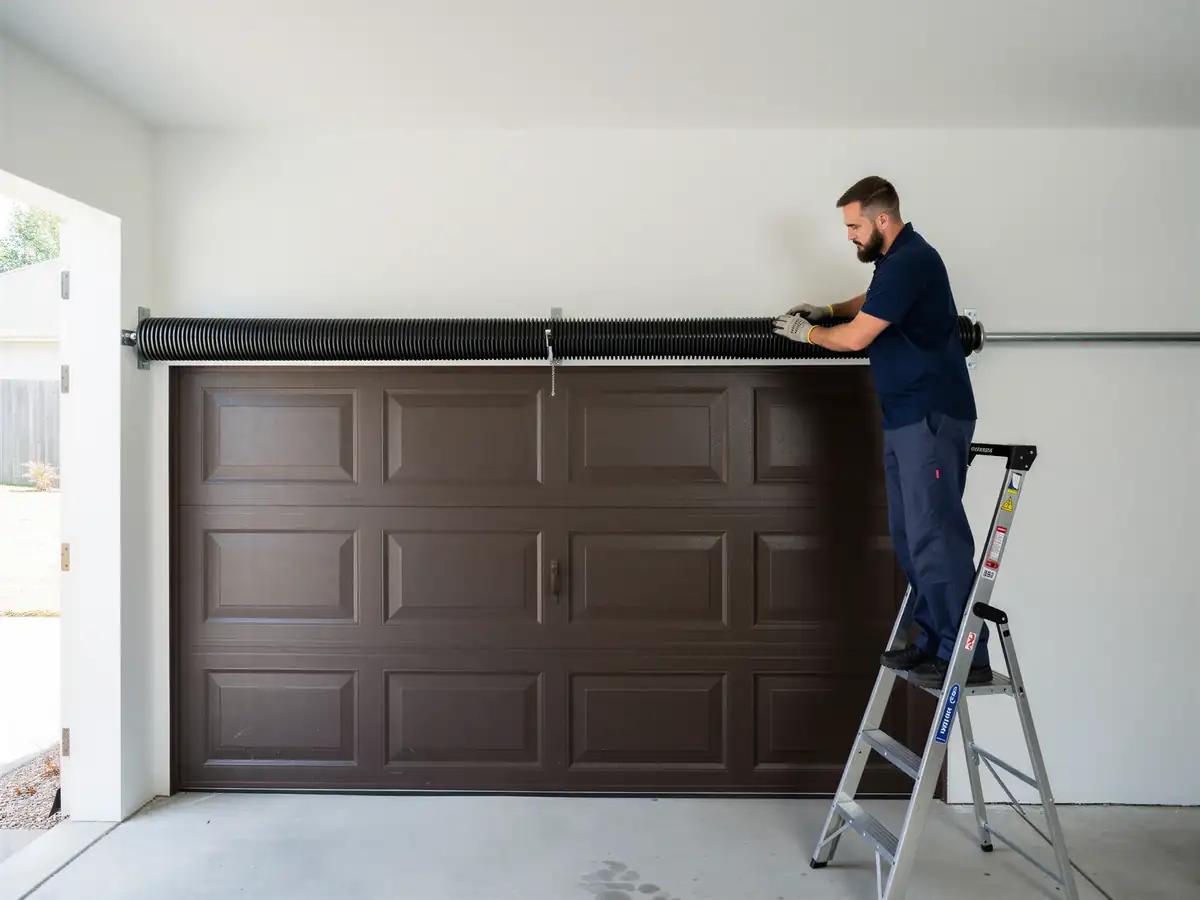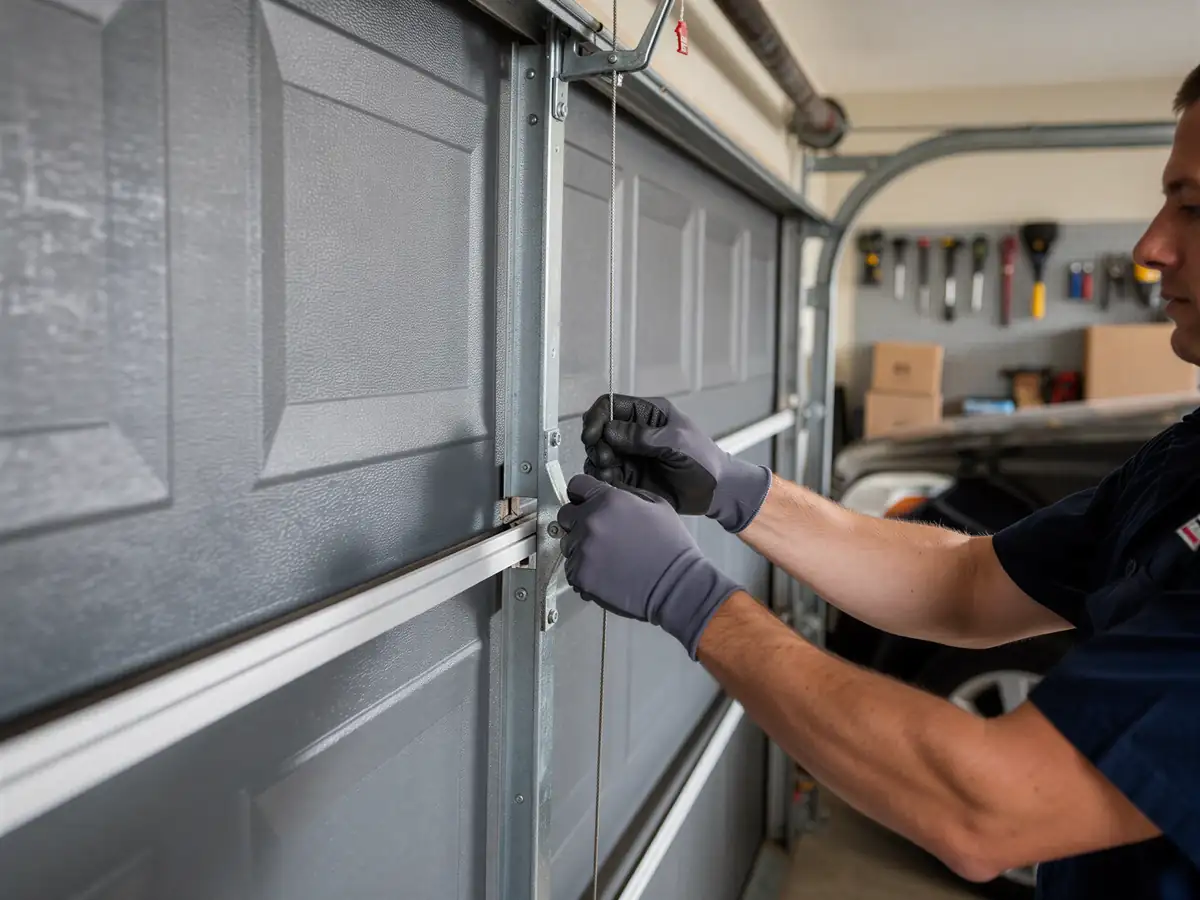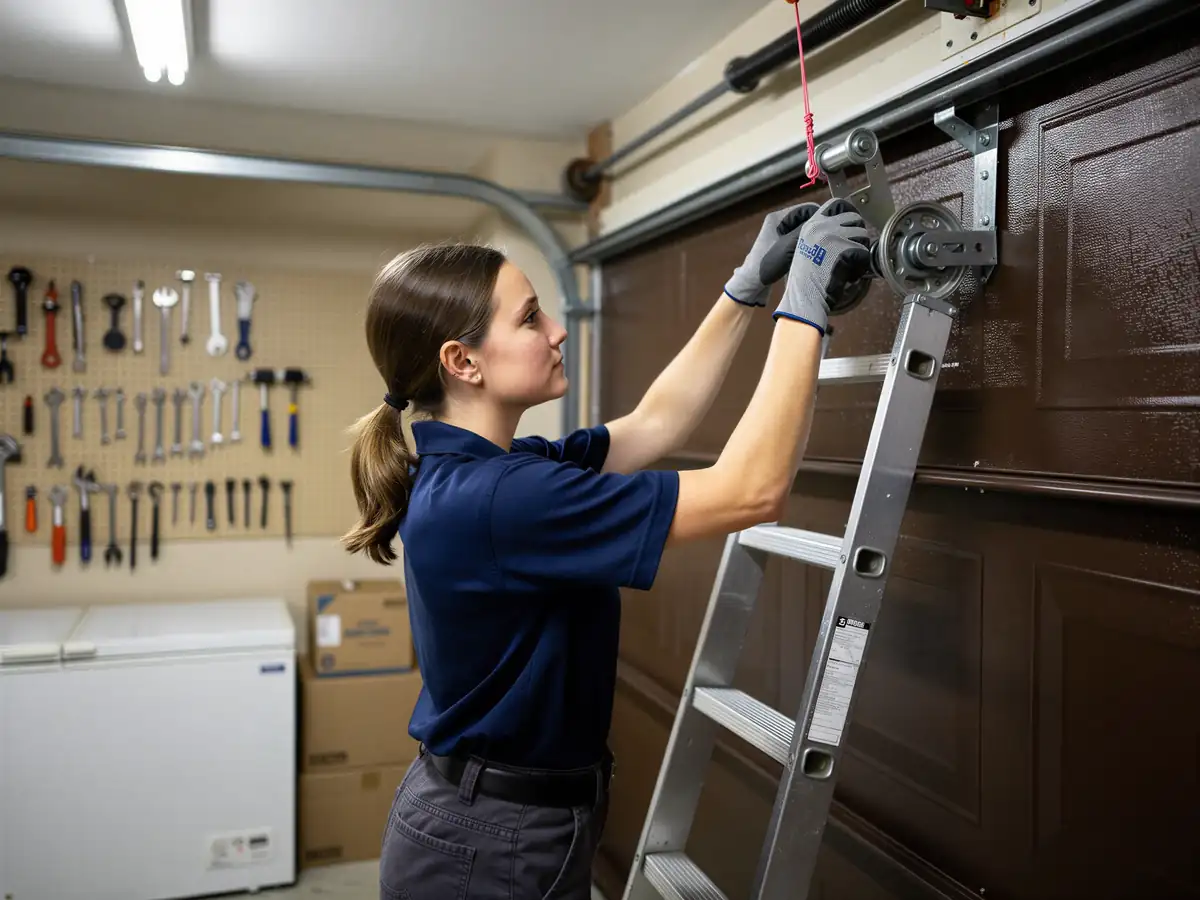
What You Are Seeing
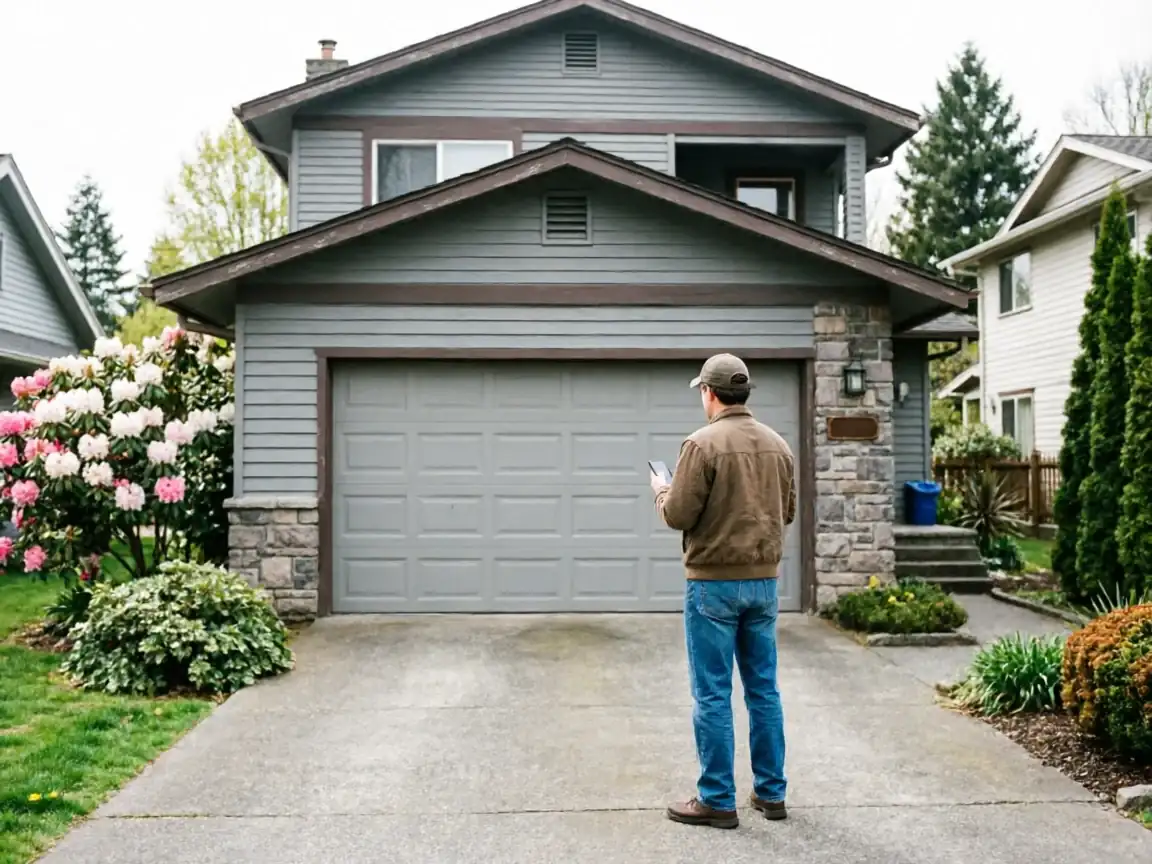
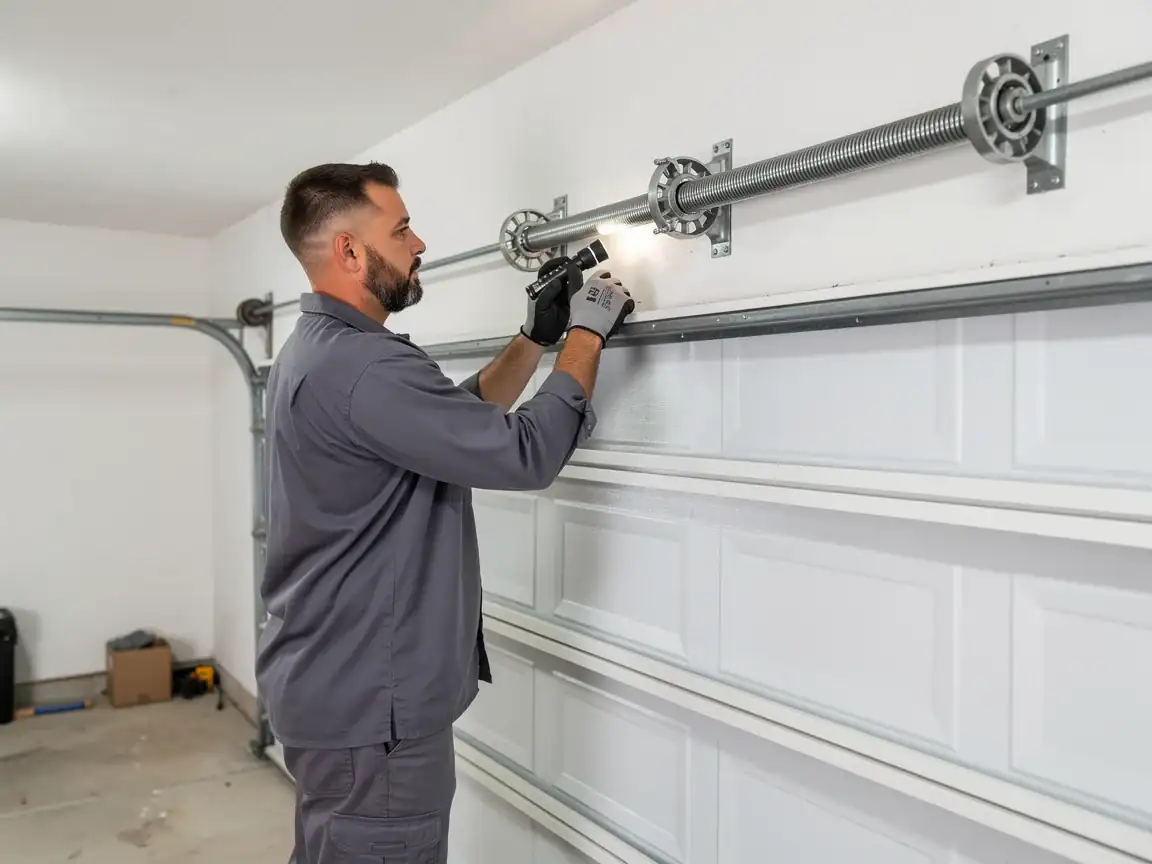
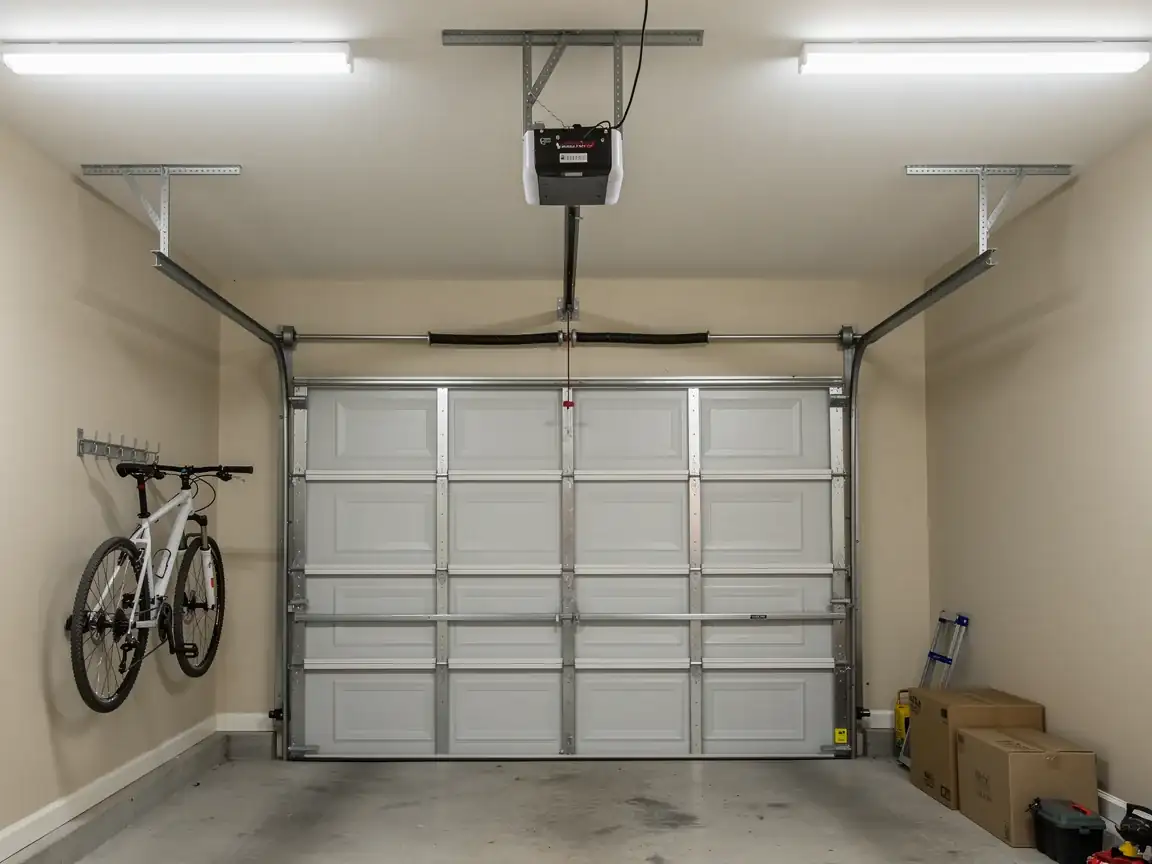
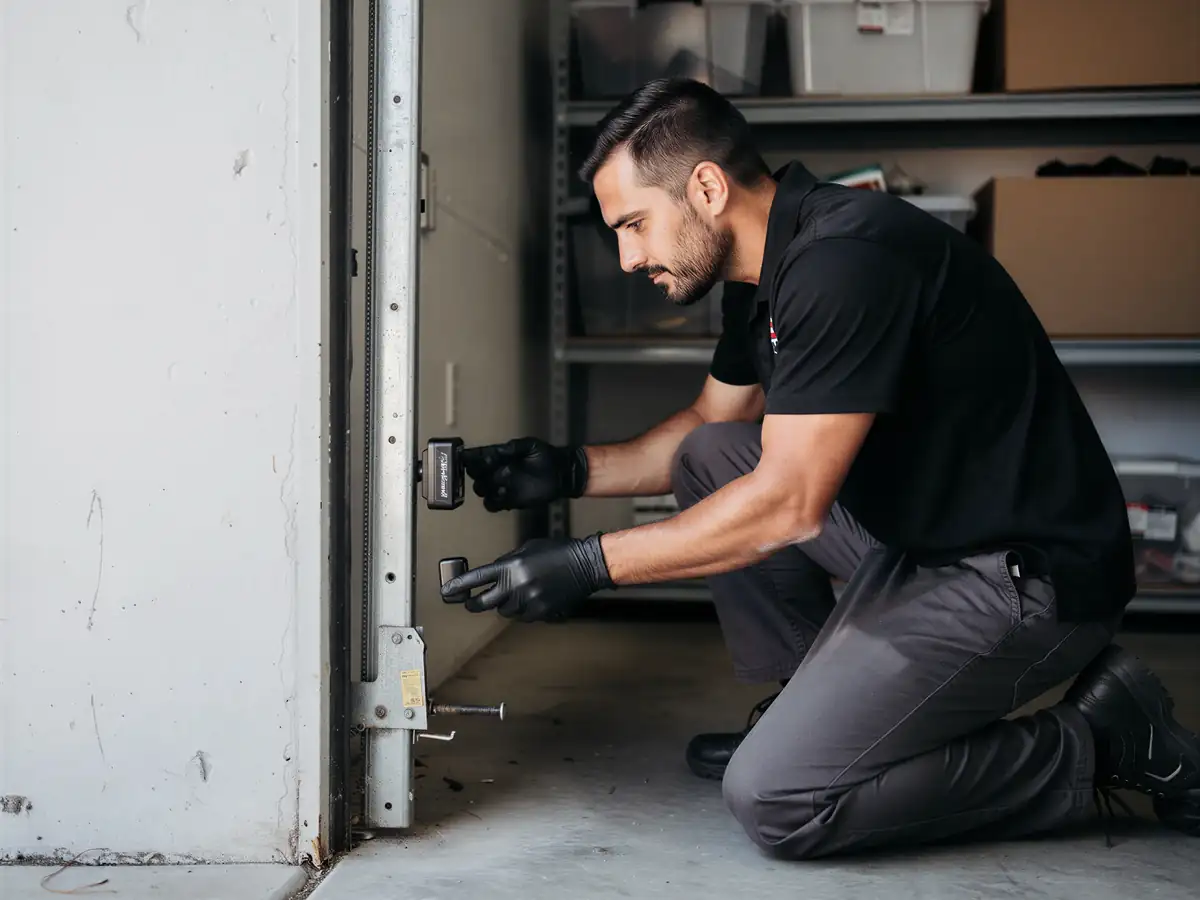
Harrisburg's median household income sits at $74,006, and that number matters more than people think when a garage door starts failing. At that income level, the math usually favors fixing a door until the repair bill creeps close to half of what a new one costs - past that point, you're throwing money at a door that's going to need something else in a year or two anyway. The reason this question comes up so often here specifically: most houses in this part of the service area were built around 1984, median year, which puts a lot of doors and openers right at the end of their realistic working life at the same time. A door installed when the house was new is now pushing 40 years old. Springs fatigue, track alignment drifts, and openers from that era weren't built with the safety reversal sensors that are now standard. If your door is original to a mid-80s build, you're not looking at a quick fix - you're looking at a system that's aged out, panel, spring, and opener together. That's a different conversation than a single broken part, and it's the one we have most often out this way.
Getting It Booked In
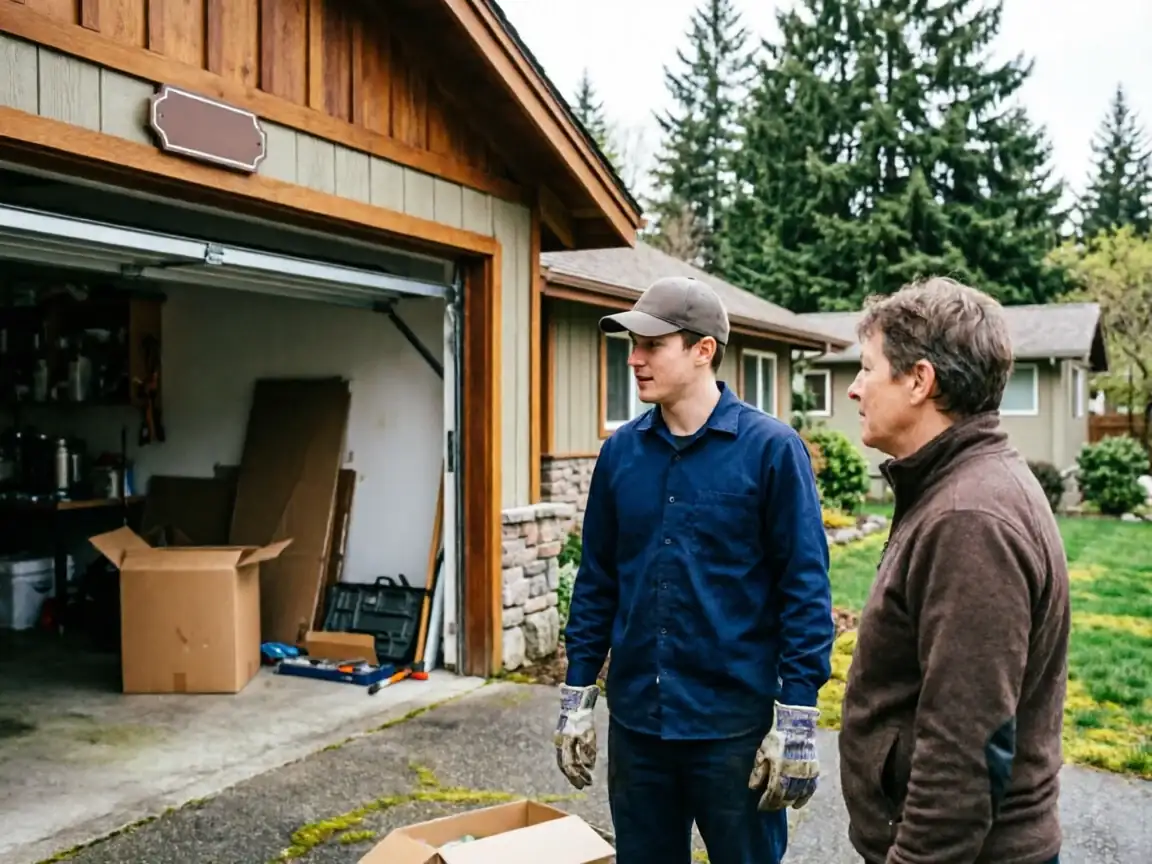
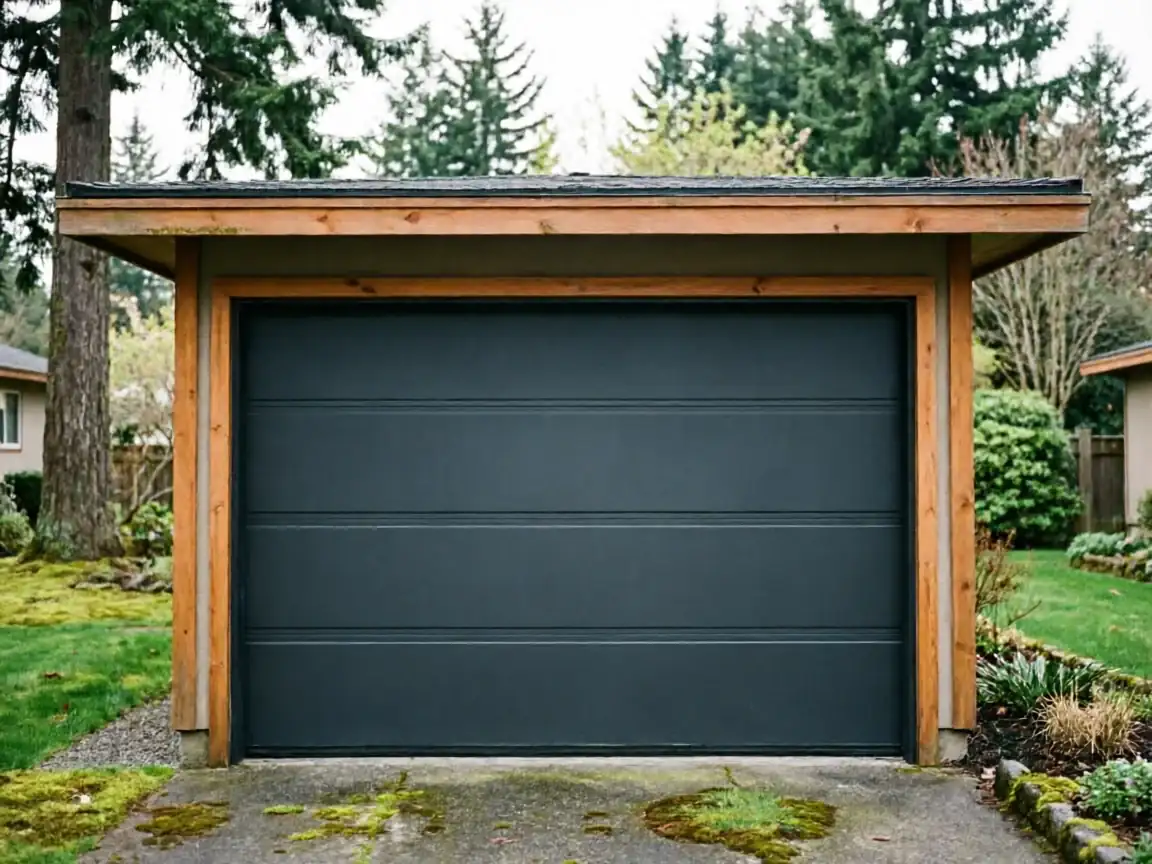
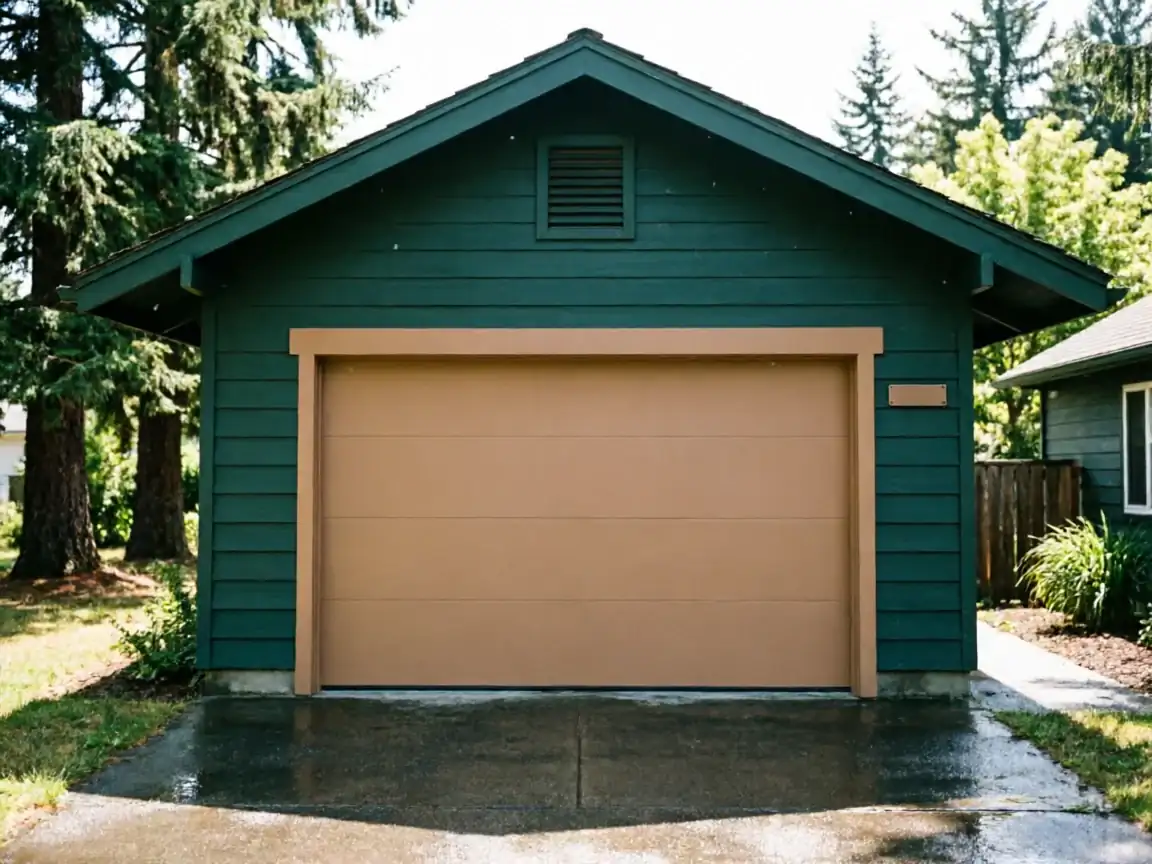
Because we're coming from Eugene, we schedule Harrisburg installs in blocks rather than one-offs where possible. That's not a knock on the town - it's just the honest way to keep a 15-mile round trip from padding the price of your door. When you call, have your door's rough opening measurements if you know them, and be ready to tell us if the opener is original to the house or was swapped at some point. That one detail changes whether this is a door-only job or a door-and-opener job, and it's worth knowing before a truck gets sent out.
Where This Job Goes Sideways
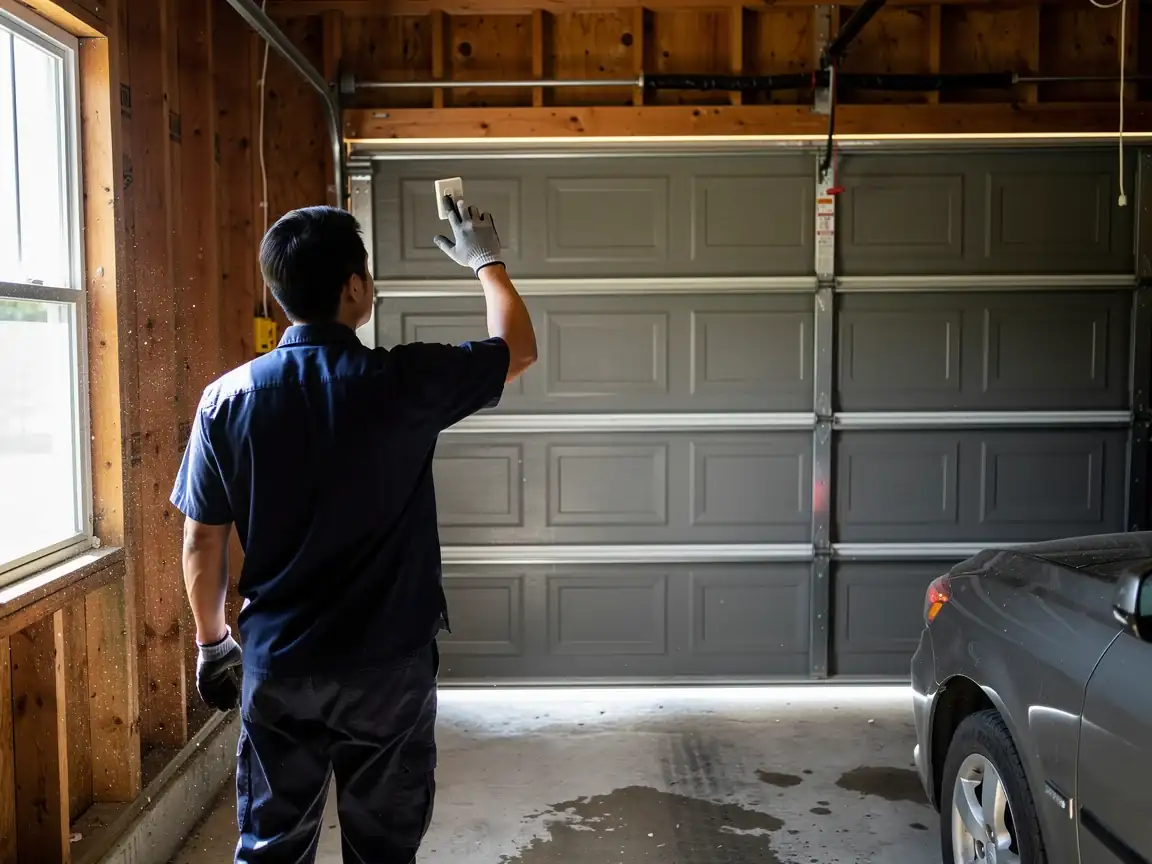
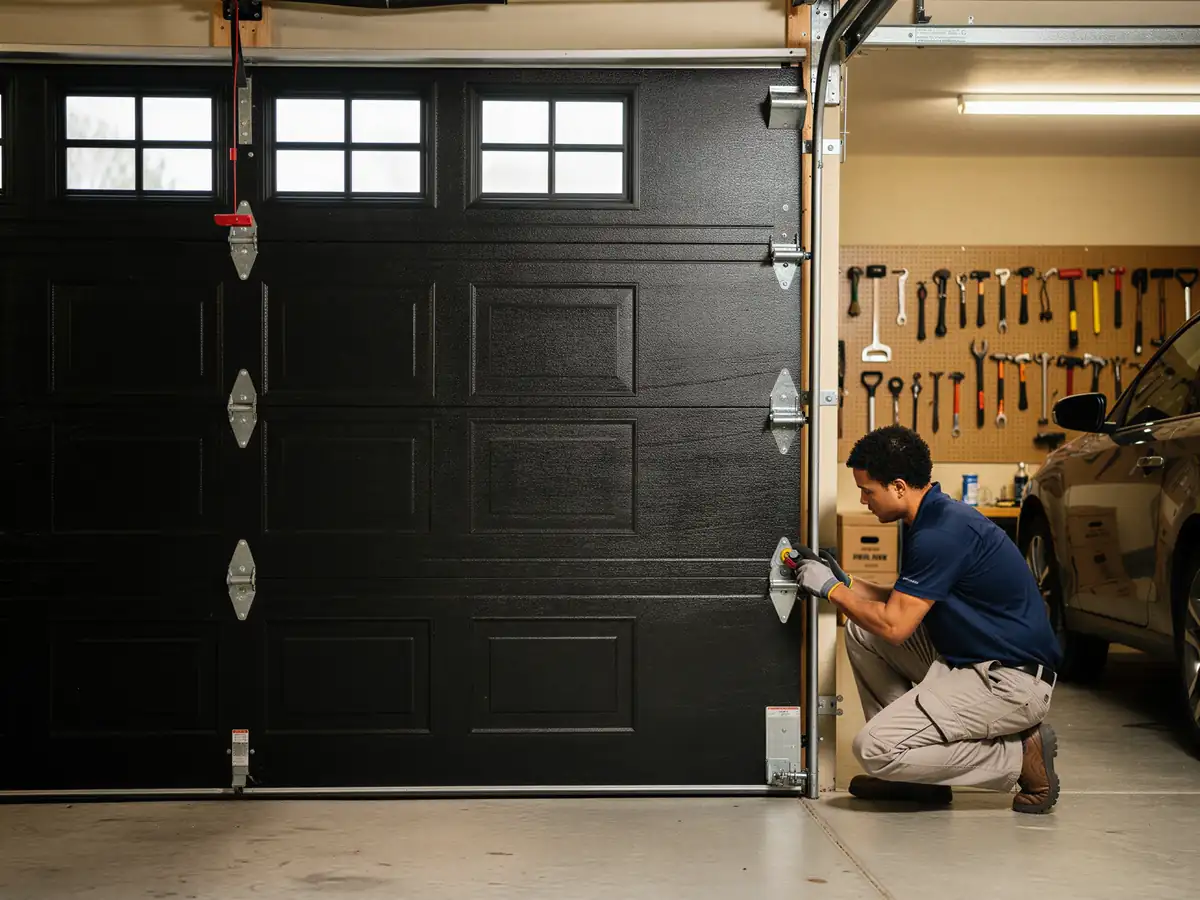
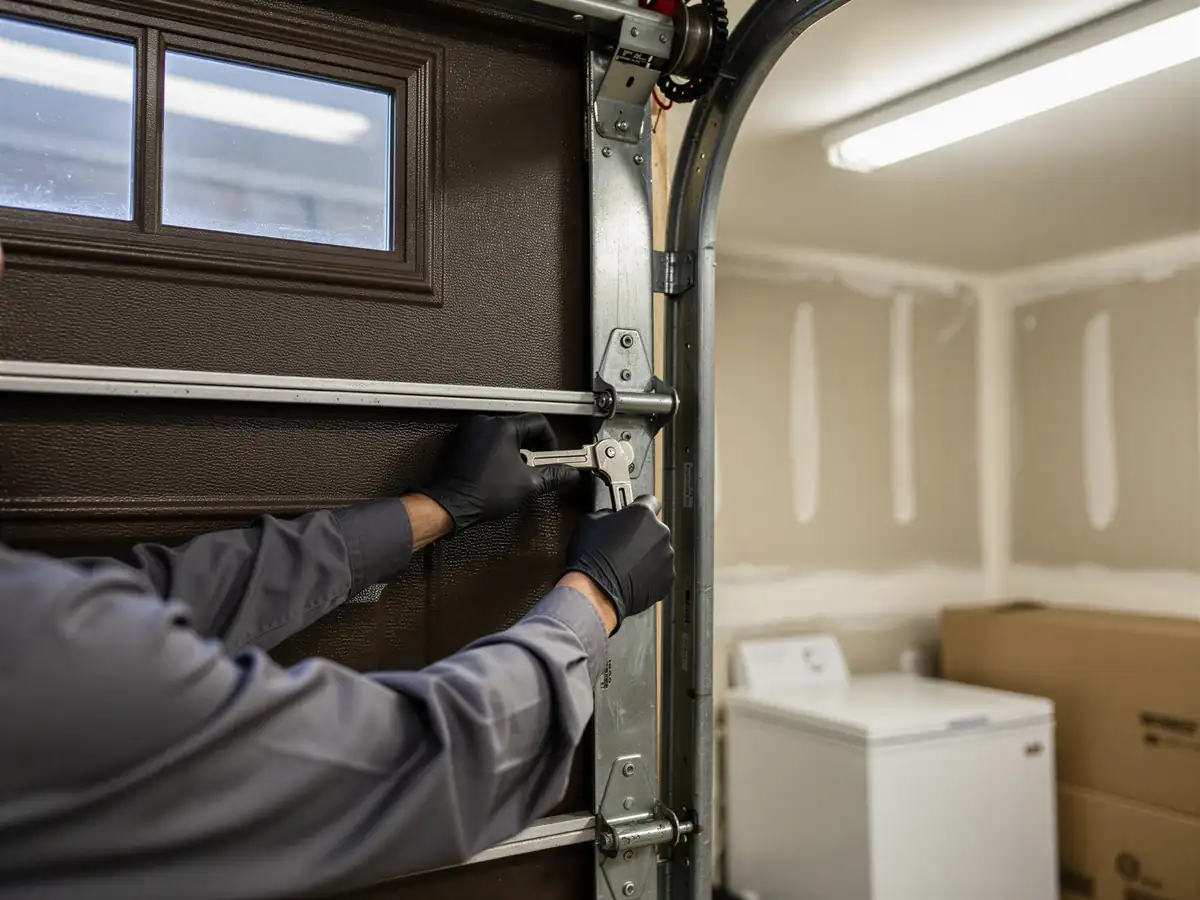
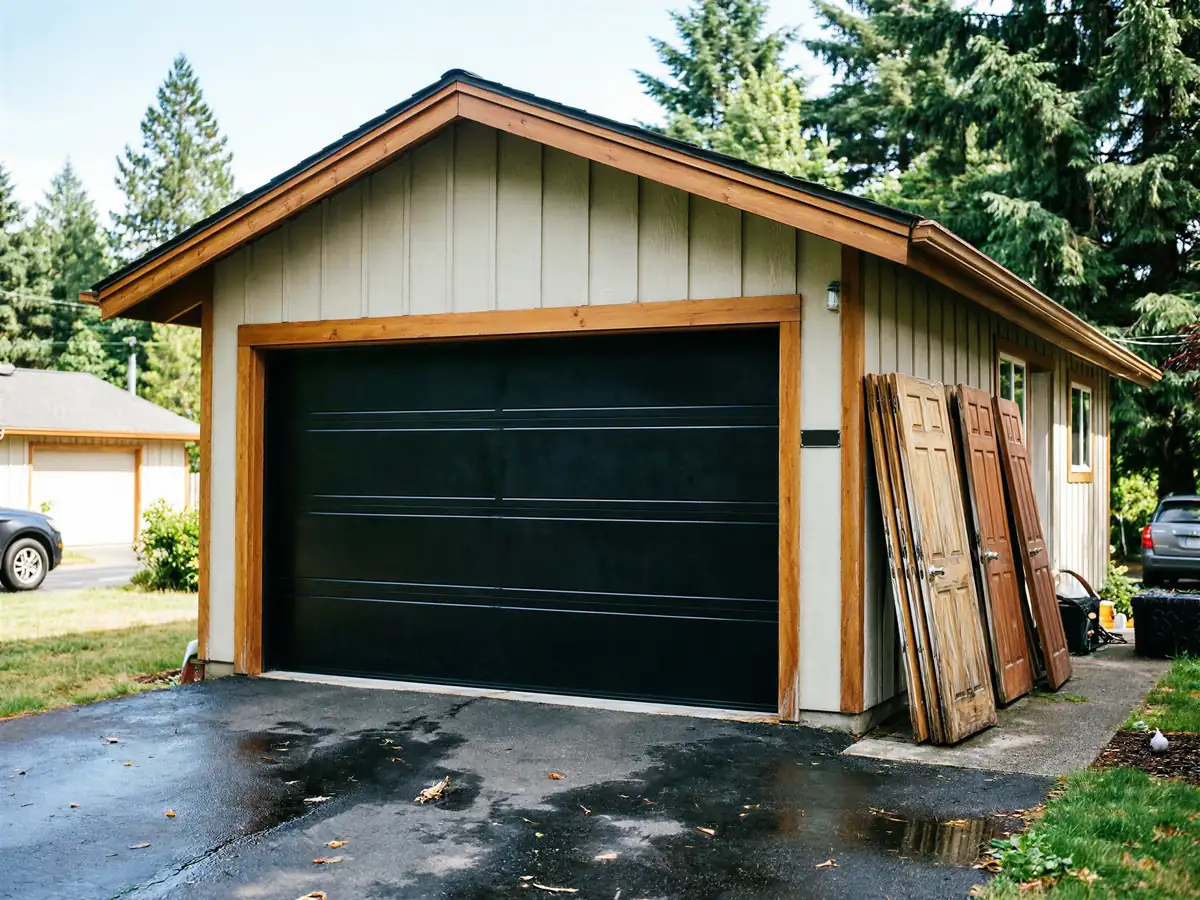
The failure point we run into most in older Harrisburg homes is the jamb. Houses from the early-to-mid 80s often have wood framing around the opening that's taken four decades of settling, moisture, and prior hardware changes. A new door needs a square, solid jamb to hang correctly - if the framing's out of true or soft from old water intrusion, the install isn't really an install anymore, it's framing repair first. We'll catch that on the walkthrough, but it's the kind of thing that can't be priced over the phone. The other place people get surprised: assuming a new door means a new opener is optional. If your opener predates modern safety reversal standards, we're not going to reinstall it on a new door, full stop. That's not a safety best practice - it's where the code line actually sits.