What You Are Seeing
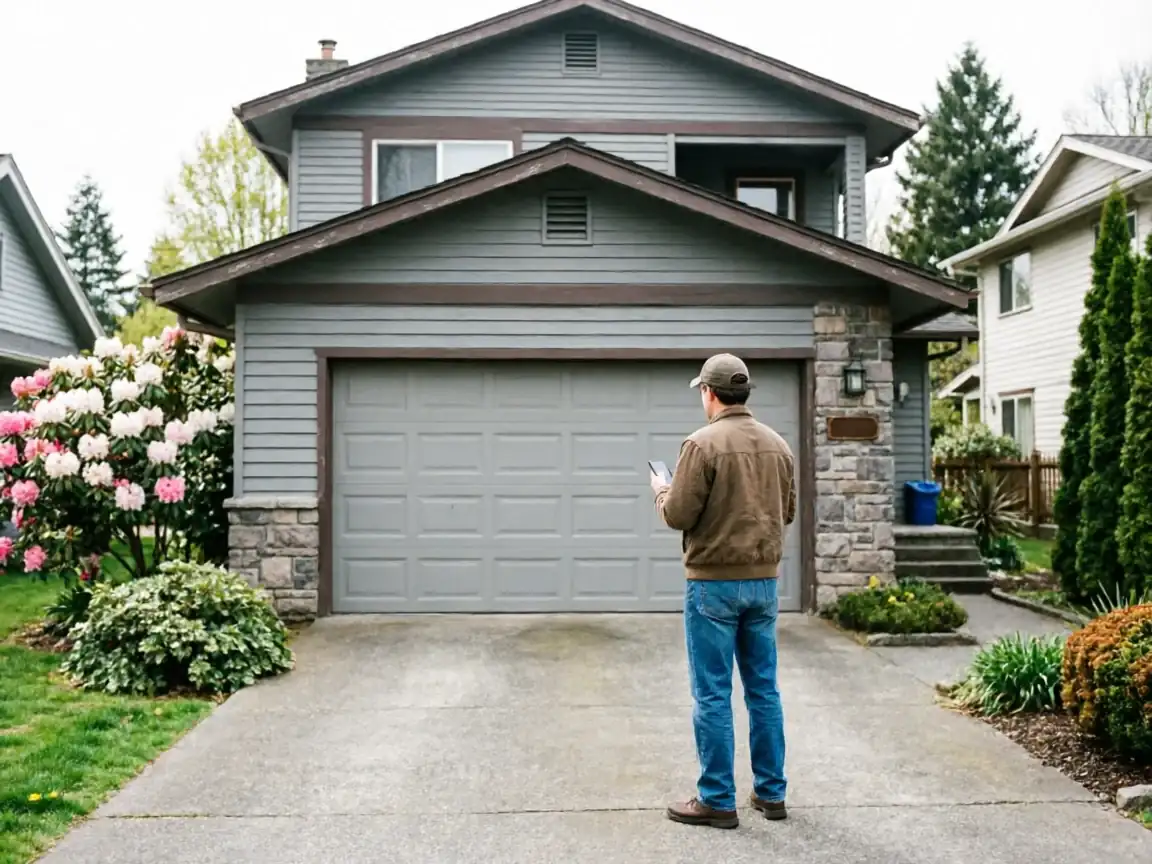
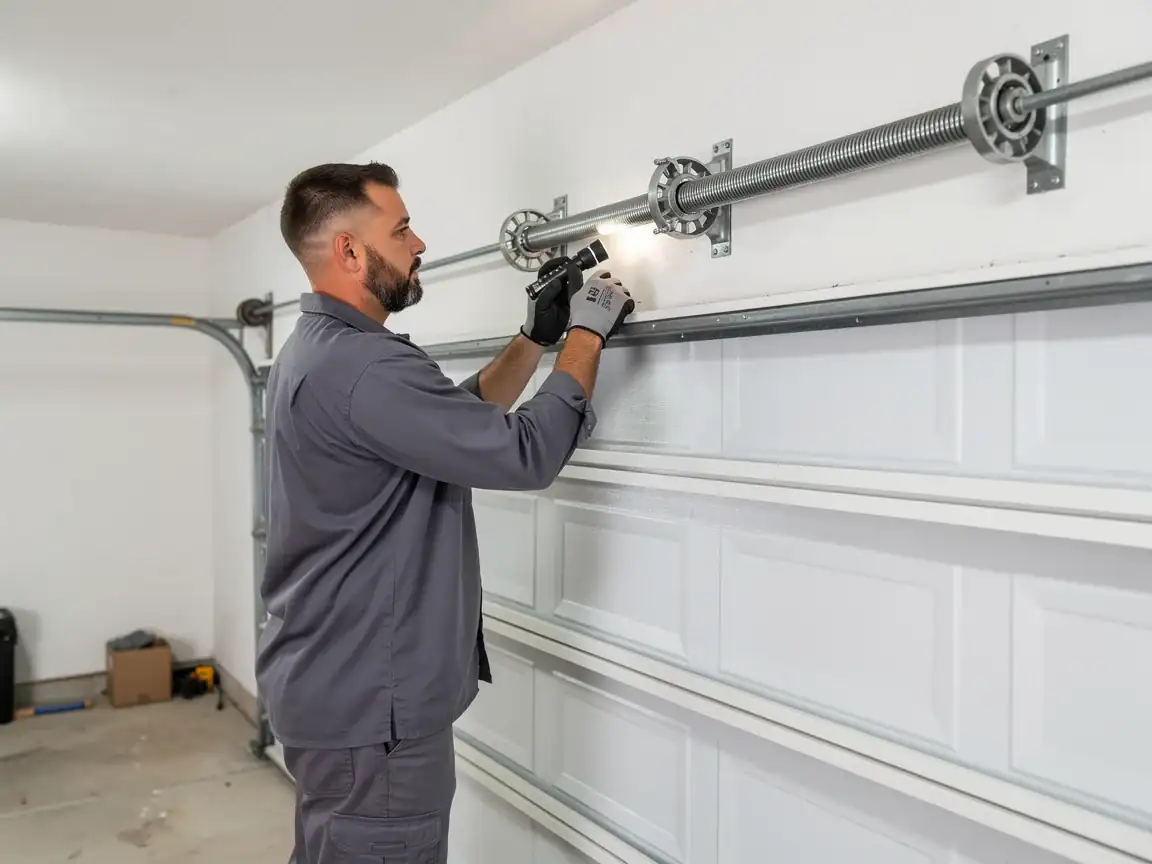
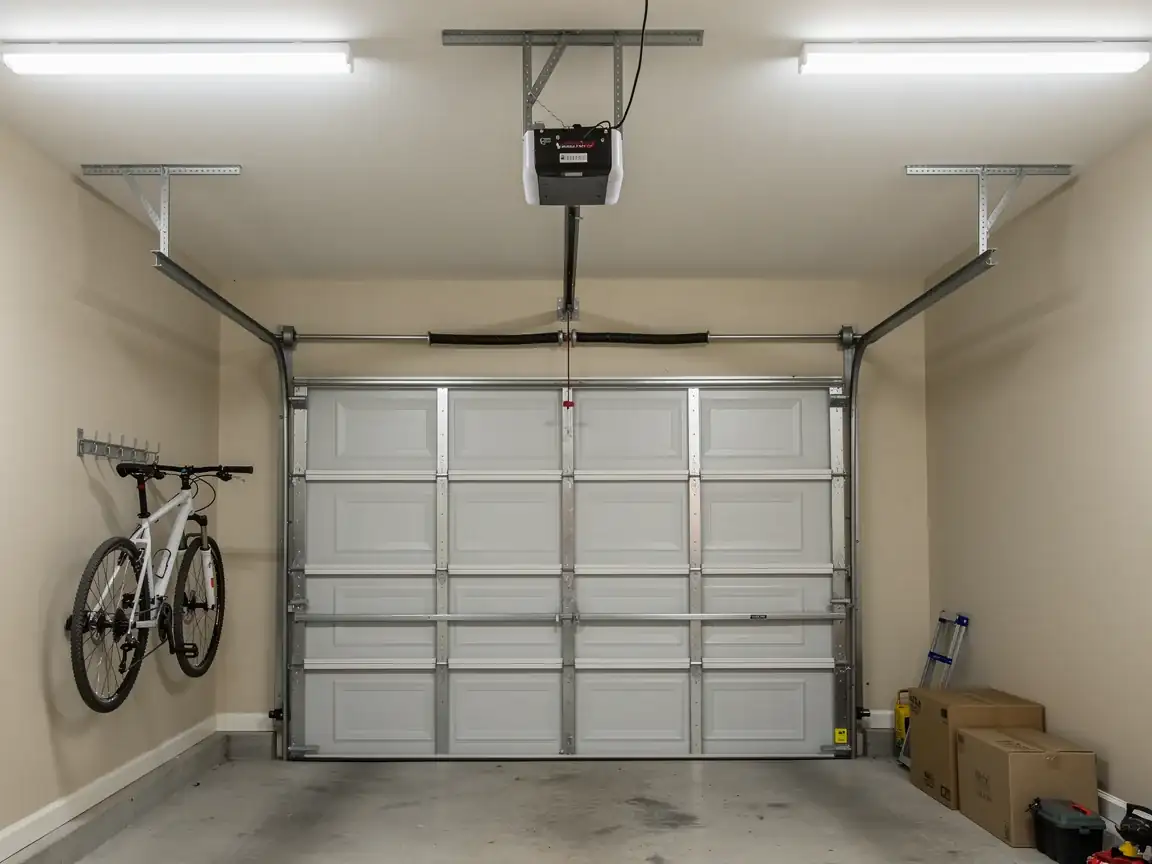
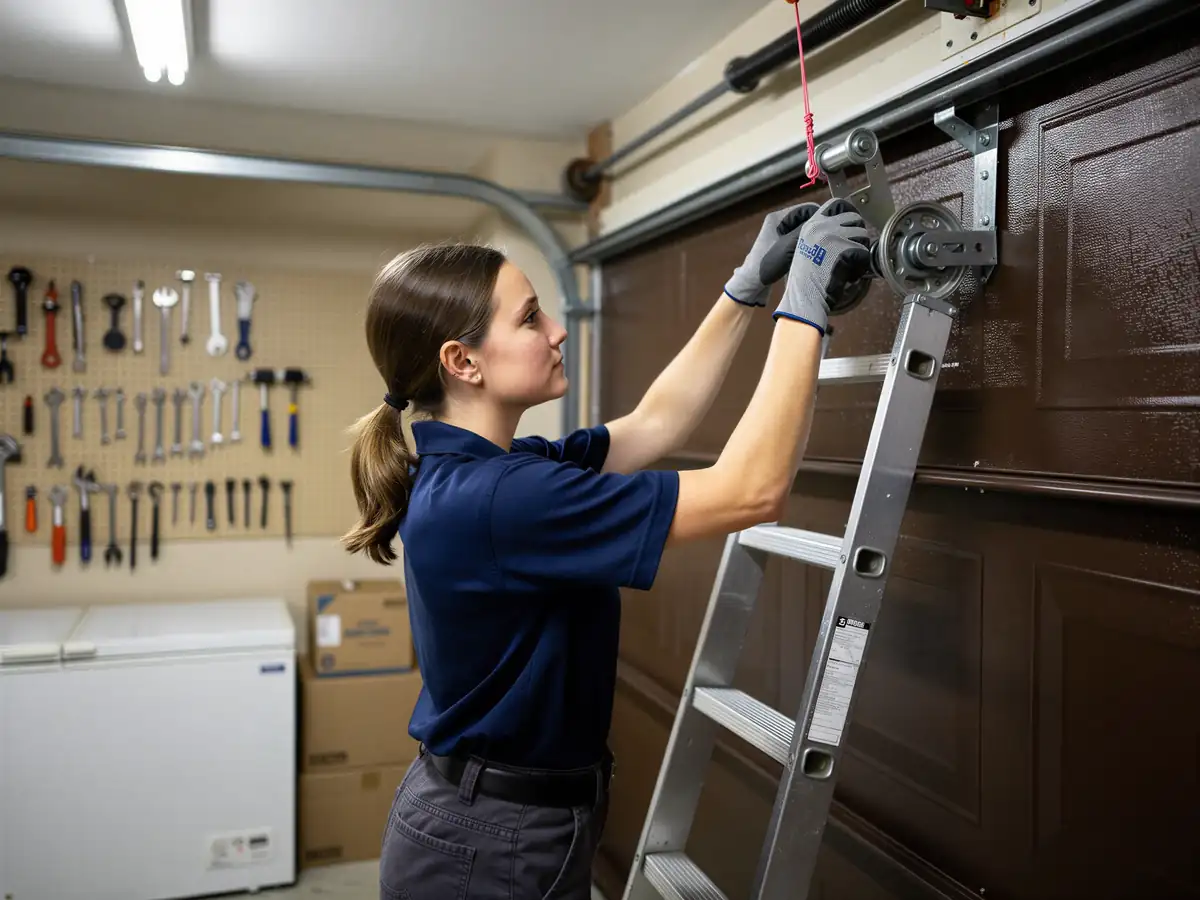
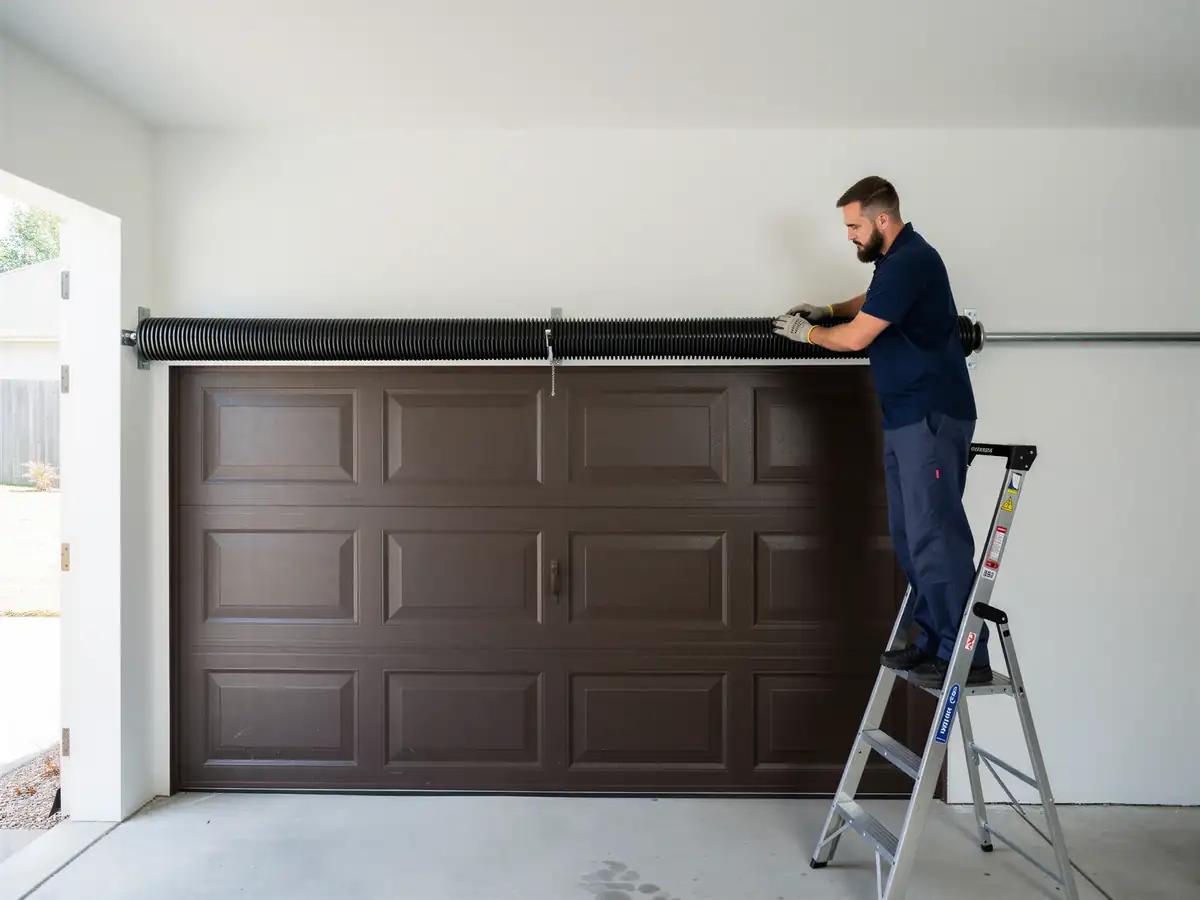
Harrisburg's houses cluster around a median build year of 1984, a bit newer than the 1980 median across the wider Eugene service area covered under F1. That gap matters on a spring call. By the mid-80s, builders had mostly moved off the old side-mounted torsion setups and onto standard overhead torsion bars centered above the door, usually a single spring on a single door and two on a double. If your door drops hard on one side when it fails, or the whole thing won't budge and the opener strains and clicks, that's a torsion spring that let go - not the opener, and not the track. A loud bang from the garage, usually first thing on a cold morning, is almost always this. Some older pockets of the area still run older extension spring setups with side cables, which behave differently when they snap - the door can slam down fast instead of hanging. Which one you have depends on when that specific house was built, not on the neighborhood as a whole.
Getting It Booked In
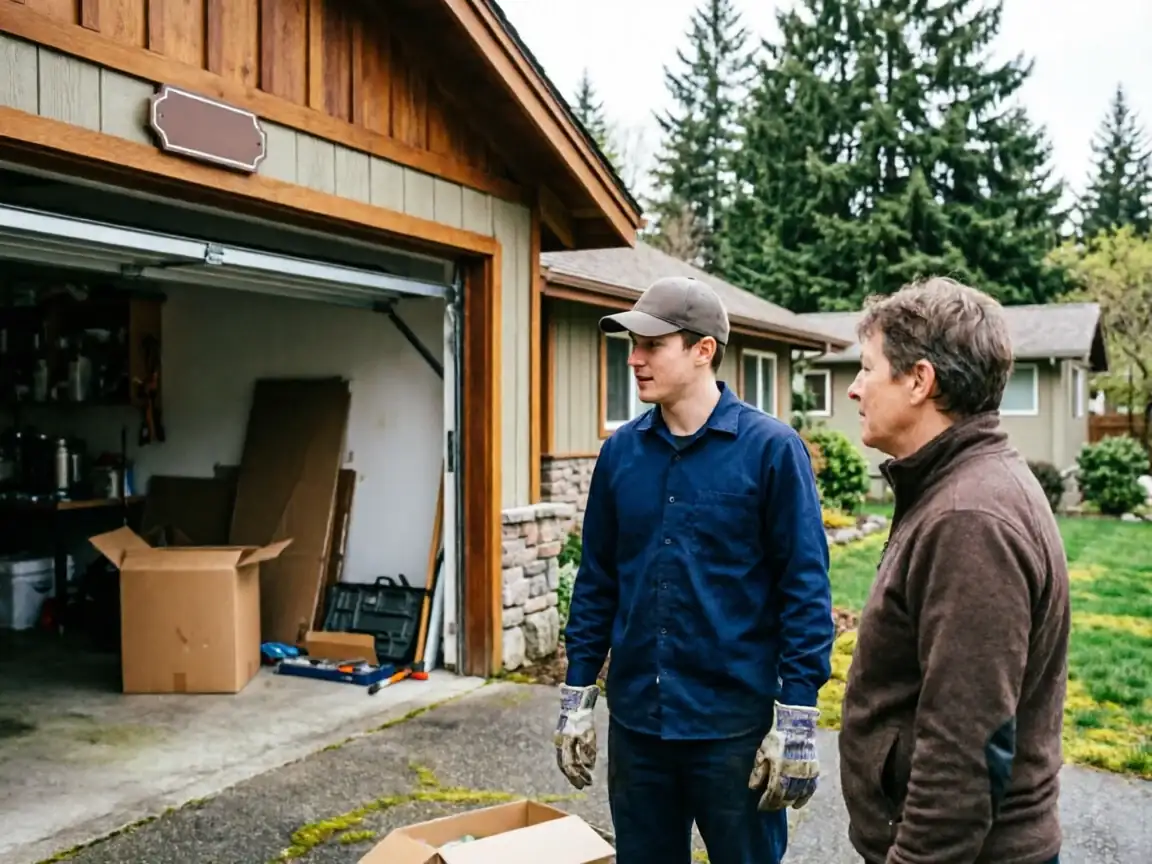
We cover Harrisburg out of Eugene, about 15 miles south. That's a real drive, not a local depot, so we batch Harrisburg calls where we can rather than promising a specific arrival window the way a shop based in town might. When you call, tell us whether the door is stuck shut, stuck open, or came down hard - that changes whether this is urgent or can wait a day. A spring that's already broken but has the door resting on the floor is safer to leave alone overnight than one still under tension and hanging.
Where This Job Goes Sideways
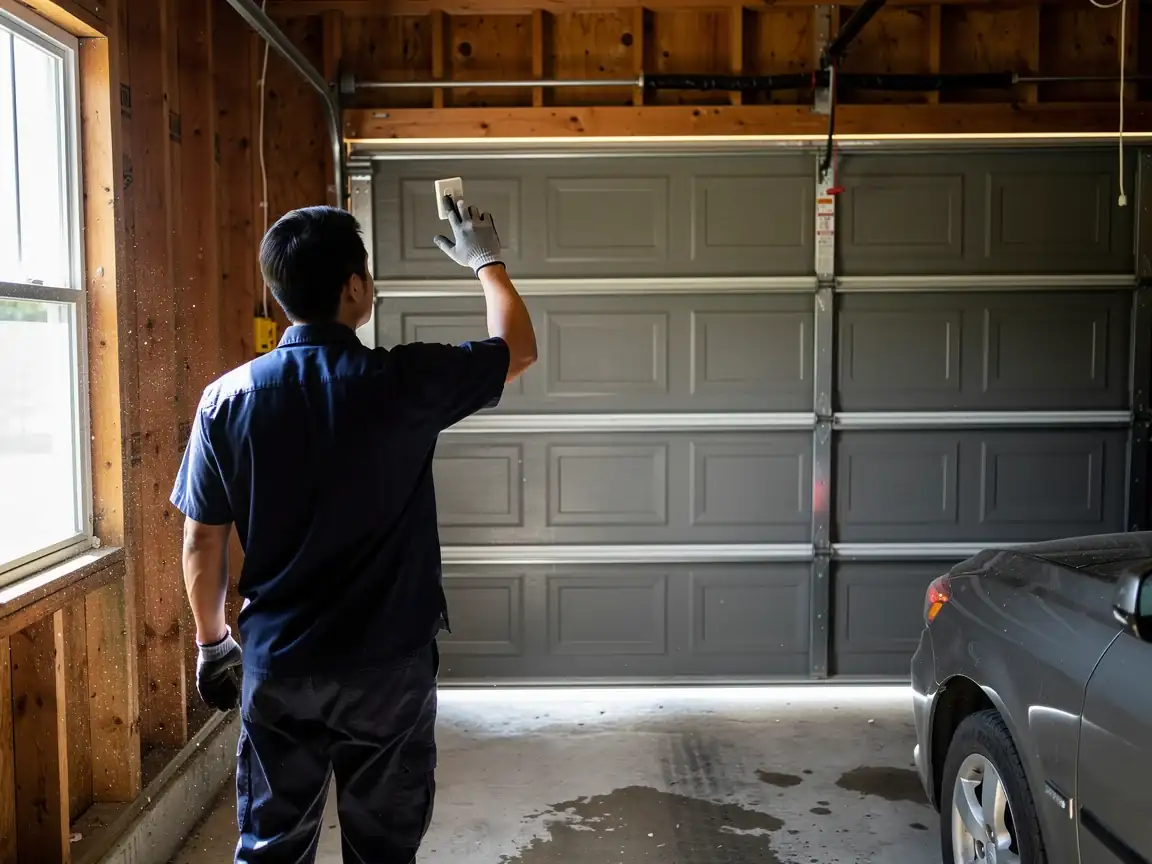
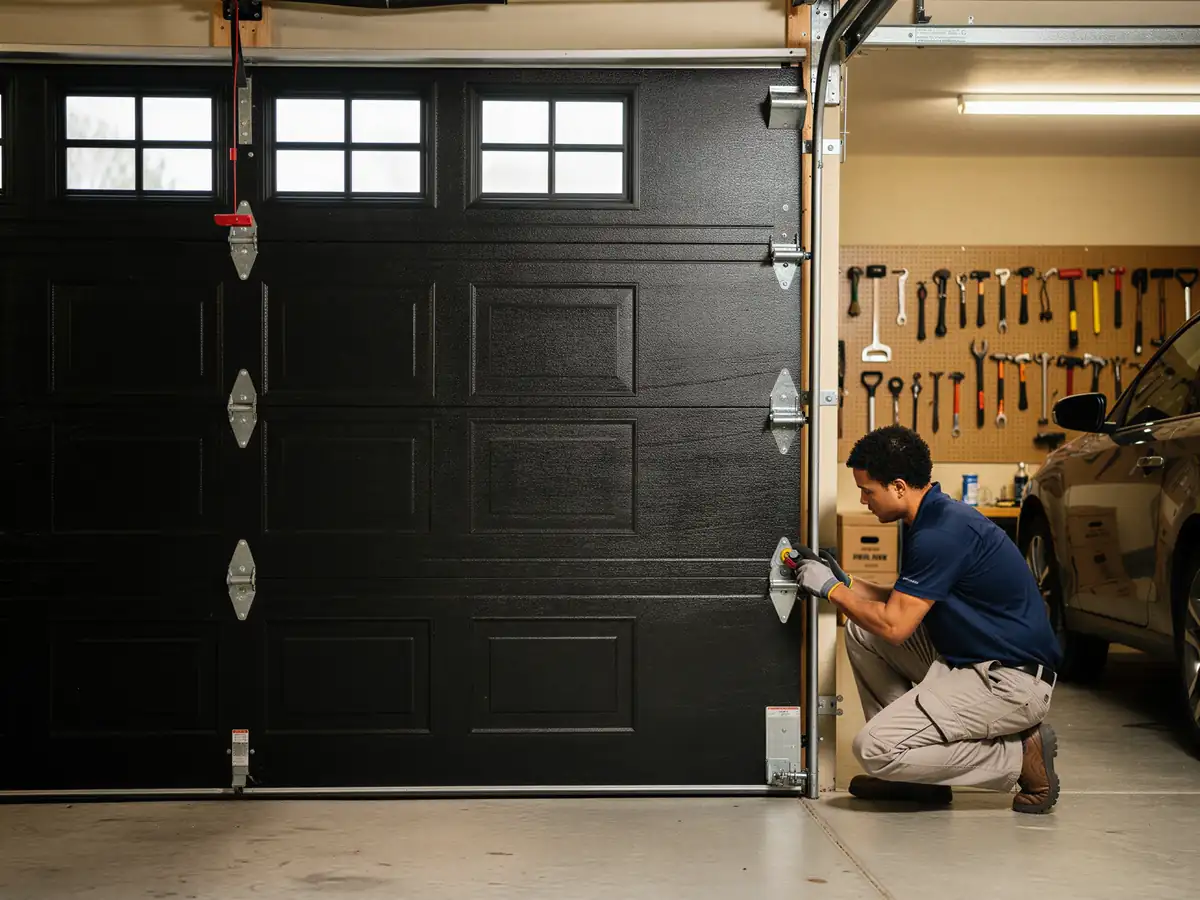
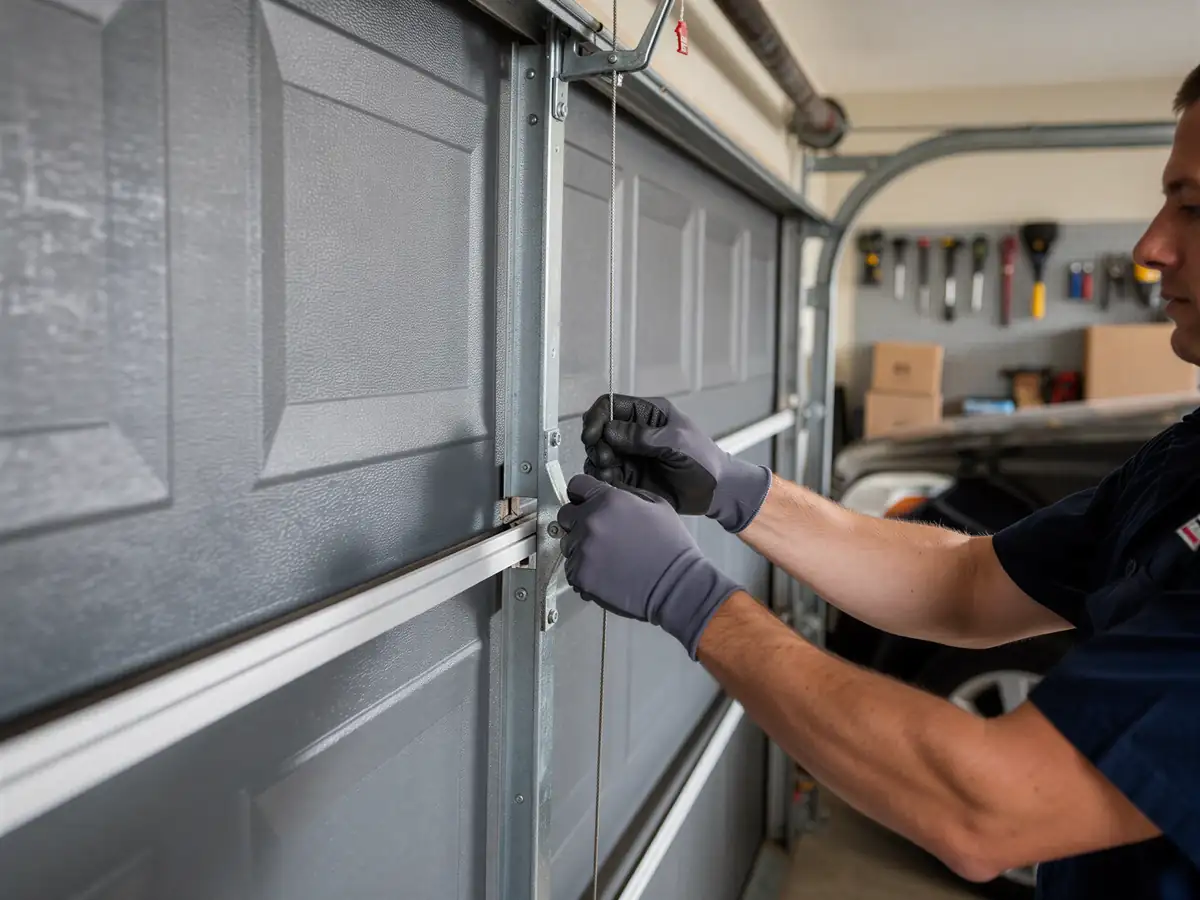
The most common mistake on a spring call is replacing the spring and nothing else, on a door that's been running on a failing spring for months. By the time it snaps, the cables, rollers, and bottom brackets have usually been carrying load they weren't built for, and they're close behind it. We check those every time, because a new spring on worn cable is just the next breakdown scheduled for later. Our honest limit: if the door is original to a 1984-ish build and the track or jamb hardware is bent or rusted past adjusting, we'll say so. At that point you're paying for a repair that buys a year, not for a fix. Replacement sometimes costs less over time than patching a door that's genuinely at the end of its hardware life, and we'd rather tell you that up front than sell a repair that won't hold.