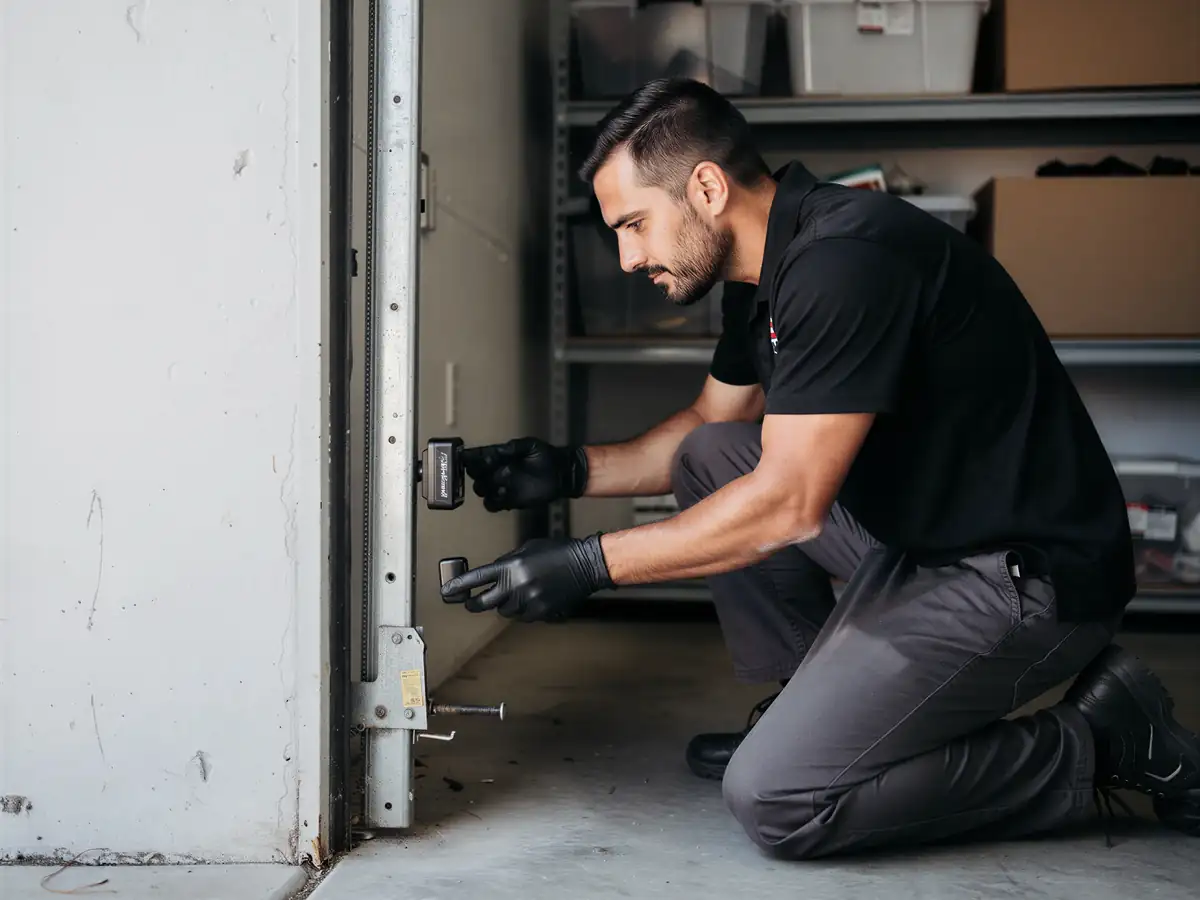
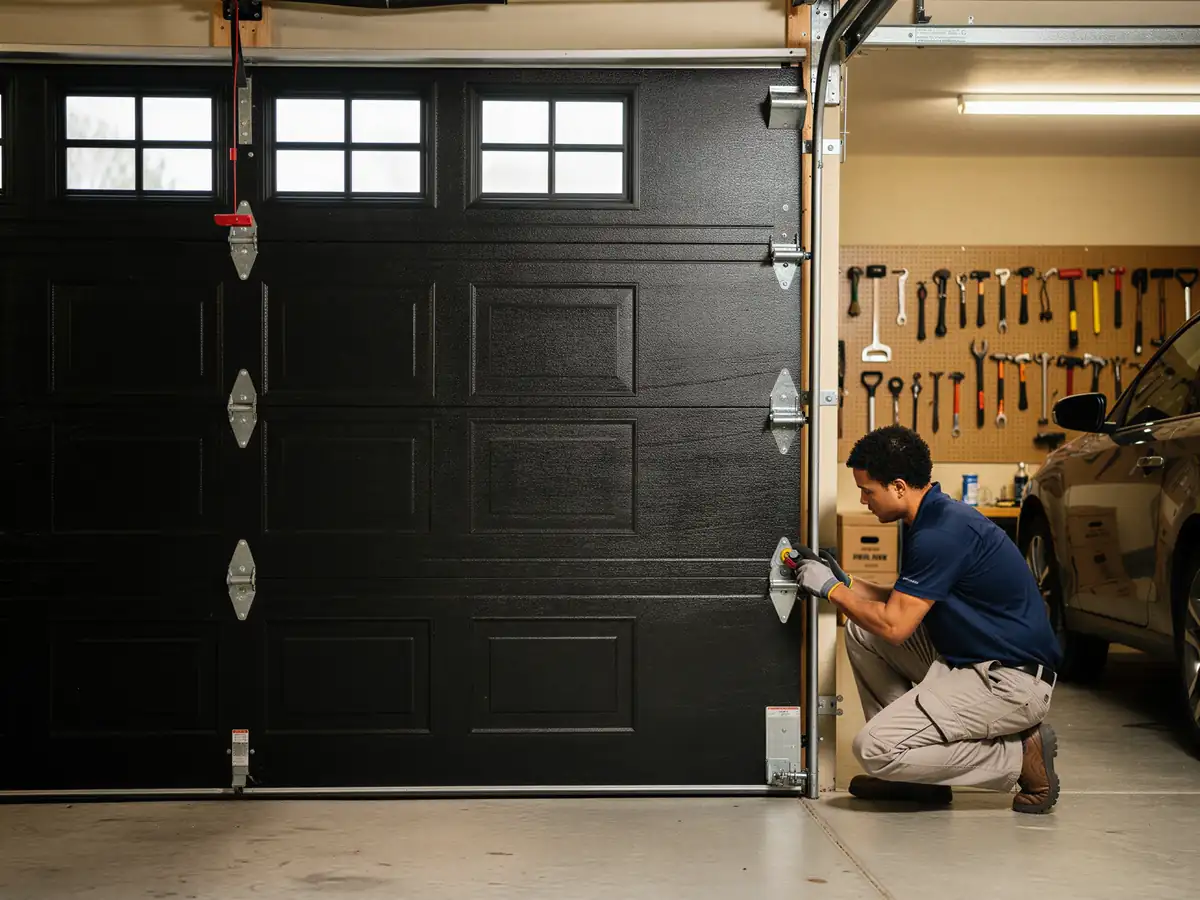
How We Fix It
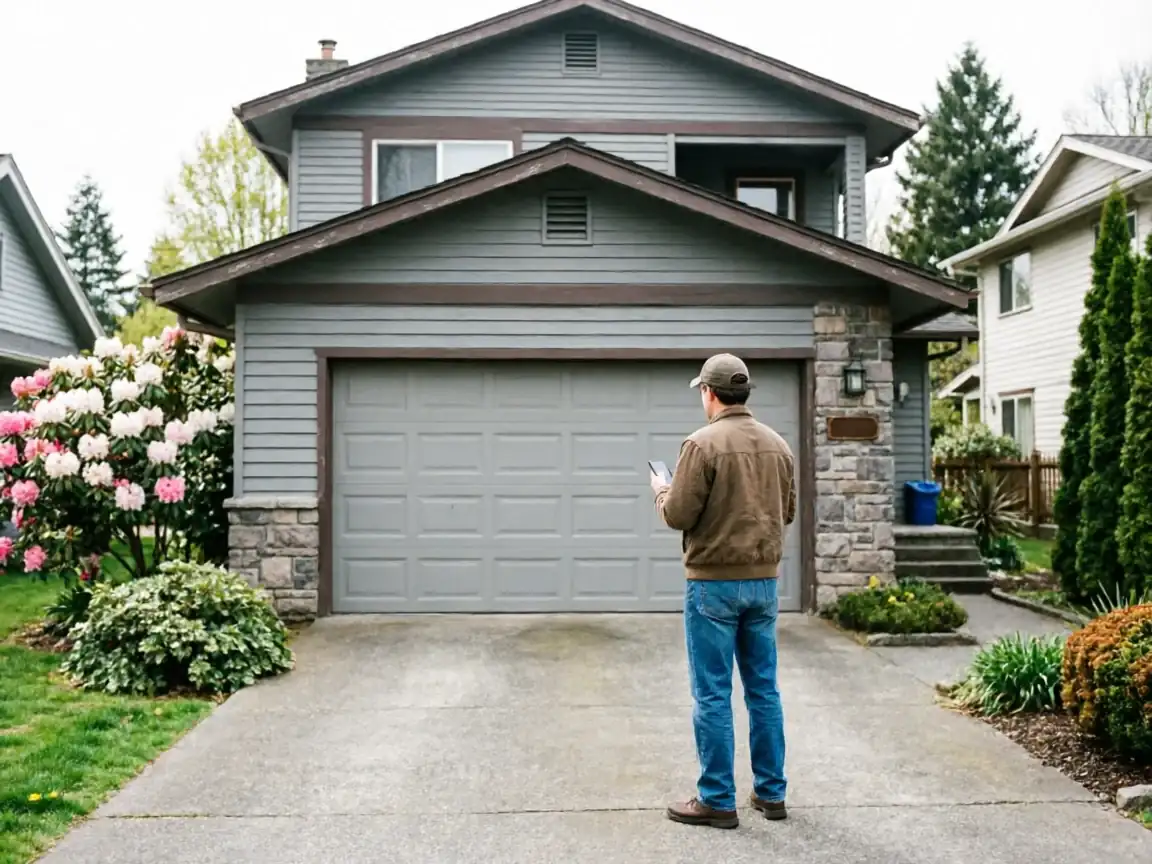
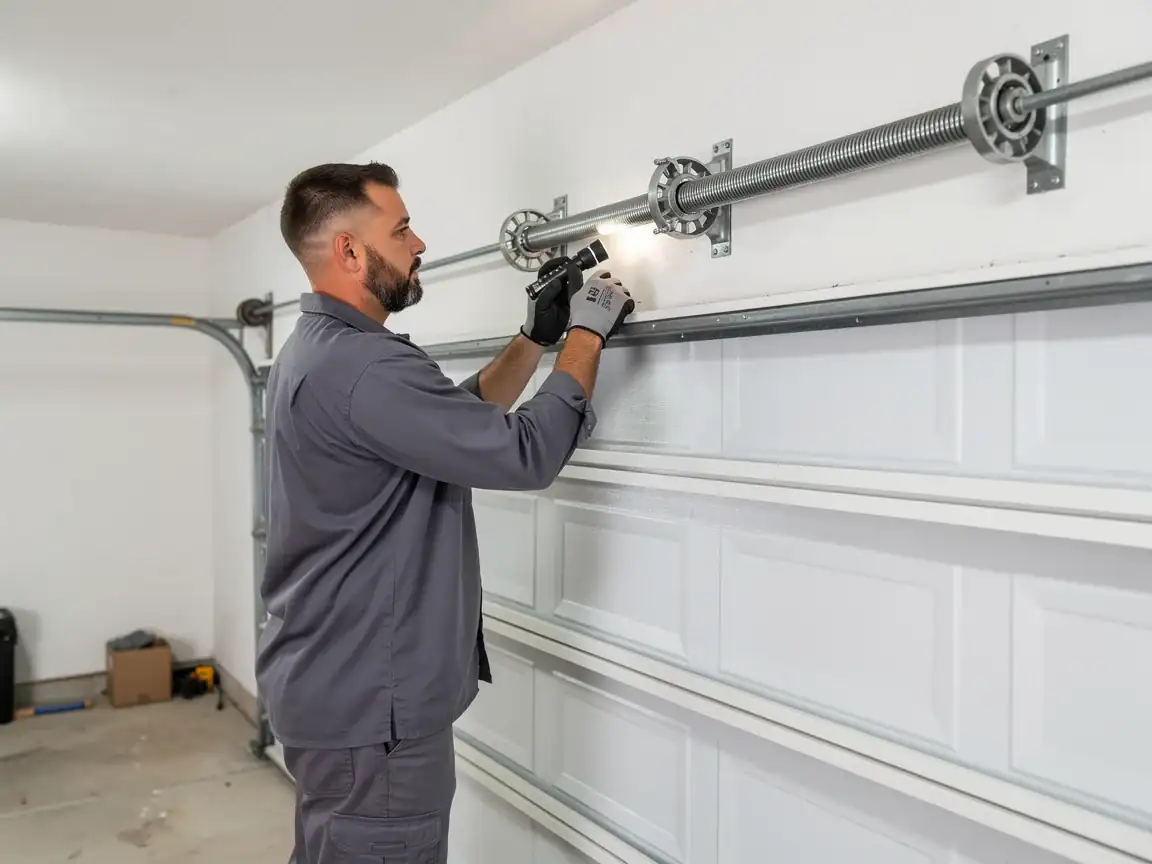
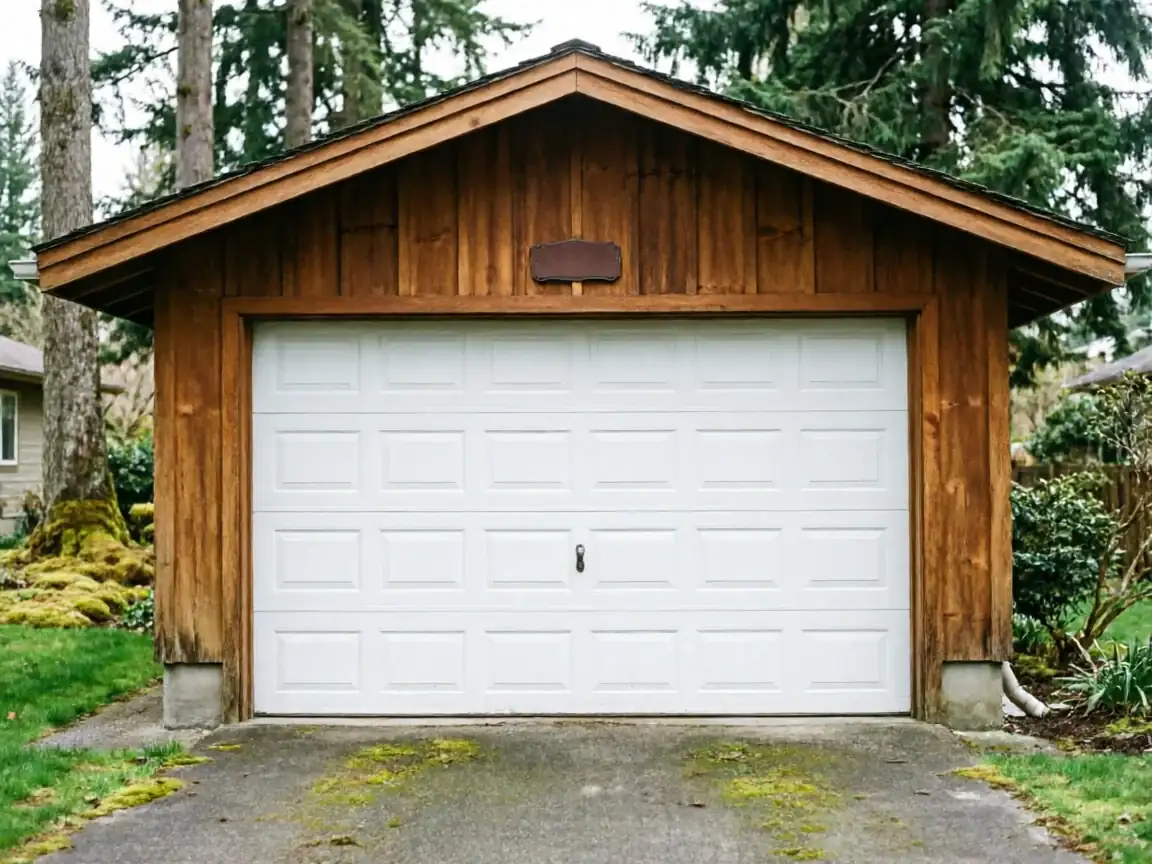
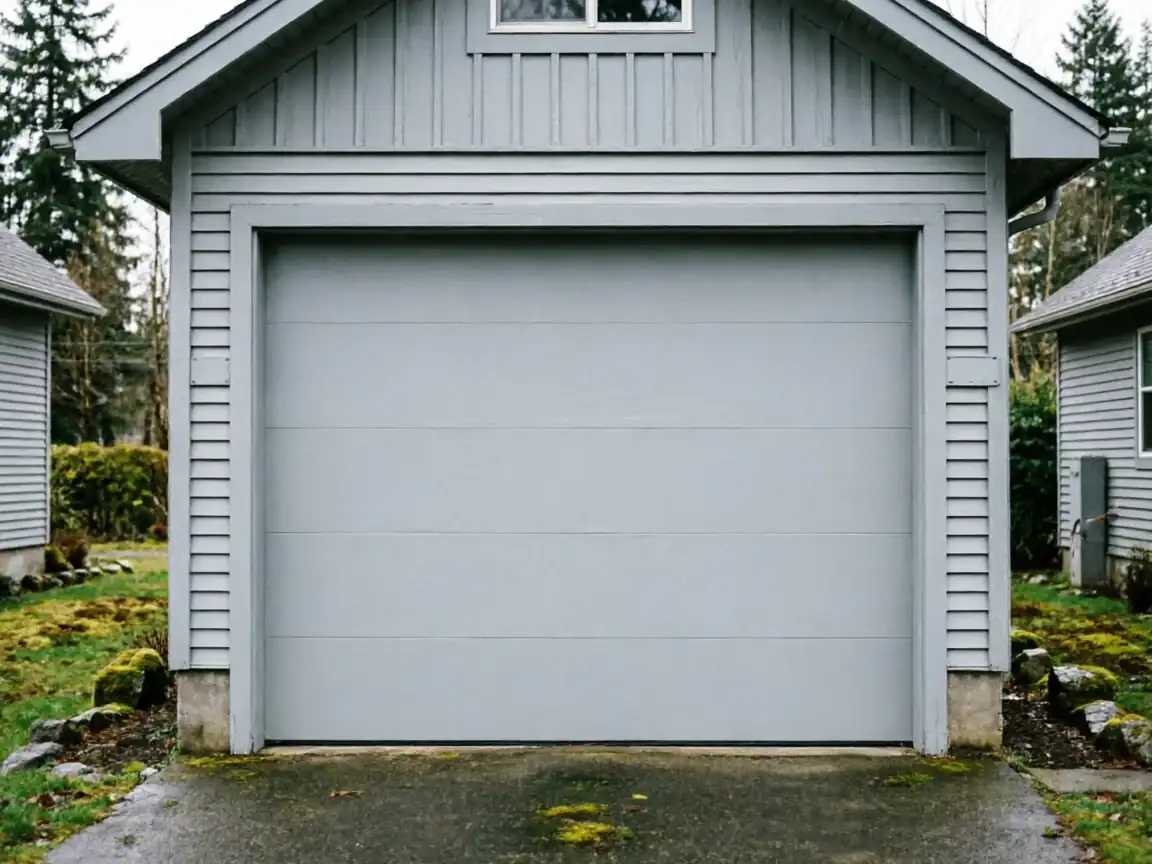
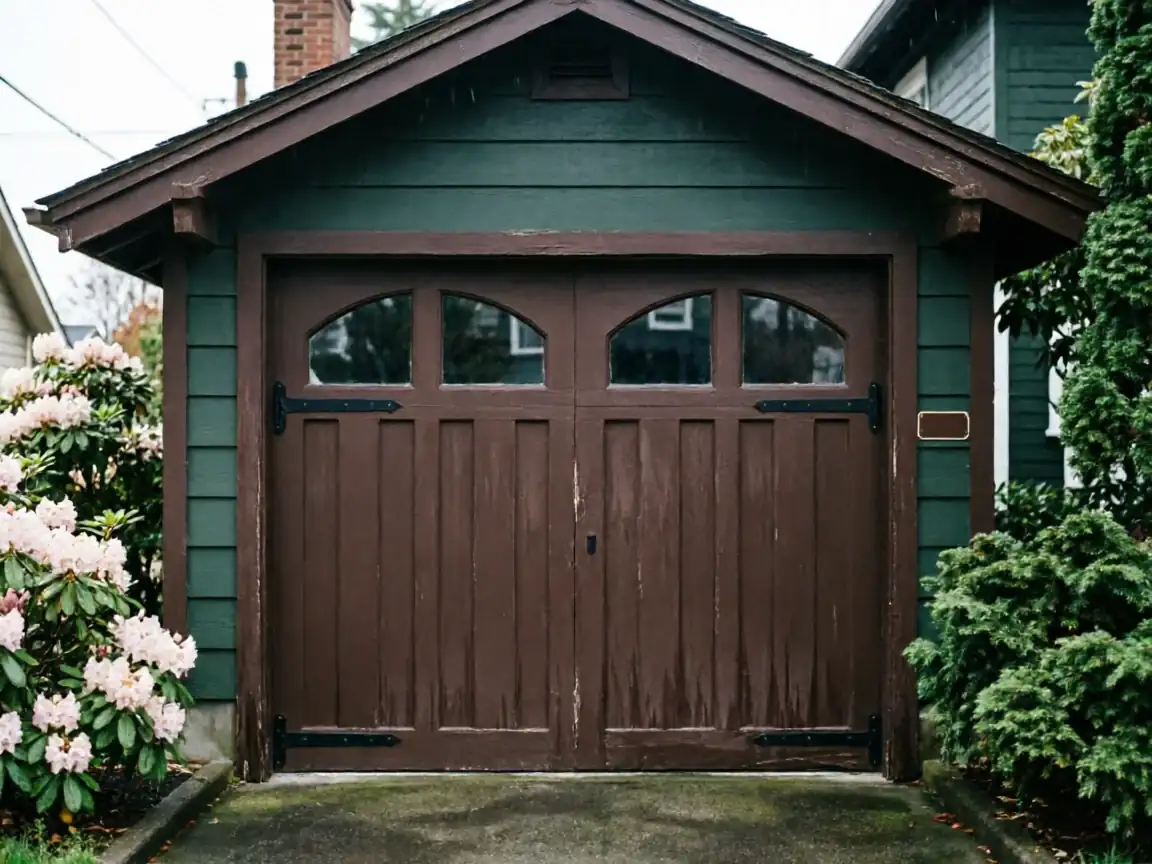
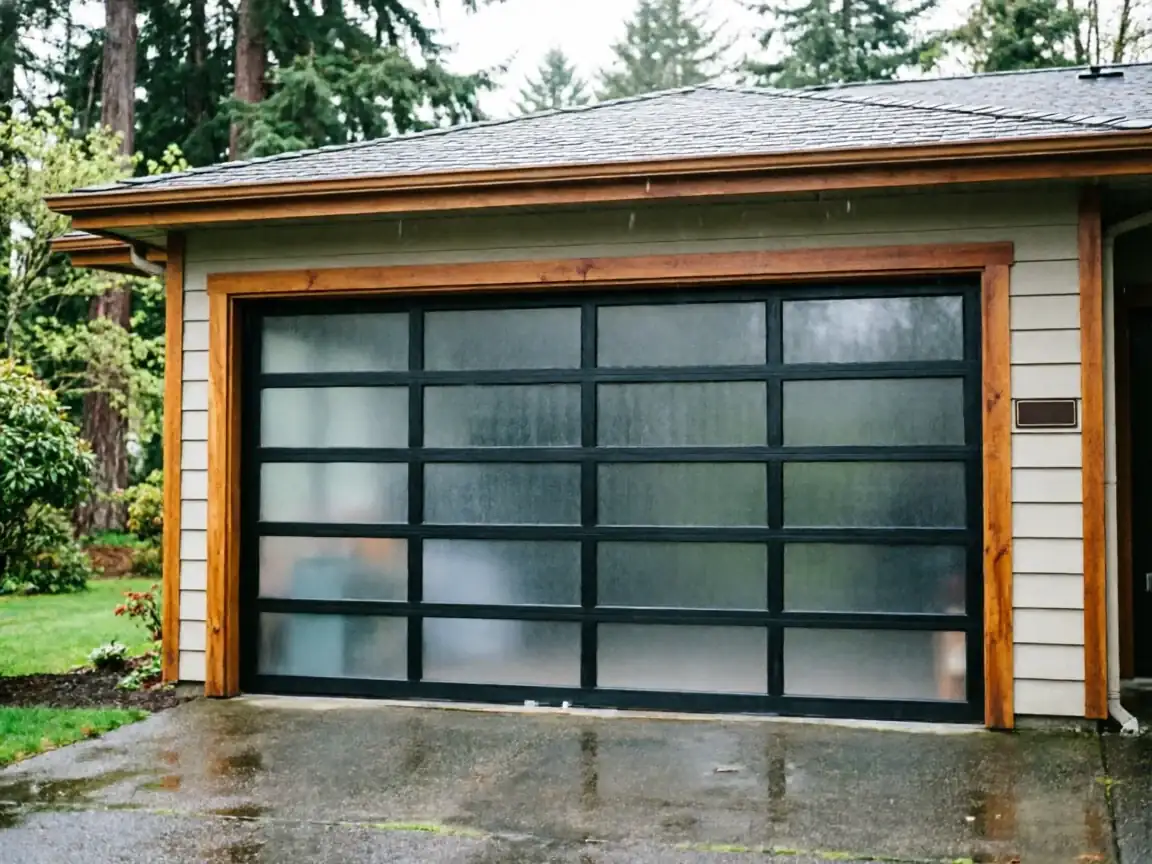
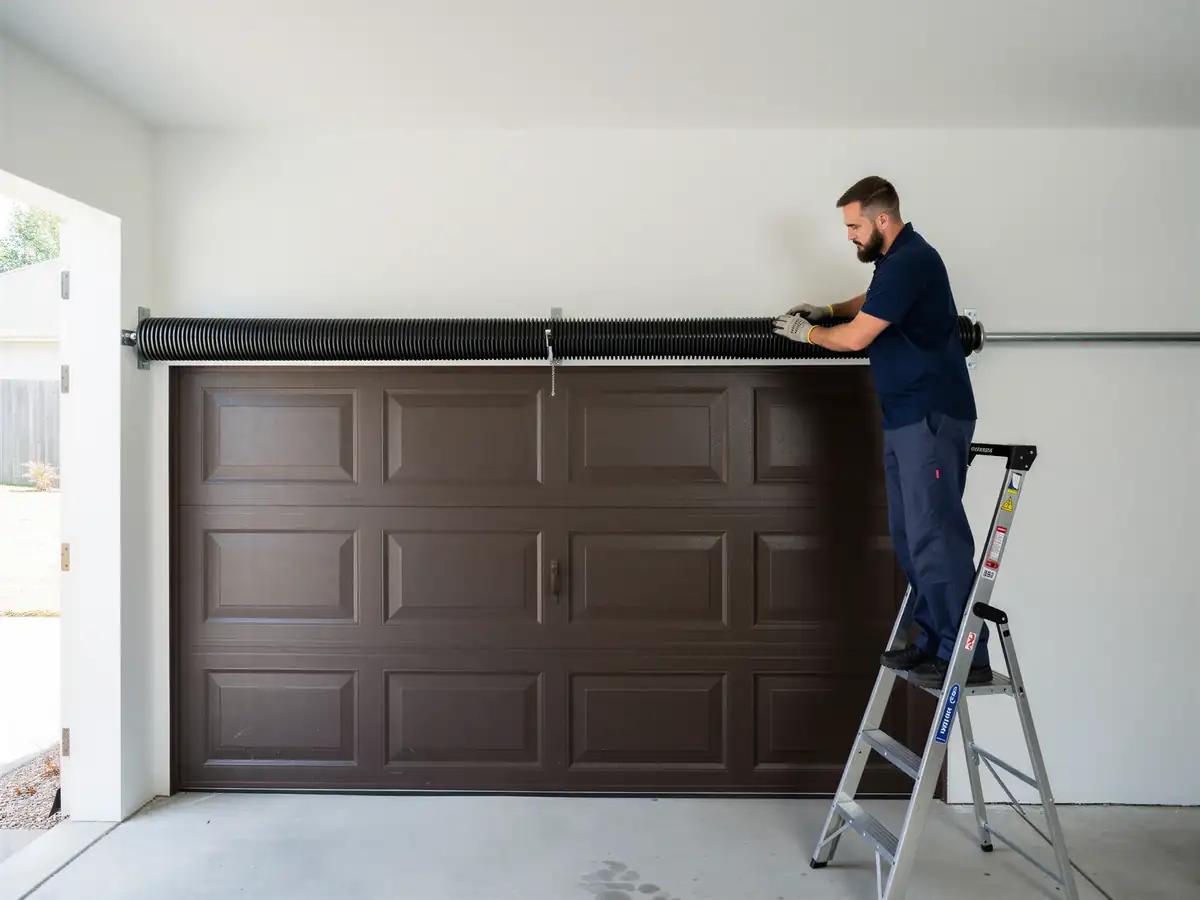
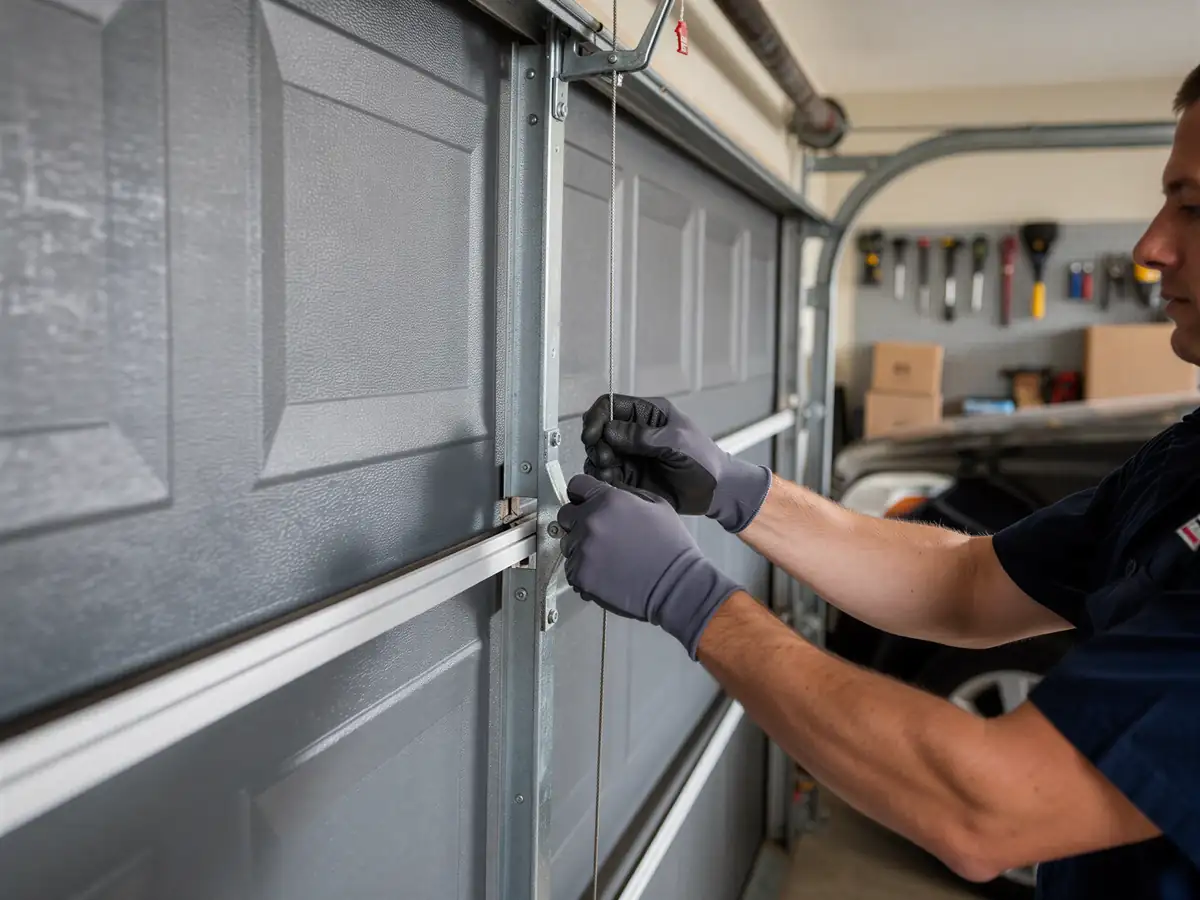
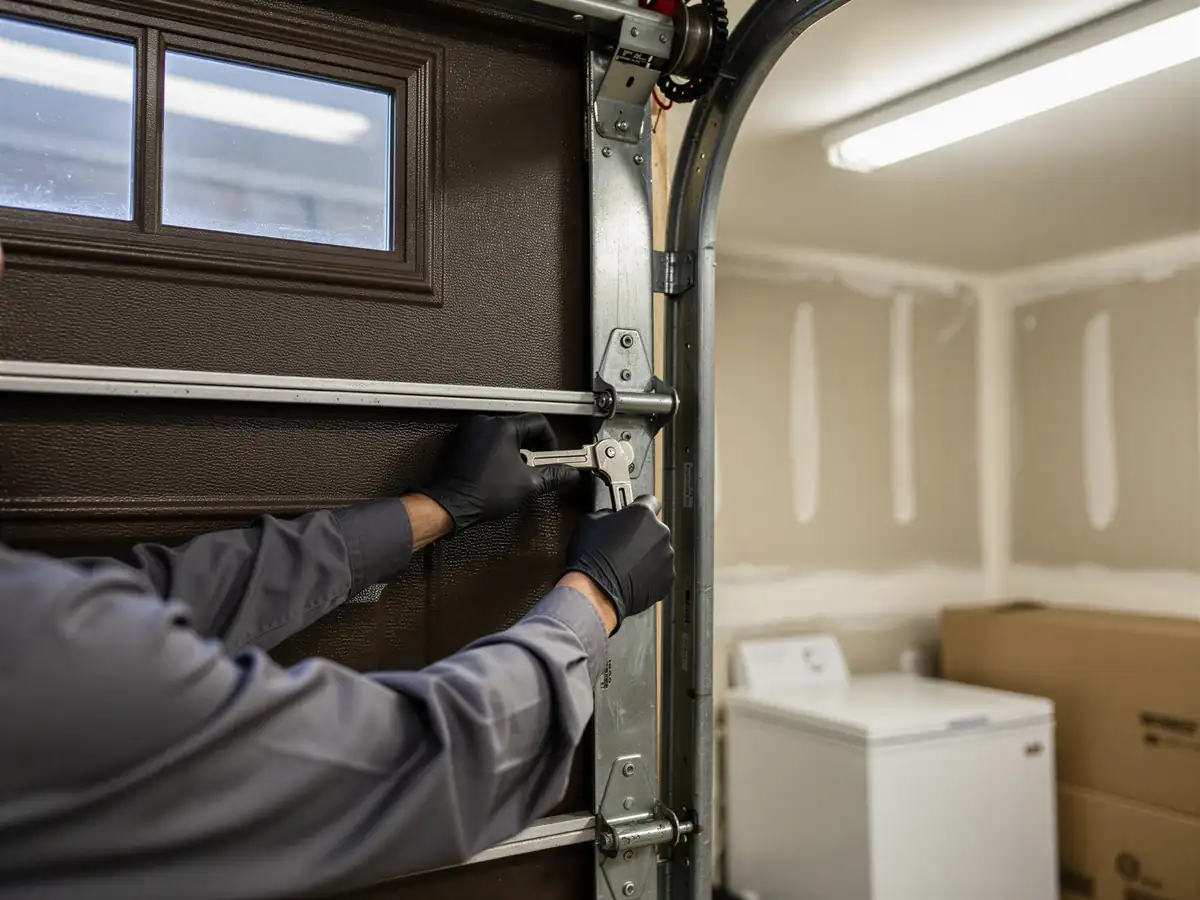
At a median household income of $76,969 in Junction City, the repair-or-replace math usually lands on the side of repair, not a full door swap. A new torsion spring, a cable, or a section replacement runs a fraction of a new door, and on a house built around 1980 - which is the median year built here - the rest of the door is usually still sound enough to be worth saving. We diagnose on site: check the springs, the cables, the hinges, the track alignment, and the opener's force settings before we quote anything. If the door is original to a house from the 1950s-1997 building wave that makes up most of this area's stock, the track gauge and spring winding can be older than what shows up on newer doors, so we match hardware rather than force a modern part onto an old frame. We don't push replacement on a door that still has working life left - that's a sale, not a repair, and it's not why anyone calls us. When the panel is rusted through or the opener is beyond its parts life, we'll say so and give you the honest number for both paths.
What Is on the Truck
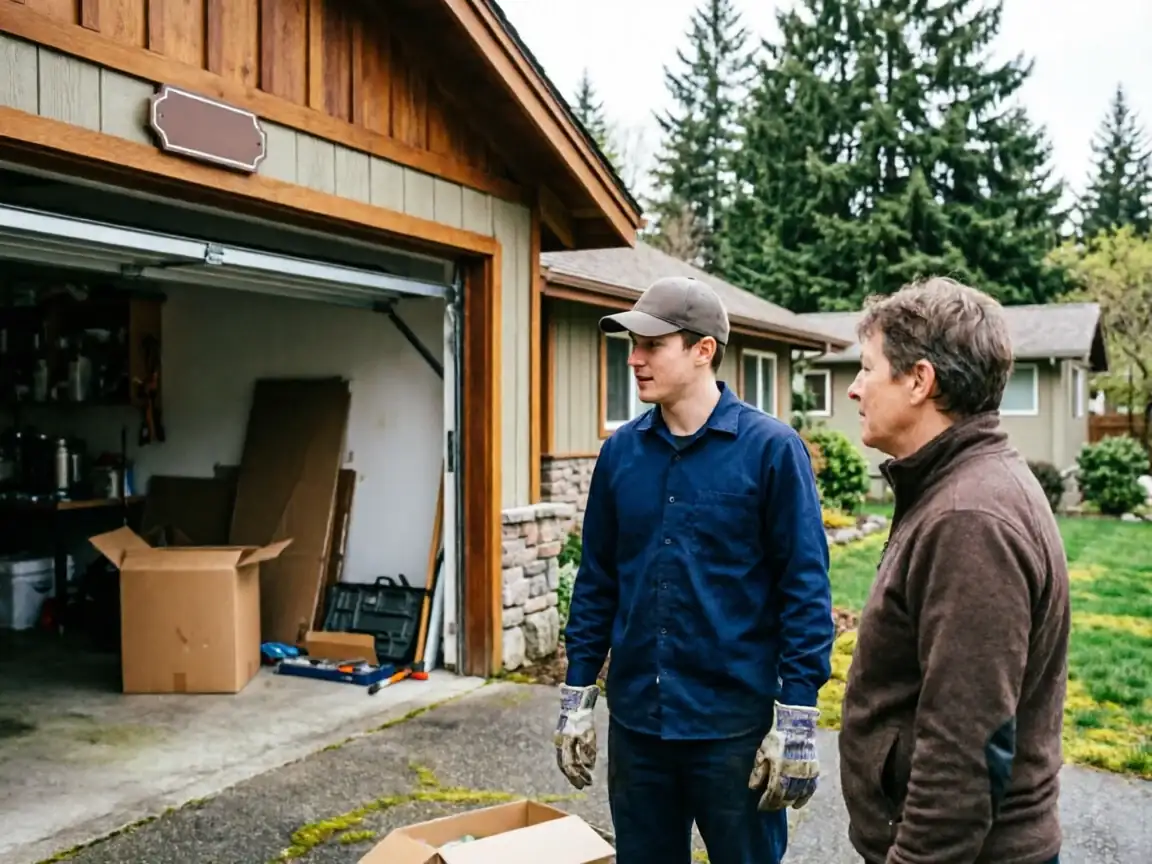
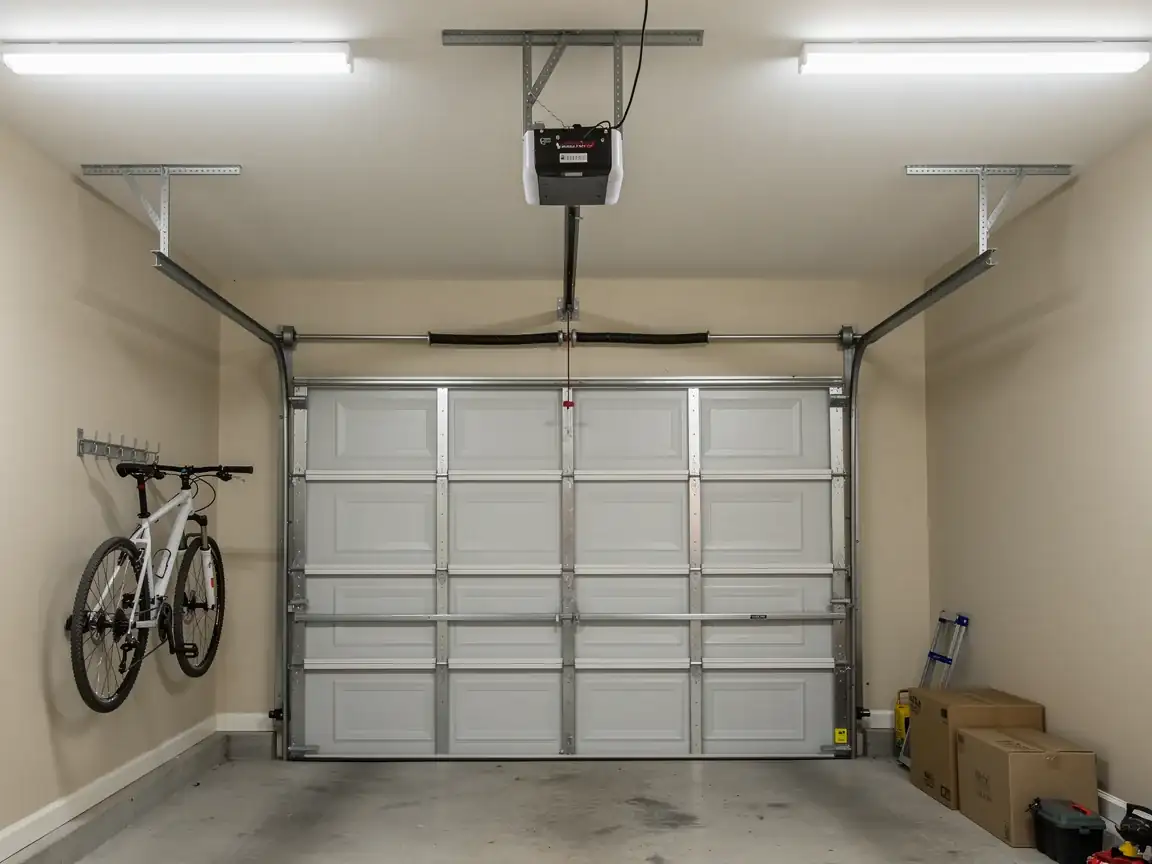
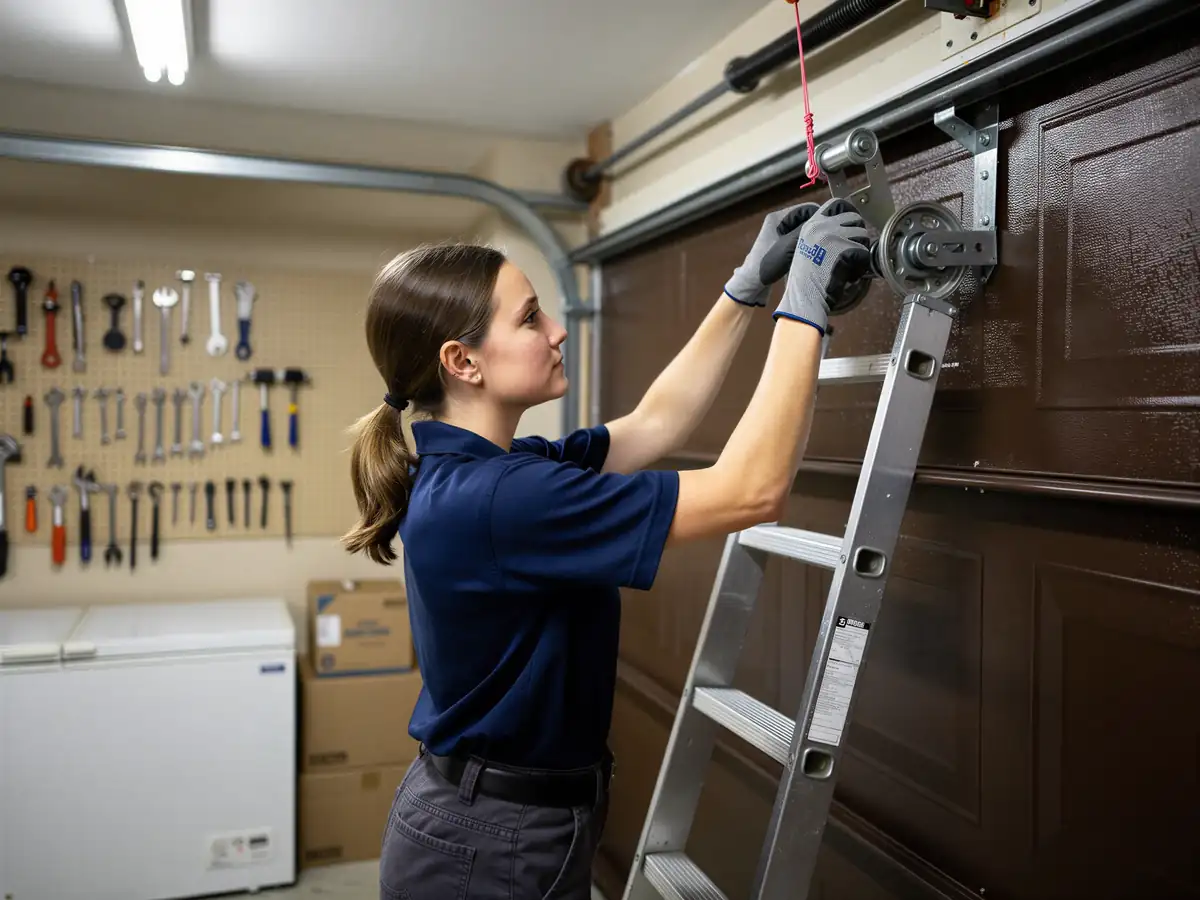
Doors built across this area's 1950-1997 span use a mix of spring and track hardware, so the truck carries a range of torsion spring sizes, both standard and heavy-lift cables, and rollers in steel and nylon. We also stock the common opener logic boards and sensor pairs that fail on doors installed when this area's housing stock was going up fastest, through the 1980s and into the 90s. What we don't carry is a full stock of discontinued panel sections for doors over 30 years old - those sometimes have to be ordered, and we'll tell you that cost and wait time before we start, not after.
The DIY Question
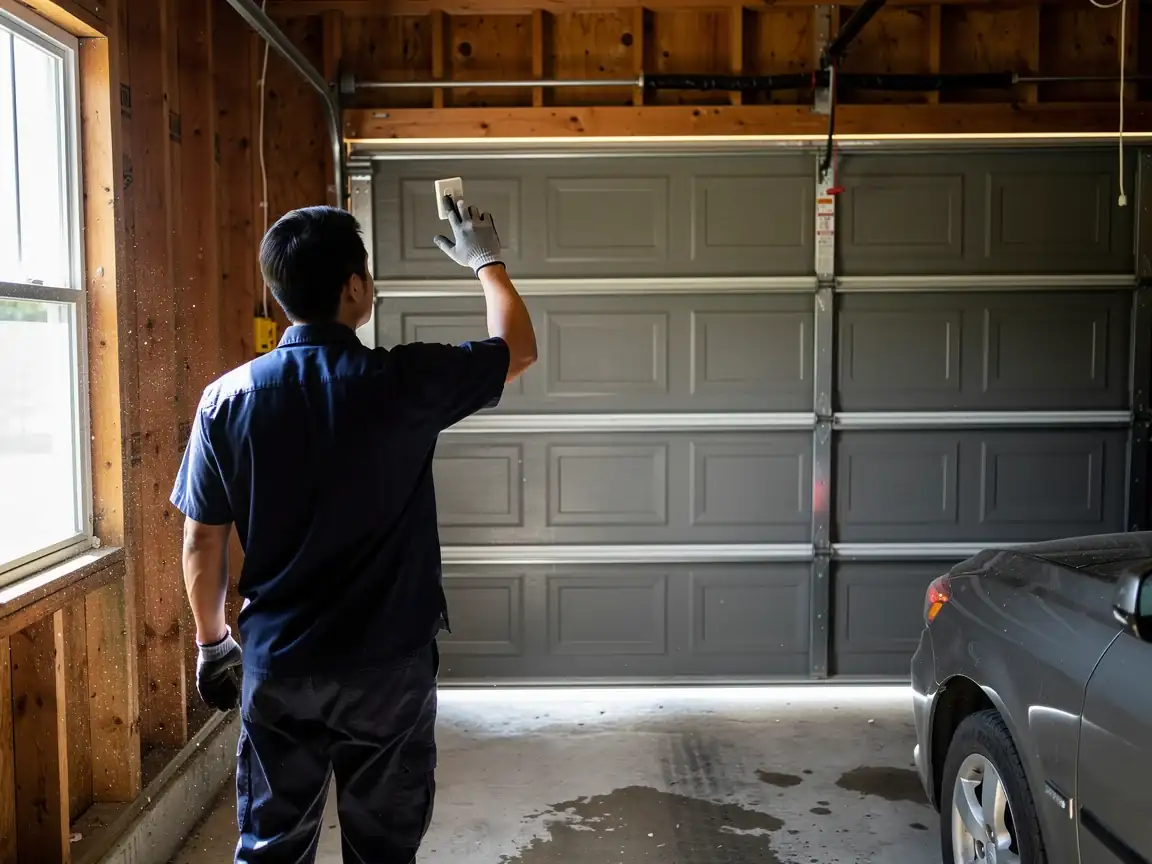
A torsion spring under tension can take a finger or worse, and on a door from the 1980s building wave the winding cones are often rusted enough that they don't turn the way a YouTube video assumes they will. Anything involving the spring, the cable, or the drum stays a call-us job. What's reasonable to do yourself: tightening loose hinge bolts, lubricating hinges and rollers, clearing the track of debris, and testing the auto-reverse safety feature by setting a 2x4 under the door and watching it reverse. If it doesn't reverse, that's a sensor or force-setting issue, and it's worth a call before someone's car or kid is under that door.
Where This Job Goes Sideways
The job gets expensive fast when someone tries to force a stuck door before calling - bent track, a sheared cable drum, or a torsion spring that unwinds under load are all things we see after a DIY attempt goes wrong on these older doors. The other way it goes sideways: waiting until a second spring goes on a double door that's already down one. With 2,885 households in Junction City and a housing stock concentrated in that 1950-1997 window, a lot of doors here are aging into failure at close to the same time, and replacing both springs together costs less per spring than two separate calls. If a job needs a part we don't carry, we'll say so rather than patch it with something that won't last.