How We Fix It
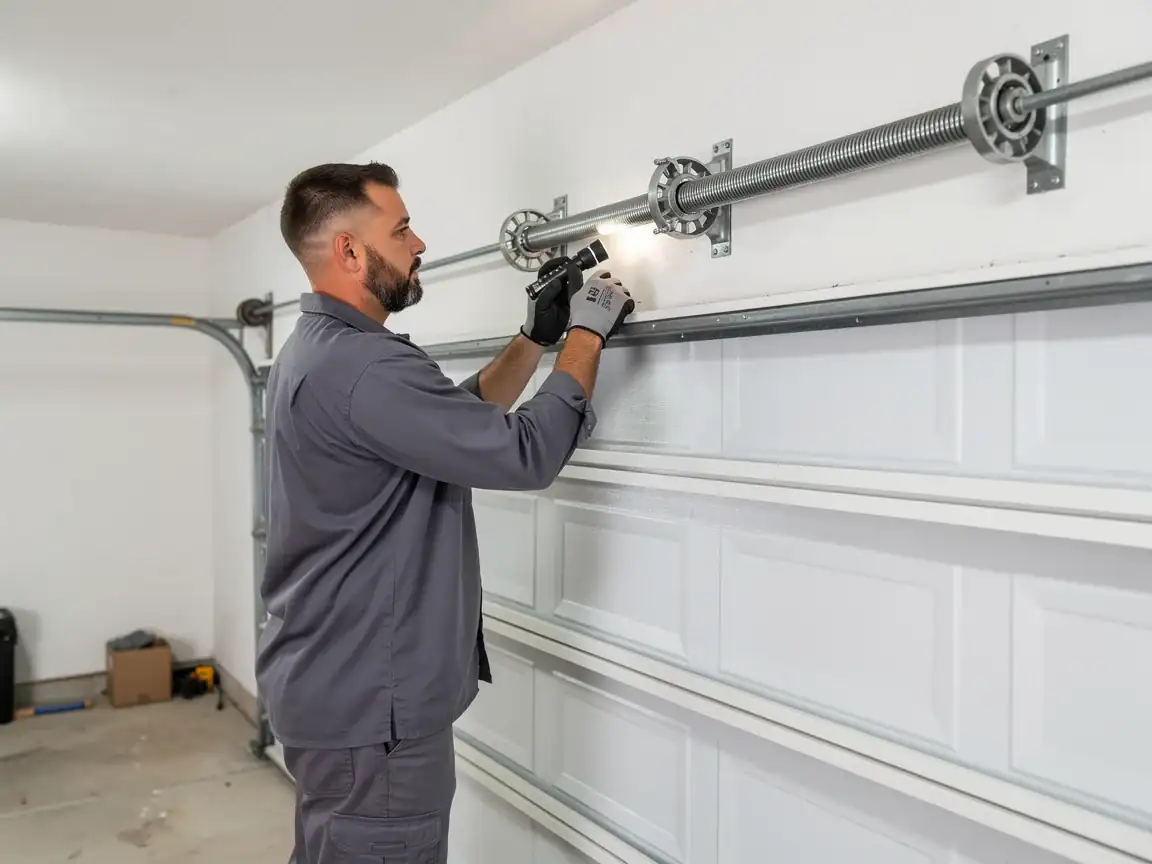
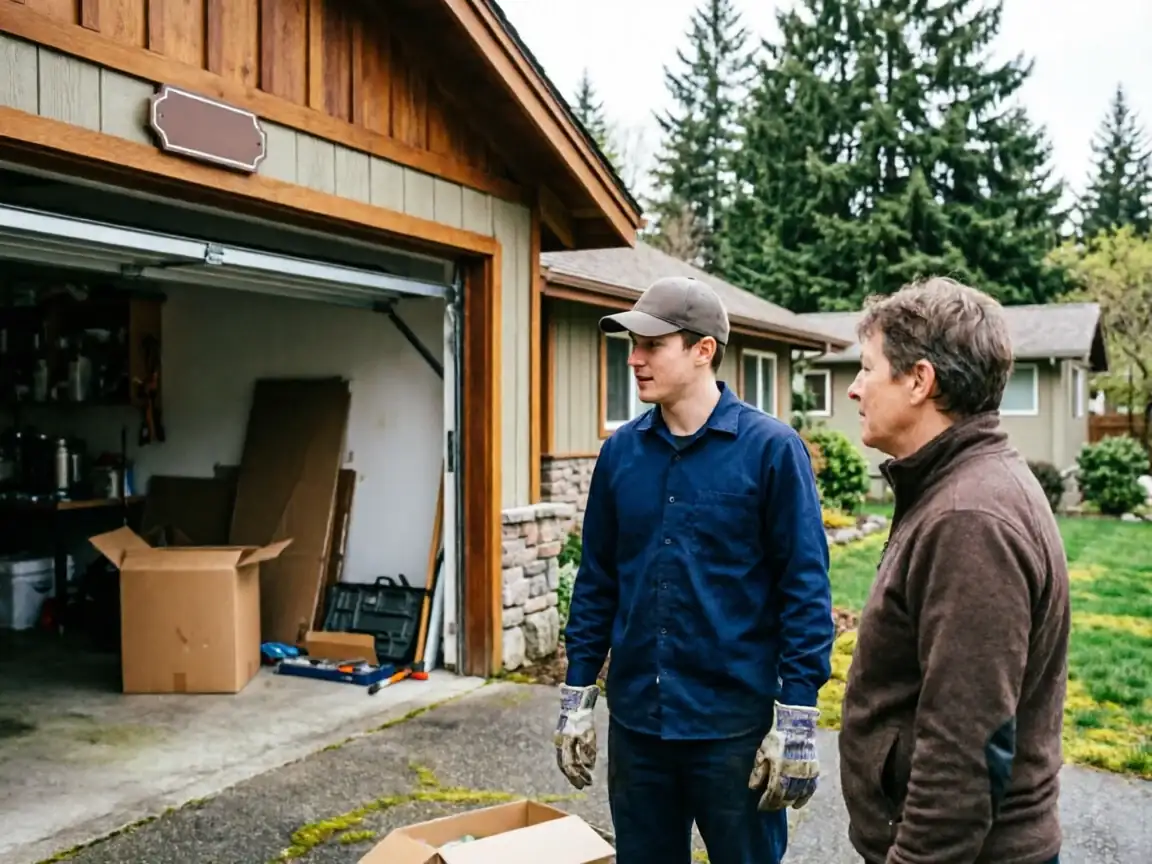
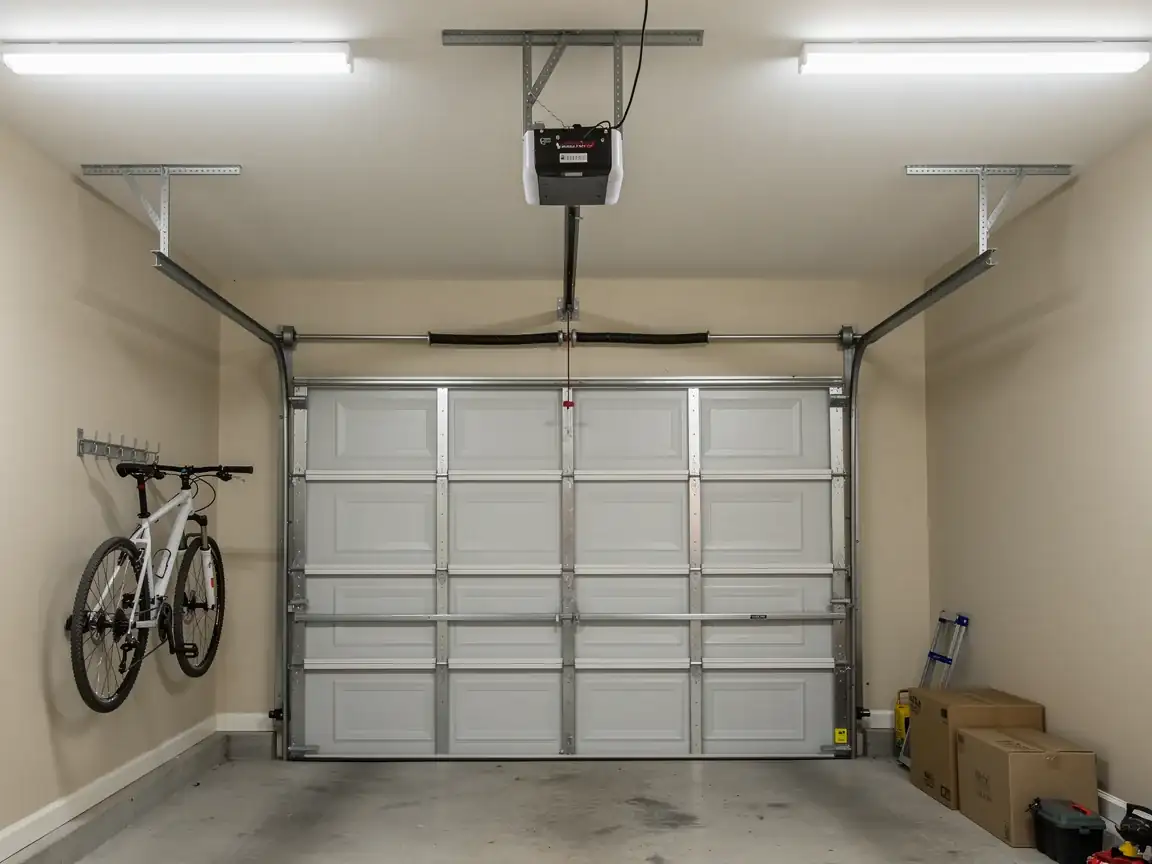
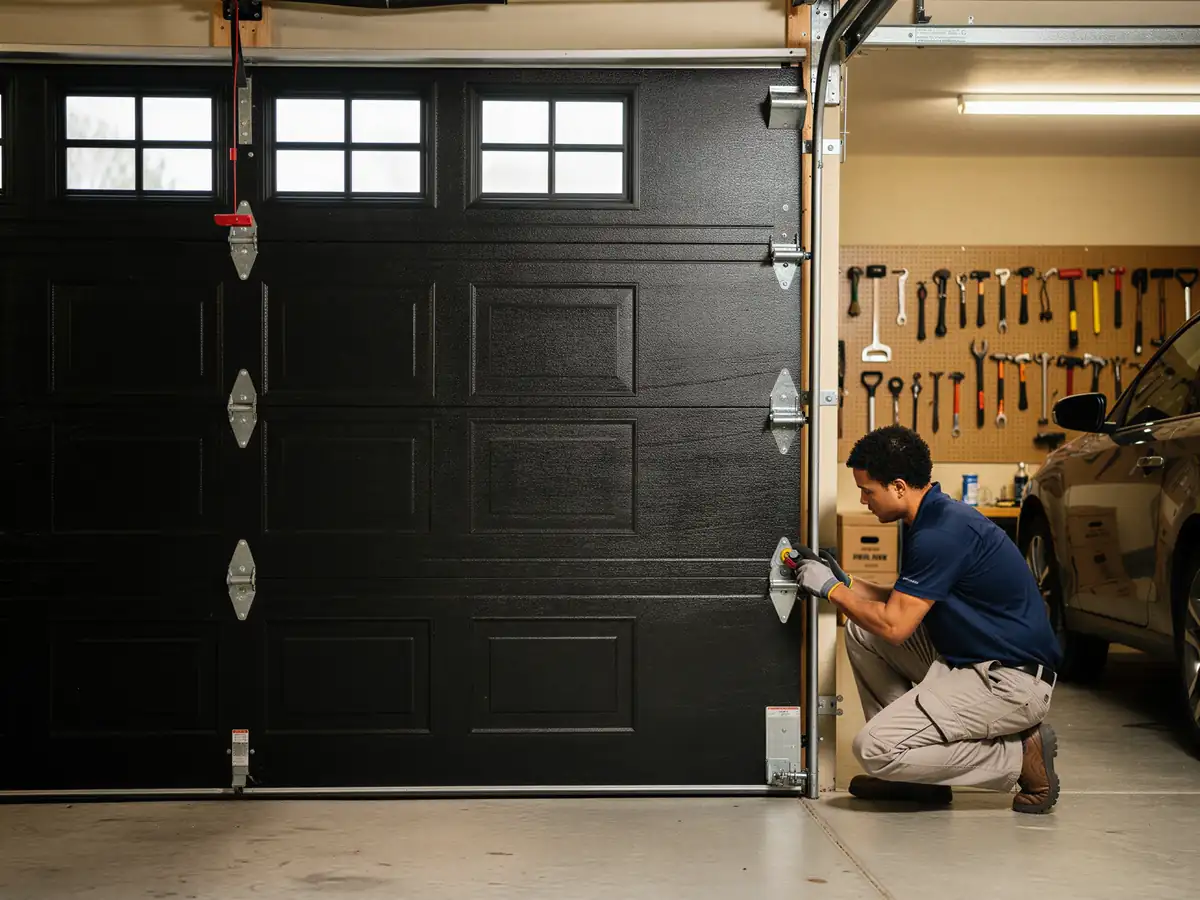
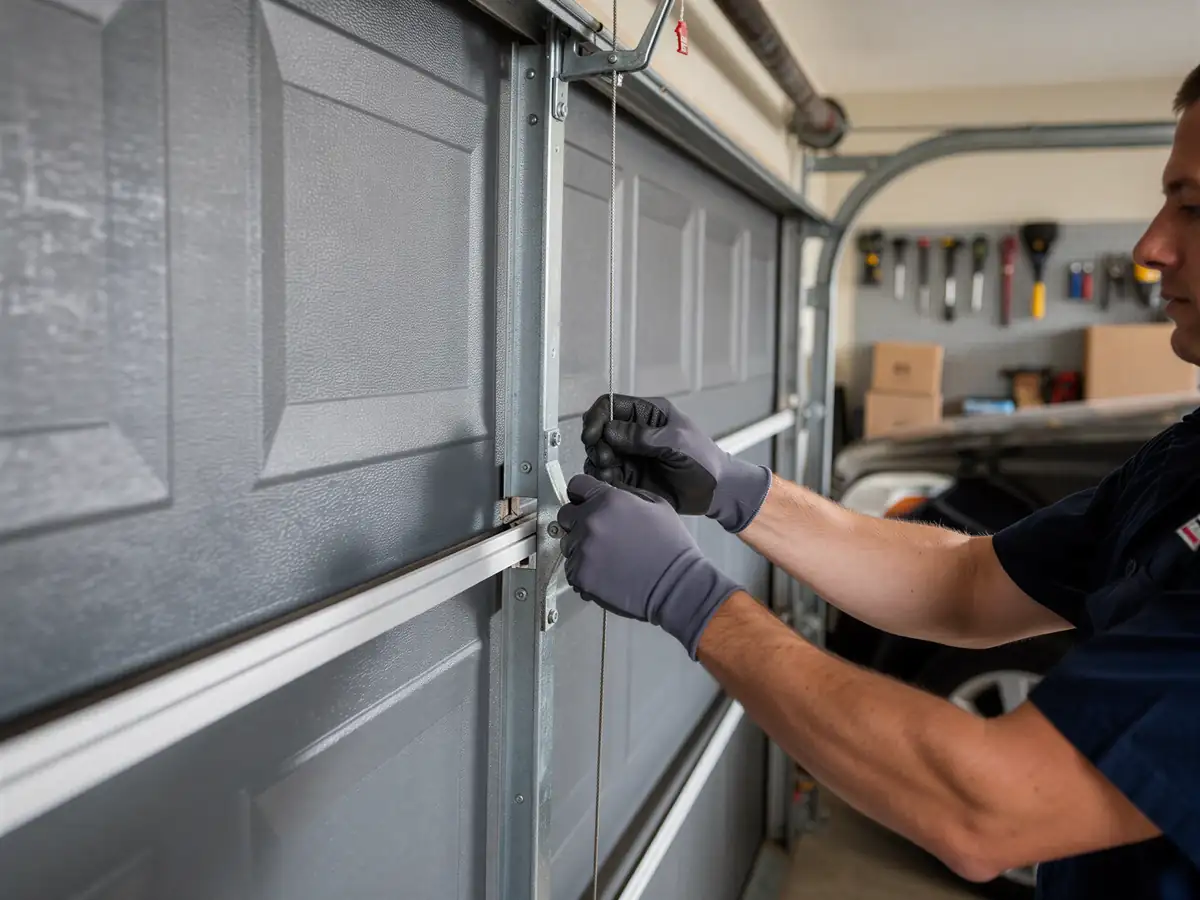
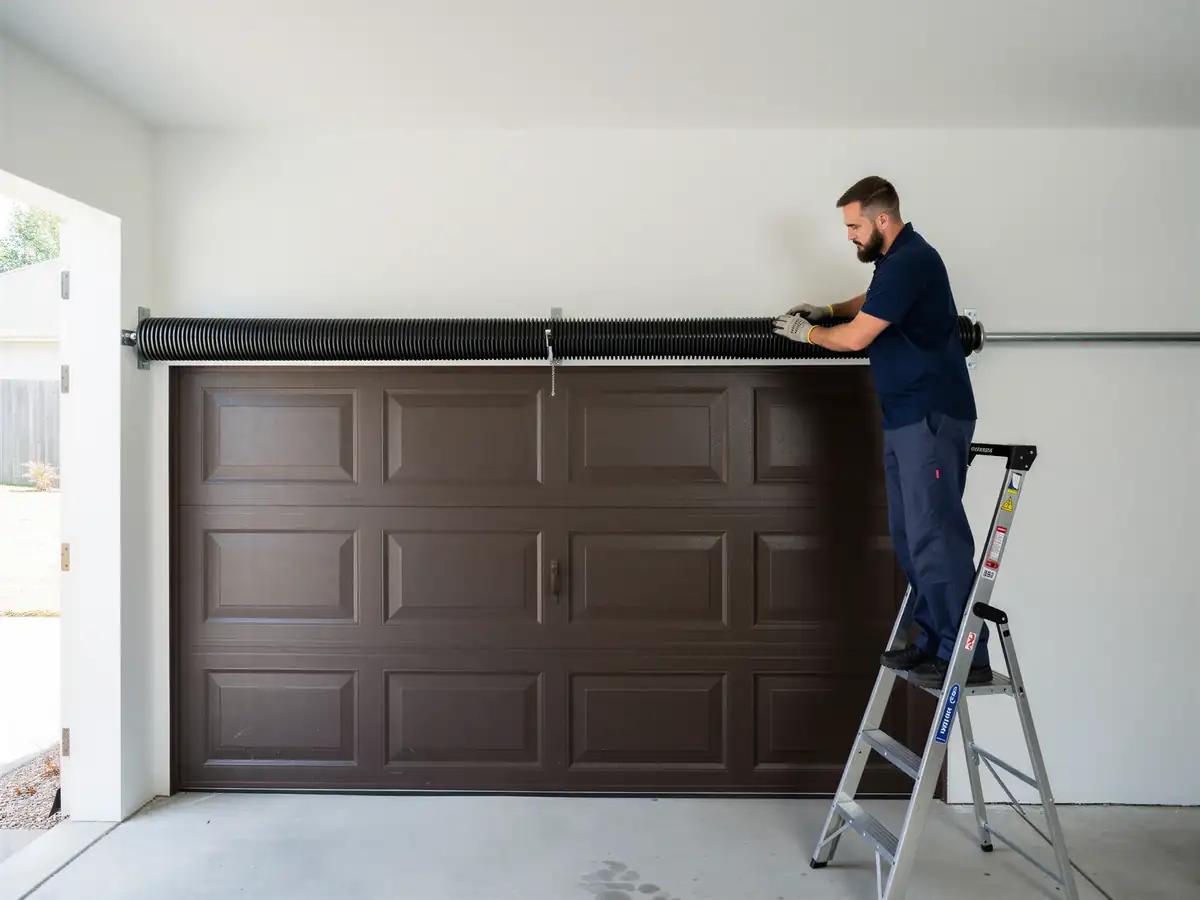
Junction City is a small town by the numbers - about 2,885 households, which means most of the spring calls we get here cluster around the same handful of door and spring configurations rather than a wide mix of eras. We pull the broken spring, measure the wire gauge, coil diameter, and length against the door weight, and replace with a matched torsion spring set (or the extension springs if that's what the opener bracket shows). We don't eyeball it and guess a size off a chart. On a double door with two torsion springs, we replace both even if only one broke, because the surviving spring has usually logged the same cycle count and is close behind. The drive out from Eugene is 11 miles, so we plan the truck load before we leave rather than improvise once we're on-site.
What Is on the Truck
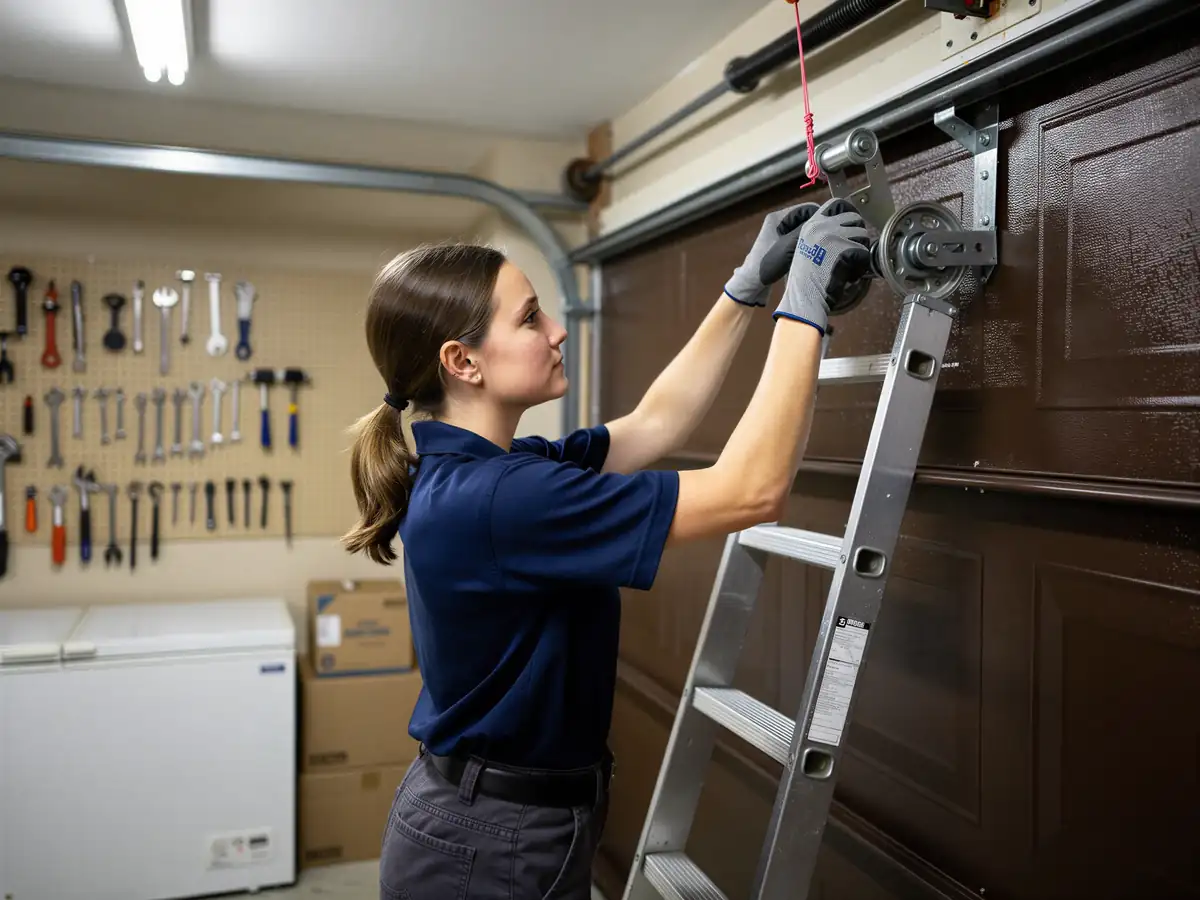
Because the median year built here is 1980, the truck gets stocked for torsion springs sized to that generation of door and opener combos before we head out - left and right wind, common wire gauges, standard drums and cable. We also carry extension springs and safety cables for the older or converted setups that still show up. What we don't carry is every possible custom spring on the market; if a door's been retrofitted with a non-standard torsion bar or a heavier insulated panel than the original, we may need to order the exact match rather than force something close off the truck.
The DIY Question
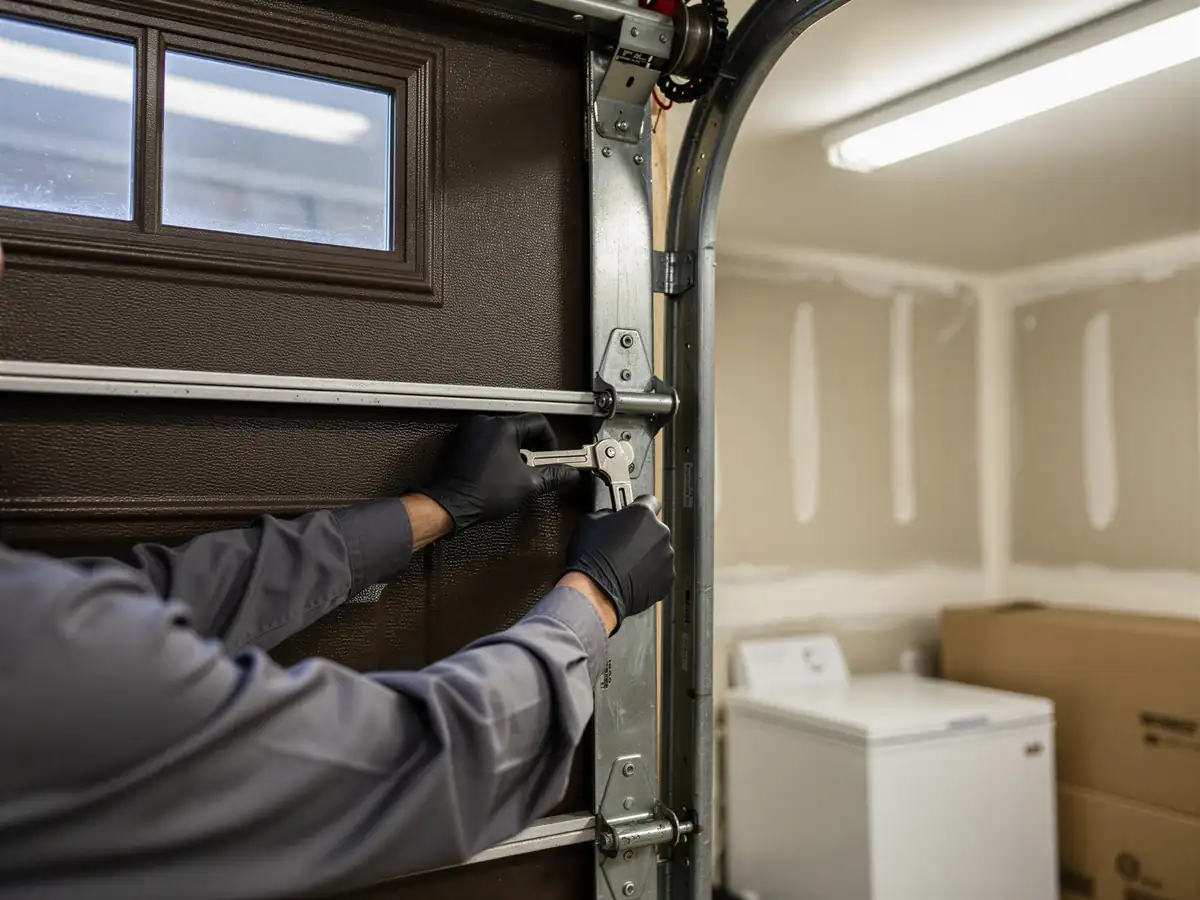
Torsion springs are under enough tension to break a bone or worse if the winding bars slip, and extension springs without safety cables can launch across a garage. We're not going to walk you through winding one over the phone. If you're comfortable identifying which type you have and want to swap the cheap parts - bottom brackets, rollers - that's a different conversation. But the spring itself, no. The honest limitation here: if your door is original to a 1980-built house and the torsion tube or drums are worn past matching, a spring-only fix isn't always the right call - sometimes the hardware needs replacing alongside it, and we'll tell you that instead of selling a spring job that won't hold.
Where This Job Goes Sideways
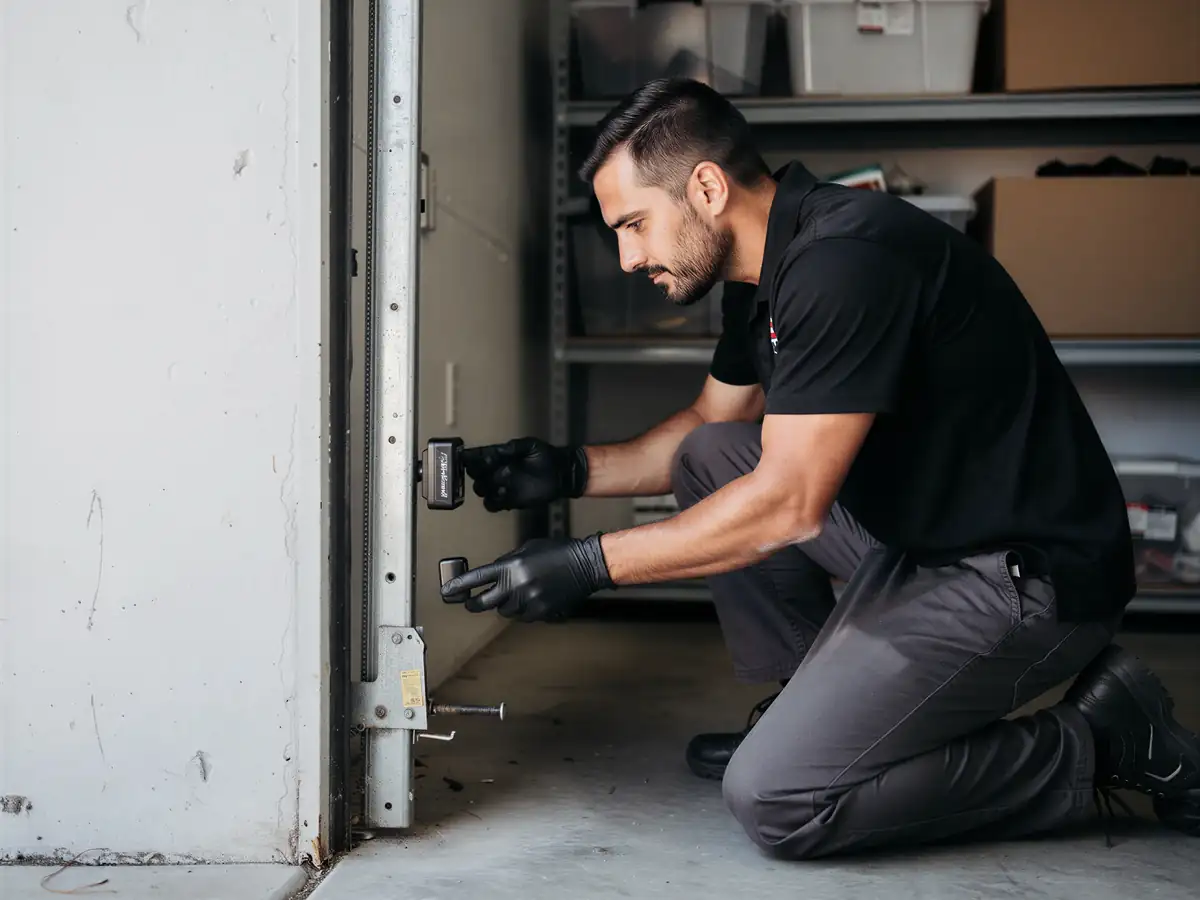
The job gets harder when the spring isn't the only thing that's failed. On older torsion setups, we sometimes find the center bearing seized or the drum cracked, which turns what looked like a simple spring swap into a bigger repair. It also goes sideways when someone's already tried to wind the spring themselves and bent the winding cone or the shaft - that's a safety issue before it's a repair issue. None of this is common, but it's common enough in a service area this size that we check the shaft, bearings, and drums before quoting the fix as 'just a spring.'