How We Fix It
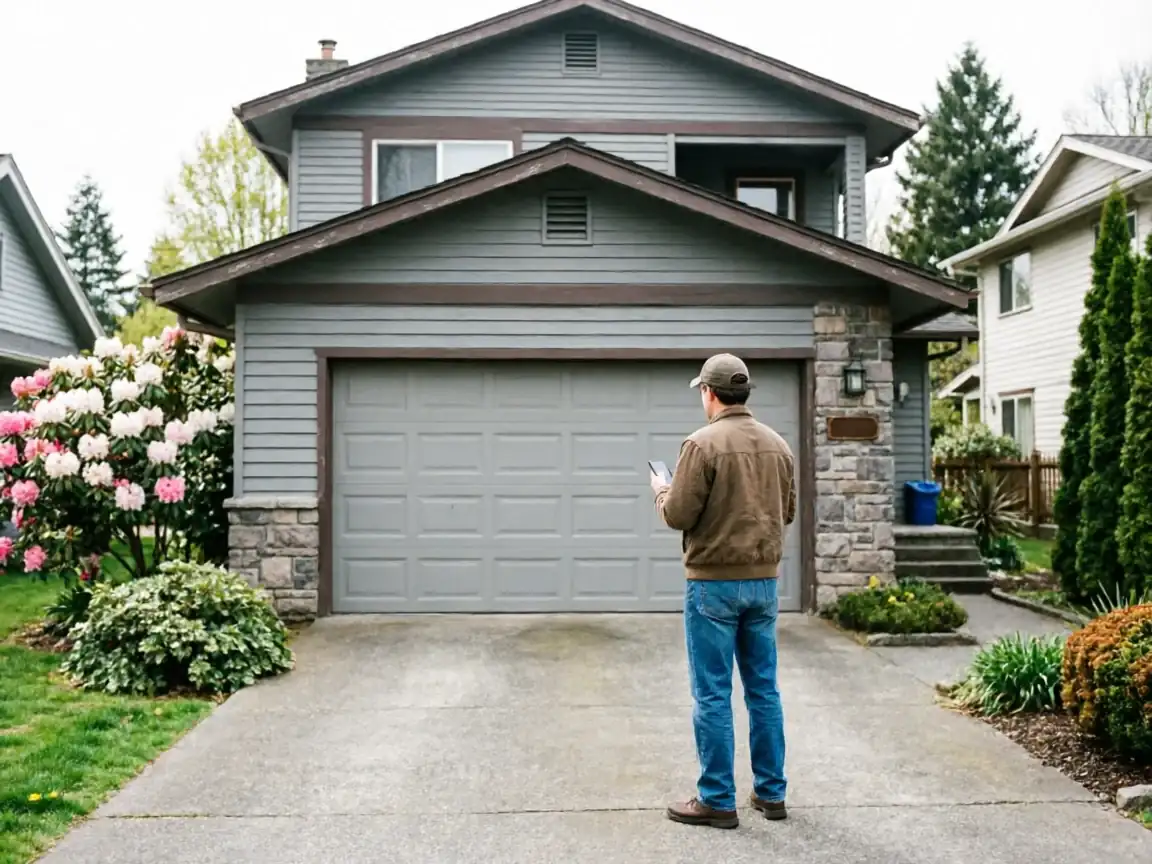
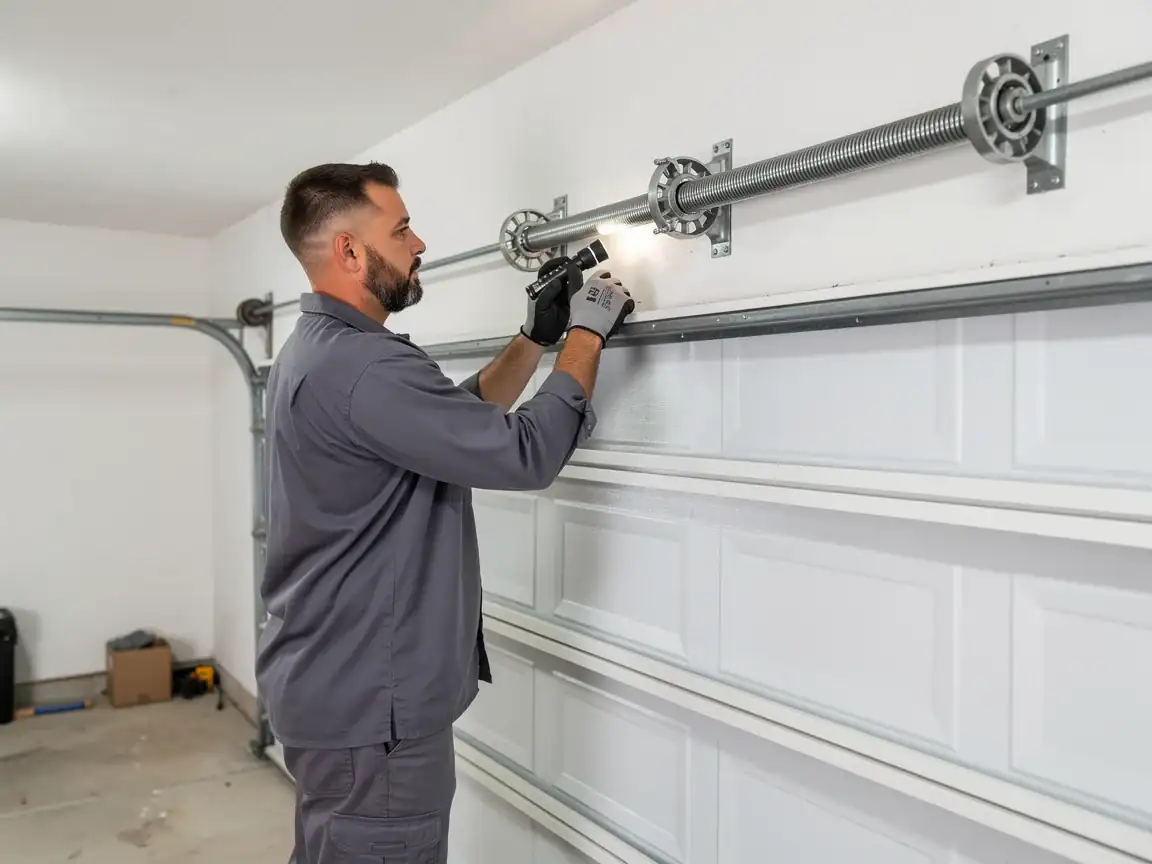
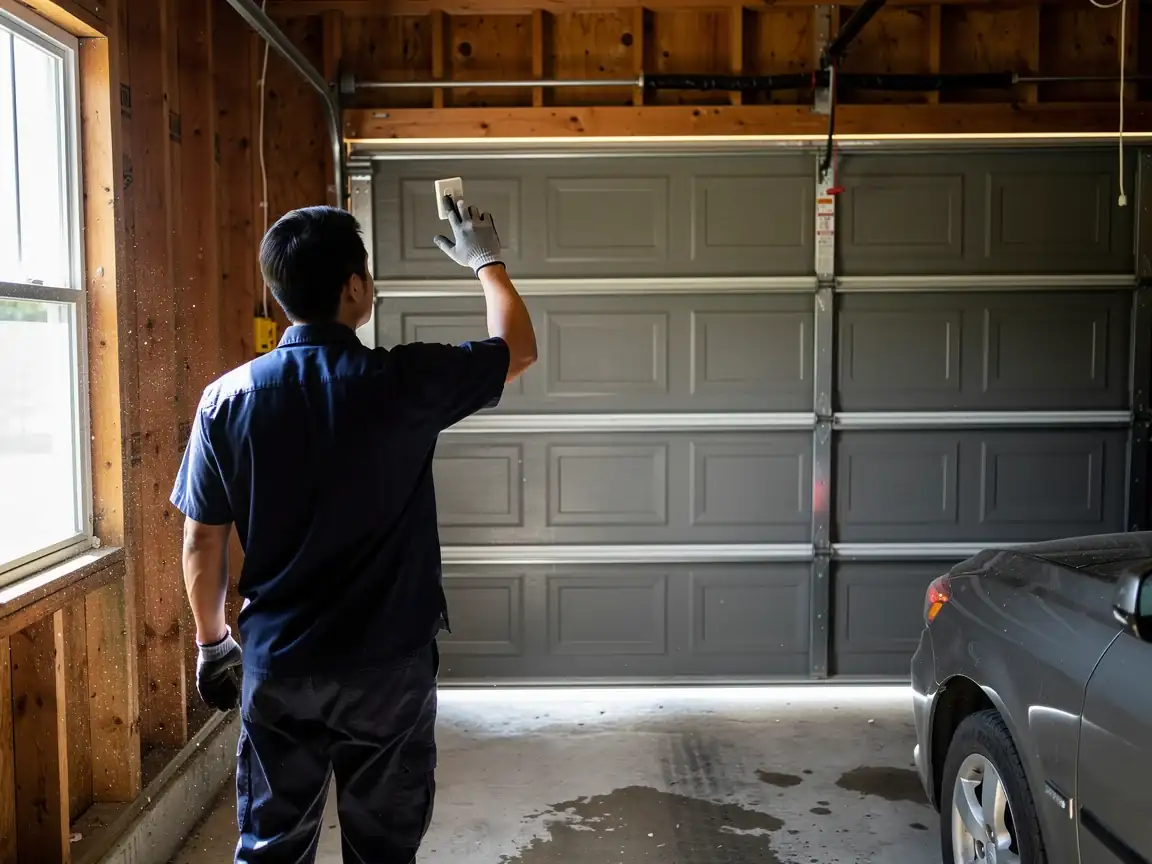
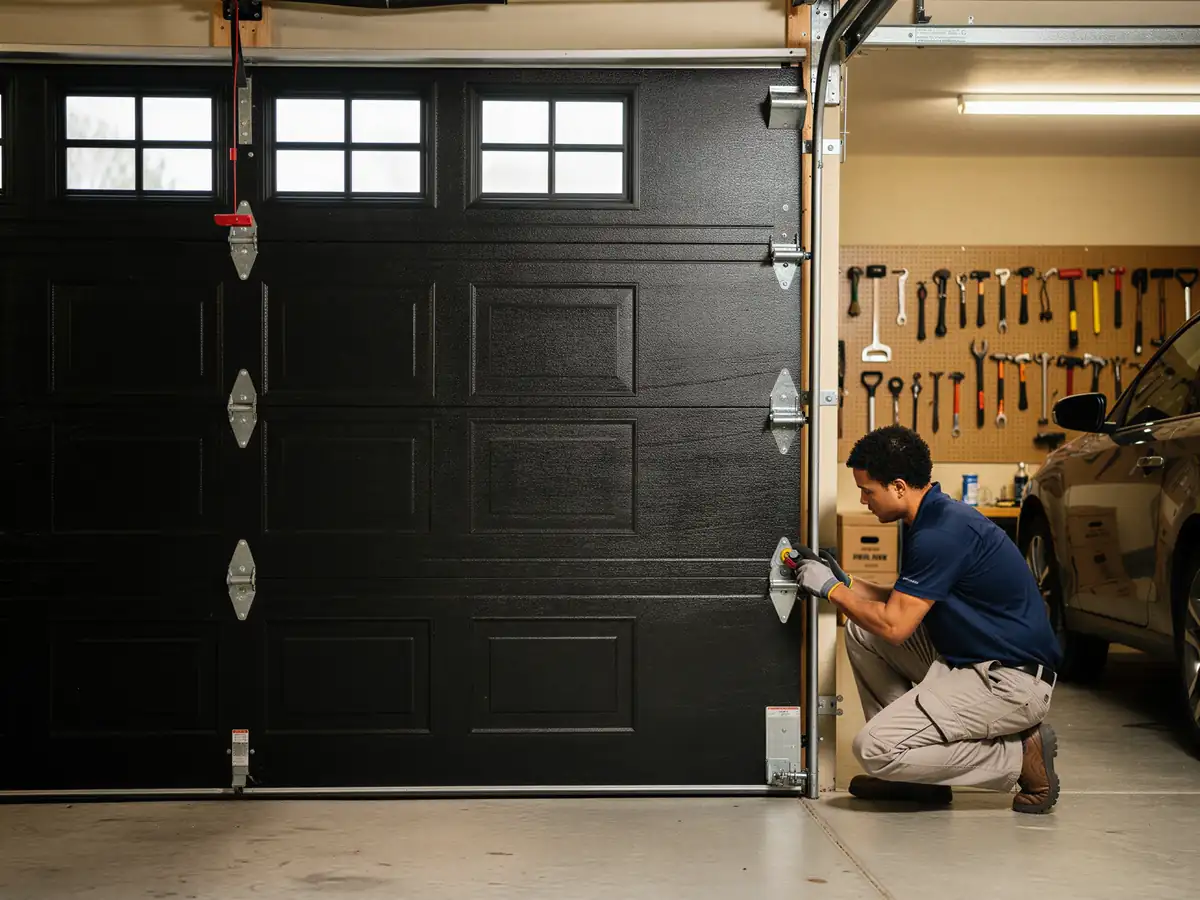
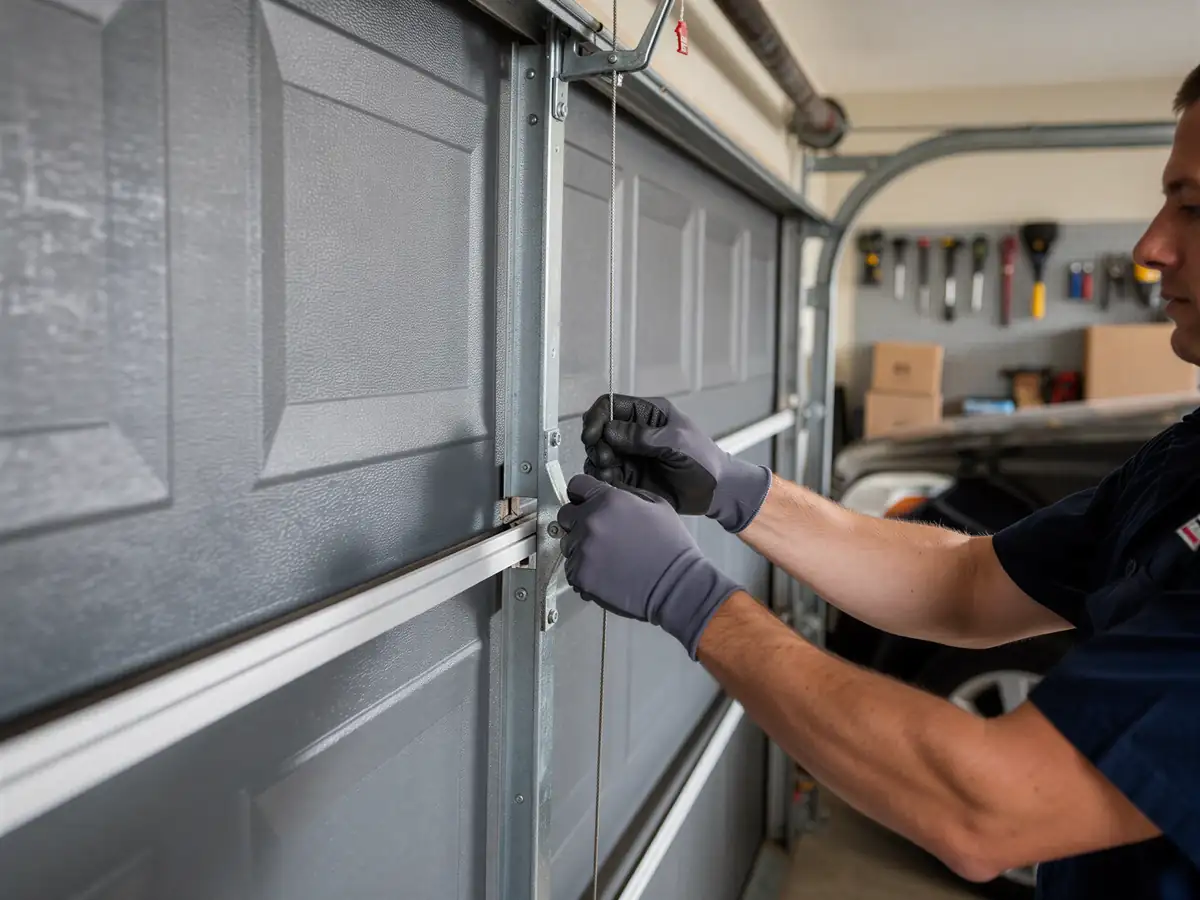
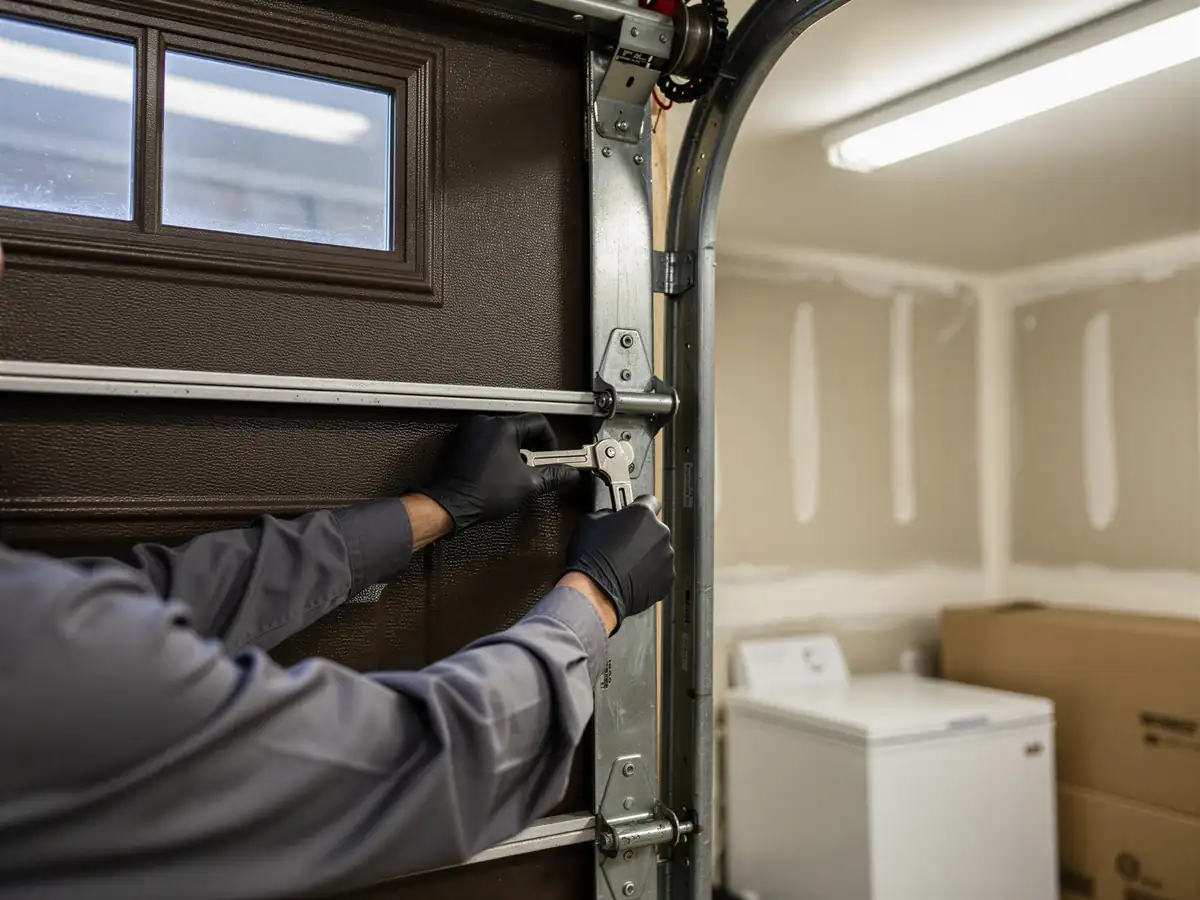
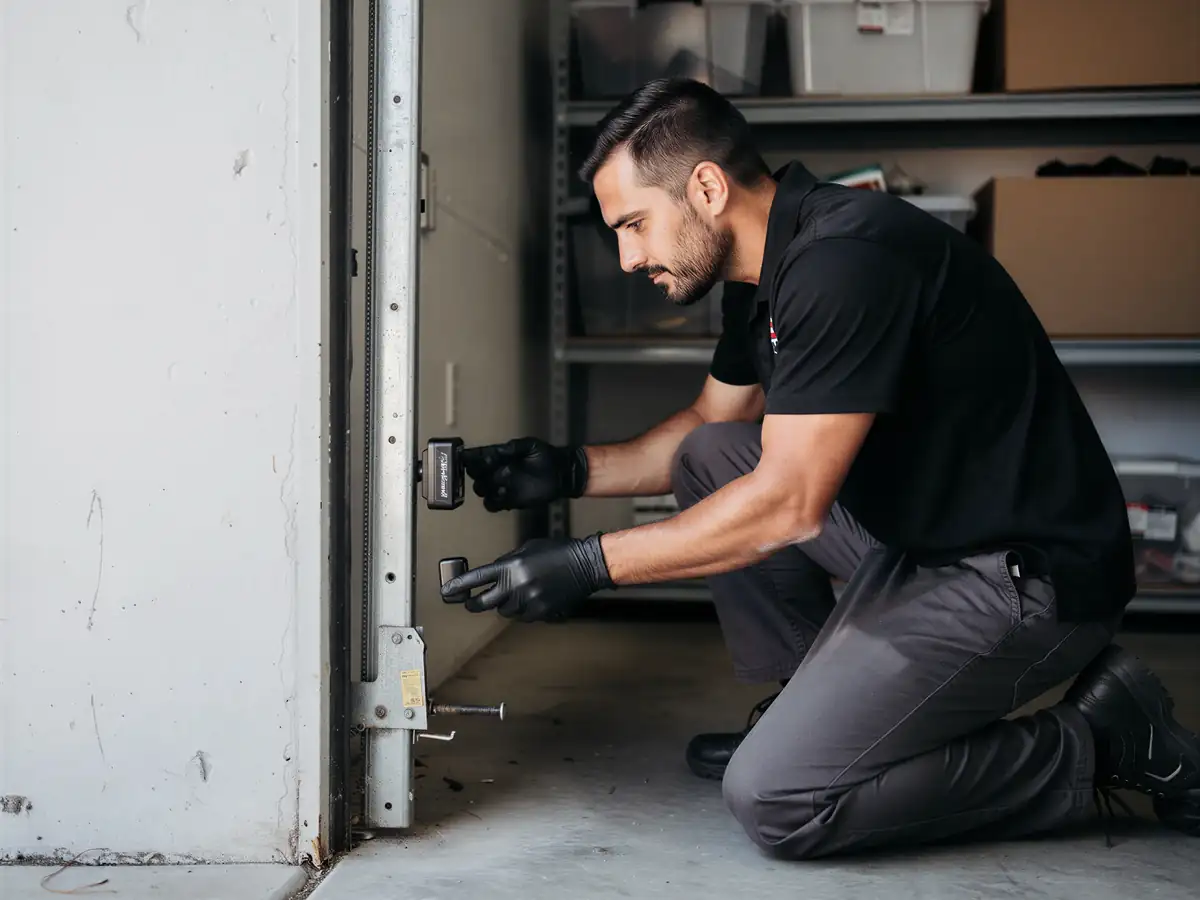
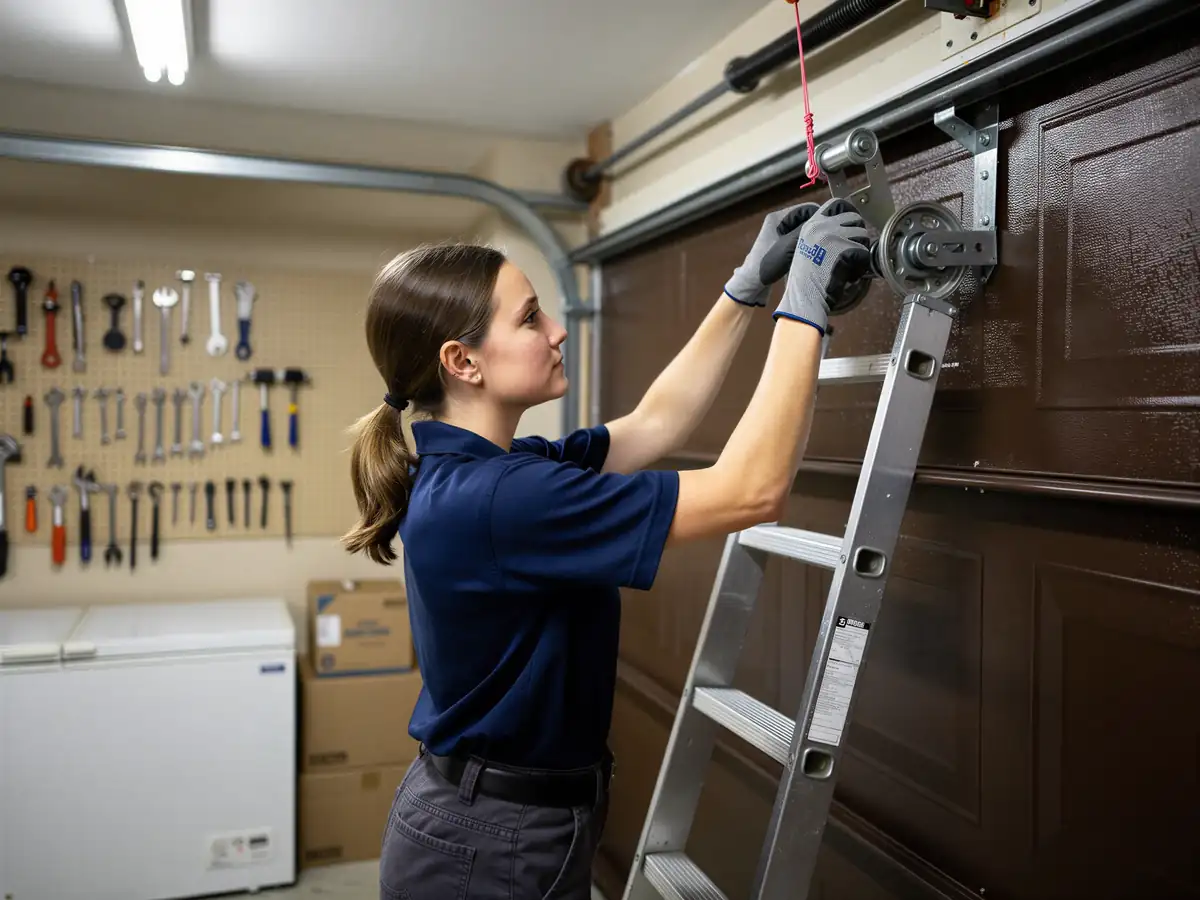
Junction City sits 11 miles out from our Eugene shop, which changes how a roller call runs compared to a job closer in. We don't keep a branch here, so when we book a roller job we plan the truck load around it before we leave - there's no quick turnaround to grab a part we forgot. The fix itself is straightforward once we're on site: we pull the old rollers off the track one at a time, working panel by panel so the door stays supported, and set new ones in. If the track itself is bent or the hinges are stretched out from years of a worn roller binding in the channel, we address that in the same visit rather than bolt new rollers onto bad hardware. Most of the houses we see calls from in this part of the service area were built in the 1980s or 90s, and that generation of door tends to run steel rollers on nylon-sleeve stems that have simply worn through after decades of daily cycles. We replace with nylon rollers standard unless the homeowner wants steel, and we check the opener's force settings afterward since a stiff old roller can mask a travel-limit problem that shows up once the door rolls smooth again.
What Is on the Truck
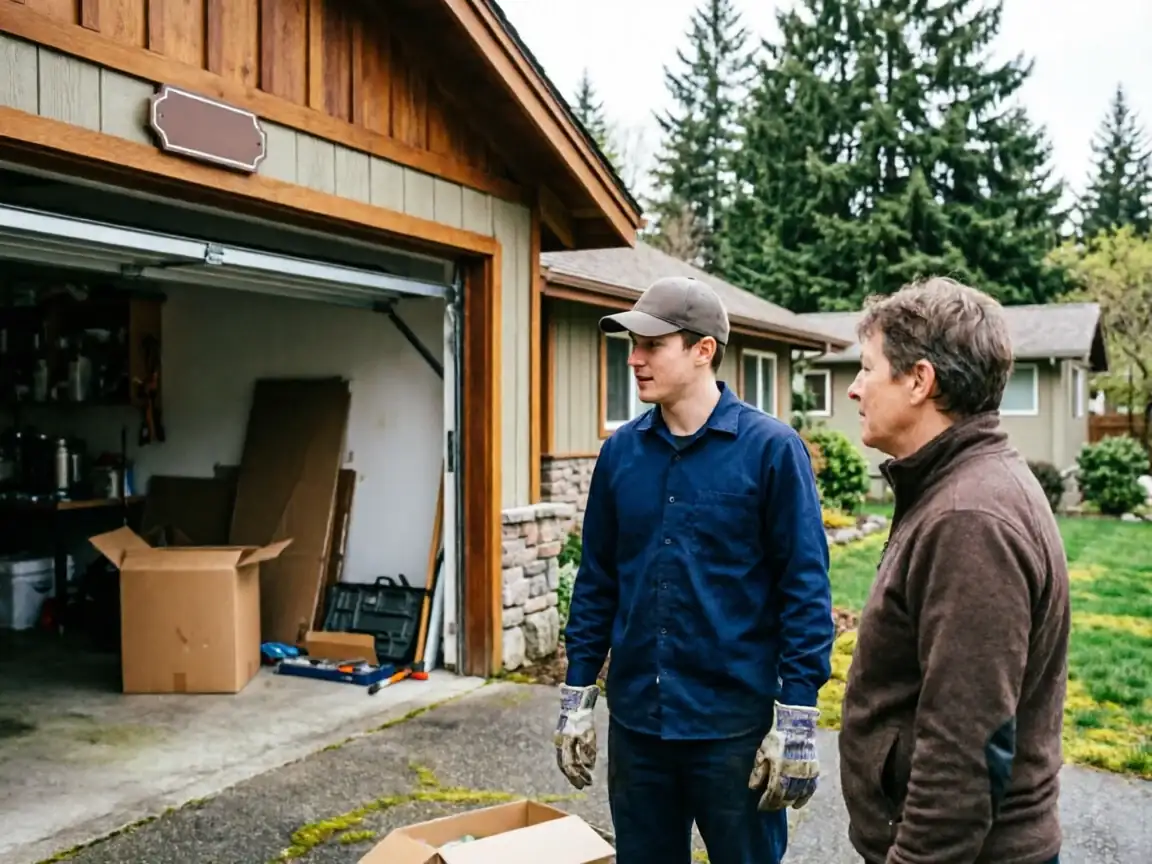
We load the truck before we head out toward Junction City based on what the door's age tells us to expect. Given that most housing in this part of the service area dates to the 1980s and 90s, we carry nylon rollers in the stem lengths that match that era's standard track width, along with a handful of steel rollers for anyone who prefers them. We also bring extra hinges and a spare section of track, because a worn roller that's been grinding for months often takes the hinge or the track edge with it. What we don't carry on a standard roller call is opener circuit boards or full replacement panels - those are separate problems, and if we find one mid-job, we'll tell you rather than improvise a fix that doesn't hold.
The DIY Question
Rollers are one of the more doable garage door repairs for a homeowner who's handy, provided the door is down, disconnected from the opener, and you're not touching the bottom section near the spring cables. Swapping a top or middle roller on a door that's sitting still is low-risk work. Where it turns dangerous is the rollers nearest the bottom corners, where the cable runs - pull the wrong roller there and the cable can jump the drum. Given the 11-mile distance between here and our shop, we understand the appeal of doing it yourself rather than waiting on a drive-out call for a ten-minute job. Our honest limit: we don't walk people through spring or cable work over the phone, because that's the part that puts people in the ER, not the roller itself.
Where This Job Goes Sideways
The job stops being a simple roller swap when the track has been bent for long enough that the door has been running out of plumb and stressing the opener's drive gear, or when a homeowner has already tried tightening the track bolts to compensate and pulled the bracket loose from the framing. We also run into doors where a previous roller failure wasn't caught in time and the cable jumped the drum - at that point it's a cable and drum repair first, roller replacement second. Because we're coming from Eugene rather than working out of a local branch, we'd rather diagnose this kind of compounding damage over the phone before the drive than find it after arriving and add a second trip to the schedule.