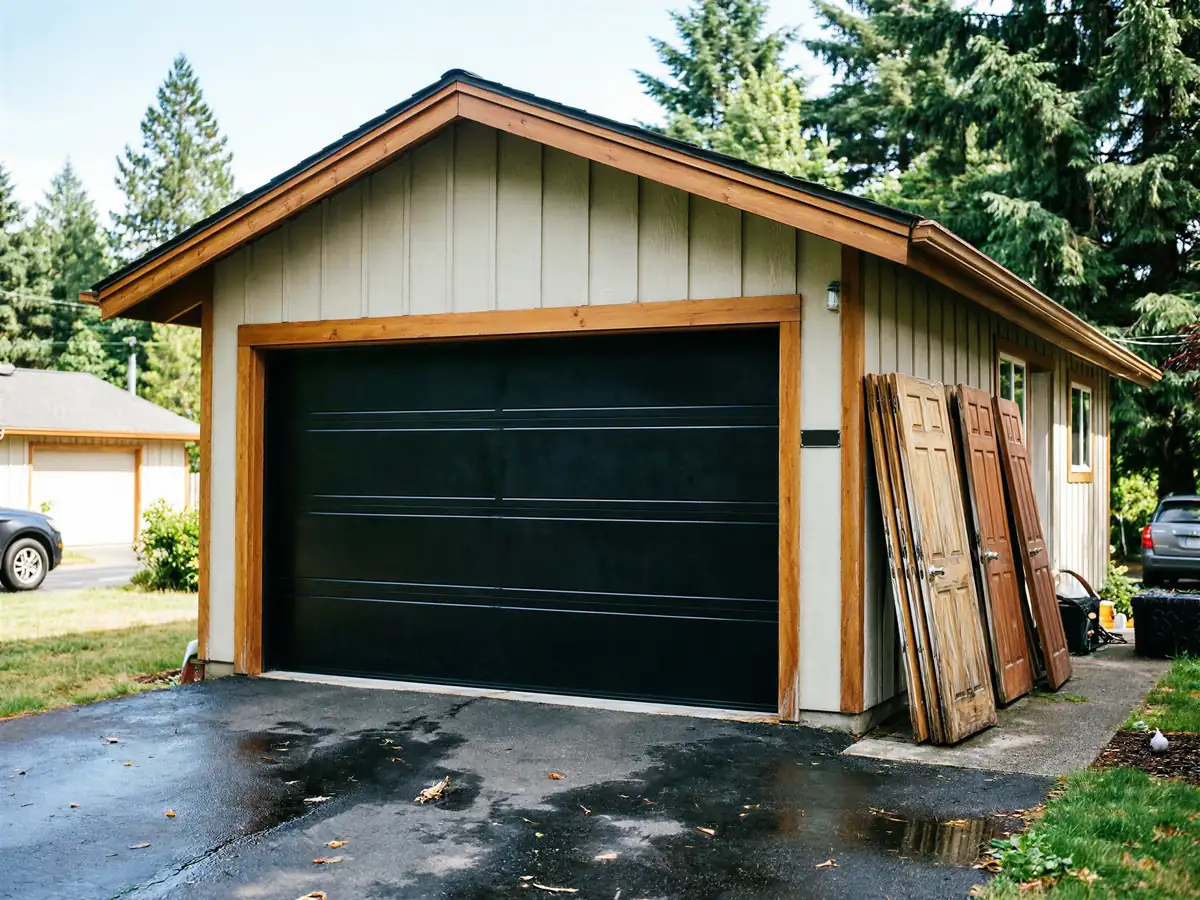
How We Fix It
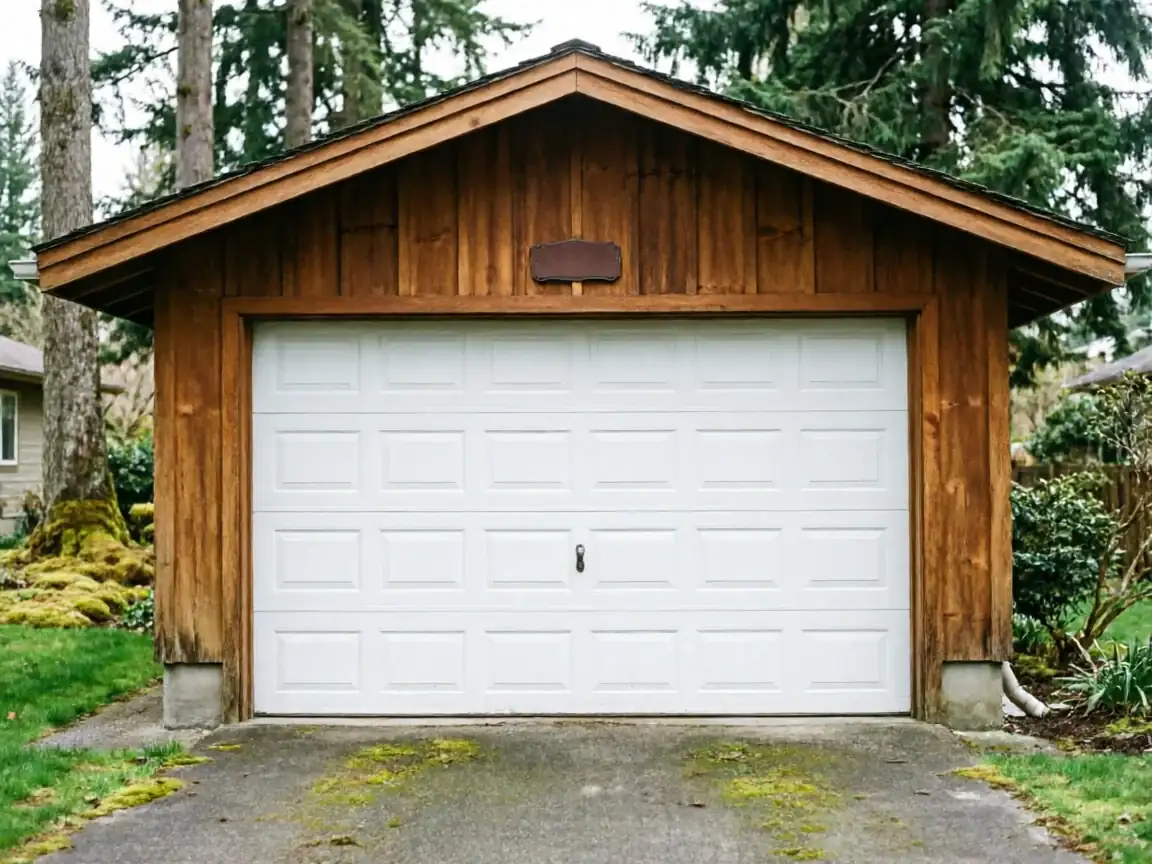
The fault we run into most in Junction City isn't a broken spring - it's a door that was never built for the winters it's been living through. A lot of houses here went up when builders were still hanging single-layer steel or old wood panel doors with no insulation value to speak of, because nobody was thinking about R-value on a garage door in 1980. That door still rolls, mostly, but it's cold to the touch in January and it rattles on the track every time the wind picks up.
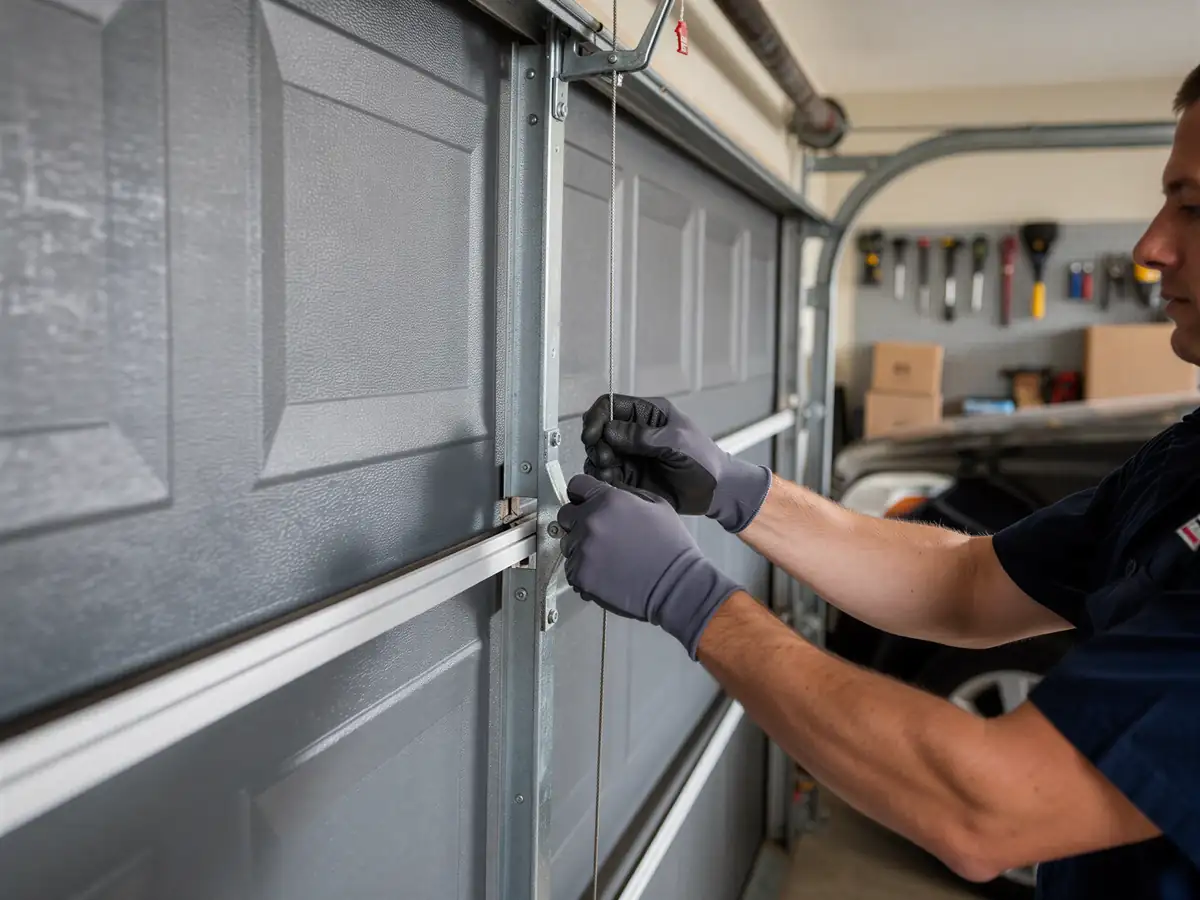
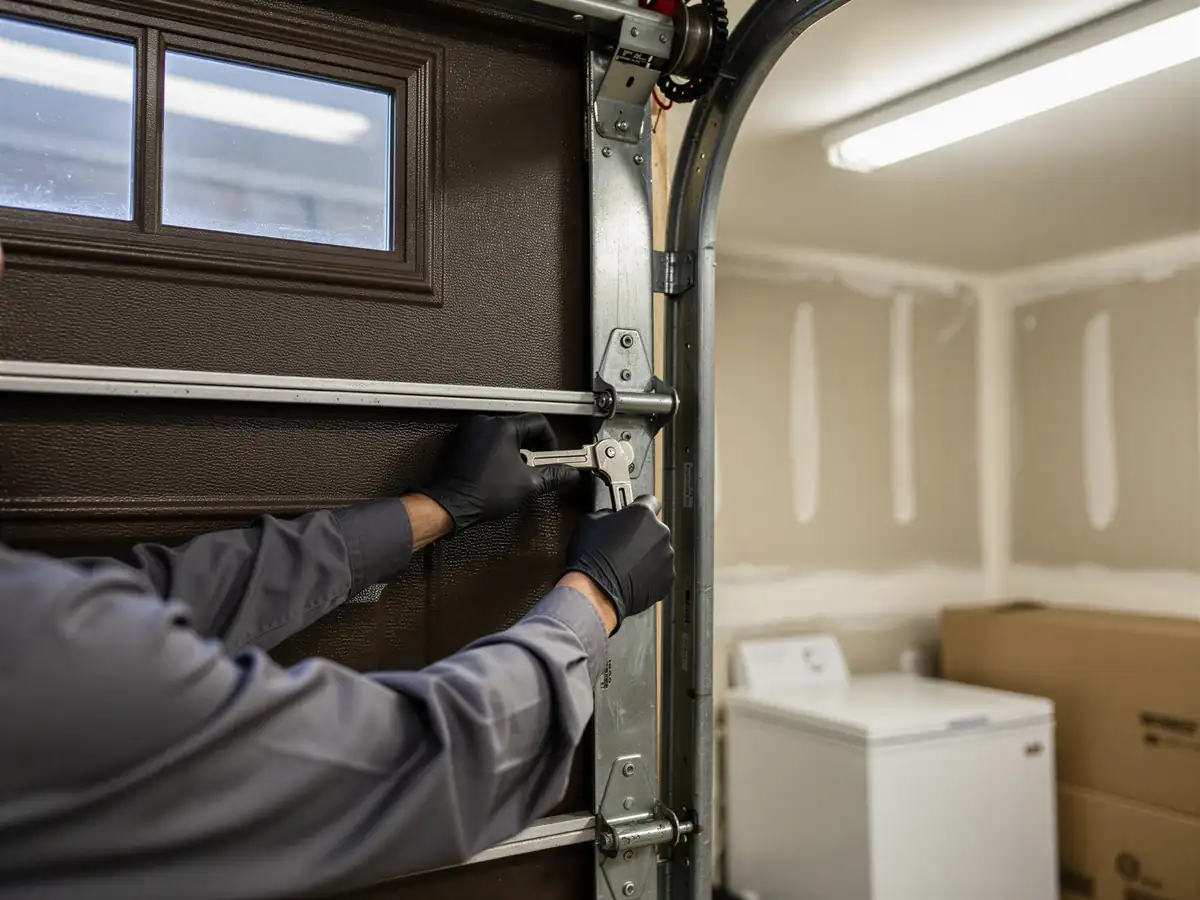
With housing in this area built mostly between 1950 and 1997, median right around 1980, the install job is rarely a blank slate. We're pulling old track that was sized for a lighter door, swapping header brackets that were never meant to carry a double-layer steel section, and sometimes rebuilding the jamb where the old door's weatherstrip never sealed right to begin with. The fix is a full swap - new door, new track sized to it, new springs matched to the actual weight - not a patch on top of 1980s hardware that's already tired.
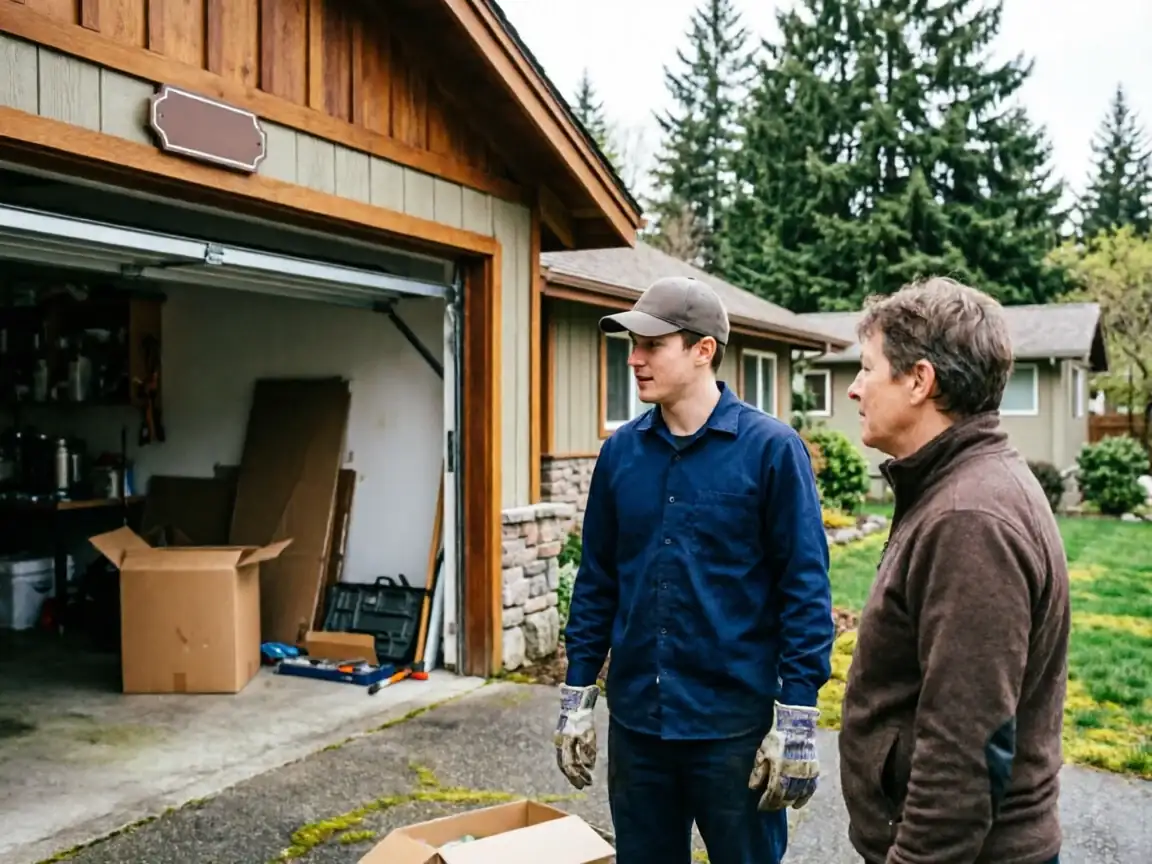
We come out from Eugene, about 11 miles in, so this isn't a same-day drop-in job. We measure, order the door sized for your opening, and schedule the install once it's in.
How Long It Takes
A straight swap - same size opening, new door on new track
Usually runs a half day once the door itself is on site. Where it slows down is the ordering: if your opening is a size that was common in 1980s construction but isn't a stock size now, that door has to be built to order, and that adds time before the truck even leaves Eugene.
We won't quote a firm turnaround here because we don't have a local lead-time number to give you
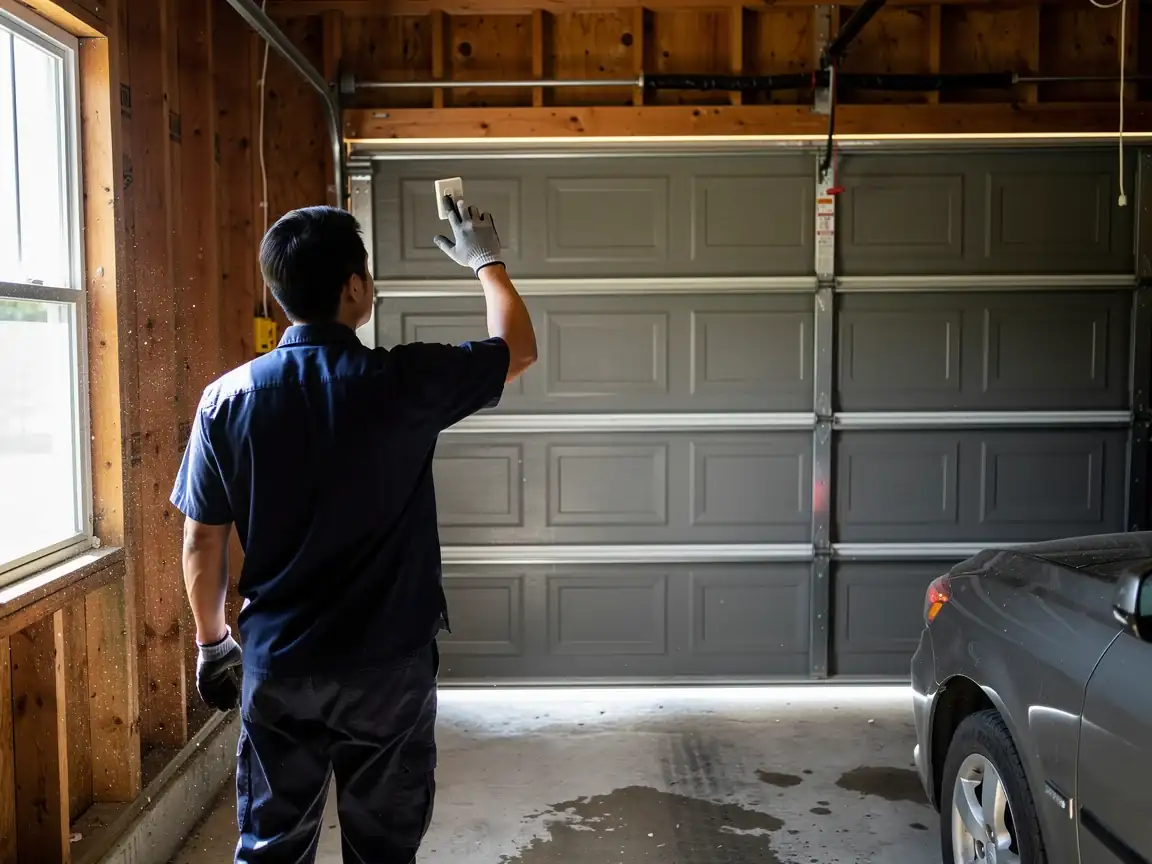
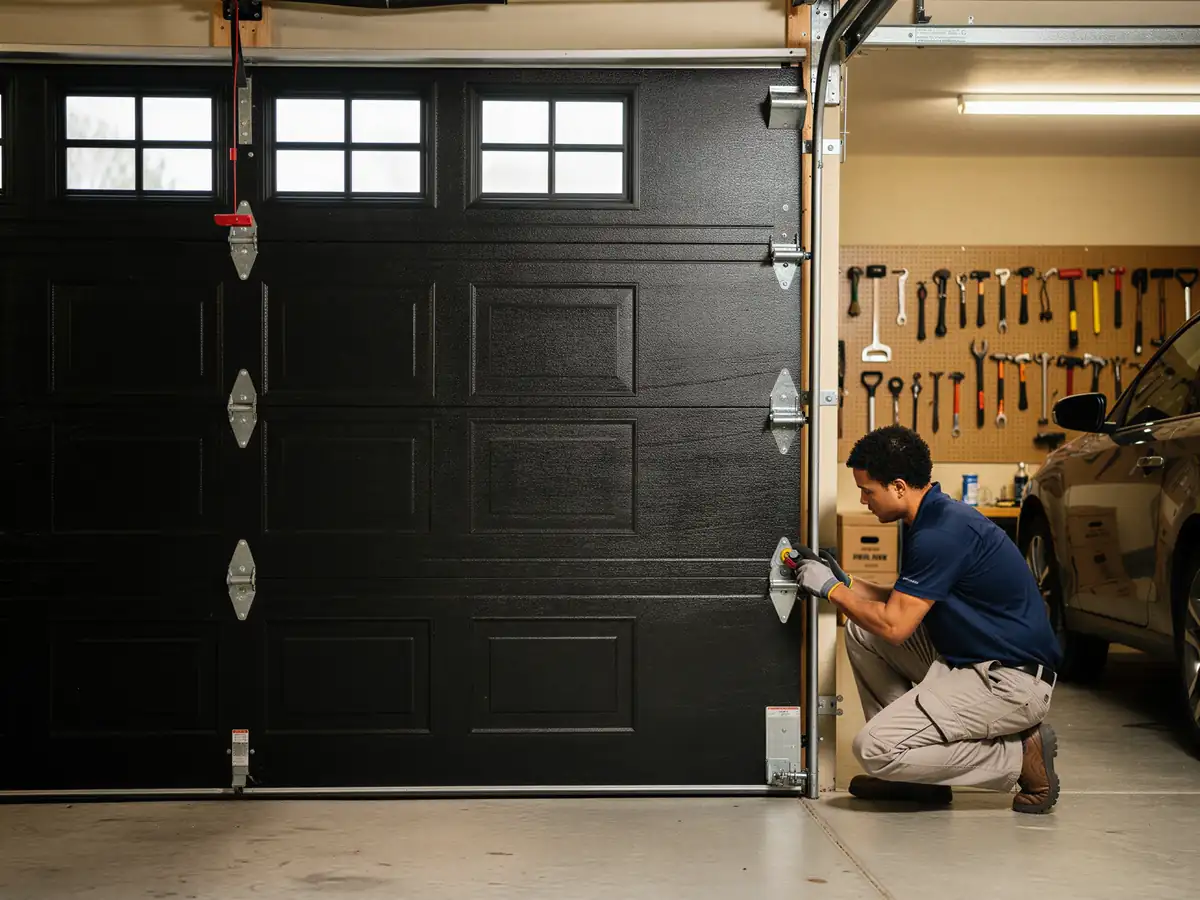
It depends on the door width, the insulation package, and what's in stock that week. What we can tell you is that the install day itself is predictable: old door off, track and hardware checked against the new door's weight, new door up, opener reset, done. The surprises, when they happen, show up during the walk-through before we order, not on install day.
What Is on the Truck
For this service area - cold moderate climate, not the hard freezes of the mountains but enough winter to matter - we carry doors with real insulation value, not just a foam-backed panel for looks. That matters more here than it would somewhere with a mild climate band, because a Junction City garage shares a wall with the house in a lot of these floor plans, and an uninsulated door is a straight heat leak into whatever's on the other side.
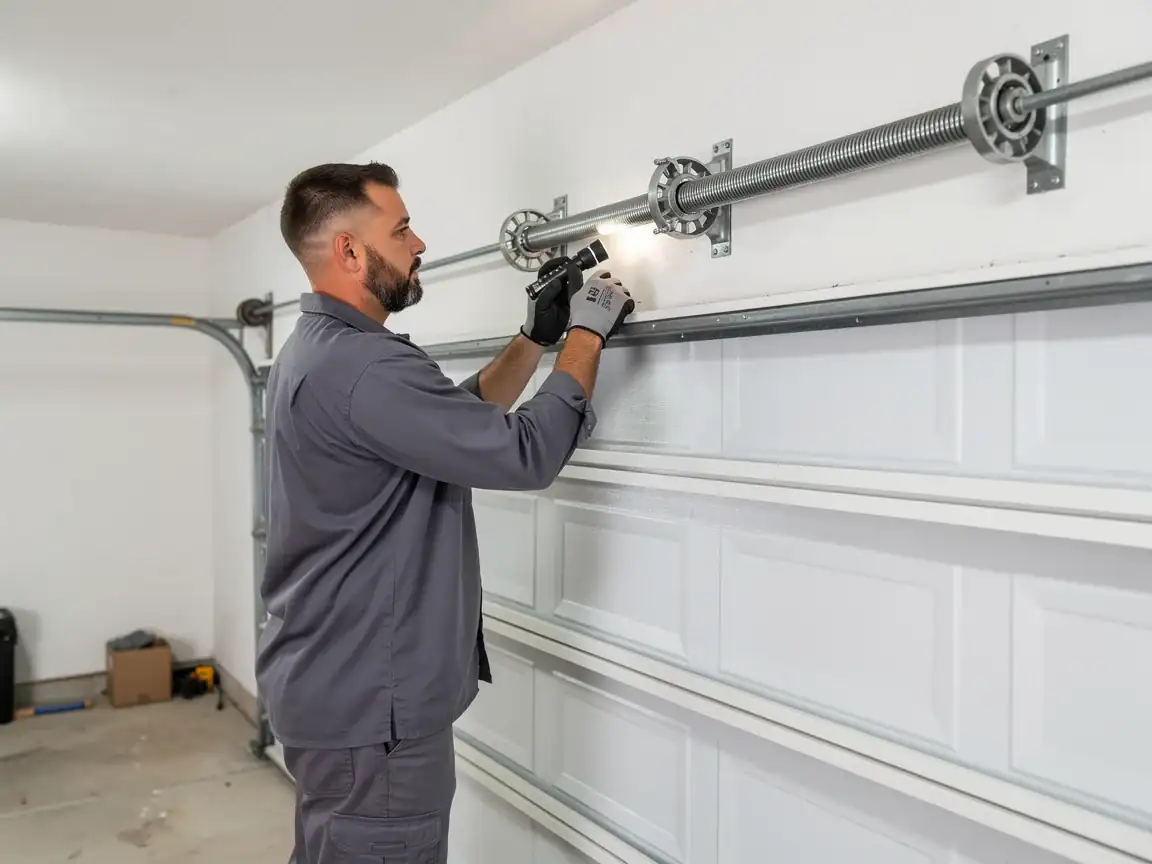
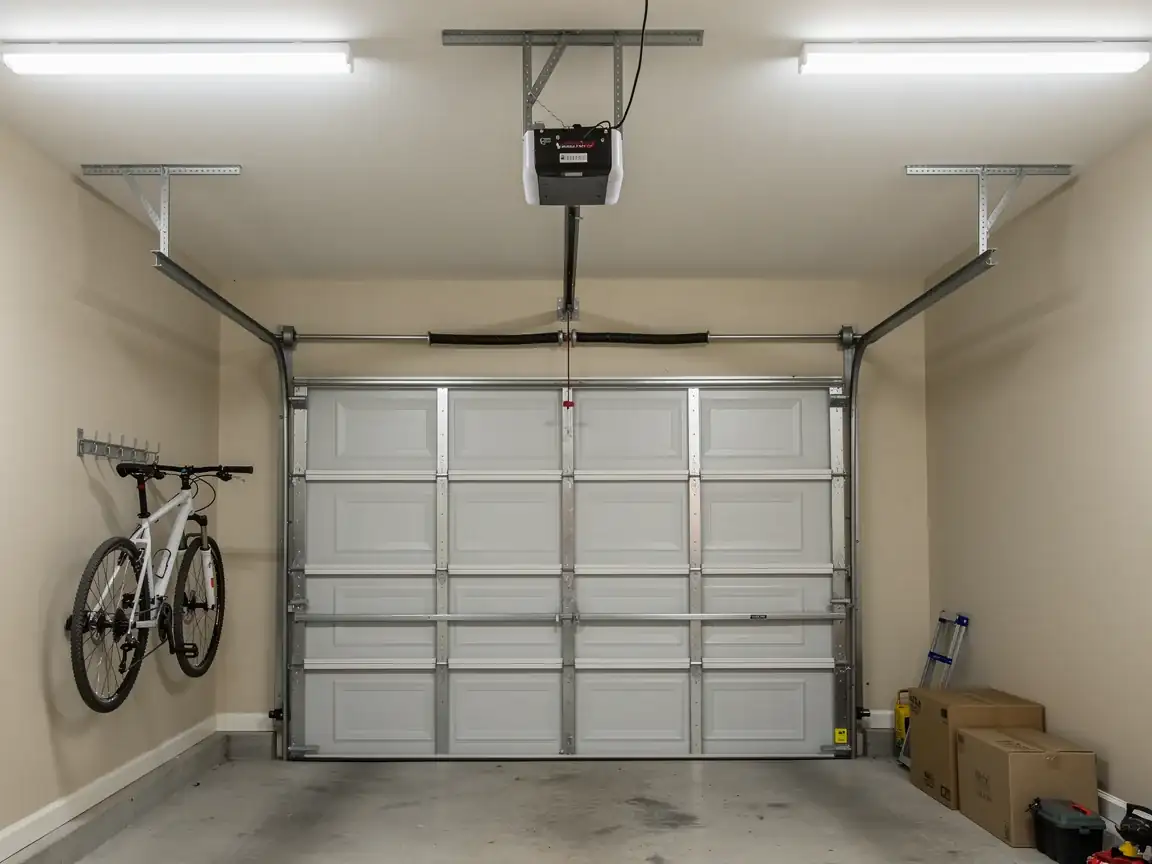
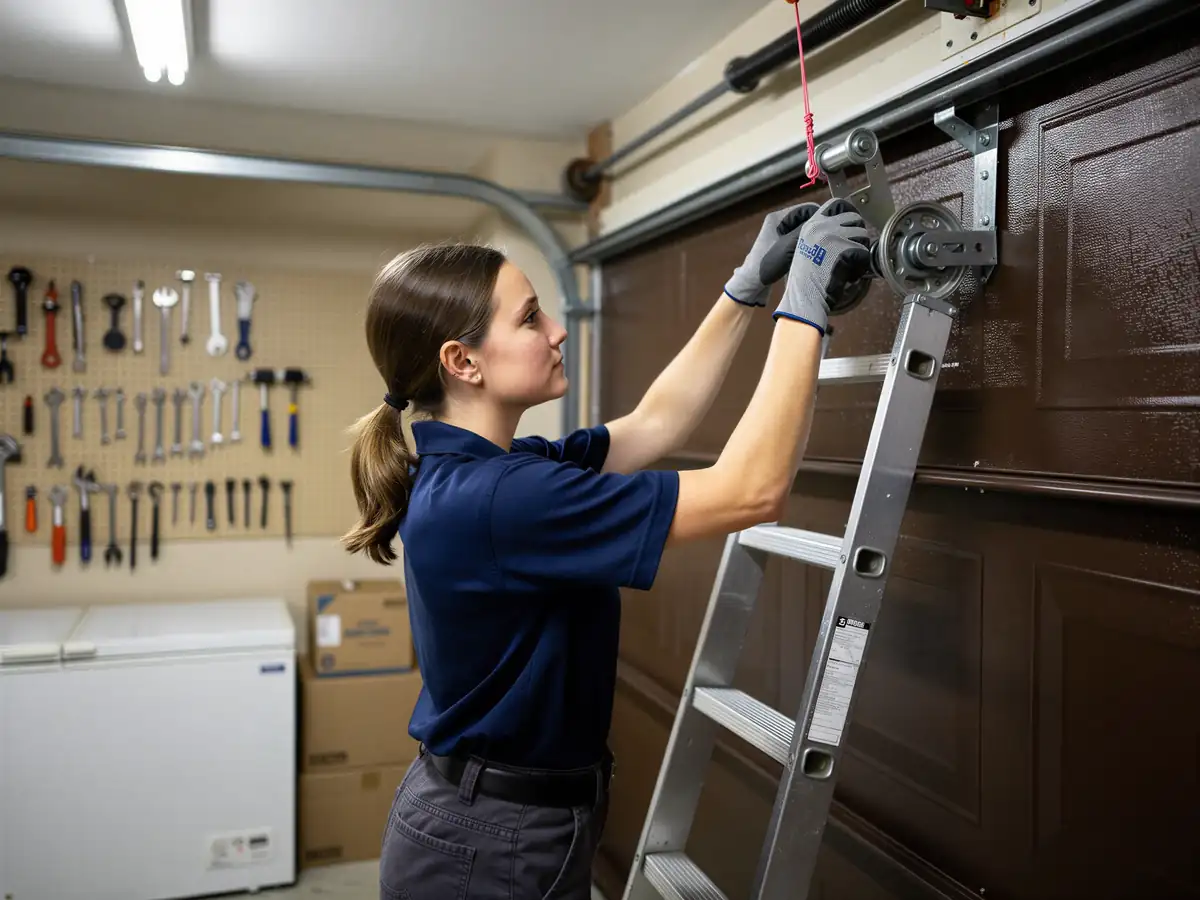
We also carry torsion springs rated for a range of door weights, because a 1980-era single-layer door and a new double-layer insulated steel door don't weigh the same - the spring that held the old door up will not safely hold the new one. Same goes for the track: we size it to the door we're installing, not to whatever gauge was in the opening before. What we don't carry on the truck is every custom size - a non-standard opening gets ordered, not improvised.
The DIY Question
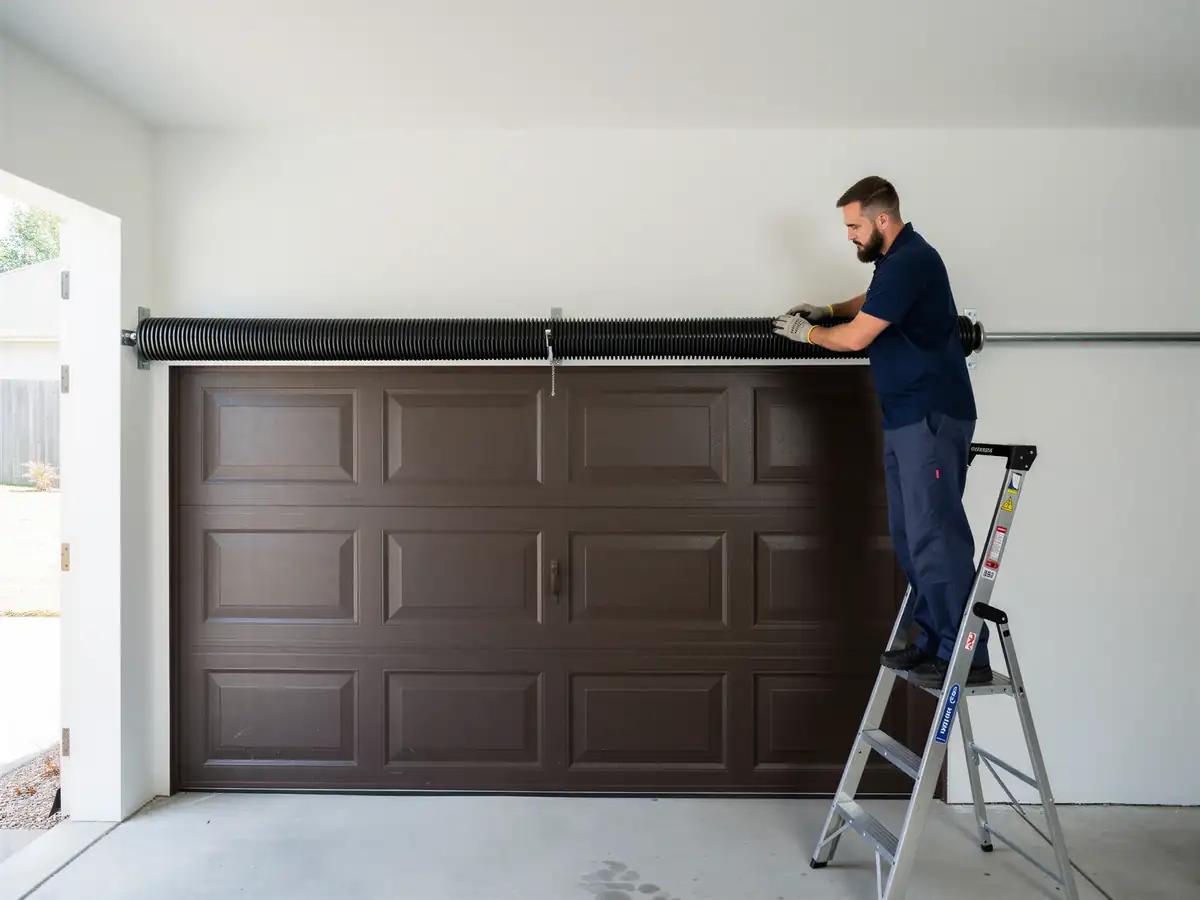
Swapping a garage door yourself is possible in theory and a bad idea in practice, for one reason: the springs. A torsion spring under tension can break a hand or worse, and on a door built to current weight and insulation standards, the spring tension is higher than what a 1980s single-layer door needed. If you're not already comfortable winding a torsion bar, this isn't the job to learn on.
The other reason it's not a weekend project is the track and header work. Houses in this area built around 1980 often have header framing sized for the lighter original door. Hanging a heavier insulated door on that framing without reinforcing it is how you end up with a door that sags at the top corners within a year. That's a carpentry problem as much as a garage door problem, and it's easy to miss if you're focused on getting the new door to close.
What You Are Seeing
If your door is original to a house built in the 1980-ish window that's typical for this part of town
You're probably seeing one or more of: a door that feels noticeably colder than the rest of the garage wall, visible daylight at the bottom seal even with the door closed, or an opener that strains and groans because it's lifting more dead weight than a modern insulated door of the same size would need.
Some owners also notice the door is just heavy to lift by hand if the opener fails
That's often the giveaway that the springs were sized decades ago for a lighter door, or have simply fatigued past where they should be. None of this means the door is broken today. It means it's running on borrowed time and original hardware, which is common enough across this area's housing stock that it's worth a look before it fails on you mid-winter.
Where This Job Goes Sideways
The install goes sideways when the opening turns out to be a size or shape that doesn't match what was ordered - this happens more than you'd think with older construction where the framing was never perfectly square to begin with. We measure carefully for exactly this reason, but a header that's shifted slightly over forty-plus years can still throw off a fit on install day.
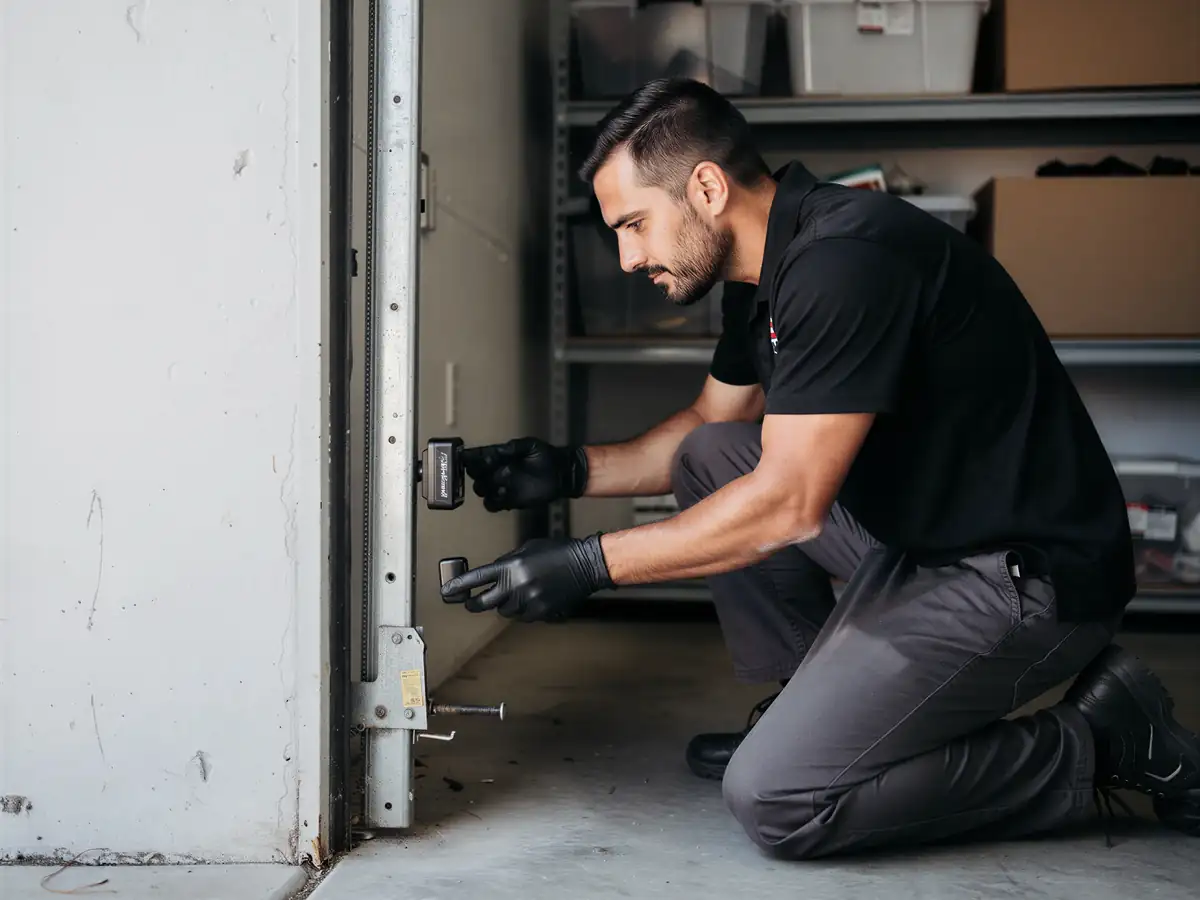
It also goes sideways when someone tries to keep the old opener and mount it to a heavier new door without checking the opener's lift rating. An opener sized for a light 1980s door will burn out trying to lift a modern insulated steel one. We'll tell you up front if your opener needs to be replaced alongside the door - it's a smaller job, but skipping it is the most common reason a