How We Fix It
Eugene's garage door stock spans a long stretch, built anywhere from 1950 to 1997. Junction City sits apart from that spread: most homes here were built right around 1980, a tighter cluster than the city itself. That one fact changes the job before our truck leaves Eugene's shop, 11 miles up the road. A house built in 1980 almost always has a steel sectional door on torsion springs, not the older single-panel or extension-spring setups you still find mixed in through other, older parts of the service area.
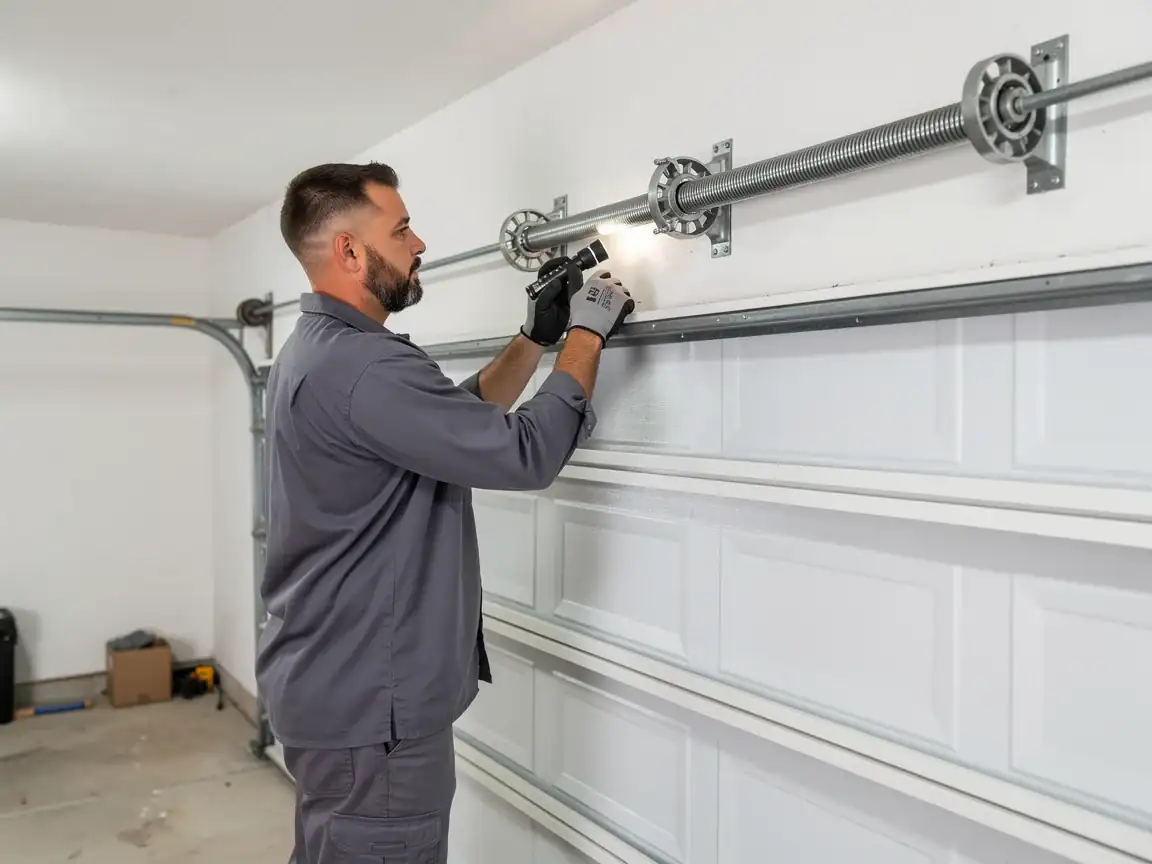
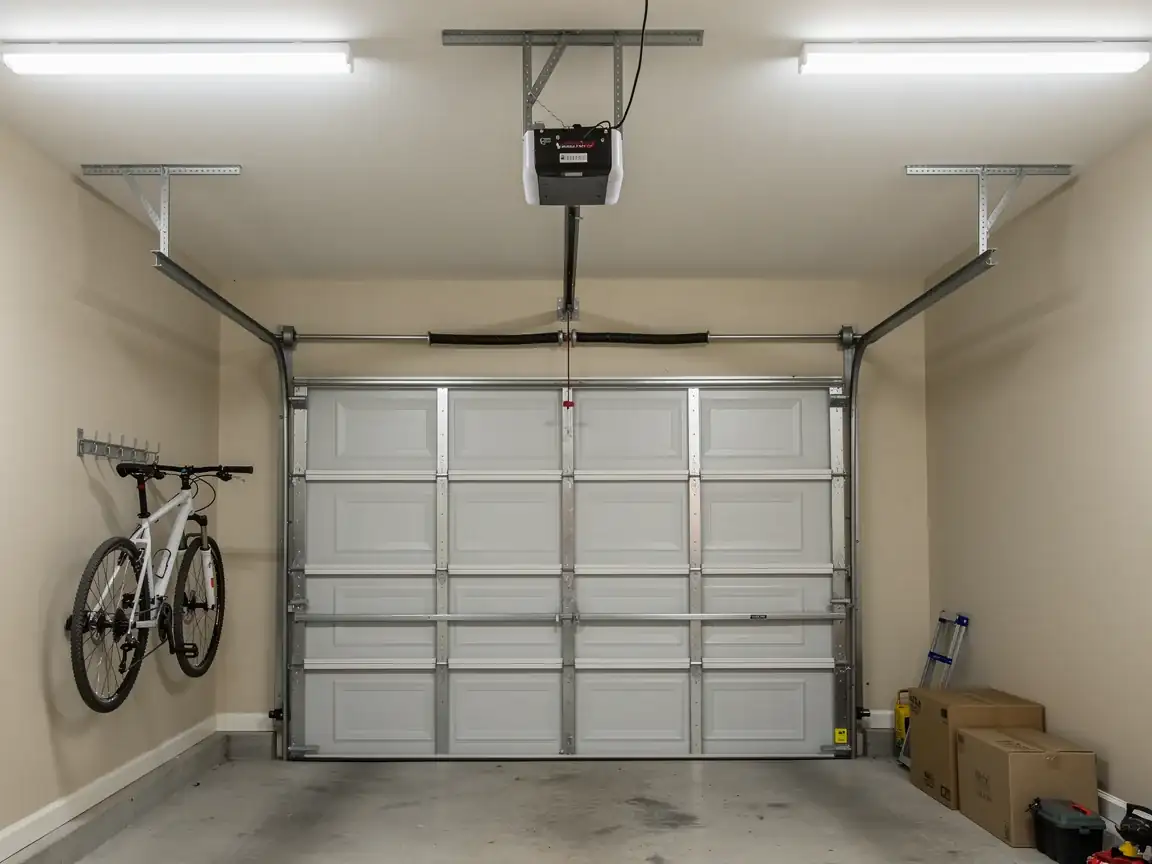
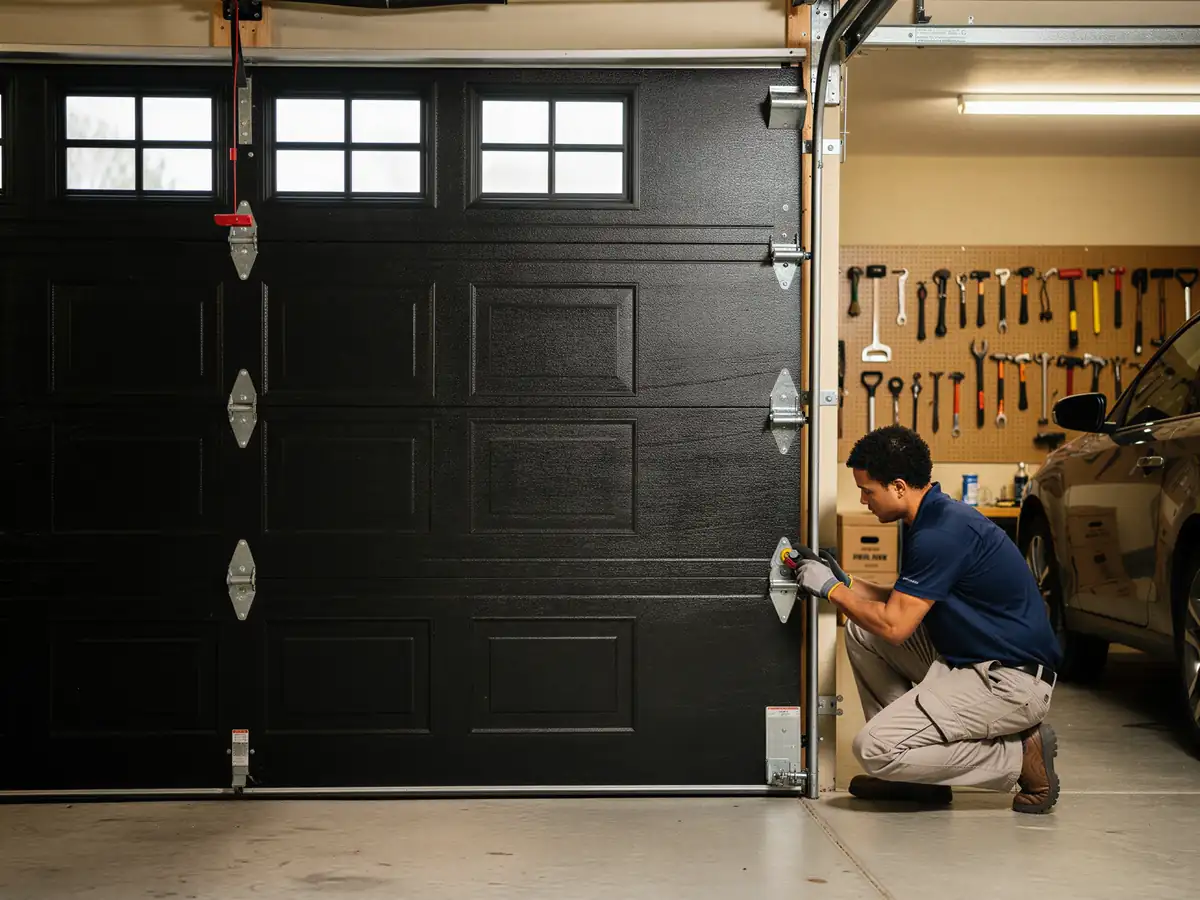
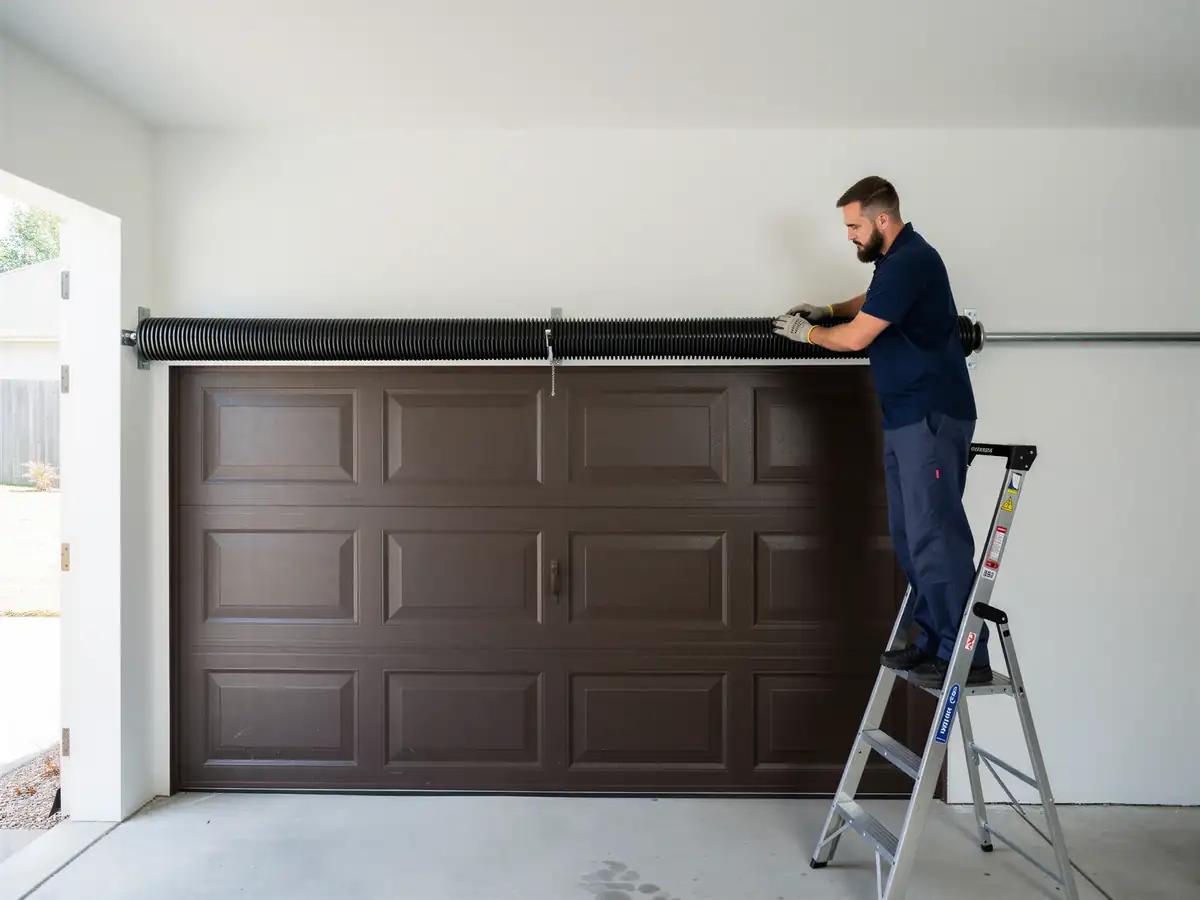
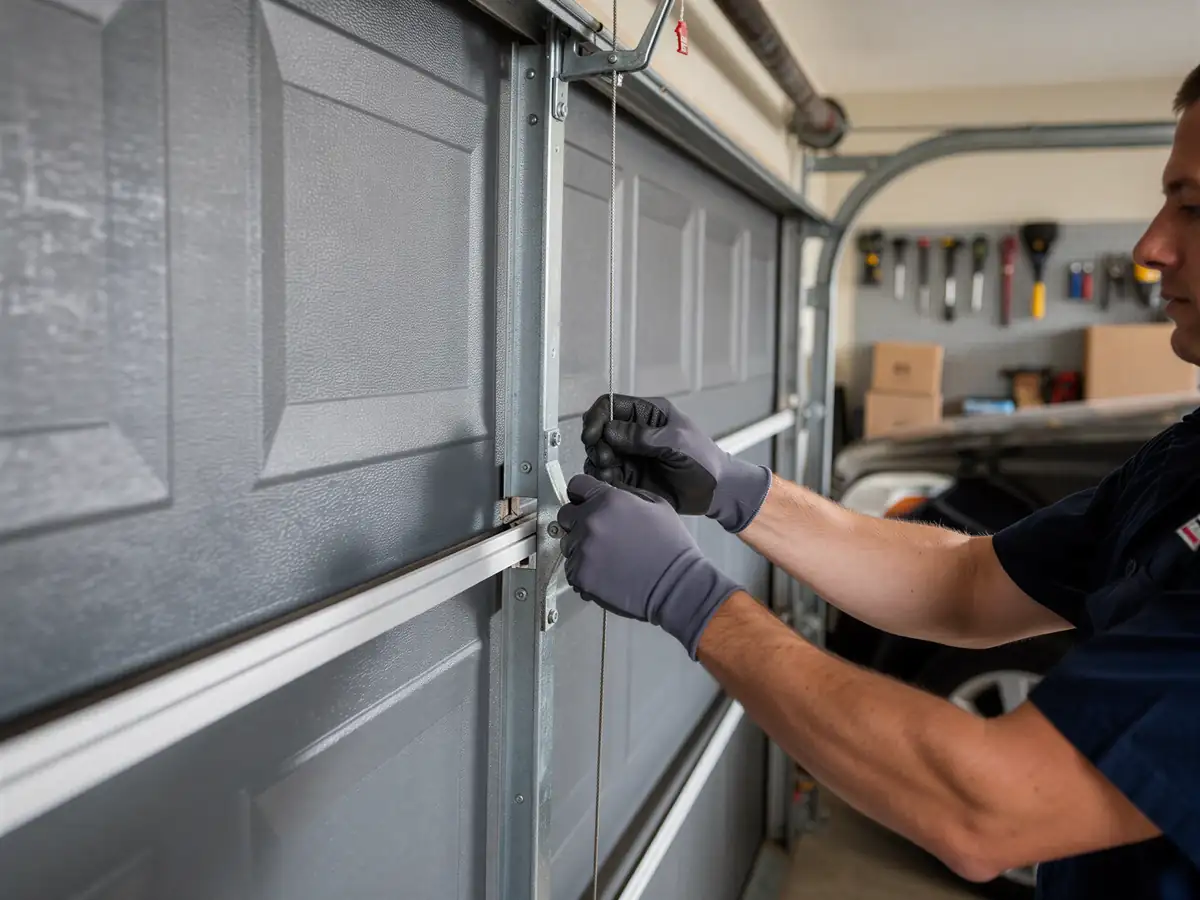
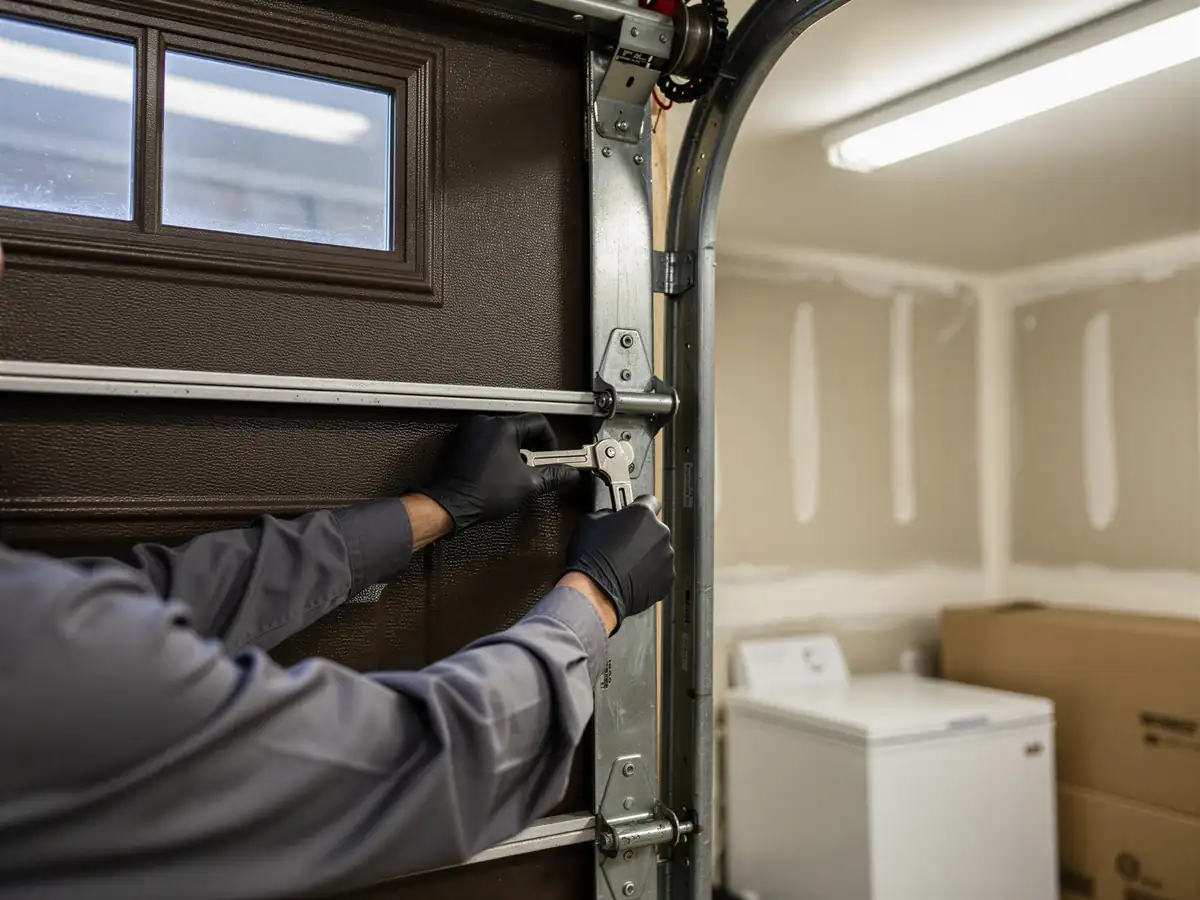
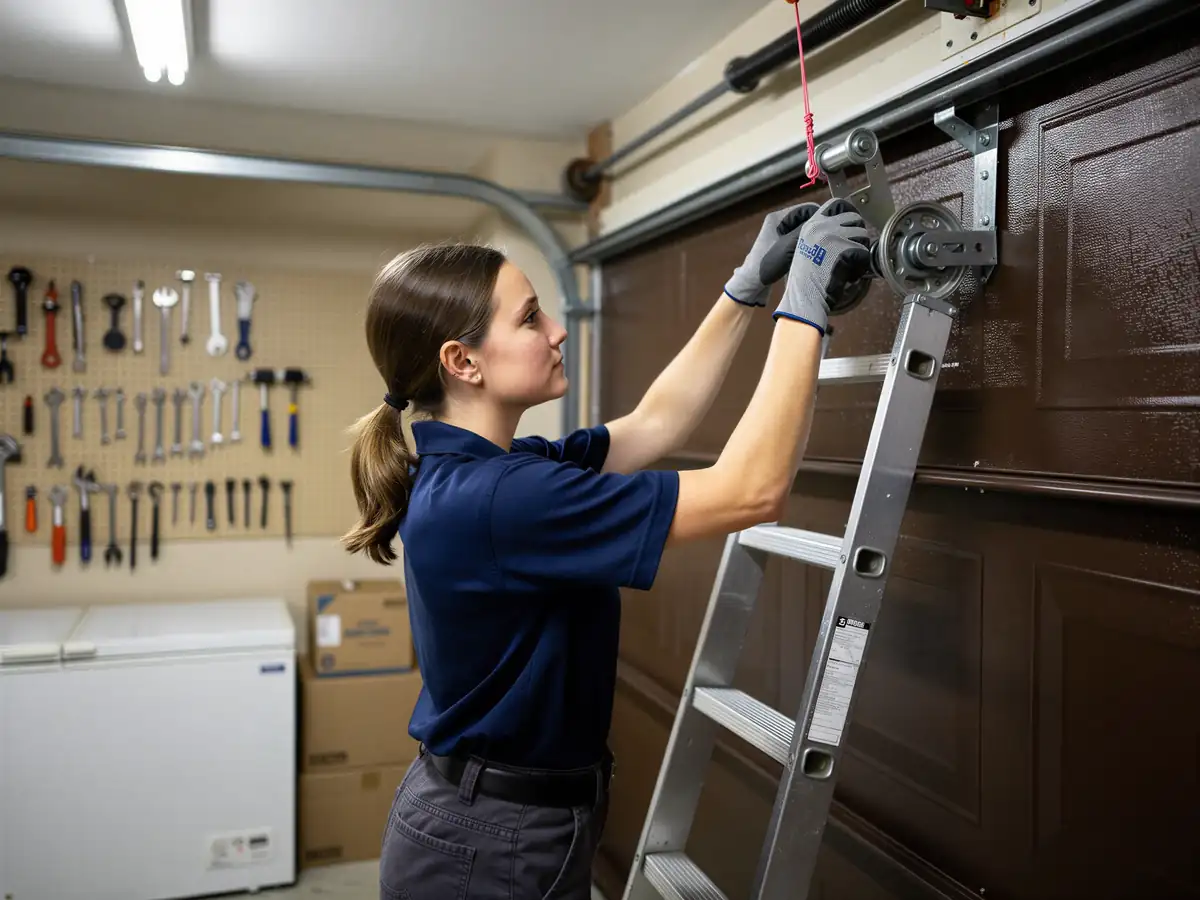
We come prepared for that era specifically: galvanized torsion springs rated for 1980s door weights, matching end bearing plates, and the steel roller tracks that style of door uses. We diagnose the spring count and wind direction on site, pull the panel if a roller has torn through the track, and reset or replace hardware to match what a 1980-built garage door actually needs - not a generic kit pulled off the shelf because it fits most doors.
How Long It Takes
We run this call from Eugene, 11 miles south on the highway toward Junction City
That's not a long drive, but it does mean we build the trip into the schedule rather than treating this address like a same-block stop. Once the truck is on site, most single-spring replacements and track resets take about as long as any other call across the service area - the hardware here isn't unusual, just consistent in age.
- 11 miles
A broken torsion spring on a double door built in 1980 is still a torsion spring
It doesn't take longer to diagnose because the house is 11 miles out instead of 2. What it does mean is you should expect a scheduling window rather than an exact arrival time when you call, since the job gets slotted in with the rest of the day's route out of Eugene, not dispatched as a standalone run.
- 11 miles
What Is on the Truck
For the 1980-era stock common in Junction City, the truck carries torsion springs sized for the door weights typical of that build year, standard 2-inch steel tracks, nylon and steel rollers, and galvanized lift cable sized for a 7-foot door - the height you'll find on most of these garages. We also stock the center and end bearing plates that wear out on doors this age, since original 1980 hardware is long past its rated cycle count by now.
What we don't carry as a default: parts for doors that have already been swapped for modern insulated steel or custom wood overlay units. Junction City's housing leans so heavily toward that original 1980s-era stock that newer door styles get special-ordered rather than kept on the truck as a matter of course.
The DIY Question
A torsion spring holds enough tension to break a bone or worse, and that doesn't change because the house is in Junction City instead of Eugene. If you're comfortable doing it yourself: lubricating rollers and hinges, tightening loose track bolts, testing the auto-reverse safety feature - all of that is fair game and worth doing regardless of the door's age.
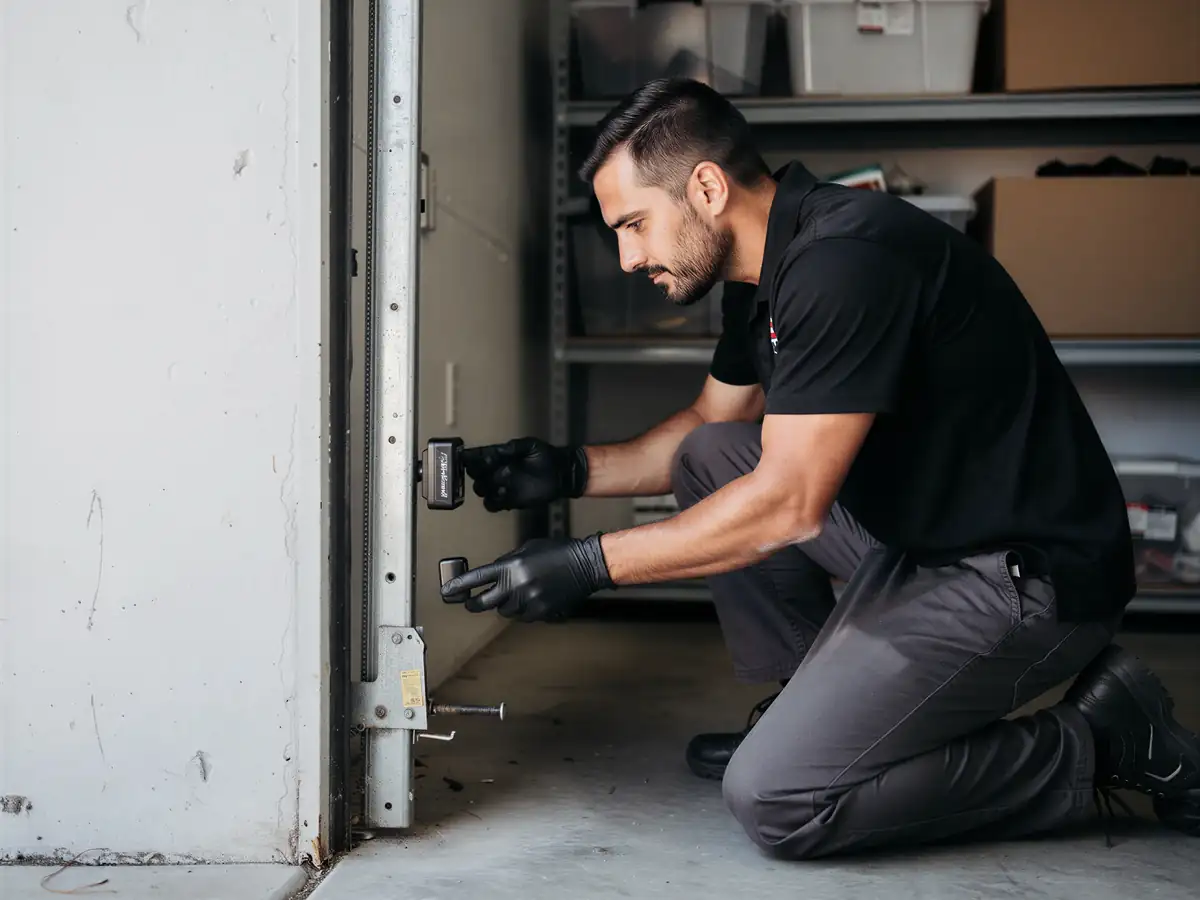
Replacing a spring, cable, or anything on the high-tension side of the system is not a weekend project, especially on a door from 1980 where the hardware has had four decades to corrode around the bolts. If the opener itself is the problem - a motor that hums but doesn't lift - that's often a simpler fix than people expect, and sometimes cheaper to replace outright than to keep troubleshooting an old circuit board one part at a time.
What You Are Seeing
The symptoms we hear most from this area line up with the age of the stock
A door that reverses halfway up, a spring that's visibly separated with a gap in the coil, or a track that's pulled away from the frame on one side. On a house built around 1980, after 40-plus years of winters, galvanized coating on the spring can flake and the metal underneath rusts unevenly, which is often what causes an uneven lift before the spring fully lets go.
Cold, damp weather in this part of the valley stiffens lubricant and makes marginal hardware fail faster
So a door that's been sluggish for months often picks the coldest week of the year to finally quit. That timing isn't bad luck - it's the cold finishing off a spring or roller that was already most of the way gone.
Where This Job Goes Sideways
The call that turns into a bigger job is almost always the one where a homeowner's been living with a slow or noisy door for months before calling. By the time a track is bent enough to notice, the rollers riding in it are usually shot too, and replacing just the track without the rollers means you're back to the same noise in a few weeks.
On older stock like the 1980-built doors common here, we also run into galvanized spring coating that's corroded enough that we won't reuse the spring even if it hasn't broken yet. At that point patching one part doesn't buy you much, and we'll say so instead of selling a repair that won't hold through next winter. It's not the answer anyone wants to hear mid-call, but a spring that looks original to a 1980 install has had its working life already.