Serving Eugene, OR & nearby
(541) 203-9995
Eugene, OR

Garage Door Maintenance for Junction City's 1980s Housing Stock

Junction City homes mostly date to 1980 - steel doors on torsion hardware now pushing 40 years old. We service them from Eugene, 11 miles away.

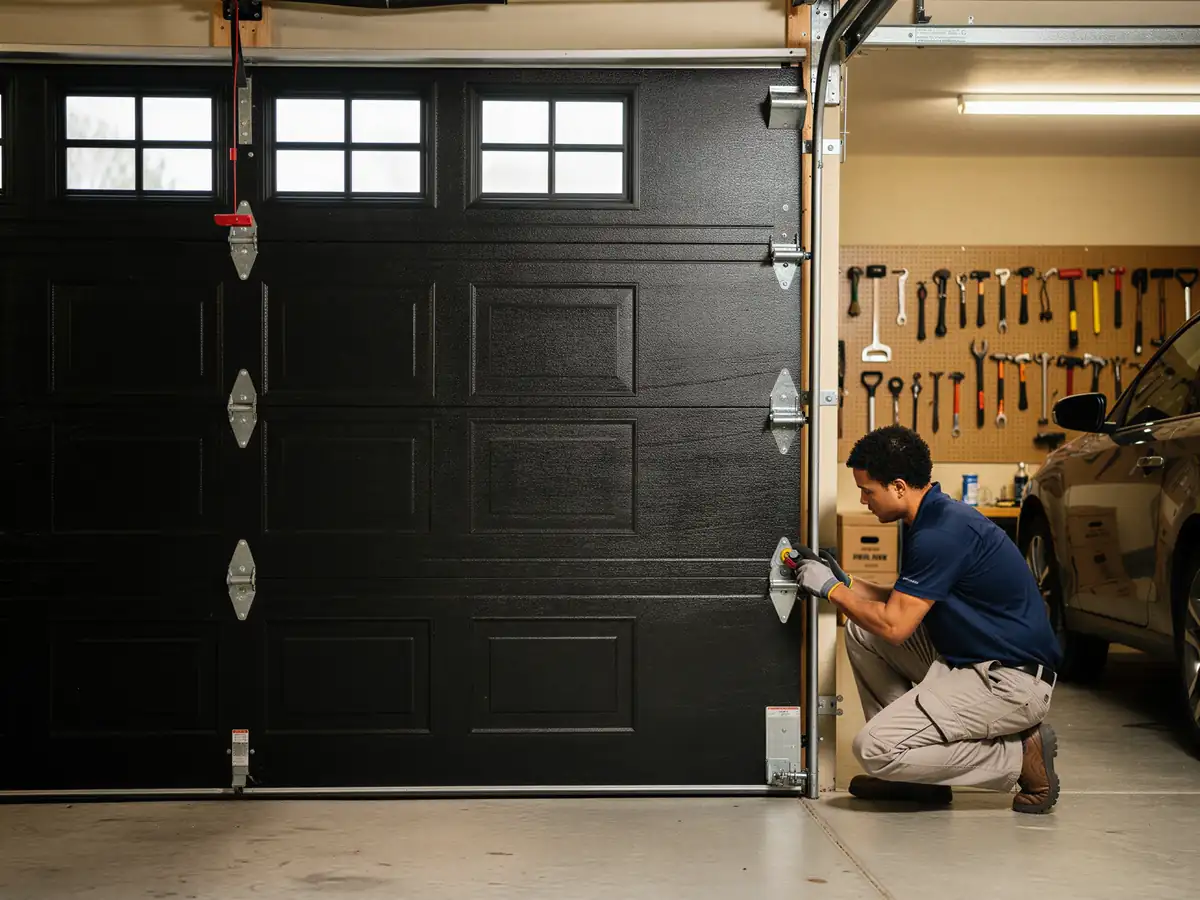
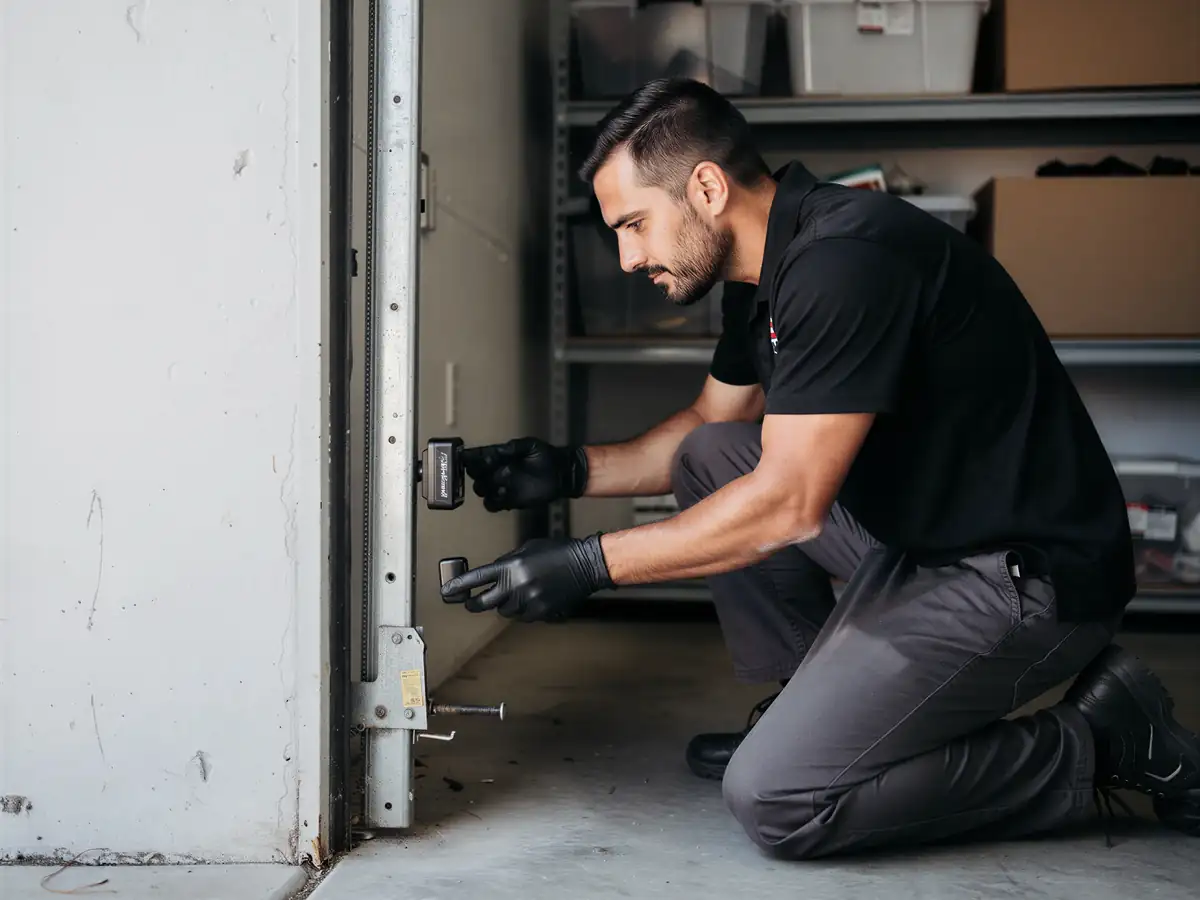
A technician in black gloves is installing a sensor on a garage door track.
Eugene, OR
8 services
6 service areas
Diagnosis first, then the fix

How We Fix It

Most garage doors in Junction City are steel sectional panels hung on torsion springs, installed when the neighborhood was built out around 1980. That's a specific door: 16-gauge or thinner steel skin, a single reinforcement strut or two, and hardware sized for a door that weighed less than what you'd buy new today. Forty-plus years on, the fix isn't usually the panel - it's everything that moves. We check spring tension against the door's actual weight, not a generic chart, because a lot of these doors have had a opener added later that changes the balance point. Rollers get swapped for sealed-bearing nylon if the originals are the steel kind that have worn an oval shape into the track. Hinges get checked for the stretched bolt holes that show up right before a hinge tears loose. On a door this age we also look at the bottom bracket and cable drum, since cable fray on a 40-year-old drum is common and cheap to catch before it isn't. We travel out from Eugene, 11 miles, to do this work - there's no branch office in Junction City, just a truck that comes when you call.

How Long It Takes

A standard tune-up on a torsion-spring door - tension check, lubrication, hardware tightening, track alignment, safety reversal test - runs about the time you'd expect for one door, not a house call that turns into an afternoon. Where it runs long in Junction City specifically is when the opener was added after the original build in 1980 and the mounting isn't original. We've seen the header bracket reinforced with whatever was on hand at the time, which means extra time just getting the opener properly supported before we can even test balance. If a cable or roller needs replacing mid-visit, that adds time but rarely a second trip, since those are stock parts we carry. What does add a second trip: a spring that's the wrong wire size for the door's weight, which happens more on these older builds than you'd think, because the door's been resprung once or twice already by whoever was cheapest at the time.

What Is on the Truck

For a neighborhood built mostly around 1980, the truck carries torsion springs in the wire sizes that actually match doors from that era, not just whatever's common on new construction. That means springs sized for single and double steel doors in the lighter gauge common to that period, standard 1-3/4 inch torsion shafts, and the sealed-bearing rollers that replace the steel ones these doors shipped with. We carry galvanized lift cable, since cable on a door this old is almost always original and showing wear by the time anyone calls. Lubricant is white lithium grease on springs and hinges - not WD-40, which washes out and attracts grit in this area's wet winters. One honest limit: if a door needs a full new torsion shaft and end bearing plates because the originals have rusted through, that's not always a same-visit part. We'll tell you on site if that's the case rather than guess and come back twice.

The DIY Question

Lubricating hinges and rollers, vacuuming out the track, checking that the auto-reverse sensors aren't knocked out of alignment - all of that is reasonable for an owner to do, and it's worth doing twice a year given the area's cold, moderate climate where temperature swings tighten and loosen hardware over a season. What isn't reasonable is touching the torsion spring itself. On a 1980s-era door the spring is under enough stored force to break a wrist or worse, and because so many of these doors have already been resprung once by someone guessing at wire size, you often can't tell by looking whether the spring on your door matches the door's actual weight. If the door feels heavy when you lift it manually with the opener disconnected, that's the spring telling you something - call, don't adjust.

What You Are Seeing

A door that slams the last foot instead of settling is almost always a spring that's lost tension - normal after decades of cycles on original 1980-era hardware. A grinding or popping sound from the track usually means a roller has gone from round to oval, which happens to the steel rollers these doors came with long before it happens to sealed-bearing replacements. If the opener strains or reverses partway up, check the balance first; a lot of these doors were fine on their original lighter-duty opener and then got a stronger replacement that's been masking a spring problem for years. Visible rust at the bottom bracket or fraying at the cable drum isn't cosmetic on a door this age - it's the part most likely to let go next.

Where This Job Goes Sideways

The job gets complicated when a door built around 1980 has been through more than one repair generation - a resprung cycle here, a replaced opener there, maybe a panel swapped after storm damage - and none of it quite matches. We've opened up more than a few Junction City doors where the spring wire size doesn't match the door weight at all, which means someone fixed a symptom years ago instead of the cause. It also goes sideways when a homeowner wants a quick fix on a door that's genuinely at the end of its service life; springing and re-roller-ing a door with a rusted-through track frame just delays a bigger job. We'll say so if that's what we find, rather than keep patching it.
How it works

From “it’s stuck” to “it’s fixed”

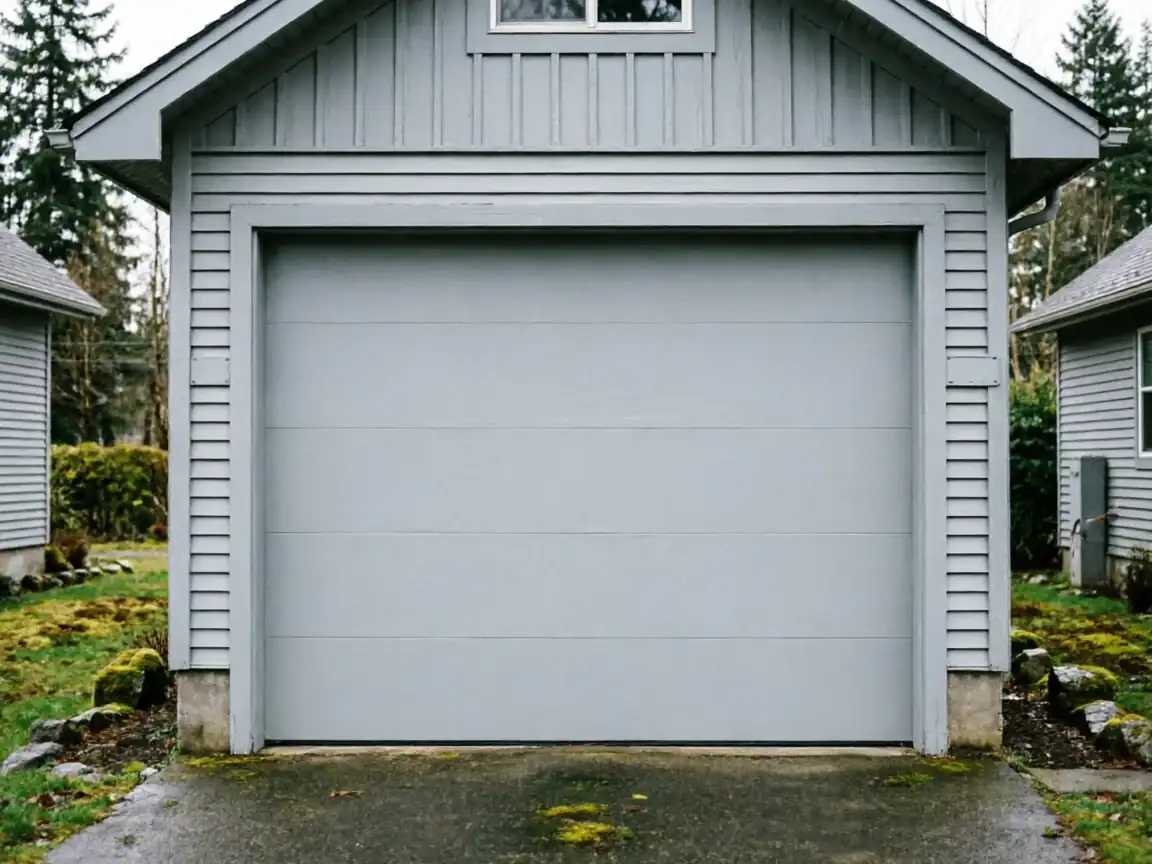
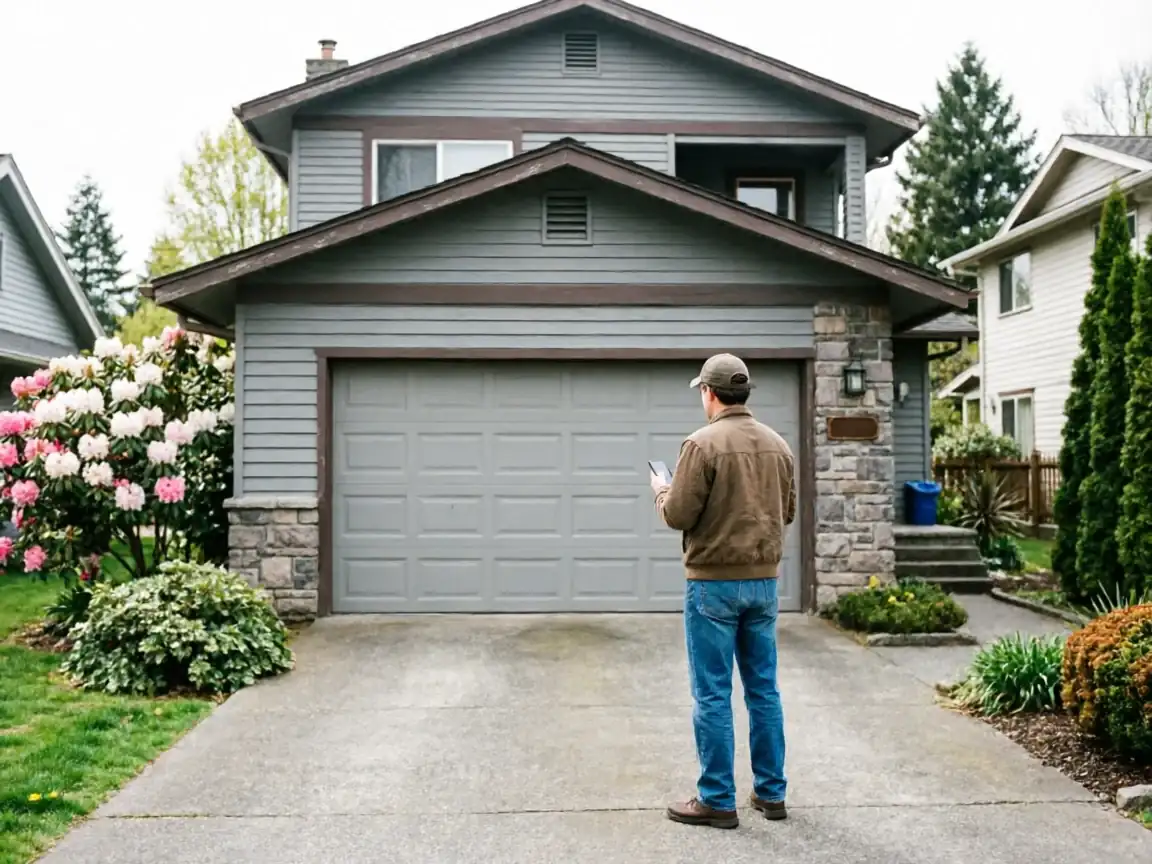
A technician stands in a driveway looking at a gray garage door.

Tell us what’s wrong

Describe the symptom - won’t open, loud bang, opener runs but the door won’t move.

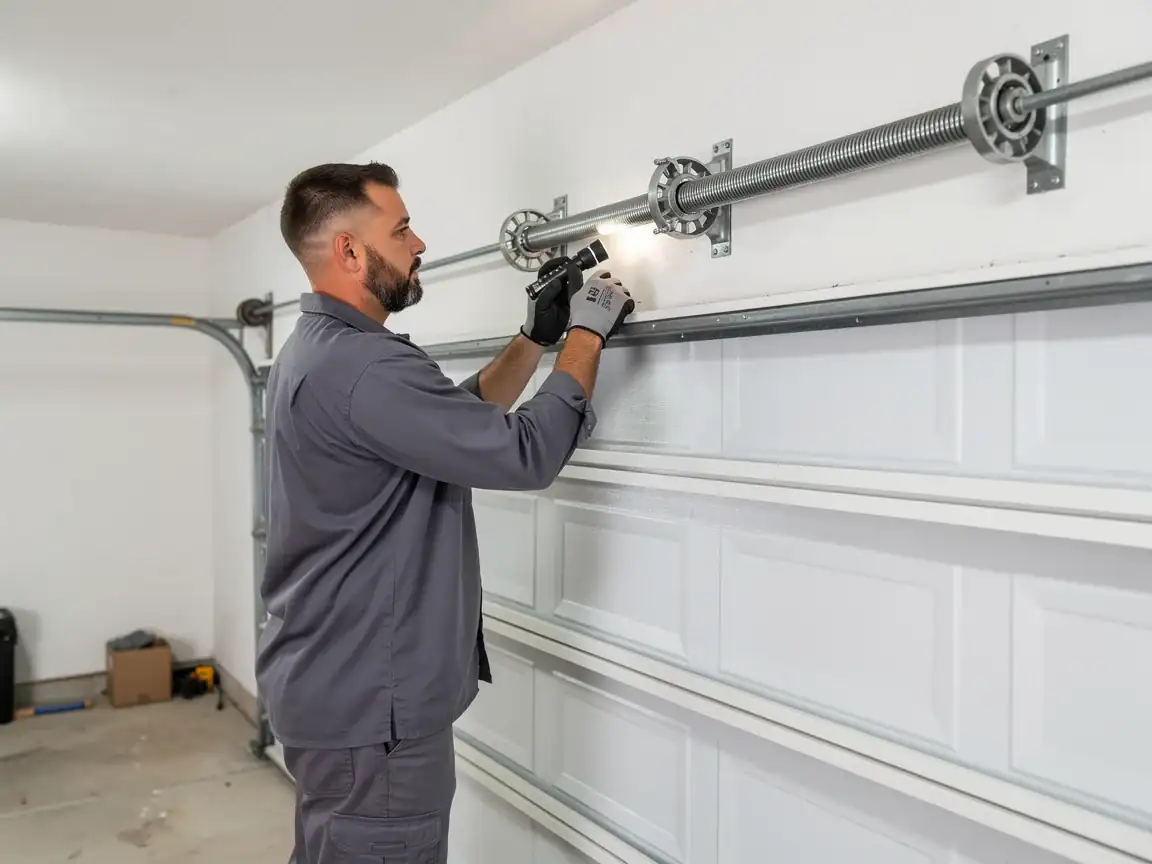
A technician shines a flashlight on a garage door torsion spring.

On-site diagnosis

A technician tests the door under power and by hand and finds what actually failed.

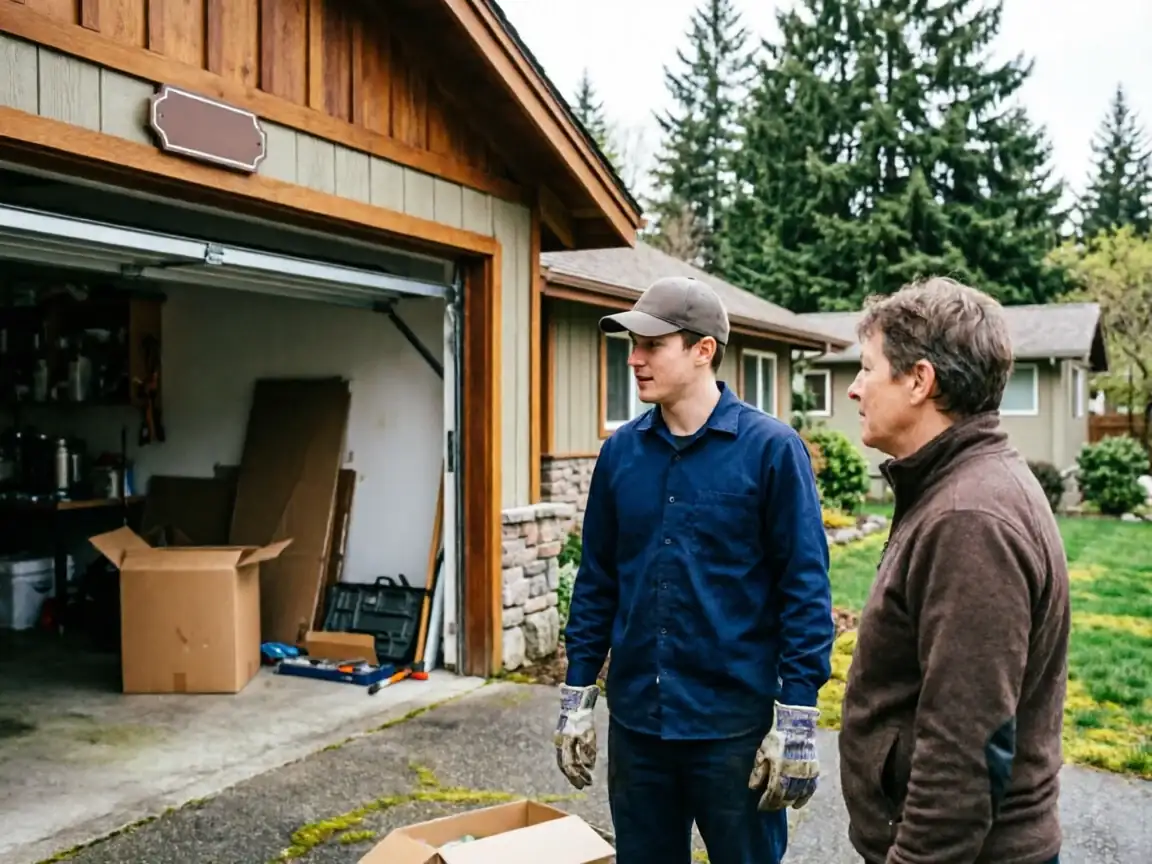
A technician and a customer stand in front of an open garage.

Clear, up-front plan

You get the fix that’s needed and what drives the cost - before any work starts.

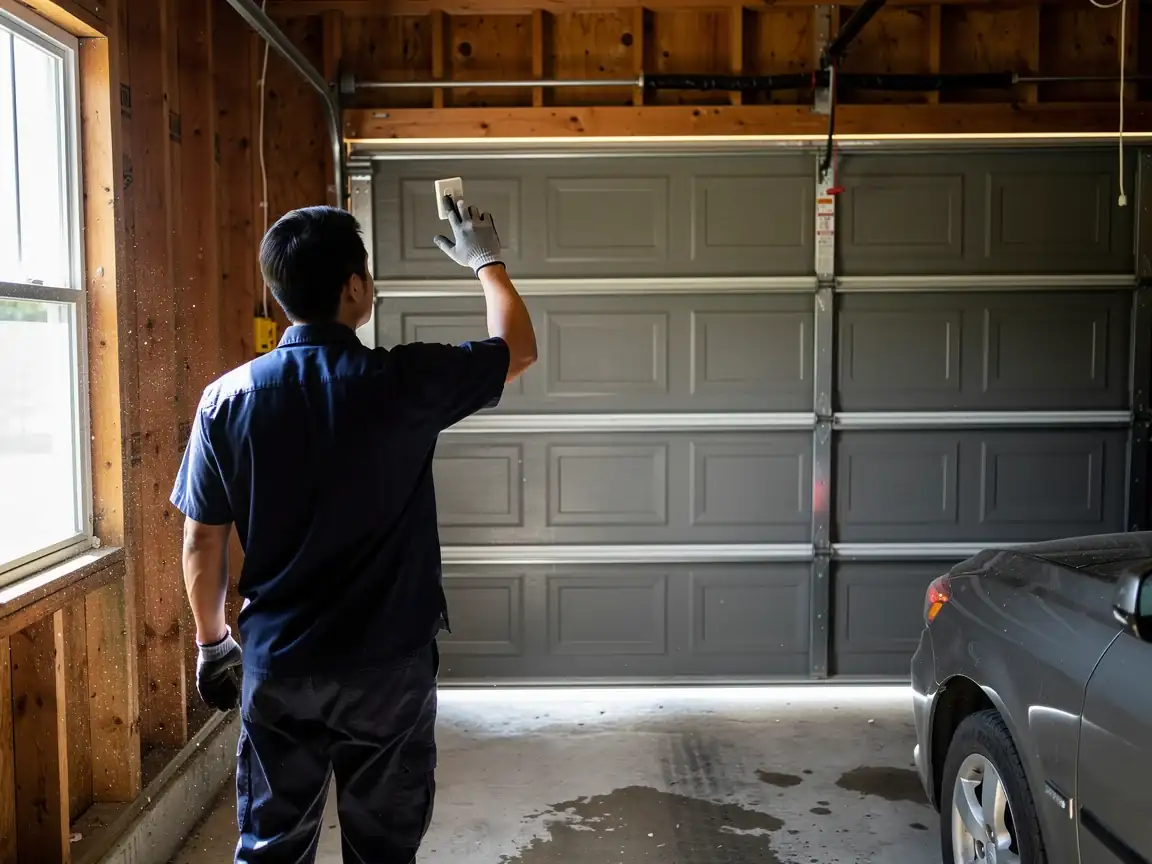
A technician in a blue uniform holds a remote control in front of a gray garage door.

Repaired & tested

The repair is done, the door is set true and tested, and the work area left clean.

Not sure which repair your door needs in Eugene, OR? Describe what it’s doing - every job starts with a diagnosis.

How we work

What to expect

Diagnosis firstEvery visit starts by finding what actually failed - not a pre-written parts list.
The right part for the doorSprings and openers matched to the door’s weight and age, so the fix holds up.
Straight answersWhen a repair makes more sense than a replacement - or the reverse - you hear it plainly.
Clean, careful workTension released safely, hardware set true, the door tested under power before we leave.
176,654Residents in Eugene
8Garage door services
6Neighborhoods & suburbs
ORServing Eugene, OR
Questions

Frequently asked

Straight answers about garage door repair in Eugene. Still unsure? Ask us directly.

How often should a garage door in Junction City get serviced?

Twice a year is reasonable here, especially given the area's cold, moderate winters, which tighten hardware and stiffen lubricant. Doors from the 1980 era benefit from more frequent checks since the hardware is older and more likely to be showing wear than anything built in the last decade.

Do you have a branch in Junction City?

No. We're based in Eugene and drive out, about 11 miles, when you call. There's no local office or dedicated truck stationed in Junction City - just a scheduled visit from the Eugene team.

Why does my opener strain even after a tune-up?

Usually it's spring tension, not the opener motor. On a door built around 1980 that's been resprung at some point, the spring may not match the door's actual weight, which forces the opener to do work it wasn't built for. We check balance manually, independent of the opener, to find that.

Is it worth replacing an original 1980s door instead of repairing it?

Depends what's failing. A worn roller or frayed cable is a repair. A rusted-through track frame or a door that's been resprung with mismatched hardware more than once is often cheaper to replace than keep patching. We'll tell you honestly which side of that line your door is on.

Ready to get your garage door sorted?

Tell us what it’s doing and where you are in Eugene - we’ll take it from there.

Request a QuoteCall